
 Permutation City
Quotes from the Book
My earliest memories are of CP4 — that's a Kähler manifold that looks locally like a vector space with four complex directions, though the global topology's quite different. But I didn't really grow up there; I was moved around a lot when I was young, to keep my perceptions flexible. I only used to spend time in anything remotely like this" — he motioned at the surrounding more-or-less-Euclidean space — for certain special kinds of physics problems. And even most Newtonian mechanics is easier to grasp in a symplectic manifold; having a separate visible coordinate for the position and momentum of every degree of freedom makes things much clearer than when you cram everything together in a single three-dimensional space.
You’ll never stop changing, but that doesn’t mean you have to drift in the wind. Every day, you can take the person you’ve been, and the new things you’ve witnessed, and make your own, honest choice as to who you should become. “Whatever happens, you can always be true to yourself. But don’t expect to end up with the same inner compass as anyone else. Not unless they started beside you, and climbed beside you every step of the way.
It was a rigorous result in information theory that once you could learn in a sufficiently flexible manner – something humanity had achieved in the Bronze Age – the only limits you faced were speed and storage; any other structural changes were just a matter of style.
There's nothing worse than a label to cement people's loyalties.
You don't take a traveler for a partner if you hope that the world will always stay the same. You do it because you can't quite break away, yourself, but you can't live without the promise of change hanging over you every day. That's what the border means, for a lot of people. The promise of change they'd never be able to make any other way.
That was the hazard she’d face every day, here: not just the risk that she’d give in to temptation, but the risk that all the principles she’d chosen to define herself would come to seem like nothing but masochistic nonsense.
Watch on YouTube
About Greg Egan
We have collected 86 quotes from 5 books by Greg Egan on BookQuoters.
More about the author →More by Greg Egan
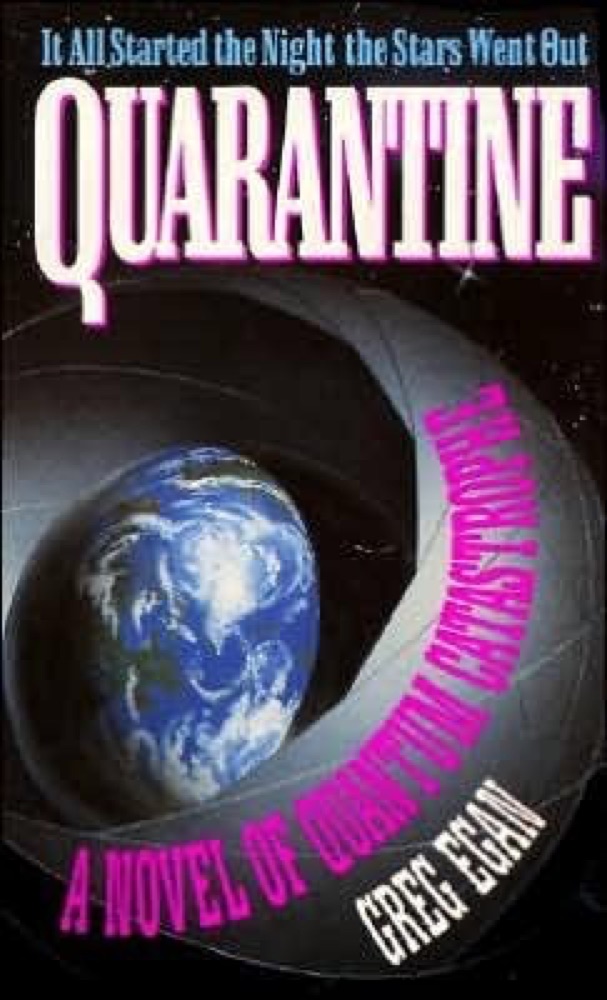
Book details
- Author
- Greg Egan
- Genre
- Literature
- Goodreads rating
- 3.93 (4k ratings) →
Keep reading
 The Boy on the Bridge
 The Nix
 The Resistance
 One
One
 The First Circle
 The 7 Habits Of Highly Effective Teens
 Senlin Ascends
 Orient
 12 Rules for Life: An Antidote to Chaos
 The Shockwave Rider
 Oathbringer
 Children of Dune
 Purity
 Crossing to Safety
 Shadow of the Hegemon
 Special Topics in Calamity Physics
 Wide Awake
 Flight Behavior
 The Shadowglass
 Oranges Are Not the Only Fruit
 The City in the Middle of the Night
 Asymmetry
 Foundryside
 Along for the Ride
 Out of Oz
 The Hydrogen Sonata
 Shoe Dog: A Memoir by the Creator of NIKE
 We All Looked Up
 Tress of the Emerald Sea
 The Razor's Edge
 Becoming
 That Hideous Strength
 Independent Study
 Forward the Foundation
 The Atlas Paradox
 Red Mars
 Ancestral Night
 Influx
 Colorless Tsukuru Tazaki and His Years of Pilgrimage
 The Bee Sting
 Sexing the Cherry
 The Atlas Complex
 State of Wonder
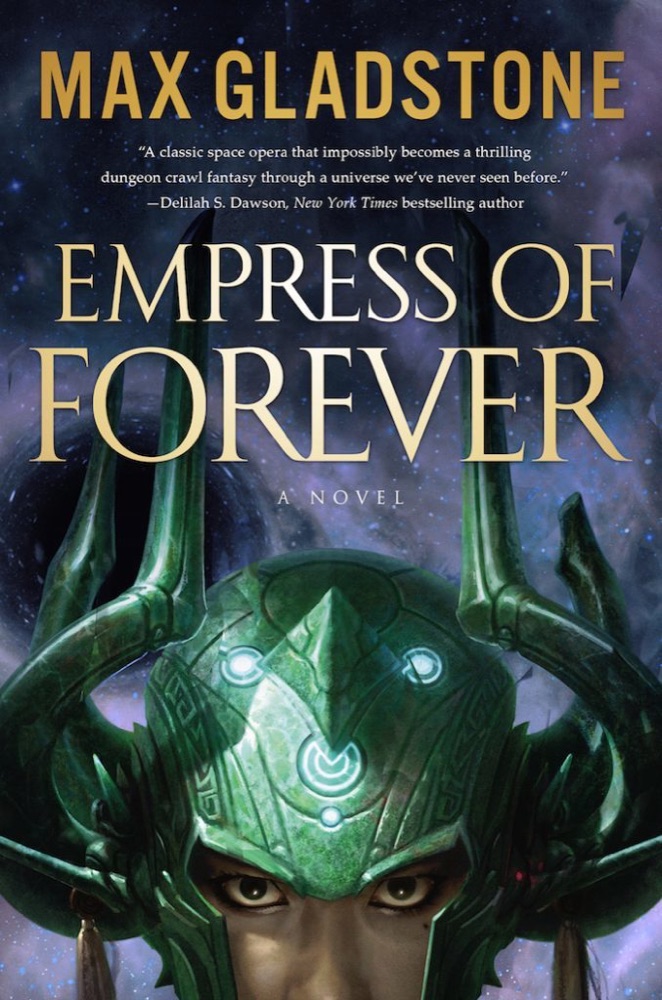 Empress of Forever
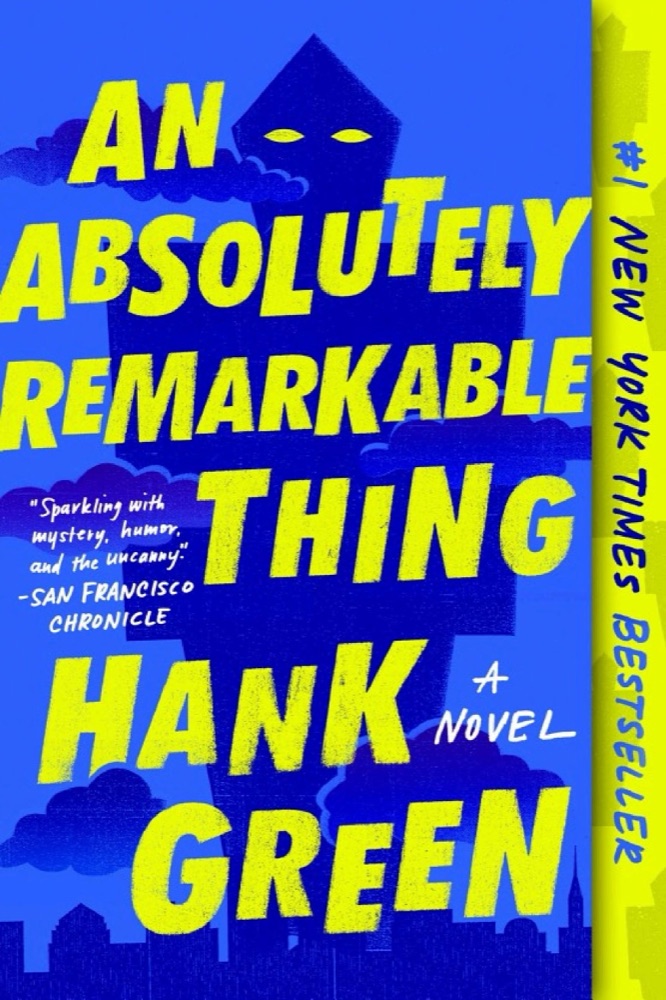 An Absolutely Remarkable Thing
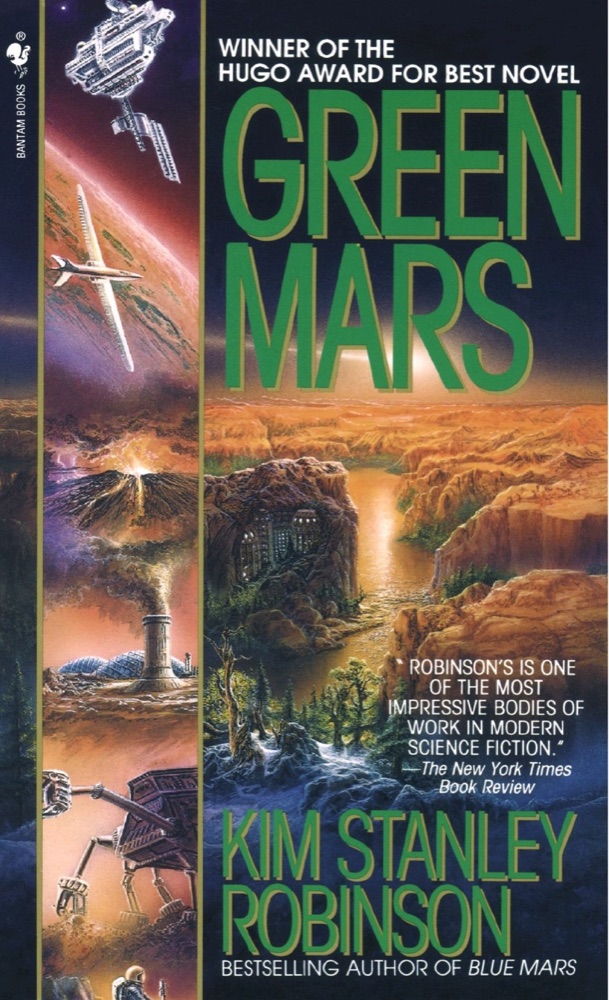 Green Mars
 The Downstairs Girl
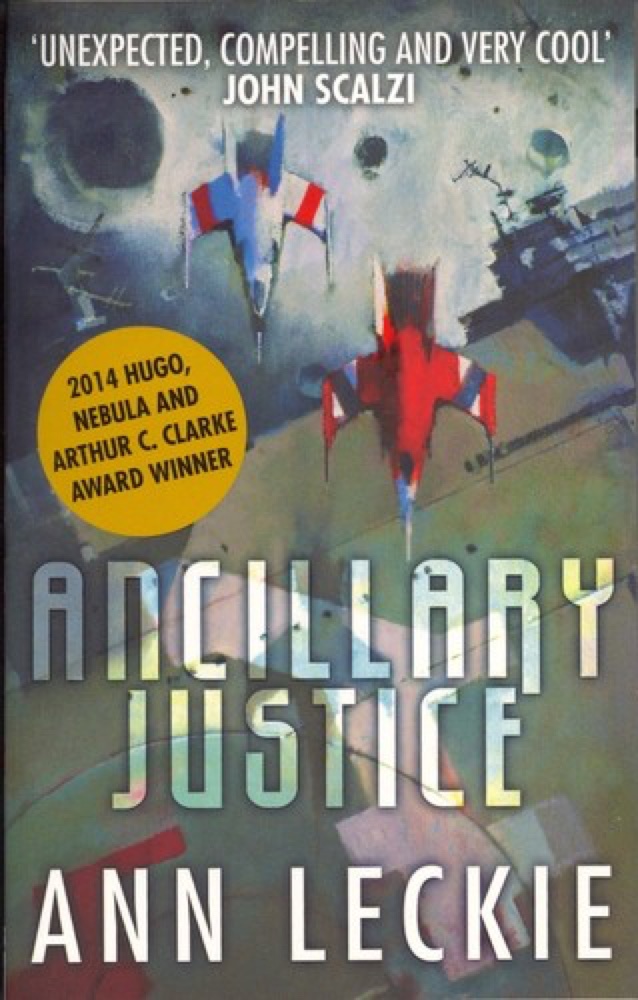 Ancillary Justice
 Tiamat's Wrath
 The Winner Stands Alone
 My Life on the Road
 Stories of Your Life and Others
 The Shape of Mercy
 All the Birds in the Sky
 Mostly Harmless
 Elizabeth Finch
 All the King's Men
Permutation City
All the King's Men
Permutation City
 The Golden Compass
 Demian