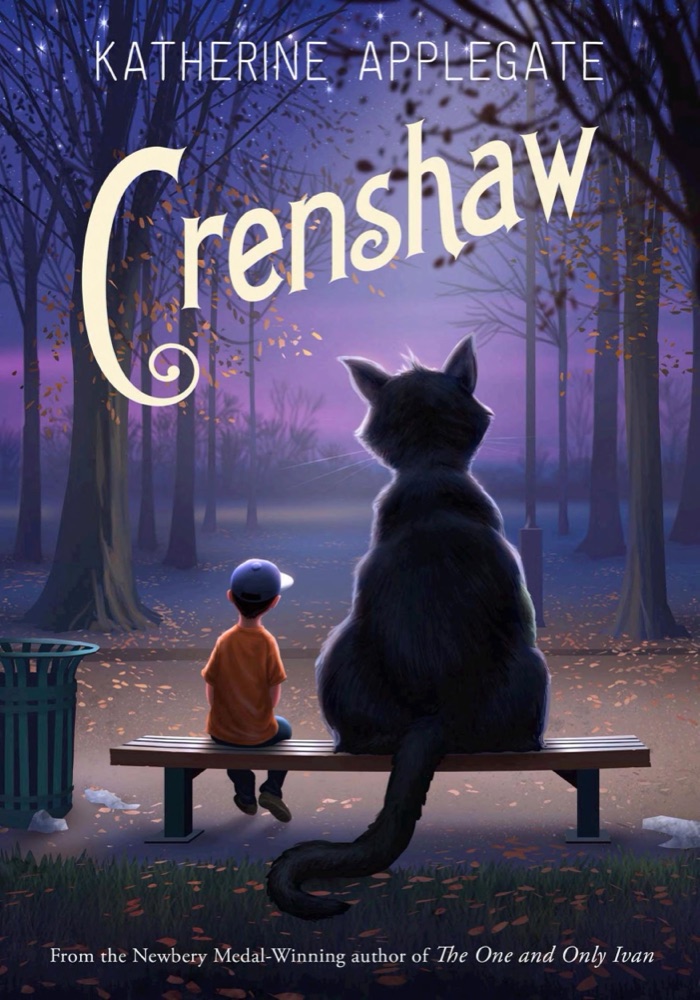
 Crenshaw
Quotes from the Book
I wanted belonging to be something I could inherit, something I could step into fully formed. I imagined community as a space I could passively inhabit. It would be so many years before I learned that community was an action, something we build and rebuild and contribute to. That belonging is something we invent.
9
Feral, for all the wildness it implies, just means that an animal was abandoned by the system that created it.
7
I started an Instagram account for the cats because I had too much love form them, scary amounts of weird obsessive love for these creatures in my carport who could, at any moment just die. I had a creeping sense of how big my grief would become. I was inviting someone to share it with me. Please, I was saying. I cannot feel this much by myself.
7
It’s been years now. I have been asking him to haunt me.
4
Maybe if I had more money, I could be a better person.
4
It never occurred to me before to wonder what stars looked like to wild animals. If sunsets are beautiful to cats.
3
I am so often sad to my core.
2
She would prompt me, and I would stare dumbly back at her, thinking only about Monkey and hunger and the price of cat food. Do you think that if you had the security of knowing you would always be fed, and you would always have shelter, and you didn't have to worry about these basic parts of survival...? I finished for her: I would be different
2
I had begun to value my moments with cats not only as escapes from myself—chances to forget completely that I existed in a physcial form—but as ways to inhabit a truer sense of myself, a version of myself where I looked however I looked and it didn't matter. The cats didn't care.
1
My cat died and all I got was this bitter resentment. My cat died and all I got was this deep gnawing sadness.
1
I didn’t even drink, and with every social invitation I accepted I felt more and more inept, more deeply uncool, tagging along like someone’s little sister.
1
I fear I’ve made Dr. Big Butt more orange in my memory than he was in real life. I picture him so rust-colored and enormous, unlike any other cat that has ever lived. I rarely revisit pictures of him — they make me cry and he has grown so vast in my mind, so massive in my understanding of grief and despair and getting out of bed again, that he has taken on magnificent proportions, colors that cats don't even come in. In photos he is a regular orange cat. In my memory he's still walking toward me at sunset.
1
My identity had always been tied to achievable goals for which I would be rewarded with another report card, another publication, another prize. I had no idea who I was if I wasn’t a writer, and wasn’t that how it was supposed to be? hadn’t we all been asked since grade school what we wanted to be when we grew up? I had worked hard for it. I had defined myself by it.
1
Now all my friends are having babies. Every time someone announces their pregnancy, I feel a vague sense of loss I can't quite parse. I have all this care to give.
1
It never occurred to m e before to wonder what stars looked like to wild animals. If sunsets are beautiful to cats.
1
thinking about all the skinny cats that would circle our cars. Thinking: Maybe if I had more money
I knew that I was waiting in the dark for something other than stars.
Did you know?
- The book grew out of Gustafson's viral social media accounts documenting a feral cat colony in the Poets Square neighborhood of Tucson, Arizona.
- A 2021 video of Gustafson preparing a miniature Thanksgiving meal for the cats helped the accounts go viral.
- The cats featured have distinct names and personalities, including Monkey, Goldie, Francois, and Sad Boy.
- Gustafson initially started an Instagram account in part to share photos with her father.
- It is Gustafson's debut memoir, published by Crown in April 2025.
Watch on YouTube
About Courtney Gustafson
About the book
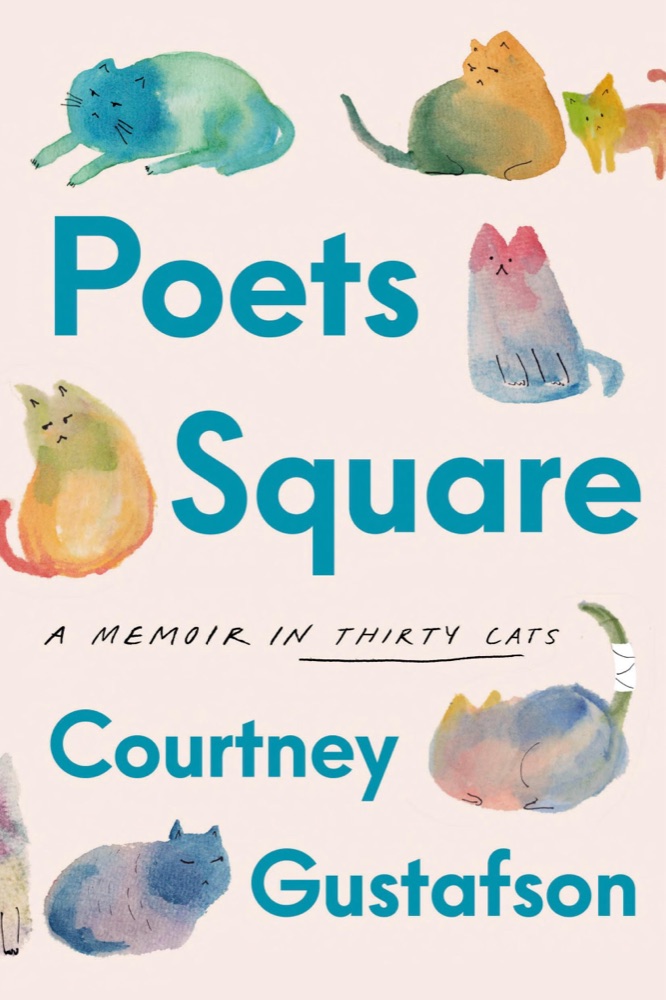
"Poets Square: A Memoir in Thirty Cats" is Courtney Gustafson's debut memoir about how she unexpectedly became the caretaker of a colony of about thirty feral cats after moving into a rental house in the Poets Square neighborhood of Tucson, Arizona. Initially reluctant while contending with financial hardship and her own mental health struggles during the pandemic, Gustafson began documenting the cats' distinct personalities on Instagram and TikTok, and the accounts unexpectedly went viral.
Beyond its cat anecdotes, the book is an exploration of community, empathy, and care. Gustafson draws a throughline between the suffering of vulnerable animals and the suffering of the people who tend to them, reflecting on online fame, mental health, and how readily strangers extended concern toward the cats while struggling human neighbors went unseen.
The memoir became a New York Times bestseller and was named a best book of the year by NPR and the Chicago Public Library. Reviewers praised it as a thoughtfully written account that transcends typical pet writing through its social observation, with outlets noting how it connects animal welfare to broader questions of human compassion and systemic care.
Book details
- First published
- 2025
- Length
- 256 pages
- Reading time
- 4 hours
- Author
- Courtney Gustafson
- Genre
- Biography
- Goodreads rating
- 4.49 (6k ratings)
Critical reception
- Named a New York Times bestseller and a best book of the year by NPR and the Chicago Public Library.
- Publishers Weekly noted the memoir transcends typical pet anecdotes through meaningful social observation.
- Reviewers highlighted its central insight that the suffering of domestic animals often mirrors that of the people who care for them.
The buzz
- AltaIlluminating Care2025Connects animal care to human compassion and systemic care
- Hippocampus MagazineREVIEW: Poets Square, Courtney Gustafson2025On how caring for feral cats leads to community and purpose
Keep reading
Crenshaw
 Underdog
 Dark Places
 Cat's Eye
 All the Lovers in the Night
 The Pisces
 Spill Simmer Falter Wither
 I Keep My Exoskeletons to Myself
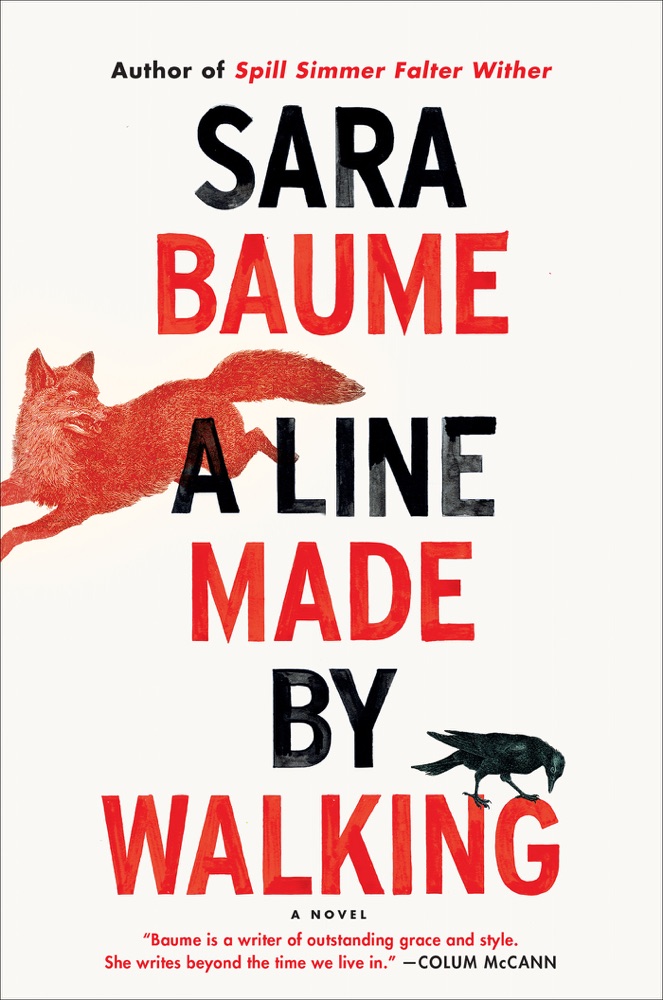 A Line Made By Walking
 A Wolf at the Table
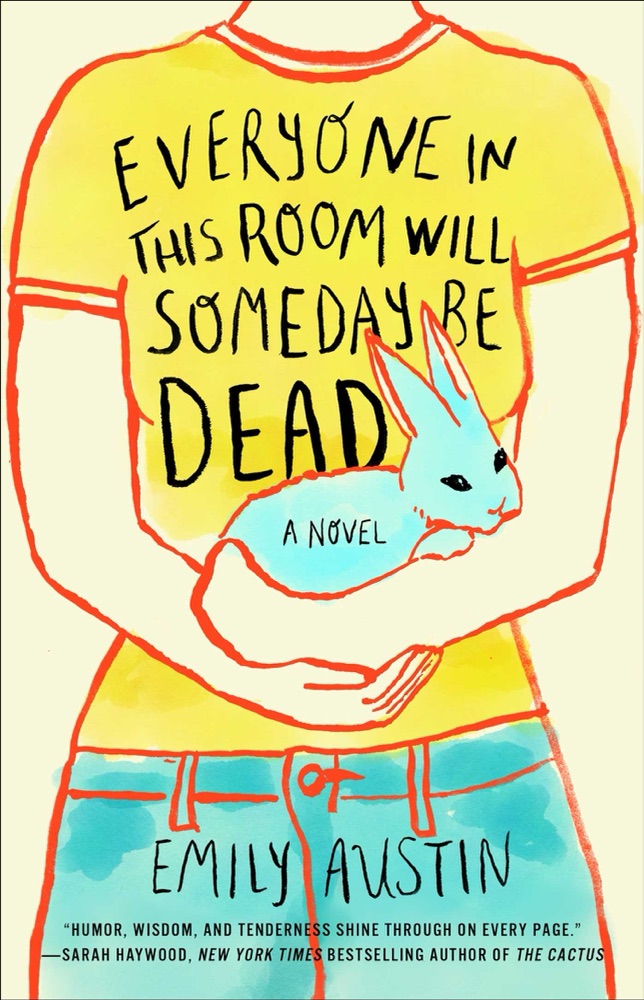 Everyone in This Room Will Someday Be Dead
 Indelicacy
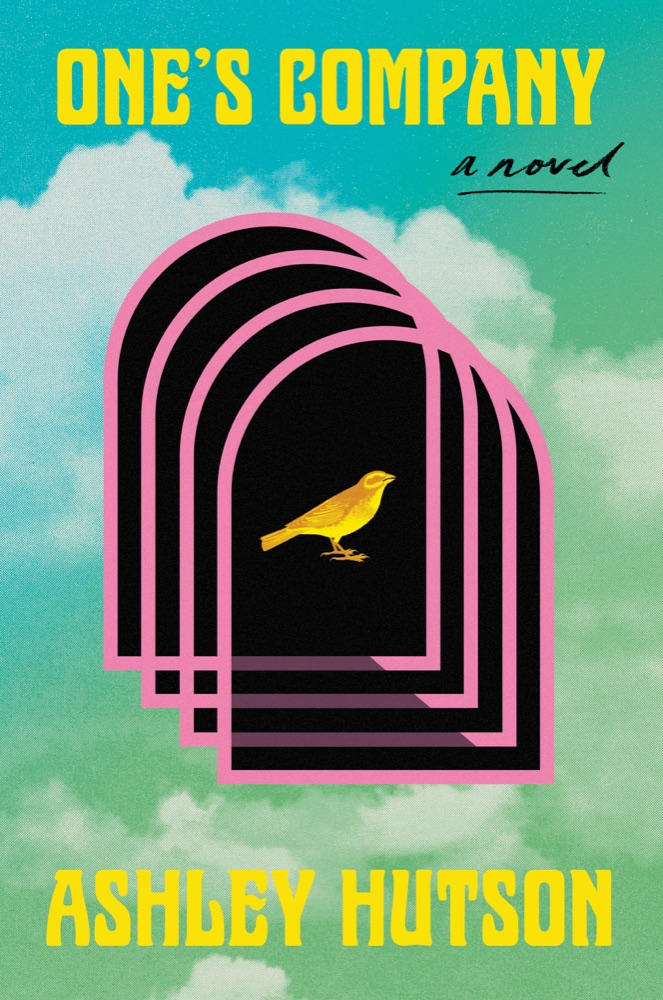 One's Company
 Tell the Wolves I'm Home
 Little Weirds
 The Carrying
 Terminal Boredom: Stories
 The Hurting Kind: Poems
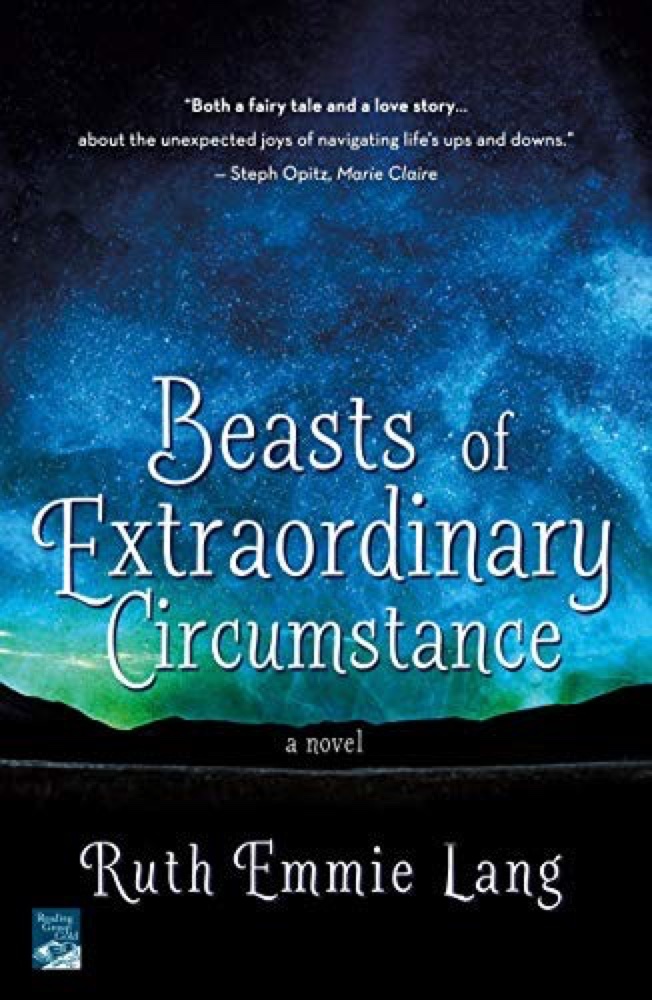 Beasts of Extraordinary Circumstance
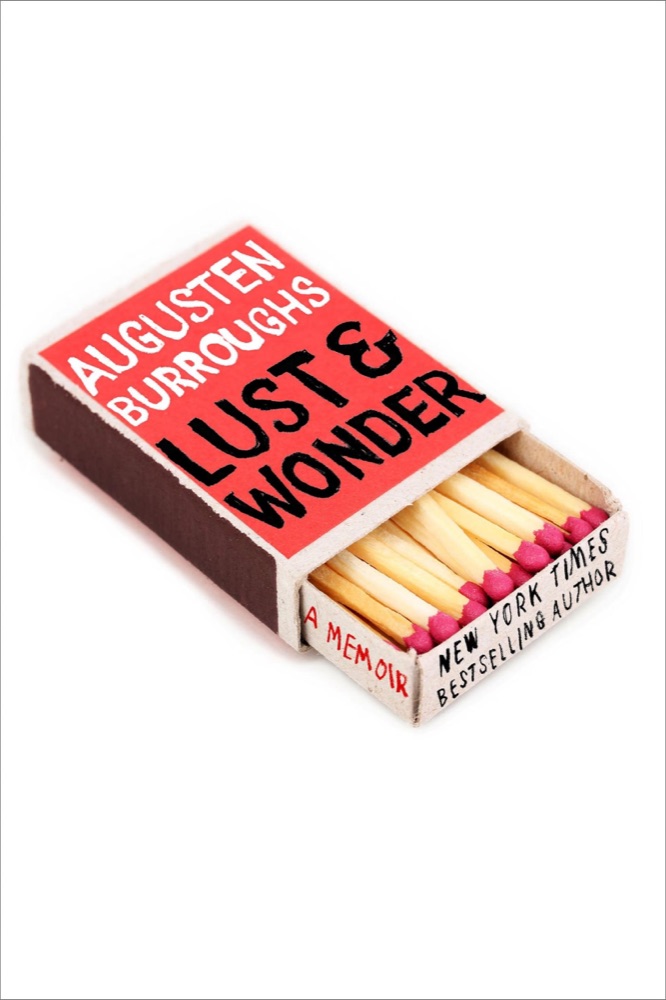 Lust & Wonder
 Schoolgirl
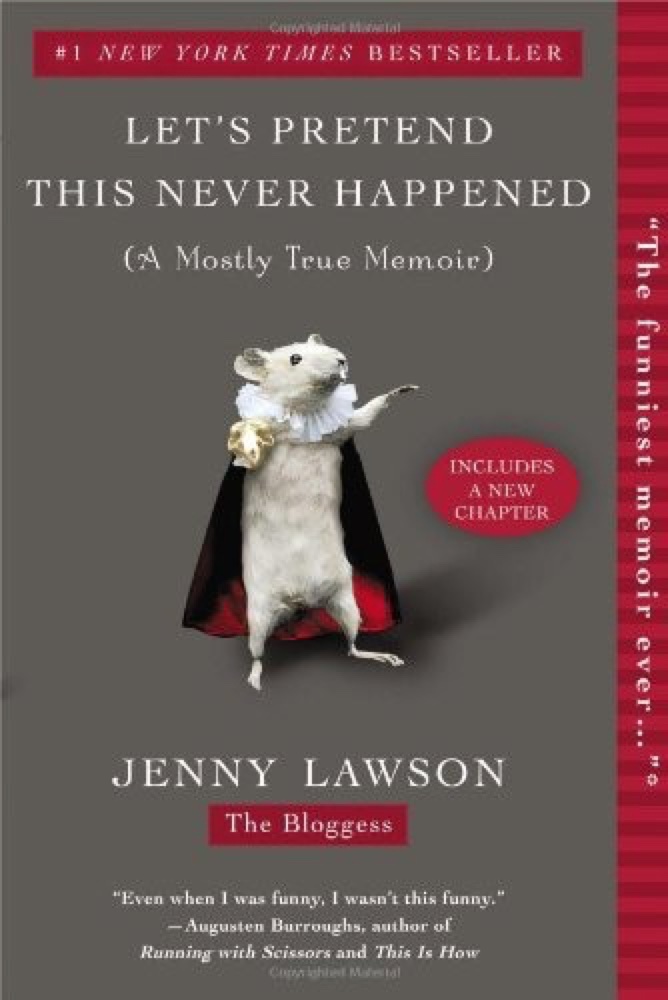 Let's Pretend This Never Happened: A Mostly True Memoir
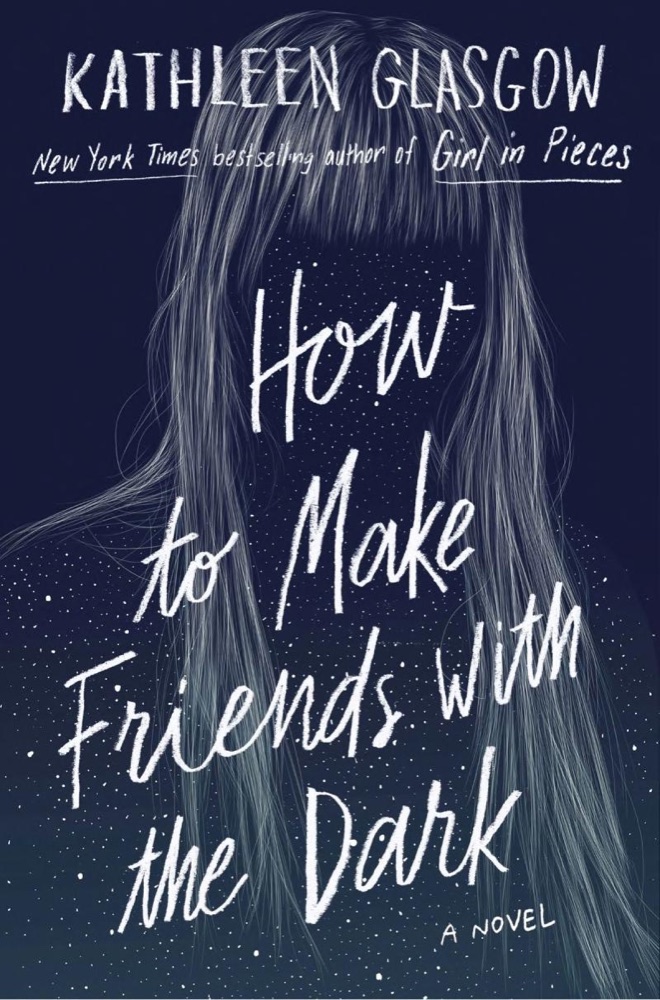 How to Make Friends with the Dark
 Eileen
 Inferno
 Acts of Desperation
 Great House
 What I Was
 Down the Drain
 Escape
 Girls Can Kiss Now: Essays
 We Are Okay
 In My Dreams I Hold a Knife
 Ballad: A Gathering of Faerie
 Shampoo Planet
 Extremely Loud and Incredibly Close
 When We Collided
 The Year I Met You
 A Street Cat Named Bob
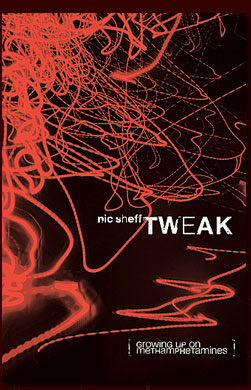 Tweak: Growing Up On Methamphetamines
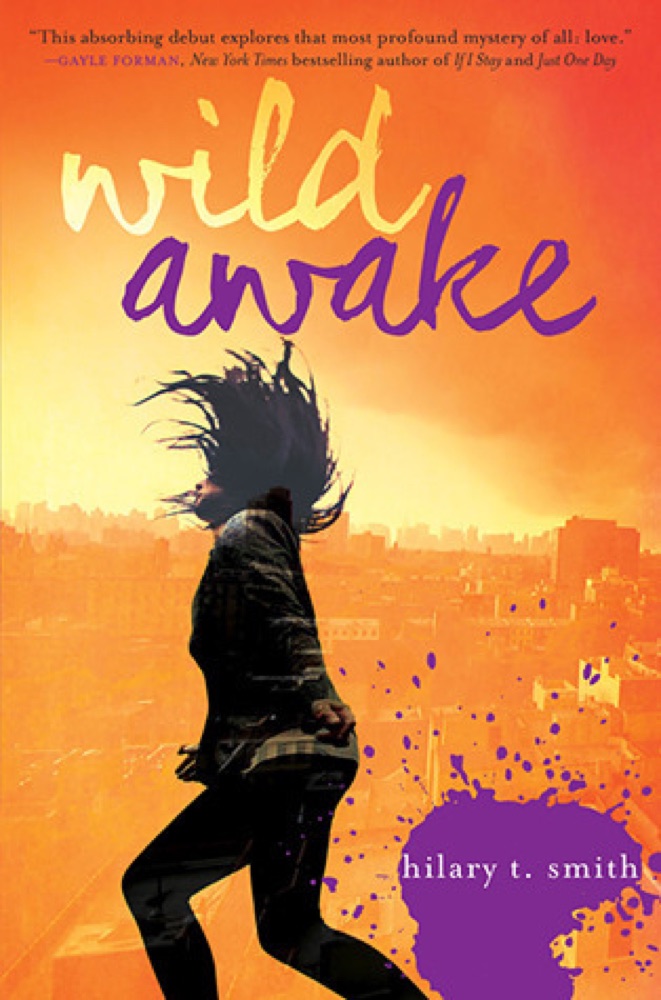 Wild Awake
 South of the Border, West of the Sun
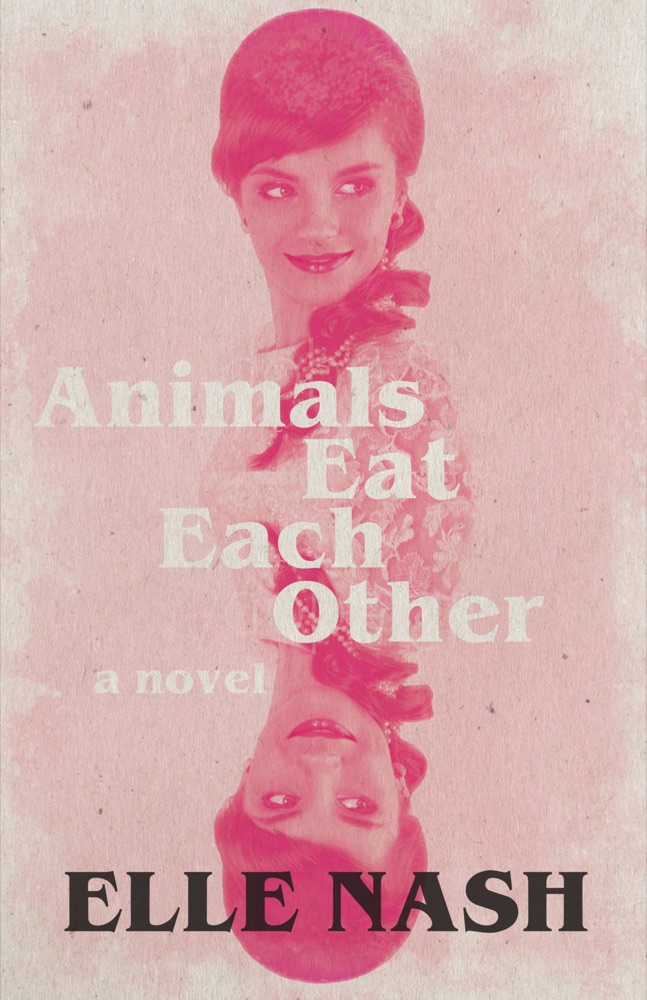 Animals Eat Each Other
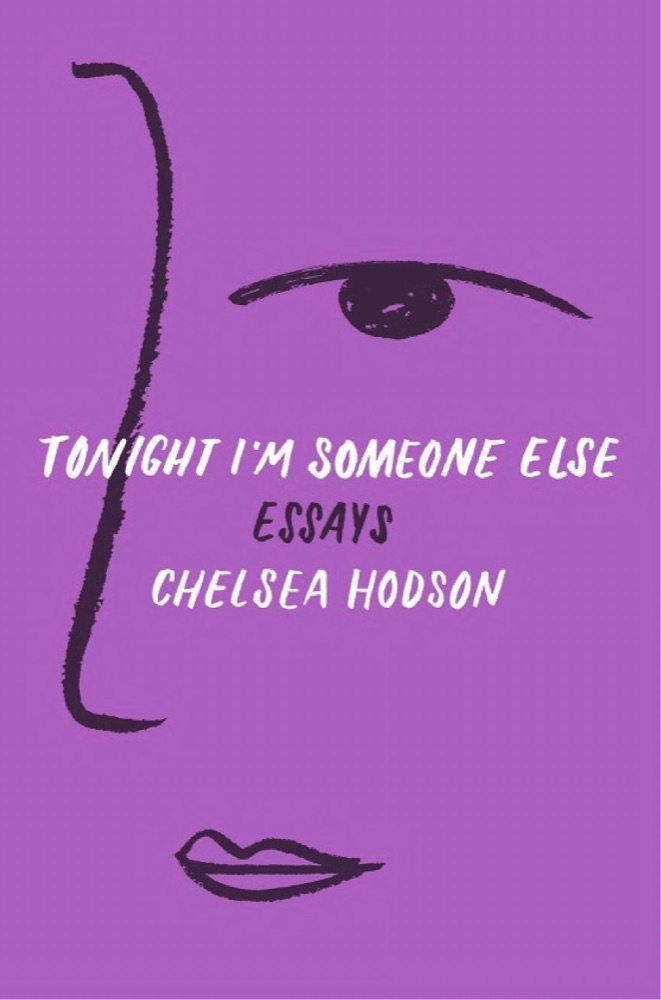 Tonight I'm Someone Else: Essays
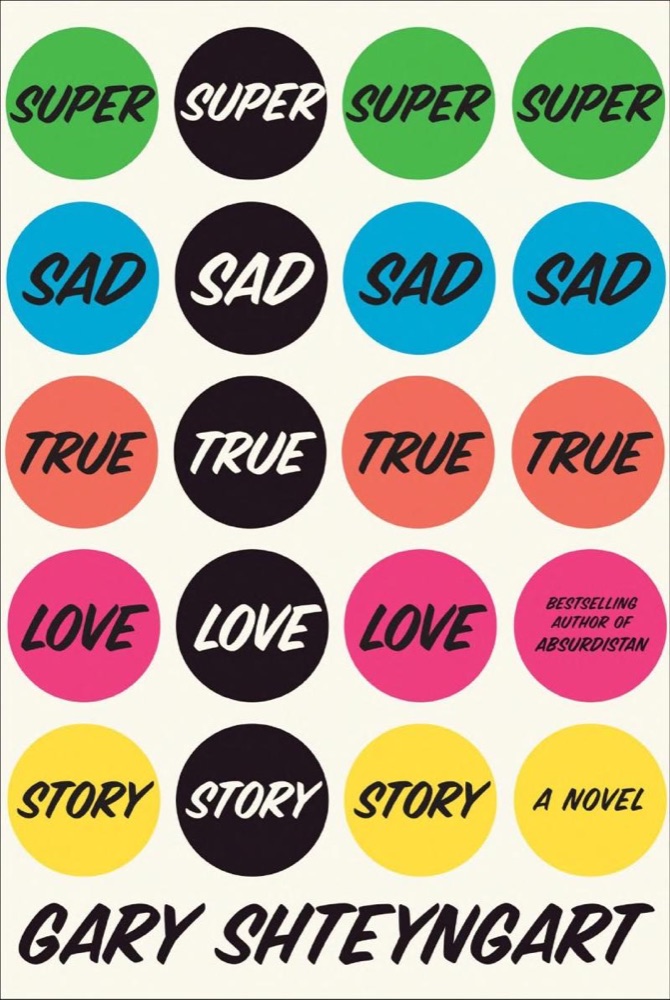 Super Sad True Love Story
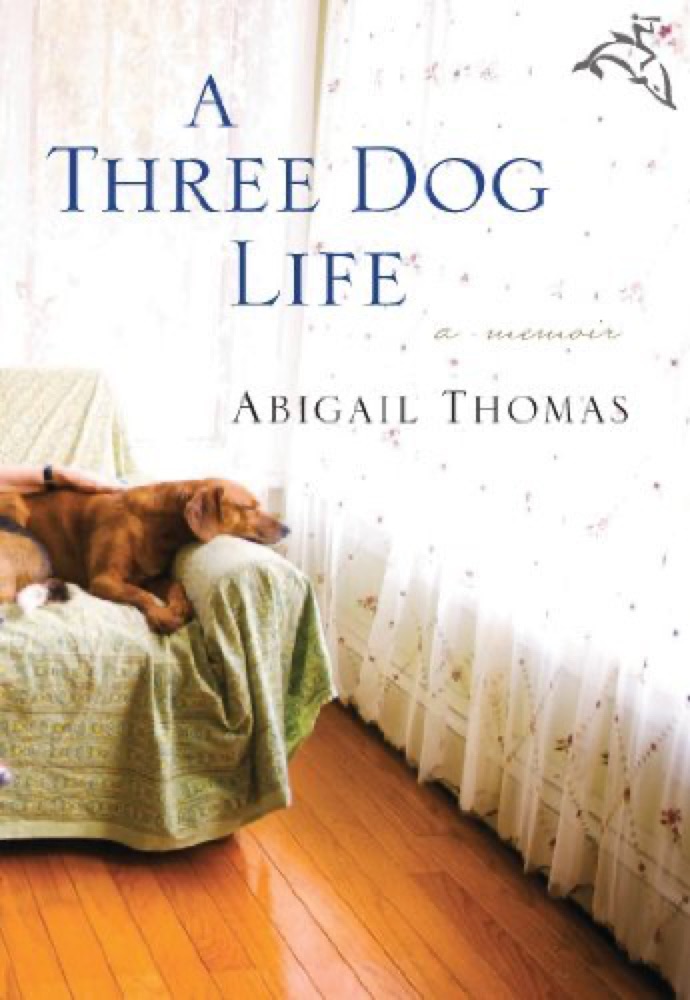 A Three Dog Life
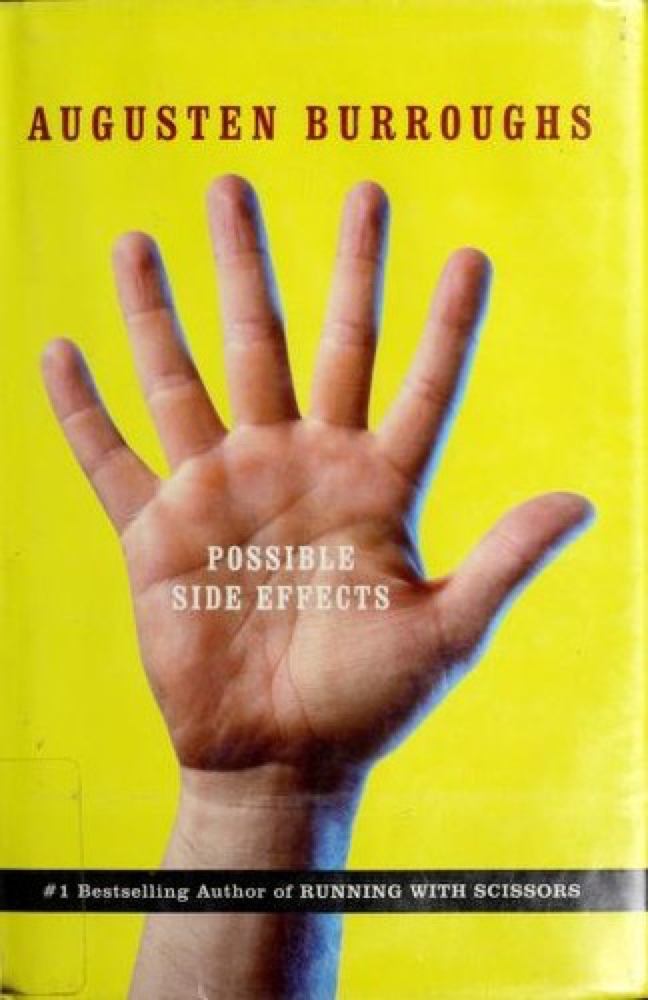 Possible Side Effects
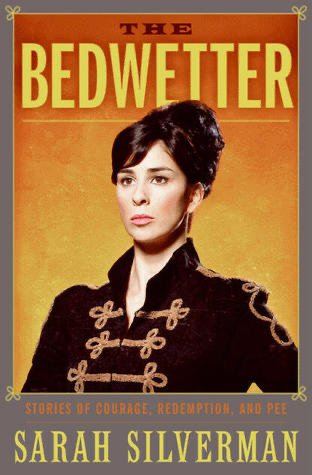 The Bedwetter: Stories of Courage, Redemption, and Pee
 Lock Every Door
 Eleanor Oliphant Is Completely Fine
 The Folded Clock: A Diary
 Fall for Anything
 Banyan Moon
 The Travelling Cat Chronicles
 The Saturday Night Ghost Club
 Life After Death
 Darkly Dreaming Dexter
 The Return
 A Manual for Cleaning Women: Selected Stories
 I Am Not Myself These Days