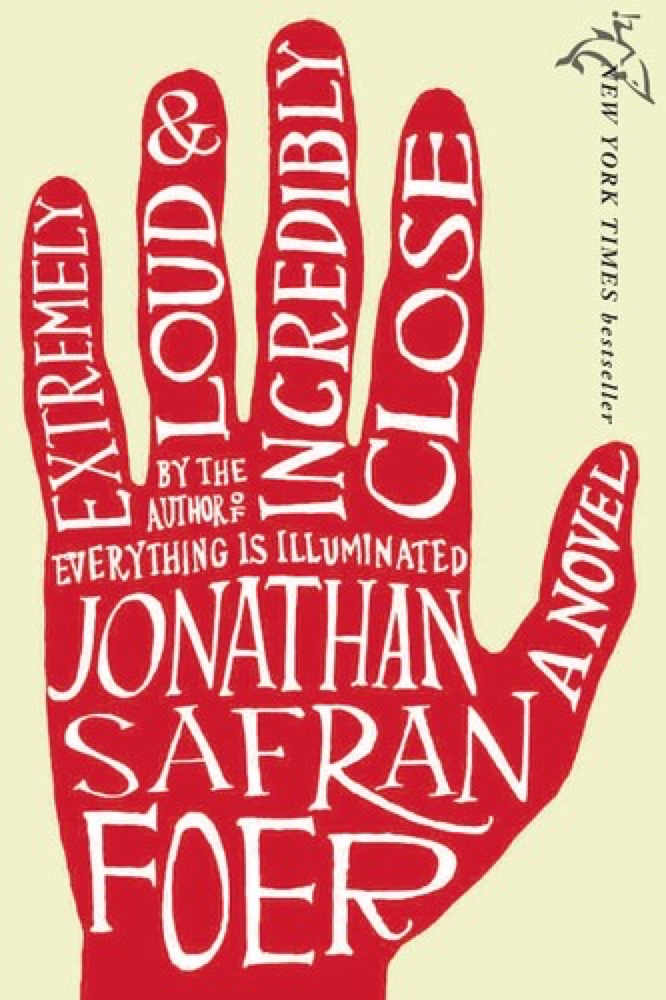

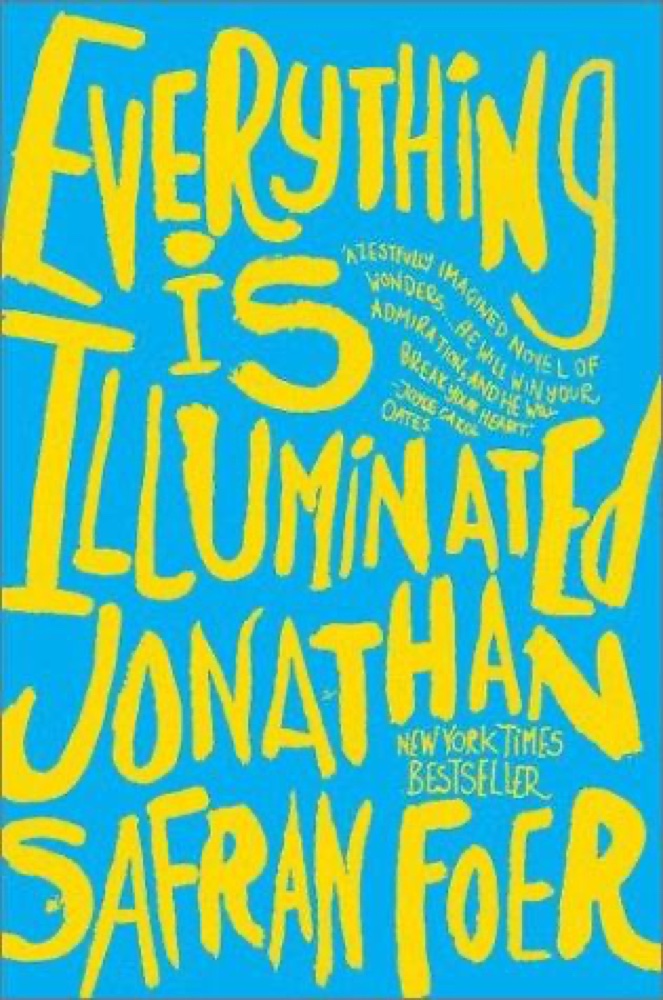
 Everything Is Illuminated
Quotes from the Book
Sometimes I can hear my bones straining under the weight of all the lives I'm not living.
Why didn't I learn to treat everything like it was the last time. My greatest regret was how much I believed in the future.
I regret that it takes a life to learn how to live.
I like to see people reunited, I like to see people run to each other, I like the kissing and the crying, I like the impatience, the stories that the mouth can't tell fast enough, the ears that aren't big enough, the eyes that can't take in all of the change, I like the hugging, the bringing together, the end of missing someone.
I hope that one day you will have the experience of doing something you do not understand for someone you love.
Why do beautiful songs make you sad?' 'Because they aren't true.' 'Never?' 'Nothing is beautiful and true.
There were things I wanted to tell him. But I knew they would hurt him. So I buried them, and let them hurt me.
I feel too much. That's what's going on.' 'Do you think one can feel too much? Or just feel in the wrong ways?' 'My insides don't match up with my outsides.' 'Do anyone's insides and outsides match up?' 'I don't know. I'm only me.' 'Maybe that's what a person's personality is: the difference between the inside and outside.' 'But it's worse for me.' 'I wonder if everyone thinks it's worse for him.' 'Probably. But it really is worse for me.
She wants to know if I love her, that's all anyone wants from anyone else, not love itself but the knowledge that love is there, like new batteries in the flashlight in the emergency kit in the hall closet.
Songs are as sad as the listener.
So many people enter and leave your life! Hundreds of thousands of people! You have to keep the door open so they can come in! But it also means you have to let them go!
Humans are the only animal that blushes, laughs, has religion, wages war, and kisses with lips. So in a way, the more you kiss with lips, the more human you are. And the more you wage war.
My life story is the story of everyone I've ever met.
What about little microphones? What if everyone swallowed them, and they played the sounds of our hearts through little speakers, which could be in the pouches of our overalls? When you skateboarded down the street at night you could hear everyone's heartbeat, and they could hear yours, sort of like sonar. One weird thing is, I wonder if everyone's hearts would start to beat at the same time, like how women who live together have their menstrual periods at the same time, which I know about, but don't really want to know about. That would be so weird, except that the place in the hospital where babies are born would sound like a crystal chandelier in a houseboat, because the babies wouldn't have had time to match up their heartbeats yet. And at the finish line at the end of the New York City Marathon it would sound like war.
I missed you even when I was with you. That’s been my problem. I miss what I already have, and I surround myself with things that are missing.
We had everything to say to each other, but no ways to say it
We need enormous pockets, pockets big enough for our families and our friends, and even the people who aren't on our lists, people we've never met but still want to protect. We need pockets for boroughs and for cities, a pocket that could hold the universe.
What did thinking ever do for me, to what great place did thinking ever bring me? I think and think and think. I've thought myself out of happiness one million times, but never once into it.
I hated myself for going, why couldn't I be the kind of person who stays?
In bed that night I invented a special drain that would be underneath every pillow in New York, and would connect to the reservoir. Whenever people cried themselves to sleep, the tears would all go to the same place, and in the morning the weatherman could report if the water level of the Reservoir of Tears had gone up or down, and you could know if New York is in heavy boots.
I felt suddenly shy. I was not used to shy. I was used to shame. Shyness is when you turn your head away from something you want. Shame is when you turn your head away from something you do not want.
Just because you're an atheist, that doesn't mean you wouldn't love for things to have reasons for why they are.
I wanted to tell her everything, maybe if I'd been able to, we could have lived differently, maybe I'd be there with you now instead of here. Maybe... if I'd said, 'I'm so afraid of losing something I love that I refuse to love anything,' maybe that would have made the impossible possible. Maybe, but I couldn't do it, I had buried too much too deeply inside me. And here I am, instead of there.
I felt, that night, on that stage, under that skull, incredibly close to everything in the universe, but also extremely alone. I wondered, for the first time in my life, if life was worth all the work it took to live. What exactly made it worth it? What's so horrible about being dead forever, and not feeling anything, and not even dreaming? What's so great about feeling and dreaming?
The mistakes I've made are dead to me. But I can't take back the things I never did.
I took the world into me, rearranged it, and sent it back out as a question: "Do you like me?
I never confused what I had with what I was.
The secret was a hole in the middle of me that every happy thing fell into.
Feathers filled the small room. Our laughter kept the feathers in the air. I thought about birds. Could they fly if there wasn't someone, somewhere, laughing?
I wanted to touch him, to tell him that even if everyone left everyone, I would never leave him, he talked and talked, his words fell through him, trying to find the floor to his sadness.
Did you know?
- The novel's opening line is the question "What about a teakettle?"
- The story unfolds partly through photographs, colored text, and typographic experiments printed within the book.
- Oskar's grandparents' narrative reaches back to the firebombing of Dresden during World War II.
- It was a New York Times bestseller in 2005.
- A 2011 film adaptation starred Tom Hanks and Sandra Bullock.
About Jonathan Safran Foer
Jonathan Safran Foer, born in 1977 in Washington, D.C., is an American novelist known for Everything Is Illuminated (2002), Extremely Loud & Incredibly Close (2005), and Here I Am (2016), as well as nonfiction works on vegetarianism and climate change.
More about the author →More by Jonathan Safran Foer

About the book
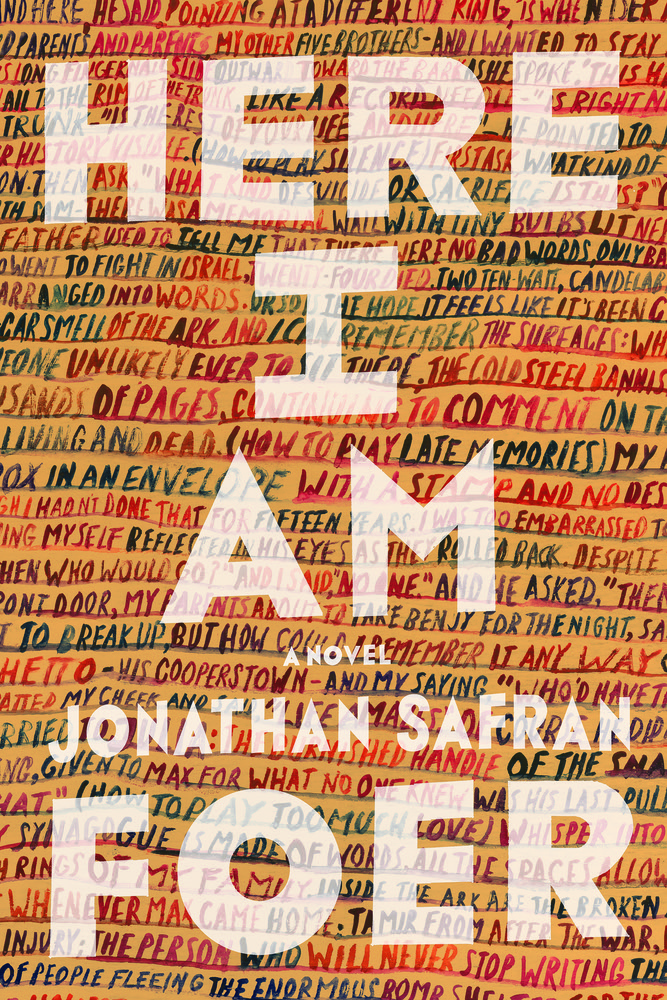
Extremely Loud & Incredibly Close is Jonathan Safran Foer's second novel, following nine-year-old Oskar Schell in the wake of his father's death in the September 11 attacks on the World Trade Center. A couple of years after the tragedy, Oskar discovers a mysterious key in an envelope inside a vase in his father's closet. Convinced it holds a message from his father, he sets out across New York City's five boroughs to find every person with the surname Black, hoping to identify the lock the key opens.
Woven through Oskar's quest are parallel narratives from his grandmother and grandfather, whose own histories reach back to the firebombing of Dresden in World War II. The novel explores grief, trauma, mourning, and the tension between self-destruction and self-preservation across three generations of a family. Foer tells the story through an experimental form that mixes typography, photographs, colored text, and blank or overprinted pages, using the physical book itself as part of the storytelling.
Published in 2005, the book became a New York Times bestseller and helped cement Foer's reputation as a distinctive voice in contemporary American fiction. Its blend of a child's imaginative, anxious voice with a national tragedy made it one of the most discussed literary responses to 9/11, and it was adapted into a feature film in 2011.
Key characters
- Oskar SchellNine-year-old protagonist and narrator searching for the lock his father's key opens
- Thomas SchellOskar's father, killed in the September 11 attacks before the story begins
- Oskar's motherGrieving parent whose relationship with Oskar becomes strained
- Oskar's grandmotherProvides a parallel narrative rooted in the family's wartime past
- Oskar's grandfather (Thomas Schell Sr.)Mute figure whose Dresden history threads through the novel
- Mr. A. BlackElderly neighbor who accompanies Oskar on part of his search
Book details
- First published
- 2005
- Length
- 368 pages
- Reading time
- 6 hours
- Author
- Jonathan Safran Foer
- Genre
- Fiction
- Goodreads rating
- 3.97 (439k ratings) →
- First line
- “What about a teakettle?”
Movie & TV adaptations
- IMDb
If you liked this, read…
- 1Everything Is IlluminatedFoer's debut, sharing his experimental style and themes of memory and loss
- 2The Curious Incident of the Dog in the Night-TimeAlso narrated by a brilliant, unusual young boy on an investigative quest
- 3A Little LifeAnother emotionally intense literary novel about trauma and grief
Keep reading
 Fall for Anything
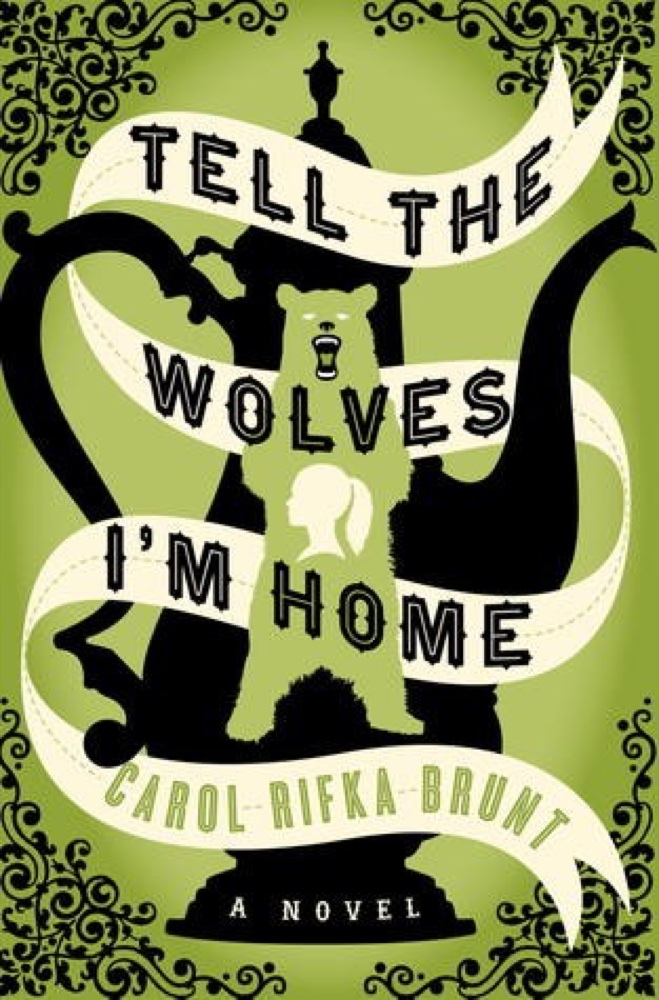 Tell the Wolves I'm Home
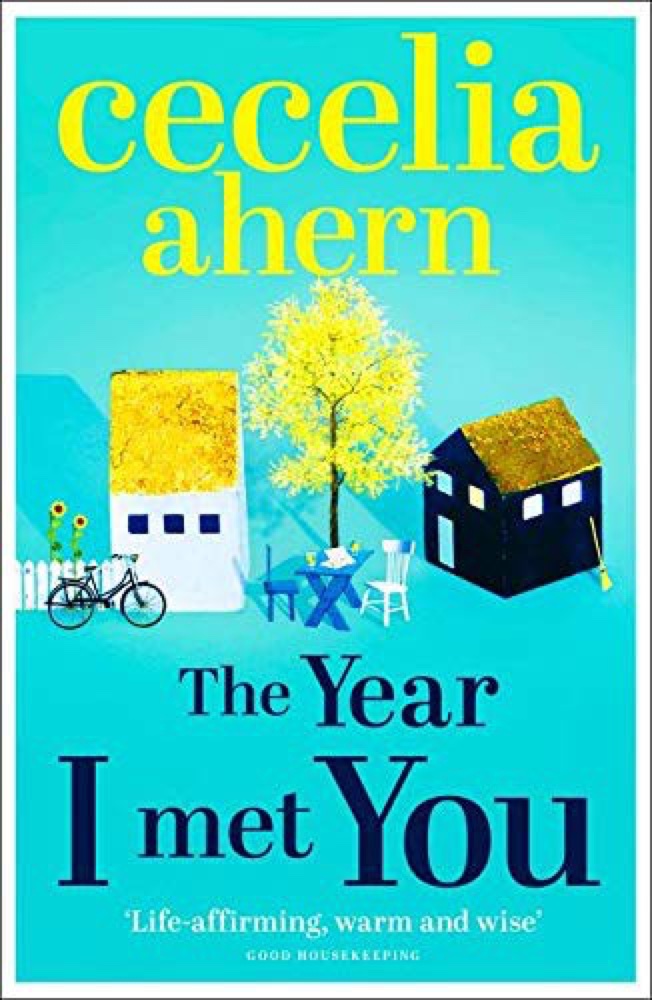 The Year I Met You
 What I Didn't Say
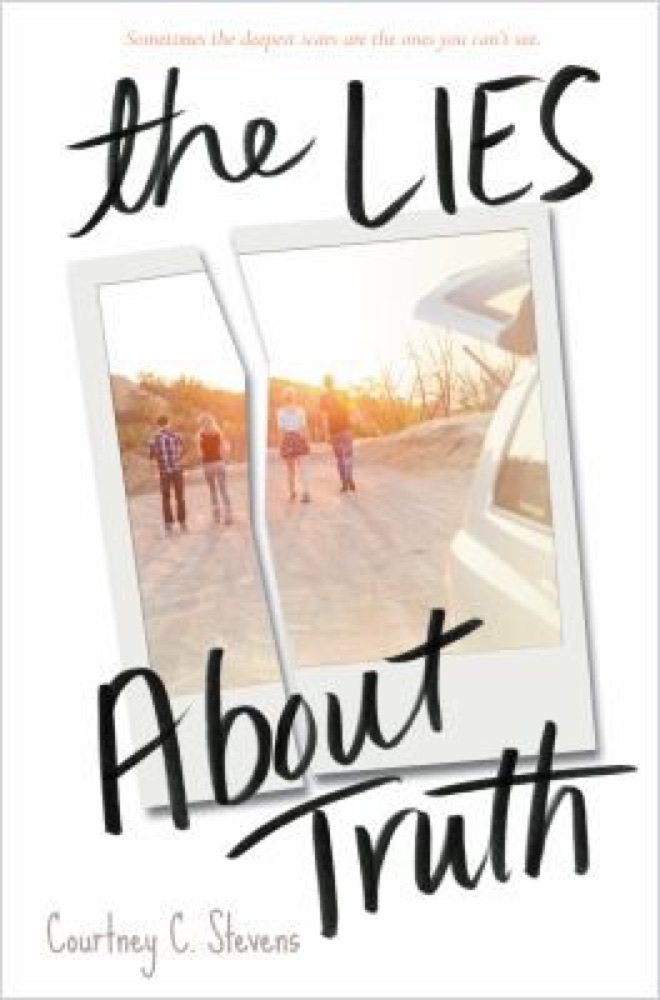 The Lies About Truth
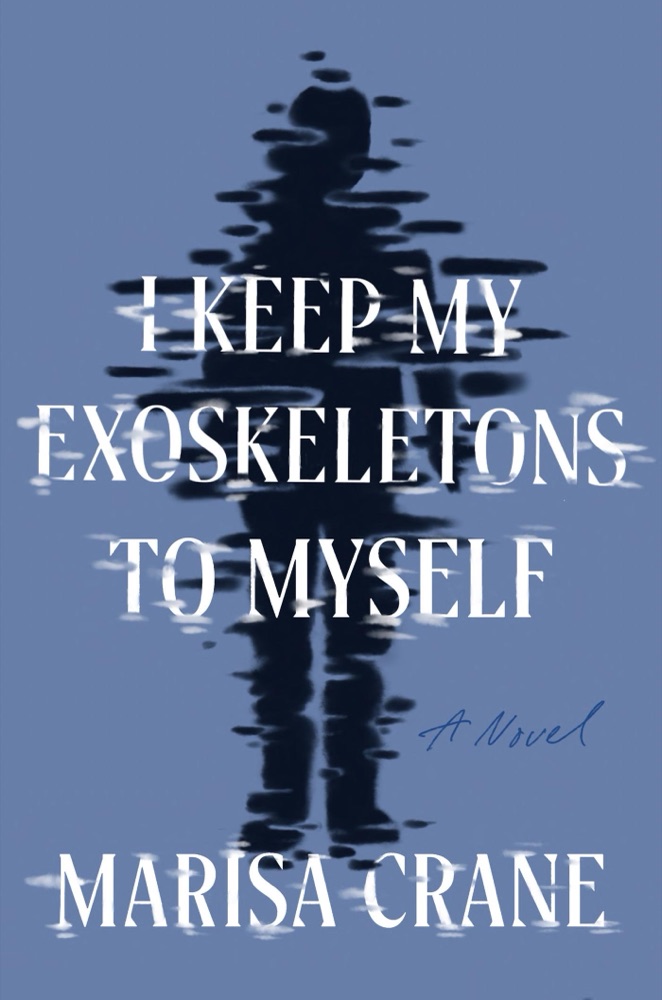 I Keep My Exoskeletons to Myself
 Wild Awake
 The Siren
 Thirteen Reasons Why
 No One Belongs Here More Than You
 That's a Great Question, I'd Love to Tell You
 What I Loved
 The Impossible Knife of Memory
 Extraordinary Means
 What Is the What
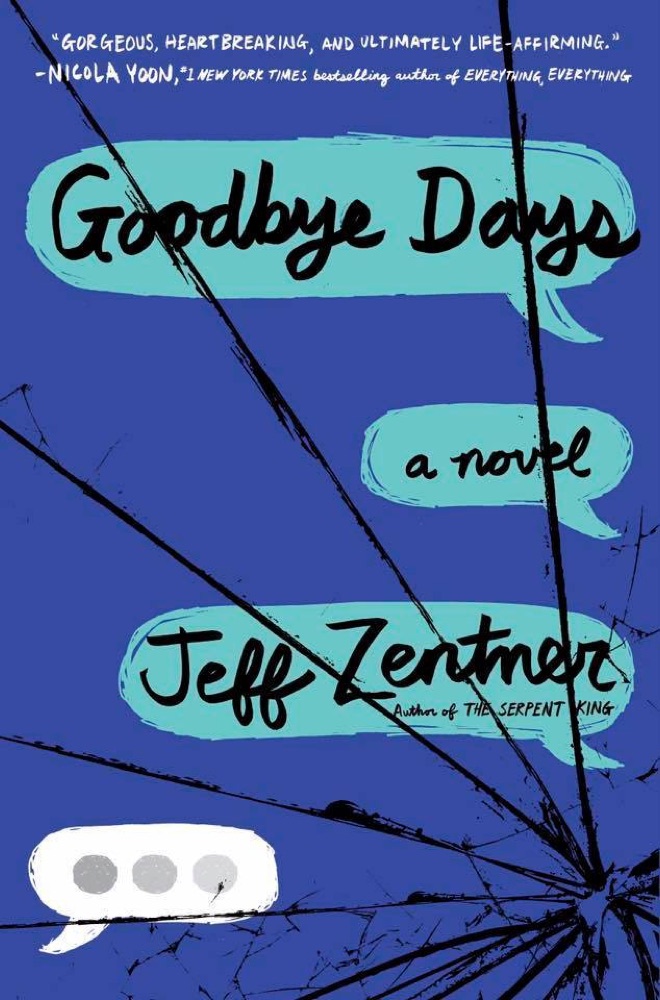 Goodbye Days
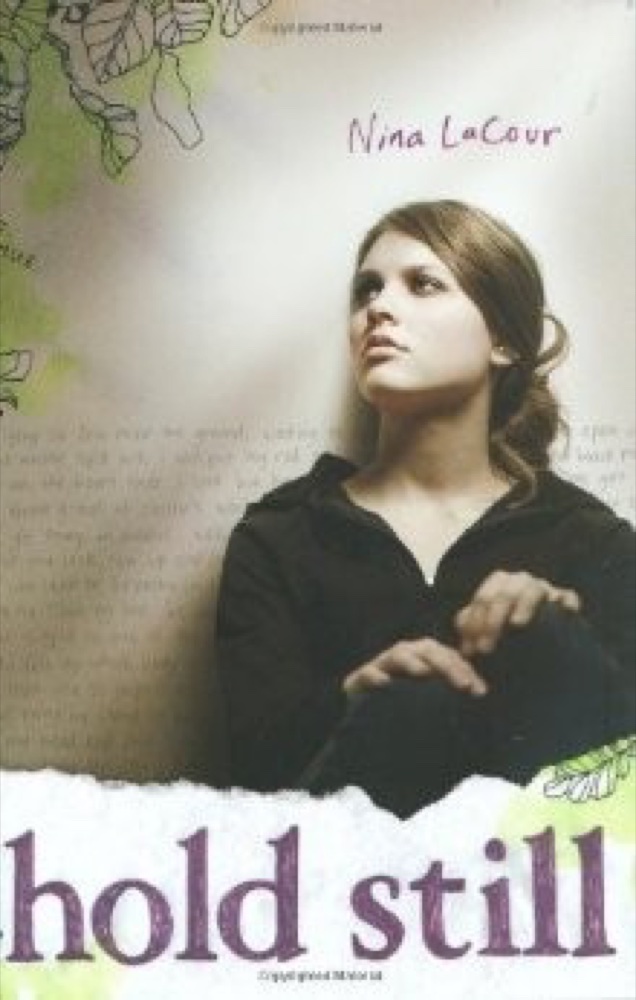 Hold Still
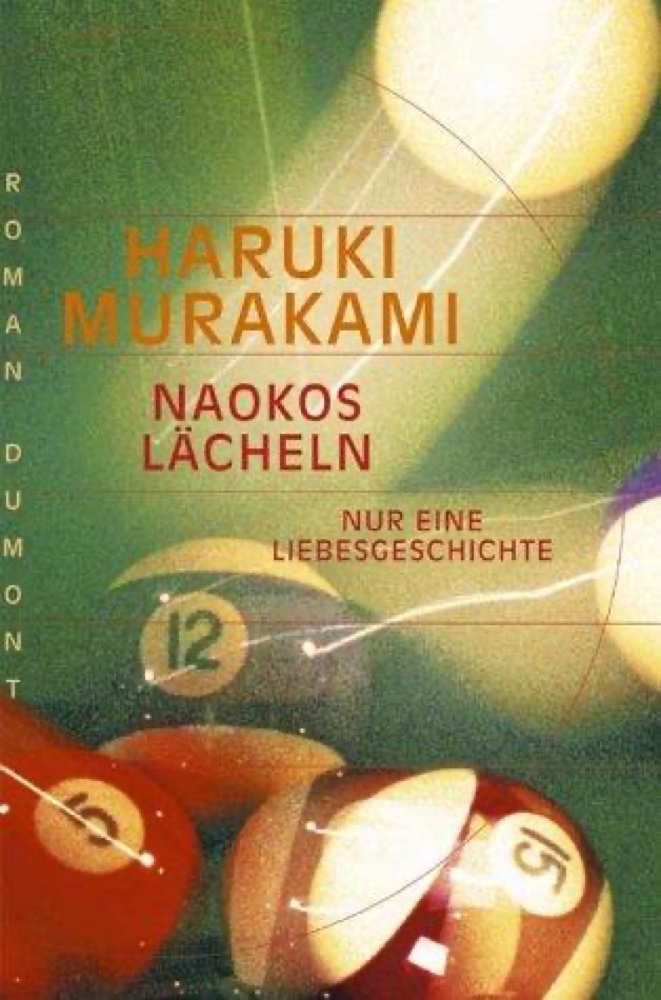 Norwegian Wood
 The Time of My Life
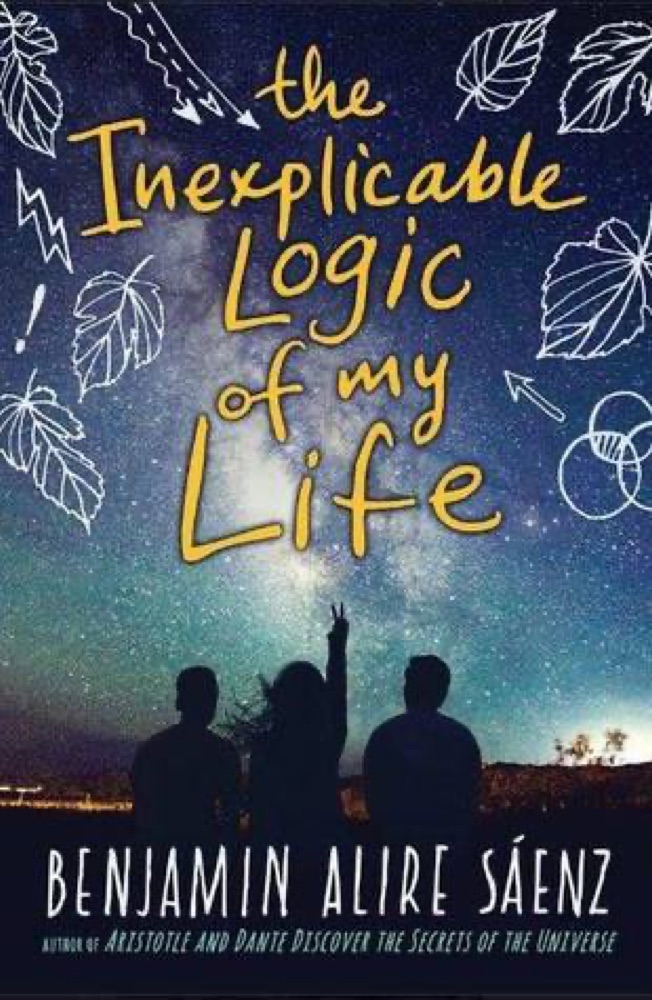 The Inexplicable Logic of My Life
 Swimming in the Dark
 When We Collided
 Charmed Thirds
 Left Drowning
 You Shall Know Our Velocity!
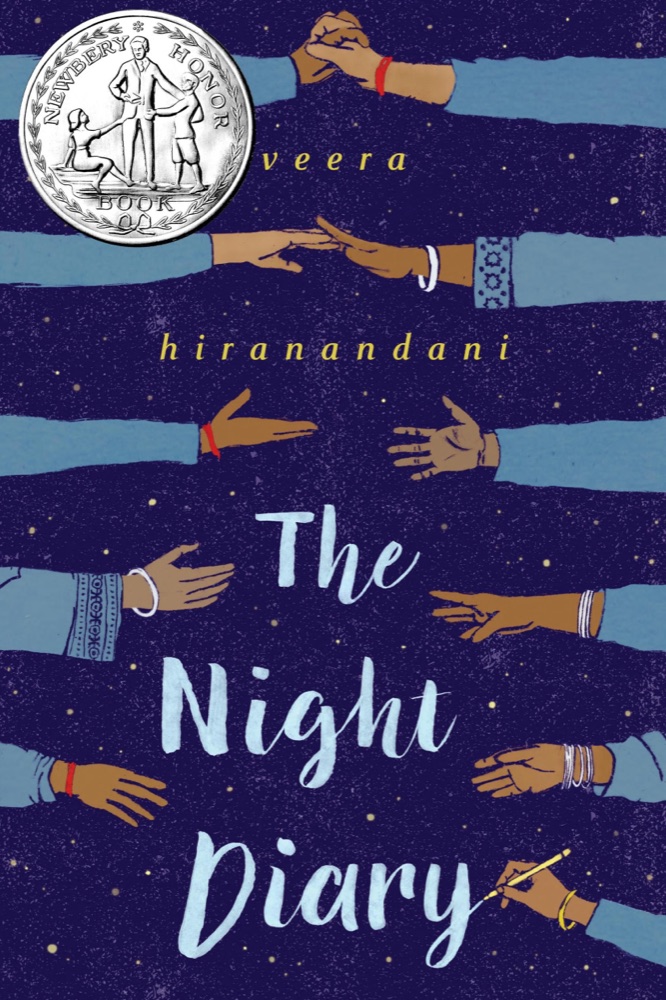 The Night Diary
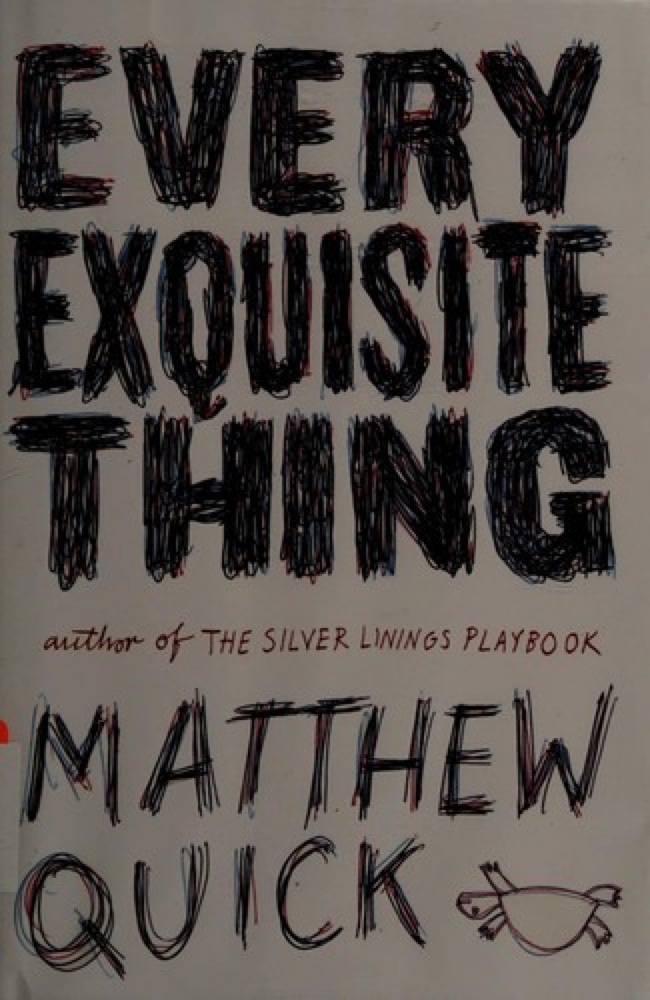 Every Exquisite Thing
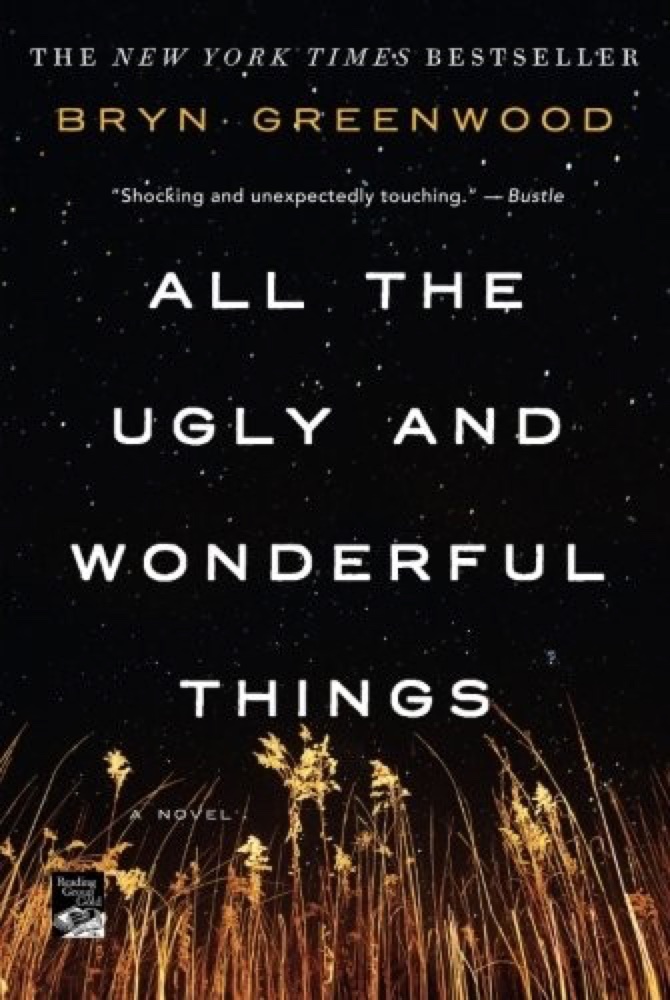 All the Ugly and Wonderful Things
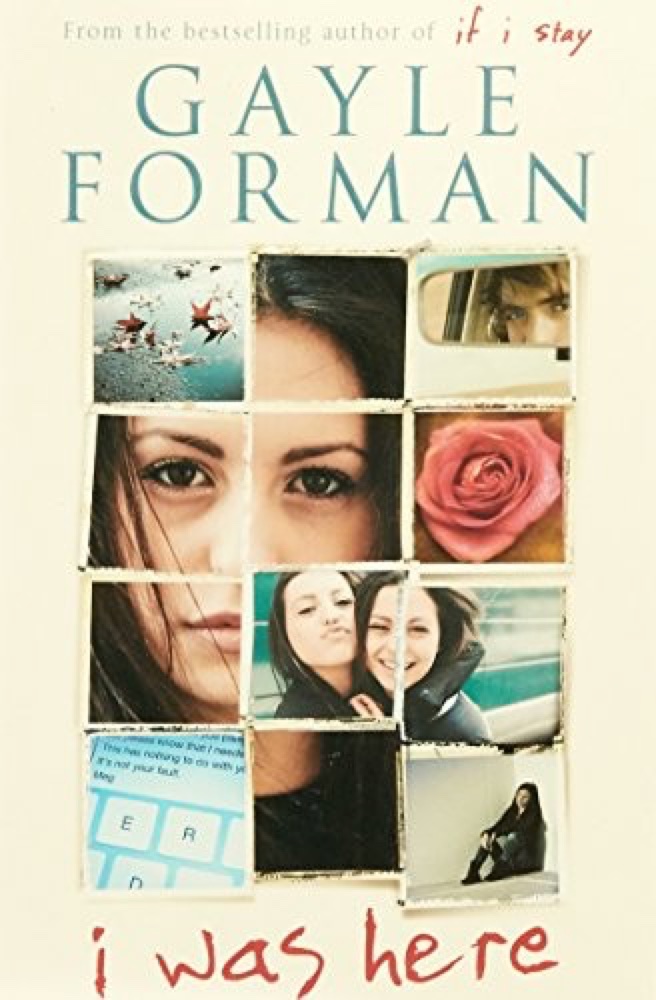 I Was Here
 The Return
 An Abundance of Katherines
 Aristotle and Dante Discover the Secrets of the Universe
 How to Say Goodbye in Robot
 A List of Cages
 The Bone Season
 Belong to Me
 How To Talk To A Widower
 We Are Okay
 Twenty Boy Summer
 Our Numbered Days
 Broken
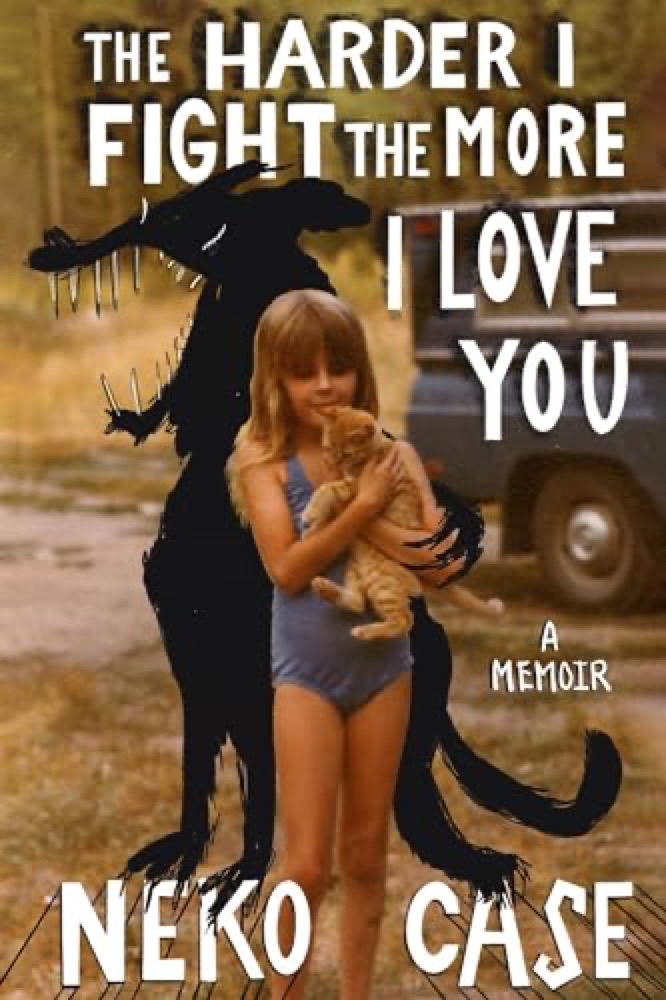 The Harder I Fight the More I Love You: A Memoir
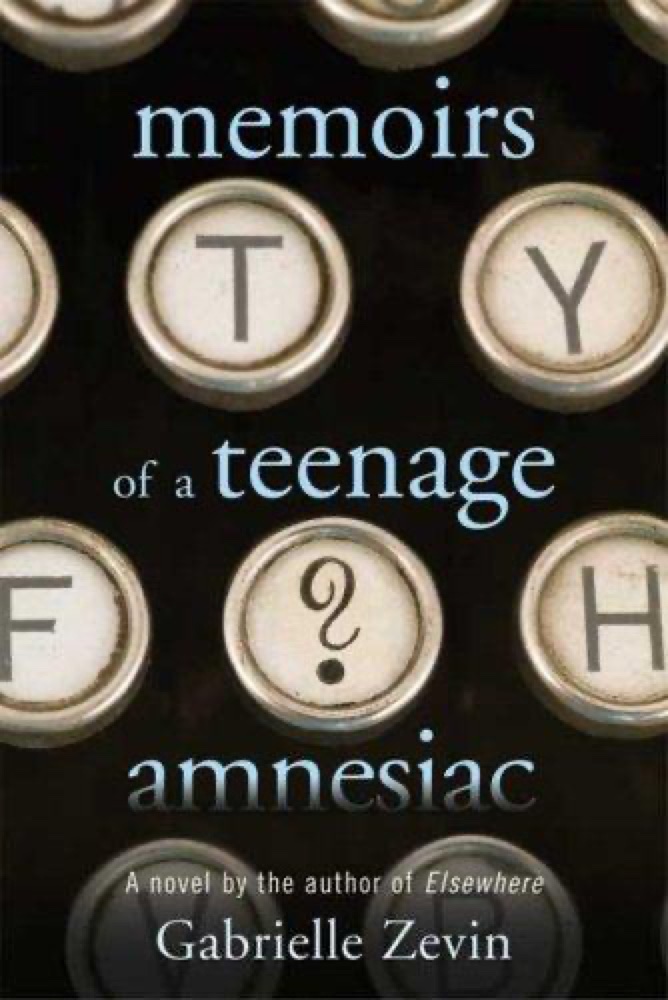 Memoirs of a Teenage Amnesiac
Everything Is Illuminated
Memoirs of a Teenage Amnesiac
Everything Is Illuminated
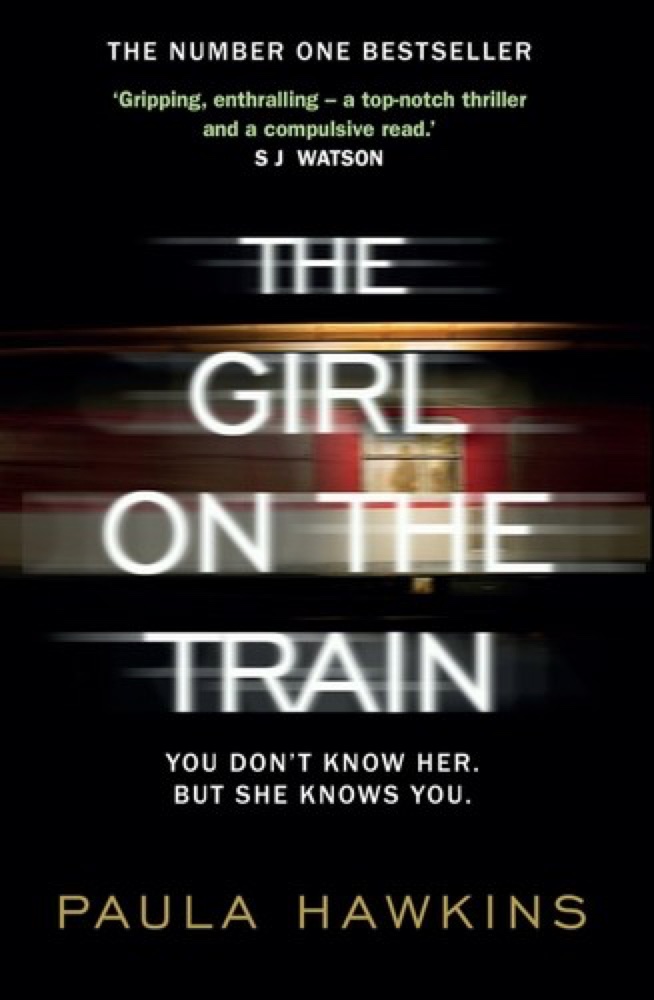 The Girl on the Train
 Fixing Delilah
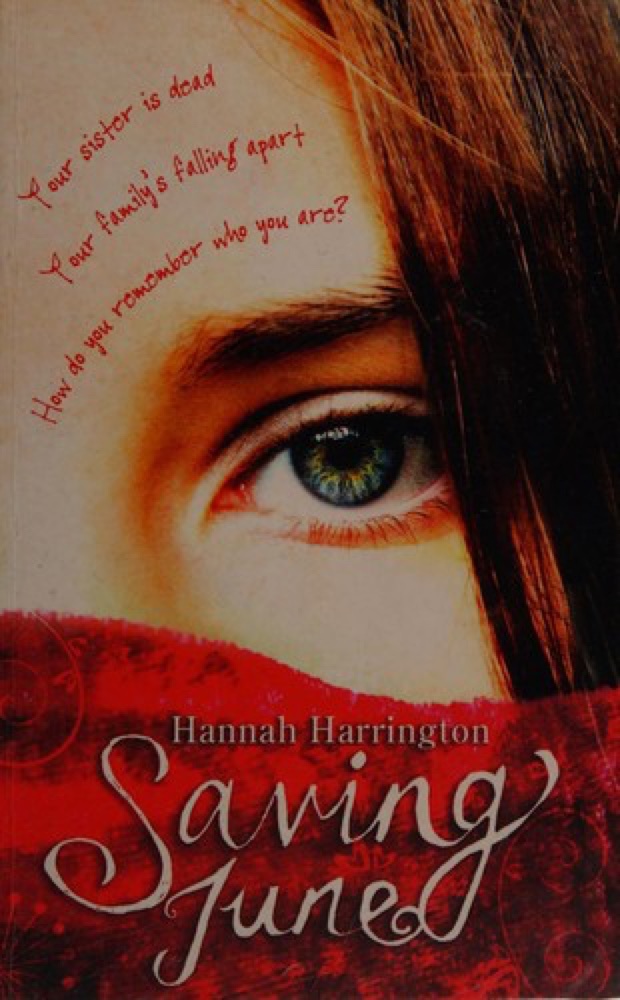 Saving June
 Tonight I'm Someone Else: Essays
 The Madness Vase
 The Likeness
 The Hundred Secret Senses
 Impulse
 This Song Will Save Your Life
 I Don't Want To Be Crazy
 Finding It
 Before I Go to Sleep
 All the Lovers in the Night
 Holding Up the Universe
 Sputnik Sweetheart