 Sarah's Key
Quotes from the Book
She looked up. "What I can't figure out is why the good things always end." "Everything ends." "Not some things. Not the bad things. They never go away." "Yes, they do. If you let them, they go away. Not as fast as we'd like sometimes, but they end too. What doesn't end is the way we feel about each other. Even when you're all grown up and somewhere else, you can remember what a good time we had together. Even when you're in the middle of bad things and they never seem to be changing, you can remember me. And I'll remember you.
31
Deep down behind those hostile eyes was a very little girl who had already learned that life really isn't much fun for anybody; and the best way to avoid further rejection was to made herself as objectionable as possible. Then it would never come as a surprise to find herself unloved. Only a simple fact.
14
She could trust me now, knowing what I was like even when I was upset with her.
1
COME AND PLAY with me,” proposed the little prince. “I am so unhappy.” “I cannot play with you,” the fox said. “I am not tamed.” “Ah! Please excuse me,” said the little prince. But, after some thought, he added: “What does that mean—‘tame’?” “IT IS AN act too often neglected,” said the fox. “It means to establish ties.” “‘To establish ties’?” “Just that,” said the fox. “To me, you are still nothing more than a little boy who is just like a hundred thousand other little boys. And I have no need of you. And you, on your part, have no need of me. To you, I am nothing more than a fox like a hundred thousand other foxes. But if you tame me, then we shall need each other. To me, you will be unique in all the world. To you, I shall be unique in all the world . . .
She never cried. I stopped and reread that statement. She never cried? I could not conceive of a 6-year-old who did not cry. He must have meant seldom cried. That must have been a mistake.
Behind those hate-filled eyes, I saw a perceptive and most likely intelligent little girl. She had to be in order to manipulate her world with such conscious effort, but I wanted to know what had been tried before.
I had never seen such a motionless child, but her eyes followed me continously everywhere I went. Brooding, angry, bitter eyes never left my face.
Her name was Sheila. She was six and a half, almost; a tiny mite of a thing with matted hair, hostile eyes and a very bad smell. I was surprised she was so small. I had expected something bigger. The 3-year-old must have been nearly as tall as she was. Clad in worn denim overalls and a well-faded boy’s striped T-shirt, she looked like one of those kids in the Save the Children ads.
As we went through the day, I kept asking myself who should go. Guillermo was the obvious choice, simply because I was least equipped to teach him. But what about Freddie or Susannah Joy? Neither was making progress of much note. Anyone could lug them around and change their pants. Or maybe Tyler. She wasn’t so suicidal now; she hardly ever spoke about killing herself anymore; she no longer drew those black-crayoned pictures. A resource teacher could probably handle her. I looked at each one of them, wondering where would they go and how they would make it, and how our room would be without them. I knew in my heart none of them would survive the rigors of a less-sheltered class. None of them was ready, nor was I ready to give them up, nor give up on them.
The kid’s 6 years old,” I said in surprise. “They’re scared of a 6-year-old?
By Christmas vacation, we belonged to one another and I was beginning to look forward to each day. Sarah had begun to talk regularly again; Max was learning his letters; Tyler was smiling occasionally; Peter didn’t fly into rages quite so often; William could pass all the light switches in the hallway to the lunchroom and not say one charm to protect himself; Guillermo was begrudgingly learning Braille. And Susannah Joy and Freddie? Well, we were still trying with them.
Next was Tyler, who startled me being a girl. She slunk in behind her mother, her dark curly hair down. Tyler was also 8 and had already tried to kill herself twice. The last time, the drain cleaner she had drunk had eaten away part of her esophagus. Now her throat bore an artificial tube and numerous red-rimmed surgical scars in ghoulish testimony to her skill.
I taught what was affectionately referred to in our school district as the “garbage class.” It was the last year before the effort to mainstream special children would begin; it was the last year to pigeonhole all the odd children into special classes.
Watch on YouTube
About Torey L. Hayden
About the book
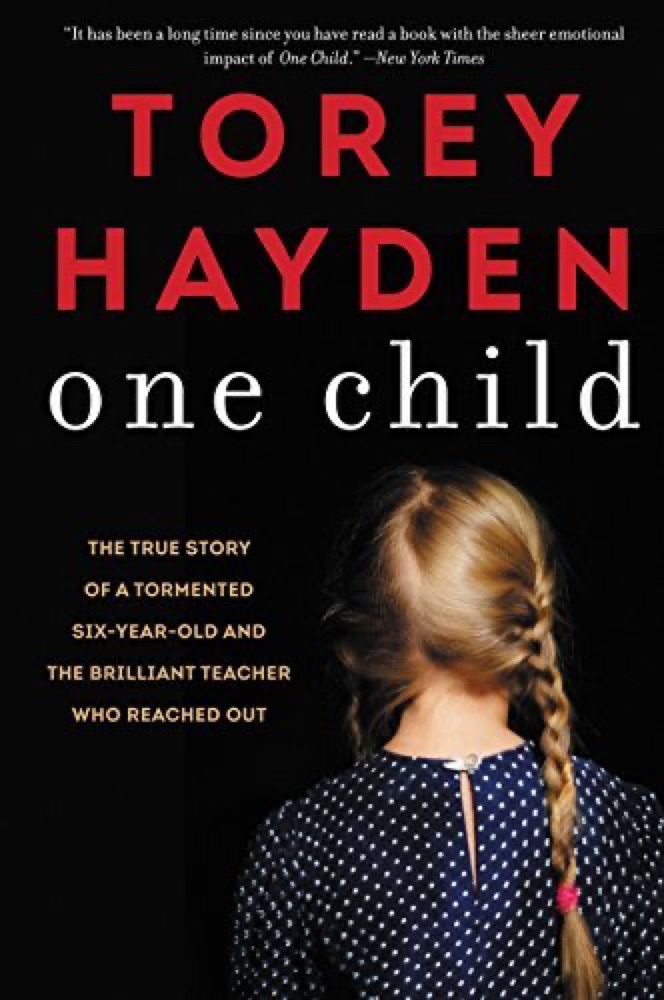
This beautiful and deeply moving tale recounts educational psychologist Torey Hayden's battle to unlock the emotions of a troubled and sexually abused child who, with the help of Hayden, was finally able to overcome her dark past and realise her full potential. Six-year-old Sheila was abandoned by her mother on a highway when she was four. A survivor of horrific abuse, she never spoke, never cried, and was placed in a class for severely retarded children after committing an atrocious act of violence against another child. Everyone thought Sheila was beyond salvation—except her teacher, Torey Hayden. With patience, skill, and abiding love, she fought long and hard to release a haunted little girl from her secret nightmare—and nurture the spark of genius she recognised trapped within Sheila's silence. This is the remarkable story of their journey together—an odyssey of hope, courage, and i
Book details
- First published
- 1980
- Author
- Torey L. Hayden
- Genre
- Nonfiction
- Goodreads rating
- 4.28 (16k ratings)
Keep reading
Sarah's Key
 Notes on Your Sudden Disappearance
 Baby Teeth
 The Girl Next Door
 The Lost Girls
 The Basic Eight
 My Brilliant Friend
 The Fever
 Snake-Eater
 Litani
 Hush
Hush
 Somebody's Daughter
 Caught
 Etched in Sand: A True Story of Five Siblings Who Survived an Unspeakable Childhood on Long Island
 Banyan Moon
 Far from the Tree
 Darling Girls
 Look Me in the Eye
 Women We Buried, Women We Burned: A Memoir
 Unraveling Isobel
 The Summer Children
 The House of My Mother: A Daughter's Quest for Freedom
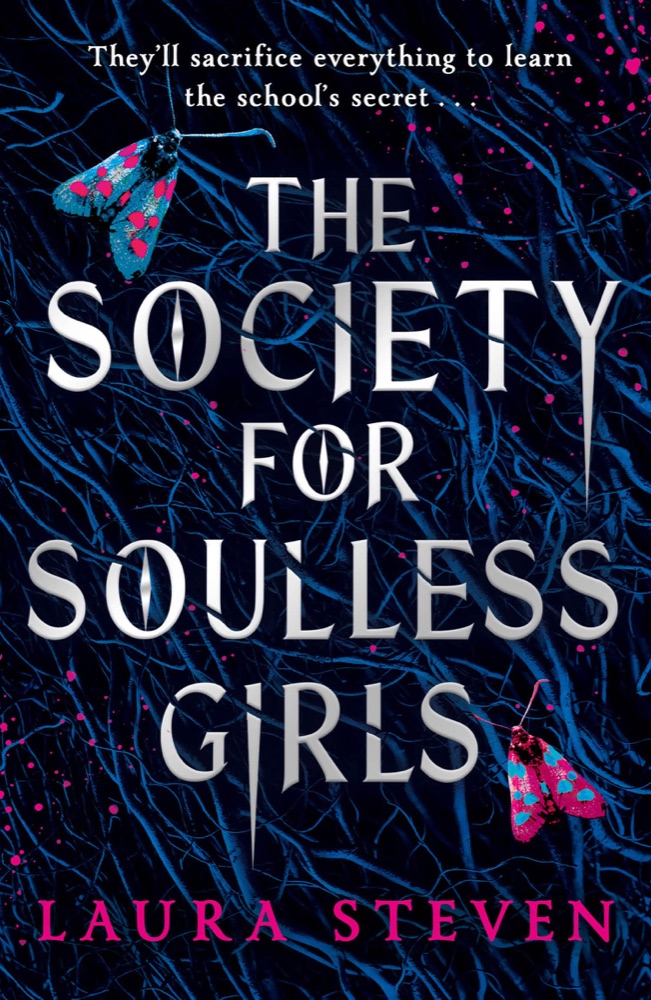 The Society For Soulless Girls
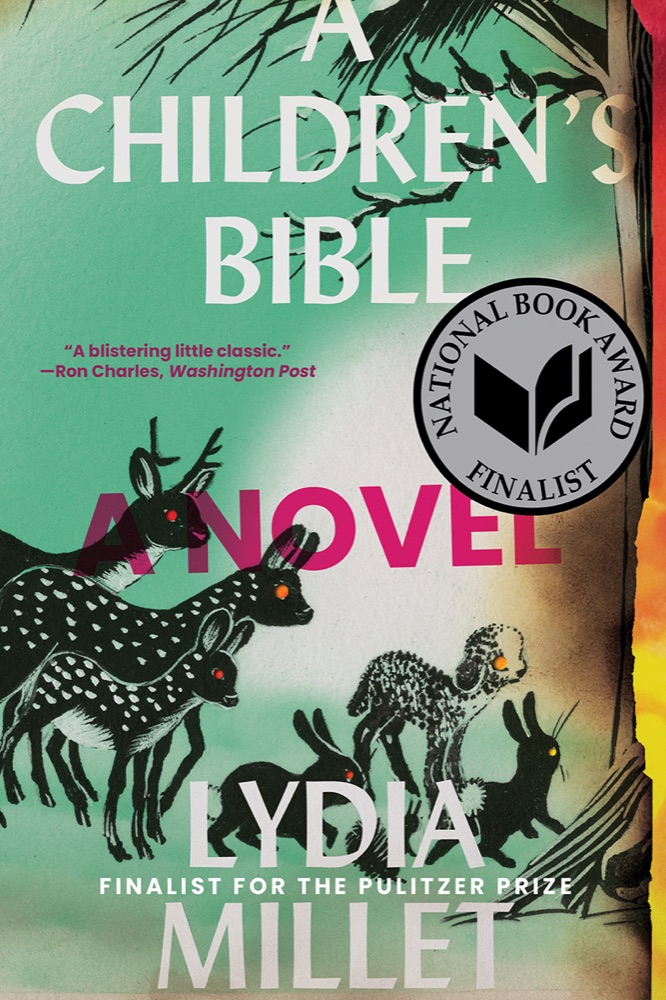 A Children's Bible
 I Have Some Questions for You
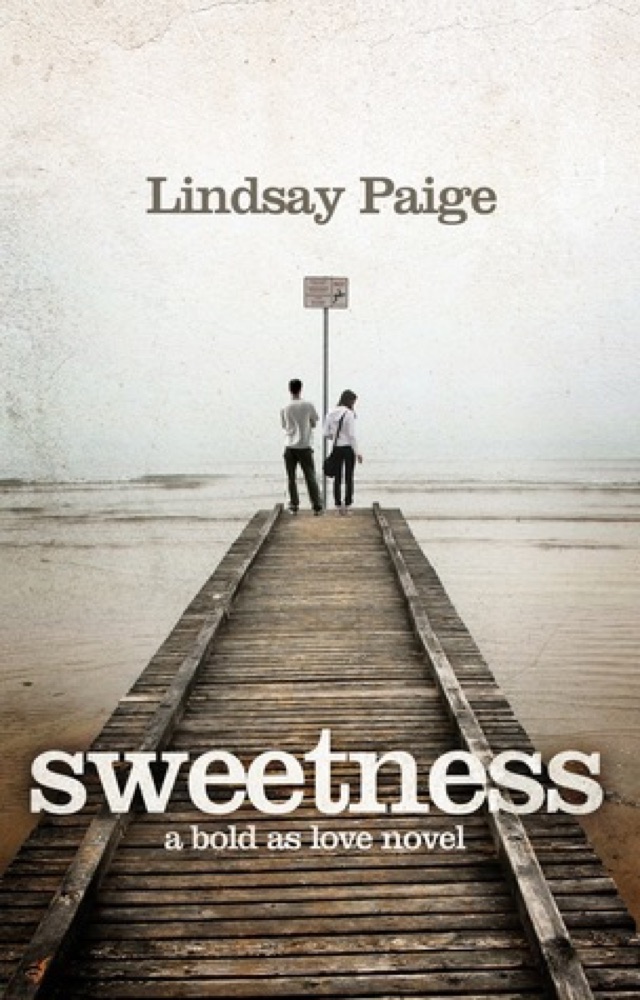 Sweetness
 Monster High
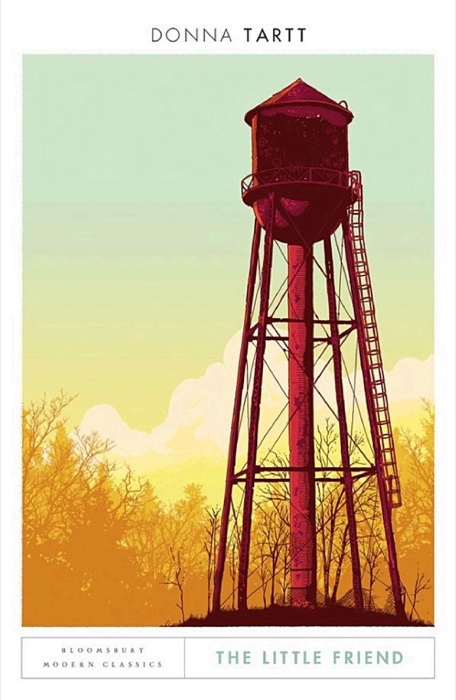 The Little Friend
 Daughter of No Worlds
 Mr. Fox
 Girls on Fire
 The Railway Children
 Mischling
 Summer Island
 The Hand on the Wall
 Christine
 Underdog
 Shadowland
 House of Hollow
 The Unwanted: A Memoir of Childhood
 Moonglass
 The Secret Place
 Stray: Memoir of a Runaway
 Tamar
Tamar
 Let the Right One In
 When Christmas Comes
 Pretty Girls
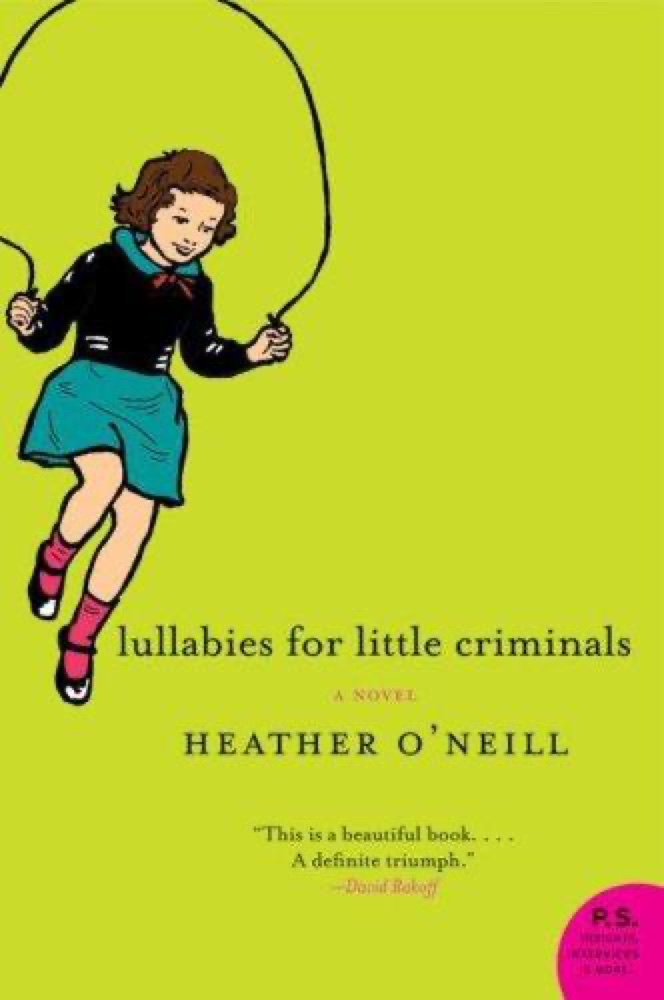 Lullabies for Little Criminals
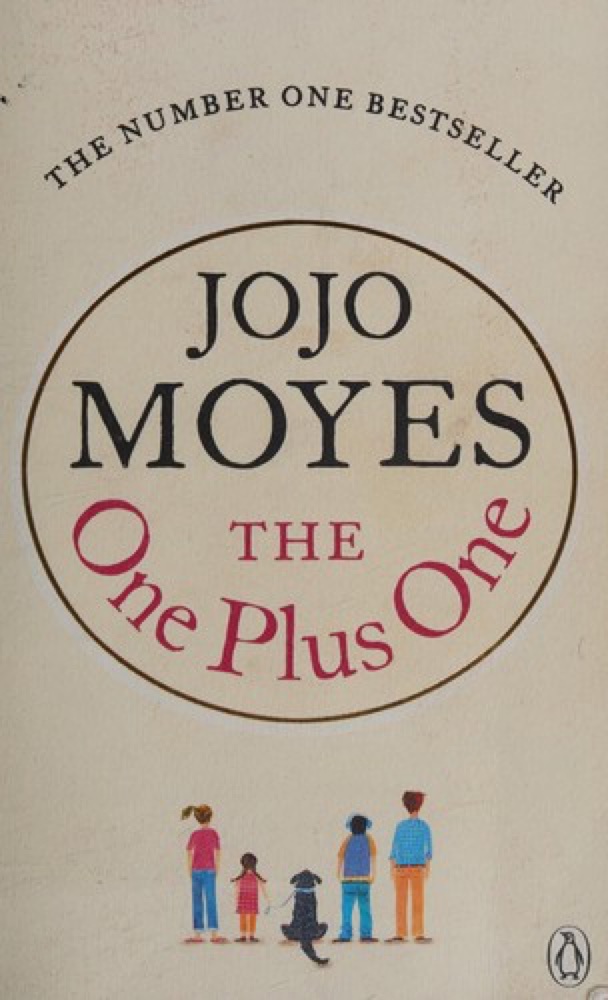 One Plus One
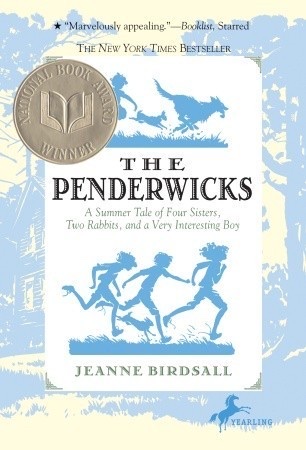 The Penderwicks: A Summer Tale of Four Sisters, Two Rabbits, and a Very Interesting Boy
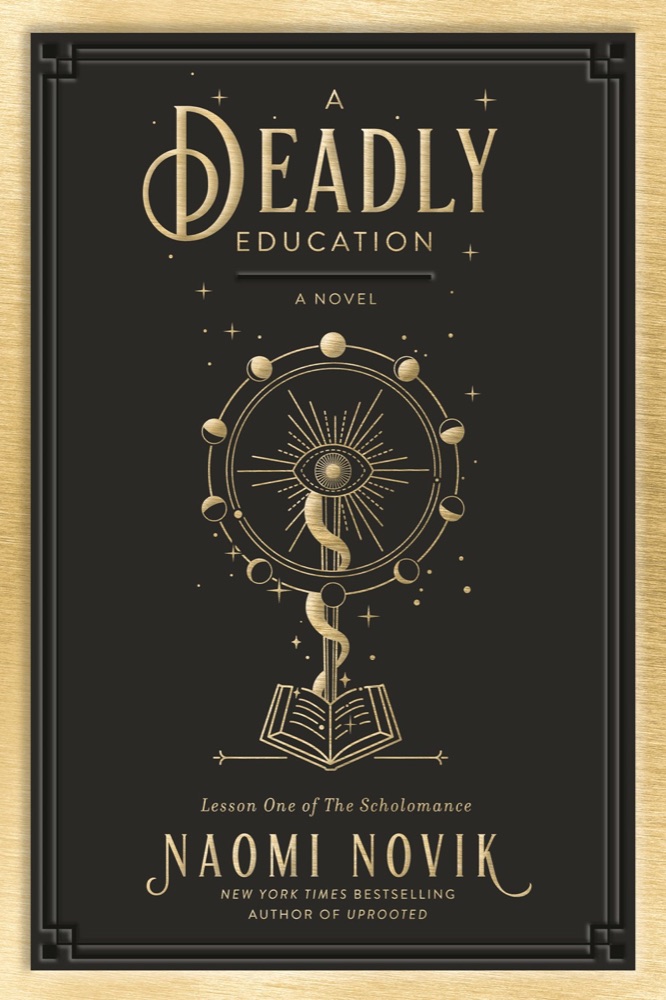 A Deadly Education
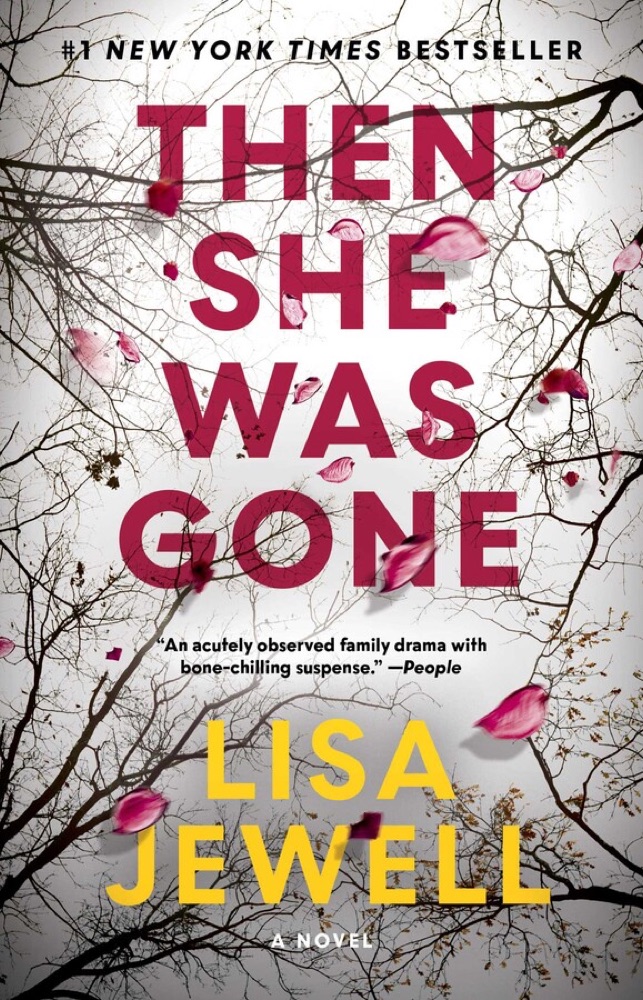 Then She Was Gone
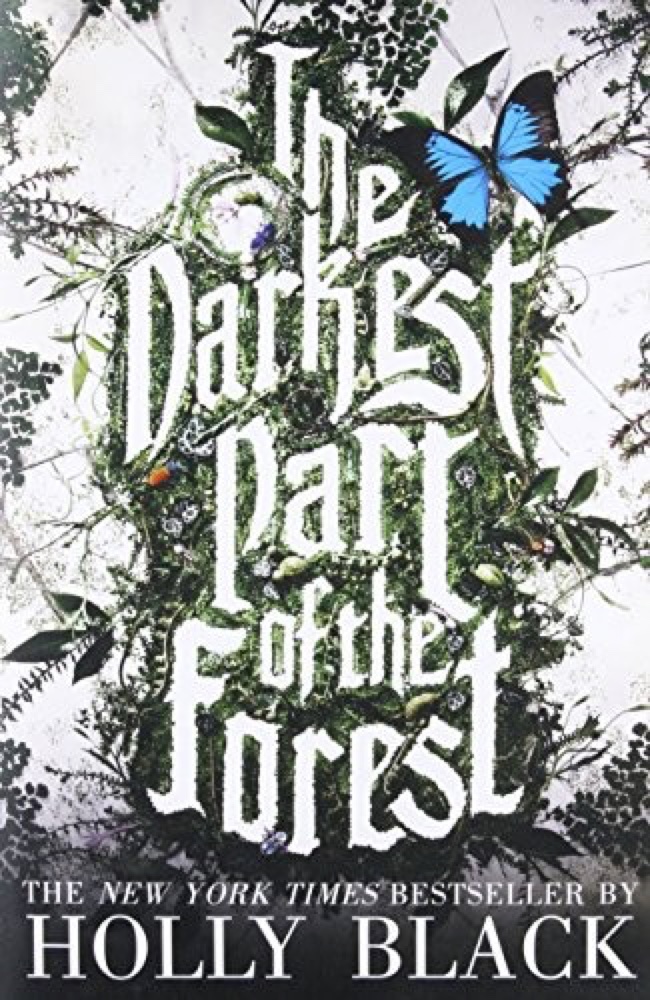 The Darkest Part of the Forest
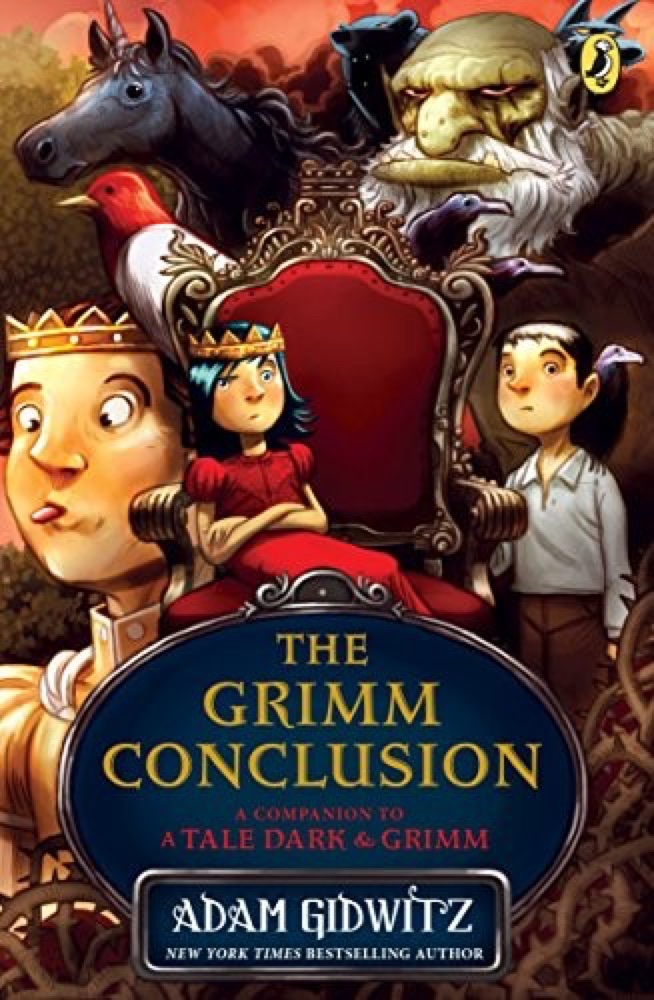 The Grimm Conclusion
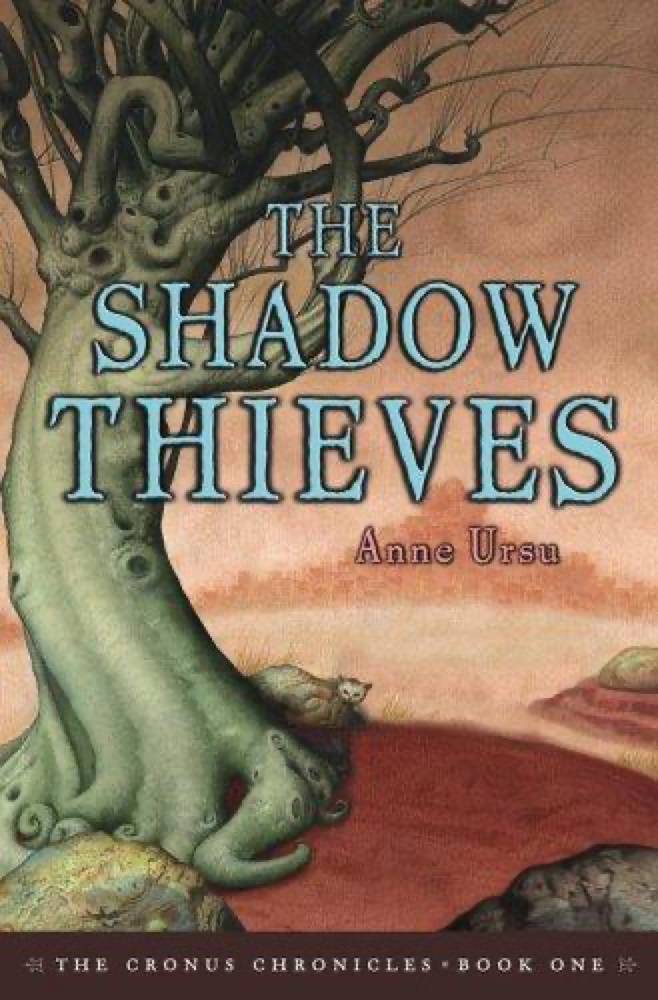 The Shadow Thieves
 Three Wishes
 Gliff
Gliff
 Seasparrow
 The Broken Girls
 Imaginary Girls