
 The Giver
Quotes from the Book
Ellen had said that her mother was afraid of the ocean, that it was too cold and too big. The sky was, too, thought Annemarie. The whole world was: too cold, too big. And too cruel.
She fell asleep, and it was a sleep as thin as the night clouds, dotted with dreams that came and went like the stars.
Mama was crying, and the rain made it seem as if the whole world was crying.
The whole world had changed. Only the fairy tales remained the same. "And they lived happily ever after,
And they are beginning to realize that the world they live in is a place where the right thing is often hard, sometimes dangerous, and frequently unpopular.
it is much easier to be brave if you do not know everything
The whole world had changed. Only the fairy tales remained the same.
...and I want you all to remember-that you must not dream yourselves back to the times before the war, but the dream for you all, young and old, must be to create an ideal of human decency, and not a narrow-minded and prejudiced one. That is the great gift our country hungers for, something every little peasant boy can look forward to, and with pleasure feel he is a part of-something he can work and fight for." Surely that gift-the gift of a world of human decency-is the one that all countries hunger for still. I hope that this story of Denmark, and its people, will remind us all that such a world is possible.
It was harder for the ones who were waiting, Annemarie knew. Less danger, perhaps, but more fear.
...and I want you all to remember- that you must not dream yourselves back to the times before the war, but the dream for you all, young and old, must be to create an ideal of human decency, and not a narrow-minded and prejudiced one.
and I want you all to remember—that you must not dream yourselves back to the times before the war, but the dream for you all, young and old, must be to create an ideal of human decency, and not a narrow-minded and prejudiced one. That is the great gift our country hungers for, something every little peasant boy can look forward to, and with pleasure feel he is a part of—something he can work and fight for.
Outside, she knew, the sky was speckled with stars. How could anyone number them one by one, as the psalm said? There were too many. The sky was too big.
But their shoulders were as straight as they had been in the past: in the classroom, on the stage, at the Sabbath table. So there were other sources, too, of pride, and they had not left everything behind.
The God of Thunder has fallen into the milk pail!
Any Danish citizen would die for King Christian, to protect him.
Dangers were no more than odd imaginings, like ghost stories that children made up to frighten one another: things that couldn't possibly happen.
I wish I could have a cupcake,
Ellen had said that her mother was frightened of the ocean, that it was too cold and too big. The sky was, too, thought Annemarie. The whole world was: too cold, too big. And too cruel.
I came across an account of a young man named Kim Malthe-Bruun, who was eventually captured and executed by the Nazis when he was only twenty-one years old. I read his story as I had read many others, turning the pages, skimming here and there: this sabotage, that tactic, this capture, that escape. After a while even courage becomes routine to the reader. Then, quite unprepared, I turned the page and faced a photograph of Kim Malthe-Bruun. He wore a turtleneck sweater, and his thick, light hair was windblown. His eyes looked out at me, unwavering on the page. Seeing him there, so terribly young, broke my heart.
. . and I want you all to remember—that you must not dream yourselves back to the times before the war, but the dream for you all, young and old, must be to create an ideal of human decency, and not a narrow-minded and prejudiced one. That is the great gift our country hungers for, something every little peasant boy can look forward to, and with pleasure feel he is a part of—something he can work and fight for. Surely that gift—the gift of a world of human decency—is the one that all countries hunger for still. I hope that this story of Denmark, and its people, will remind us all that such a world is possible.
Surely that gift—the gift of a world of human decency—is the one that all countries hunger for still.
The sky was, too, thought Annemarie. The whole world was: too cold, too big. And too cruel.
Henrik, you need a wife,” Mama scolded him. Uncle Henrik laughed and joined Mama on the steps near the kitchen door. “Why do I need a wife, when I have a sister?
There had been no real coffee in Copenhagen since the beginning of the Nazi occupation. Not even any real tea. The mothers sipped at hot water flavored with herbs. “Annemarie,
and we have been told that they may come tonight
So, Henrik, is the weather good for fishing?” Papa asked cheerfully, and listened briefly. Then he continued, “I’m sending Inge to you today with the children, and she will be bringing you a carton of cigarettes. “Yes, just one,” he said, after a moment. Annemarie couldn’t hear Uncle Henrik’s words. “But there are a lot of cigarettes available in Copenhagen now, if you know where to look,” he went on, “and so there will be others coming to you as well, I’m sure.” But it wasn’t true. Annemarie was quite certain it wasn’t true. Cigarettes were the thing that Papa missed, the way Mama missed coffee. He complained often—he had complained only yesterday—that there were no cigarettes in the stores.
My best friend—her name was Helena—lived in that house. Sometimes I used to spend the night with her. But more often she came to my house, on weekends. It was more fun to be in the country.
It is much easier to be brave if you don't know everything.
Did you know?
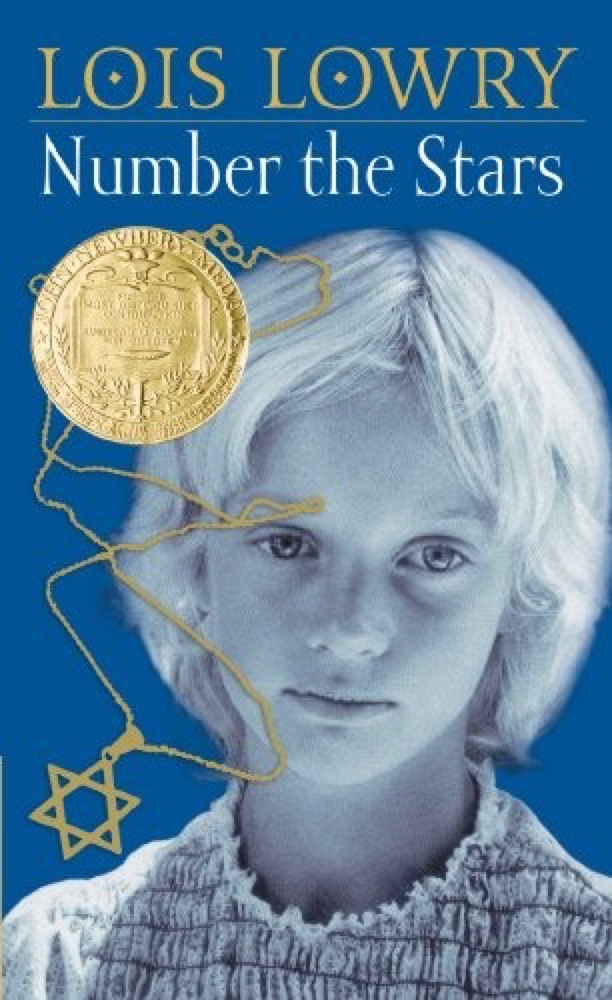
- The novel won the 1990 Newbery Medal for the most distinguished contribution to American children's literature.
- It is based on the real 1943 rescue of Danish Jews, in which most of Denmark's Jewish population was smuggled to neutral Sweden.
- Lowry was inspired by stories told to her by a Danish friend who lived through the occupation.
- She researched the book by interviewing members of the Danish Resistance and visiting Copenhagen and the coastal town of Gilleleje.
- Lowry chose to tell the story from the perspective of a Danish Christian child rather than a Jewish victim, emphasizing the choices of ordinary rescuers.
- The title alludes to a biblical passage about God numbering the stars.
About Lois Lowry
Lois Lowry (born March 20, 1937) is an American author of books for children and young adults, known for tackling difficult subjects such as the Holocaust, illness, and dystopia. She is one of the few writers to win two Newbery Medals, for "Number the Stars" (1990) and "The Giver" (1994).
More about the author →
About the book
"Number the Stars" is a historical novel for young readers set in Copenhagen in 1943, during the Nazi occupation of Denmark. Ten-year-old Annemarie Johansen and her Jewish best friend, Ellen Rosen, live in the same apartment building until the Nazis begin to "relocate" Denmark's Jews. To protect Ellen, the Johansens take her in and pass her off as their own daughter, then help smuggle her family toward safety across the water to neutral Sweden. When the escape plan runs into danger, Annemarie must summon a quiet, ordinary bravery she did not know she possessed.
At its heart the book is about courage, friendship, and moral choice under fear. Lowry deliberately tells the story through the eyes of a Danish Christian child rather than a Jewish victim, focusing on the decisions of ordinary Danes who risked their lives to shelter and rescue their neighbors. Themes of loyalty, sacrifice, and the loss of childhood innocence run throughout, while the everyday texture of wartime life, rationing, curfews, and soldiers on the corner, keeps the danger grounded and real.
Rooted in the true history of the Danish resistance, which helped ferry the great majority of Denmark's Jews to Sweden, the novel became one of the most widely read children's books about the Holocaust. It won the 1990 Newbery Medal and remains a staple of classroom reading, praised for introducing young readers to difficult history with clarity, restraint, and hope.
Key characters
- Annemarie JohansenTen-year-old Danish protagonist who helps hide and rescue her Jewish friend
- Ellen RosenAnnemarie's Jewish best friend, sheltered by the Johansen family
- Kirsti JohansenAnnemarie's spirited younger sister
- Mrs. JohansenAnnemarie's mother, who helps shelter the Rosens
- Uncle HenrikAnnemarie's fisherman uncle who ferries refugees to Sweden
- Peter NeilsenYoung Resistance member engaged to Annemarie's late sister Lise
- Lise JohansenAnnemarie's deceased older sister, secretly involved in the Resistance
Book details
- First published
- 1989
- Length
- 137 pages
- Reading time
- 1 hour
- Author
- Lois Lowry
- Genre
- Classics
- Goodreads rating
- 4.20 (632k ratings) →
- First line
- “"I'll race you to the corner, Ellen!"”
Movie & TV adaptations
- IMDb
If you liked this, read…
- 1The Diary of a Young GirlFirsthand account of a Jewish girl hiding from the Nazis
- 2The Boy in the Striped PyjamasHolocaust told through a child's innocent perspective
- 3When Hitler Stole Pink RabbitA child's-eye view of a family fleeing Nazi persecution
Keep reading
 Nation
 A Map of Days
 Rooftoppers
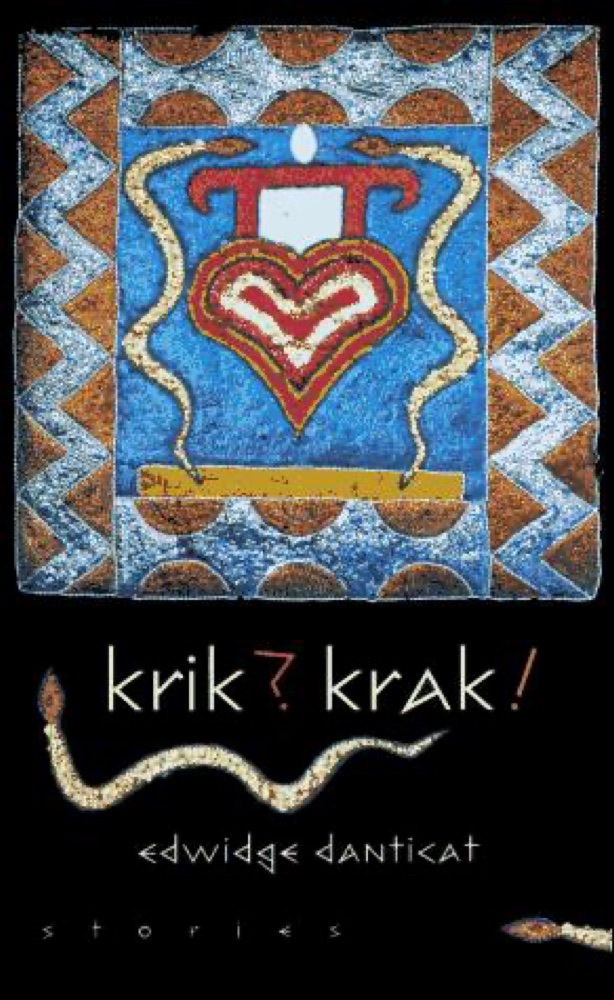 Krik? Krak!
 The Blythes Are Quoted
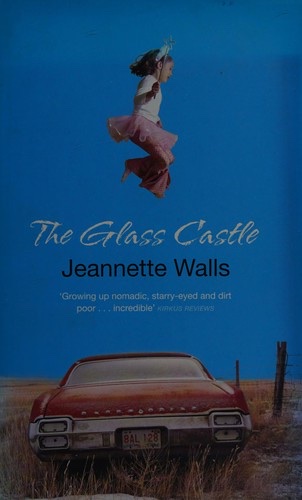 The Glass Castle
 Egg & Spoon
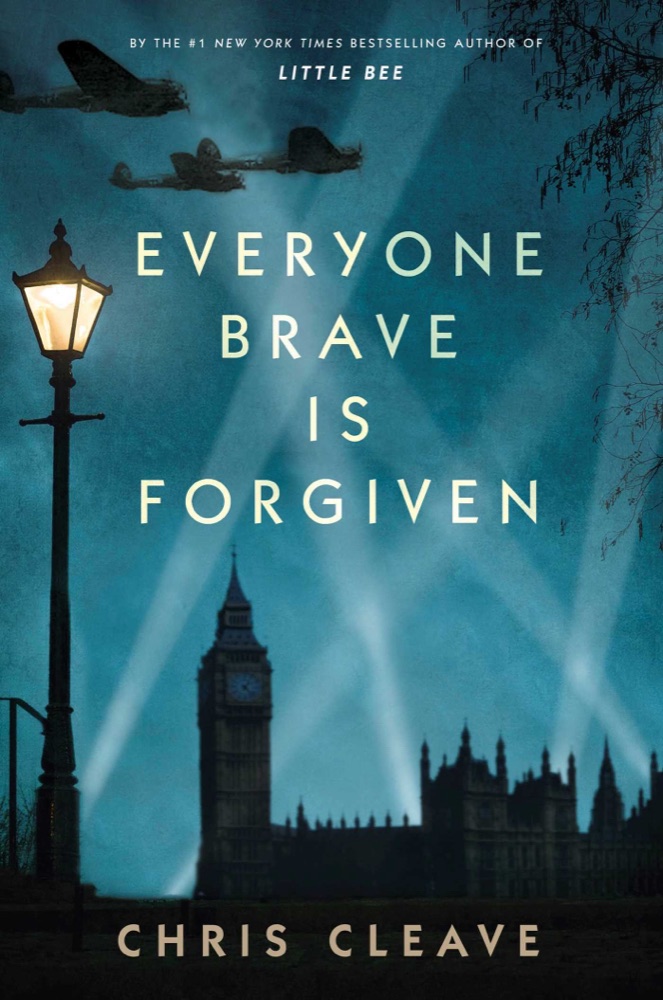 Everyone Brave Is Forgiven
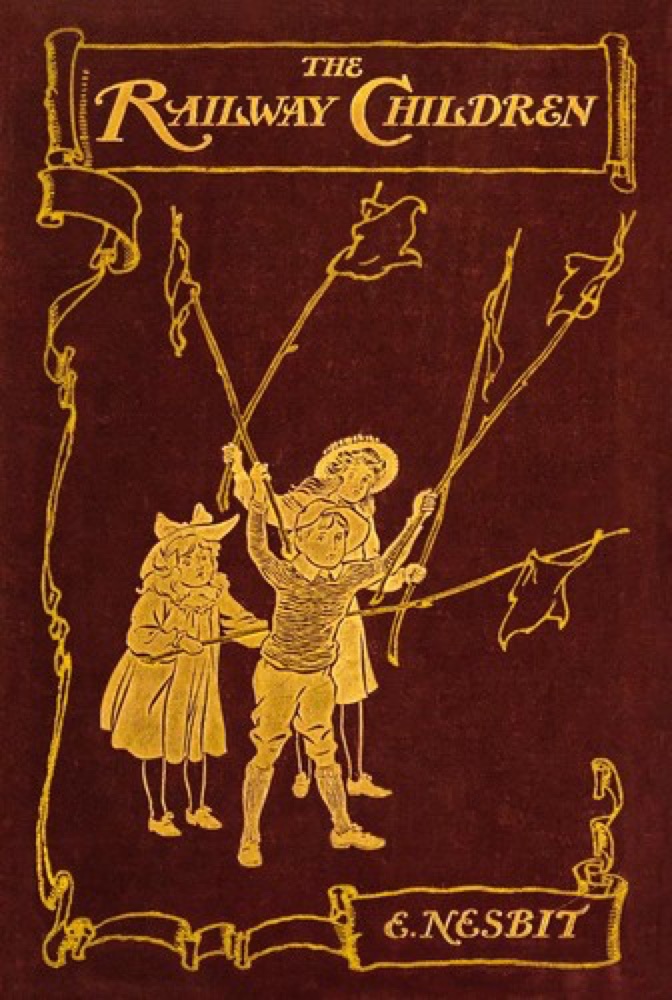 The Railway Children
 Ninth House
 Pastel Orphans
 Under the Same Stars
 Out of Oz
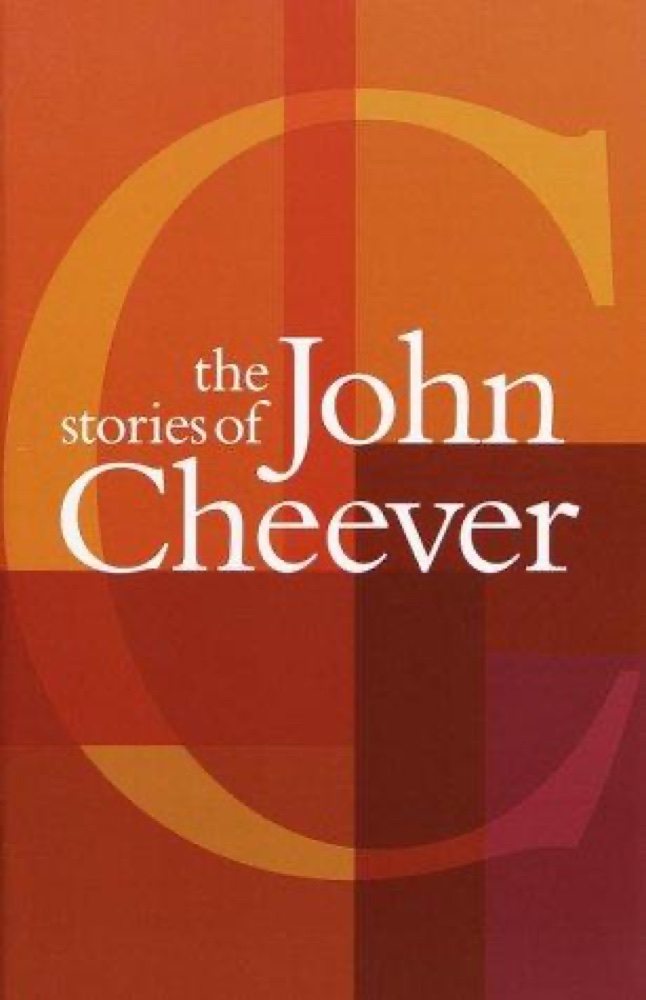 The Stories of John Cheever
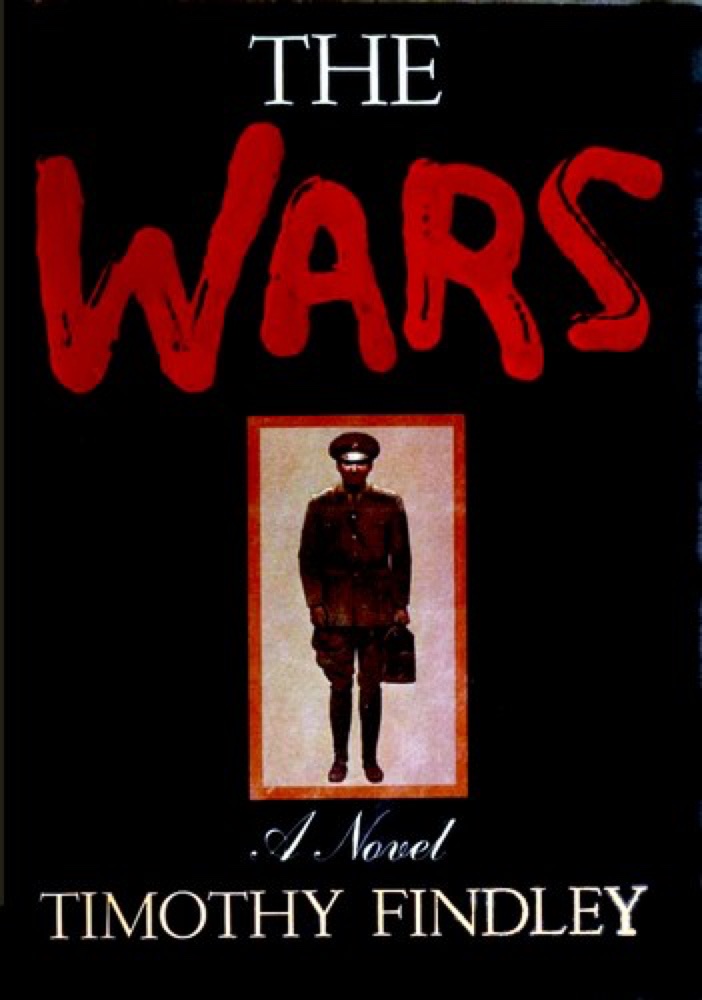 The Wars
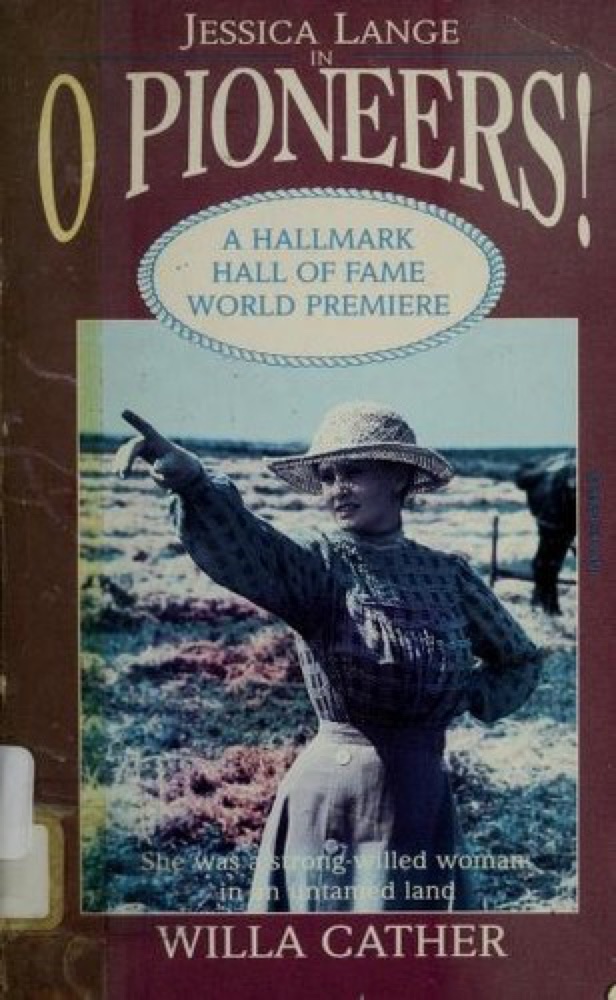 O Pioneers!
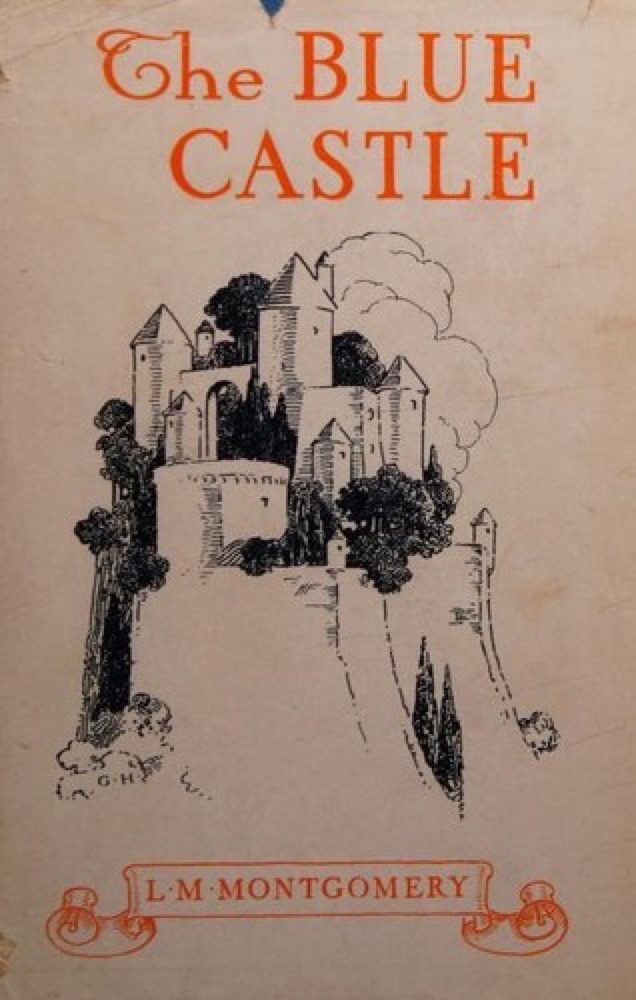 The Blue Castle
 The Ballad of Songbirds and Snakes
 The Eighth Life
 Main Street
 How Beautiful We Were
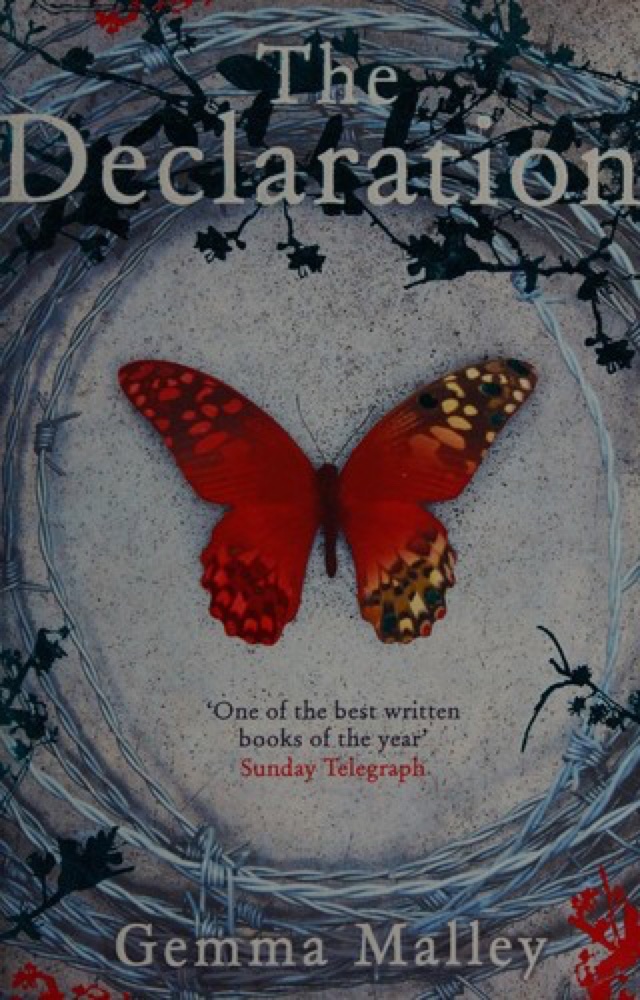 The Declaration
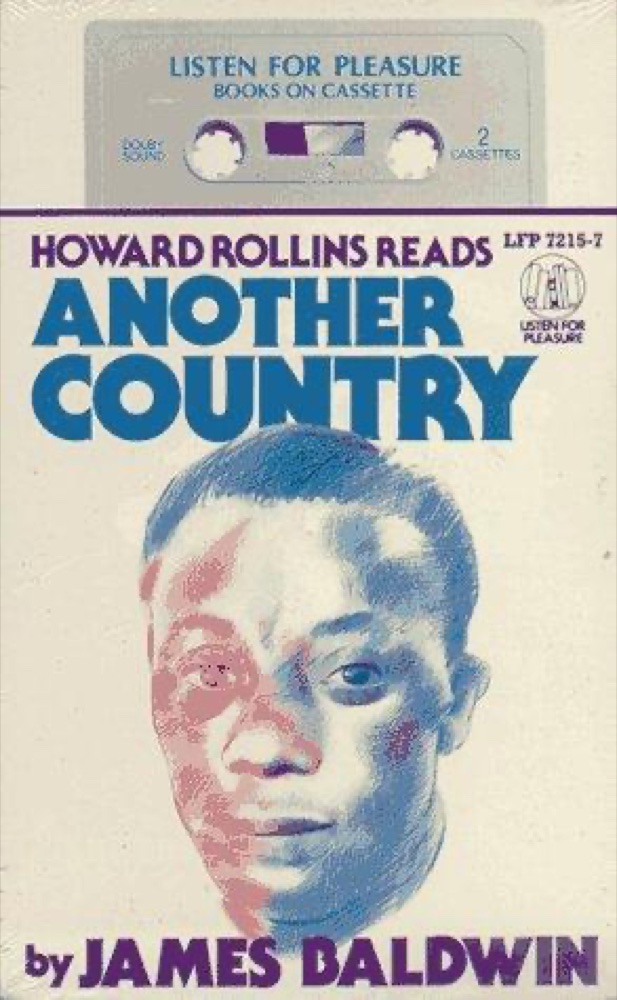 Another Country
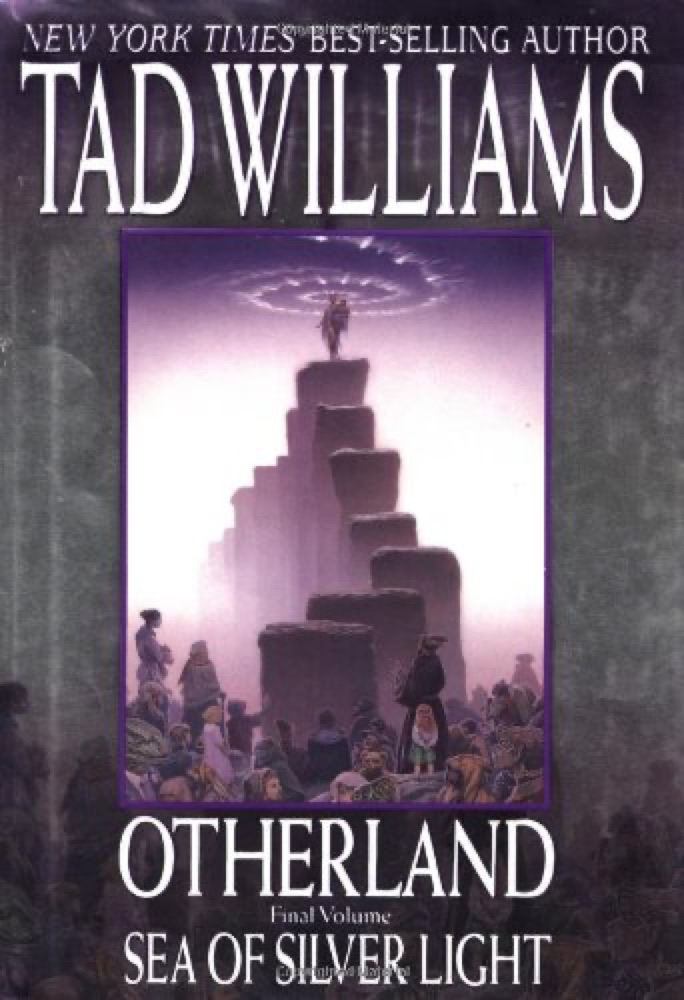 Sea of Silver Light
 Pretties
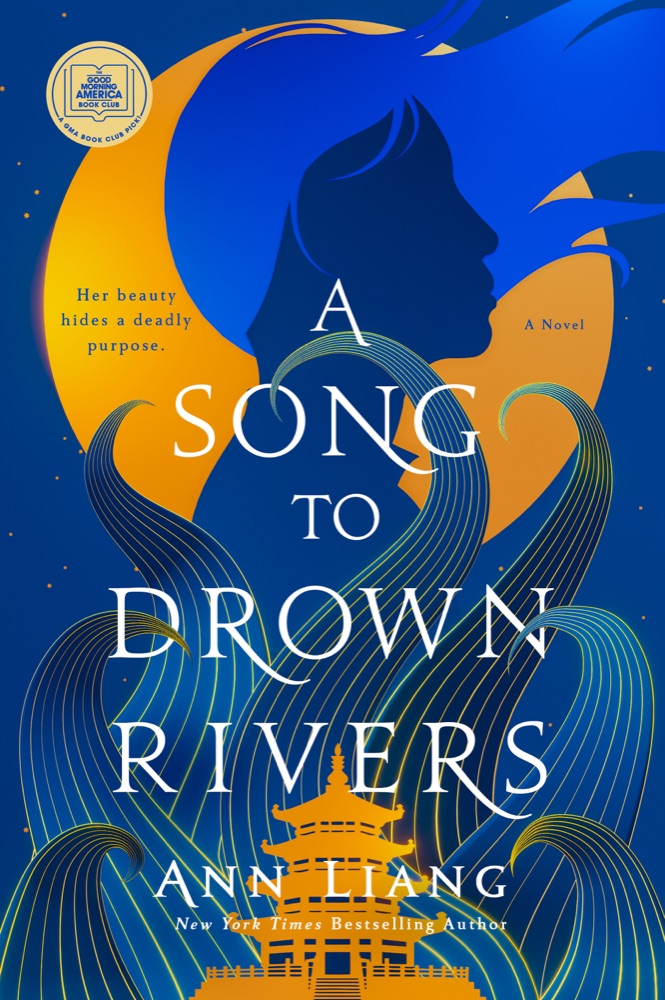 A Song to Drown Rivers
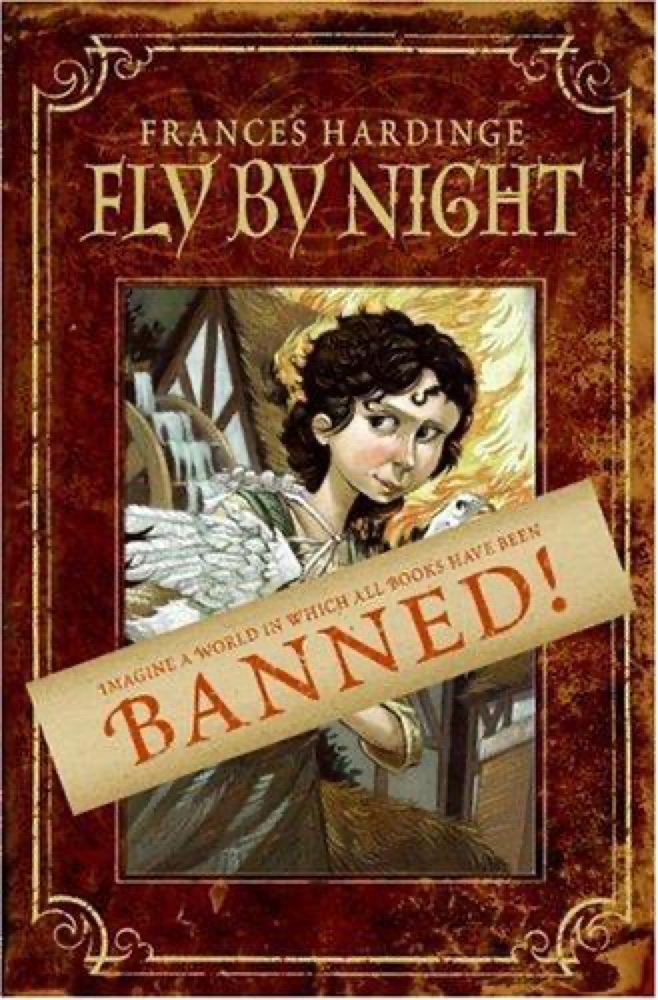 Fly by Night
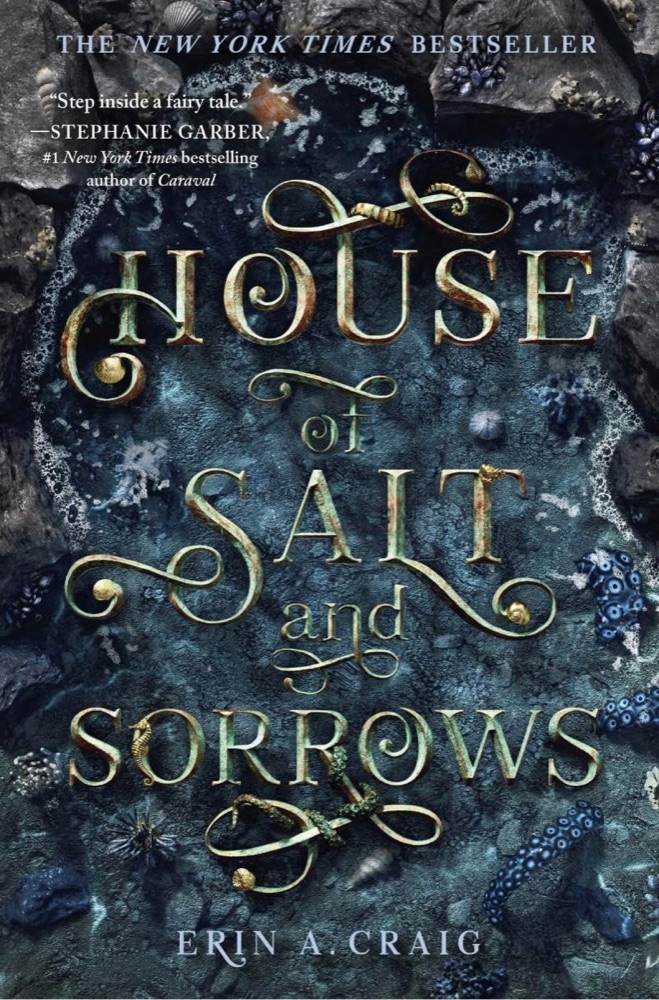 House of Salt and Sorrows
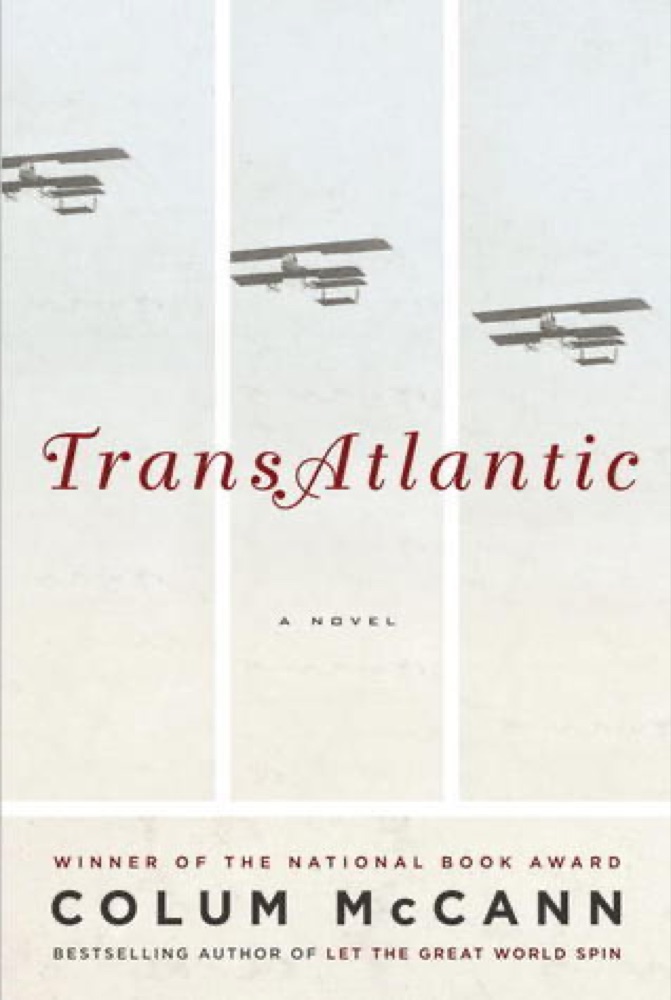 TransAtlantic
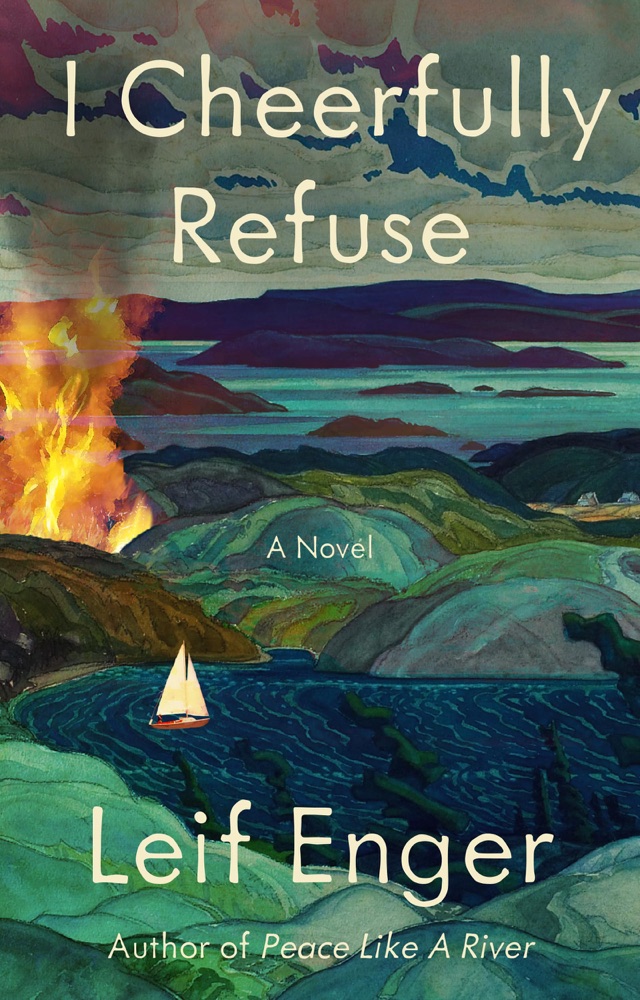 I Cheerfully Refuse
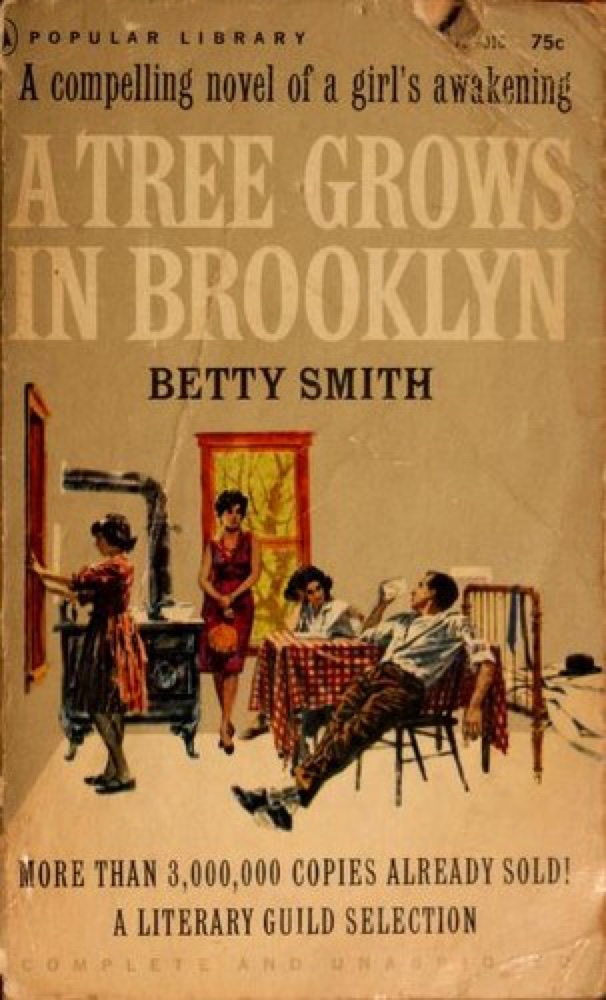 A Tree Grows in Brooklyn
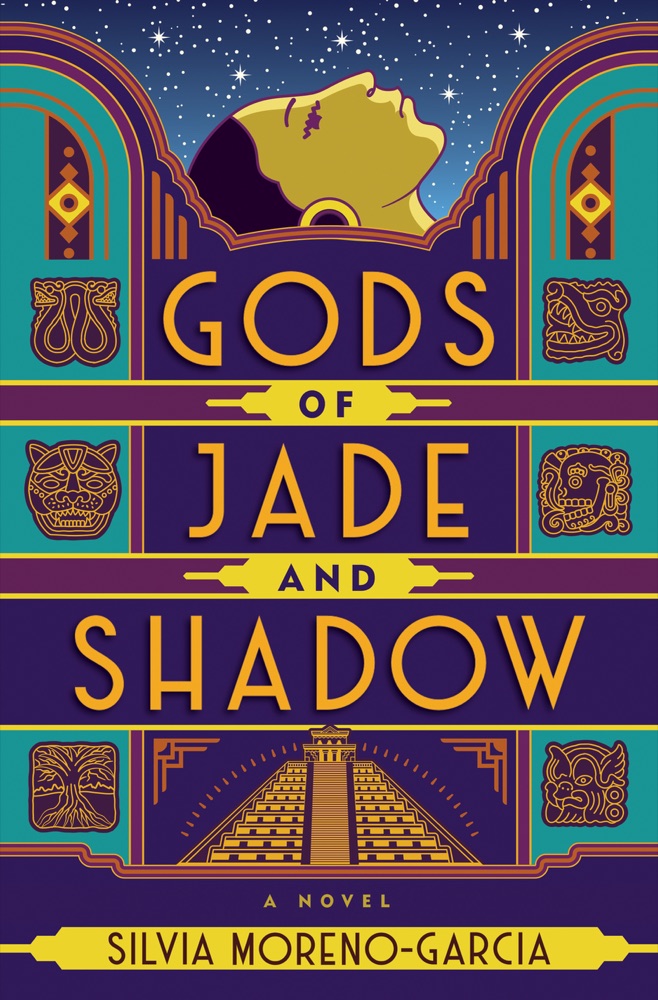 Gods of Jade and Shadow
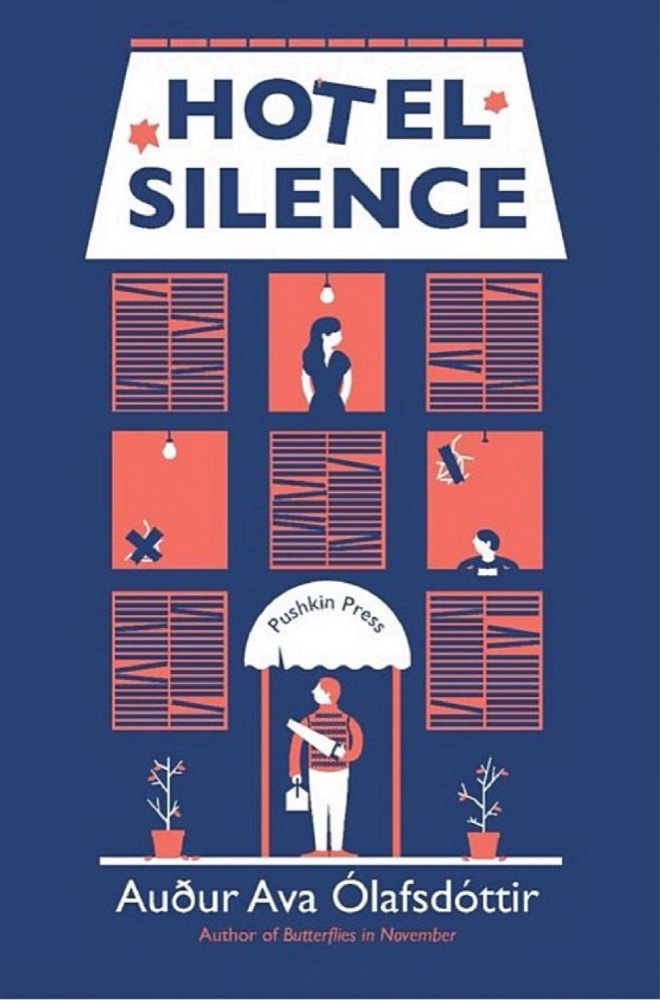 Hotel Silence
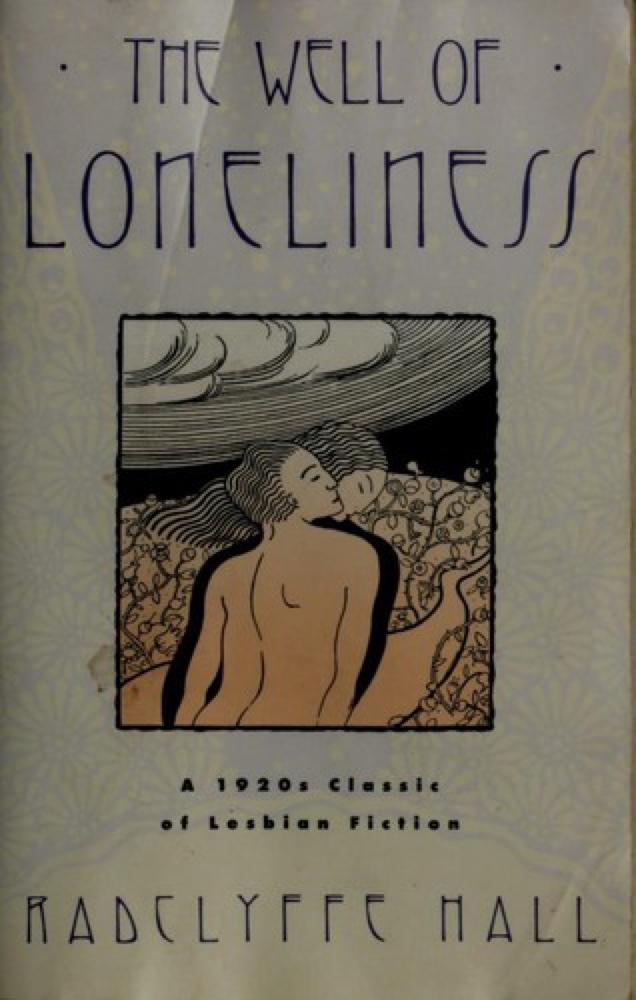 The Well of Loneliness
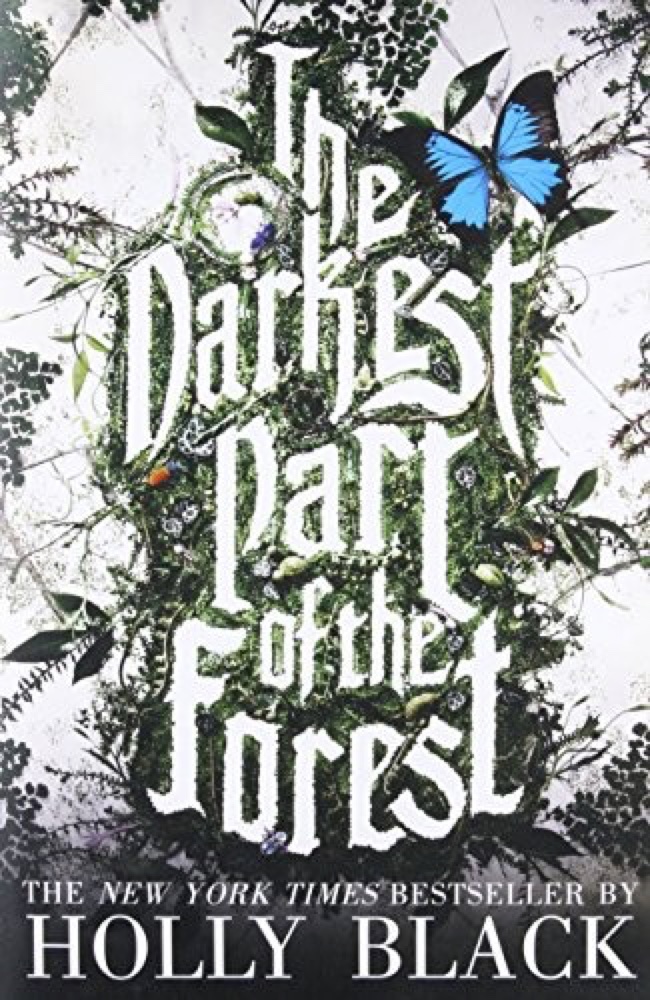 The Darkest Part of the Forest
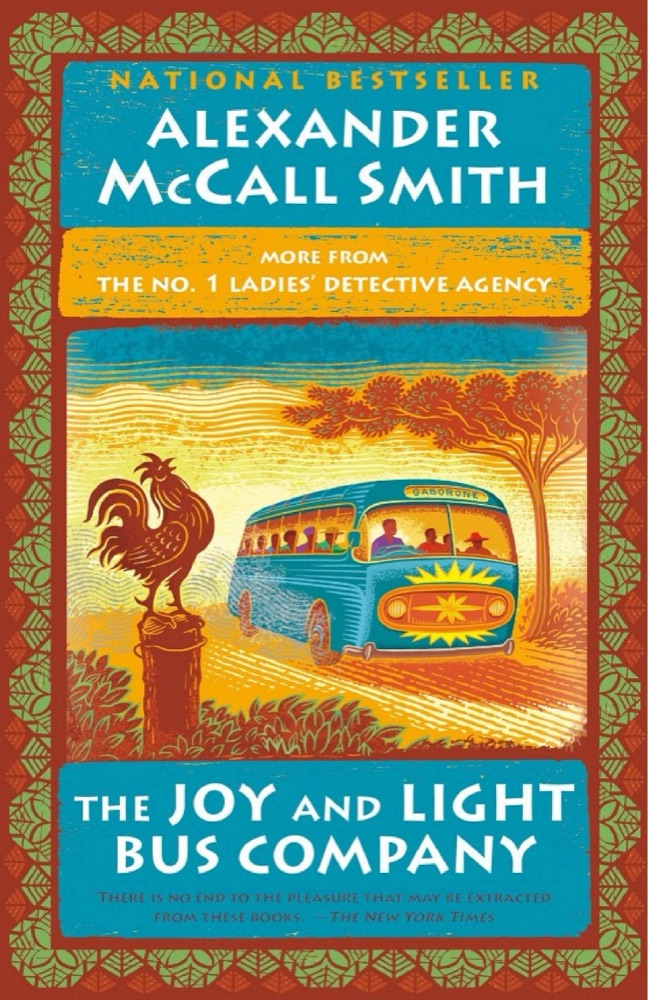 The Joy and Light Bus Company
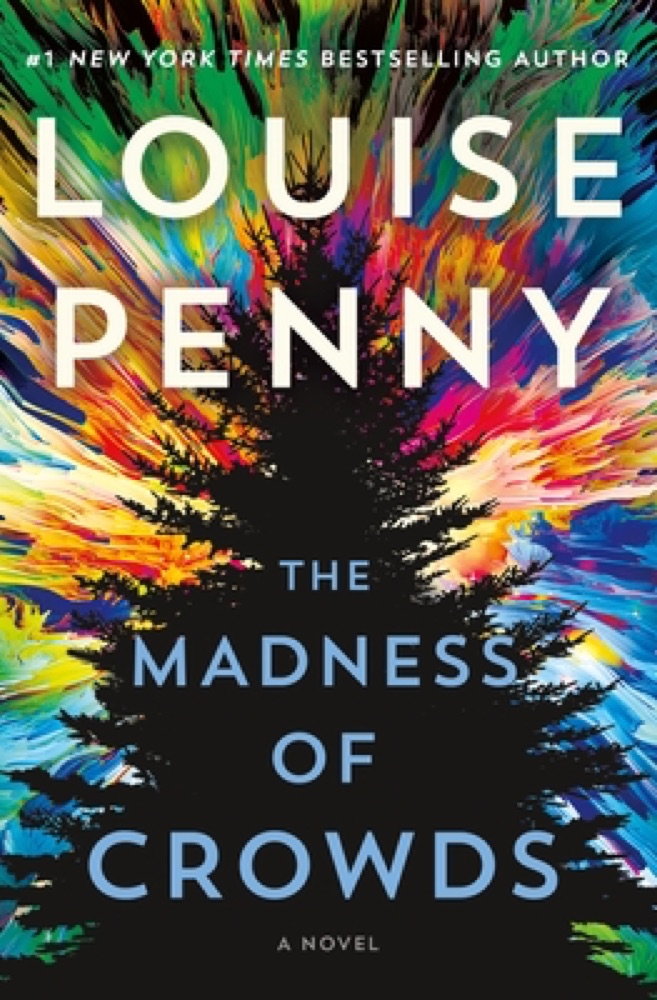 The Madness of Crowds
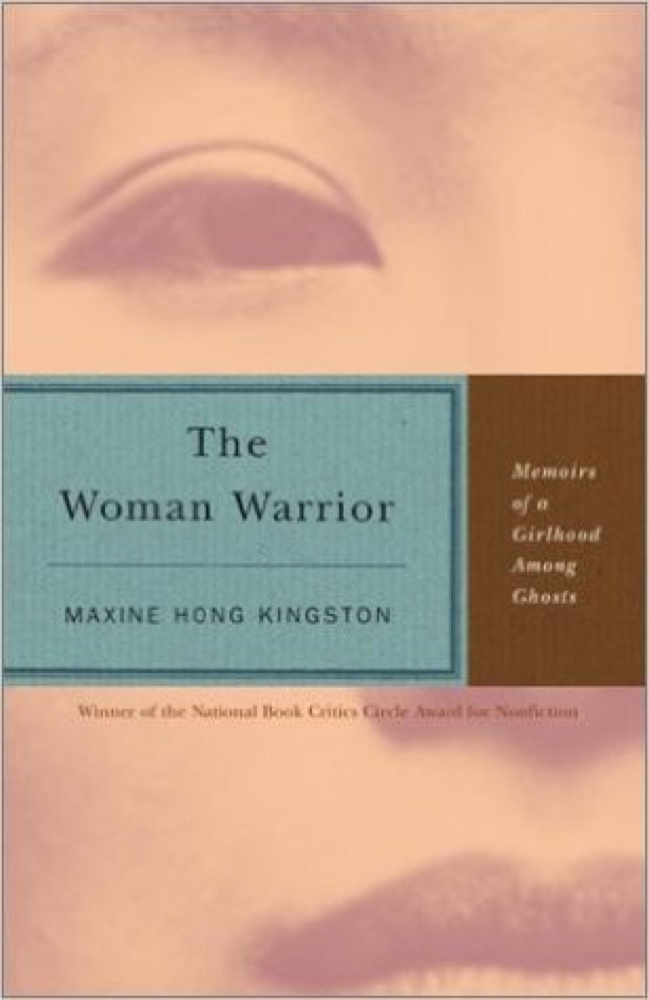 The Woman Warrior
 State of Wonder
 The Shipping News
 Independent People
 The Complete Fairy Tales
 The Hotel New Hampshire
 The Novel Habits of Happiness
 Liesl & Po
 Fall of Giants
 The Illustrated Man
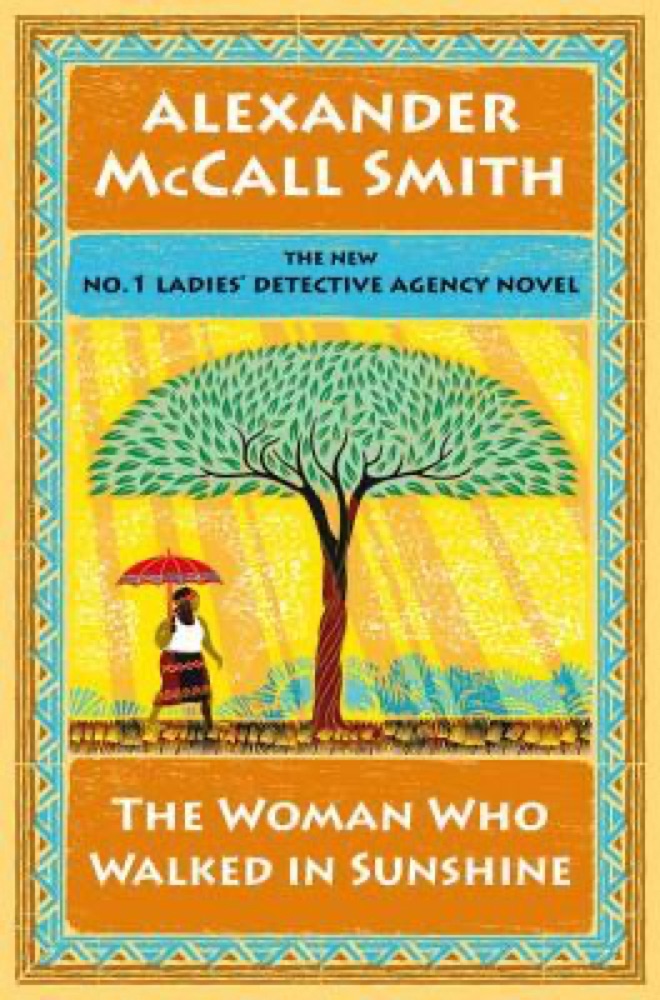 The Woman Who Walked in Sunshine
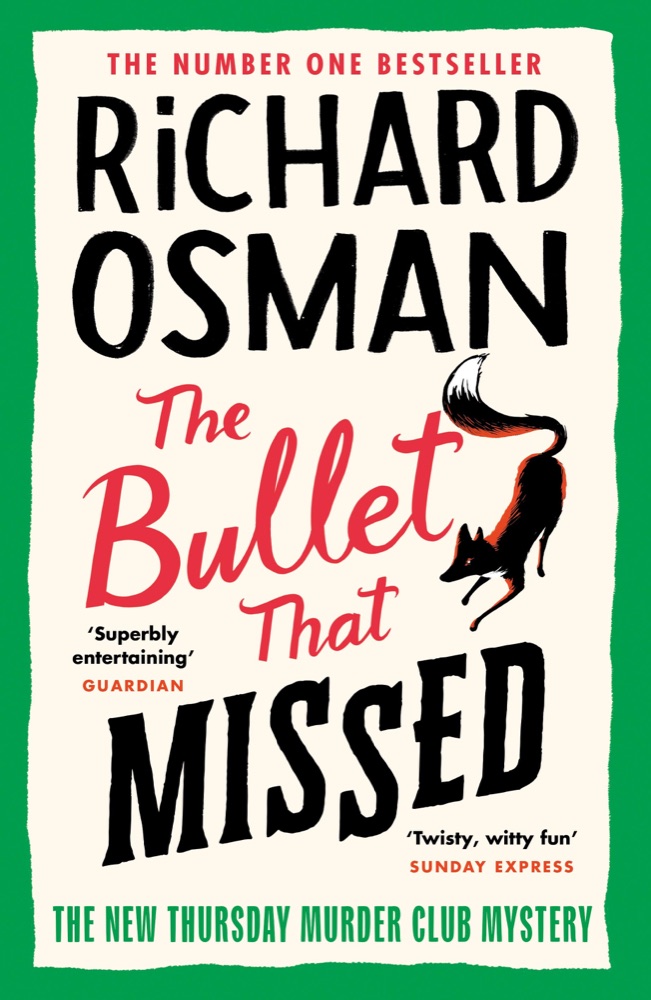 The Bullet That Missed
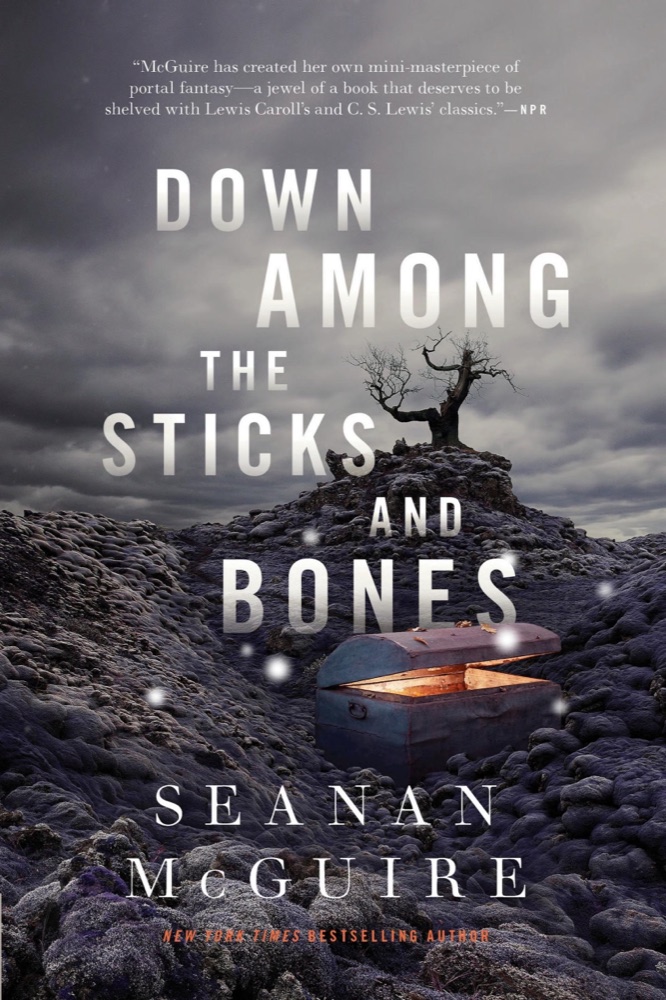 Down Among the Sticks and Bones
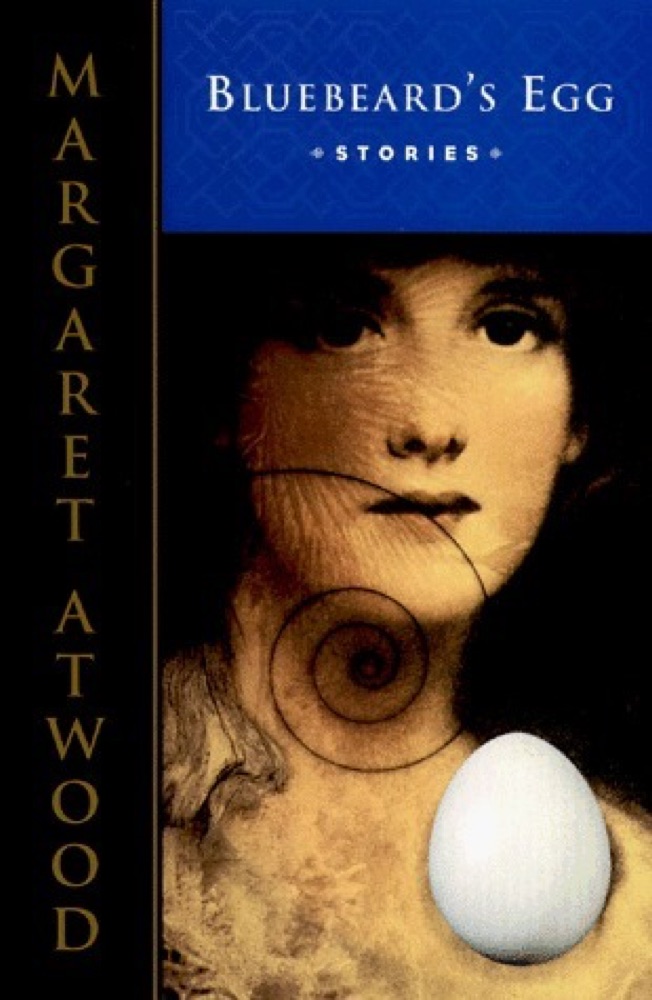 Bluebeard's Egg
 Little Fires Everywhere
 The Bean Trees
 The Brutal Telling
 Hattie Big Sky
 A Tyranny of Petticoats
 Sophie's Choice
 Emily's Quest
 Winesburg, Ohio
 Mexican Gothic