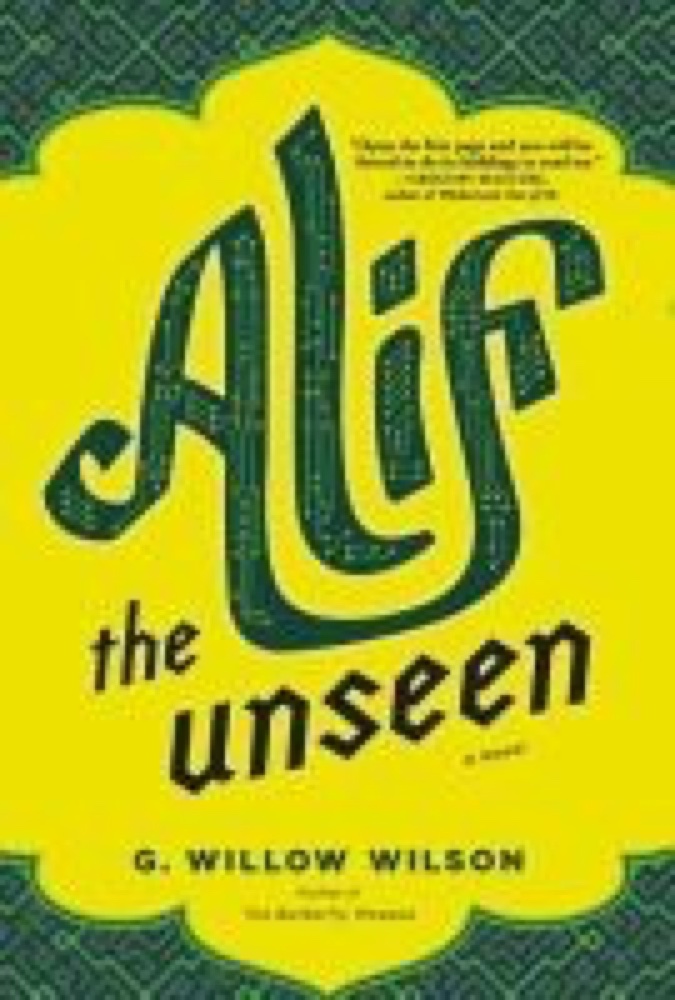
 Alif the Unseen
Quotes from the Book
There's this ayah from the Quran that my dad always quotes when he sees something bad on TV. A fire or a flood or a bombing. "Whoever kills one person, it is as if he has killed all of mankind... And whoever saves one person, it is as if he has saved all of mankind." When I was a little kid, that always made me feel better. Because no matter how bad things get there are always people who rush in to help. And according to my dad they are blessed.
Good is not a thing you are. It's a thing you do.
Who am I? It seems like an easy question. And then I realize... Maybe what I said to those cops wasn't a joke. Maybe the name belongs to whoever has the courage to fight. And so I tell them. I tell them who I am.
We are faith. We speak all languages of beauty and hardship.
Watch on YouTube
About G. Willow Wilson
We have collected 32 quotes from 2 books by G. Willow Wilson on BookQuoters.
More about the author →More by G. Willow Wilson
Alif the Unseen
Book details
- Author
- G. Willow Wilson
- Genre
- Fiction
- Goodreads rating
- 4.10 (93k ratings) →
Keep reading
 Wonder
 Entice
 Born of Legend
 Wide Awake
 Letter to My Daughter
 Night Watch
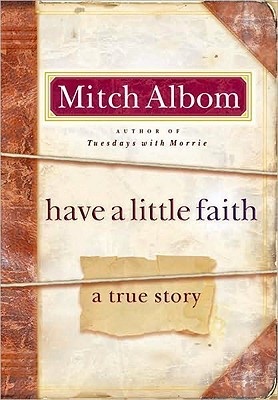 Have a Little Faith: a True Story
 Unprotected: A Memoir
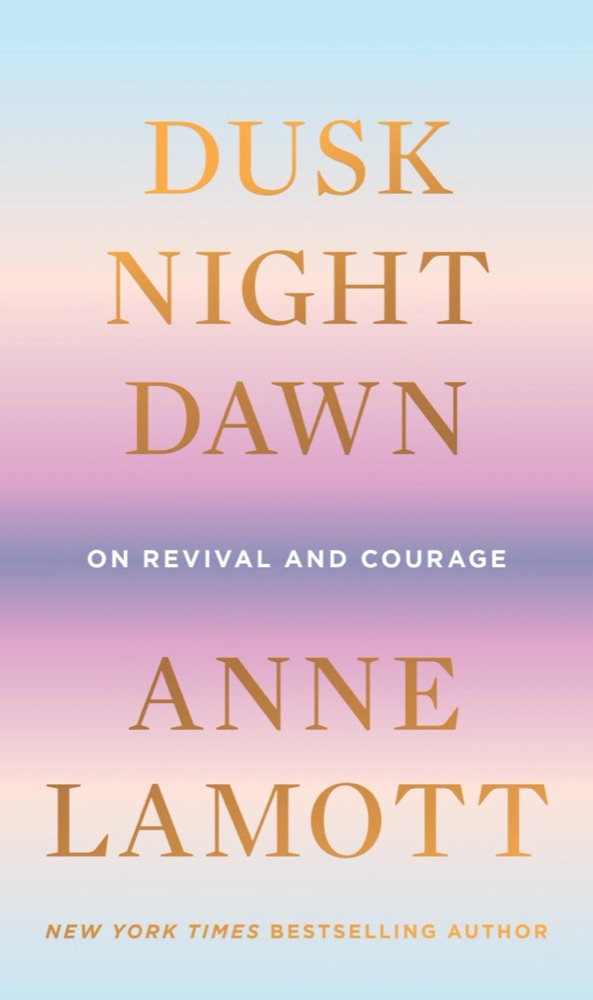 Dusk, Night, Dawn: On Revival and Courage
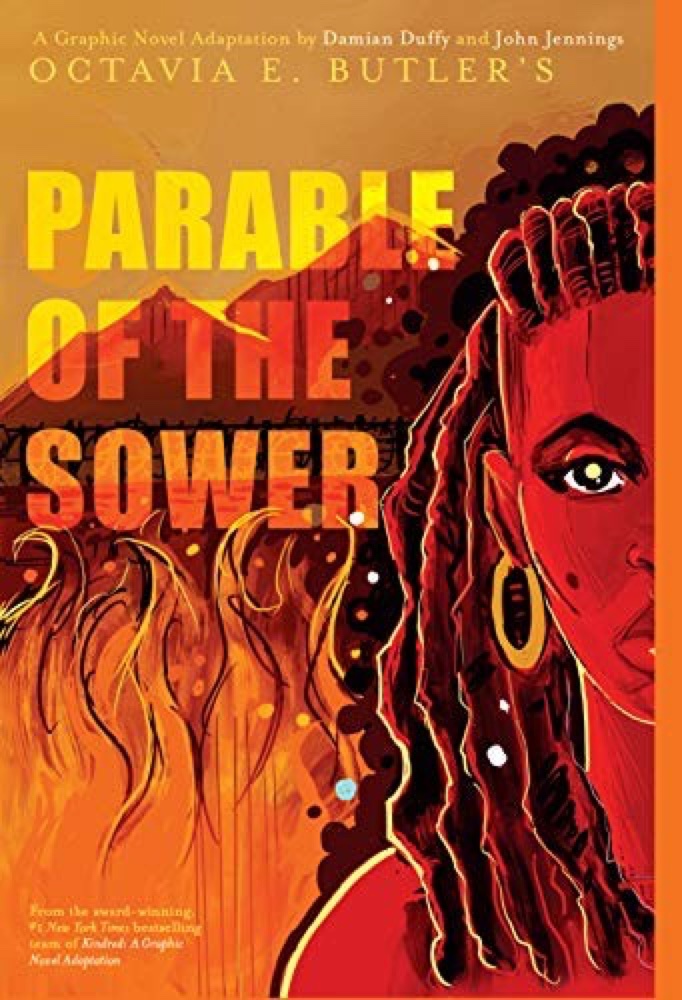 Parable of the Sower
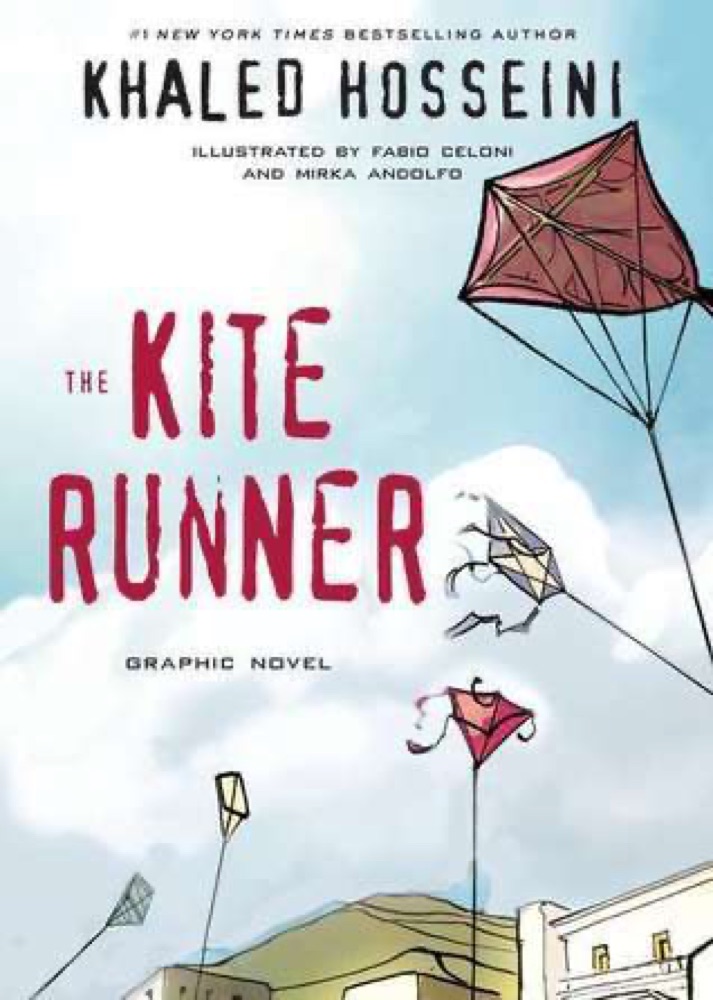 The Kite Runner
 Invisibility
 Origin
 Gilead
 Carry On, Warrior: Thoughts on Life Unarmed
 The Good Luck of Right Now
 Lighthousekeeping
 Angels & Demons
 The Awakening
 Falling Back in Love with Being Human: Letters to Lost Souls
 The Serpent King
 Gus
Gus
 One
One
 Allegiant
 Love from A to Z
 Ink
Ink
 Everything Sad Is Untrue
 The Power of One
 Shadow's Edge
 The Human Comedy
 Children of the Mind
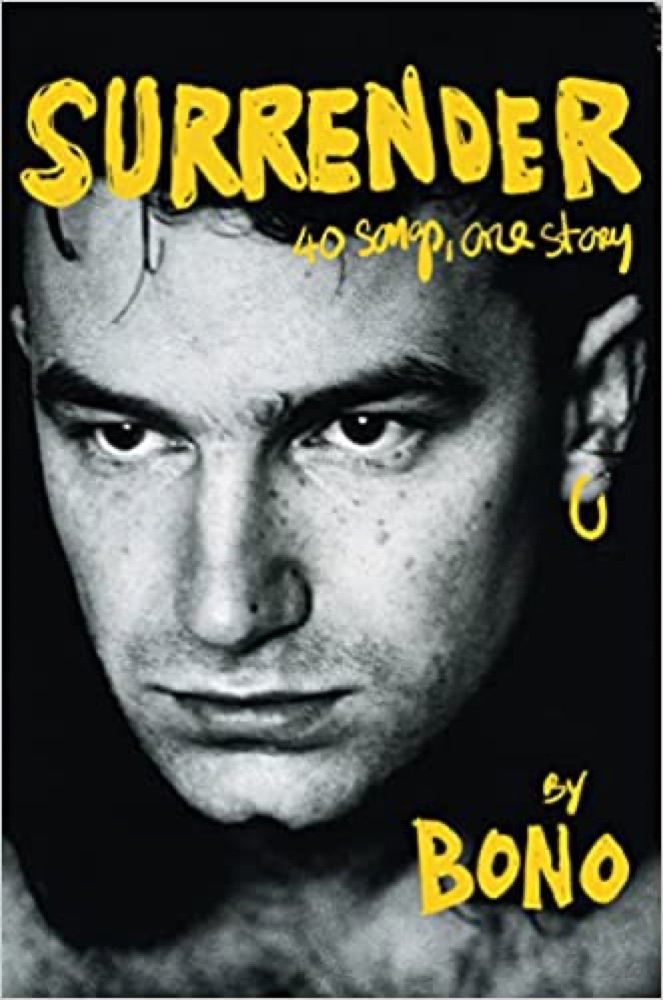 Surrender: 40 Songs, One Story
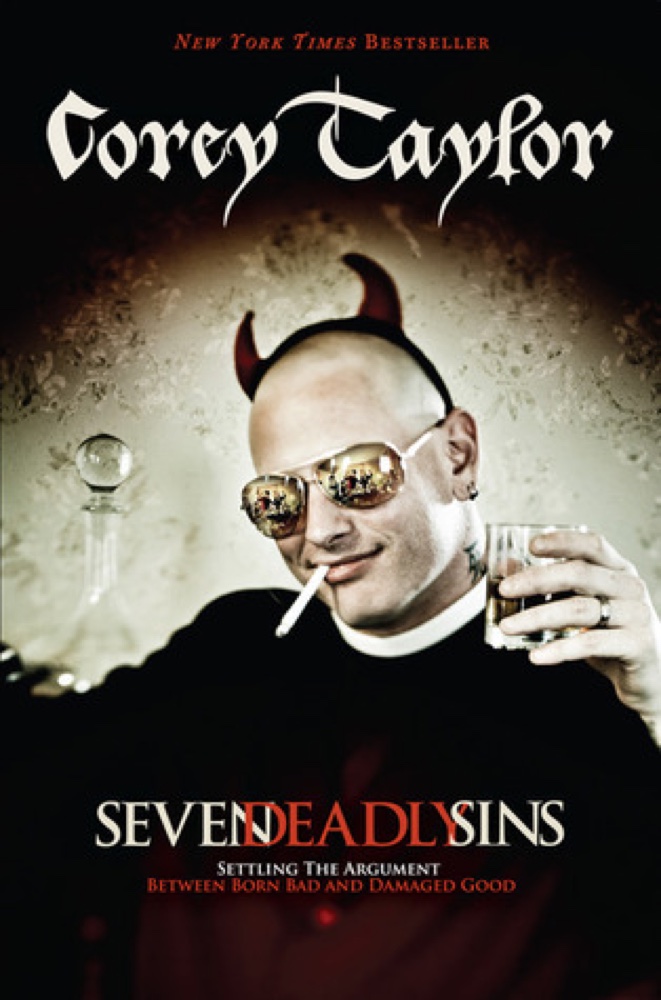 Seven Deadly Sins: Settling the Argument Between Born Bad and Damaged Good
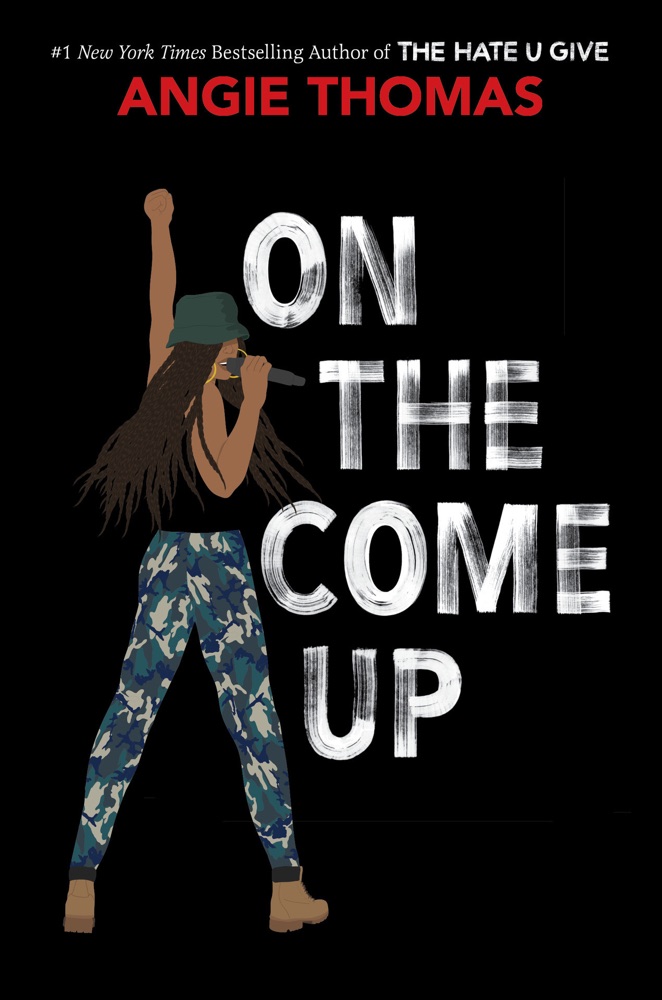 On the Come Up
 A Different Blue
 The World According to Mister Rogers: Important Things to Remember
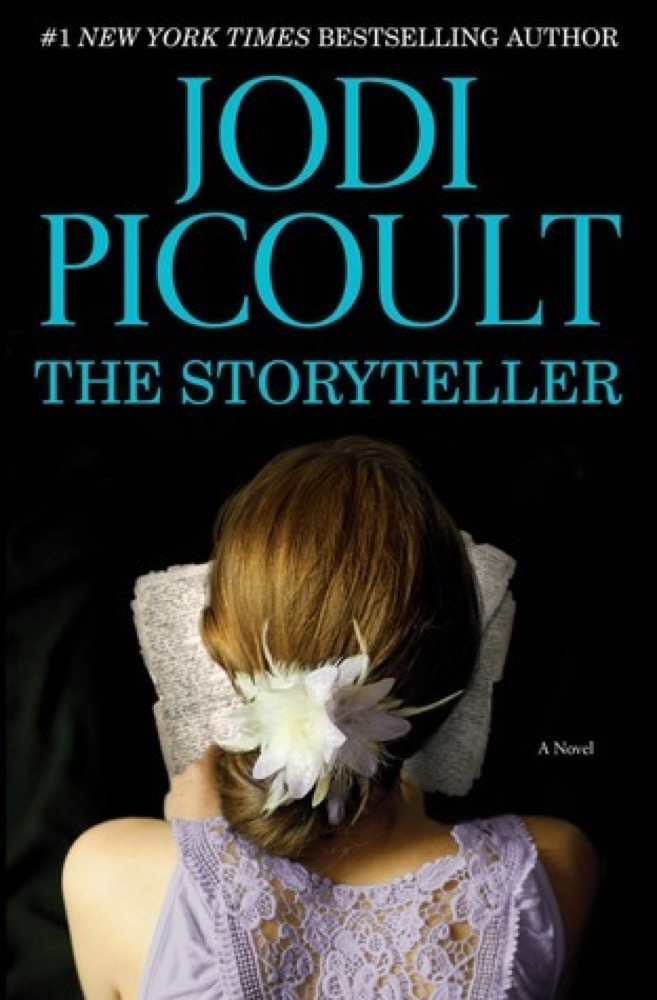 The Storyteller
 Shadow Scale
 Everyone Burns
 The Water Keeper
 We Were Liars
 The Moth Presents All These Wonders: True Stories About Facing the Unknown
 Of Mess and Moxie: Wrangling Delight Out of This Wild and Glorious Life
 Change of Heart
 Shadow of the Giant
 Patron Saints of Nothing
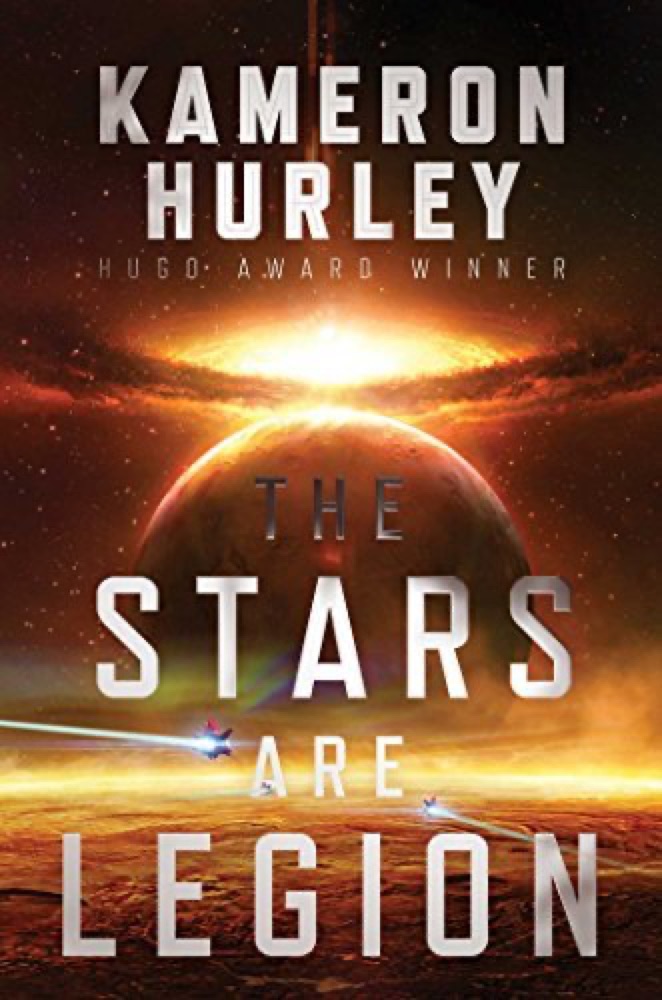 The Stars Are Legion
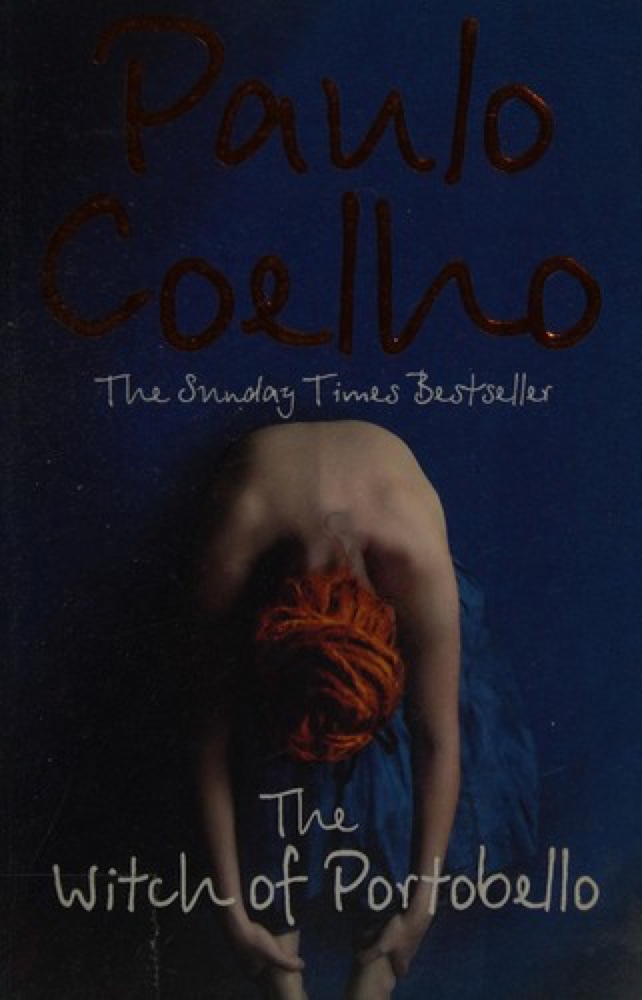 The Witch of Portobello
 Bright Side
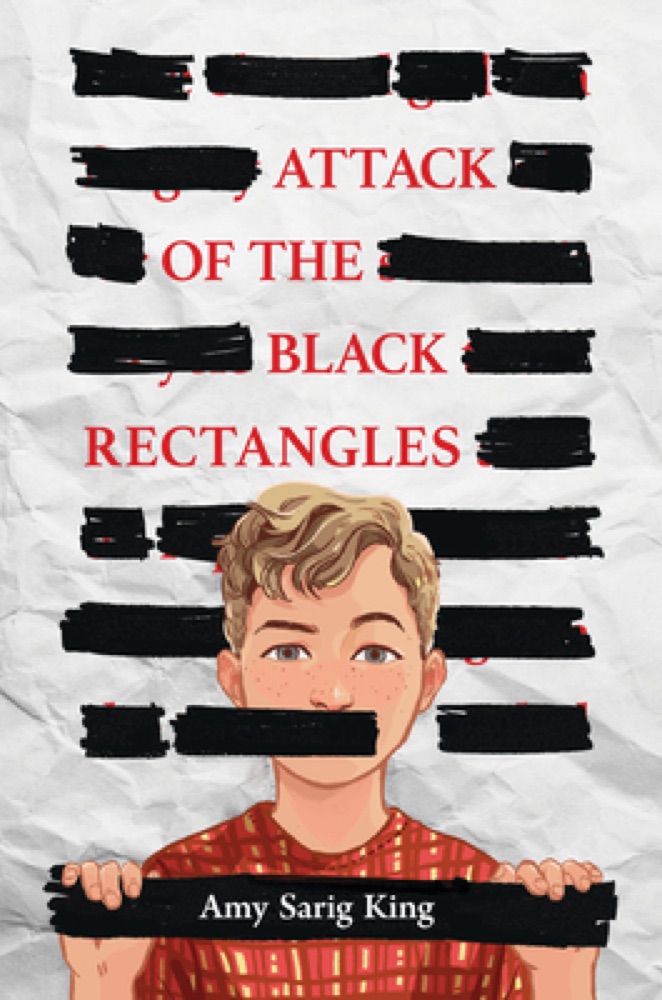 Attack of the Black Rectangles
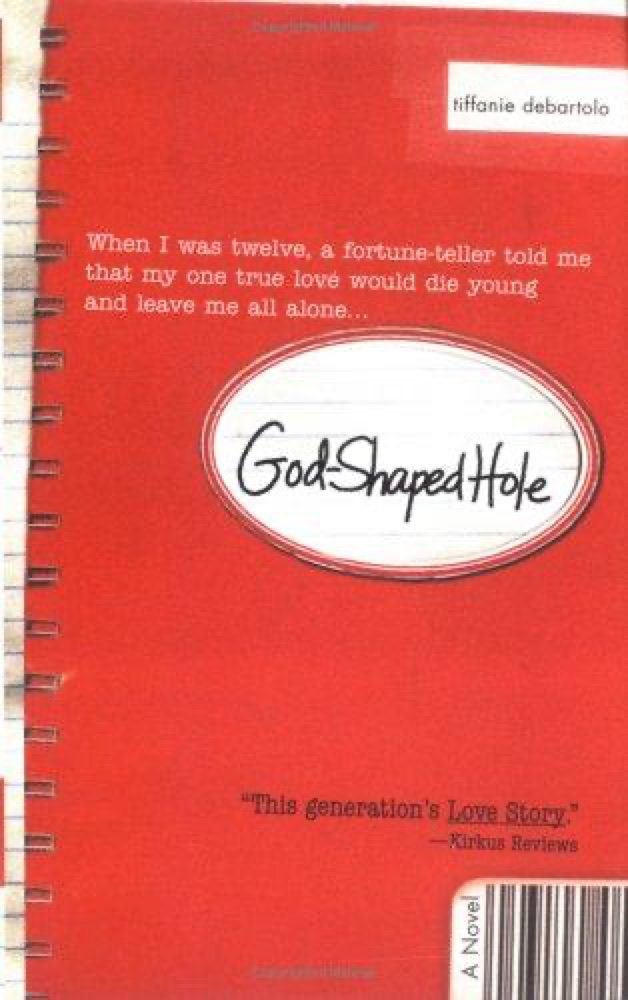 God-Shaped Hole
 Grace for the Good Girl: Letting Go of the Try-Hard Life
 Embers
 The Girl and the Goddess: Stories and Poems of Divine Wisdom
 Brave Enough
 In the Lives of Puppets
 All the Colors of the Dark
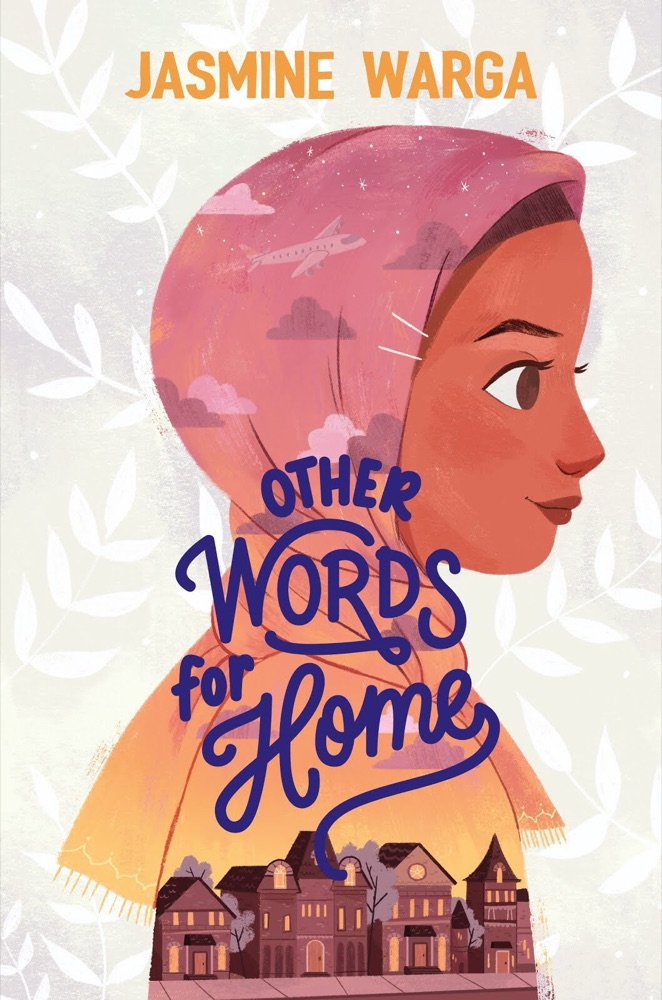 Other Words for Home
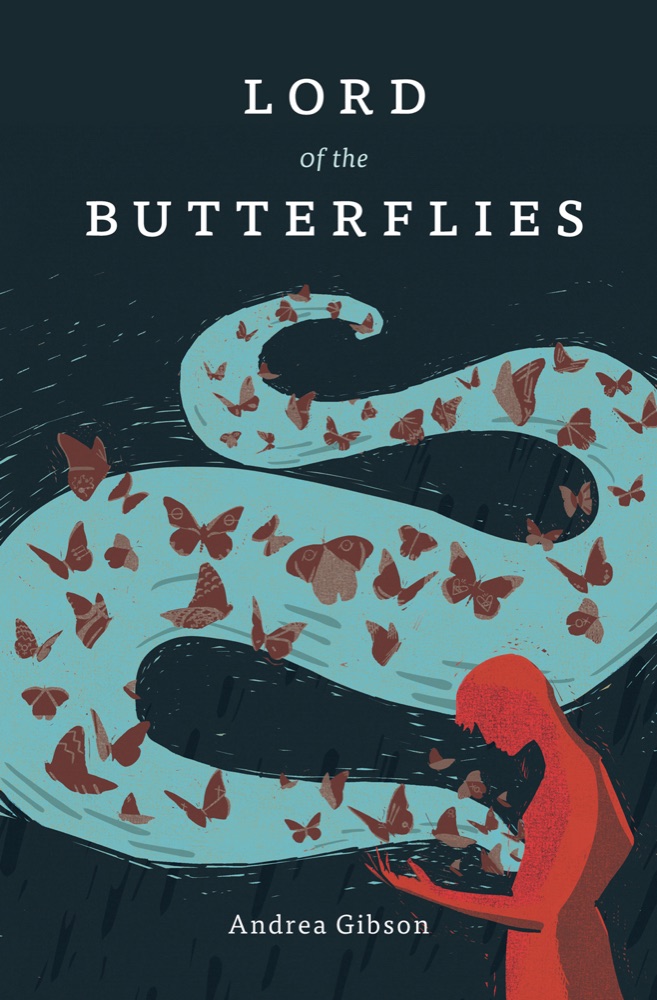 Lord of the Butterflies
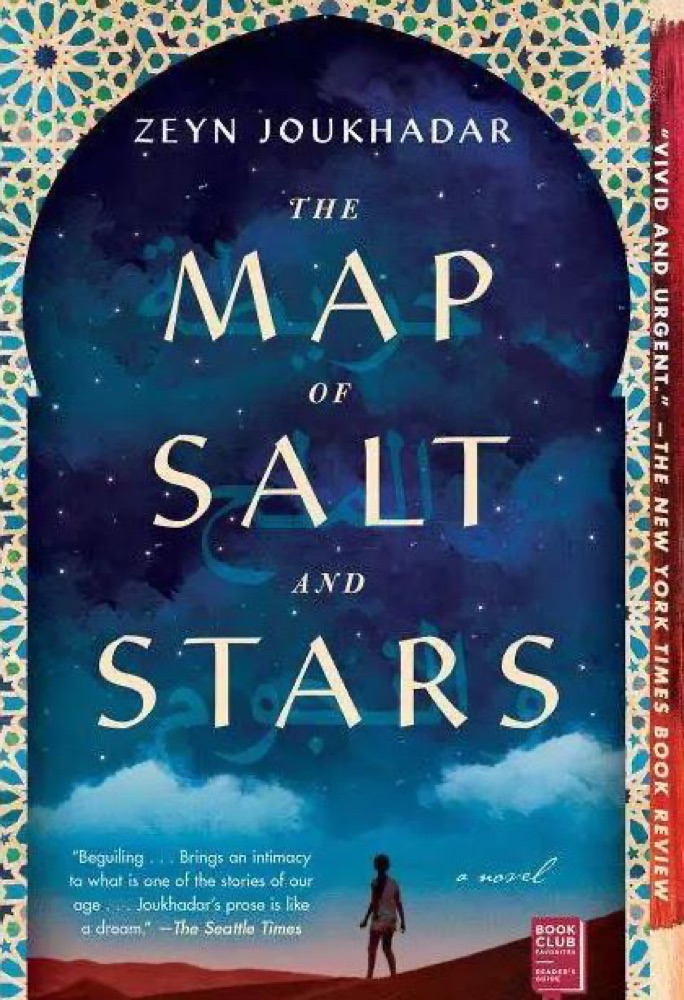 The Map of Salt and Stars