
 Passion and Purity: Learning to Bring Your Love Life Under Christ's Control
Quotes from the Book
Of one thing I am perfectly sure: God's story never ends with 'ashes.
To be a follower of the Crucified means, sooner or later, a personal encounter with the cross. And the cross always entails loss. The great symbol of Christianity means sacrifice and no one who calls himself a Christian can evade this stark fact.
Faith's most severe tests come not when we see nothing, but when we see a stunning array of evidence that seems to prove our faith vain.
It is in our acceptance of what is given that God gives Himself.
Christ is sufficient. We do not need "support groups" for each and every separate tribulation. The most widely divergent sorrows may all be taken to the foot of the same old rugged cross and find there cleansing, peace, and joy.
A great many things determine how people live, and money is not at the top of the list. Choices are always available. What you choose will depend on how you see things: yourself, your work, your right to express taste and desire and personality, your understanding of the love of God as expressed in His creation and order and harmony.
And so it often is. Faith, prayer, and obedience are our requirements. We are not offered in exchange immunity and exemption from the world’s woes. What we are offered has to do with another world altogether.
All the Scriptural metaphors about the death of the seed that falls into the ground, about losing one’s life, about becoming the least in the kingdom, about the world’s passing away—all these go on to something unspeakably better and more glorious. Loss and death are only the preludes to gain and life. It was a temptation to foreshorten the promises, to look for some prompt fulfillment of the loss-gain principle….
Watch on YouTube
About Elisabeth Elliot
We have collected 140 quotes from 7 books by Elisabeth Elliot on BookQuoters.
More about the author →More by Elisabeth Elliot
Passion and Purity: Learning to Bring Your Love Life Under Christ's Control
 Through Gates of Splendor
 Discipline: The Glad Surrender
 Let Me Be a Woman
Book details
- Author
- Elisabeth Elliot
- Genre
- Nonfiction
- Goodreads rating
- 4.37 (2k ratings) →
Keep reading
 Believing God
 The Normal Christian Life
 My Utmost for His Highest
 The Bible Jesus Read
 The Crucible of Doubt: Reflections On the Quest for Faith
 Velvet Elvis: Repainting the Christian Faith
 Out of Sorts: Making Peace with an Evolving Faith
 The Hope of Glory: Reflections on the Last Words of Jesus from the Cross
 Love Wins Low Price CD: Love Wins Low Price CD
 Studies in the Sermon on the Mount
 To Live Is Christ: Joining Paul's Journey of Faith
 Anything: The Prayer That Unlocked My God and My Soul
 The Case for Faith: A Journalist Investigates the Toughest Objections to Christianity
 Encounters with Jesus: Unexpected Answers to Life's Biggest Questions
 He Chose the Nails: What God Did to Win Your Heart
 The Explicit Gospel
 40 Days of Decrease: A Different Kind of Hunger. A Different Kind of Fast.
 The Cross of Christ
 Hope for the Troubled Heart: Finding God in the Midst of Pain
 King's Cross: The Story of the World in the Life of Jesus
 Erasing Hell: What God Said About Eternity, and the Things We've Made Up
 Grace for the Moment: Inspirational Thoughts for Each Day of the Year, Volume 1
 The Grand Weaver: How God Shapes Us through the Events in Our Lives
 Prayer in the Night: For Those Who Work or Watch or Weep
 The Knowledge of the Holy
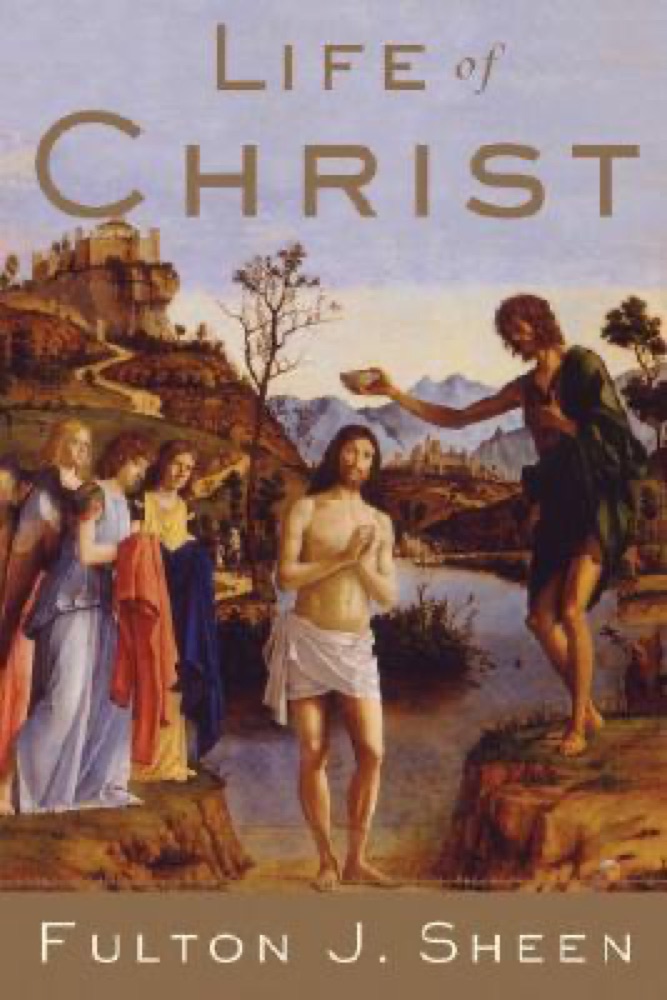 Life of Christ
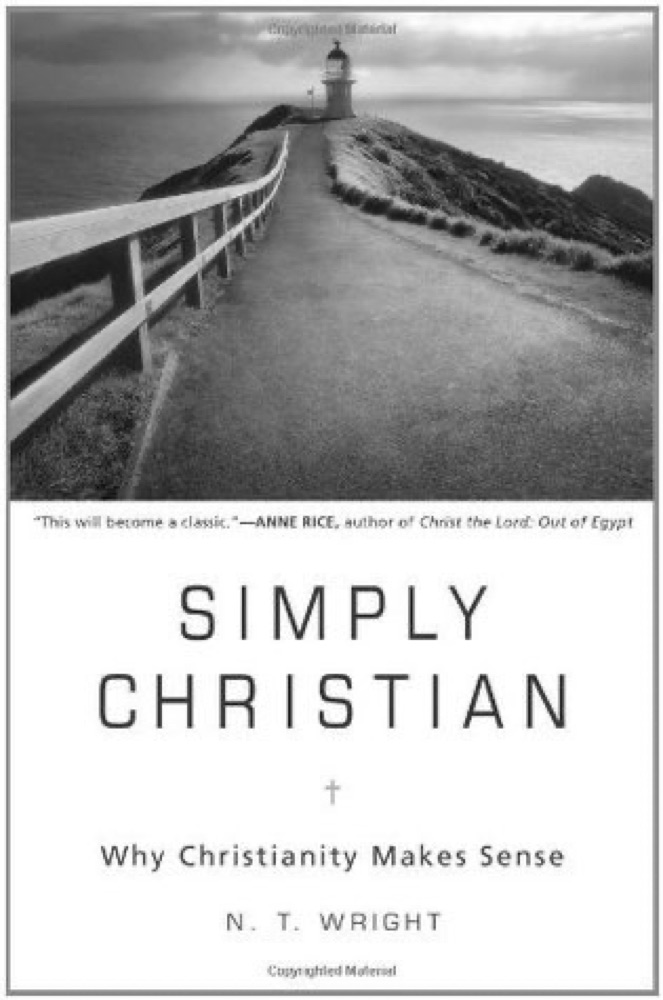 Simply Christian
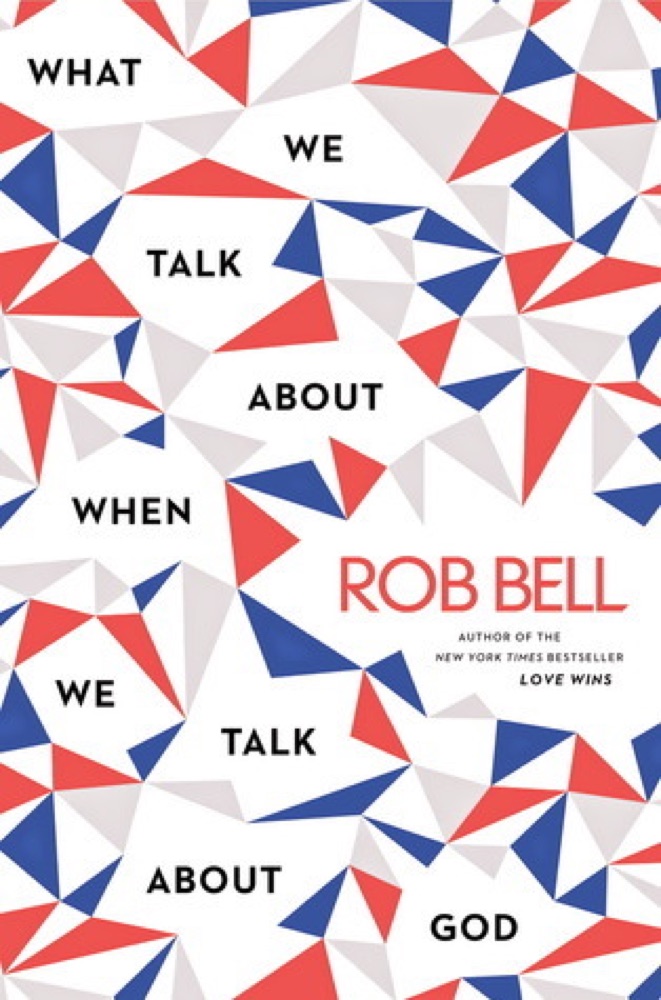 What We Talk about When We Talk about God
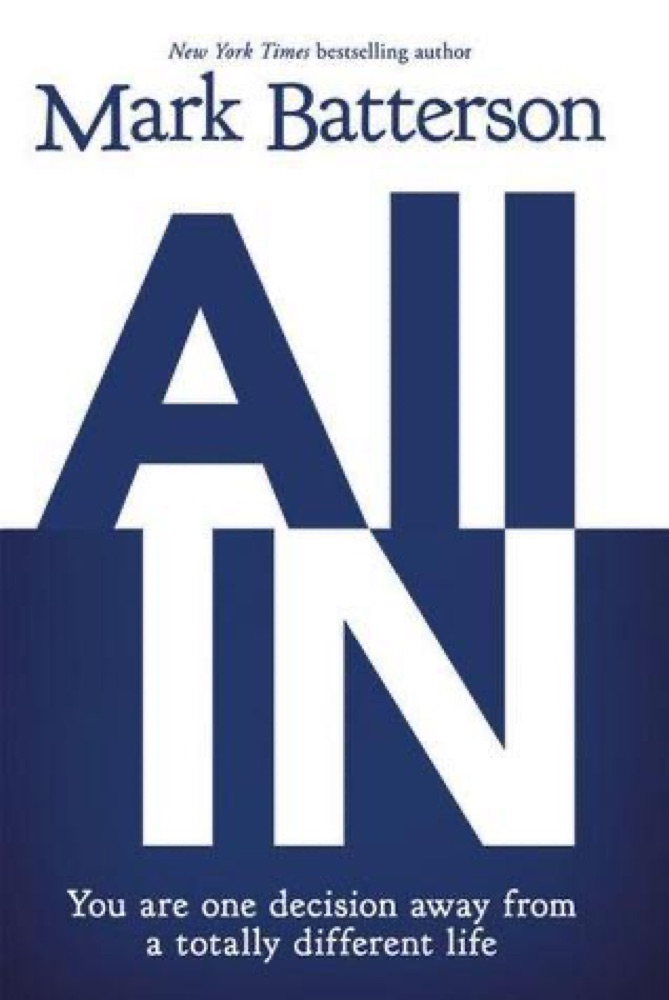 All In: You Are One Decision Away From a Totally Different Life
 Jesus Among Other Gods: The Absolute Claims of the Christian Message
 The Jesus I Never Knew
 The Reason for God: Belief in an Age of Skepticism
 Shadow of the Almighty: The Life and Testament of Jim Elliot
 The Divine Conspiracy: Rediscovering Our Hidden Life in God
 How People Change
 Girl Meets God
 Seeking Allah, Finding Jesus: A Devout Muslim Encounters Christianity
 Radical: Taking Back Your Faith from the American Dream
 All of Grace
 The Cost of Discipleship
 A Little Book on the Christian Life
 Leaving Church: A Memoir of Faith
 The Holiness of God
 The Pursuit of God: The Human Thirst for the Divine
 Surprised by Hope: A Study of Christian Hope and Resurrection
 We Who Wrestle with God: Perceptions of the Divine
 The Imitation of Christ
 Pastrix: The Cranky, Beautiful Faith of a Sinner & Saint
 The Orthodox Way
 Breaking Free: Discover the Victory of Total Surrender
 It's Not Supposed to Be This Way: Finding Unexpected Strength When Disappointments Leave You Shattered
 Searching for and Maintaining Peace: A Small Treatise on Peace of Heart
 Restless: Because You Were Made for More
 Morning and Evening, Based on the English Standard Version
 If Life Were Easy, It Wouldn't Be Hard: And Other Reassuring Truths
 Ordinary Grace
 The Message Remix
 Amazing Grace: A Vocabulary of Faith
 My Bright Abyss: Meditation of a Modern Believer
 Wholehearted Faith