
 Holy Bible: ESV Bible
Quotes from the Book
Those of us who are in tune with nature and animals know it is our way of life, Bram. There is a connection to all living things, a vibration of Life. Animals were not given a power of choice. A lion does not try and eat legumes, nor an elephant meat. We believe the best way to communicate with nature, God, is through a liaison: the animals..... Nature hears one voice and obeys it. That is why ten or ten thousand birds may rise from the surface of a lake at the same time and yet never touch one another. Man only hears his own voice. He constantly bumps into another. Even his voice mirrors his erratic walk, jealousy, hate, ego, pride, lying, cheating. He makes his own judgements and falls prey to his greed. Remember, the moon is reflected on one drop of water as is the entire ocean-- so it is with God. He is reflected ins each living thing-- in a grain of sand as the entire shore, one star as the whole universe. Each animal as in all creatures. -Jagrat
A good teacher teaches what he has been taught. A wise one teaches what he has learned
Trees are like people and give the answers to the way of Man. They grow from the top down. Children, like treetops, have flexibility of youth, and sway more than larger adults at the bottom. They are more vulnerable to the elements, and are put to the test of survival by life's strong winds, rain, freezing cold, and hot sun. Constantly challenged. As they mature, they journey down the tree, strengthening the family unit until one day they have become big hefty branches. In the stillness below, having weathered the seasons, they now relax in their old age, no longer subject to the stress from above. It's always warmer and more enclosed at the base of the tree. The members remain protected and strong as they bear the weight and give support to the entire tree. They have the endurance.
When man chooses to develop his innate power of communication with nature and therefore hear the voice, all will be right with the world – we will be as one. What you have been able to do with your Modoc is what man has been seeking for a long time. To communicate with nature through animals.
You know, Mo, I've been thinking of the Elephantarium lately. You remember Atoul, the white elephant? Well, he taught me that all things need to change form to live. When we die, we change into ashes, gases, things like that. They carry on until they change. The ashes may help a tree grow, the gases could mingle with others and become...something else! That means you and I are going to change and...ah....well..." His voice stuck in his throat. He stopped, cleared his throat, turned, and walked to Mo. He rubbed the soft leathery skin on the underside of her ear. "and you... You will become something greater and more wonderful than you can imagine! You will soar in the cosmos, become part of all things, you will sit at HIS side and help rule all of nature." Bram's whole being felt the impact... The thought of not being with her. "I will be waiting for you, okay? I'll meet you there." pg 317
Katrina held Bram in her arms, speaking softly, reassuringly, as they approached baby Modoc. This was an important moment, a beginning, for she knew the boy would spend his life with animals, especially elephants, and the meeting was of utmost importance. Neither the elephant nor the baby said a word. All was quiet as they looked at each other. Mo’s small trunk wormed its way up, reaching to the baby. As Bram leaned over, his little hand pulled loose from Katrina’s grasp found its way down toward the trunk. A finger extended to meet the tip of the trunk. Bram’s expression was one of curiosity; he felt the wet tip, Modoc moved her “finger” all around Bram’s hand, sliding it across each finger and the palm. A big tickle grin spread across Bram’s face, Modoc did her elephant “chirp,” a tear glistened as it ran down Katrina’s face. All was well. The future had been written.
There is a connection to all living things, a vibration of Life. Animals were not given a power of choice. A lion does not try to eat legumes nor an elephant meat. We believe the best way to communicate with nature, God, is through a liaison: the animals.
said, “All life is…and cannot be judged good or bad.
A good teacher teaches what he has been taught. A wise one teaches what he has learned.” For
A good teacher teaches what he has been taught. A wise one teaches what he has learned.
Watch on YouTube
About Unknown
We have collected 3744 quotes from 245 books by Unknown on BookQuoters.
More about the author →More by Unknown
Holy Bible: ESV Bible
 Holy Bible, NKJV
 The New Oxford Annotated Bible: New Revised Standard Version
 Hagakure: The Book of the Samurai
Book details
- Author
- Unknown
- Genre
- Nonfiction
- Goodreads rating
- 4.22 (13k ratings) →
Keep reading
 How to Be a Good Creature: A Memoir in Thirteen Animals
 The Book of Chuang Tzu
 The Philosopher and the Wolf
 Elephant Whisperer
 The Everlasting Man
 Martin Marten
 Sacred Journey of the Peaceful Warrior
 Parable of the Sower
 The Rosicrucian cosmo-conception: or, Mystic Christianity; an elementary treatise upon man's past evolution, present constitution and future development
 Emile or On Education
 The Gay Science
 Conversations with God: An Uncommon Dialogue, Book 1
 The Education of Little Tree
 Xenocide
 The Log from the Sea of Cortez
 Chuang Tzu: Basic Writings
 The Princess and Curdie
 From a Low and Quiet Sea
 The Dhammapada
 Teaching a Stone to Talk: Expeditions and Encounters
 The Book of Wisdom
 How to Know Higher Worlds: A Modern Path of Initiation
 The Pillars of Creation
 The Journey Home
 The Ogress and the Orphans
 Zen and the Art of Saving the Planet
 Laurus
 Many Lives, Many Masters: The True Story of a Prominent Psychiatrist, His Young Patient, and the Past Life Therapy That Changed Both Their Lives
 Ishmael: An Adventure of the Mind and Spirit
 365 Tao: A Study of Taoist Wisdom for Daily Life
 Big Sur and the Oranges of Hieronymus Bosch
 Four Ways to Forgiveness
 The Story of B: An Adventure of the Mind and Spirit
 The I Ching or Book of Changes
 The Socrates Express: In Search of Life Lessons from Dead Philosophers
 Messages from the Masters: Tapping into the Power of Love
 The Glass Bead Game
 From Sand and Ash
 Freedom in Exile: The Autobiography of the Dalai Lama
 Awareness: Conversations with the Masters
 The Upanishads
 The Food of the Gods
 Dune
Dune
 The Abolition of Man
 Always Coming Home
 The Intellectual Life: Its Spirit, Conditions, Methods
 A Joseph Campbell Companion: Reflections on the Art of Living
 Intimacy: Trusting Oneself and the Other
 The Crossing
 The Awakening
 A Lesson Before Dying
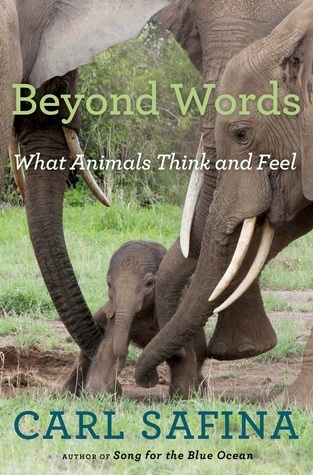 Beyond Words: What Animals Think and Feel
 Rise Up and Salute the Sun: The Writings of Suzy Kassem
 West with the Night
 Notes From The Tilt-A-Whirl: Wide-Eyed Wonder in God's Spoken World
 A Calendar of Wisdom: Daily Thoughts to Nourish the Soul
 The Soul of Rumi: A New Collection of Ecstatic Poems – Coleman Barks's Sublime Renderings of the 13th-Century Sufi Mystic's Insights into Divine Love and the Human Heart
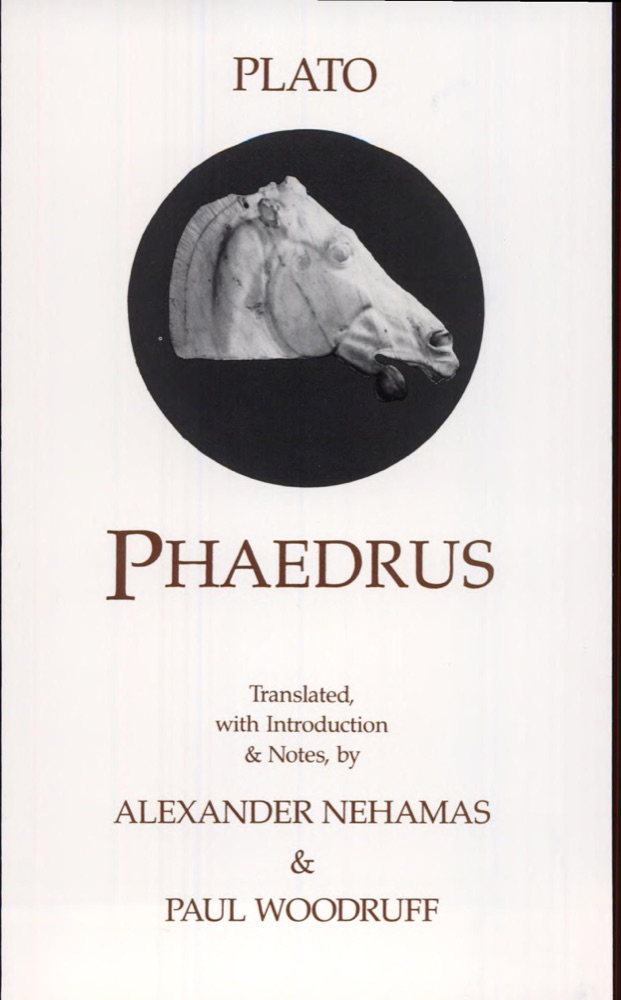 Phaedrus
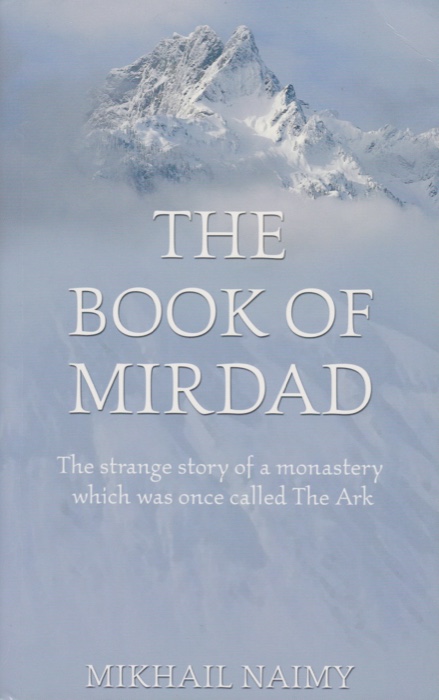 The Book of Mirdad: The Strange Story of a Monastery Which Was Once Called the Ark
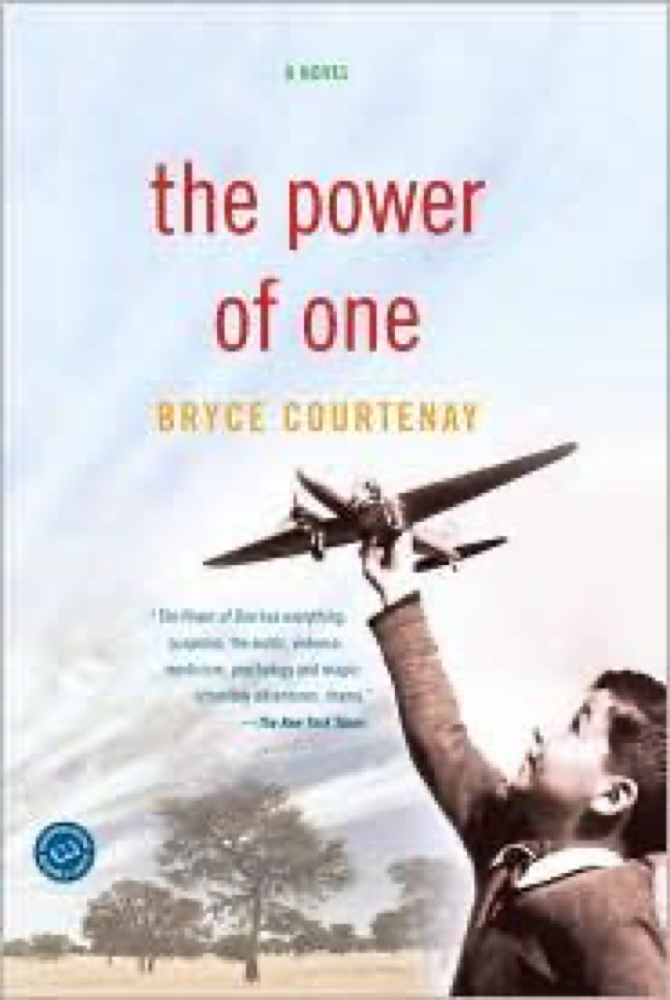 The Power of One