
 The Cure for Dreaming
Quotes from the Book
Why can't a girl be smart without it being explained away as a rare supernatural phenomenon?
54
Don’t ever worry what the boys who don’t appreciate originality think of you. They’re fools.
52
And all the while Stephen started at me as if I were something magical. Not the ugly way other people sometimes stare at me, like he was meeting someone in a foreign country who spoke his language when no one else could. That's how it's been between us ever since. We understand each other, even when we astound each other.
25
And do you know the oddest thing about murder and war and violence?' 'Oh, Mary Shelley, please stop talking about those types of things.' 'The oddest thing is that they all go against the lessons that grown-ups teach children. Don't hurt anyone. Solve your problems with language instead of fists. Share your things. Don't take something that belongs to someone else without asking. Use your manners. Do unto others as you would have them do unto you. Why do mothers and fathers bother spending so much time teaching children these lessons when grown-ups don't pay any attention to the words themselves?
15
. . . his mouth tasted of the divine sweetness of icing on a cake when the sugar isn't overdone. The taste of love before any pain gets in the way.
13
What type of world are we living in, if we're destroying books?
12
We live in a world so horrifying, it frightens even the dead
11
We wouldn't even have wars, if adults followed the rules they learned as children. A four-year old would be able to see how foolish grown men are behaving if you explained the war in child's terms. A boy named Germany started causing problems all over the playground that included beating up a girl named Belgium on his way to hurt a kid named France. Then England tried to beat up Germany to help France and Belgium, and when that didn't work, they called over a kid named America, and people started pounding on him, too.
8
He said the only real monsters in this world are human beings.
7
The road ahead may be rather upsetting for a sixteen-year-old girl. I'm afraid your delicate female eyes and ears will experience some ugliness." "Oh, you silly, naive men." I shook my weary head and genuinely pitied their ignorance. "You've clearly never been a sixteen-year-old girl in the fall of 1918.
7
Just remember human beings have always managed to find the greatest strength within themselves during the darkest hours. When faced with the worst horrors the world has to offer, a person either cracks and succumbs to the ugliness, or they salvage the inner core of who they are and fight to right wrongs.
6
We were all survivors—every last one of us who limped our way out to the sidewalks that afternoon and spit in Death’s cold face.
5
But that’s the point. We wouldn’t even have wars if adults followed the rules they learned as children.
4
Surely, though, I must have stolen into the future and landed in an H.G. Wells-style world - a horrific, fantastic society in which people's faces contained only eyes, millions of healthy young adults and children dropped dead from the flu, boys got transported out of the country to be blown to bits, and the government arrested citizens for speaking the wrong words. Such a place couldn't be real. And it couldn't be the United States of America, "the land of the free and the home of the brave." But it was. I was on a train in my own country, in a year the devil designed. 1918.
3
What if the world never gets any better?' 'It’ll have a far better chance if you’re in it.
2
Never let hatred, fear, and ignorance get the best of you. Keep bettering yourself so you can make the world around you better, for nothing can ever improve without the brightest, bravest, kindest, and most imaginative individuals rising above the chaos.
2
lessons that grown-ups teach children. Don’t hurt anyone. Solve your problems with language instead of fists. Share your things. Don’t take something that belongs to someone else without asking. Use your manners. Do unto others as you would have them do unto you. Why do mothers and fathers bother spending so much time teaching children these lessons when grown-ups don’t pay any attention to the words themselves?
2
We wouldn’t even have wars if adults followed the rules they learned as children. A four-year-old would be able to see how foolish grown men are behaving if you explained the war in a child’s terms.
1
It’s hard to imagine disappearing without a shred of evidence that I existed. I
1
We have a great deal of fight inside us, and sometimes our strength of spirit forces us to choose truth and integrity over comfort and security.
1
Why are so many of their faces disfigured, if you don’t mind me asking? Is it the explosive shells they’re using over there?” “I’m told it’s the machine guns. Curious soldiers will often lift their heads out of the trenches, thinking they can dodge bullets in time, but there’s no way they can possibly avoid the hail of machine-gun fire.” She glanced over her shoulder. “We tend to also see several missing left arms because of the way they position themselves for shooting in the trenches. Their bones shatter into tiny fragments and their wristwatches become embedded in their wounds. There’s no way to save the limbs.
1
Why can’t a girl be smart without it being explained away as a rare supernatural phenomenon?
1
Watch on YouTube
About Cat Winters
We have collected 30 quotes from 2 books by Cat Winters on BookQuoters.
More about the author →More by Cat Winters
The Cure for Dreaming
About the book
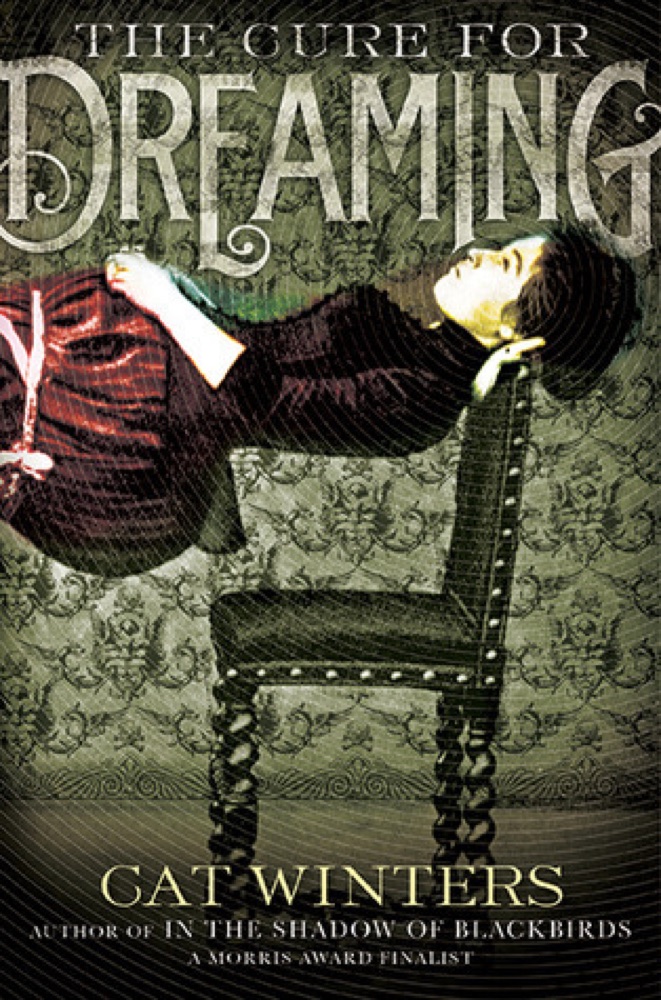
In 1918, the world seems on the verge of apocalypse. Americans roam the streets in gauze masks to ward off the deadly Spanish influenza, and the government ships young men to the front lines of a brutal war, creating an atmosphere of fear and confusion. Sixteen-year-old Mary Shelley Black watches as desperate mourners flock to séances and spirit photographers for comfort, but she herself has never believed in ghosts. During her bleakest moment, however, she’s forced to rethink her entire way of looking at life and death, for her first love—a boy who died in battle—returns in spirit form. But what does he want from her?
Featuring haunting archival early-twentieth-century photographs, this is a tense, romantic story set in a past that is eerily like our own time.
Book details
- First published
- 2013
- Author
- Cat Winters
- Genre
- Historical
- Goodreads rating
- 3.85 (14k ratings)
Keep reading
 A Map of Days
 The Apocalypse of Elena Mendoza
 Dark Inside
 The Chalk Man
 The Mere Wife
 The Wars
 Wanderers
 Dust & Decay
 The House in the Cerulean Sea
 Rot & Ruin
 The Girl Who Smiled Beads: A Story of War and What Comes After
 The Empusium
 The Spirit Bares Its Teeth
 World War Z: An Oral History of the Zombie War
 Too Like the Lightning
 The Seven Moons of Maali Almeida
 The Emperor of Gladness
 Special Topics in Calamity Physics
 Hell of a Book
 Peace Talks
 The Gone-Away World
 Saga, Vol. 1
 Everyone Brave Is Forgiven
 Varina
 Shouldn't You Be in School?
 The New Hunger
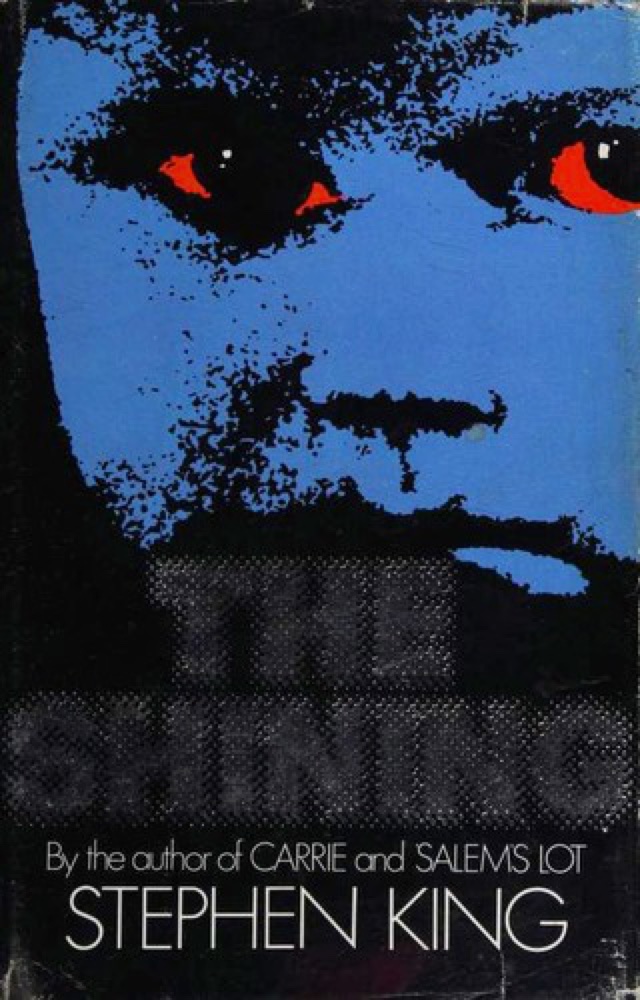 The Shining
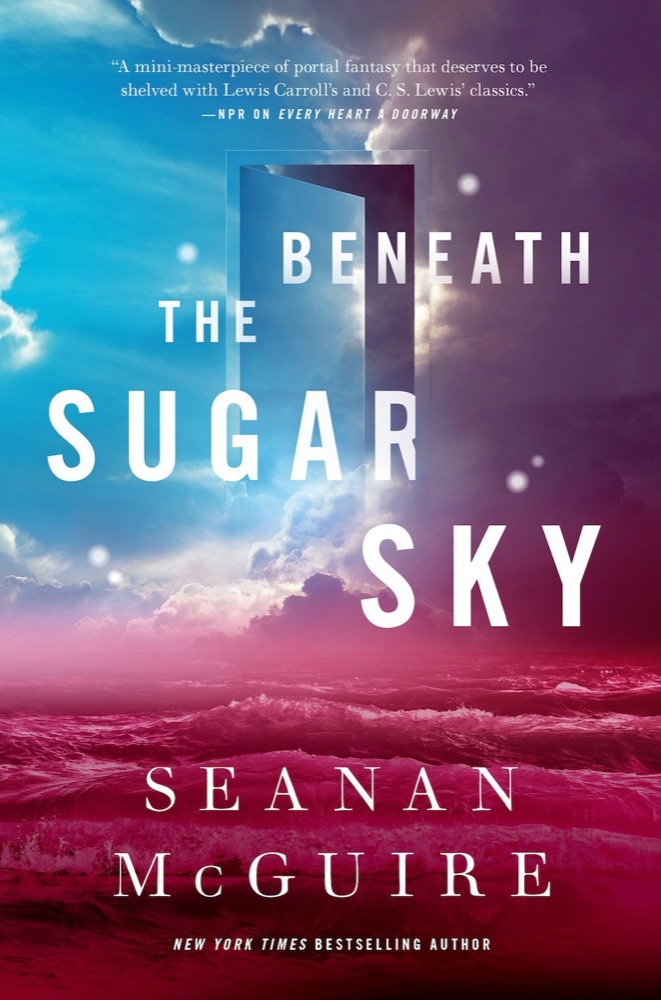 Beneath the Sugar Sky
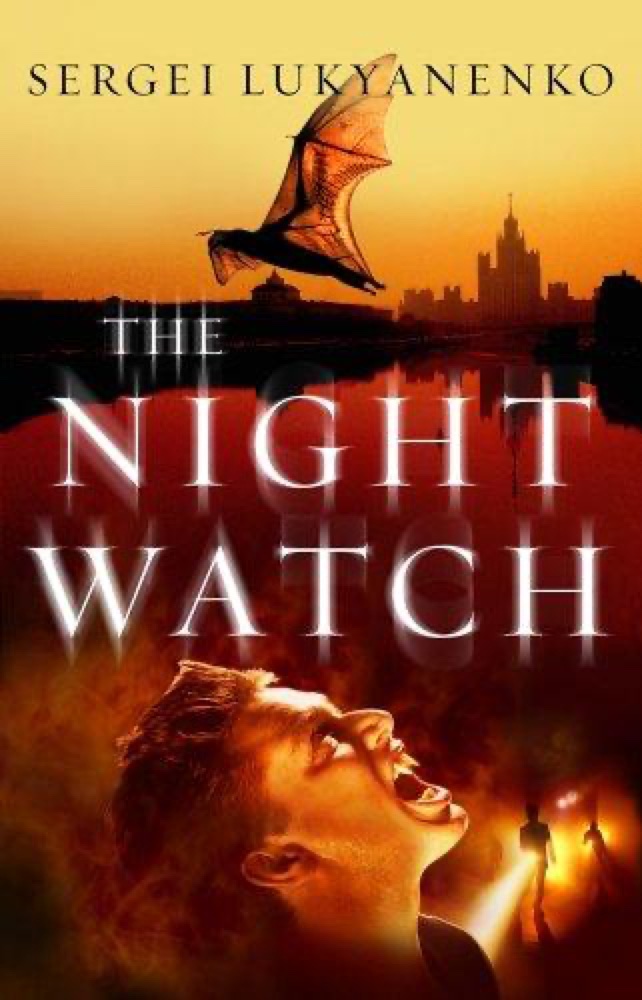 Night Watch
 Blackfish City
 The Water Knife
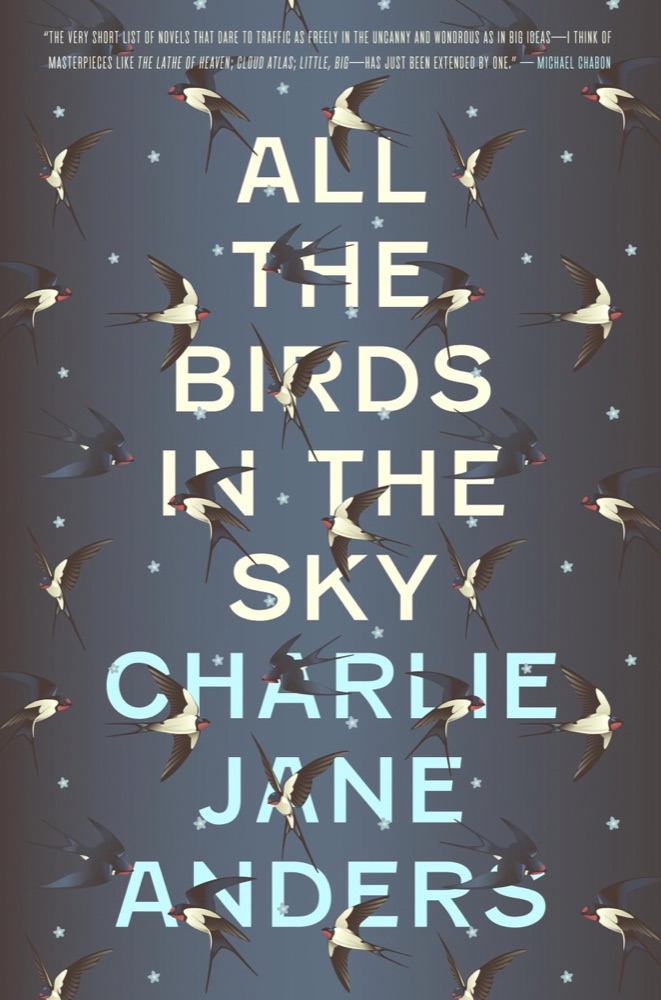 All the Birds in the Sky
 Haunted
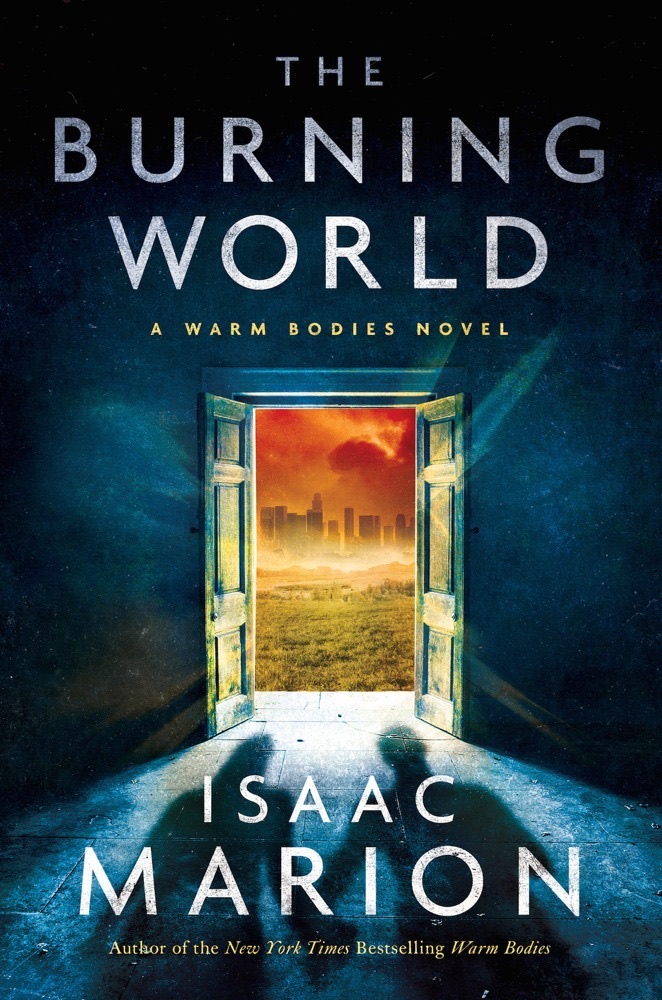 The Burning World
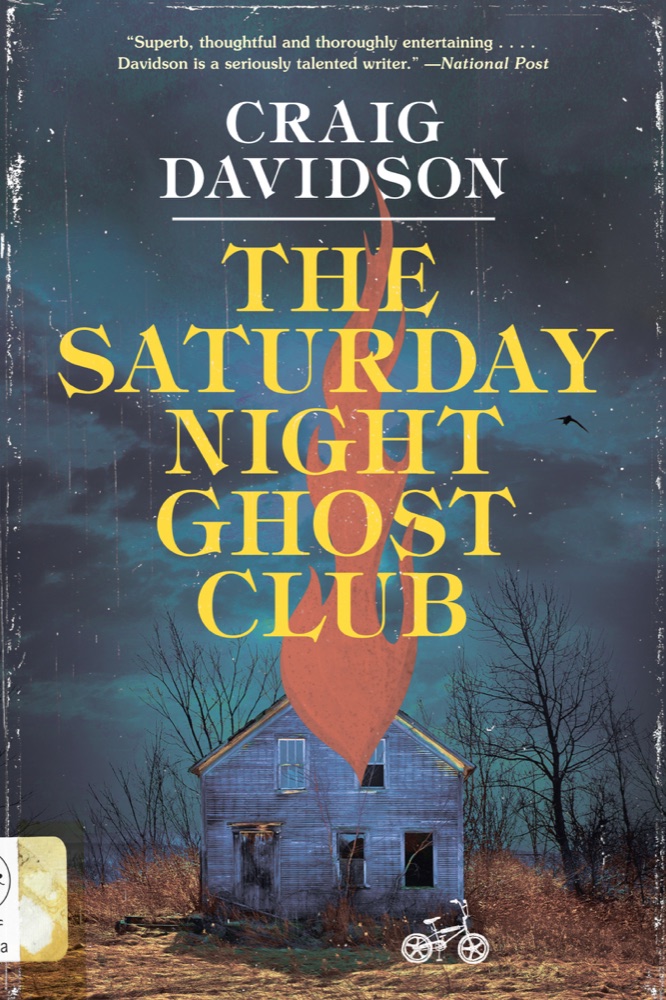 The Saturday Night Ghost Club
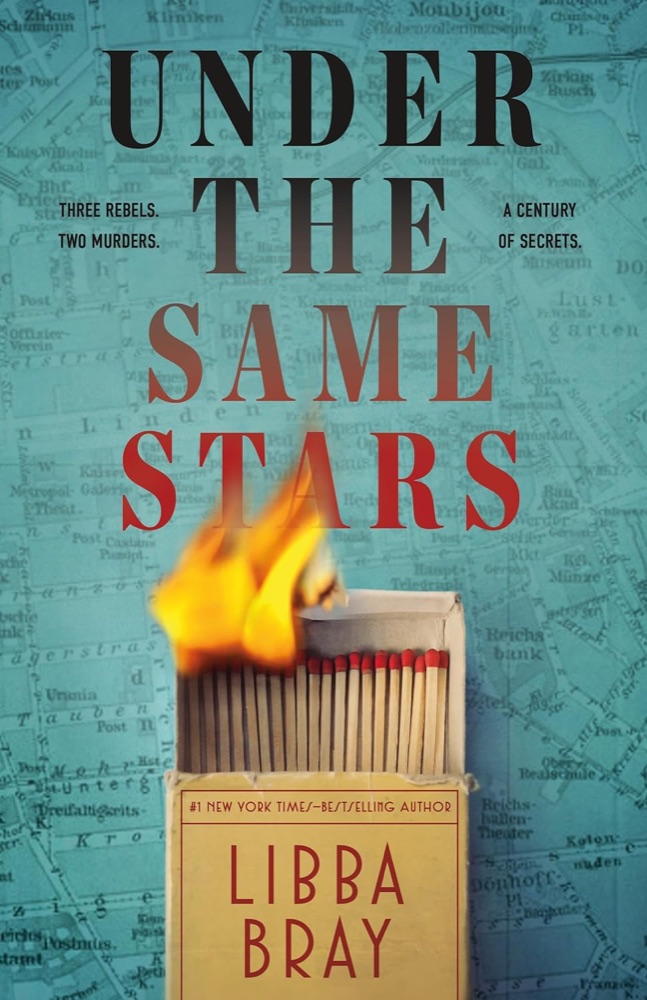 Under the Same Stars
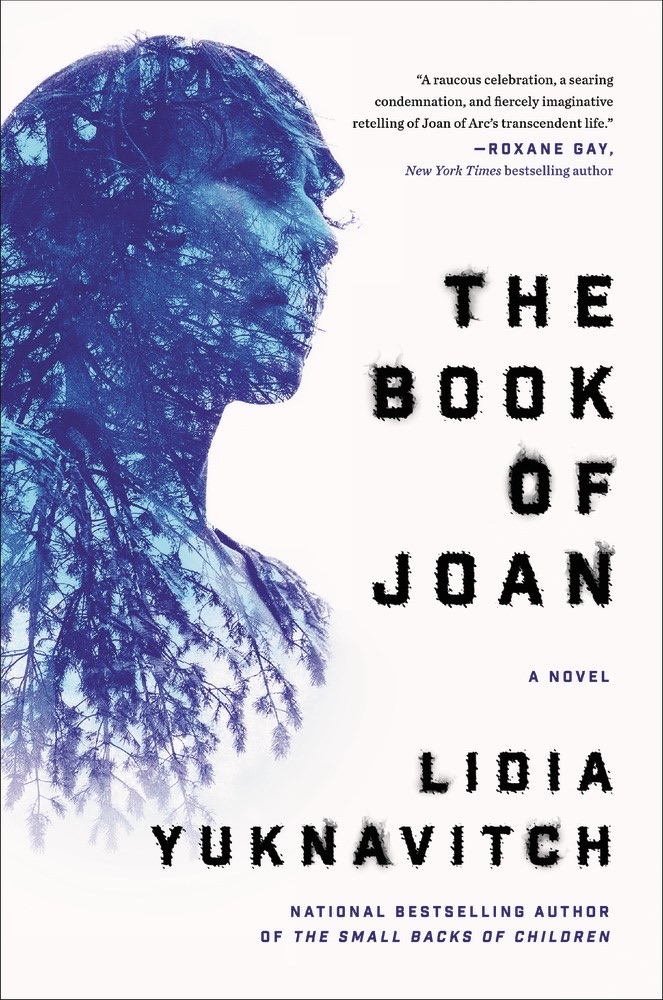 The Book of Joan
 Drive Your Plow Over the Bones of the Dead
 Broken Harbor
 Nod
Nod
 Over the Woodward Wall
 Butcher Bird
 That Hideous Strength
 Stella Maris
 Kingdom of Fear: Loathsome Secrets of a Star-Crossed Child in the Final Days of the American Century
 American Gods
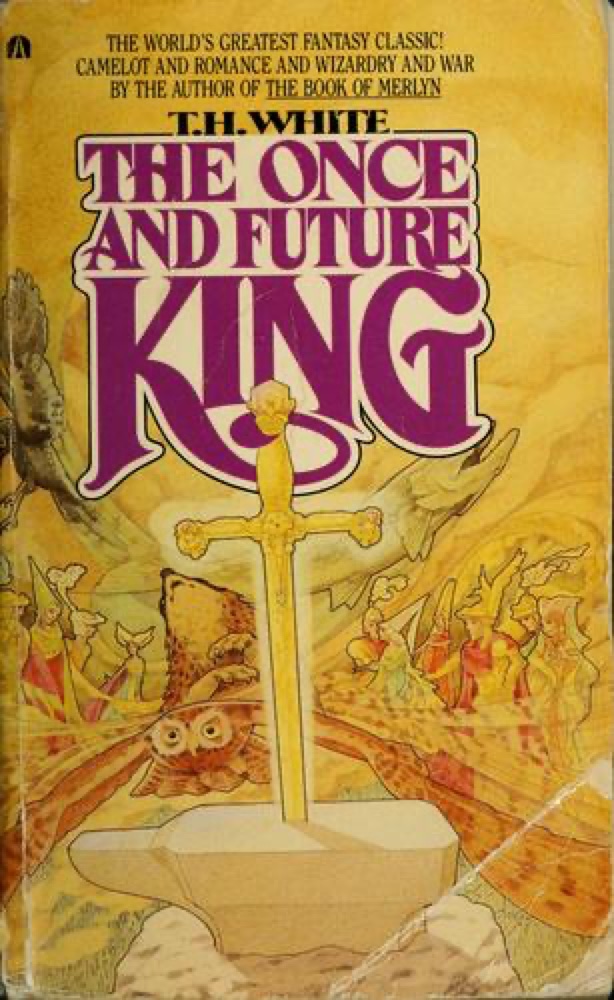 The Once and Future King
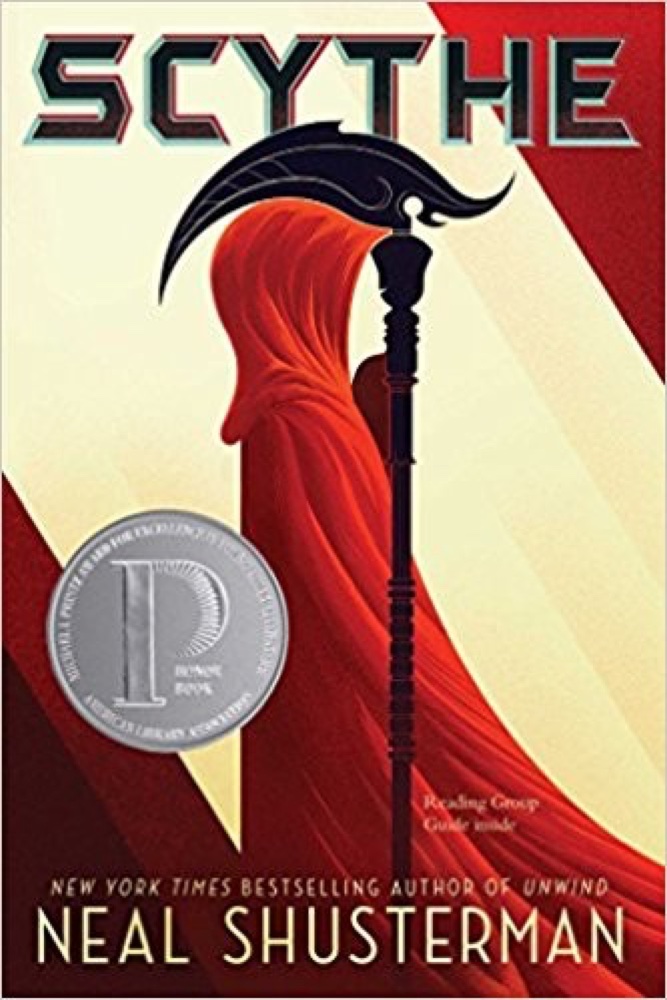 Scythe
 Xenocide
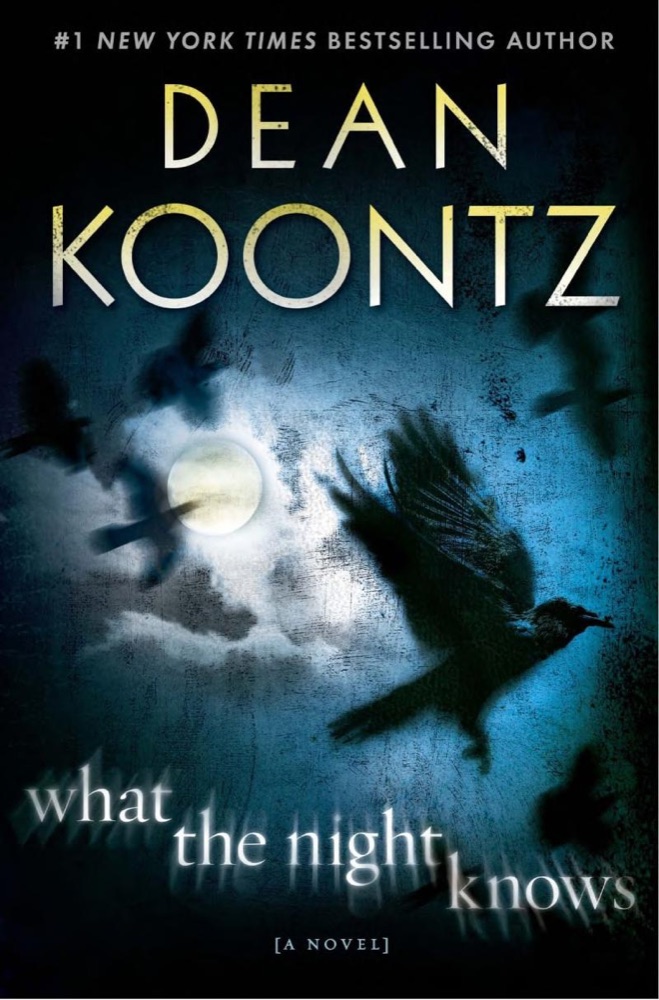 What the Night Knows
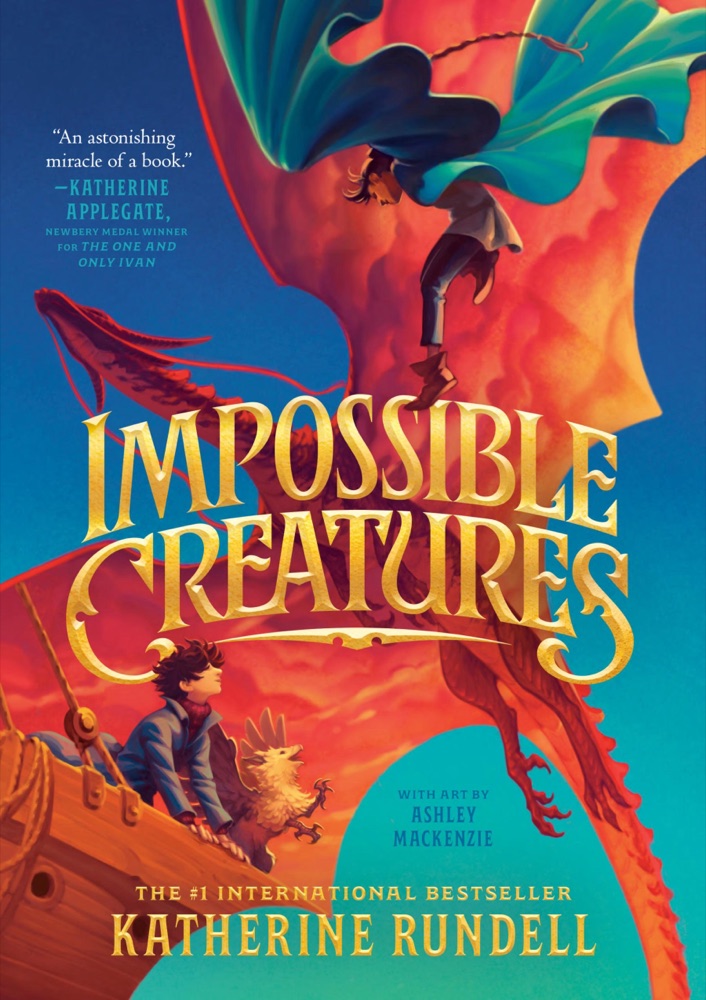 Impossible Creatures
 In the Miso Soup
 We Are All the Same in the Dark
 Fahrenheit 451
 How Long 'til Black Future Month?
 The Last Watch
 Odd Apocalypse
 The City in the Middle of the Night
 Tiamat's Wrath
 When Women Were Dragons