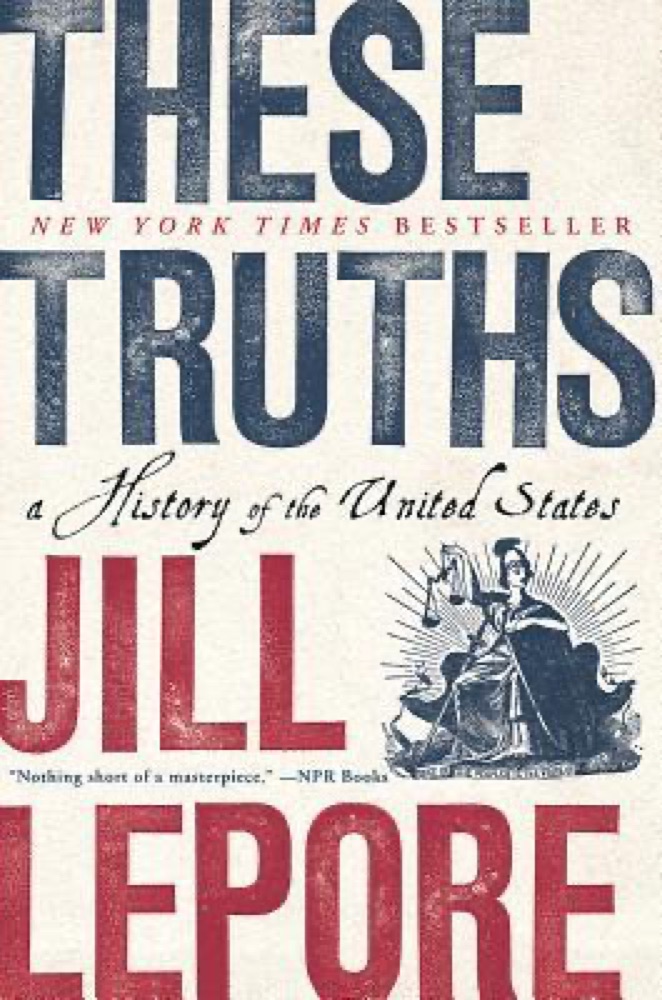
 These Truths: A History of the United States
Quotes from the Book
I believe our education system as a whole has not integrated the histories of all people into our education system, just the Eurocentric view of itself, and the White-centered view of African Americans, and even this is slim to nonexistent. What I find is that most people don't know the fact they don't know, because of the complete lack of information.
the study of diversity is essential for understanding how and why America became what Walt Whitman called a “teeming nation of nations.
Jefferson exploded with guilt: “The torment of mind, I will endure till the moment shall arrive when I shall not owe a shilling on earth is such really as to render life of little value.
The whole commerce between master and slave is a perpetual exercise of the most boisterous passions, the most unremitting despotism on the one part, and degrading submissions on the other. Our children see this, and learn to imitate it; for man is an imitative animal. This quality is the germ of all education in him. From his cradle to his grave he is learning to do what he sees others do. If a parent could find no motive either in his philanthropy or his self-love, for restraining the intemperance of passion toward his slave, it should always be a sufficient one that his child is present. But generally it is not sufficient. The parent storms, the child looks on, catches the lineaments of wrath, puts on the same airs in the circle of smaller slaves, gives a loose to his worst of passions, and thus nursed, educated, and daily exercised in tyranny, cannot but be stamped by it with odious peculiarities. The man must be a prodigy who can retain his manners and morals undepraved by such circumstances.
What I find is that most people don’t know the fact that they don’t know, because of the complete lack of information.”4
War is our only recourse. There is no other remedy.
War exists notwithstanding all our efforts to avoid it.”8
In 1852, of the 11,794 Chinese in California, only seven were women.
Watch on YouTube
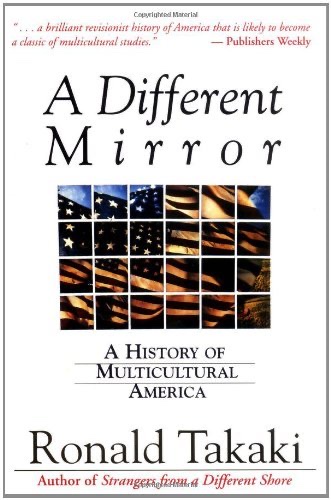
About Ronald Takaki
We have collected 8 quotes from 1 book by Ronald Takaki on BookQuoters.
More about the author →Book details
- Author
- Ronald Takaki
- Genre
- History
- Goodreads rating
- 4.18 (5k ratings) →
Keep reading
These Truths: A History of the United States
 No Name in the Street
 Notes of a Native Son
 Nobody Knows My Name
 A People's History of the United States
 The Inconvenient Indian: A Curious Account of Native People in North America
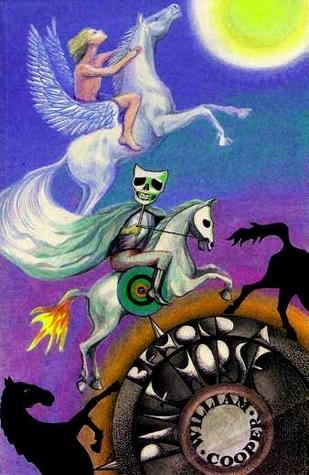 Behold a Pale Horse
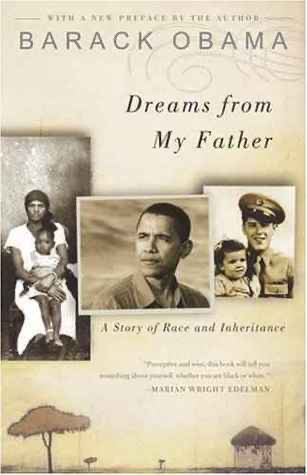 Dreams from My Father: A Story of Race and Inheritance
 The American Spirit: Who We Are and What We Stand For
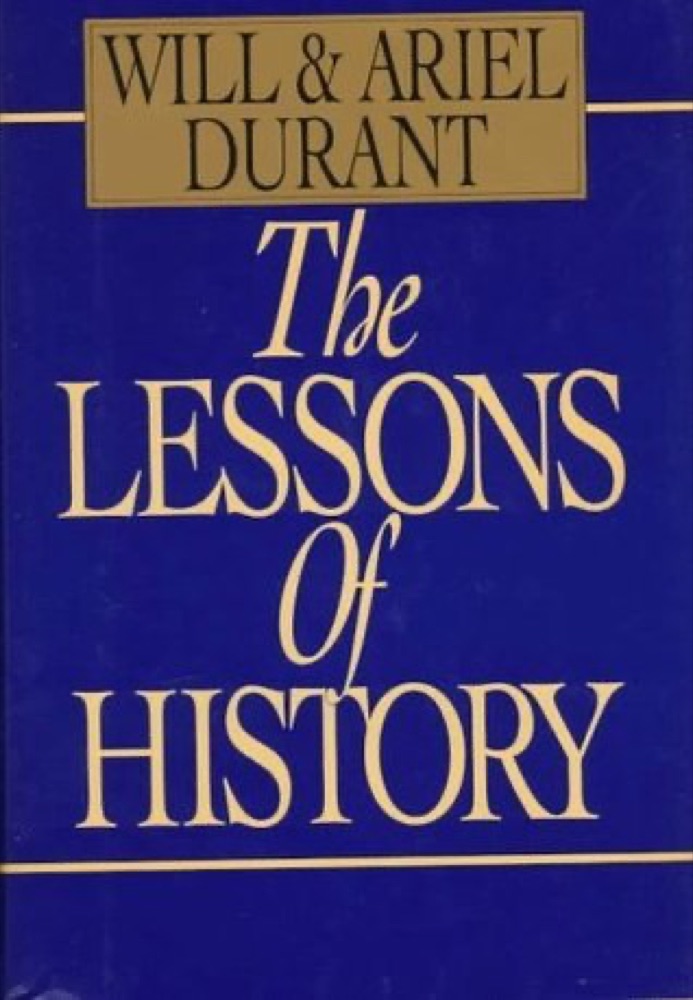 The Lessons of History
 The Souls of Black Folk
 Four Hundred Souls: A Community History of African America, 1619-2019
 The Untold History of The United States
 Lies My Teacher Told Me: Everything Your American History Textbook Got Wrong
 Why We Can't Wait
 We Were Eight Years in Power: An American Tragedy
 The Wretched of the Earth
 The Sympathizer
 Black Rednecks and White Liberals
 Where Do We Go from Here: Chaos or Community?
 Edge of Eternity
 From Dawn to Decadence: 500 Years of Western Cultural Life, 1500 to the Present
 The Disuniting of America: Reflections on a Multicultural Society
 The Committed
 The War on the West: An Instant NYT Bestselling History of the Modern World
 When I Was a Child I Read Books
 Simple Justice: The History of Brown v. Board of Education and Black America's Struggle for Equality
 The Education of Henry Adams
 Democracy in America
 The 1619 Project: A New Origin Story
 Hocus Pocus
 Bluebeard
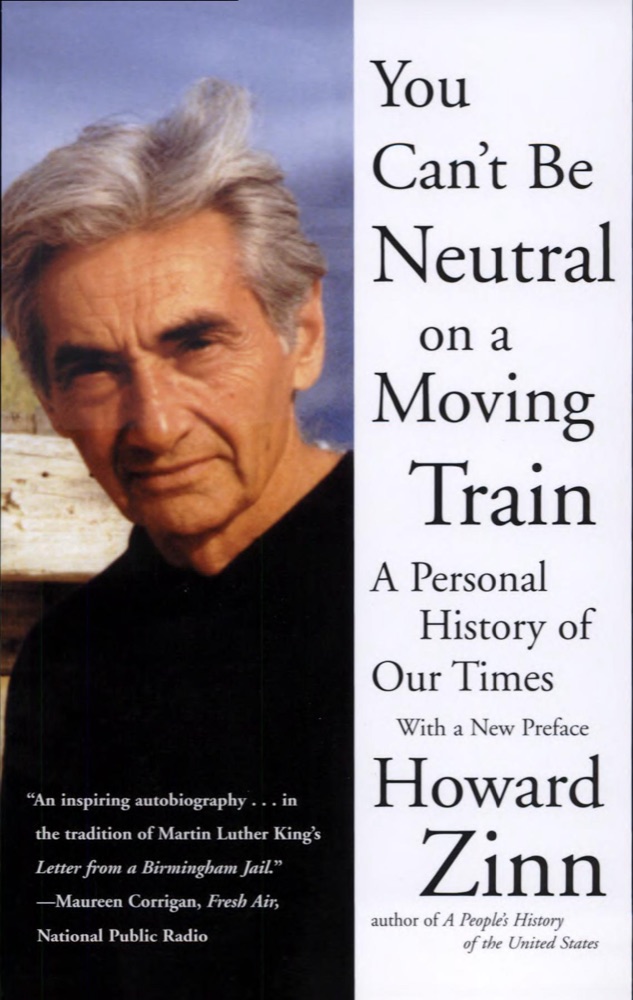 You Can't Be Neutral on a Moving Train: A Personal History of Our Times
 Arguably: Selected Essays
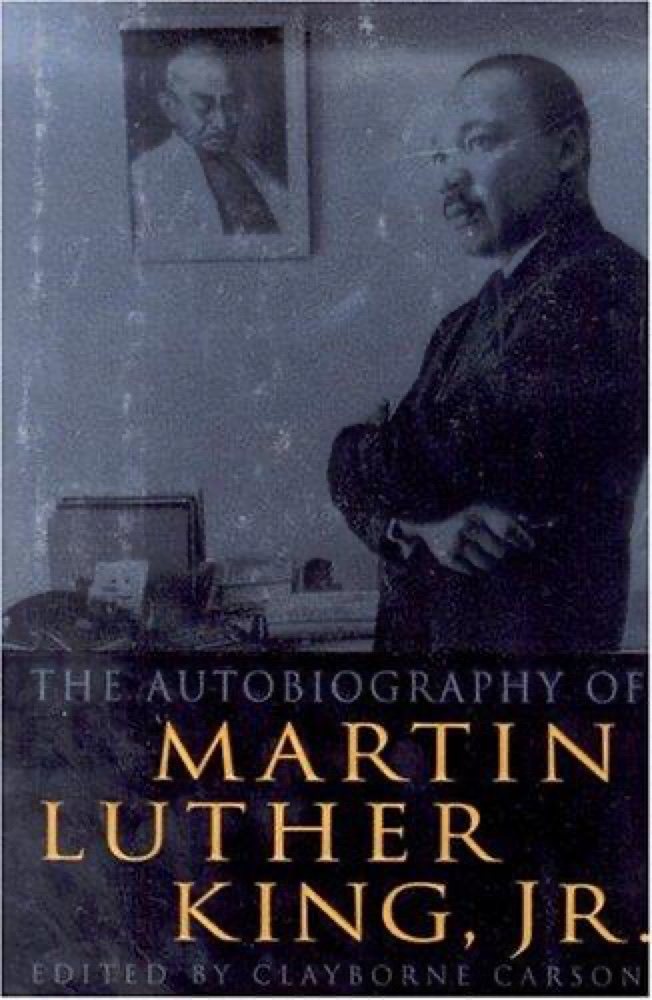 The Autobiography of Martin Luther King, Jr.
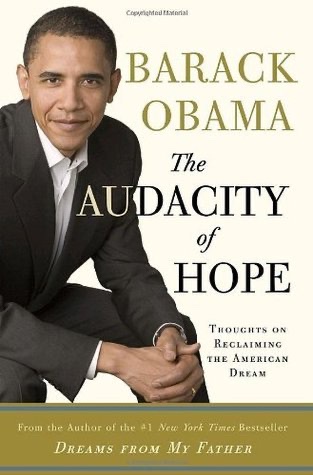 The Audacity of Hope: Thoughts on Reclaiming the American Dream
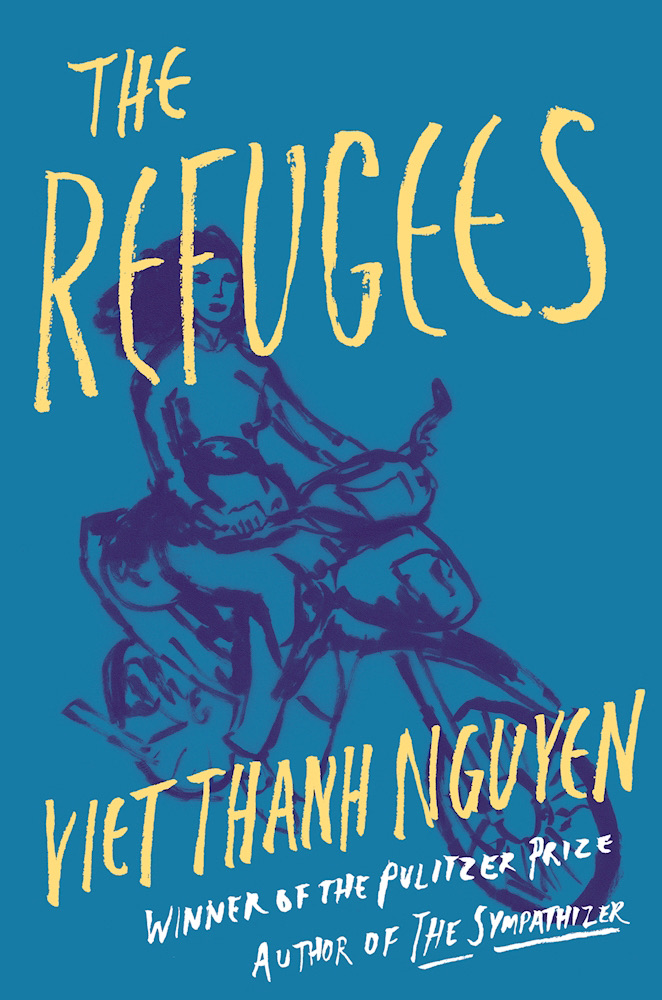 The Refugees
 The Hemingses of Monticello: An American Family
 The Argumentative Indian: Writings on Indian History, Culture and Identity
 Assata: An Autobiography
 Notes from No Man's Land
 Just Us: An American Conversation
 Anthills of the Savannah
 The Closing of the American Mind
 The Republic
 Across That Bridge: A Vision for Change and the Future of America
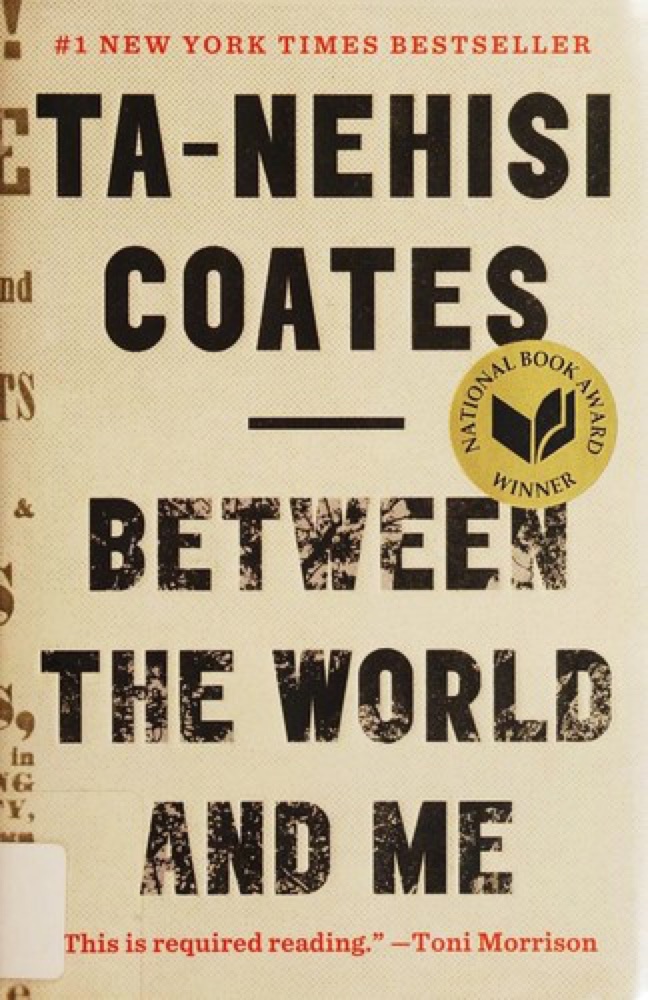 Between the World and Me
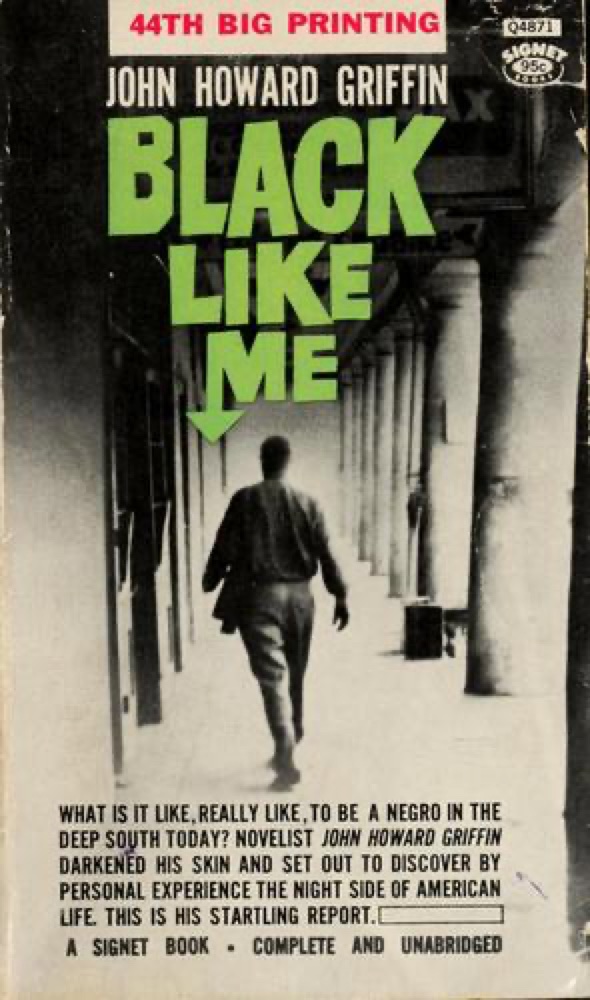 Black Like Me
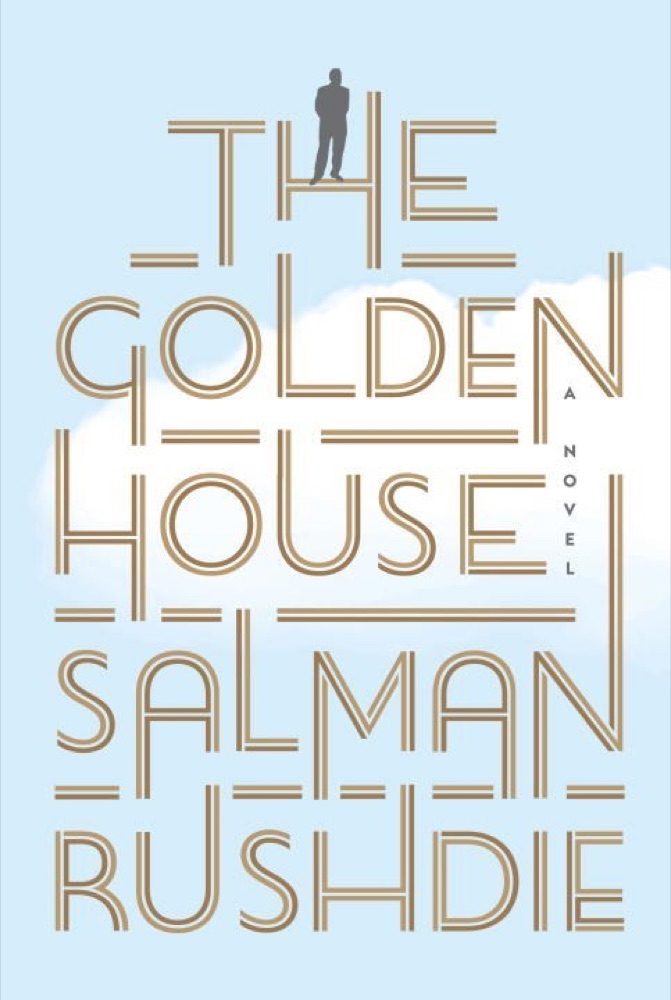 The Golden House
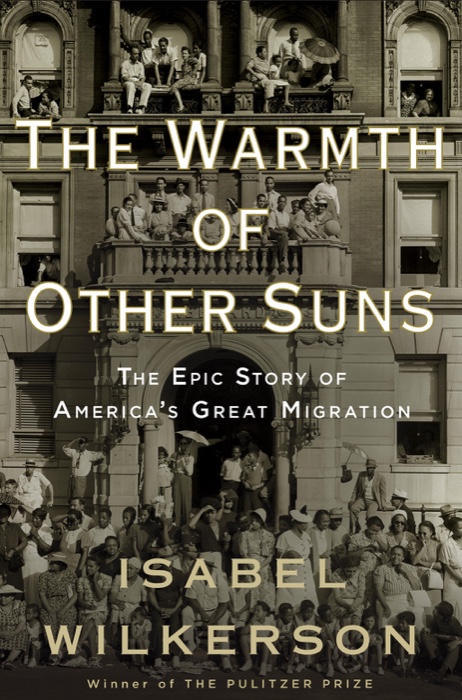 The Warmth of Other Suns: The Epic Story of America's Great Migration
 The Children of Men
 Emile or On Education
 Genesis
 Resistance, Rebellion and Death: Essays
 Ishmael: An Adventure of the Mind and Spirit
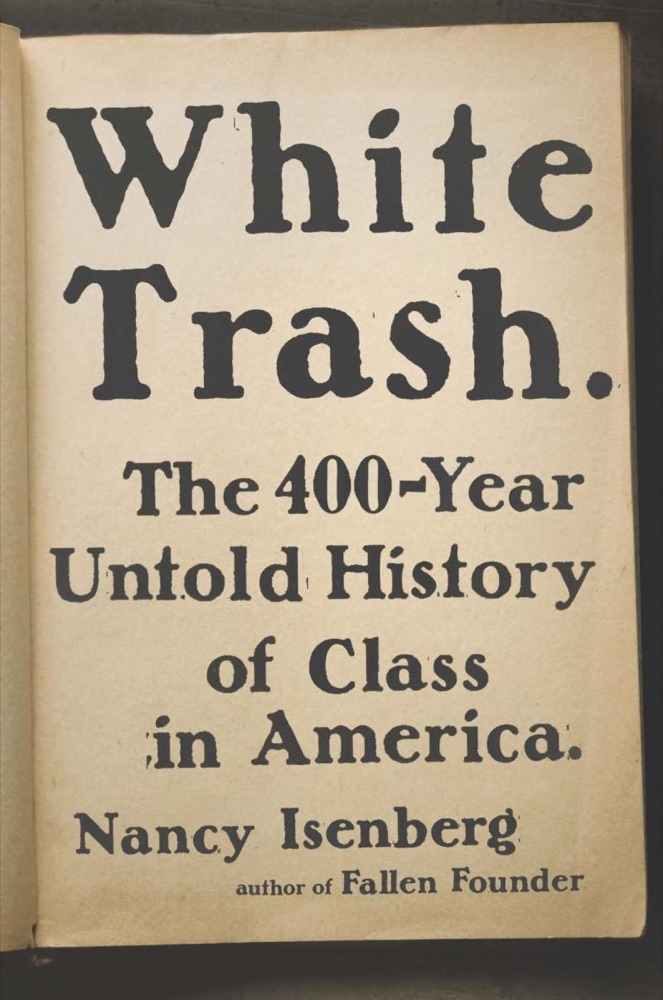 White Trash: The 400-Year Untold History of Class in America
 Too Like the Lightning
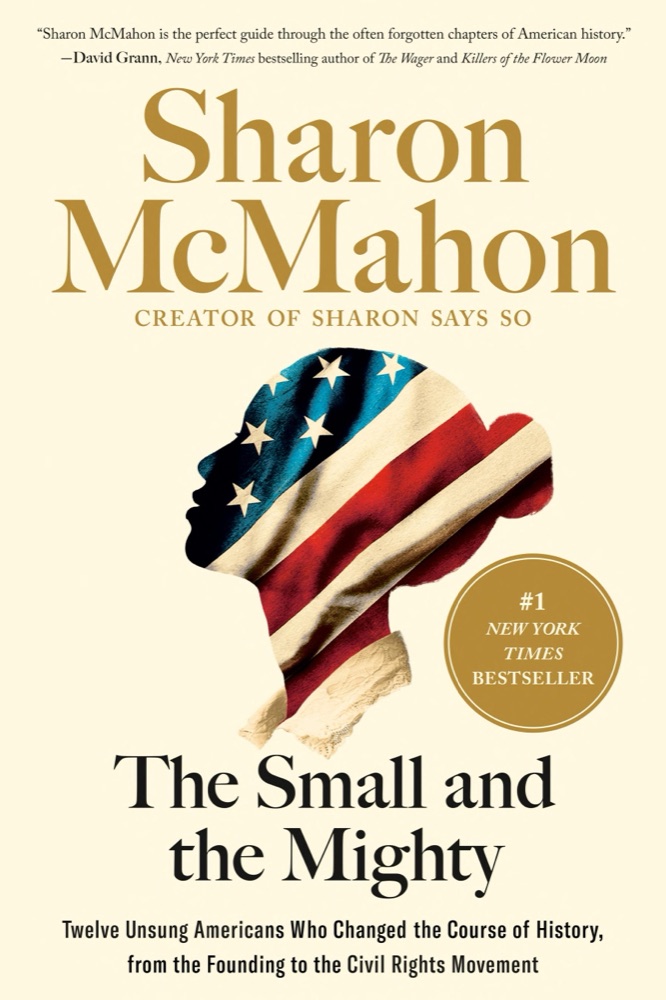 The Small and the Mighty: Twelve Unsung Americans Who Changed the Course of History, from the Founding to the Civil Rights Movement
 An Instance of the Fingerpost