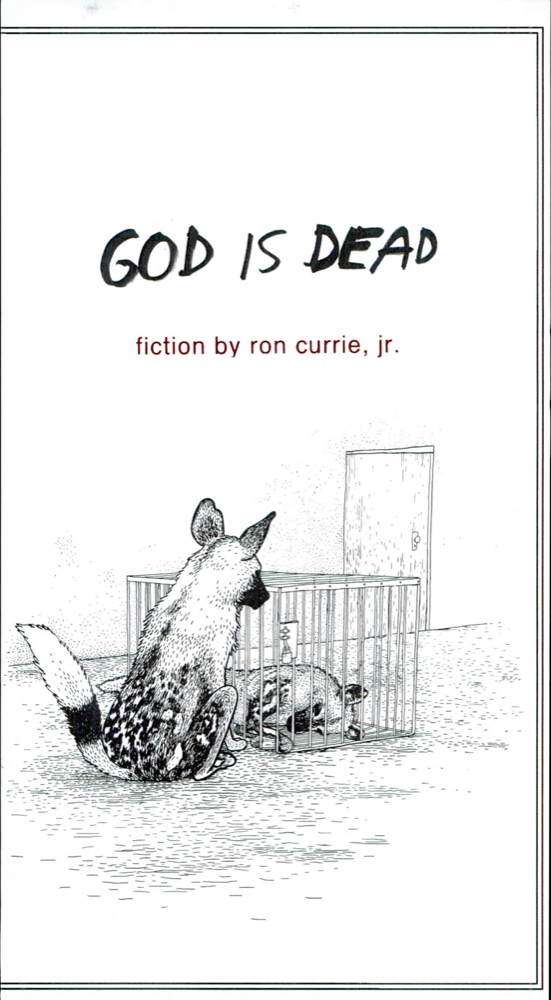

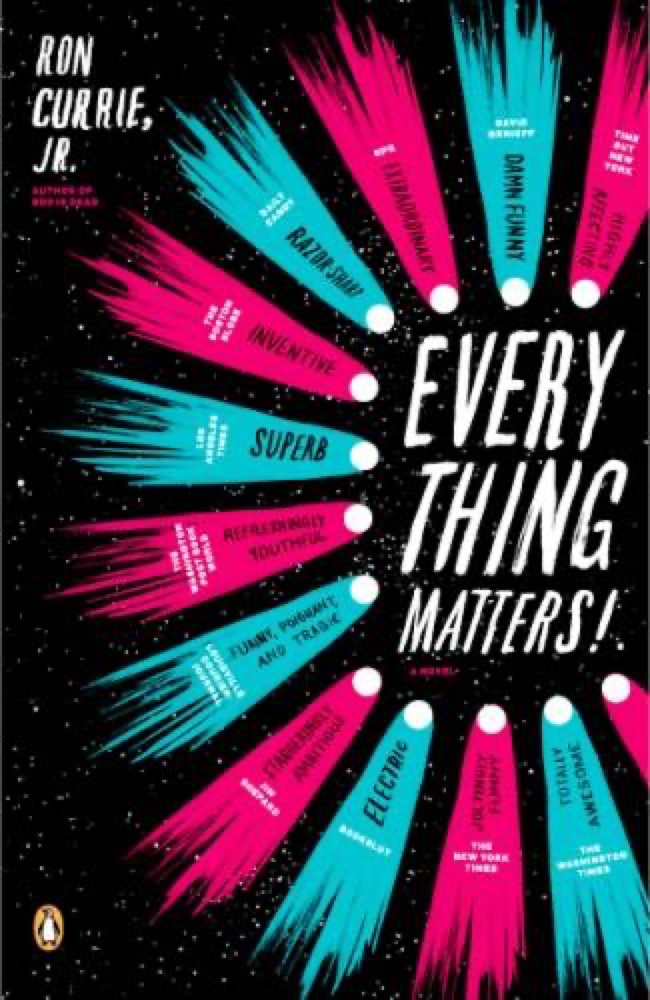
 Everything Matters!
Quotes from the Book
I am not your God. Or if I am, I'm no God you can seek out for deliverance or explanation. I'm the kind of God who would eat you without compunction if I were hungry.
He forgot about me almost as soon as I disappeared from sight.
Compassion is a coat of fur I find particularly ill-fitting.
Our departure was as natural and inevitable as the sunrise.
Time and again the people still in the camp, realizing they were now trapped, called to God in a hundred different dialects. He laughed and cried at once. He had so many names, yet could not answer to any of them.
Watch on YouTube
About Ron Currie Jr.
We have collected 25 quotes from 2 books by Ron Currie Jr. on BookQuoters.
More about the author →More by Ron Currie Jr.
Everything Matters!
Book details
- Author
- Ron Currie Jr.
- Genre
- Fiction
- Goodreads rating
- 3.76 (3k ratings) →
Keep reading
 A Mercy
 Every Dead Thing
 Dead and Gone
 When God Was a Rabbit
 Abandon
 Jesus' Son
 Surrender
 The Gargoyle
 The Sparrow
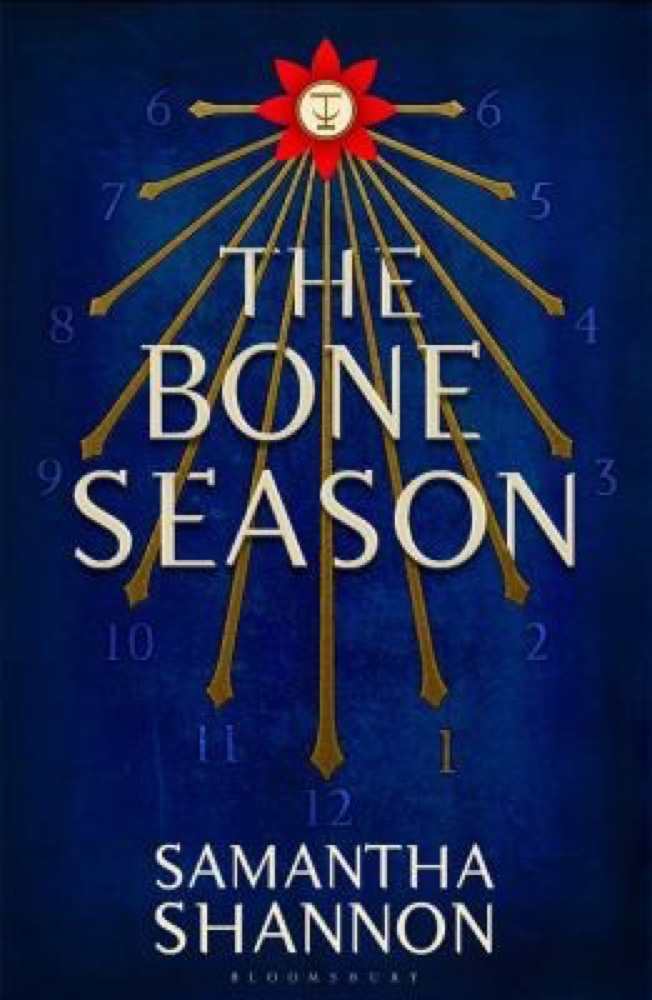 The Bone Season
 Memnoch the Devil
 Fathers and Sons
 Fade
Fade
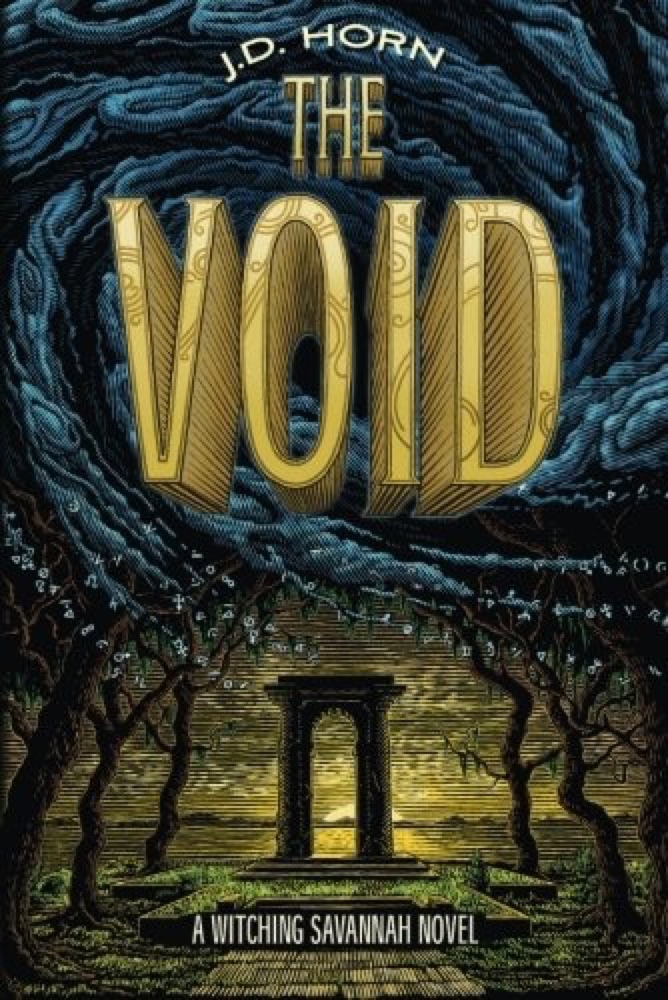 The Void
 Monstrilio
 The Stranger
 Calamity
 Dreams and Shadows
 The Magus
 Last Light
 The Book of Strange New Things
 The Silence of the Lambs
 So Long, See You Tomorrow
 What Is the What
 The Turn of the Screw
 Maurice
 The Green Mile
 Burial Rites
 Stag's Leap: Poems
 Surfacing
 The Quiet American
 Deity
Deity
 Tropic of Capricorn
 Snakes and Earrings
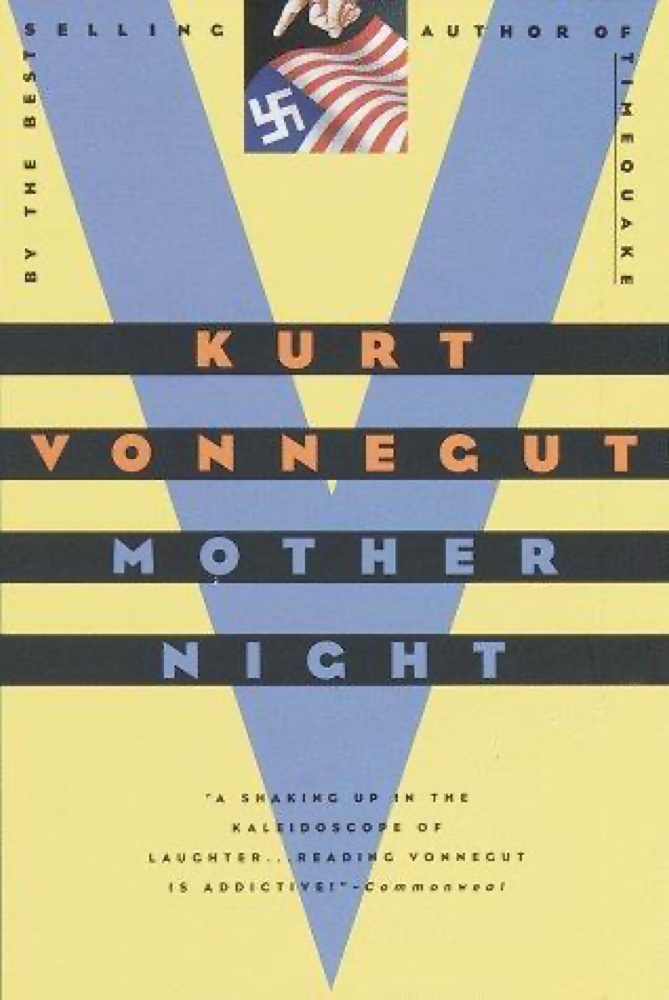 Mother Night
 Under the Udala Trees
 The Tied Man
 The Secret Lives of Church Ladies
 The Soulkeepers
 Infinite Days
 UnWholly
 Molloy, Malone Dies, The Unnamable
 Déjà Dead
 The Infinite Sea
 Seeds of Yesterday
 Perelandra
 Broken
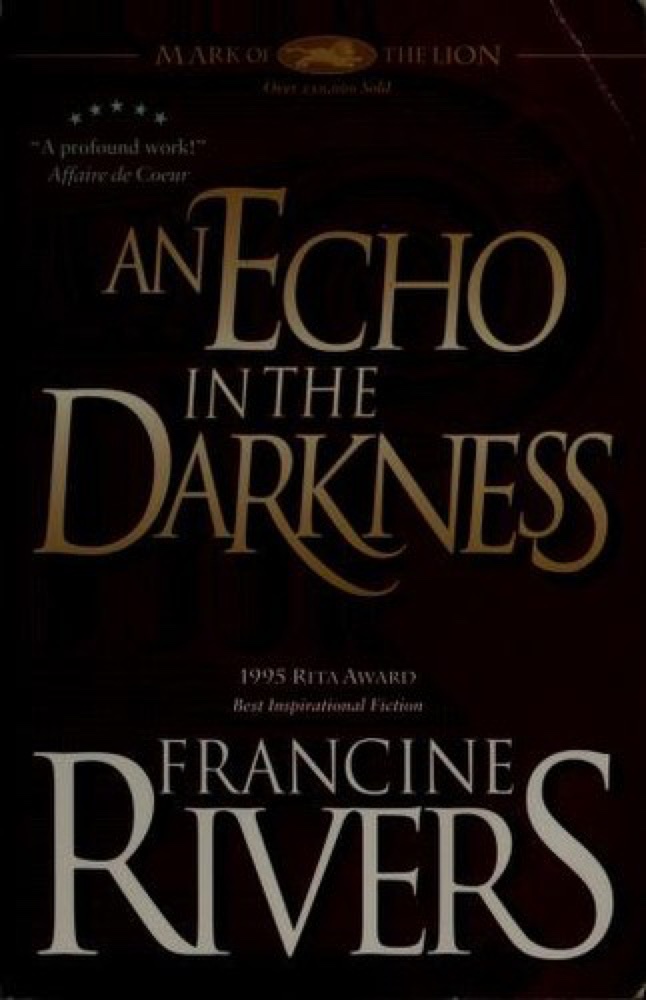 An Echo in the Darkness
 Light in August
 Wayward
 A Wild Sheep Chase
 Without Dogma
 I Cheerfully Refuse
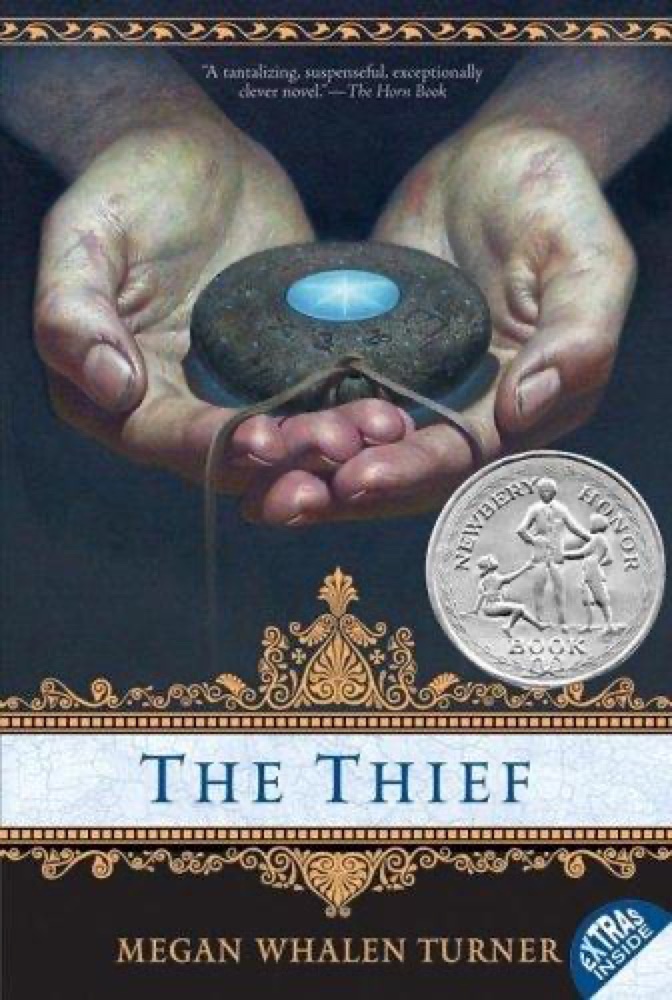 The Thief
 The Morning Star
 Invisible Man
 The Sisters Brothers
 CivilWarLand in Bad Decline
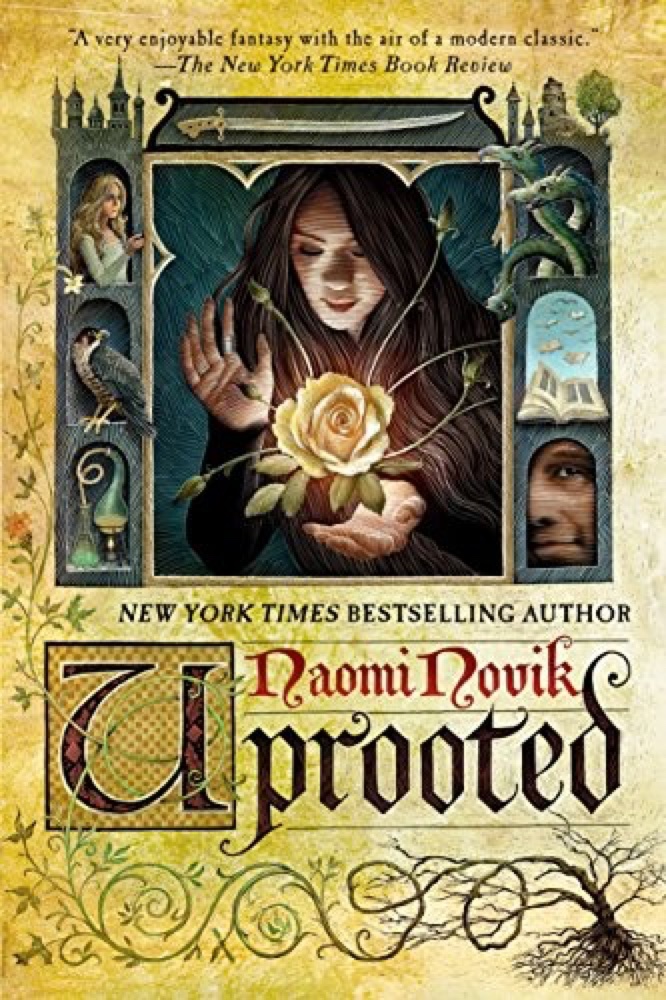 Uprooted
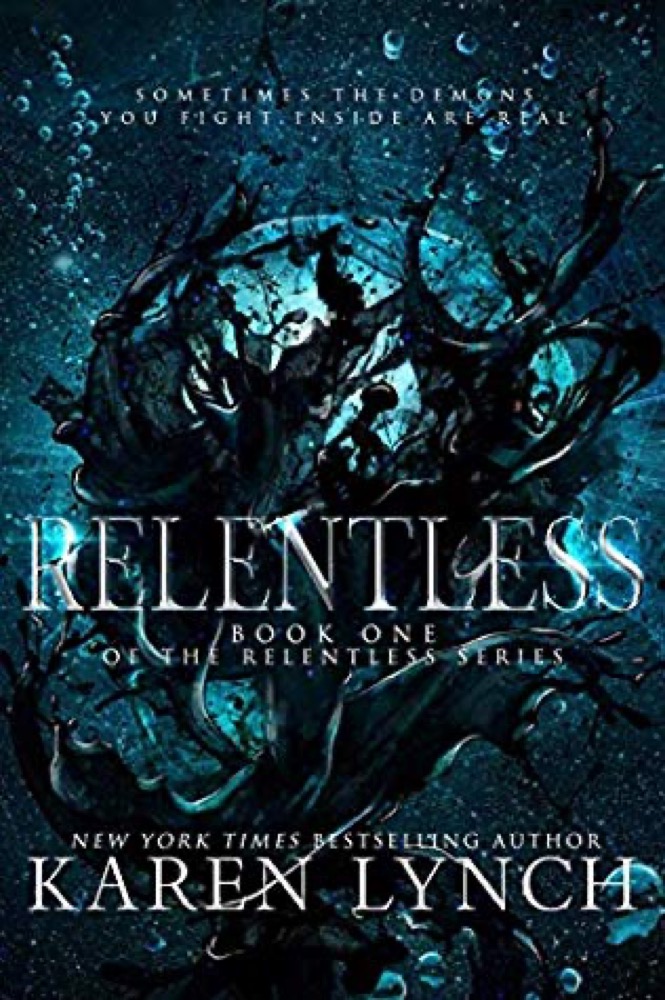 Relentless