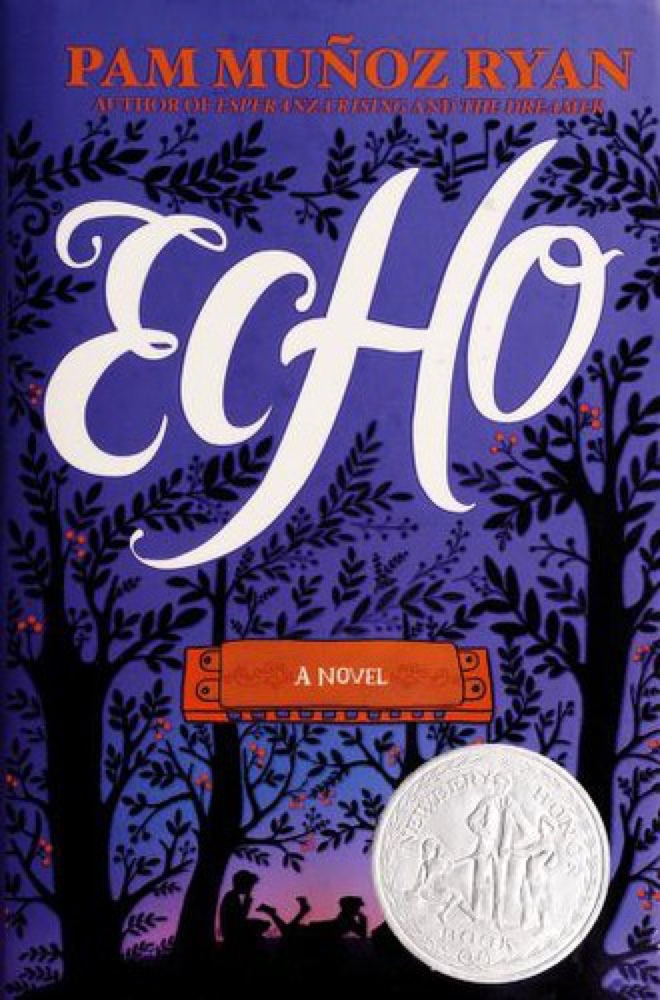

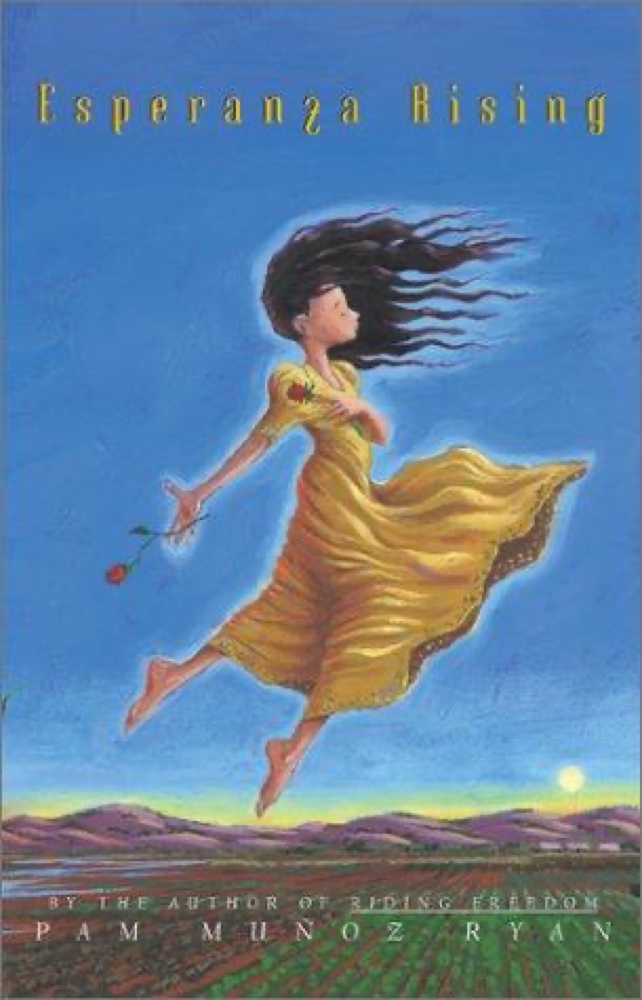
 Esperanza Rising
Quotes from the Book
Music does not have a race or a disposition! Every instrument has a voice that contributes. Music is a universal language. A universal religion of sorts. Certainly it's my religion. Music surpasses all distinctions between people" -Father
Everybody has a heart. Sometimes you gotta work hard to find it" -Mouse
She said people on hard times deserved to have beauty in their lives as much as anyone else, whether or not they could pay their rent or were walking to a breadline. Granny said that just because someone was poor didn't mean they were poor of heart.
A weight pressed on his heart. How could he want something and fear it so much at the same time?
Mrs. Potter said you were a kind and loving soul, underneath all the rest. I guess that means your heart's so sad that it's hard to get out from under the weight. When I was sad about my mother dying, Granny used to say grief is the heaviest thing to carry alone. So I know all about that" -Mike
YOUR FATE IS NOT YET SEALED. EVEN IN THE DARKEST NIGHT, A STAR WILL SHINE, A BELL WILL CHIME, A PATH WILL BE REVEALED.
no matter how much sadness there is in life, there are equal amounts of maybe-things’ll-get-better-someday-soon.
Music does not have a race or a disposition! ... Every instrument has a voice that contributes. Music is a universal language...Music surpasses all distinctions between people.
So blues music is about all the trials and tribulations people got in their hearts from living. It's about what folks want but don't have. Blues is a song begging for its life.
When Papa finished surveying the tools, he shut the shed as best he could and they headed toward the house. Ivy gasped when they reached the back door. Someone had painted the words: “Papa, that’s awful!” Papa sucked air through gritted teeth. “I do not like these words.” “Papa, the son’s feelings will be hurt if he sees this. He wouldn’t be pleased. We should paint over it.” “I’m glad you feel that way. That’s exactly what we should do. We need to look inside the house, too, but it will take some time to go through their things. Maybe Mama can do it next week.
Now Elisabeth would be home from nursing school
Where was Araceli? Ivy paced beneath the pepper trees where they always met, the winter limbs now naked with balled fists. Icy sprinkles stung her face. She whispered, “Hurry …
Music does not have a race or a disposition! Every instrument has a voice that contributes. Music is a universal language. A universal religion of sorts. Certainly it's my religion. Music surpasses all distinctions between people
The sound of music is like water finding a path.
Watch on YouTube
About Pam Muñoz Ryan
We have collected 37 quotes from 2 books by Pam Muñoz Ryan on BookQuoters.
More about the author →More by Pam Muñoz Ryan
Esperanza Rising
Book details
- Author
- Pam Muñoz Ryan
- Genre
- Fiction
- Goodreads rating
- 4.36 (48k ratings) →
The buzz
- Publishers WeeklyReview in Publishers Weeklyprofessional review (via Book Marks)
- BooklistReview in Booklistprofessional review (via Book Marks)
- CriminalelementReview in Criminalelementprofessional review (via Book Marks)
- Shelf AwarenessReview in Shelf Awarenessprofessional review (via Book Marks)
- BookreporterReview in Bookreporterprofessional review (via Book Marks)
Keep reading
 Solo
Solo
 The Magic Strings of Frankie Presto
 Soul Music
 When Crickets Cry
 Different Seasons
 The Violin Conspiracy
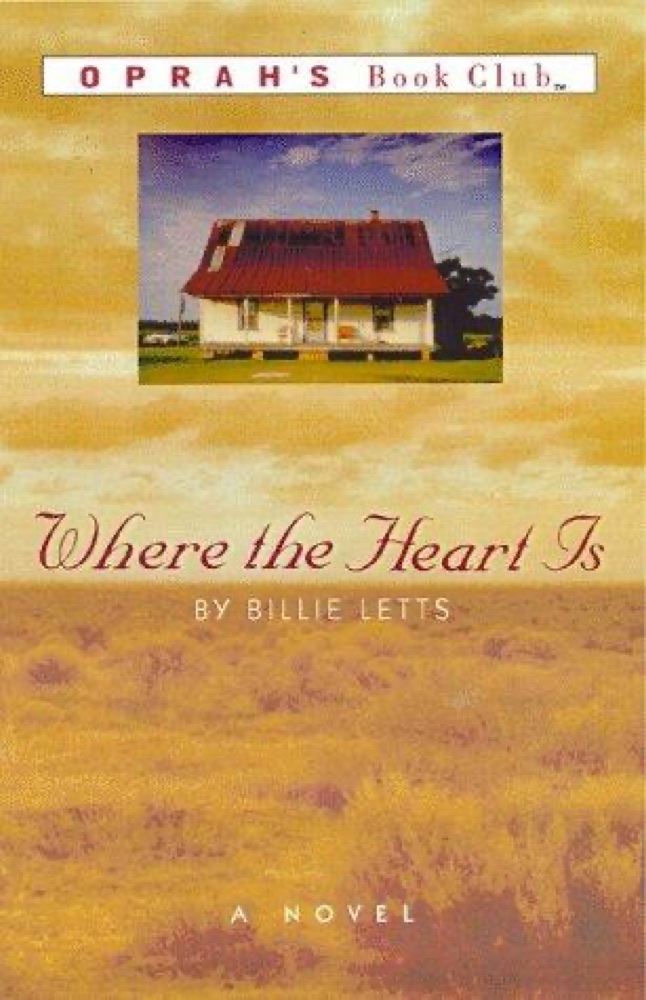 Where the Heart Is
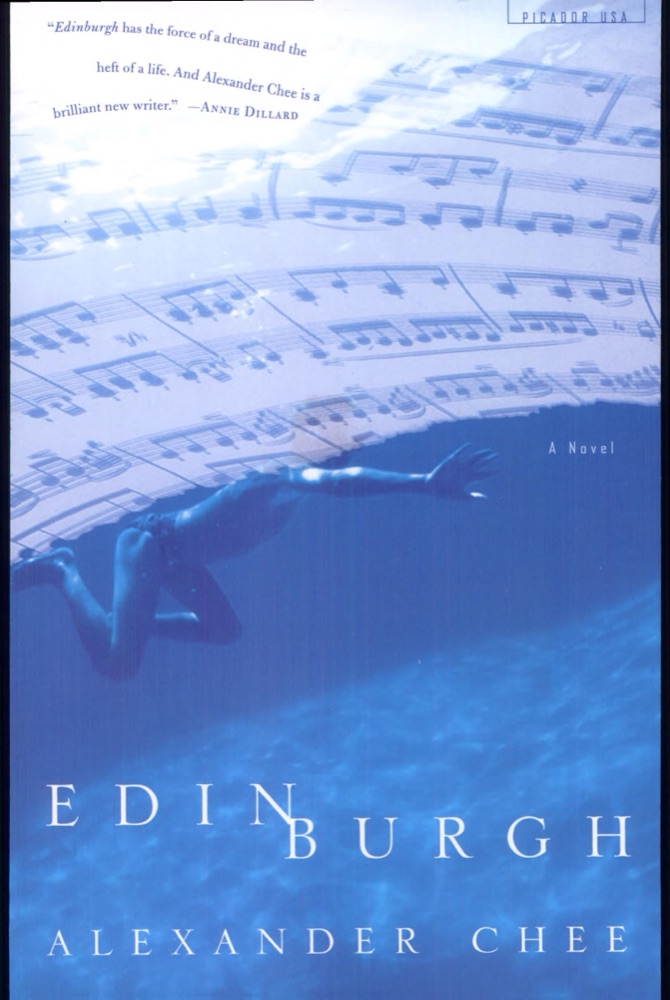 Edinburgh
 The Last Song
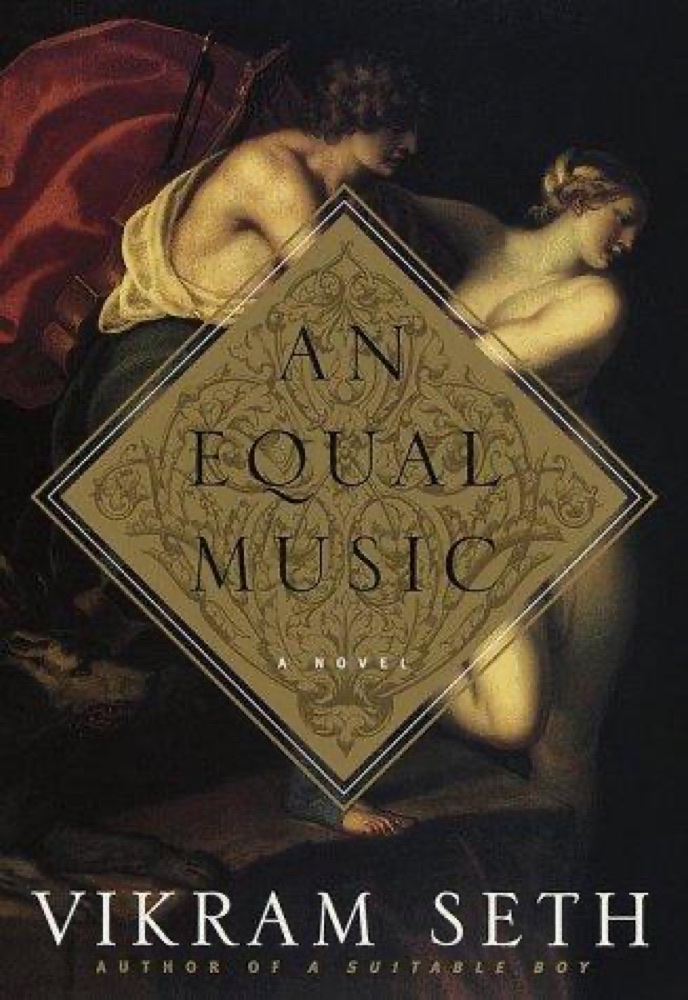 An Equal Music
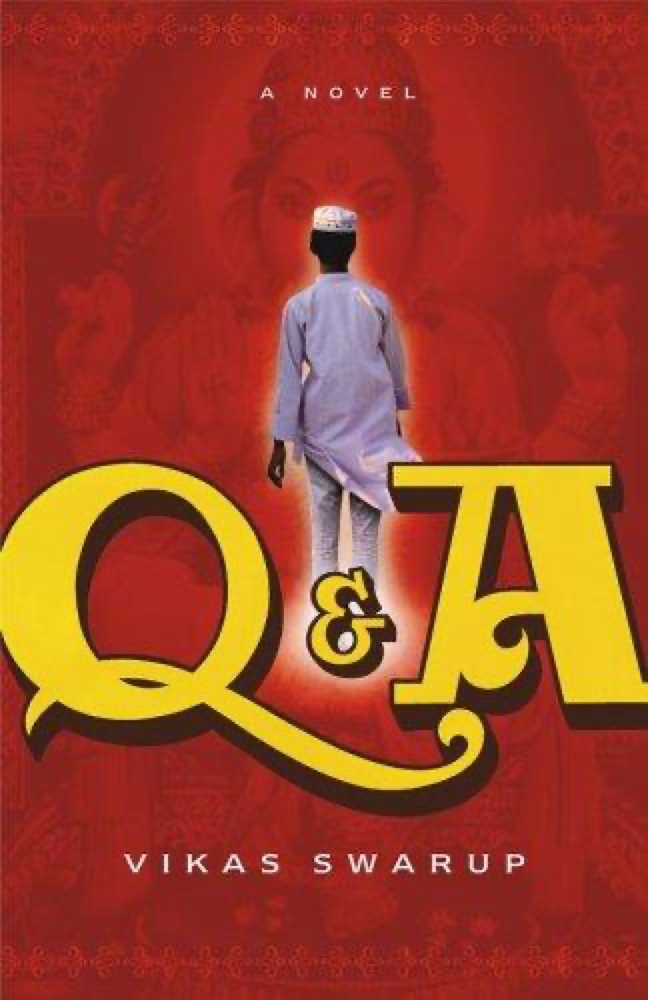 Q & A
Q & A
 Plainwater: Essays and Poetry
 The Name of the Wind
 The Art of Hearing Heartbeats
 Everything Is Illuminated
 Sing You Home
 The Siren
 The Shape of Water
 Kitchen
 The Chimes
 A Wrinkle in Time
 The Rescue
 Letter to My Daughter
 Kafka on the Shore
 A Song Flung Up to Heaven
 Lila
Lila
 Chime
Chime
 Middlesex
 Beauty and the Mustache
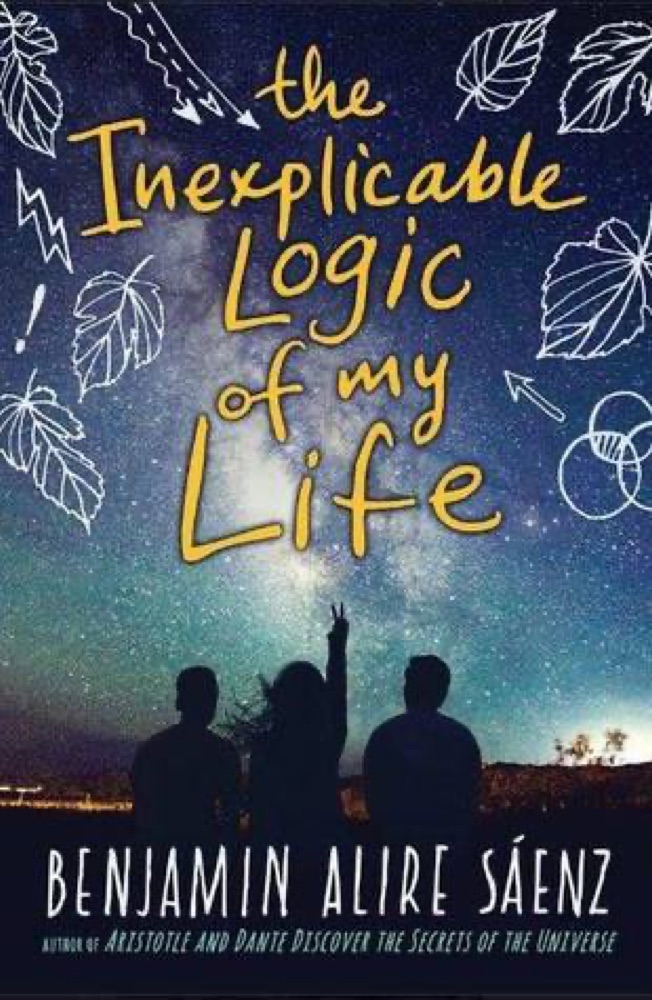 The Inexplicable Logic of My Life
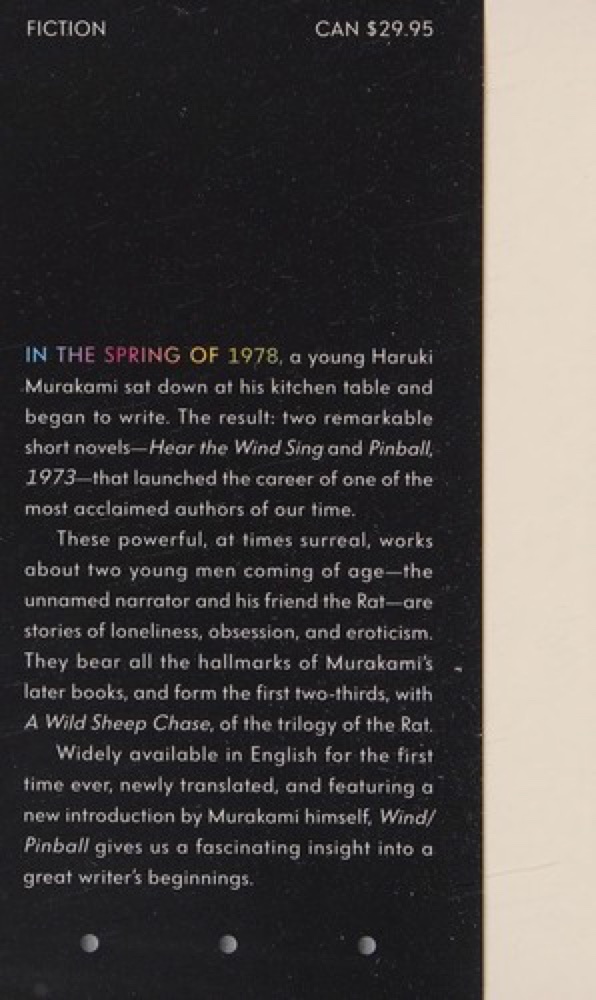 Hear the Wind Sing
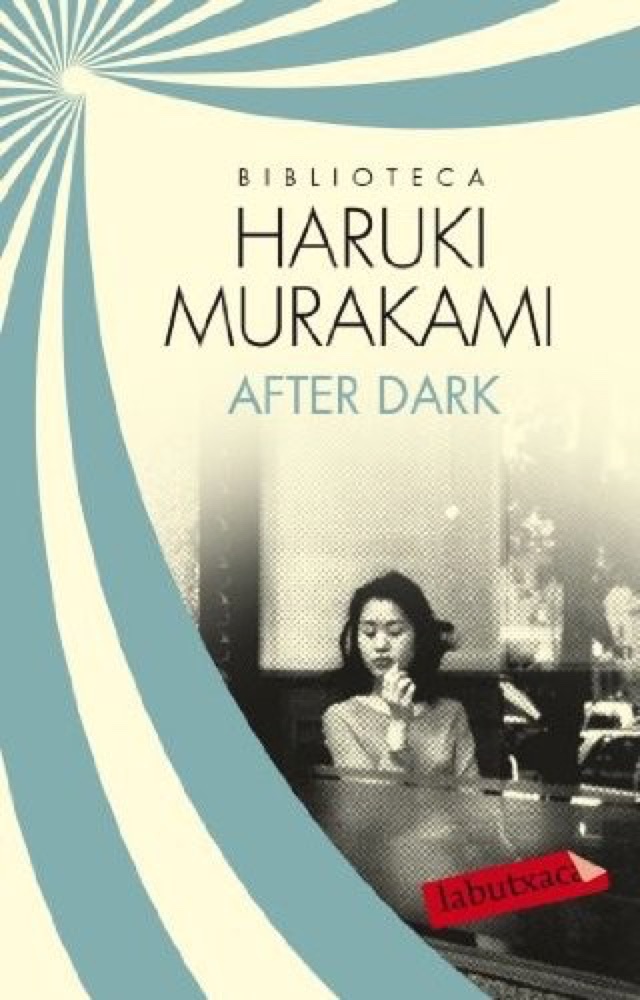 After Dark
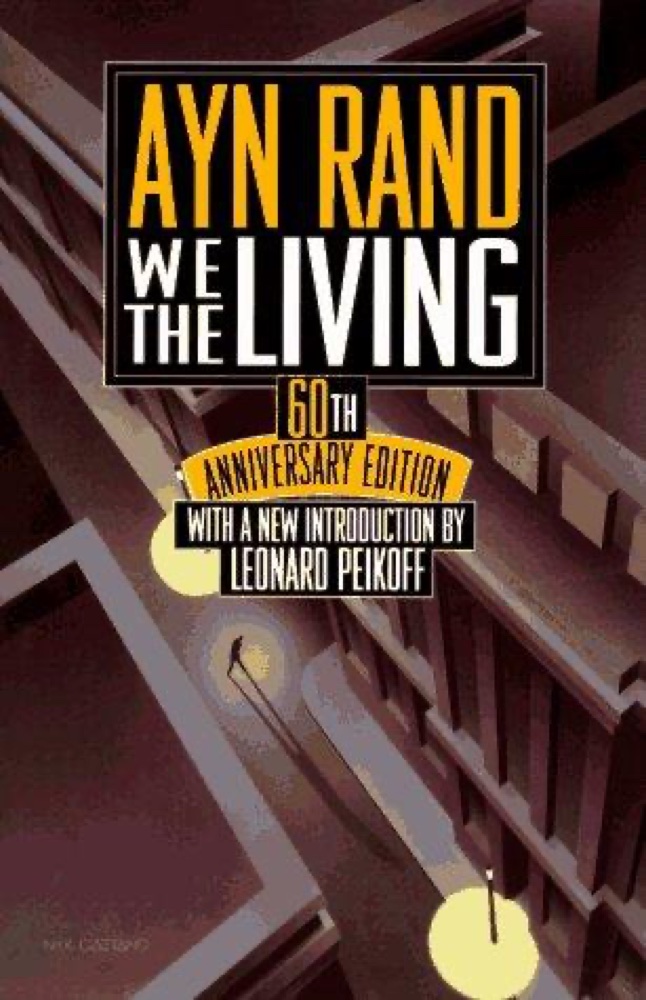 We the Living
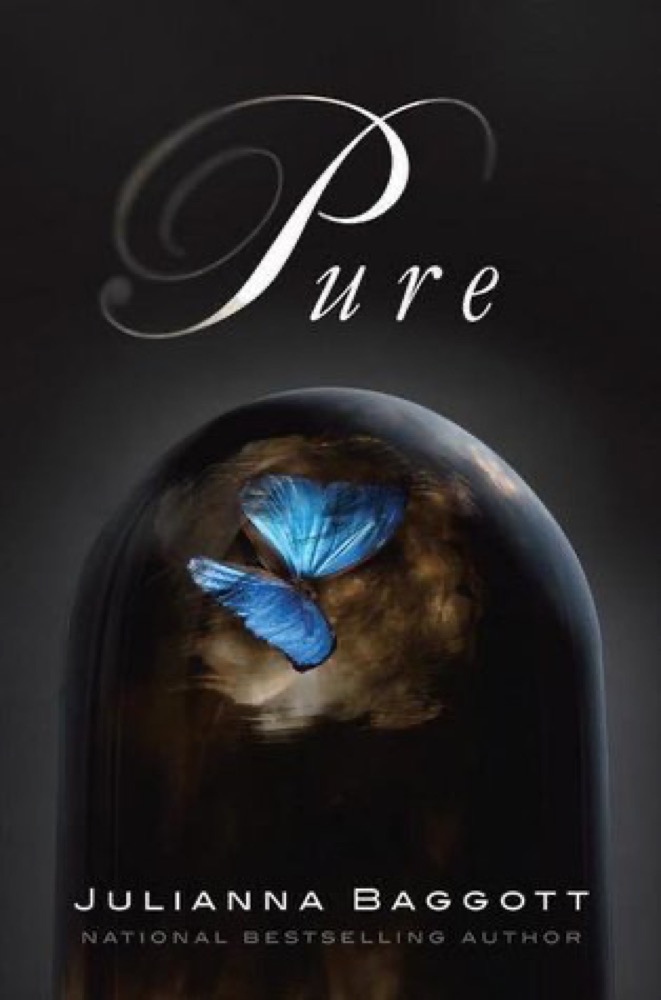 Pure
Pure
 Corrag
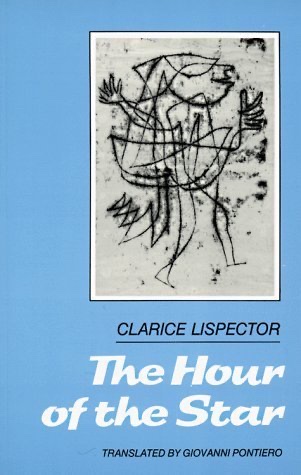 The Hour of the Star
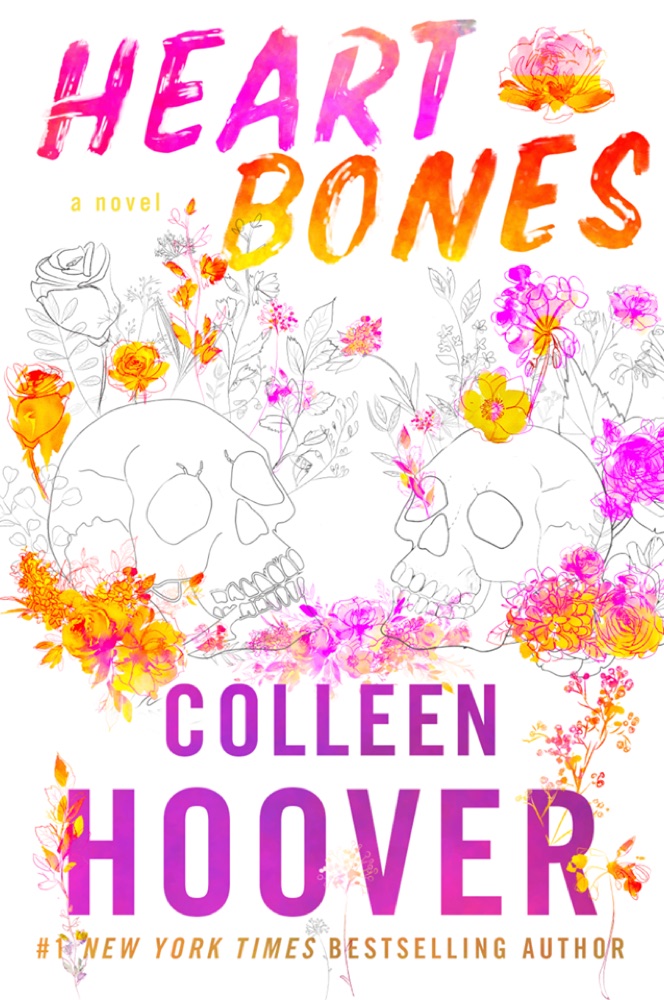 Heart Bones
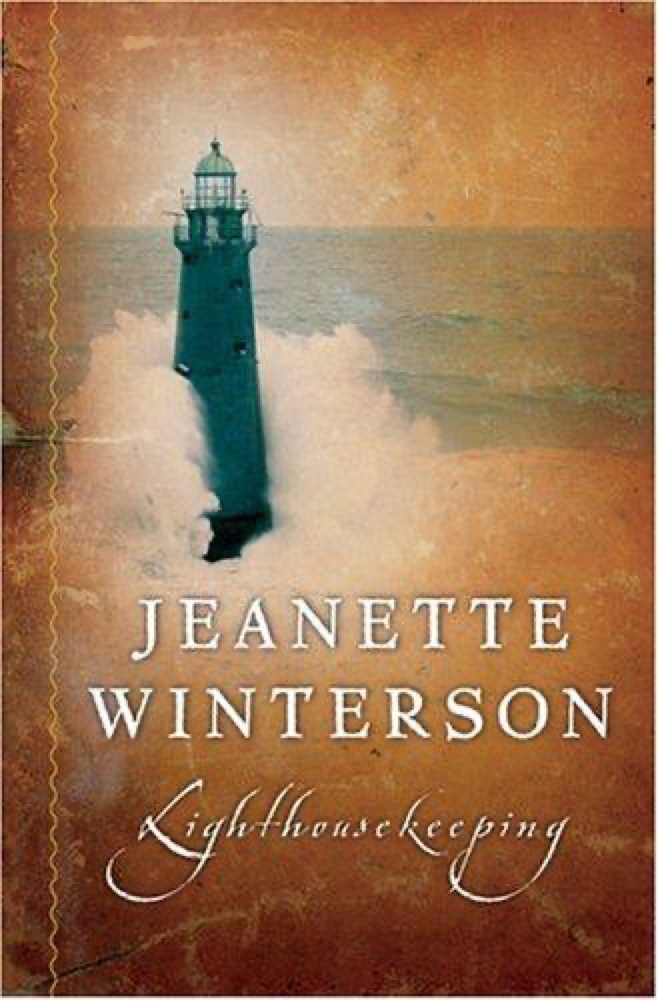 Lighthousekeeping
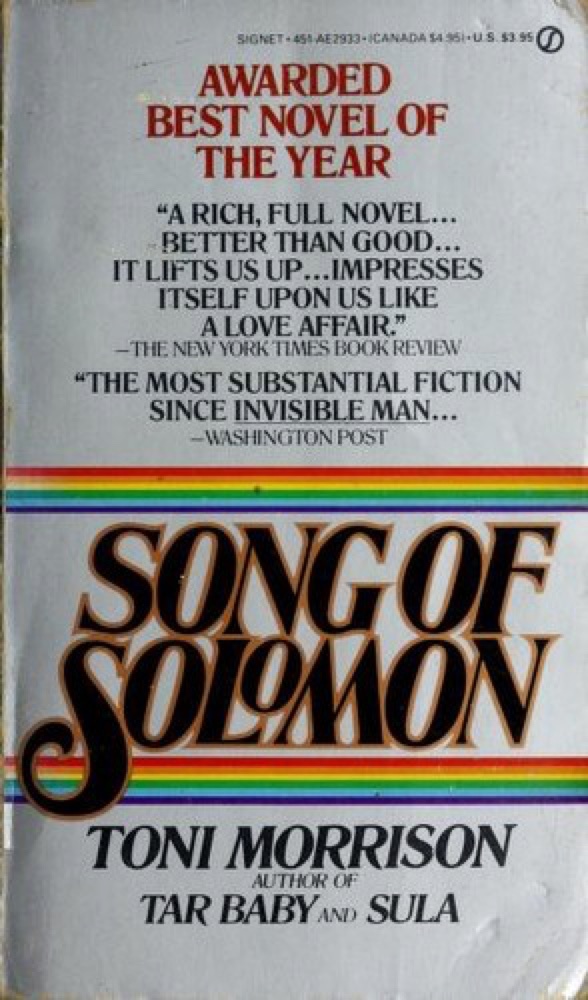 Song of Solomon
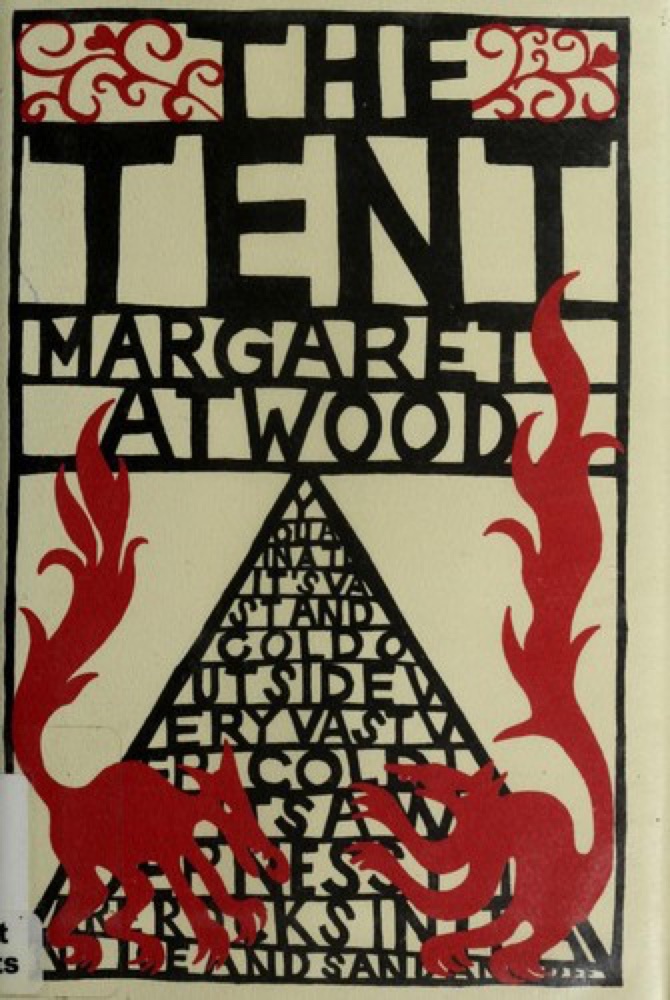 The Tent
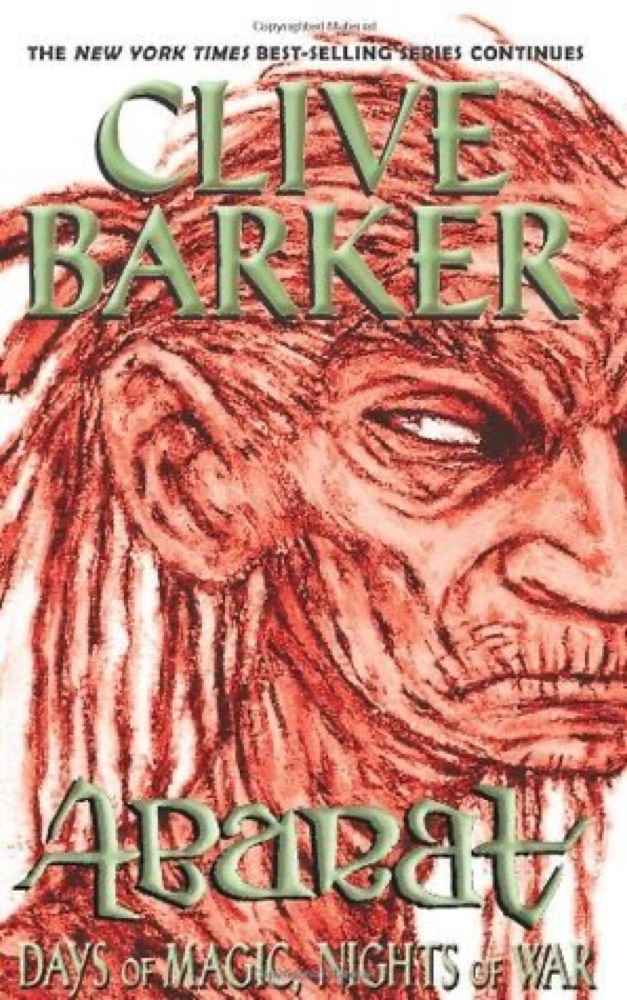 Abarat
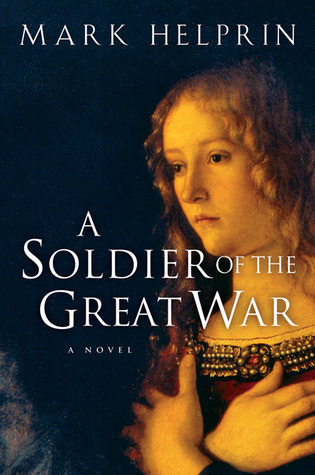 A Soldier of the Great War
 Chasing Fireflies: A Novel of Discovery
 The Tender Bar
 Legendborn
 The Sound and the Fury
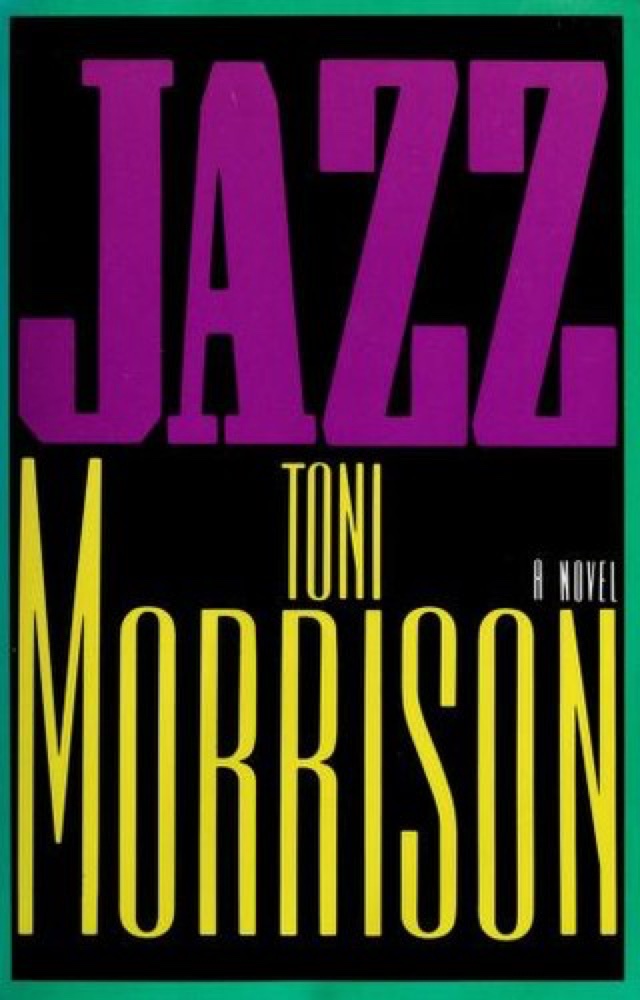 Jazz
Jazz
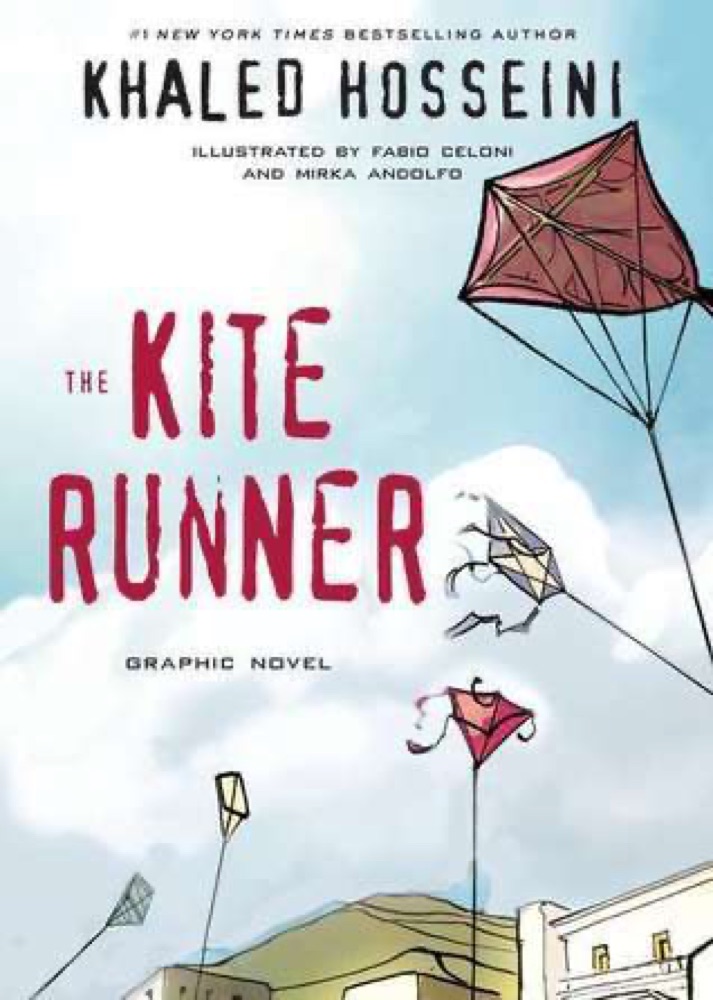 The Kite Runner
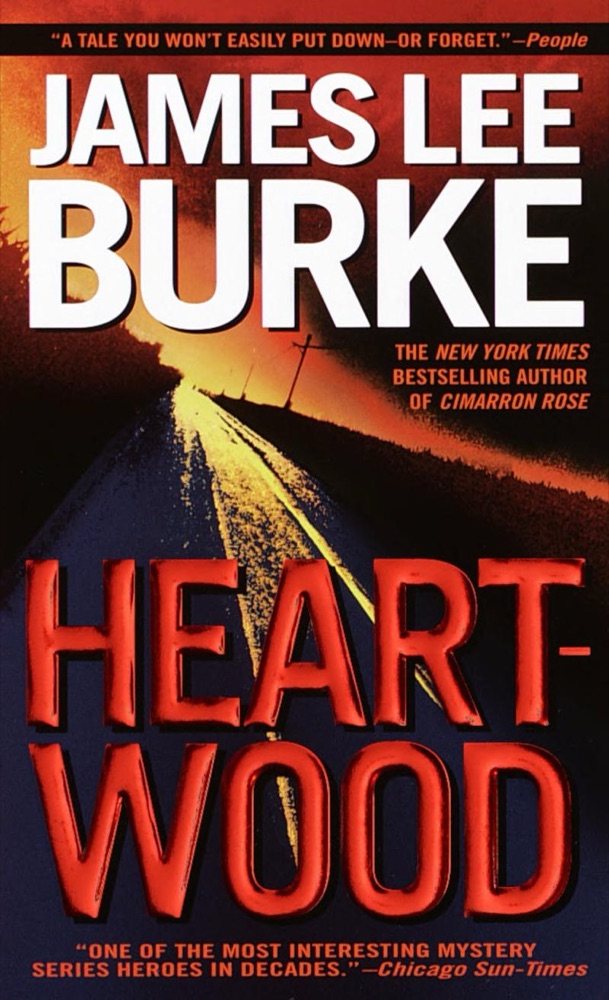 Heartwood
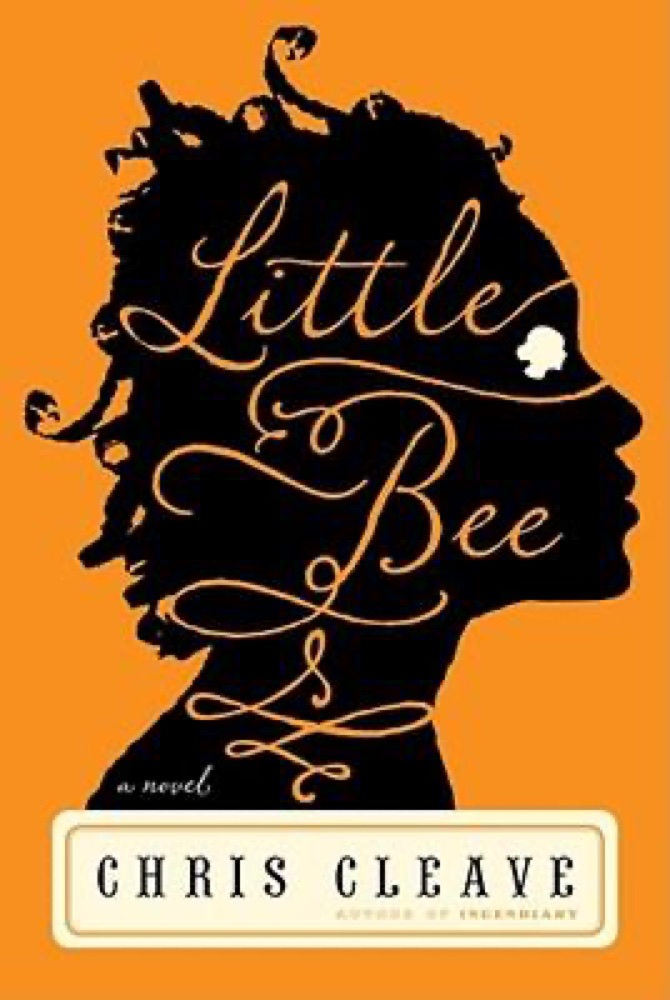 Little Bee
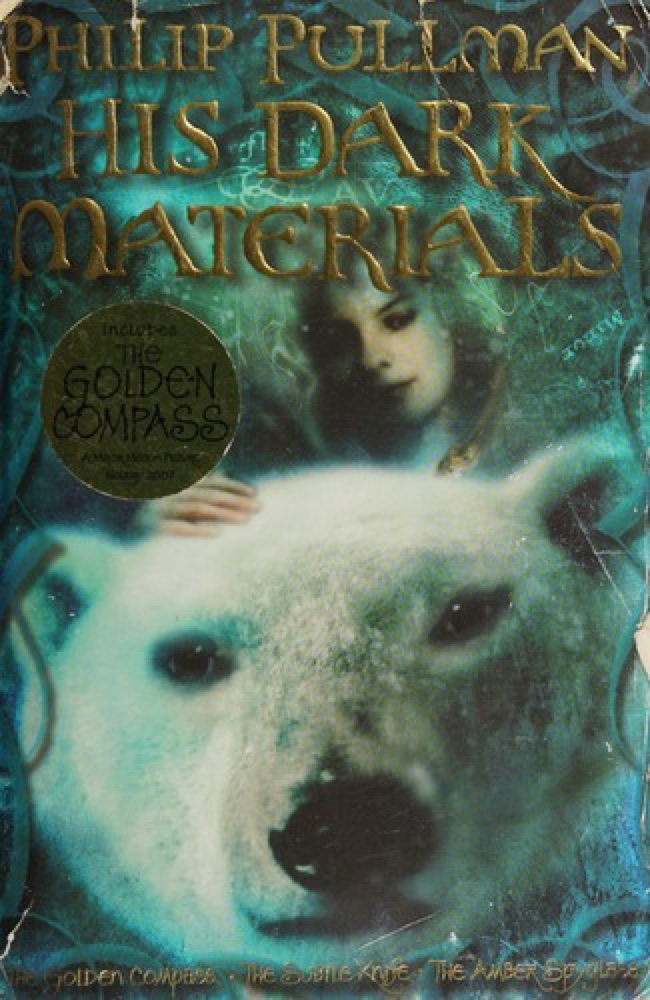 His Dark Materials
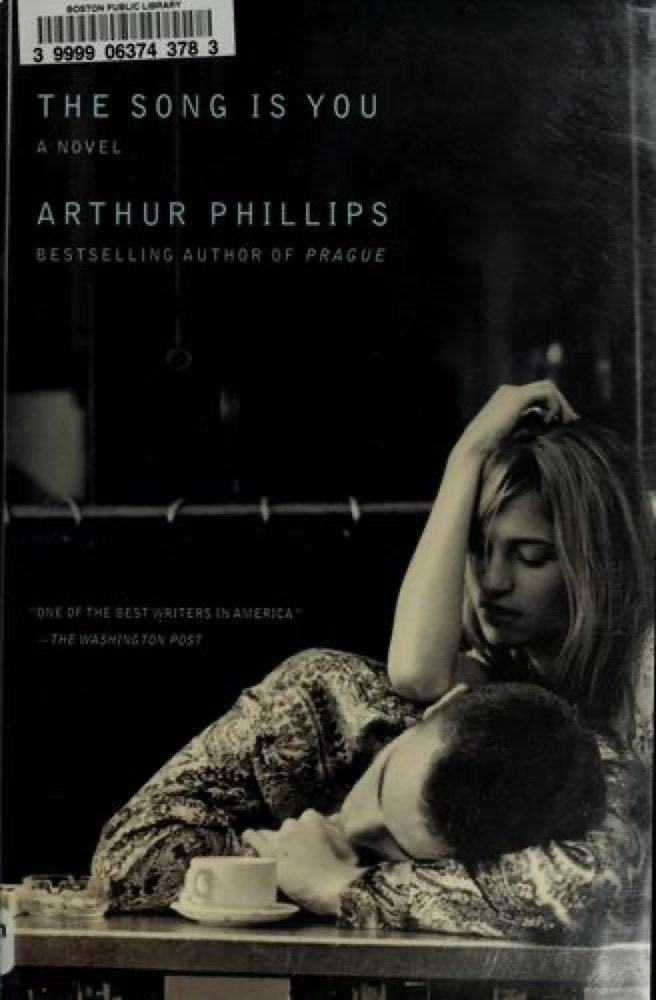 The Song Is You
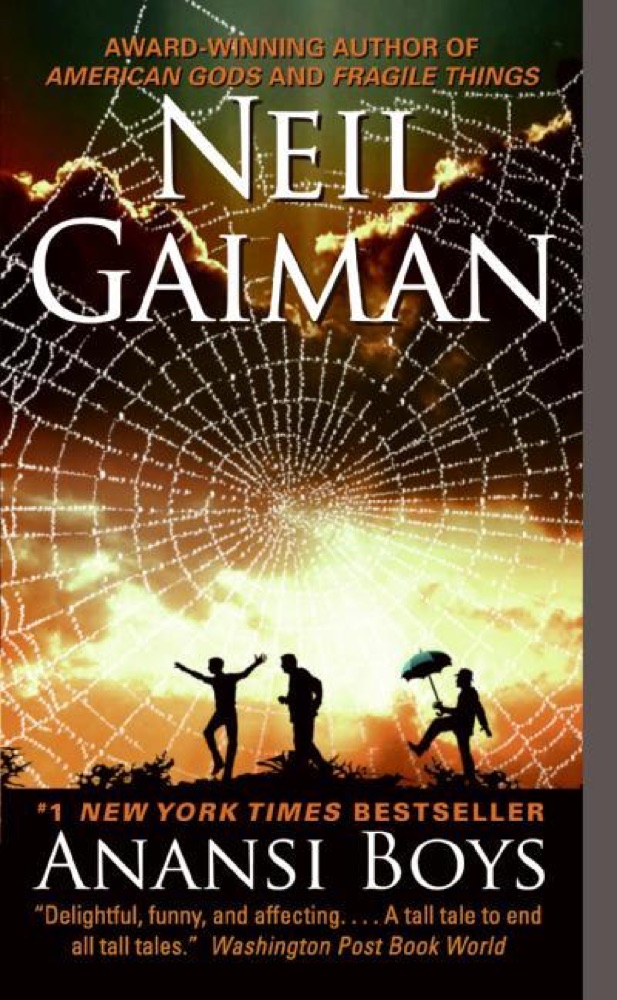 Anansi Boys
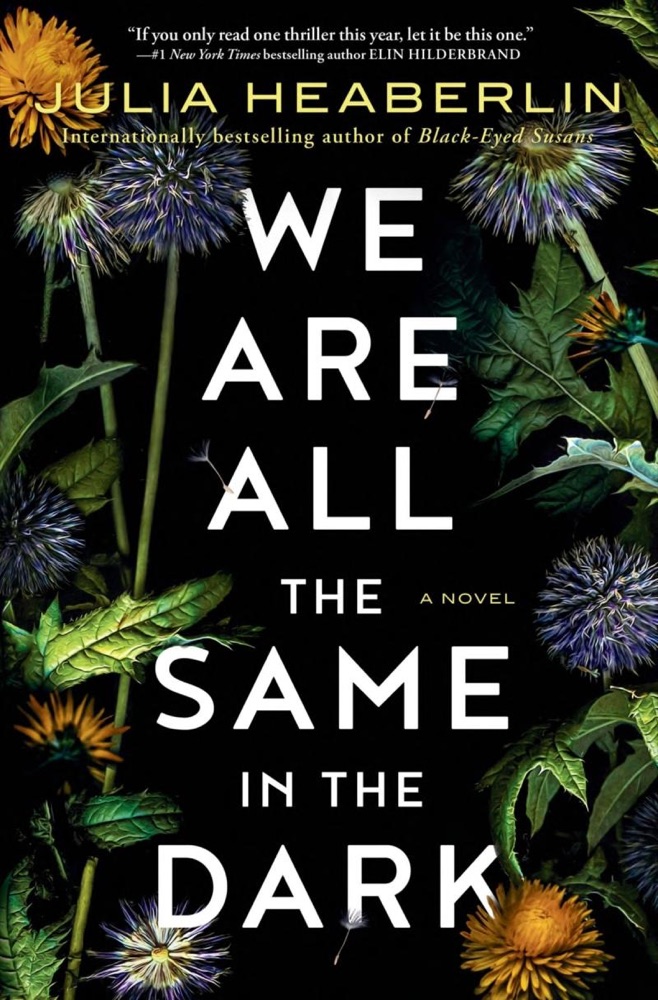 We Are All the Same in the Dark
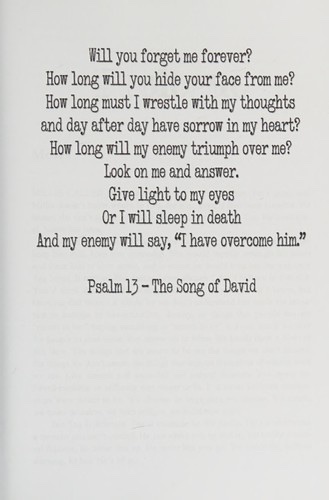 The Song of David
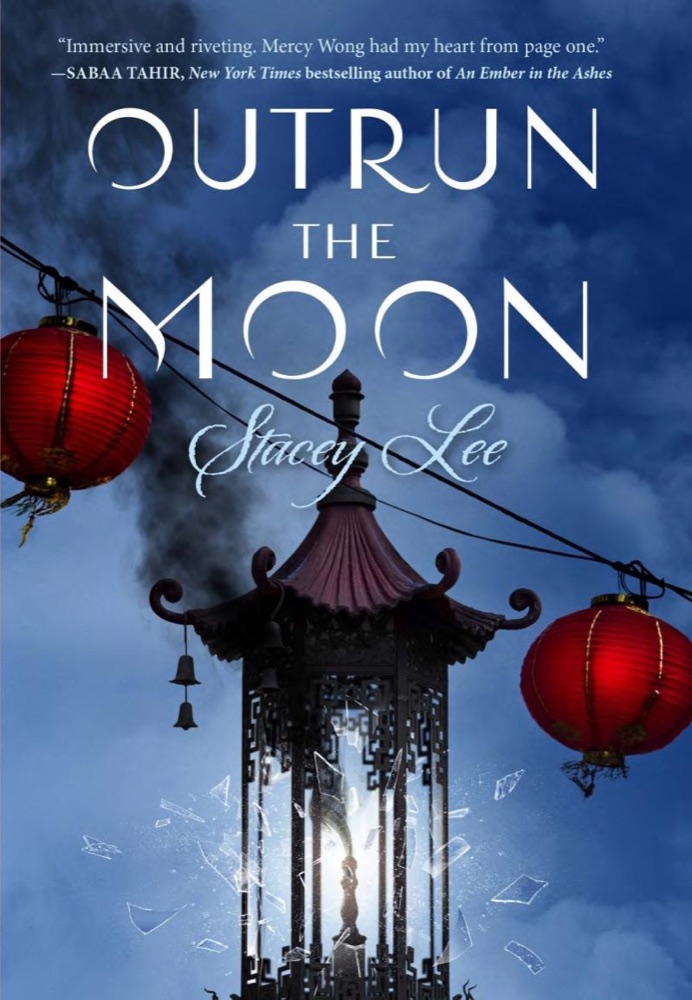 Outrun the Moon
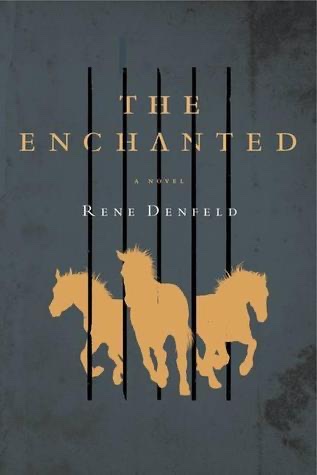 The Enchanted
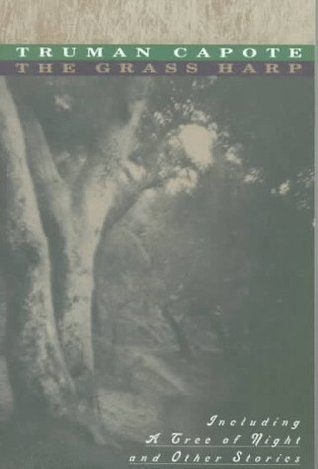 The Grass Harp, Including A Tree of Night and Other Stories
 Embers
 A Death in the Family