
 The Battle for Skandia
Quotes from the Book
They sailed into Raguza and Hal said, as bold as brass, “We’ve come to challenge Zavac and we plan to kick his—
So we’ve written a saga,” he said. “The Saga of Hal and the Heron Brotherband.” “Oh Gorlog help us,” Hal muttered.
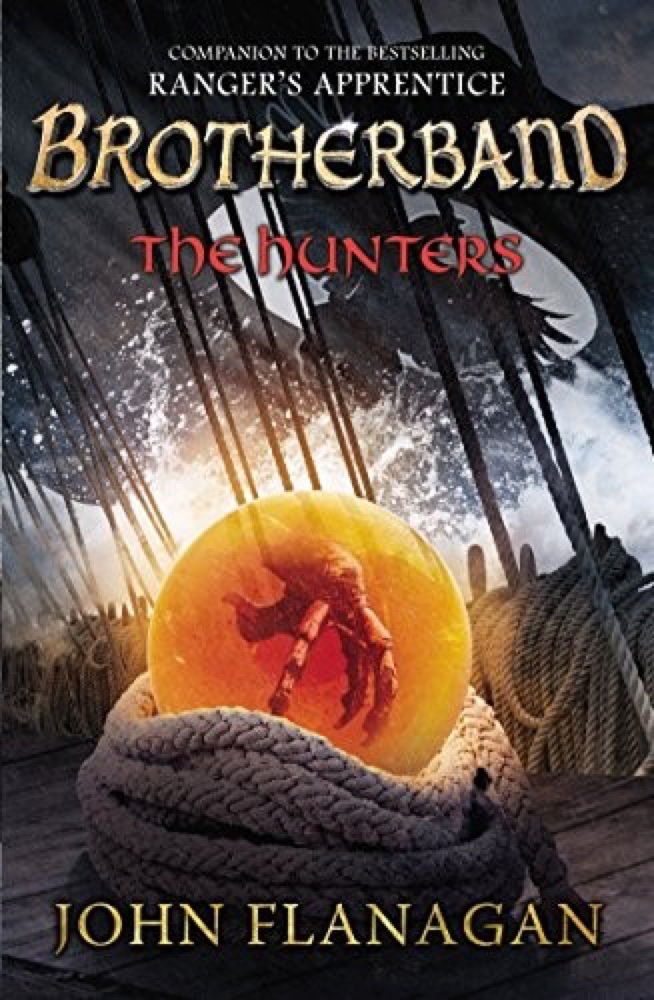
Hal answered him. “We’re as sure as we can be. The guard captain said he found a ball of yellow glass. What else could it be?” Jesper shrugged. “I don’t know. Maybe a ball of yellow glass?
Ingvar was on his back, moaning quietly. The pillow under his head, his jacket and the blanket across him, and the mattress under him were all totally sodden as perspiration poured out of his body in a flood. Jesper looked at them wildly. “He’s going to die, isn’t he?” It was Edvin who slapped him on the back, almost sending him sprawling across the sweat-soaked figure on the mattress. “No, you idiot!” he said happily. “He’s going to live. The fever’s broken!
Once, she came face-to-face with a heavyset man wearing a hooded short cloak. They came level with each other under one of the infrequent lanterns and she could make out only the lower half of his face. The upper half was shaded by the hood. She had an impression of a dark, full beard. In the shadow of his hood, his eyes were unblinking, staring at her.
Watch on YouTube
About John Flanagan
We have collected 277 quotes from 15 books by John Flanagan on BookQuoters.
More about the author →More by John Flanagan
All books by John Flanagan →
Book details
- Author
- John Flanagan
- Genre
- Fiction
- Goodreads rating
- 4.43 (22k ratings) →
Keep reading
 Erak's Ransom
 The Ruins of Gorlan
 Slaves of Socorro
 The Warlock
 Last Stand of Dead Men
 Odin's Ravens
 Dragons of Autumn Twilight
 Dark Days
 The Crown Tower
 Awry
Awry
 Atlantis On the Shores of Forever
 Thor's Serpents
 The Cry of the Icemark
 The Hallowed Hunt
 The Redbreast
 Leviathan
 Radiance
 The Blood Mirror
 The Warrior's Apprentice
 The Son of Neptune
 Air Awakens
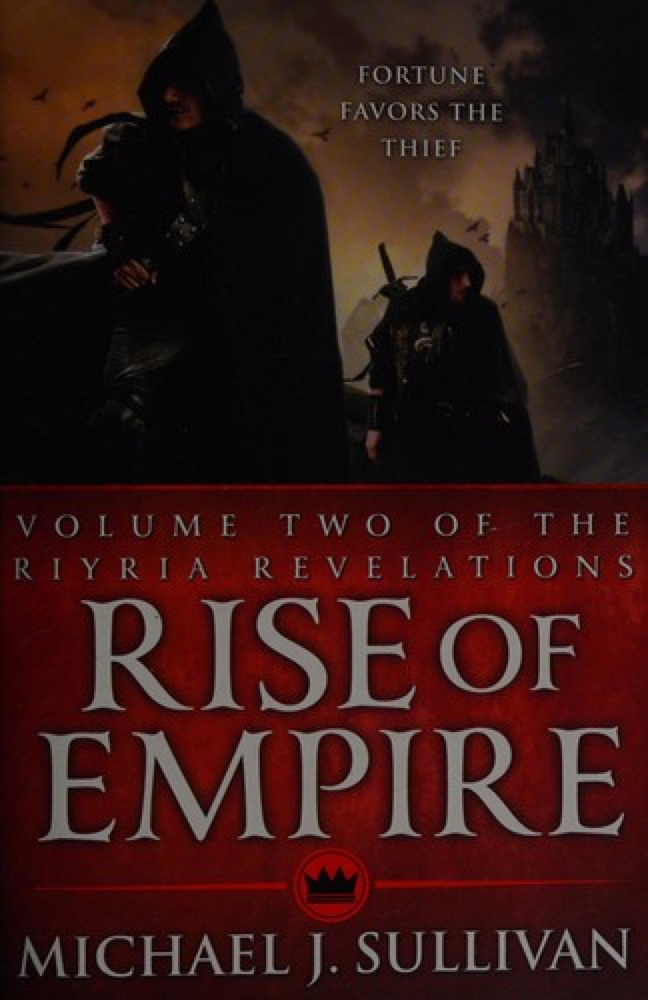 Rise of Empire
 Allegiance
 The Emperor's Edge
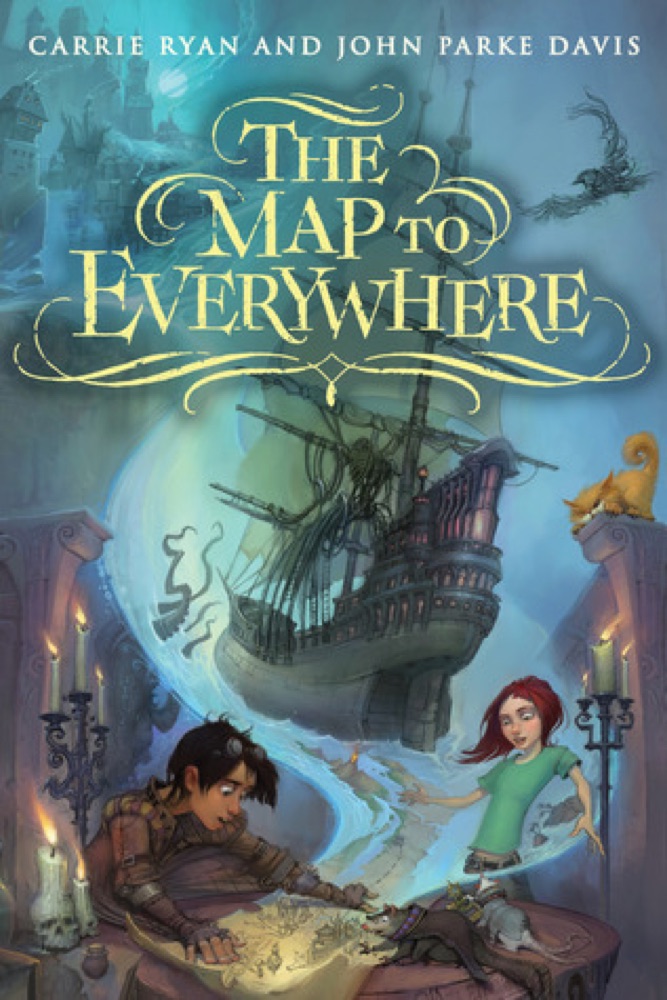 The Map to Everywhere
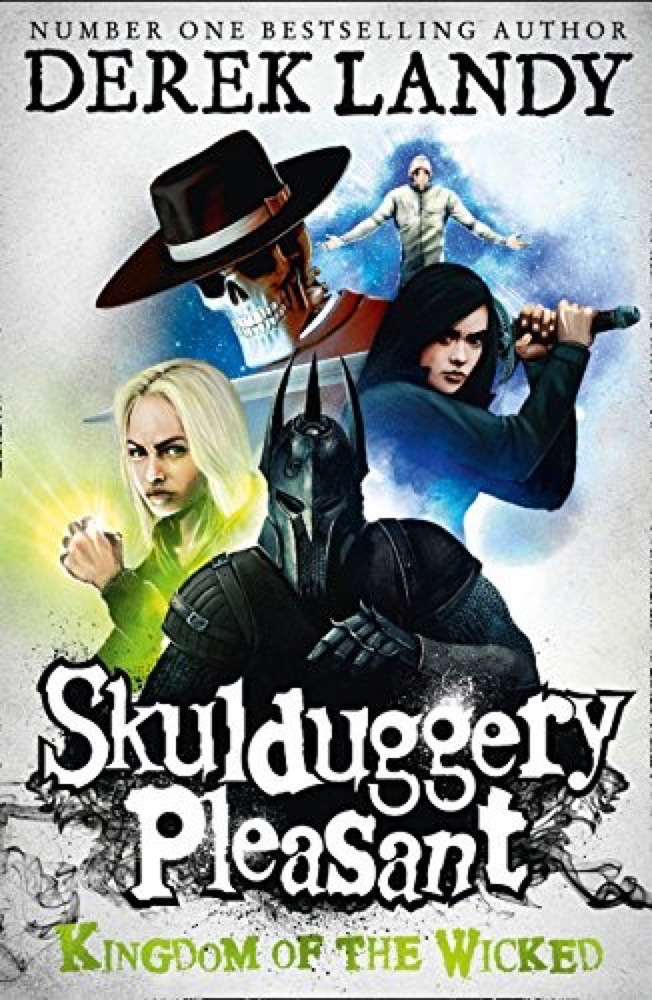 Kingdom of the Wicked
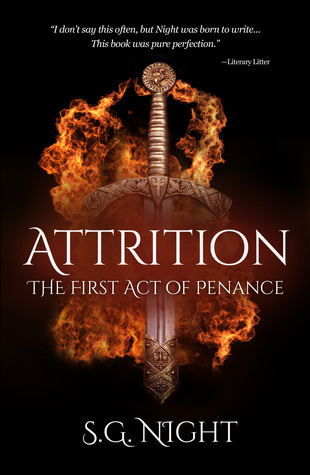 Attrition: the First Act of Penance
 Dark Currents
 A Gathering of Shadows
 What Really Happened in Peru
 Magic Study
 Kings of the Wyld
 Dreams of a Dark Warrior
 Warlord
 Plague
 The Mark of Athena
 The Grendel Affair
 The Enchantress
 Fire Study
 No Rest for the Wicked
 Crooked Kingdom
 Red Seas Under Red Skies
 Master of Crows
 The Dragon Reborn
 The Crimson Crown
 Paladin's Faith
 The Last Guardian
 Runemarks
 Windwitch
 The Ship of the Dead
 The Iron Trial
 Devil's Brood
 Fate's Edge
 The Great Hunt
 My Familiar Stranger
 Peter and the Starcatchers
 Weapon of Choice
 The Kill Order