
 Thief of Time
Quotes from the Book
So many things are possible just as long as you don't know they're impossible.
Expect everything, I always say, and the unexpected never happens.
Have you ever heard the wonderful silence just before the dawn? Or the quiet and calm just as a storm ends? Or perhaps you know the silence when you haven't the answer to a question you've been asked, or the hush of a country road at night, or the expectant pause of a room full of people when someone is just about to speak, or, most beautiful of all, the moment after the door closes and you're alone in the whole house? Each one is different, you know, and all very beautiful if you listen carefully.
The most important reason for going from one place to another is to see what's in between, and they took great pleasure in doing just that.
You must never feel badly about making mistakes ... as long as you take the trouble to learn from them. For you often learn more by being wrong for the right reasons than you do by being right for the wrong reasons.
Time is a gift, given to you, given to give you the time you need, the time you need to have the time of your life.
The only thing you can do easily is be wrong, and that's hardly worth the effort.
You may not see it now," said the Princess of Pure Reason, looking knowingly at Milo's puzzled face, "but whatever we learn has a purpose and whatever we do affects everything and everyone else, if even in the tiniest way. Why, when a housefly flaps his wings, a breeze goes round the world; when a speck of dust falls to the ground, the entire planet weighs a little more; and when you stamp your foot, the earth moves slightly off its course. Whenever you laugh, gladness spreads like the ripples in the pond; and whenever you're sad, no one anywhere can be really happy. And it's much the same thing with knowledge, for whenever you learn something new, the whole world becomes that much richer.
Whether or not you find your own way, you're bound to find some way. If you happen to find my way, please return it, as it was lost years ago. I imagine by now it's quite rusty.
Everybody is so terribly sensitive about the things they know best.
You can swim all day in the Sea of Knowledge and not get wet.
if something is there, you can only see it with your eyes open, but if it isn't there, you can see it just as well with your eyes closed. That's why imaginary things are often easier to see than real ones.
It has been a long trip," said Milo, climbing onto the couch where the princesses sat; "but we would have been here much sooner if I hadn't made so many mistakes. I'm afraid it's all my fault." "You must never feel badly about making mistakes," explained Reason quietly, "as long as you take the trouble to learn from them. For you often learn more by being wrong for the right reasons than you do by being right for the wrong reasons.
The most important reason for going from one place to another is to see what's in between.
It's bad enough wasting time without killing it.
But just because you can never reach it, doesn’t mean that it’s not worth looking for.
Just because you have a choice, it doesn't mean that any of them 'has' to be right.
There are no wrong roads to anywhere.
... what you learn today, for no reason at all, will help you discover all the wonderful secrets of tomorrow.
For instance," said the boy again, "if Christmas trees were people and people were Christmas trees, we'd all be chopped down, put up in the living room, and covered in tinsel, while the trees opened our presents." "What does that have to do with it?" asked Milo. "Nothing at all," he answered, "but it's an interesting possibility, don't you think?
Let me try once more," Milo said in an effort to explain. "In other words--" "You mean you have other words?" cried the bird happily. "Well, by all means, use them. You're certainly not doing very well with the ones you have now.
Expectations is the place you must always go to before you get to where you're going.
Would it be possible for me to see something from up there?" asked Milo politely. "You could," said Alec, "but only if you try very hard to look at things as an adult does." Milo tried as hard as he could, and, as he did, his feet floated slowly off the ground until he was standing in the air next to Alex Bings. He looked around very quickly and, an instant later, crashed back down to the earth again. "Interesting, wasn't it?" asked Alex. "Yes, it was," agreed Milo, rubbing his head and dusting himself off, "but I think I'll continue to see things as a child. It's not so far to fall.
Things which are equally bad are also equally good. Try to look at the bright side of things. - Humbug
A slavish concern for the composition of words is the sign of a bankrupt intellect. Be gone, odious wasp! You smell of decayed syllables.
...it's very much like your trying to reach infinity. You know that it's there, you just don't know where-but just because you can never reach it doesn't mean that it's not worth looking for.
Have you ever heard a blindfolded octopus unwrap a cellophane-covered bathtub?
And remember, also," added the Princess of Sweet Rhyme, "that many places you would like to see are just off the map and many things you want to know are just out of sight or a little beyond your reach. But someday you'll reach them all, for what you learn today, for no reason at all, will help you discover all the wonderful secrets of tomorrow.
As the cheering continued, Rhyme leaned forward and touched Milo gently on the shoulder. "They're cheering for you," she said with a smile. "But I could never have done it," he objected, "without everyone else's help." "That may be true," said Reason gravely, "but you had the courage to try; and what you can do is often simply a matter of what you *will* do." "That's why," said Azaz, "there was one very important thing about your quest that we couldn't discuss until you returned. "I remember," said Milo eagerly. "Tell me now." "It was impossible," said the king, looking at the Mathemagician. "Completely impossible," said the Mathemagician, looking at the king. "Do you mean----" said the bug, who suddenly felt a bit faint. "Yes, indeed," they repeated together; "but if we'd told you then, you might not have gone---and, as you've discovered, so many things are possible just as long as you don't know they're impossible." And for the remainder of the ride Milo didn't utter a sound.
...I'll continue to see things as a child. It's not so far to fall.
Did you know?
- The novel was first published on August 12, 1961.
- It was illustrated by cartoonist Jules Feiffer.
- The book was distributed by Random House through the imprint Epstein & Carroll.
- Author Norton Juster was a working architect when he wrote the book.
- Nearly five million copies had been sold as of 2021.
- A 1970 film adaptation was made, which Juster was known to dislike.
About Norton Juster
Norton Juster (1929-2021) was an American architect, academic, and writer, best known for The Phantom Tollbooth (1961). He also wrote The Dot and the Line (1963), and taught design and planning in addition to his career in architecture.
More about the author →About the book
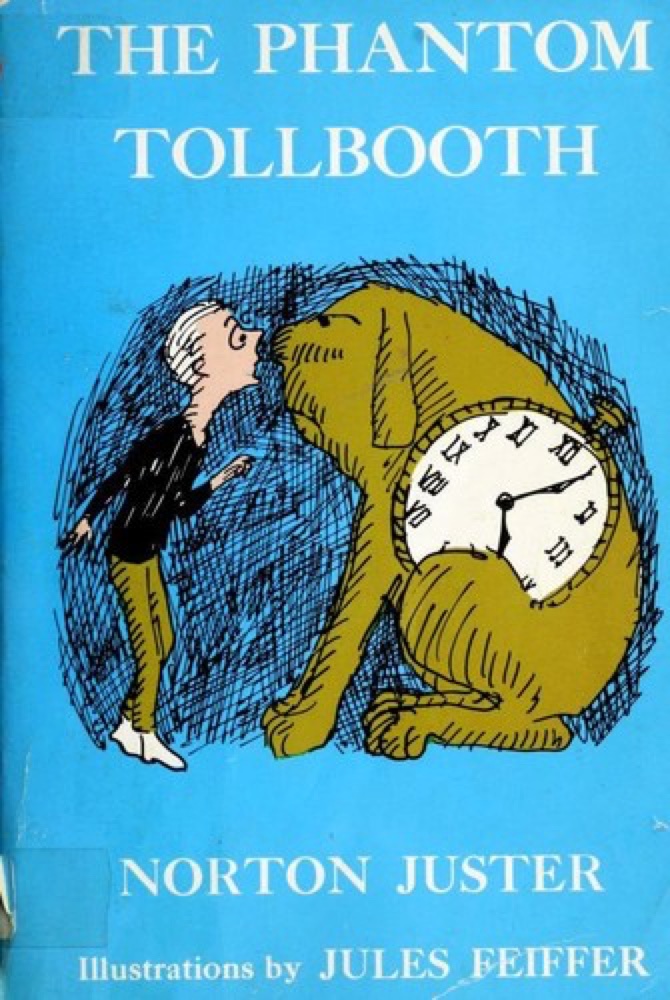
The Phantom Tollbooth is a children's fantasy novel by Norton Juster, illustrated by Jules Feiffer and first published in 1961. It follows Milo, a perpetually bored boy who has no interest in anything, until a mysterious tollbooth appears in his room and, when he drives through it, transports him into the Kingdom of Wisdom. Accompanied by a ticking watchdog named Tock and a blustering insect called the Humbug, Milo sets out on a journey to rescue the exiled princesses Rhyme and Reason, whose banishment has thrown the once-harmonious kingdom into confusion.
The book is celebrated for its exuberant wordplay, puns, and allegory. Its lands and characters literalize figures of speech and abstract ideas: Milo passes through places like Dictionopolis, the city of words ruled by King Azaz, and Digitopolis, the realm of numbers governed by the Mathemagician, whose feud over whether words or numbers matter more has helped drive Rhyme and Reason away. Beneath the comedy runs a serious argument about the joy of learning and thinking for their own sake, and the danger of a world that lets logic and meaning fall into neglect.
Widely regarded as a modern classic of children's literature, The Phantom Tollbooth has remained continuously in print and sold millions of copies since its release. It has been embraced by educators and readers alike for making curiosity and language feel like an adventure, and in a 2012 survey of all-time best children's novels it was ranked among the top titles. The story has also been adapted for other media, including a 1970 film.
Key characters
- MiloA bored young boy who journeys through the tollbooth and rediscovers curiosity
- TockA loyal watchdog with a clock in his body who accompanies Milo
- The HumbugA large, boastful insect who joins the quest as a self-appointed guide
- King AzazRuler of Dictionopolis, the city of words
- The MathemagicianRuler of Digitopolis, the realm of numbers, and Azaz's feuding brother
- Rhyme and ReasonThe exiled princesses whose return Milo seeks to restore order to the kingdom
Book details
- First published
- 1961
- Length
- 255 pages
- Reading time
- 3 hours
- Author
- Norton Juster
- Genre
- Classics
- Goodreads rating
- 4.19 (312k ratings) →
- First line
- “There was once a boy named Milo who didn't know what to do with himself—not just sometimes, but always.”
Movie & TV adaptations
- IMDb
If you liked this, read…
- 1Alice's Adventures in WonderlandA child's whimsical journey through a nonsensical, logic-bending world
- 2The Lion, the Witch and the WardrobeAn ordinary child crosses into a fantastical kingdom in need of saving
- 3James and the Giant PeachA lonely boy sets off on a fantastical adventure with eccentric companions
Keep reading
Thief of Time
 Mostly Harmless
 Hard-Boiled Wonderland and the End of the World
 Shouldn't You Be in School?
 The Graveyard Book
 A Wrinkle in Time
 The Salmon of Doubt
 A Hat Full of Sky
 Under the Whispering Door
 Out of Oz
 Sometimes a Great Notion
 InterWorld
 All I Really Need to Know I Learned in Kindergarten
 Bruiser
 The Ersatz Elevator
 Raven's Gate
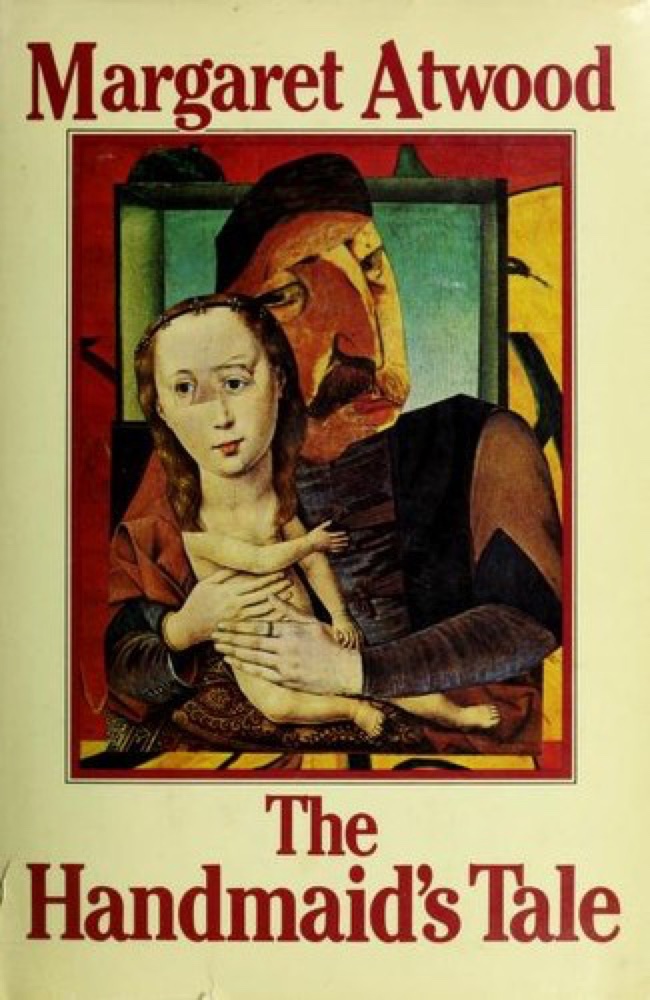 The Handmaid's Tale
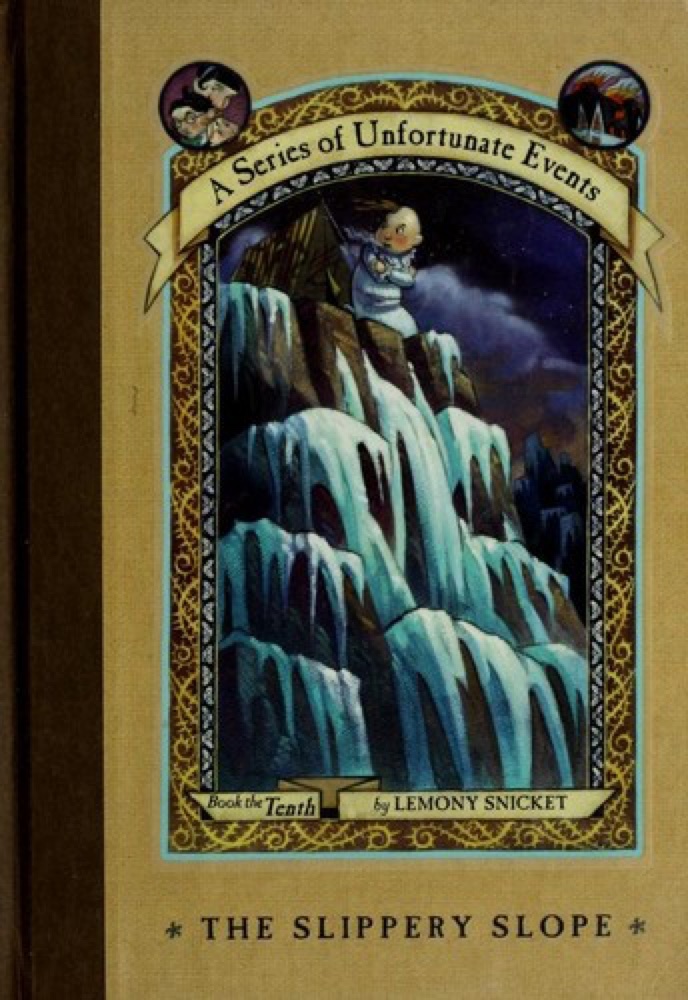 The Slippery Slope
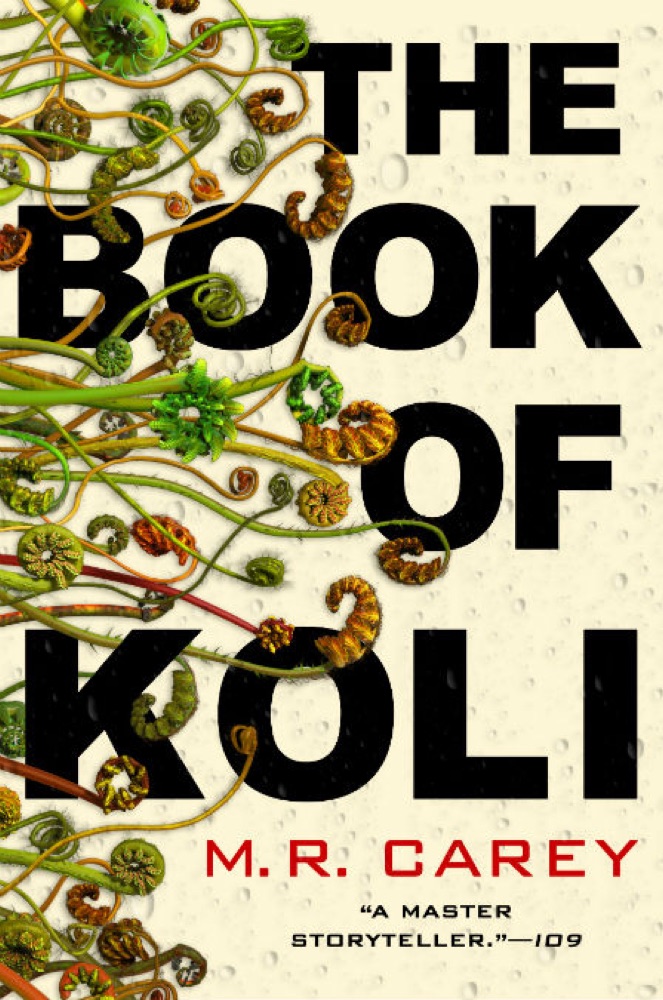 The Book of Koli
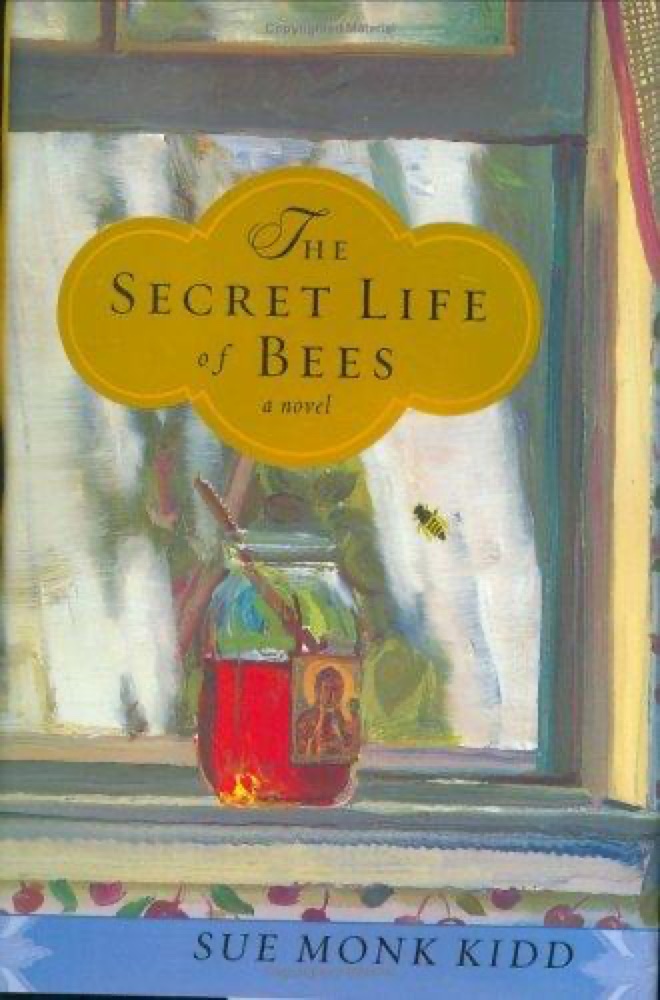 The Secret Life of Bees
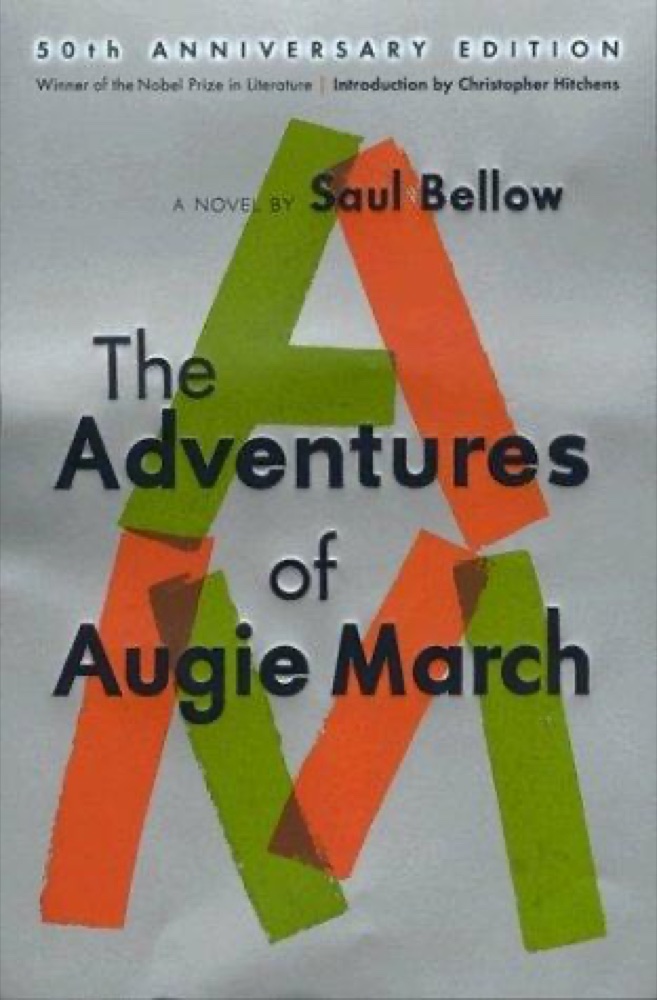 The Adventures of Augie March
 West with the Night
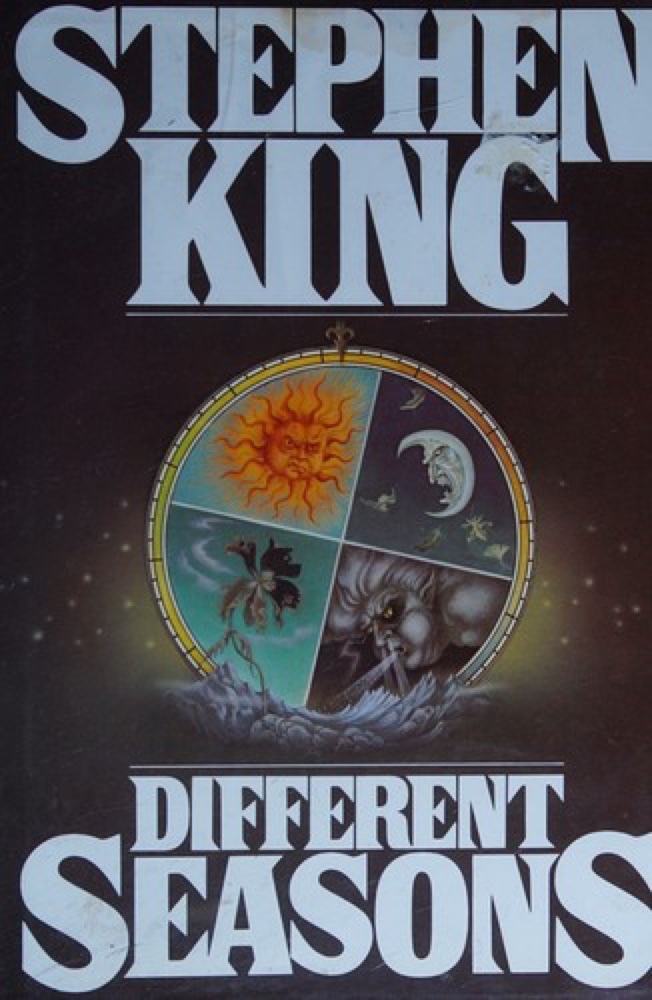 Different Seasons
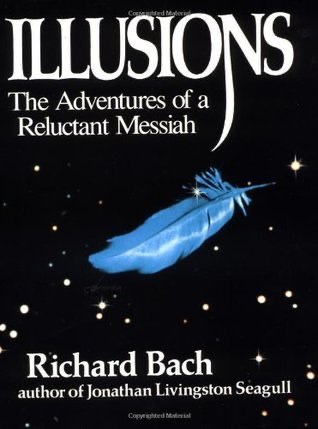 Illusions: The Adventures of a Reluctant Messiah
 Hearts in Atlantis
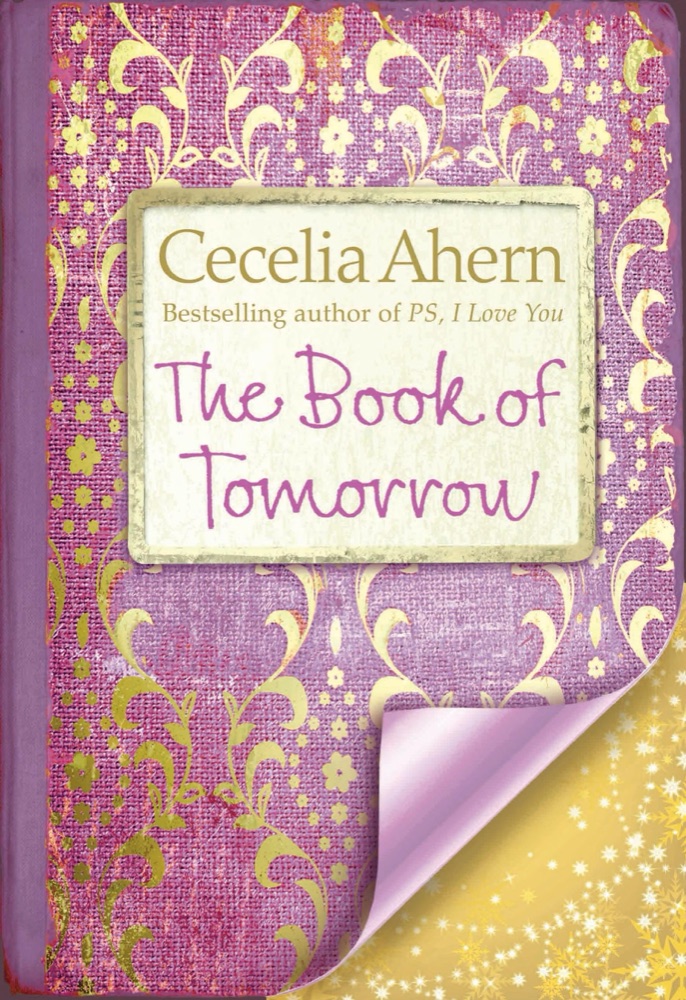 The Book of Tomorrow
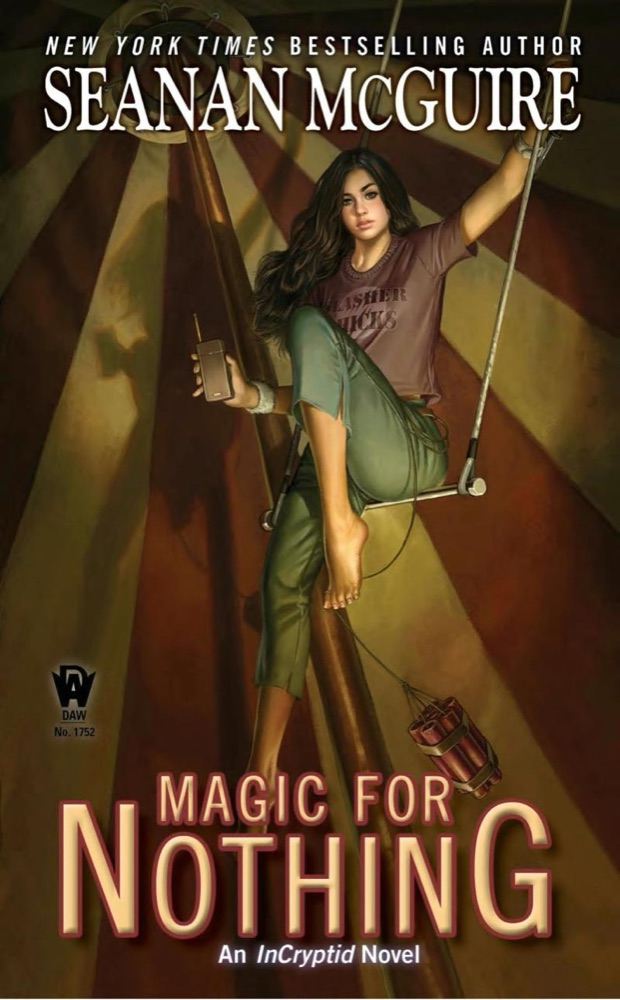 Magic for Nothing
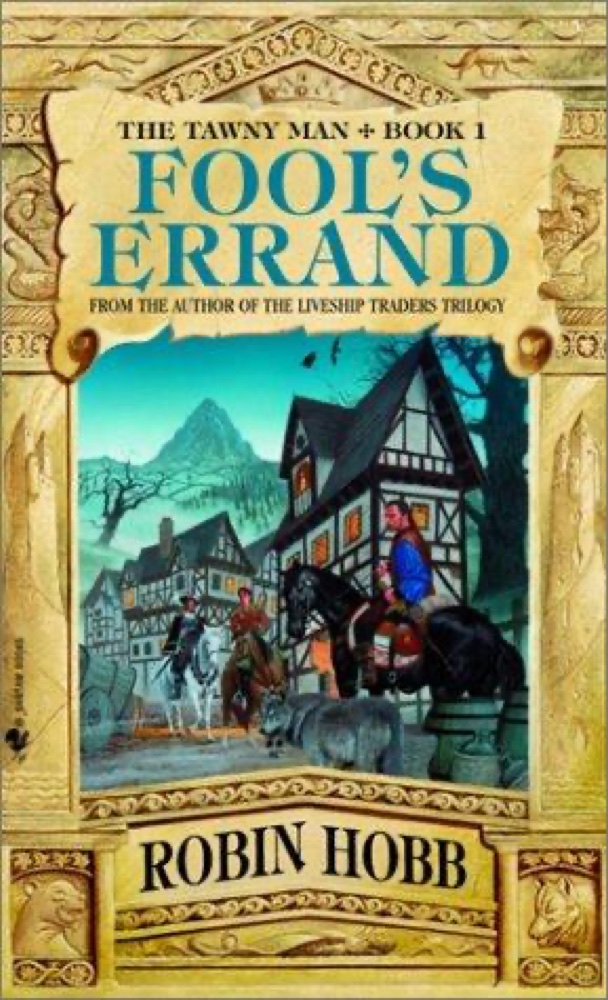 Fool's Errand
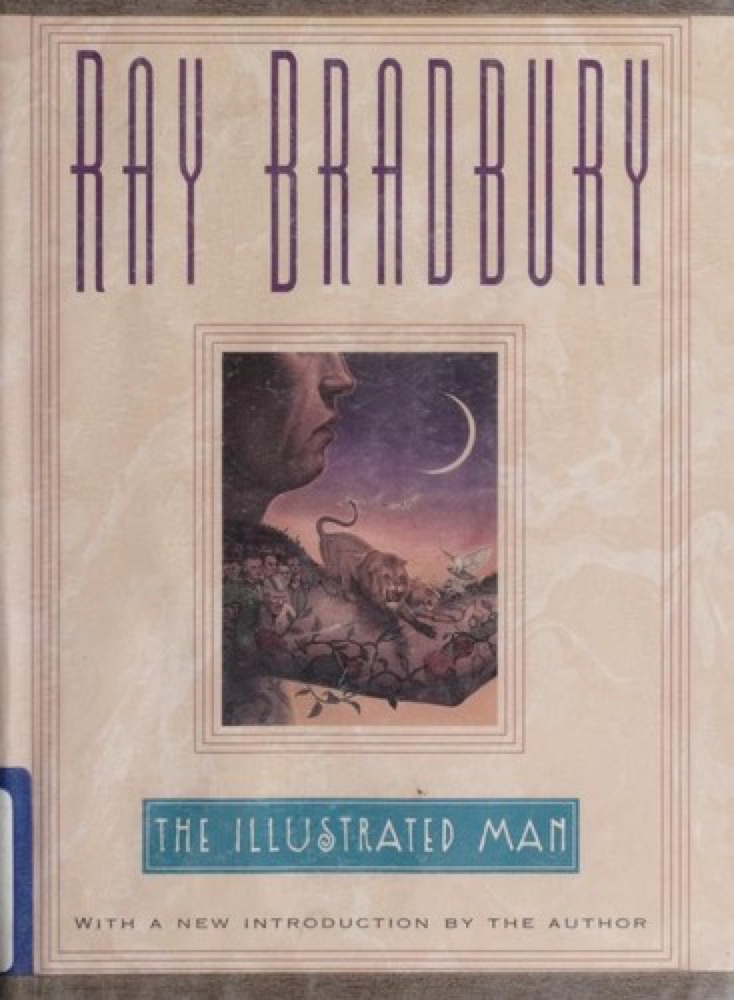 The Illustrated Man
 Water Moon
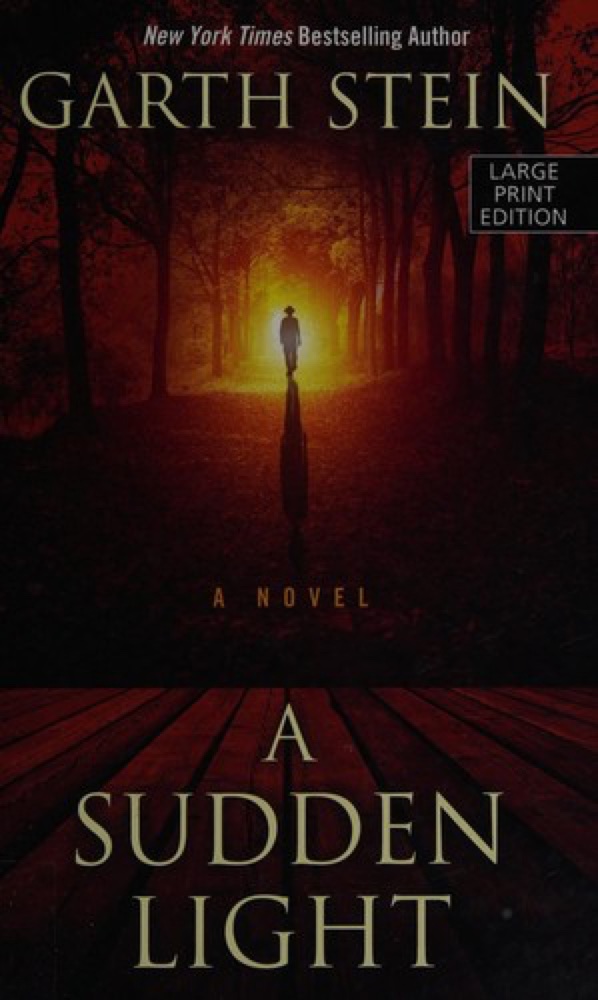 A Sudden Light
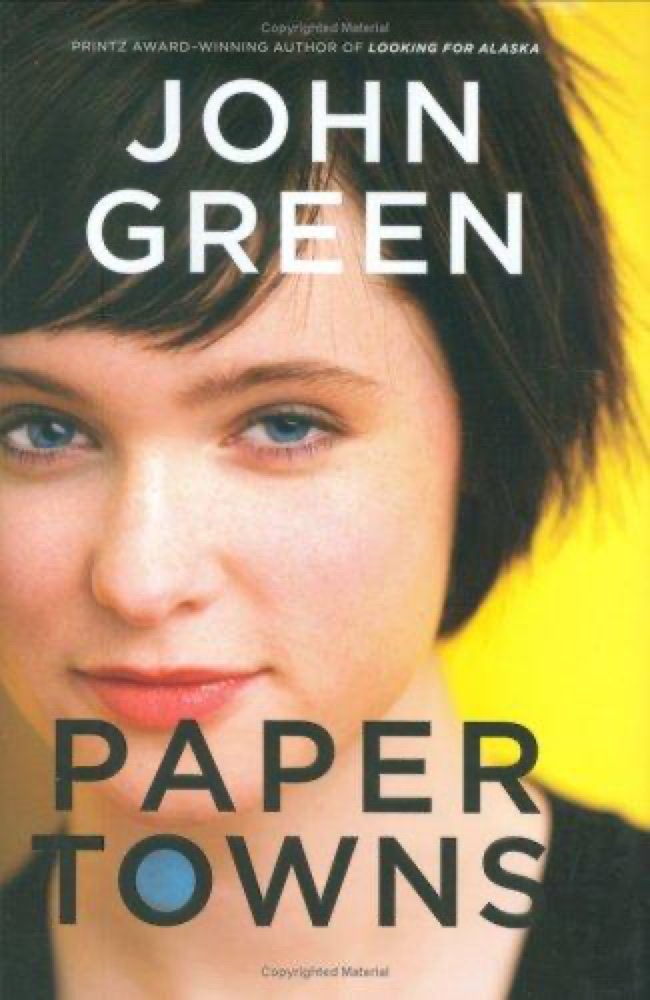 Paper Towns
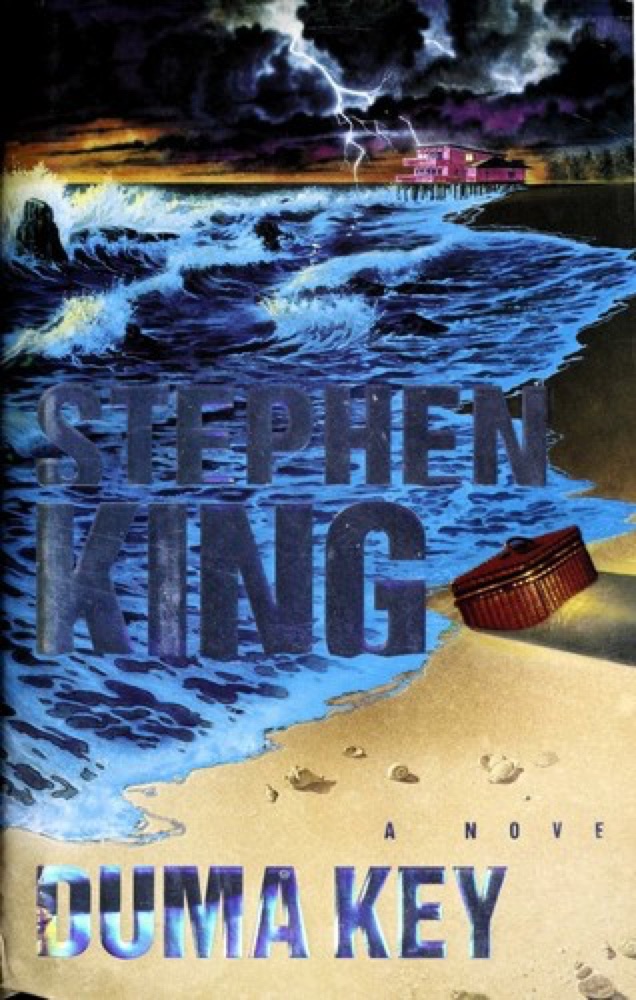 Duma Key
 The Moon and More
 A Boy and His Dog at the End of the World
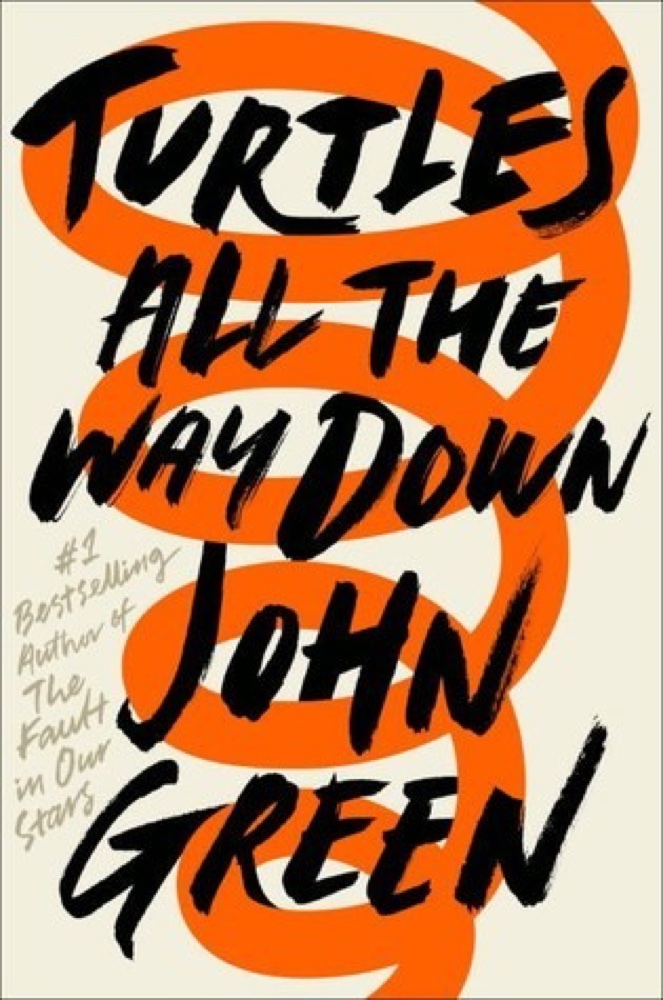 Turtles All the Way Down
 The Toll
 Special Topics in Calamity Physics
 The Magic Mountain
 Love May Fail
 Brave Story
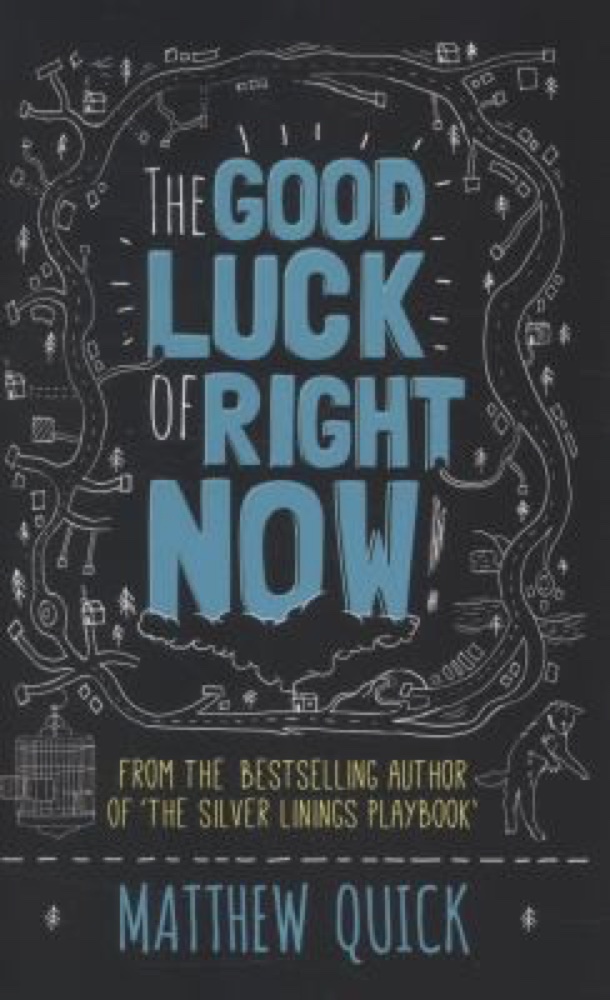 The Good Luck of Right Now
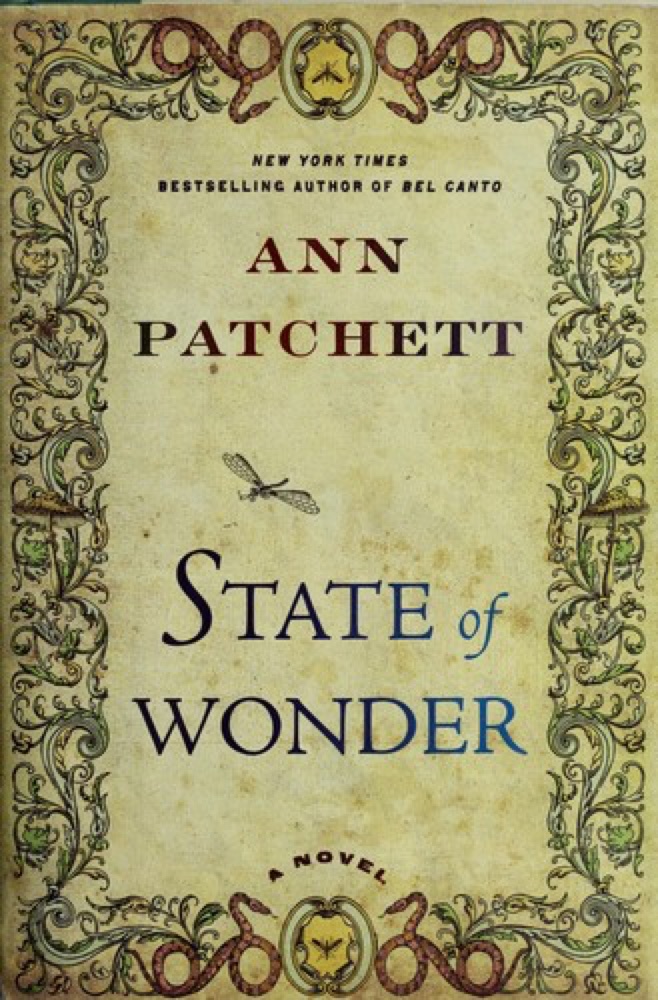 State of Wonder
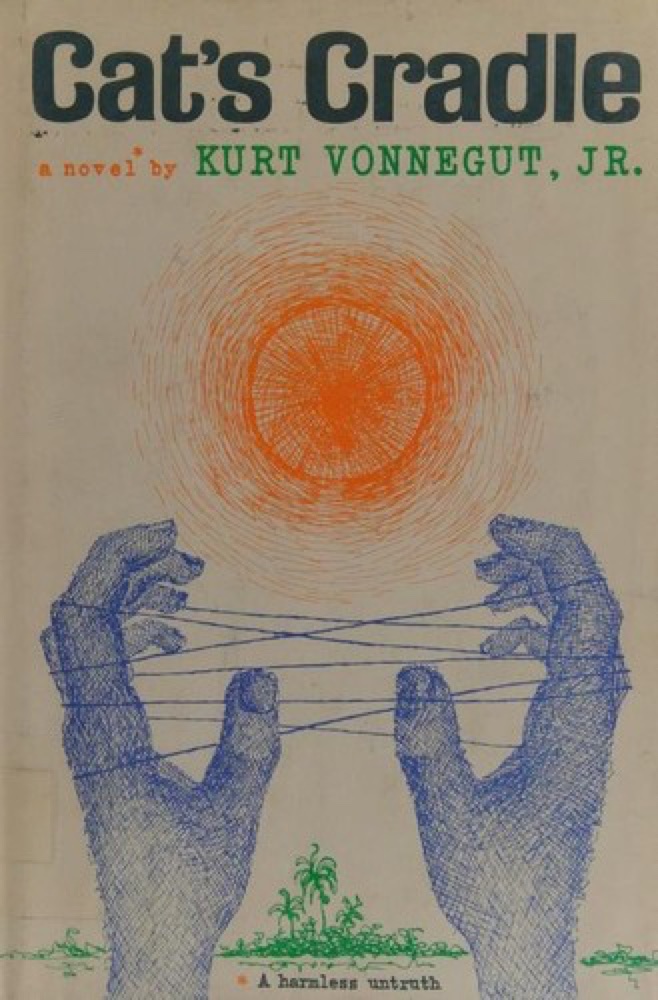 Cat's Cradle
 At the Edge of the Universe
 Jeremy Fink and the Meaning of Life
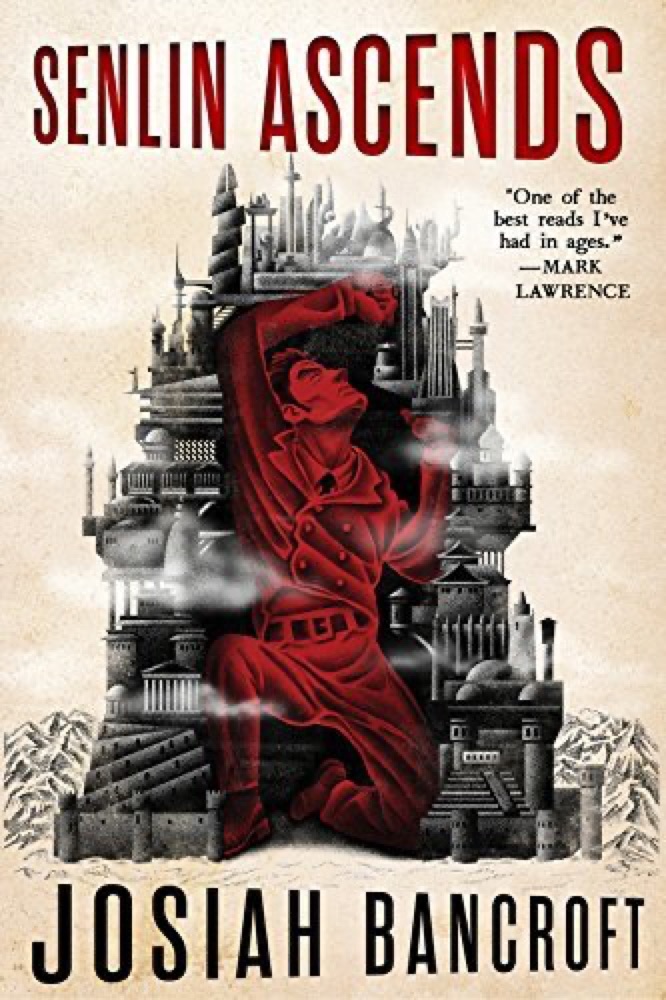 Senlin Ascends
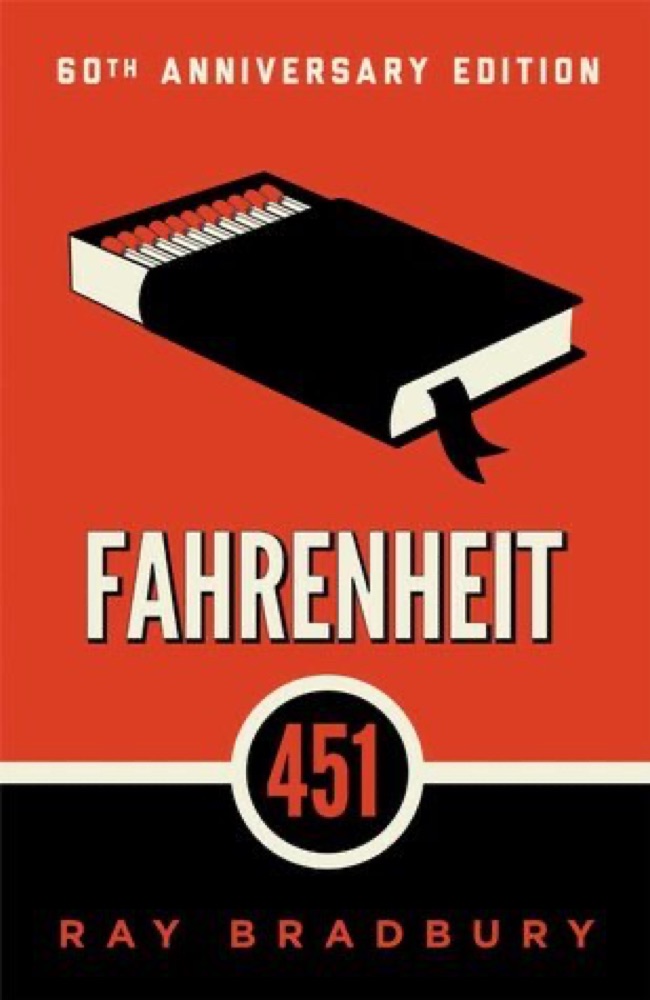 Fahrenheit 451
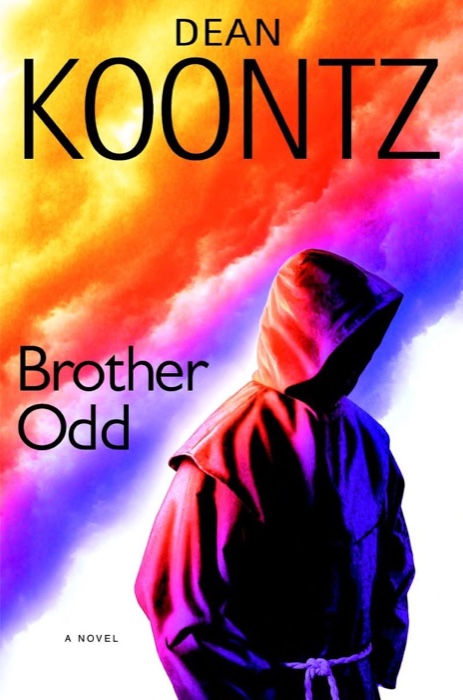 Brother Odd
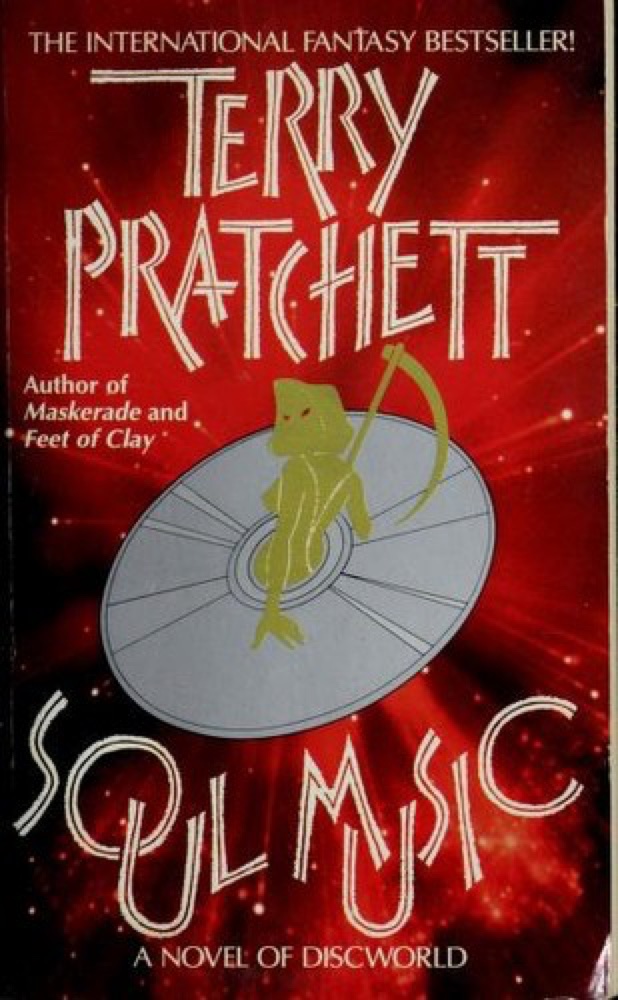 Soul Music
 All the King's Men
 Kafka on the Shore
 The Resistance
 First Among Sequels
 Acceptance
 The Girl Who Circumnavigated Fairyland in a Ship of Her Own Making
 The Golden Compass
 The Rent Collector
 One
One