

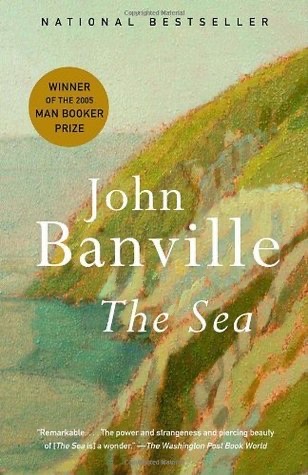
 The Sea
Quotes from the Book
It struck me then how much the past - not just the past but history and family - was like the ocean tide. It was always the same ocean, but the waves made it fresh and new each time.
When people went on vacation, they shed their home skins, thought they could be a new person.
Come find me," Leo put in, his gaze full of understanding. "Whenever you want. I'll be here.
I watched the land for as long as I could, until it disappeared behind its shawl of mist, and until I had it fixed in my mind - unchanged, mysterious and beautiful
I couldn't think. The basics of my life seemed altered and thrown into question. After all, our families--our ancestors--are our identities. Biology is destiny. I'm not who you think I am, I had said to T.J. the last time I'd seen him. Maybe I wasn't who I'd thought I was either.
My skin prickled and I looked back at the ocean. None of us ask for the things we inherit; they are thrust upon us, willy-nilly. Like The Marine, I suddenly understood. Mom and I weren't trespassing. This house was ours. This view was ours. And that seemed as absurd and unreal as the stories Sailor Hat had spun for me on the ferry.
Watch on YouTube
About Aimee Friedman
We have collected 6 quotes from 1 book by Aimee Friedman on BookQuoters.
More about the author →Book details
- Author
- Aimee Friedman
- Genre
- Fantasy
- Goodreads rating
- 3.62 (7k ratings) →
Keep reading
The Sea
 The Salt Path
 The Last True Poets of the Sea
 Never Let Me Go
 South of the Border, West of the Sun
 The People in the Trees
 The House of Doors
 A Bend in the River
 The Premonition
 Netherland
 This Strange Eventful History
 A Thousand Acres
 A Home at the End of the World
 A Walk Across America
 Tangerine
 A House in the Sky
 Wavewalker: Breaking Free
 The Sweet Taste of Muscadines
 The Rum Diary
 What I Was
 After the Flood
 The Mermaid Chair
 Lunar Park
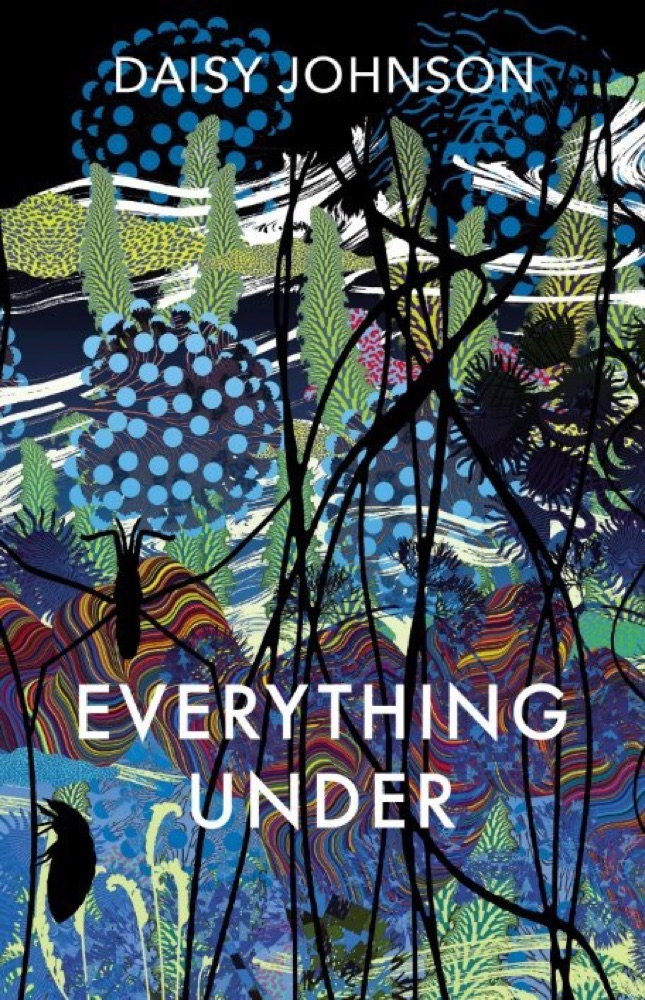 Everything Under
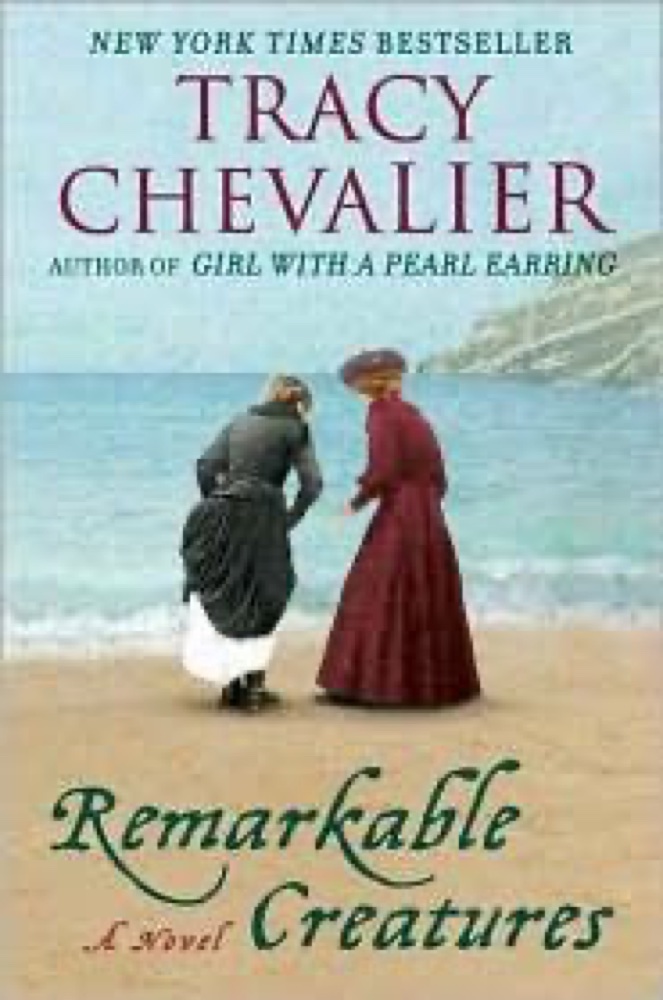 Remarkable Creatures
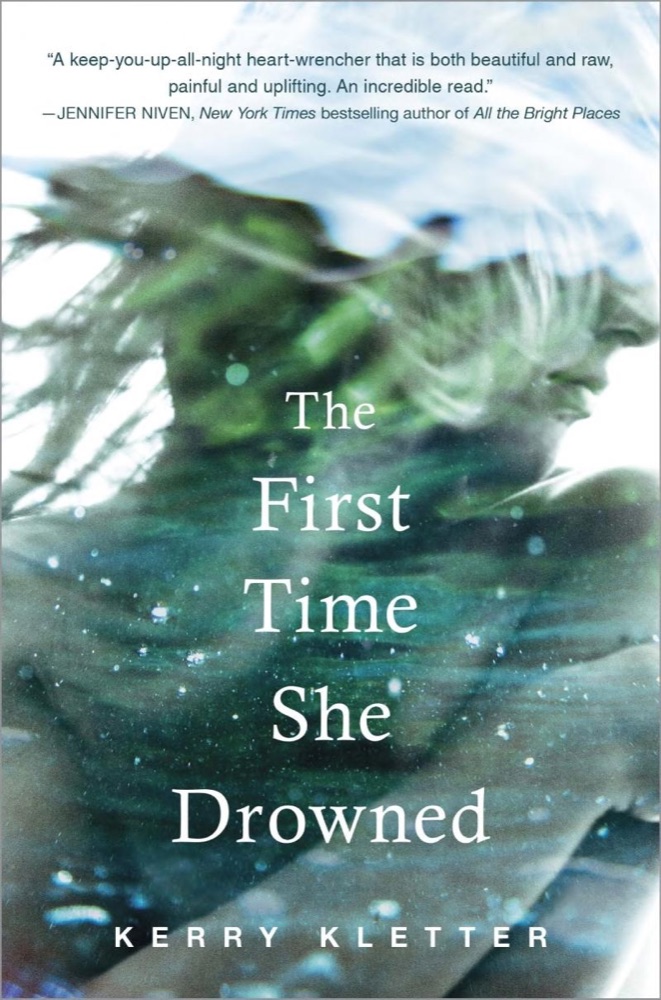 The First Time She Drowned
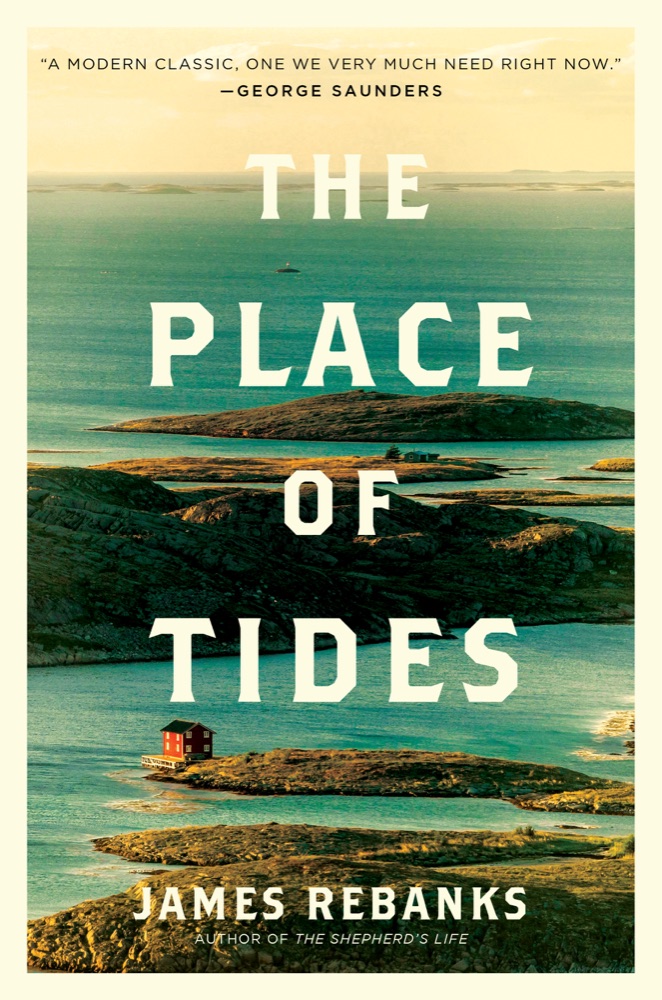 The Place of Tides
 Out Stealing Horses
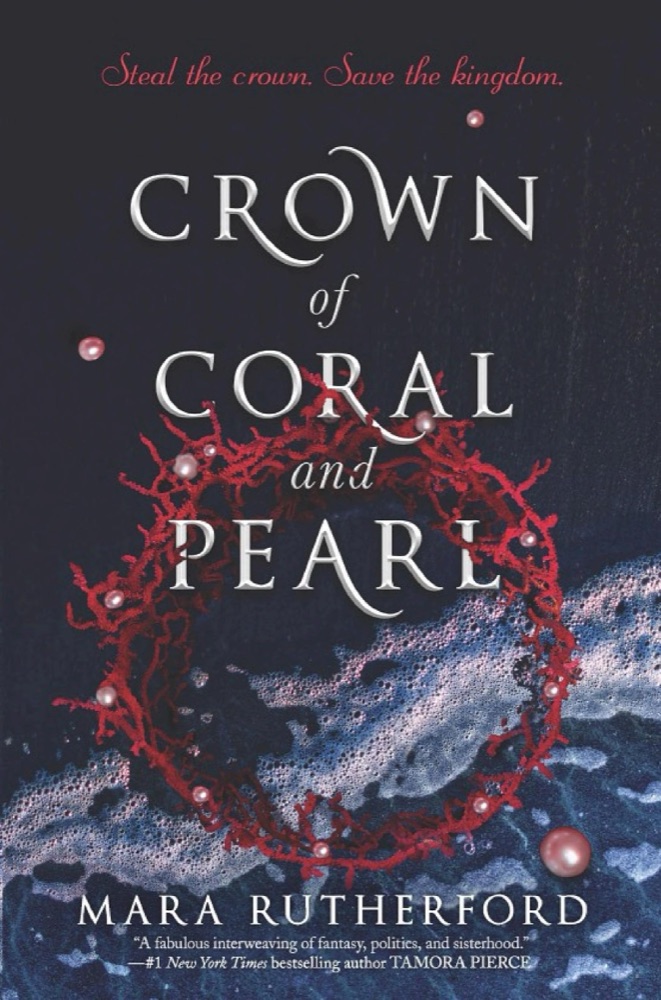 Crown of Coral and Pearl
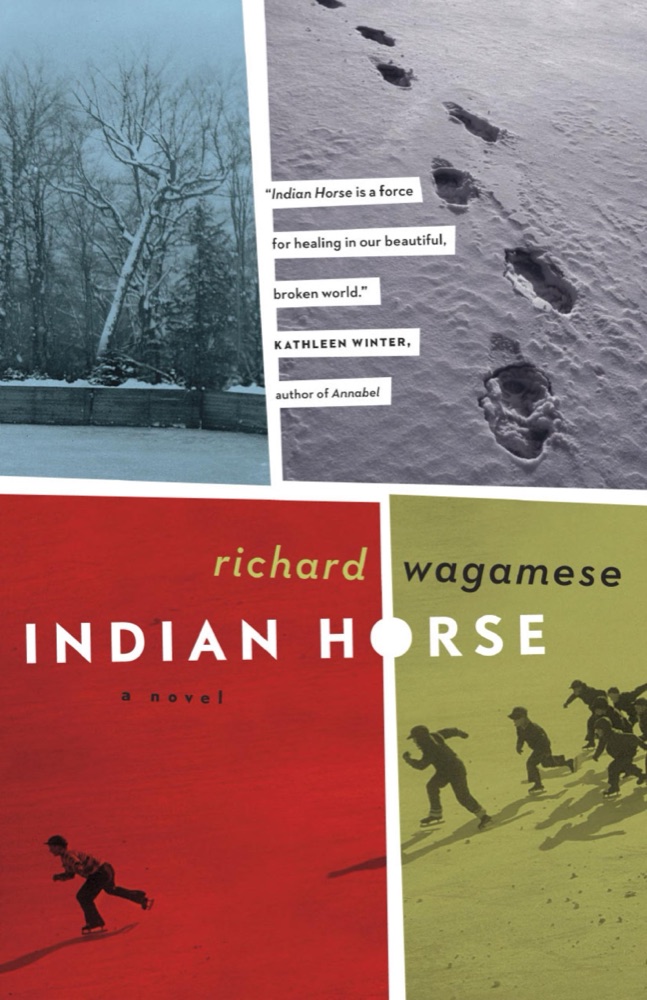 Indian Horse
 Fable
Fable
 A Wolf at the Table
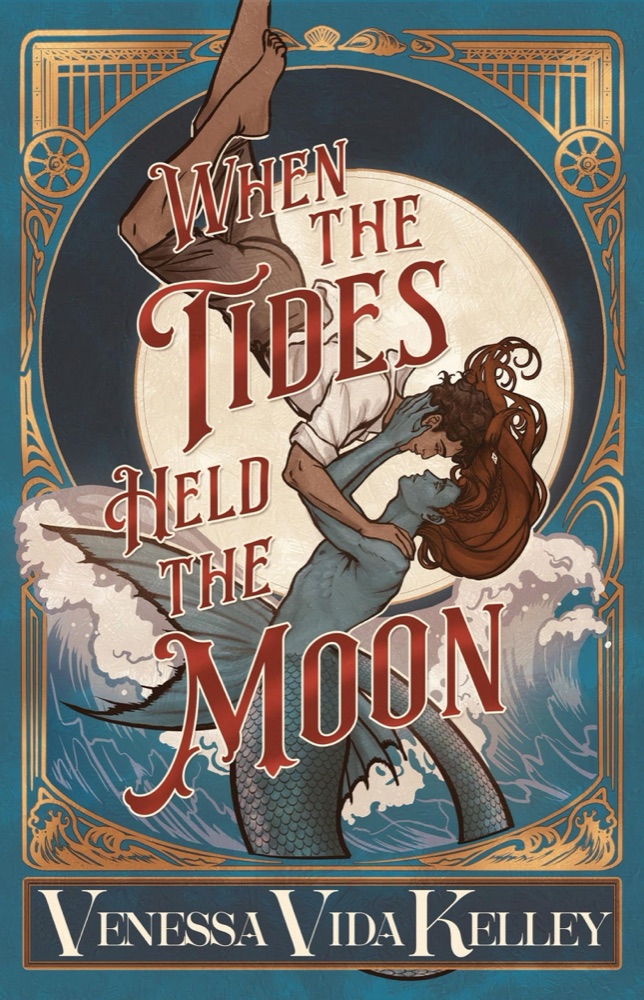 When the Tides Held the Moon
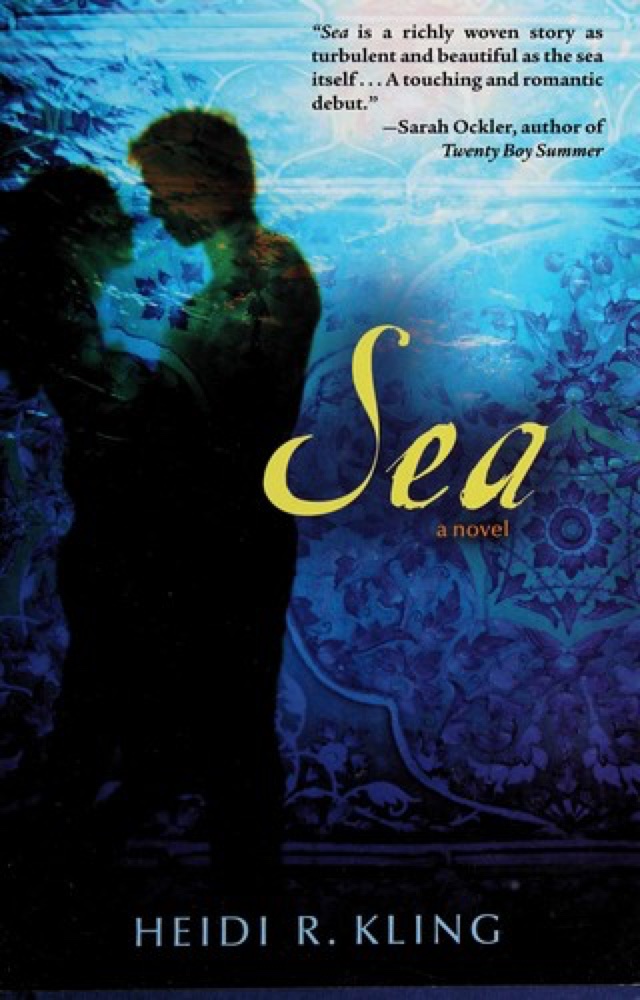 Sea
Sea
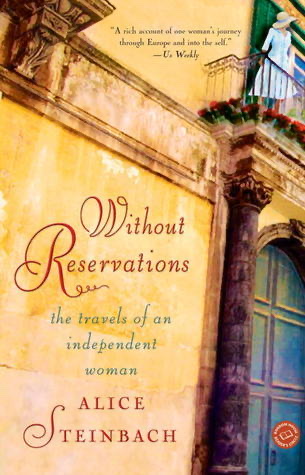 Without Reservations: The Travels of an Independent Woman
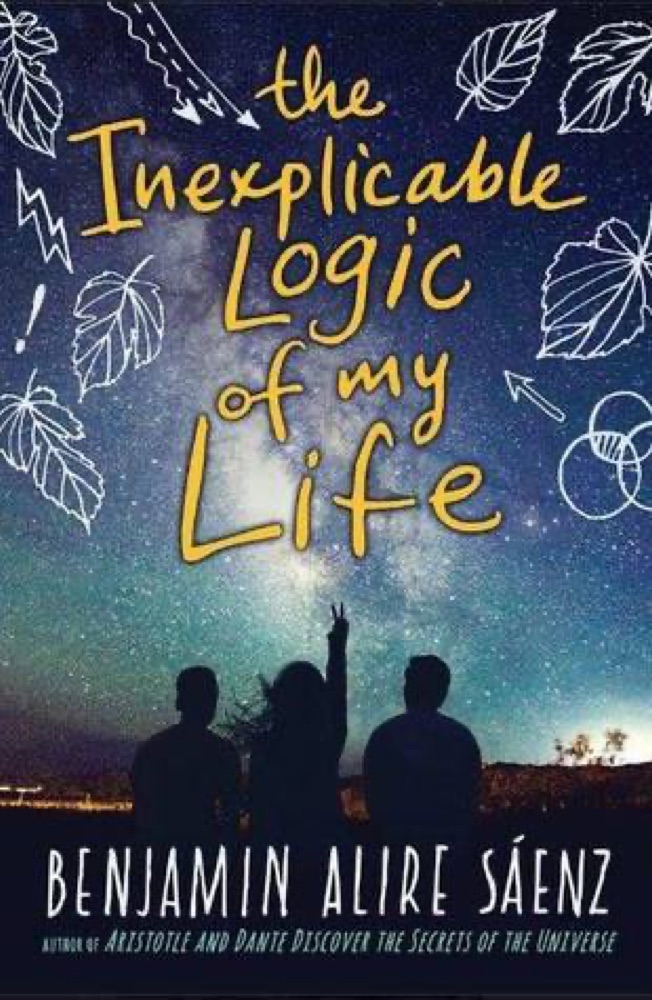 The Inexplicable Logic of My Life
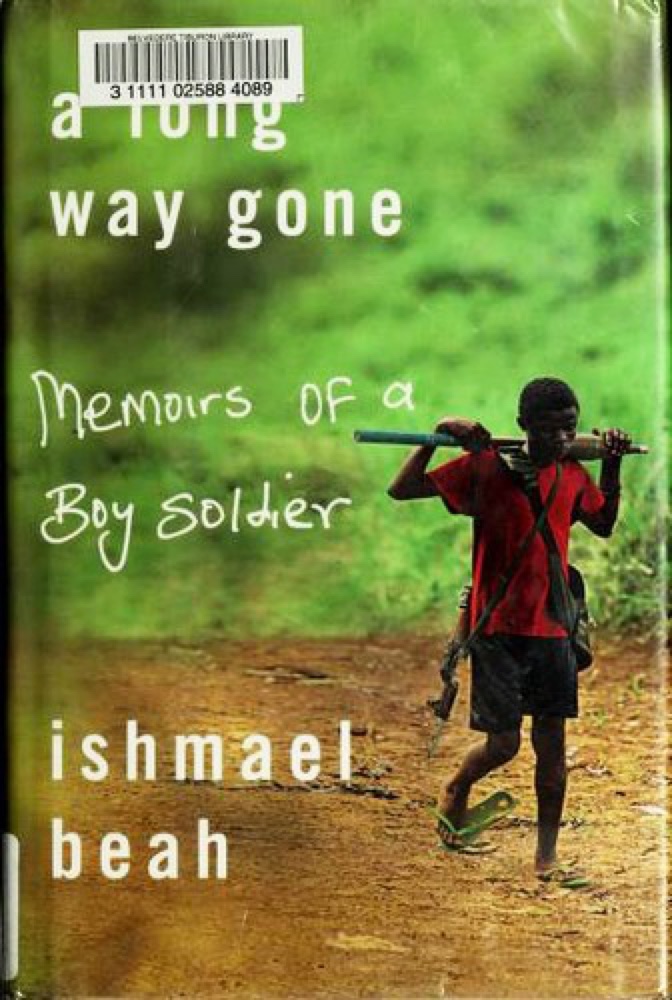 A Long Way Gone
 The Reluctant Fundamentalist
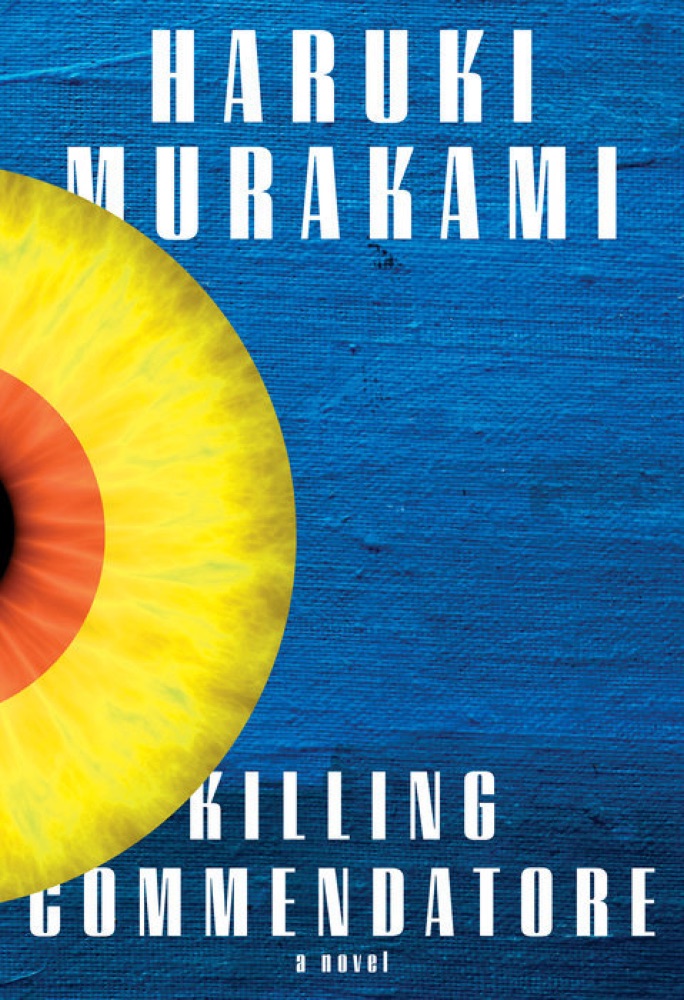 Killing Commendatore
 A Long Way Home
 The Marriage of Opposites
 Voyage in the Dark
 Dreamland
 Home
Home
 The Death of Vivek Oji
 The Bridges of Madison County
 The Nature of a Lady
 Galaxies and Oceans
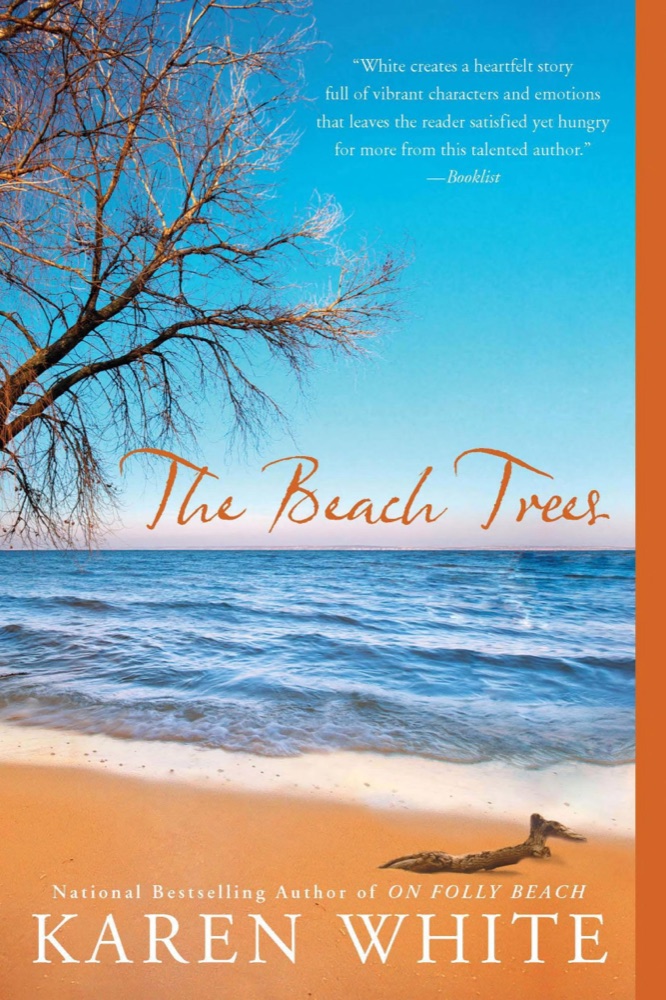 The Beach Trees
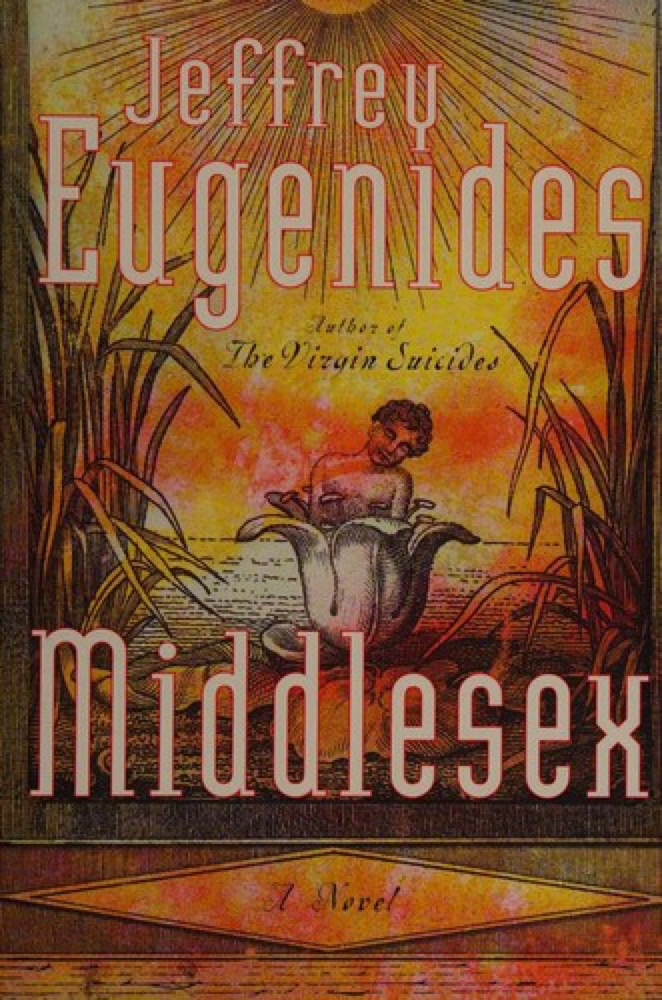 Middlesex
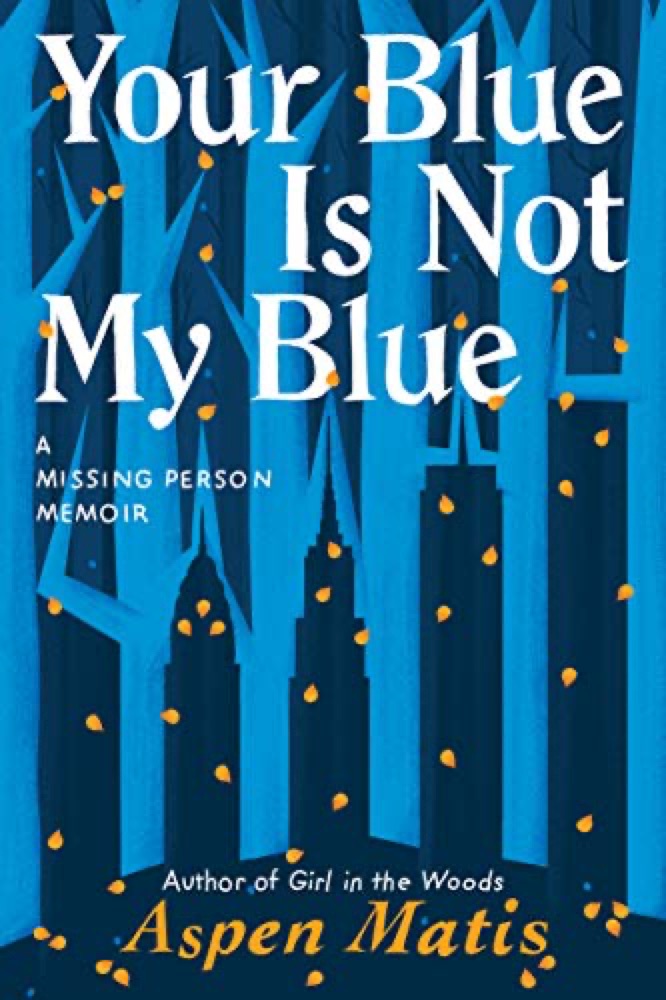 Your Blue Is Not My Blue: A Missing Person Memoir
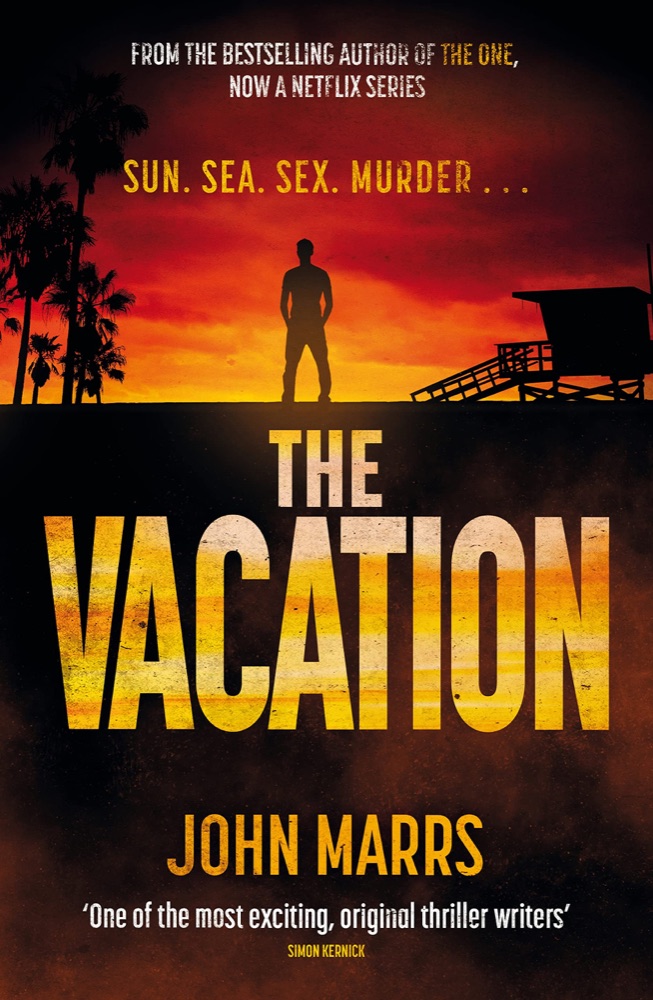 The Vacation
 The Moon and More
 What Belongs to You
 The Atopia Chronicles
 Canada
 The Go-Between
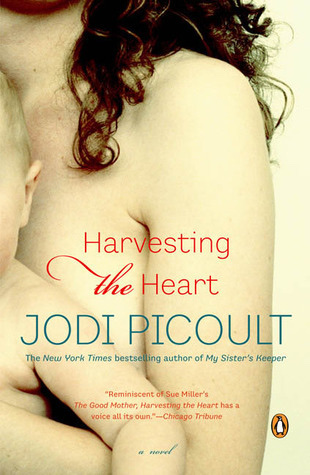 Harvesting the Heart
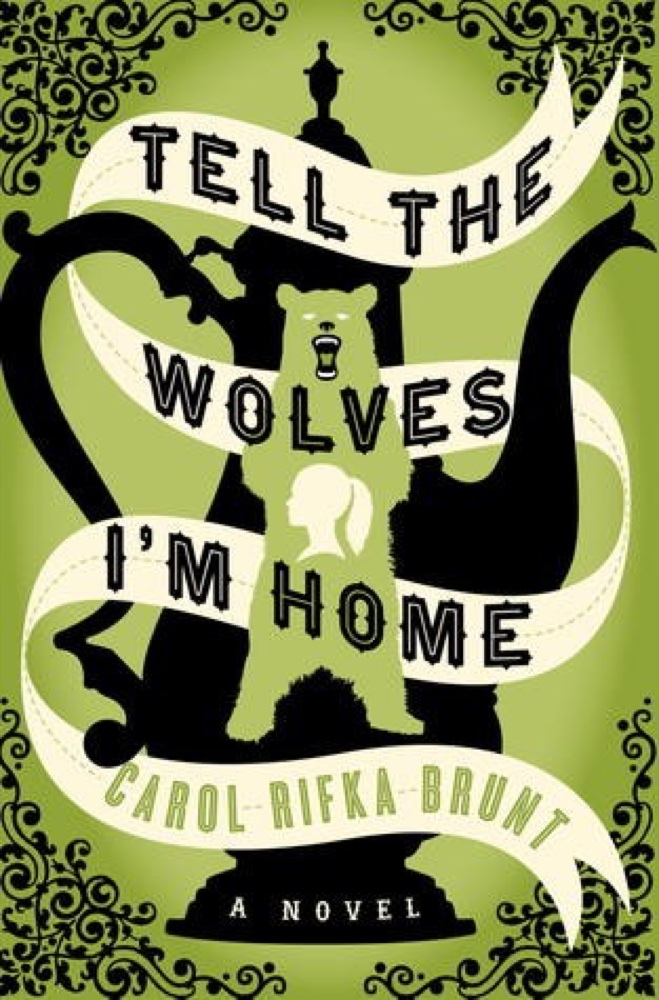 Tell the Wolves I'm Home
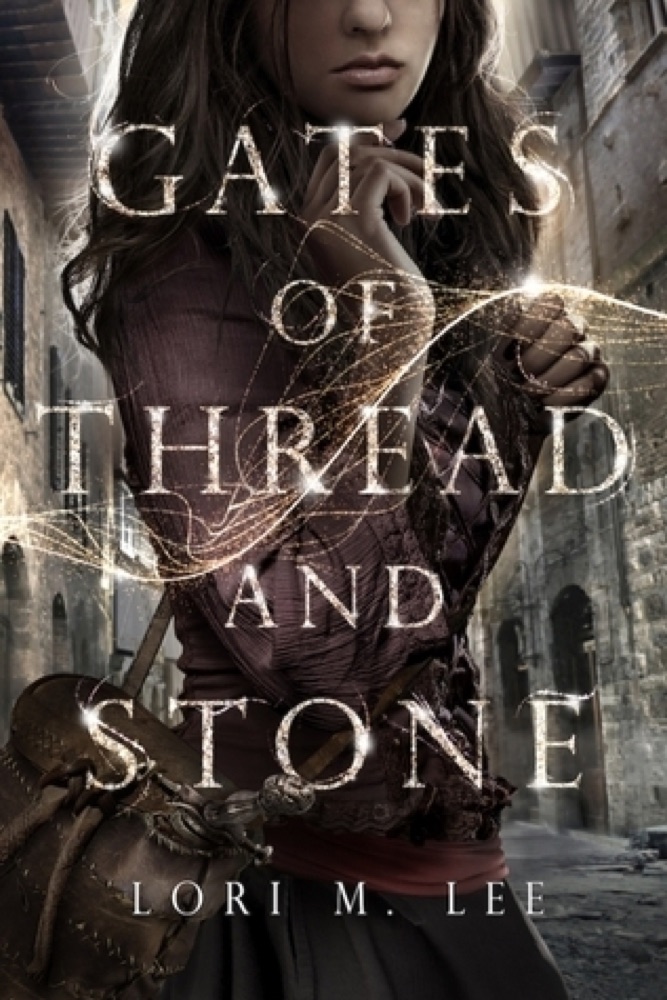 Gates of Thread and Stone