
 The 42nd Parallel
Quotes from the Book
They have clubbed us off the streets they are stronger they are rich they hire and fire the politicians the newspapereditors the old judges the small men with reputations the collegepresidents the wardheelers (listen businessmen collegepresidents judges America will not forget her betrayers) they hire the men with guns the uniforms the policecars the patrolwagons all right you have won you will kill the brave men our friends tonight (author's punctuation)
all right we are two nations
But the workingpeople, the common people, they won't allow it.' 'It's the common people who get most fun out of the torture and execution of great men.... If it's not going too far back I'd like to know who it was demanded the execution of our friend Jesus H. Christ.
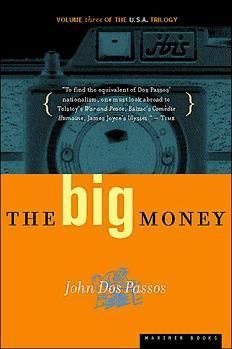
But you just watch, little girl. I'm goin' to show 'em. In five years they'll come crawlin' to me on their bellies. I don't know what it is, but I got a kind of feel for the big money.
The pressure exerted by a gas on the walls of its container does not depend upon the individual histories of the molecules composing it,” says the French existentialist philosopher.
Watch on YouTube
About John Dos Passos
We have collected 31 quotes from 4 books by John Dos Passos on BookQuoters.
More about the author →More by John Dos Passos

Book details
- Author
- John Dos Passos
- Genre
- Classics
- Goodreads rating
- 4.02 (3k ratings) →
Keep reading
 It Can't Happen Here
 Big Machine
 The Iron Heel
 Selected Stories of Philip K. Dick
 The Grapes of Wrath
 Fall of Giants
 The Innocent
 Distraction
 Sleeping Giants
 Edge of Eternity
 Mason & Dixon
 Winter of the World
 The Number of the Beast
 New York
 That Hideous Strength
 Hocus Pocus
 Empire
 Player Piano
 Killing Kennedy: The End of Camelot
 The Cartel
 Absolute Friends
 The Power of the Dog
 Assata: An Autobiography
 Madame Tussaud
 UnDivided
 This Way for the Gas, Ladies and Gentlemen
 Go Set a Watchman
 Jingo
Jingo
 Going Postal
 The Force
 V for Vendetta
 A Drop of Corruption
 Interesting Times
 All the King's Men
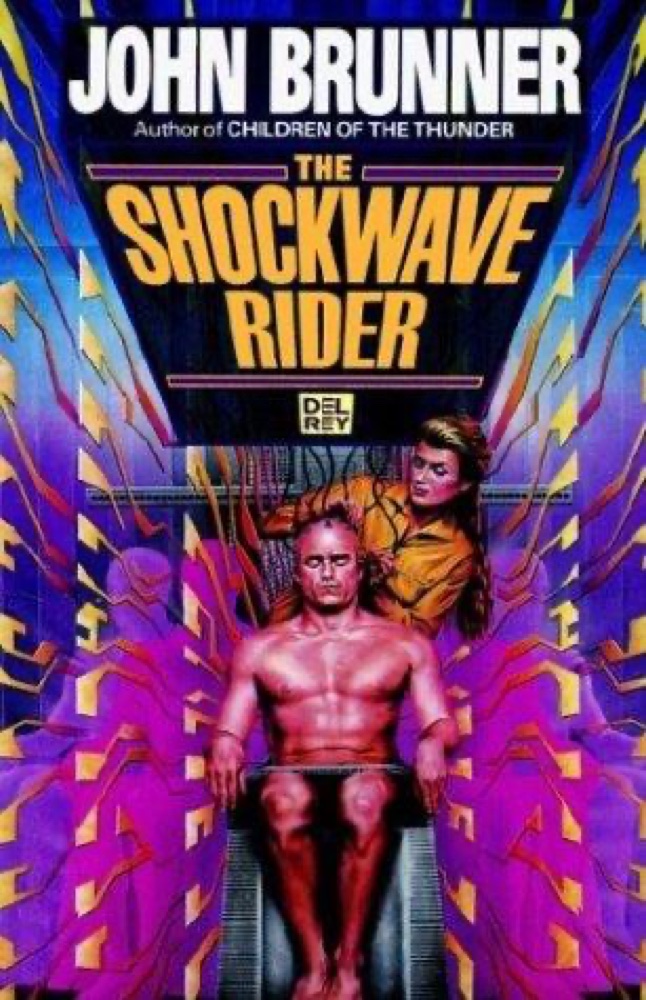 The Shockwave Rider
 Becoming Madam Secretary
 Kingdom of Fear: Loathsome Secrets of a Star-Crossed Child in the Final Days of the American Century
 Red Mars
 Rabbit Redux
 The Wars
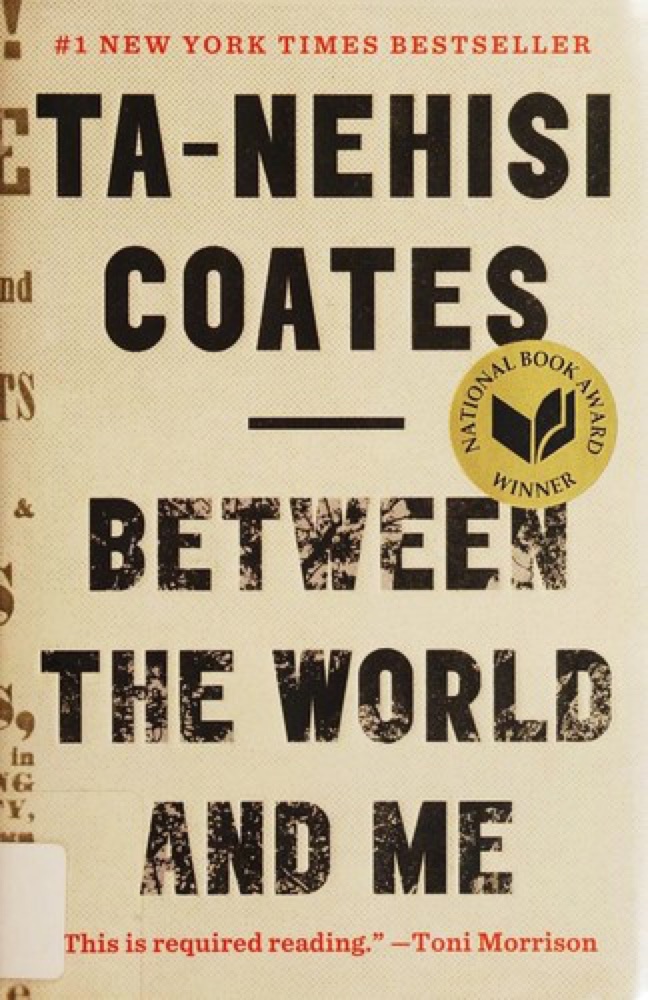 Between the World and Me
 Heartbreak House
 Bones of the Hills
 Imperial Ambitions: Conversations on the Post-9/11 World
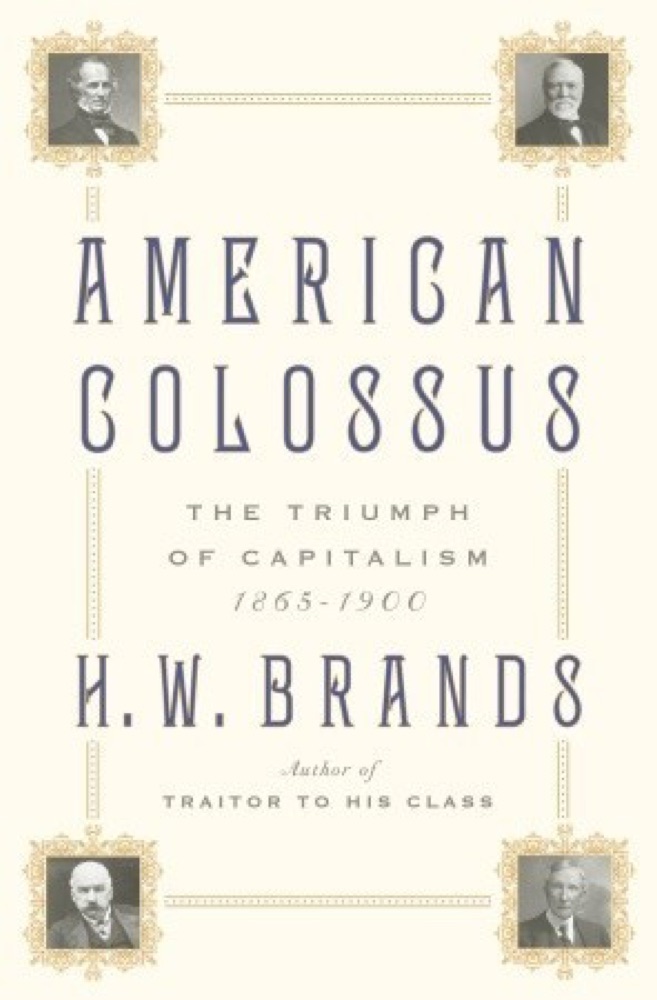 American Colossus: The Triumph of Capitalism, 1865-1900
 The Reivers
 Persepolis Rising
 Burr
Burr
 The Golden House
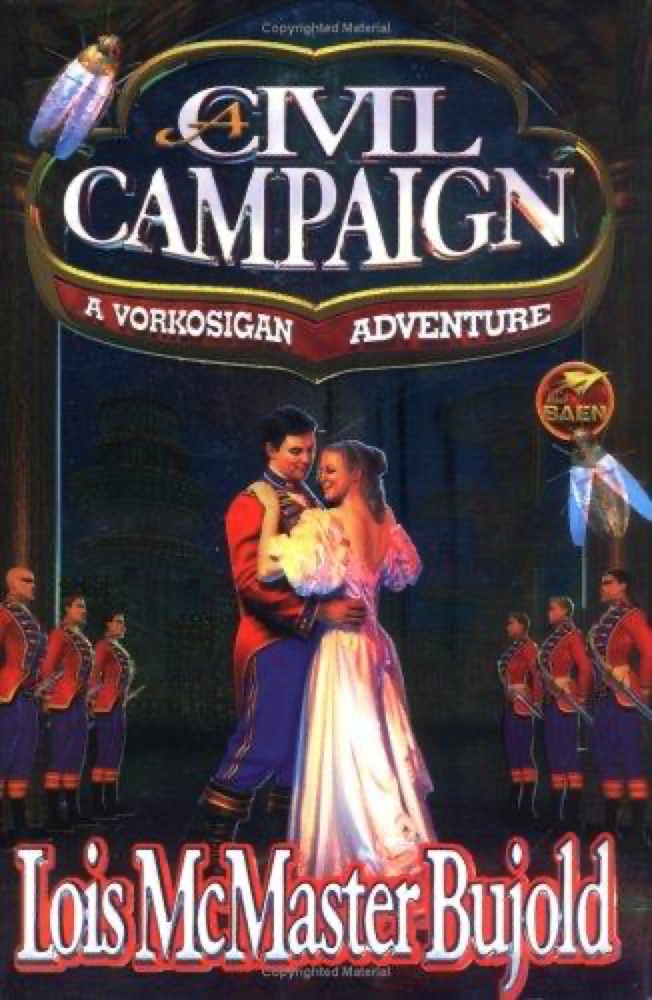 A Civil Campaign
 Freddy and Fredericka
 Utopia
 Shadow of the Hegemon
 The Sympathizer
 The Wanting Seed
 The Virginian
 The Committed
 The Winds of War
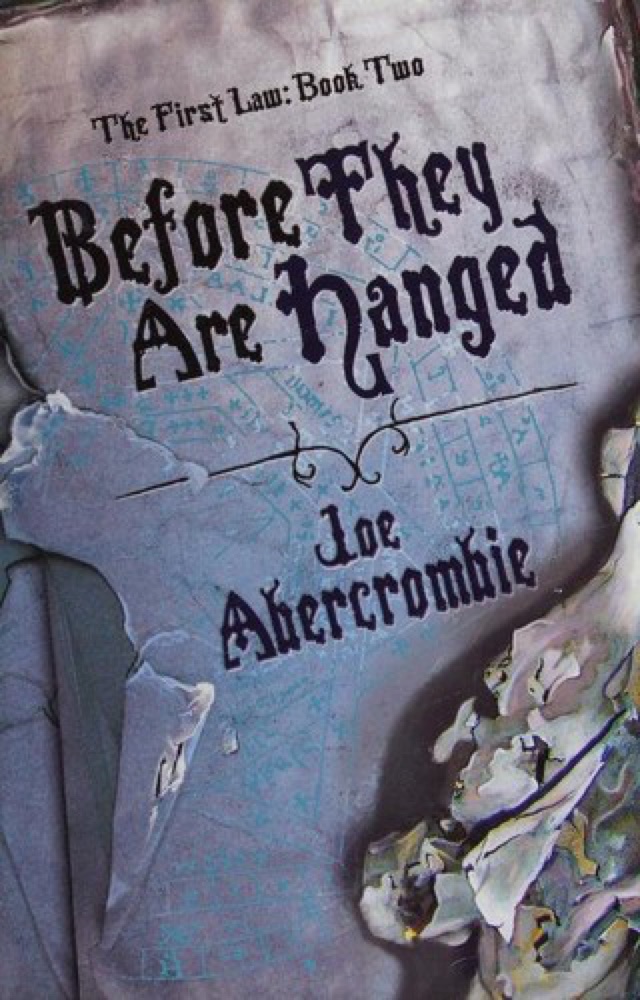 Before They Are Hanged
 A Conspiracy of Paper