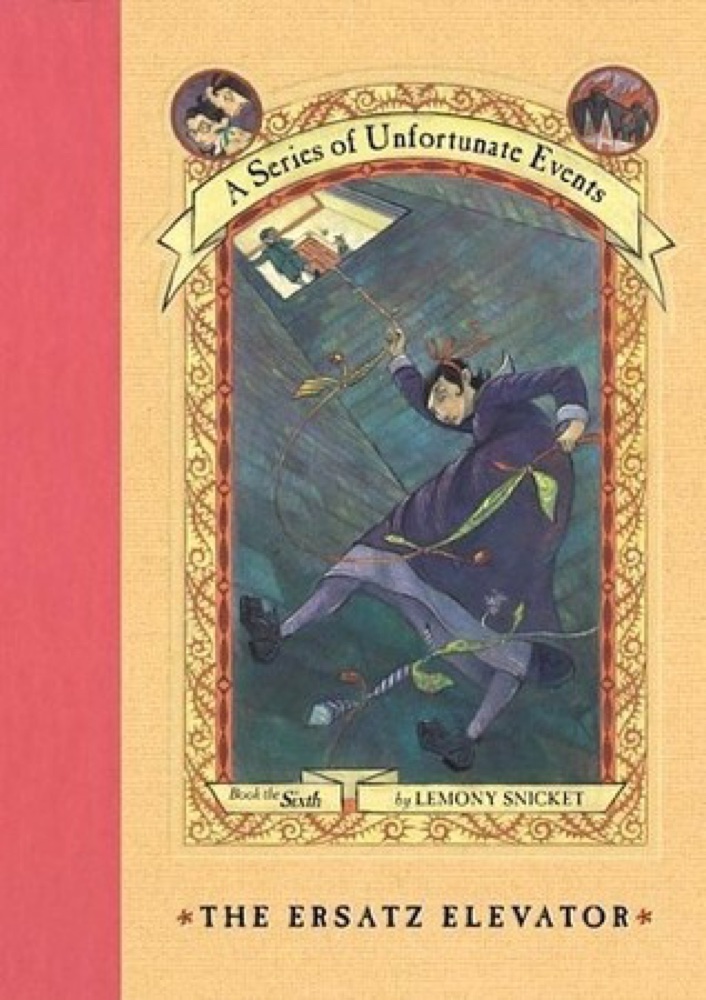
 The Ersatz Elevator
Quotes from the Book
If you are allergic to a thing, it is best not to put that thing in your mouth, particularly if the thing is cats.
For some stories, it's easy. The moral of 'The Three Bears,' for instance, is "Never break into someone else's house.' The moral of 'Snow White' is 'Never eat apples.' The moral of World War I is 'Never assassinate Archduke Ferdinand.
Stealing, of course, is a crime, and a very impolite thing to do. But like most impolite things, it is excusable under certain circumstances. Stealing is not excusable if, for instance, you are in a museum and you decide that a certain painting would look better in your house, and you simply grab the painting and take it there. But if you were very, very hungry, and you had no way of obtaining money, it would be excusable to grab the painting, take it to your house, and eat it.
There are few sights sadder than a ruined book.
Just because something is typed-whether it is typed on a business card or typed in a newspaper or book-this does not mean that it is true.
Tears are curious things, for like earthquakes or puppet shows, they can occur at any time, without any warning and without any good reason.
Grammar is the greatest joy in life, don't you find?
Frustration is an interesting emotional state, because it tends to bring out the worst in whoever is frustrated.
It dawned on them that unlike Aunt Josephine, who had lived up in that house, sad and alone, the three children had one another for comfort and support over the course of their miserable lives. And while this did not make them feel entirely safe, or entirely happy, it made them feel appreciative. They leaned up against one another appreciatively, and small smiles appeared on their damp and anxious faces. They had each other. I'm not sure that "The Beaudelaires had each other" is the moral of this story, but to the three siblings it was enough. To have each other in the midst of their unfortunate lives felt like having a sailboat in the middle of a hurricane, and to the Beaudelaire orphans this felt very fortunate indeed.
It is very easy to say that the important thing is to try your best, but if you are in real trouble the most important thing is not trying your best, but getting to safety.
...she was so afraid of everything that she made it impossible to really enjoy anything at all.
Count Olaf certainly does sound evil. Imagine forcing children to stand near a stove!
The only thing he cares about.
If you were upset about an ugly pimple on the end of your nose, you might try to feel better by keeping your pimple in perspective. You might compare your pimple situation to that of someone who was being eaten by a bear, and when you looked in the mirror at your ugly pimple, you could say to yourself, 'Well, at least I'm not being eaten by a bear.
Frustration is an interesting emotional state, because it tends to bring out the worst in whoever is frustrated. Frustrated babies tend to throw food and make a mess. Frustrated citizens tend to execute kings and queens and make a democracy. And frustrated moths tend to bang up against lightbulbs and make light fixtures all dusty.
There are two kinds of fears; rational and irrational - or, in simple terms, fears that make sense and fears that don't. For instance, the Baudelaire orphans have a fear of Count Olaf, which makes perfect sense, because he is an evil man who wants to destroy them. But if they were afraid of lemon meringue pie, this would be an irrational fear, because lemon meringue pie is delicious and has never hurt a soul. Being afraid of a monster under the bed is perfectly rational, because there may in fact be a monster under your bed at any time, ready to eat you all up, but a fear of realtors is an irrational fear. Realtors, as I'm sure you know, are people who assist in the buying and selling of houses. Besides occasionally wearing an ugly yellow coat, the worst a realtor can do to you is show you a house that you find ugly, and so it is completely irrational to be terrified of them.
For Beatrice- I would much prefer it if you were alive and well.
Business cards, of course, are not proof of anything. Anyone can go to a print shop and have cards made that say anything they like. The king of Denmark can order business cards that say he sells golf balls. Your dentist can order business cards that say she is your grandmother. In order to escape from the castle of an enemy of mine, I once had cards printed that said I was an admiral in the French navy. Just because something is typed - whether it is typed on a business card or typed in a newspaper or book - this does not mean it is true.
But even if they could go home it would be difficult for me to tell you what the moral of the story is. In some stories, it's easy. The moral of 'The Three Bears', for instance, is "Never break into someone else's house". The moral of 'Snow White' is "Never eat apples". The moral of World War One is "Never assassinate Archduke Ferdinand.
There are few sights sadder than a ruined book, but Klaus had no time to be sad.
Their adventure would be exciting and memorable lie being chased by a werewolf through a field of thorny bushes at midnight with nobody around to help you.
As I’m sure you know, to be in one’s own room, in one’s own bed, can often make a bleak situation a little better.
For although Violet, Klaus, and Sunny Baudelaire were about to experience events that would be both exciting and memorable, they would not be exciting and memorable like having your fortune told or going to a rodeo. Their adventure would be exciting and memorable like being chased by a werewolf through a field of thorny bushes at midnight with nobody around to help you.
Yes,' she said, in a faraway voice, 'he was my husband, but he was much more than that. He was my best friend, my partner in grammar, and the only person I knew who could whistle with crackers in his mouth.
But you can't invent things like time,' Violet said. 'You can invent things like automatic popcorn poppers. You can invent things like steam-powered window waster. But you can't invent more time.
I will thank you not to be impertinent," said Aunt Josephine, using a word which here means "pointing out that I'm wrong, which annoys me".
There are men and women who are experts in the field of handwriting analysis. They are called graphologists, and they attend graphological schools in order to get their degrees in graphology. You might think that this situation would call for a graphologist, but there are time when an expert's opinion in unnecessary. For instance, if a friend of yours brought you her pet dog, and said she was concerned because it wasn't laying eggs, you would not have to be a veterinarian to tell her that dogs do not lay eggs and so there was nothing to worry about.
I have seen many amazing things in my long and troubled life history. I have seen a series of corridors built entirely out of human skulls. I have seen a volcano erupt and send a wall of lava crawling towards a small village. I have seen a women I loved picked up by an enormous eagle and flown to its high mountain next. But I still cannot imagine what it was like to watch Aunt Josephine's house topple into Lake Lachrymose.
The good people who are publishing this book have a concern that they have expressed to me. The concern is that readers like yourself will read my history of the Baudelaire orphans and attempt to imitate some of the things they do. So at this point in the story, in order to mollify the publishers - the word 'mollify' here means 'get them to stop tearing their hair out in worry' - please allow me to give you a piece of advice, even though I don't know anything about you. The piece of advice is as follows: If you ever need to get to Curdled Cave in a hurry, do not, under any circumstances, steal a boat and attempt to sail across Lake Lachrymose during a hurricane, because it is very dangerous and the chance of your survival are practically zero.
Did you know?
- The book is the third of thirteen volumes in A Series of Unfortunate Events.
- It is illustrated by Brett Helquist, who illustrated the entire series.
- Much of the story is set around Lake Lachrymose and a house that clings to a cliff.
- Aunt Josephine's fanatical devotion to correct grammar becomes a key clue in the plot.
- Count Olaf returns disguised as a sailor calling himself Captain Sham.
- Lachrymose leeches are a recurring menace in the book's climax.
About Lemony Snicket
Lemony Snicket is the pen name of American author Daniel Handler, best known for the children's series A Series of Unfortunate Events. Handler also writes fiction for adults under his own name and has worked as a screenwriter.
More about the author →More by Lemony Snicket
All books by Lemony Snicket →
About the book
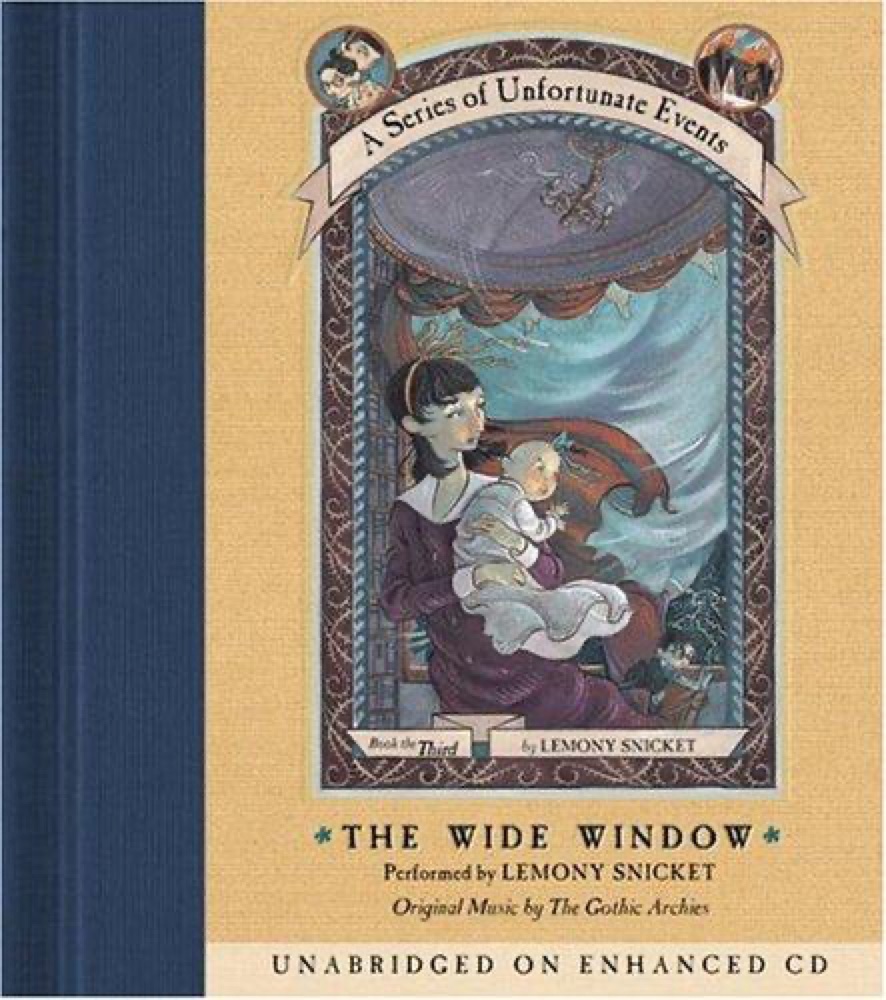
The Wide Window is the third book in Lemony Snicket's A Series of Unfortunate Events, following the three orphaned Baudelaire children—inventive Violet, bookish Klaus, and biting baby Sunny—after the deaths of their parents. Here they are sent to live with their nervous Aunt Josephine, a widow who dwells in a house perched precariously on a cliff above Lake Lachrymose and who is terrified of nearly everything, from realtors to the stove. When the villainous Count Olaf reappears disguised as a sailor named Captain Sham, scheming as ever to steal the Baudelaire fortune, the children must once again see through his disguise while the adults around them refuse to listen.
As with the rest of the series, the book is narrated in the deadpan, self-interrupting voice of Lemony Snicket, who warns readers away from the unhappy story even as he tells it and pauses to define vocabulary words. The Wide Window leans on themes of fear and grief, grammar and language, and the persistent failure of well-meaning adults to protect children in danger. Aunt Josephine's obsessive love of correct grammar becomes a plot device as well as a running joke, and the ever-present threat of Lake Lachrymose and its leeches gives the tale its gothic, storm-battered atmosphere.
First published in 2000 with illustrations by Brett Helquist, the book helped cement A Series of Unfortunate Events as a hugely popular thirteen-volume children's series known for its dark humor, wordplay, and refusal of easy comfort. Like its companions, The Wide Window was adapted for the screen—both in the 2004 feature film and in Netflix's television series—introducing the melancholy misadventures of the Baudelaire orphans to new audiences.
Key characters
- Violet BaudelaireEldest Baudelaire sibling and inventor
- Klaus BaudelaireMiddle sibling and voracious reader
- Sunny BaudelaireInfant sibling known for her sharp teeth
- Aunt JosephineThe children's fearful, grammar-obsessed guardian
- Count OlafVillain in disguise as Captain Sham, seeking the Baudelaire fortune
- Mr. PoeBanker who oversees the orphans' care
Book details
- First published
- 2000
- Length
- 214 pages
- Reading time
- 1 hour
- Author
- Lemony Snicket
- Genre
- Fiction
- Goodreads rating
- 3.95 (215k ratings) →
- First line
- “If you didn't know much about the Baudelaire orphans, and you saw them sitting on their suitcases at Damocles Dock, you might think that they were bound for an exciting adventure.”
Series & reading order
- 1 The Bad Beginning
- 2 The Reptile Room
- 3 The Wide Window
- 4 The Miserable Mill
- 5 The Austere Academy
- 6 The Ersatz Elevator
- 7 The Vile Village
- 8 The Hostile Hospital
- 9 The Carnivorous Carnival
- 10 The Slippery Slope
- 11 The Grim Grotto
- 12 The Penultimate Peril
- 13 The End
Movie & TV adaptations
- IMDb
- IMDb
If you liked this, read…
- 1The Reptile RoomThe immediately preceding Baudelaire adventure by the same author.
- 2CoralineAnother darkly whimsical children's tale of a resourceful child facing sinister danger.
Keep reading
 The Hostile Hospital
 The Bad Beginning
 The Vile Village
 Sometimes a Great Notion
 Everything's Eventual
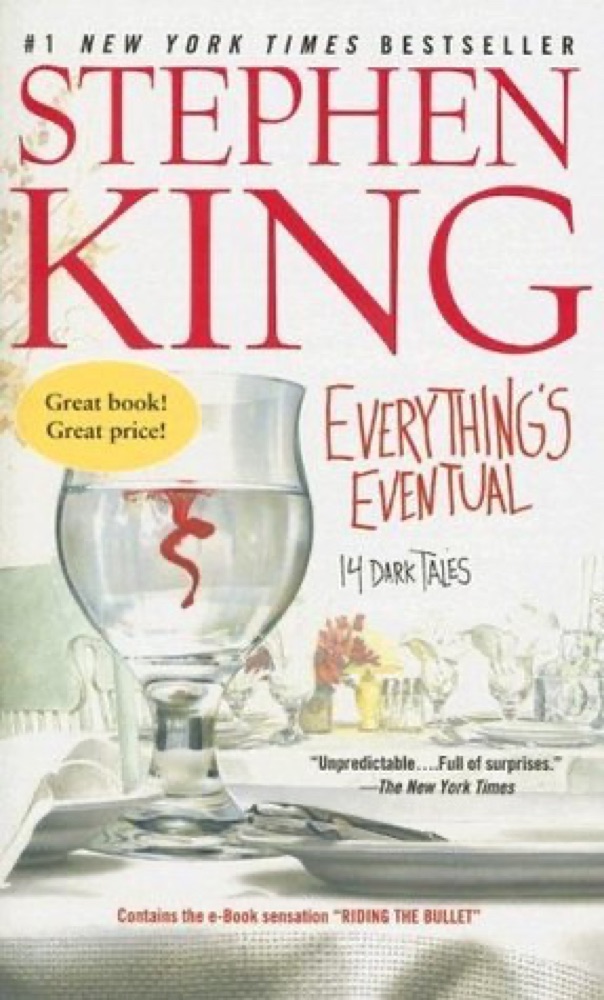 Everything's Eventual
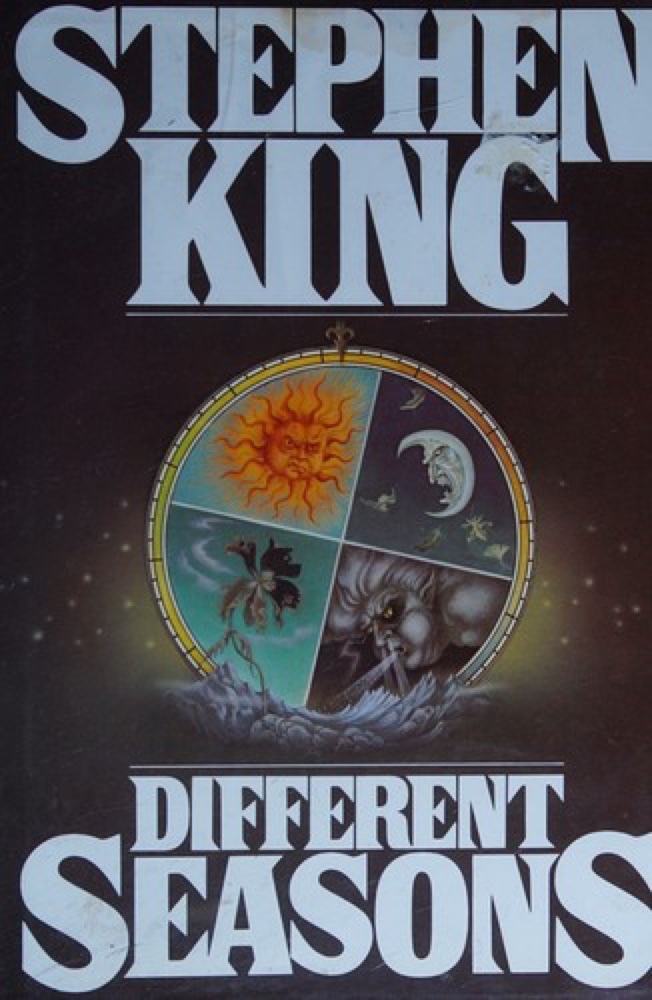 Different Seasons
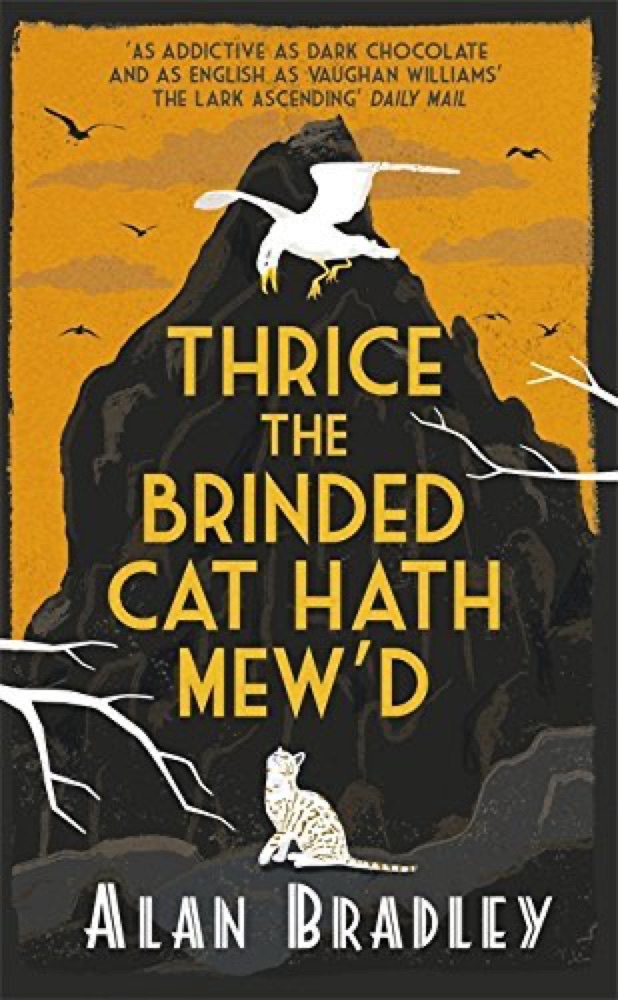 Thrice the Brinded Cat Hath Mew'd
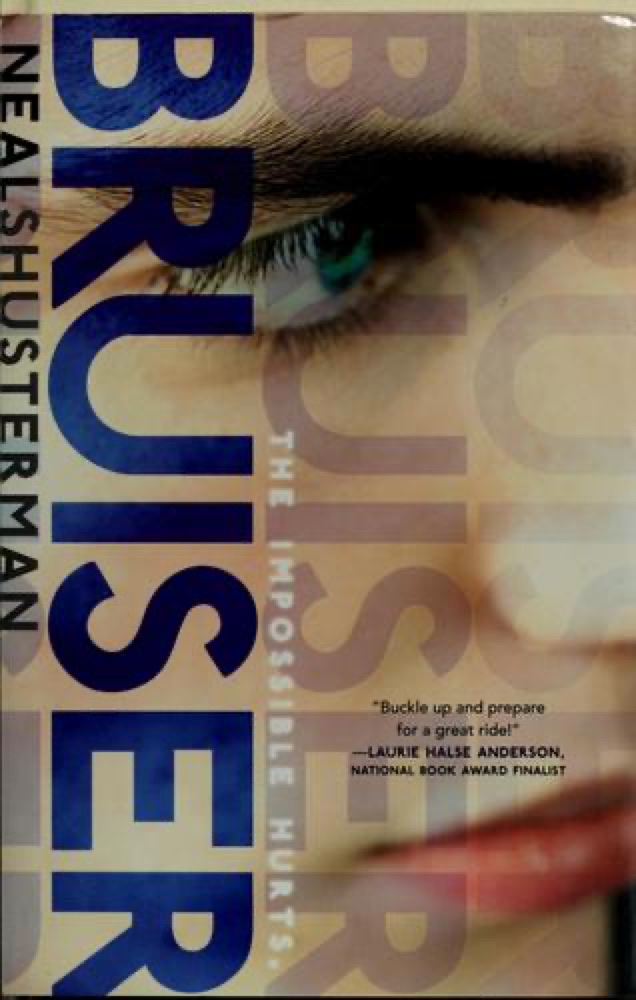 Bruiser
 The Glass Castle
 Brisingr
 Special Topics in Calamity Physics
 Gaudy Night
 The Moving Finger
 Impossible Creatures
 Flaubert's Parrot
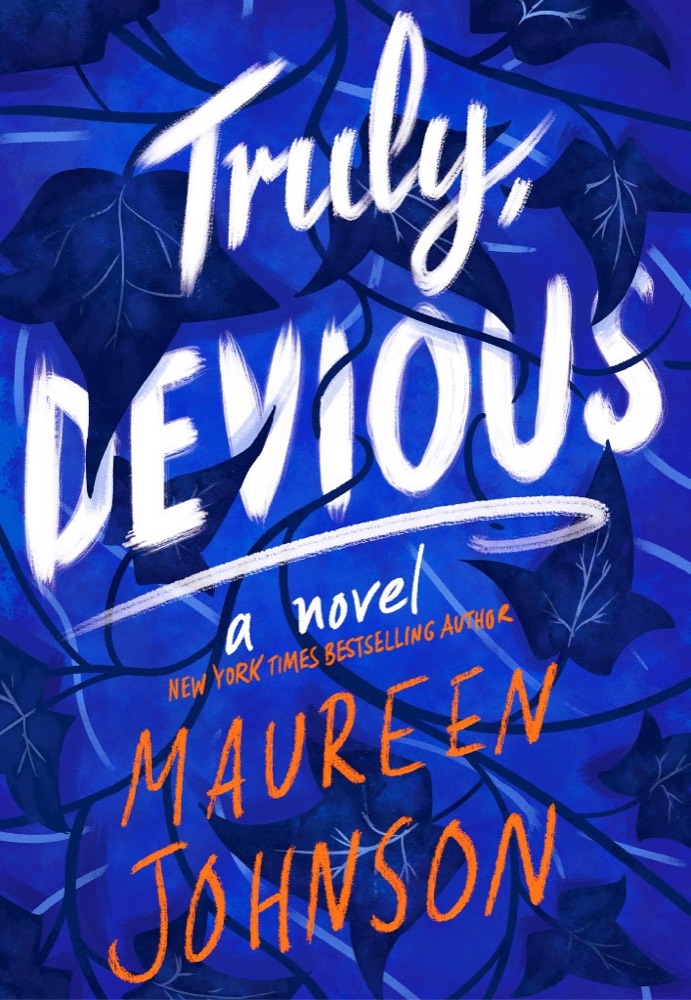 Truly, Devious
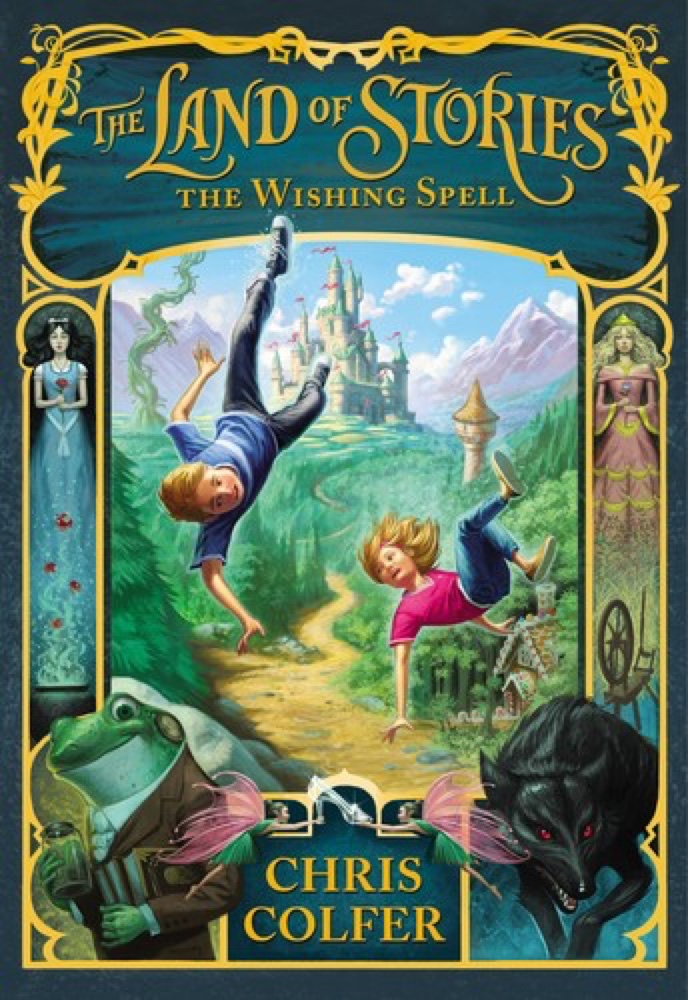 The Wishing Spell
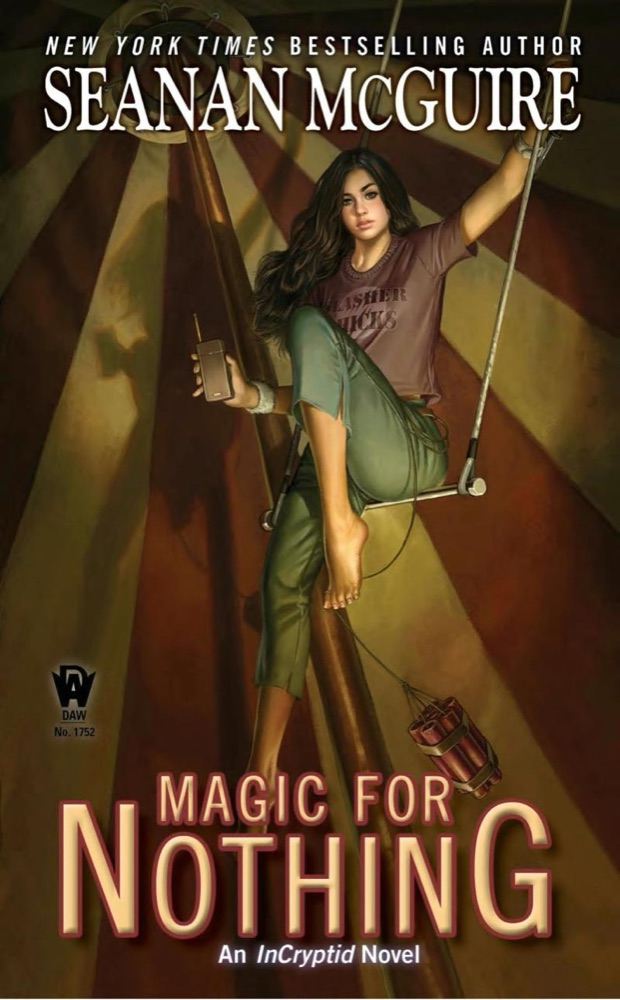 Magic for Nothing
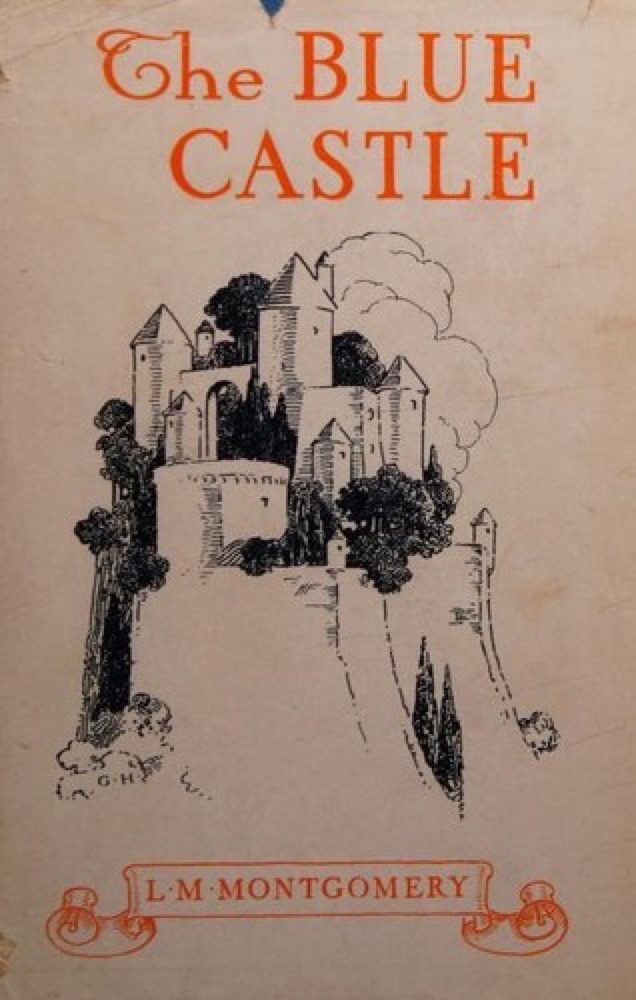 The Blue Castle
 The Dinner
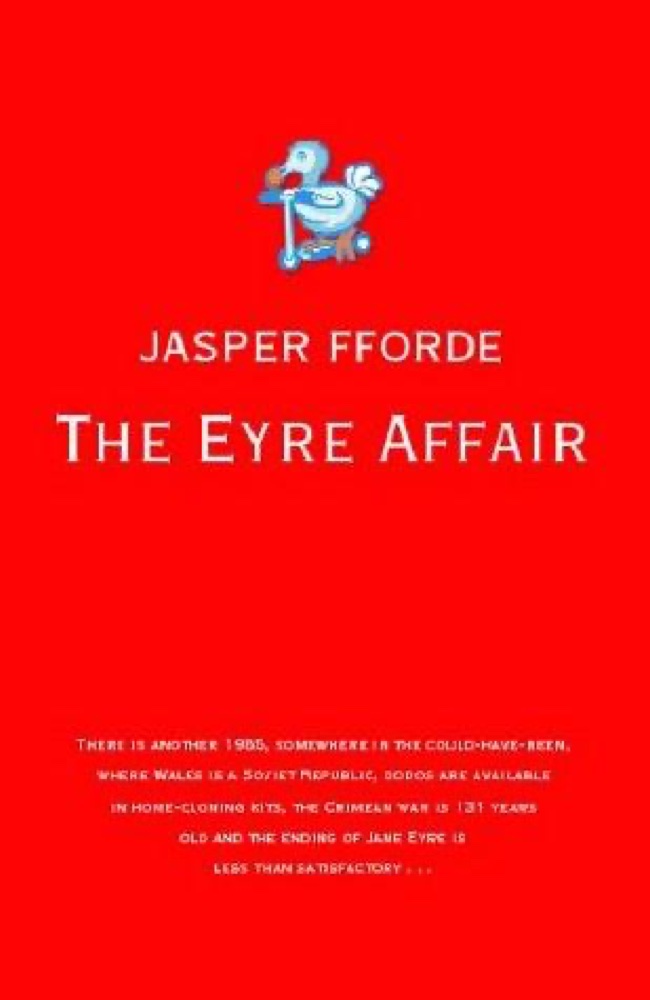 The Eyre Affair
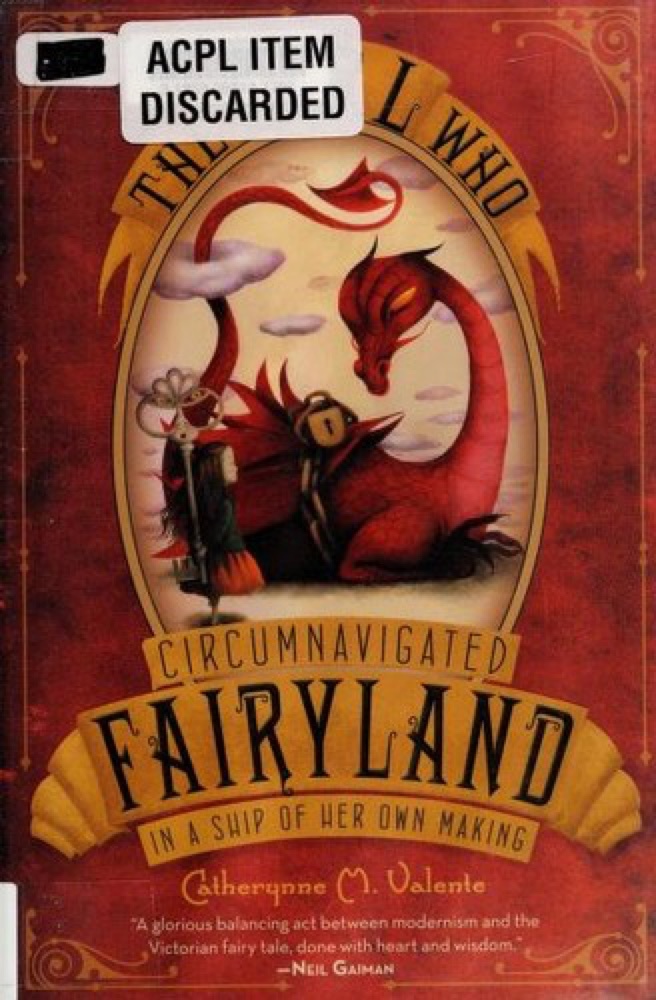 The Girl Who Circumnavigated Fairyland in a Ship of Her Own Making
 The Sea, the Sea
 The Fran Lebowitz Reader
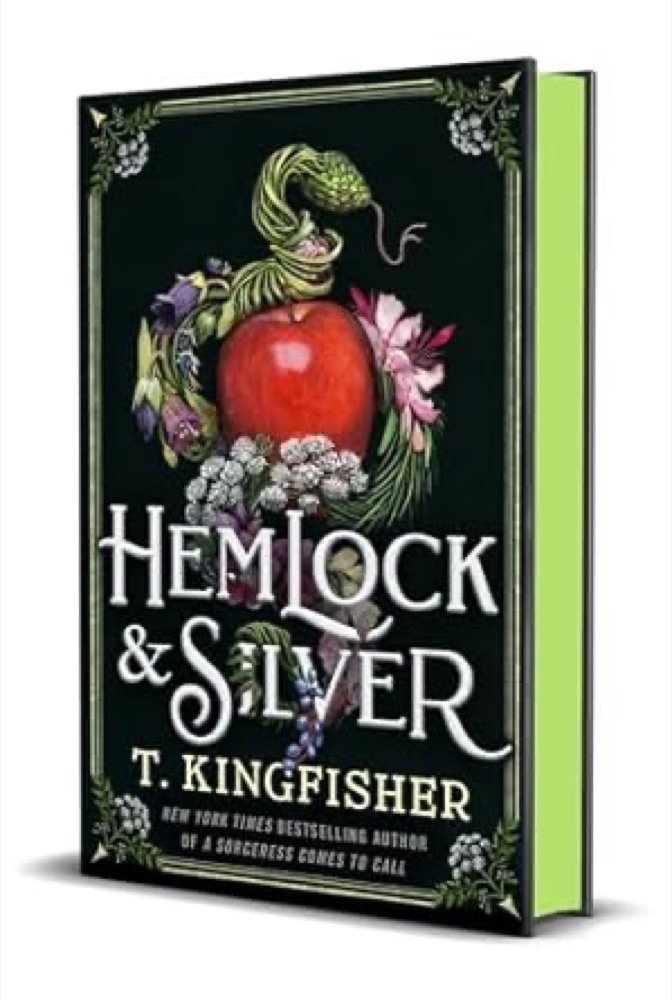 Hemlock & Silver
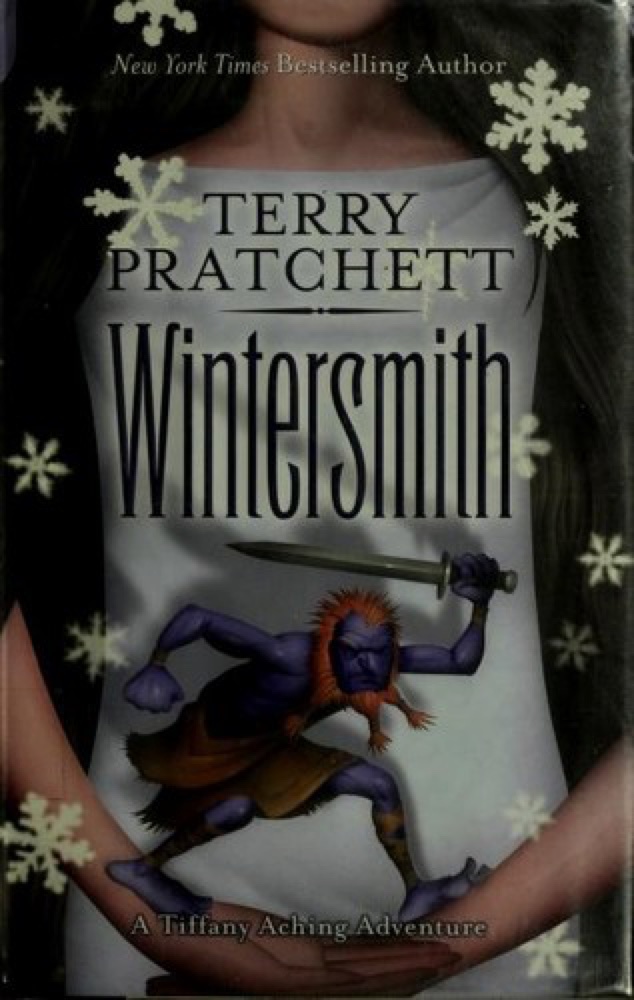 Wintersmith
 We Are All the Same in the Dark
 Dept. of Speculation
 Old Babes in the Wood: Stories
 The Bone Clocks
 Senlin Ascends
 The Gone-Away World
 Familiaris
 A Wrinkle in Time
 A Hat Full of Sky
 There but for the
 The Rent Collector
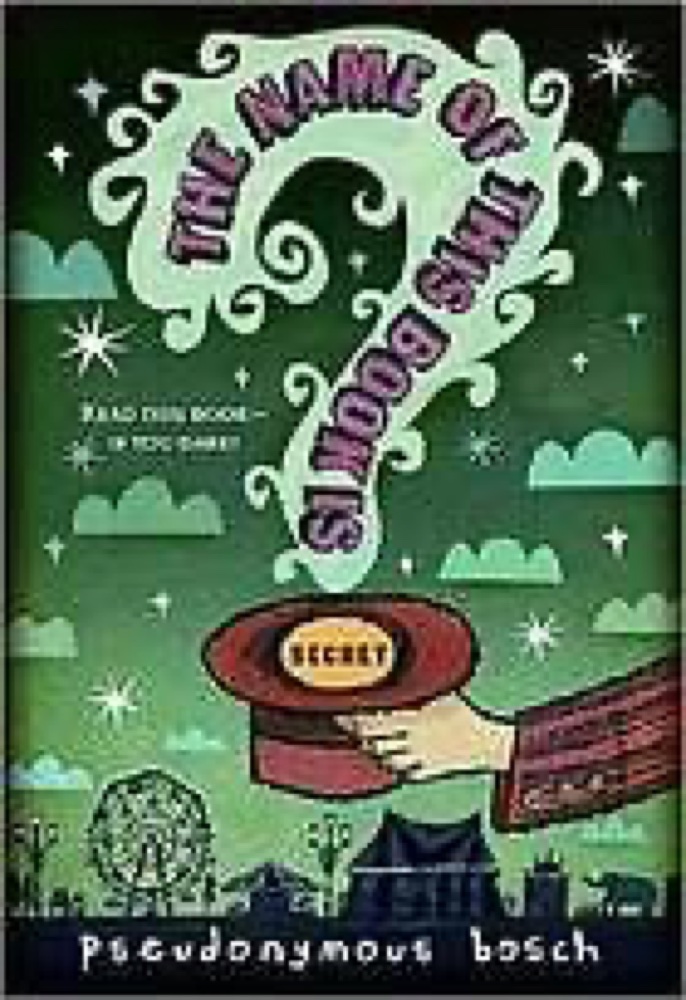 The Name of This Book Is Secret
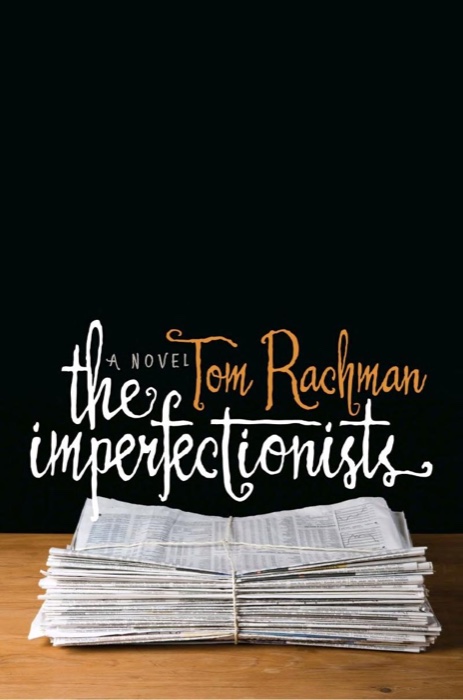 The Imperfectionists
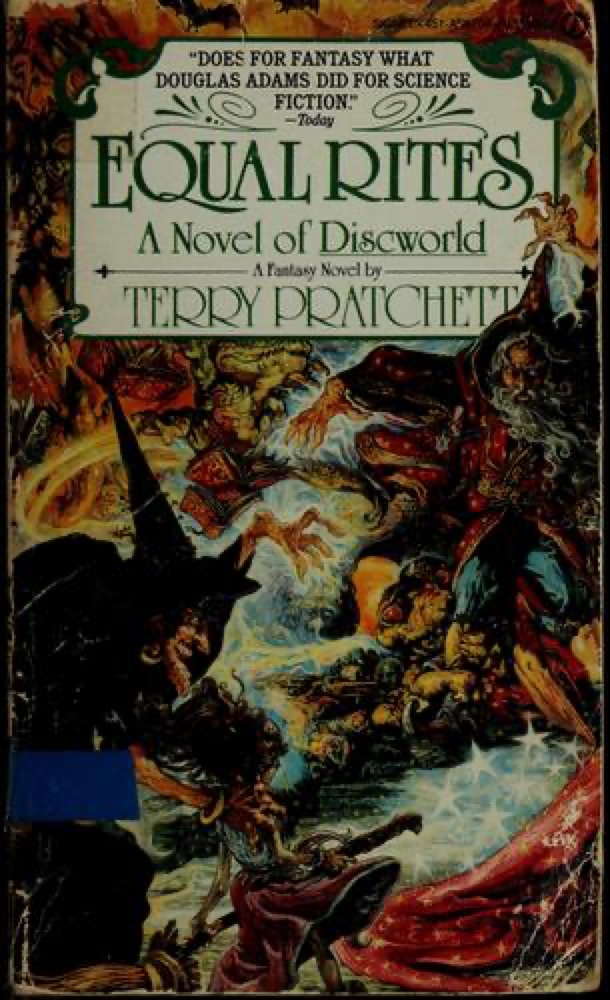 Equal Rites
 Too Much Happiness: Stories
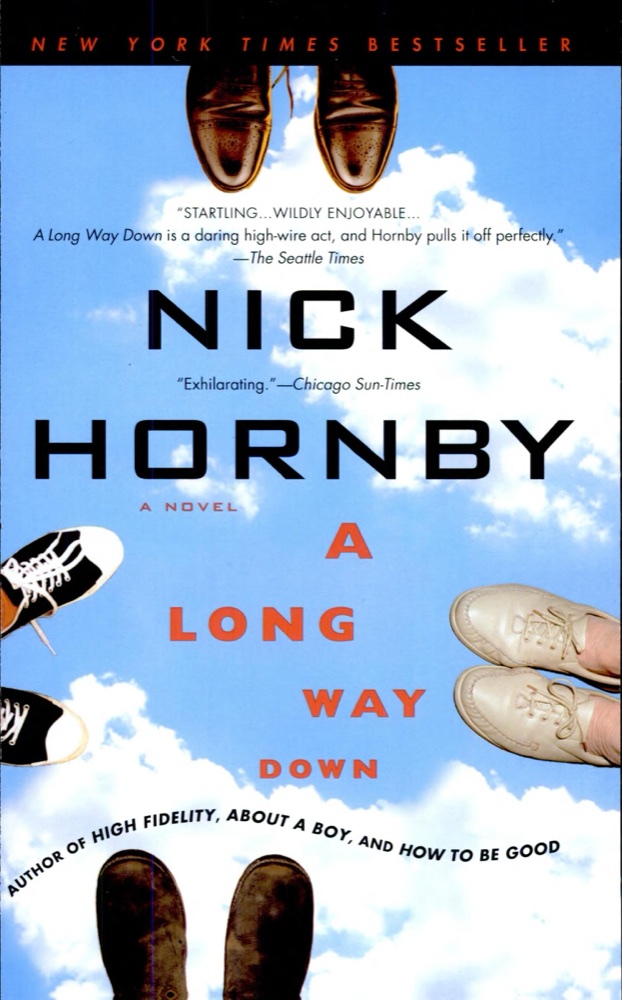 A Long Way Down
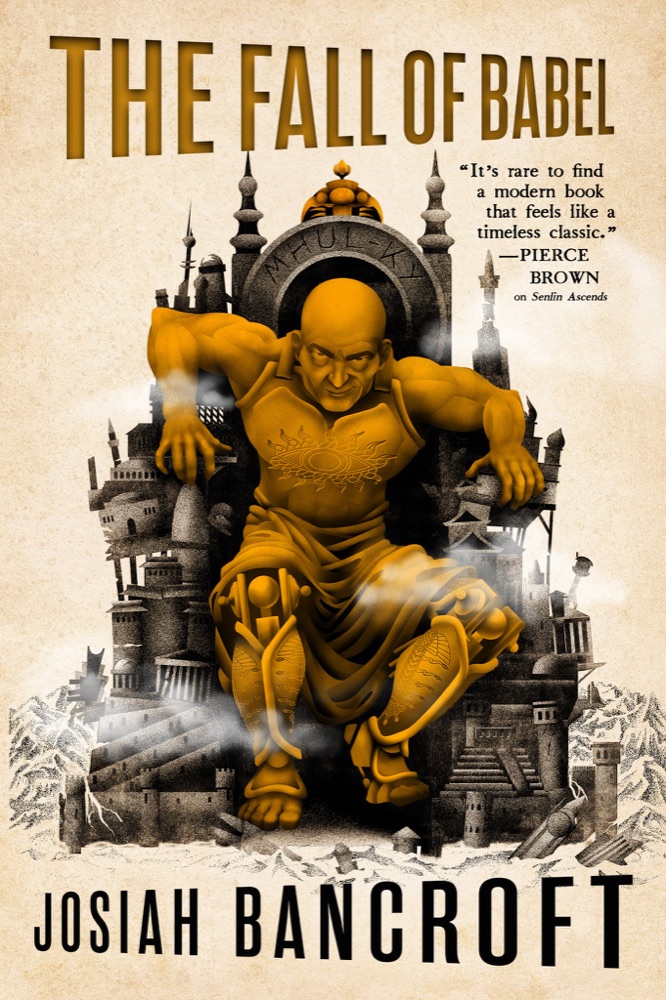 The Fall of Babel
 One Hundred Names
 The Adventures of Augie March
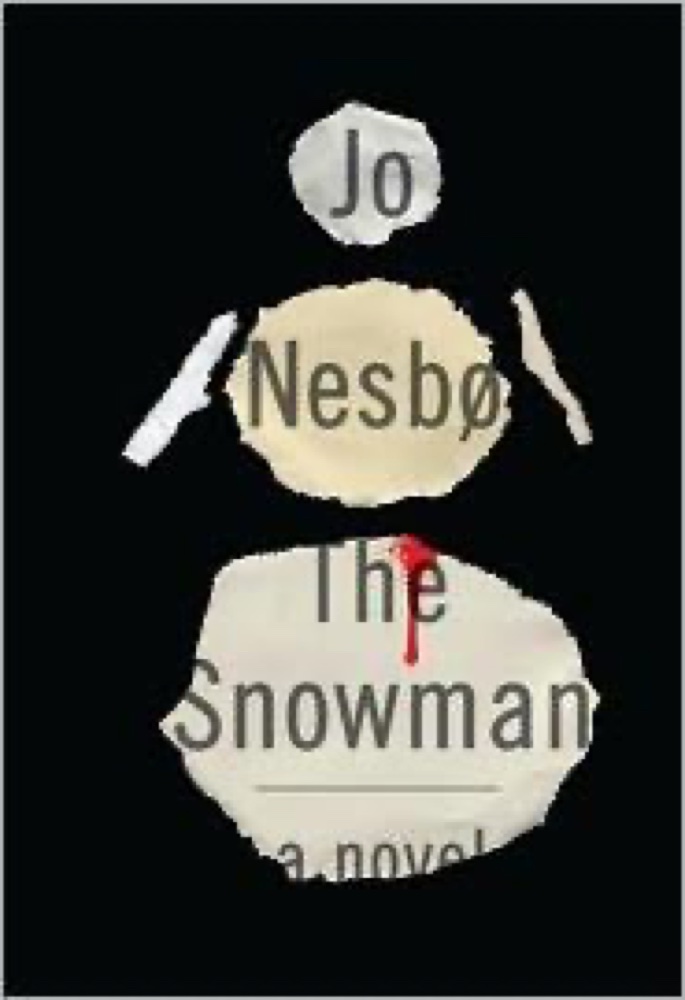 The Snowman
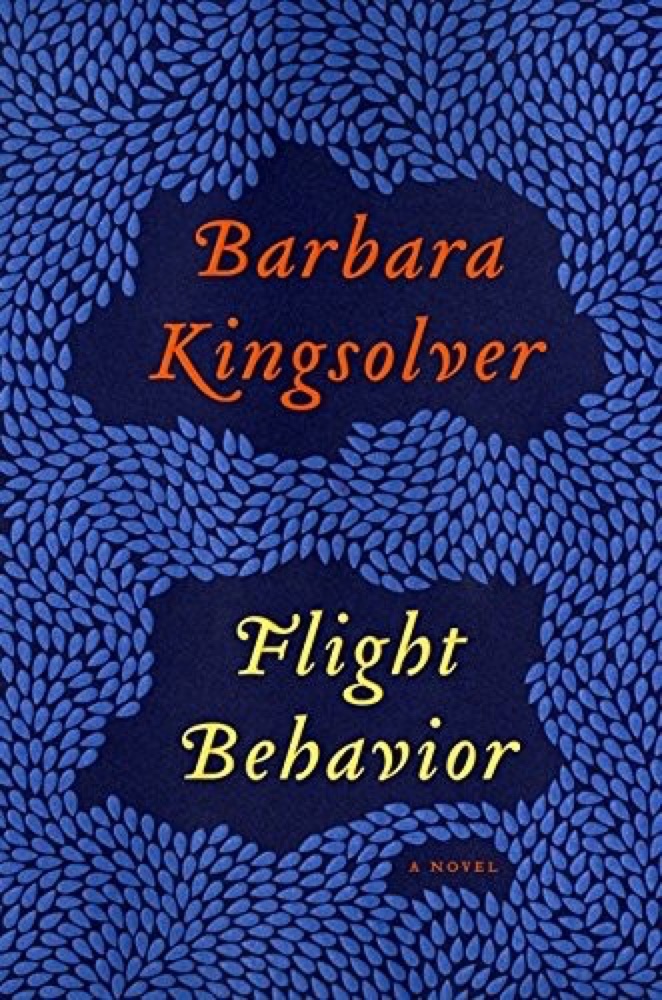 Flight Behavior
 Pocket Apocalypse
 White Night
 Beauty and the Mustache
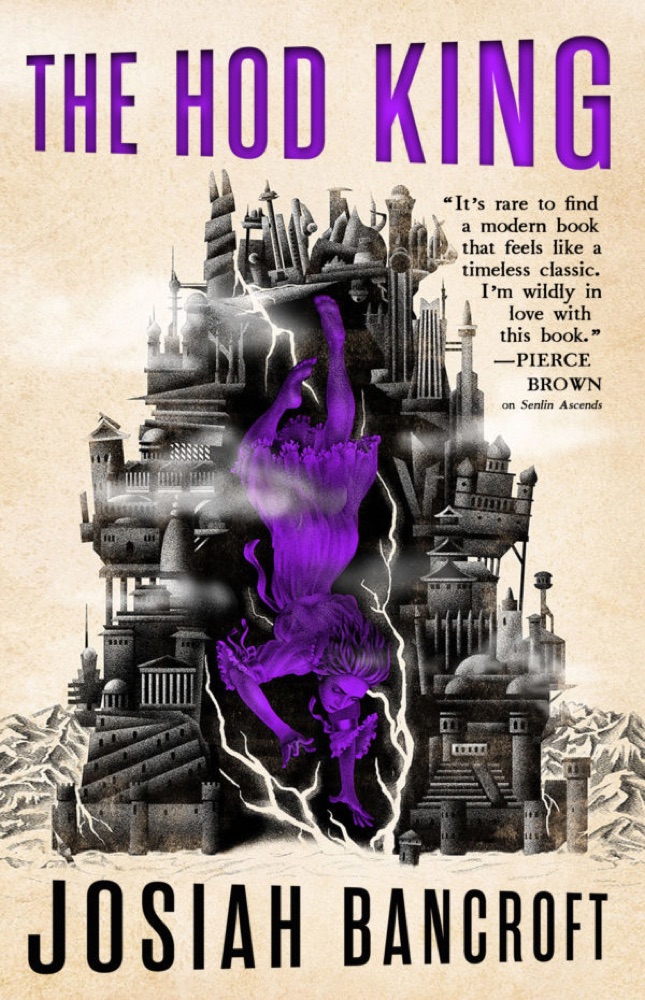 The Hod King
 Freddy and Fredericka
 The September House
 A House with Good Bones
 The Gun Seller
 The Book of Love
 Conviction
 The Enchanted
 A Fraction of the Whole