
 A Time of Gifts
Quotes from the Book
Live, don't know how long, And die, don't know when; Must go, don't know where; I am astonished I am so cheerful.
12
Scattered with poppies, the golden-green waves of the cornfields faded. The red sun seemed to tip one end of a pair of scales below the horizon, and simultaneously to lift an orange moon at the other. Only two days off the full, it rose behind a wood, swiftly losing its flush as it floated up, until the wheat loomed out of the twilight like a metallic and prickly sea.
10
It seems at times that strife can no more be separated from monotheism than stripes from a tiger.
2
Dropping toward the watershed, the sun filled the place with evening light and kindled the windows and the western flanks of cupolas and steeples and many belfries, darkening the eastern walls with shadow; and as we gazed, one of them began to strike the hour and another took up the challenge, followed by a third and soon enormous tonnages of sectarian bronze were tolling their ancient rivalries into the dusk.
2
There are times when hours are more precious than diamonds.
the Zoltán utca and picked up a
Thoughts at a Café Table Between the Kazan and the Iron Gates Progress has now placed the whole of this landscape underwater. A traveller sitting at my old table on the quay at Orsova would have to peer at the scenery through a thick brass-hinged disc of glass; this would frame a prospect of murk and slime [...] Moving a couple of miles downstream, he would fumble his way on to the waterlogged island and among the drowned Turkish houses; or, upstream, flounder among the weeds and rubble choking Count Széchenyi's road and peer across the dark gulf at the vestiges of Trajan on the other side; and all round him, above and below, the dark abyss would yawn and the narrows where currents once rushed and cataracts shuddered from bank to bank and echoes zigzagged along the vertiginous clefts would be sunk in diluvian since. [...] He could toil many days up these cheerless soundings, for Rumania and Yugoslavia have built one of the world's biggest ferro-concrete dams and hydro-electric power plants across the Iron Gates. This has turned a hundred and thirty miles of the Danube into a vast pond which has swollen and blurred the course of the river beyond recognition. It has abolished cayons, turned beetling crags into mild hills and ascended the beautiful Cerna valley almost to the Baths of Hercules. Many thousands of the inhabitabnts of Orşova and the riparian hamlets had to be uprooted and transplanted elsewhere. The islanders of Ada Kaleh have been moved to another islet downstream and their old home has vanished under the still surface as though it has never been. Let us hope that the power generated by the dam has spread well-being on either bank and lit up Rumanian and Yugoslav towns brighter than ever before because, in everything but economics, the damage is irreparrable. [... M]yths, lost voices, history and hearsay have all been put to rout, leaving nothing but this valley of shadow. Goethe's advice, 'Bewahre Dich vor Räuber und Ritter und Gespenstergeschichten',* has been taken literally, and everything has fled. _____________ * Beware of the robber, the cavalier, and ghost stories.
These ancient ambiguities would be a field for learned conjecture merely, were it not for the bitter rivalries that haunted them in later times and haunt them still.
It was only when he was in his sixties that he set about turning his youthful walk across Europe into a book. The first volume of the consequent work, A Time of Gifts, was published in 1977 and instantly recognised as a classic. This second volume, Between the Woods and the Water, appeared in 1986, and by then Leigh Fermor was seventy-one years old. So half a century separates the experience from the book, and the author is looking back at himself across a great gulf of experience and of history. The Second World War has changed Europe forever since Paddy hoisted his rucksack at the Hook of Holland, and his alter ego too has been weathered by a lifetime of travel and accomplishment. It really is almost as though Between the Woods and the Water is the work of two separate writers, coming to the task from opposite directions, but blending their talents in a display of intergenerational collaboration. And it is a triumph of this book that we, the readers, understand them both. We know what goes through both their minds, because the artistry of its author makes the boyish enthusiasm of the young man as immediate as the tempered experience of the old.
One longs for news from the buried ruins of some stronghold miraculously untouched since Batu Khan set fire to it, the trove, perhaps, of some Transylvanian forester digging out a fox or a badger and suddenly tumbling through the creepers and the roots into a dry vault full of iron chests abrim with parchments...
And the Austrian army, awfully arrayed, boldly, by battery, besieged Belgrade.
The automatic use of Du, even to strangers if they were friends of friends, was very surprising. Sie, it seemed, meant relegation to the outer darkness and people had been known to fight with swords about the matter.
Historic priority, could it be proved, would be vital evidence in a suit of contested ownership; and earlier in this century, before ethnic considerations were the overriding factors they have since become, it was more important still: possession by conquest, backed by historical continuity and stiffened by treaties, was still a valid and respectable consideration.
Watch on YouTube
About Patrick Leigh Fermor
We have collected 21 quotes from 2 books by Patrick Leigh Fermor on BookQuoters.
More about the author →More by Patrick Leigh Fermor
A Time of Gifts
About the book
Continuing the epic foot journey across Europe begun in A Time of Gifts , Patrick Leigh Fermor writes about walking from Hungary to the Balkans.
The journey that Patrick Leigh Fermor set out on in 1933—to cross Europe on foot with an emergency allowance of one pound a day—proved so rich in experiences that when much later he sat down to describe them, they overflowed into more than one volume. Undertaken as the storms of war gathered, and providing a background for the events that were beginning to unfold in Central Europe, Leigh Fermor’s still-unfinished account of his journey has established itself as a modern classic. Between the Woods and the Water , the second volume of a projected three, has garnered as many prizes as its celebrated predecessor, A Time of Gifts .
The opening of the book finds Leigh Fermor crossing the Danube—at the very moment where his first volume left off. A
Book details
- First published
- 1986
- Author
- Patrick Leigh Fermor
- Genre
- Nonfiction
- Goodreads rating
- 4.28 (4k ratings)
Keep reading
 River of Smoke
 TransAtlantic
 The World of Yesterday
 Black Lamb and Grey Falcon
 Against the Day
 Chronicle in Stone
 Danubia: A Personal History of Habsburg Europe
 Sea of Poppies
 The Winds of War
 Summer Light, and Then Comes the Night
 Out of Africa
 Gun Island
 2061: Odyssey Three
 Barkskins
 In Patagonia
 Precipice
 Provinces of Night
 The Burning Land
 Europe: A History
 Brick Lane
 The Confusion
 A Distant Mirror: The Calamitous 14th Century
 Quicksilver
 The Histories
 The Bedlam Stacks
 The Return of the Native
 The Mysterious Island
A Time of Gifts
The Mysterious Island
A Time of Gifts
 Romola
 King Solomon's Mines
 The Adventures of China Iron
 City of Dark Magic
 Crossroads of Twilight
 House of Suns
 The Bronzed Beasts
 The Telling Room: A Tale of Love, Betrayal, Revenge, and the World's Greatest Piece of Cheese
 The Shipping News
 H.P. Lovecraft: The Complete Fiction
 The Spear Cuts Through Water
 Shadows on the Rock
 Fall of Giants
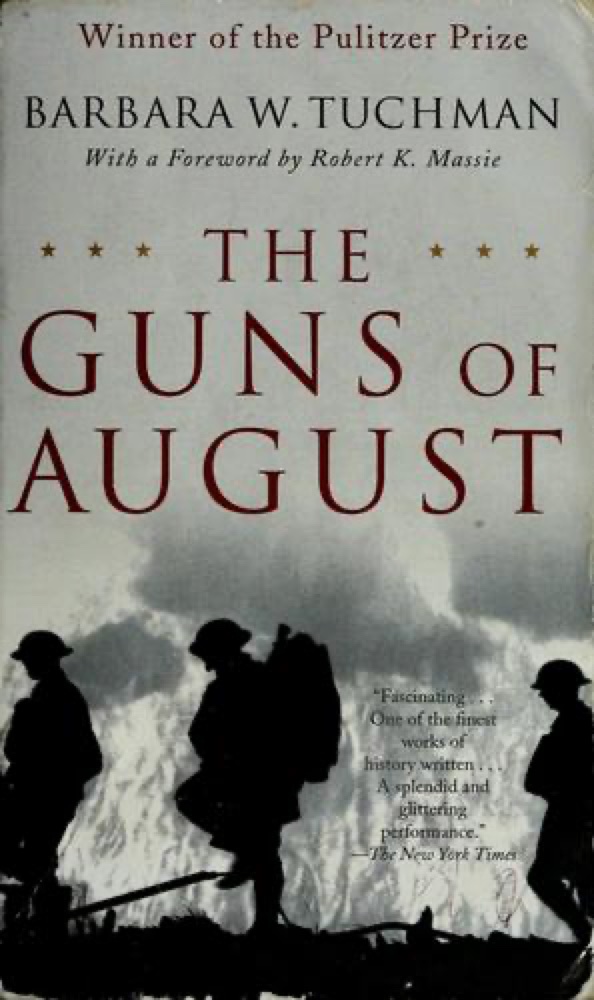 The Guns of August
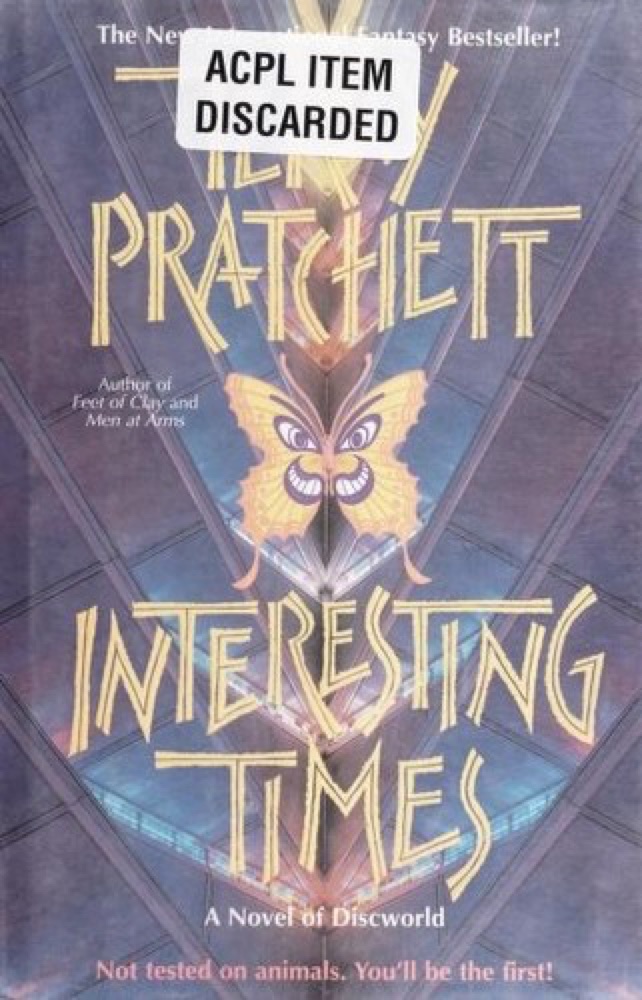 Interesting Times
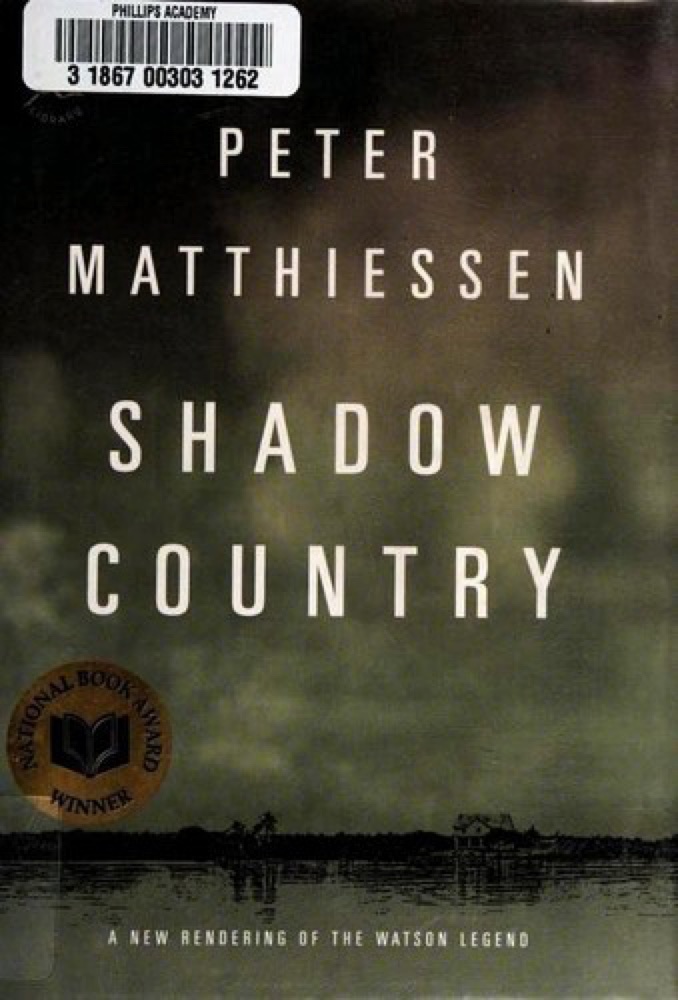 Shadow Country
 Solar
Solar
 Night Flight
 Runaway Horses
 The Enchantress of Florence
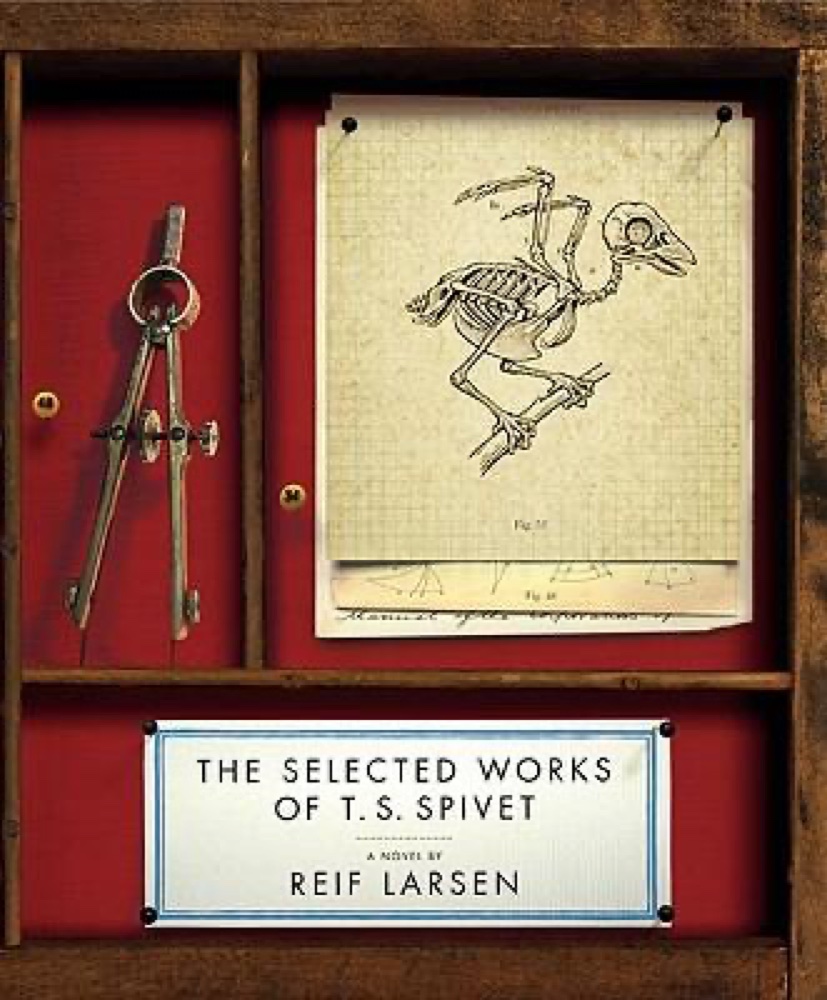 The Selected Works of T.S. Spivet
 Under the Volcano
 Look Homeward, Angel
 Ulysses
 The Castle of Crossed Destinies
 The Pillars of the Earth
 Under Western Eyes
 The Leopard
 Mason & Dixon
 Moonbound
 Independent People
 Autobiography of Red