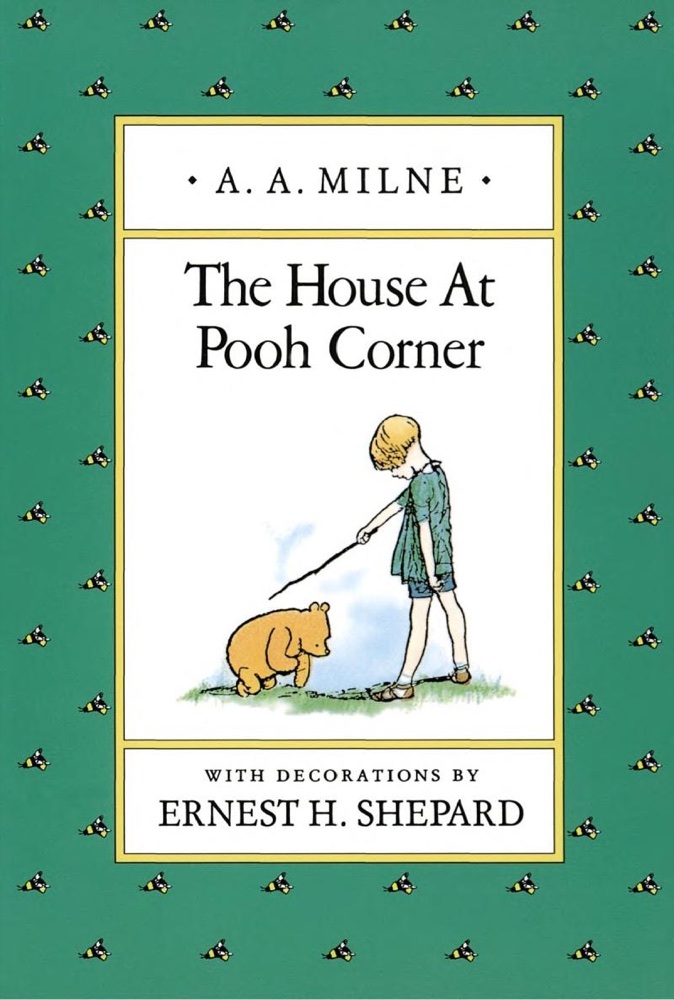
 The House at Pooh Corner
Quotes from the Book
Some people care too much. I think it's called love.
You can't stay in your corner of the Forest waiting for others to come to you. You have to go to them sometimes.
It is more fun to talk with someone who doesn't use long, difficult words but rather short, easy words like "What about lunch?
I think we dream so we don’t have to be apart for so long. If we’re in each other’s dreams, we can be together all the time.
People say nothing is impossible, but I do nothing every day.
Rivers know this: there is no hurry. We shall get there some day.
If the person you are talking to doesn't appear to be listening, be patient. It may simply be that he has a small piece of fluff in his ear.
I used to believe in forever, but forever's too good to be true
I'm not lost for I know where I am. But however, where I am may be lost.
Some people talk to animals. Not many listen though. That's the problem.
I don’t feel very much like Pooh today," said Pooh. "There there," said Piglet. "I’ll bring you tea and honey until you do.
Piglet noticed that even though he had a Very Small Heart, it could hold a rather large amount of Gratitude.
Well," said Pooh, "what I like best," and then he had to stop and think. Because although Eating Honey was a very good thing to do, there was a moment just before you began to eat it which was better than when you were, but he didn't know what it was called.
When you see someone putting on his Big Boots, you can be pretty sure that an Adventure is going to happen.
I wonder what Piglet is doing," thought Pooh. "I wish I were there to be doing it, too.
What I like doing best is Nothing." "How do you do Nothing," asked Pooh after he had wondered for a long time. "Well, it's when people call out at you just as you're going off to do it, 'What are you going to do, Christopher Robin?' and you say, 'Oh, Nothing,' and then you go and do it. It means just going along, listening to all the things you can't hear, and not bothering." "Oh!" said Pooh.
Rabbit's clever," said Pooh thoughtfully. "Yes," said Piglet, "Rabbit's clever." "And he has Brain." "Yes," said Piglet, "Rabbit has Brain." There was a long silence. "I suppose," said Pooh, "that that's why he never understands anything.
When you are a Bear of Very Little Brain, and you Think of Things, you find sometimes that a Thing which seemed very Thingish inside you is quite different when it gets out into the open and has other people looking at it.
Just because an animal is large, it doesn't mean he doesn't want kindness; however big Tigger seems to be, remember that he wants as much kindness as Roo.
A bear, however hard he tries, grows tubby without exercise.
Think it over, think it under.
It's not much of a tail, but I'm sort of attached to it.
Nobody can be uncheered with a balloon.
I did know once, only I've sort of forgotten.
Pooh," said Rabbit kindly, "you haven't any brain." "I know," said Pooh humbly.
My spelling is Wobbly. It's good spelling but it Wobbles, and the letters get in the wrong places.
You never can tell with bees.
There must be somebody there, because somebody must have said "Nobody.
Did you know?
- The character was named after Winnie, a Canadian black bear at London Zoo, and Pooh, a friend's pet swan the Milnes had encountered on holiday.
- Winnie-the-Pooh first appeared by name on 24 December 1925 in a Christmas story published by the London newspaper the Evening News.
- The characters Piglet, Eeyore, Kanga, and Roo were based on real stuffed toys owned by Milne's son, Christopher Robin.
- The book was published in Britain by Methuen & Co. on 14 October 1926, illustrated by E. H. Shepard.
- In the United States, Dutton sold 150,000 copies before the end of 1926.
About A.A. Milne
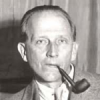
A. A. Milne (1882-1956) was an English author and playwright best known for his Winnie-the-Pooh stories, which he wrote for his young son, Christopher Robin. He also worked as a contributor to Punch and wrote plays, poetry, and novels.
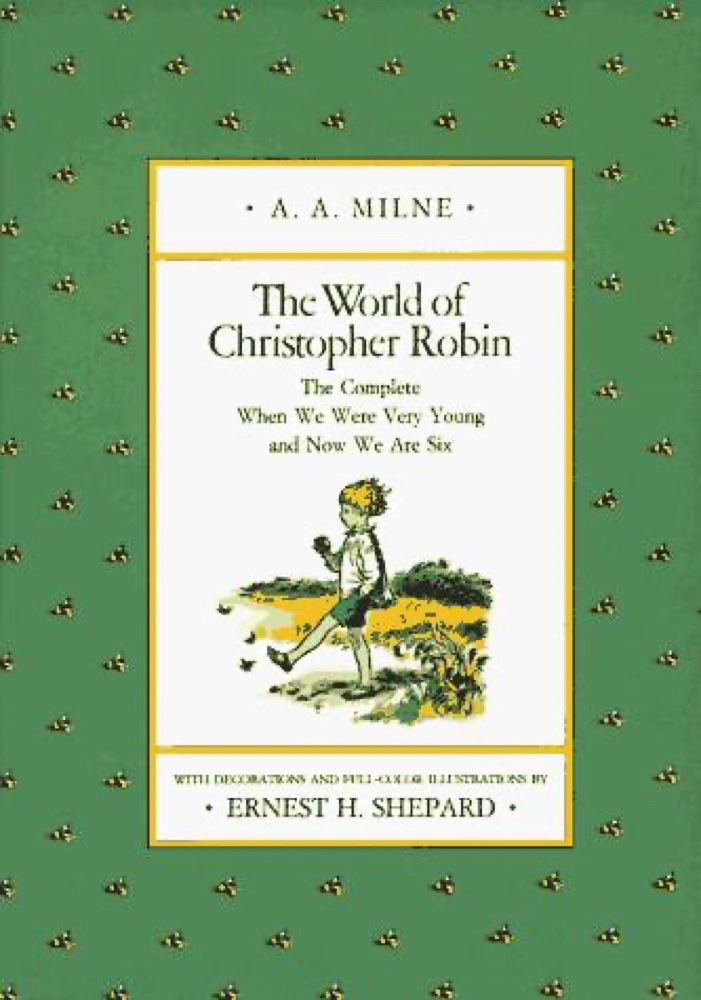
More about the author →More by A.A. Milne
About the book
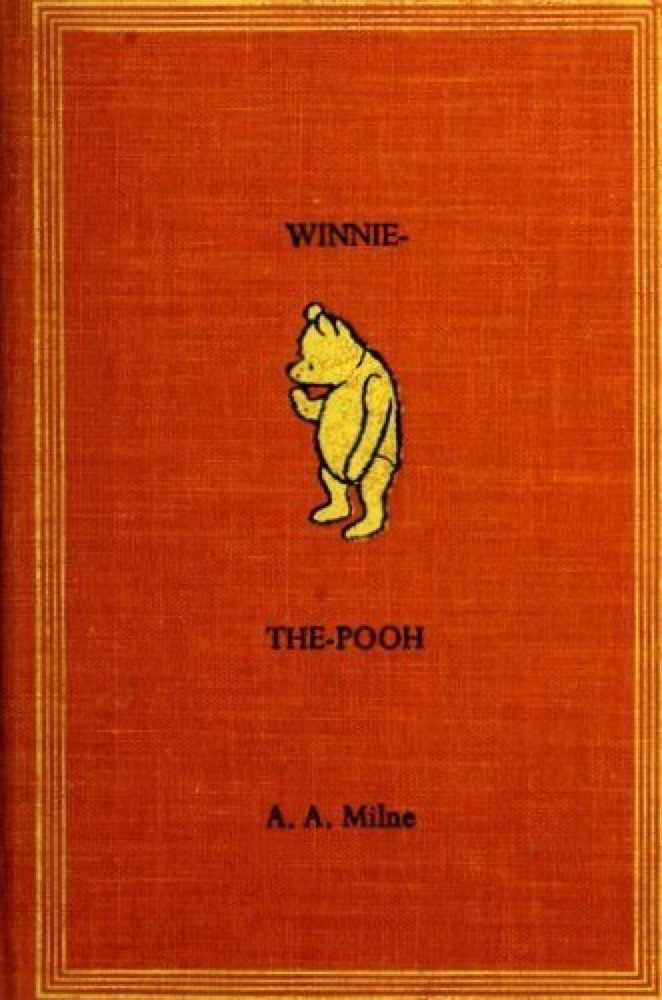
"Winnie-the-Pooh" is a 1926 children's book by the English author A. A. Milne, illustrated by E. H. Shepard. Set in the fictional Hundred Acre Wood, it collects short stories following an anthropomorphic teddy bear named Winnie-the-Pooh and his friends, whose gentle adventures unfold around the boy Christopher Robin. The characters were inspired by the real stuffed toys of Milne's son, Christopher Robin Milne, and the bear's name came partly from Winnie, a Canadian black bear the family often saw at London Zoo.
At its heart the book presents a rural, arcadian world separated from real-world troubles, appealing through its depiction of innocent childhood and warmly drawn character personalities. Its comedy grows out of small predicaments and the distinct temperaments of its cast: Pooh's cheerful appetite for honey, Piglet's timidity, Eeyore's gloom, and the well-meaning bustle of Owl and Rabbit. The stories are episodic and affectionate, with no menace beyond the mild scrapes the animals get themselves into.
The book was both a critical and commercial success and became Milne's best-selling work, followed by a second story collection, "The House at Pooh Corner" (1928). Together with Shepard's line drawings, the stories established Winnie-the-Pooh as one of the most enduring figures in children's literature, spawning generations of readers and countless adaptations worldwide.
Key characters
- Winnie-the-PoohA good-natured teddy bear with an insatiable love of honey
- Christopher RobinThe human boy who is friend and guide to the animals
- PigletPooh's small and timid best friend
- EeyoreA gloomy, pessimistic old grey donkey
- OwlA self-styled wise resident of the Wood
- RabbitA busy, organizing, clever animal
- KangaA motherly kangaroo, parent to Roo
Book details
- First published
- 1926
- Length
- 160 pages
- Reading time
- 2 hours
- Author
- A.A. Milne
- Genre
- Classics
- Goodreads rating
- 4.37 (357k ratings) →
- First line
- “Here is Edward Bear, coming downstairs now, bump, bump, bump, on the back of his head, behind Christopher Robin.”
Series & reading order
- 1 Winnie-the-Pooh
- 2 The House at Pooh Corner
If you liked this, read…
- 1The Wind in the WillowsAnother classic of gentle, character-driven animal adventures in an English pastoral setting
- 2The House at Pooh CornerMilne's direct sequel continuing the Hundred Acre Wood stories
- 3PaddingtonA beloved, mild-mannered fictional bear at the center of warm children's stories
Keep reading
The House at Pooh Corner
 Through the Looking Glass
 The One and Only Ivan
 A Wrinkle in Time
 Harry Potter and the Goblet of Fire
 Watership Down
 A Hat Full of Sky
 The World of Winnie-the-Pooh
 Different Seasons
 Mosquitoland
 The Phantom Tollbooth
 Wonder
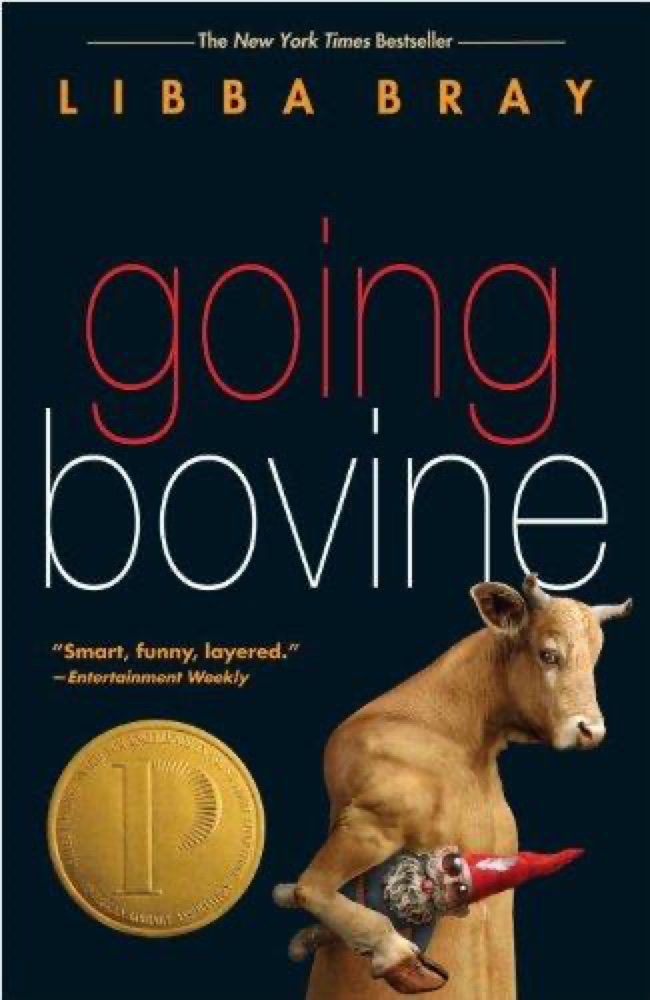 Going Bovine
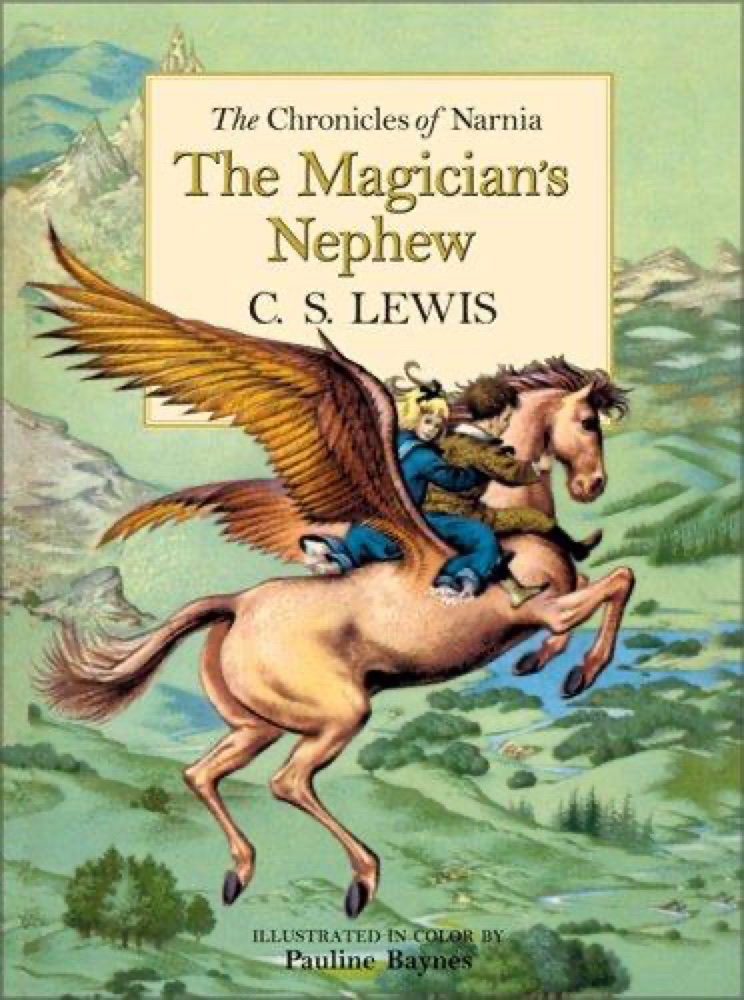 The Magician's Nephew
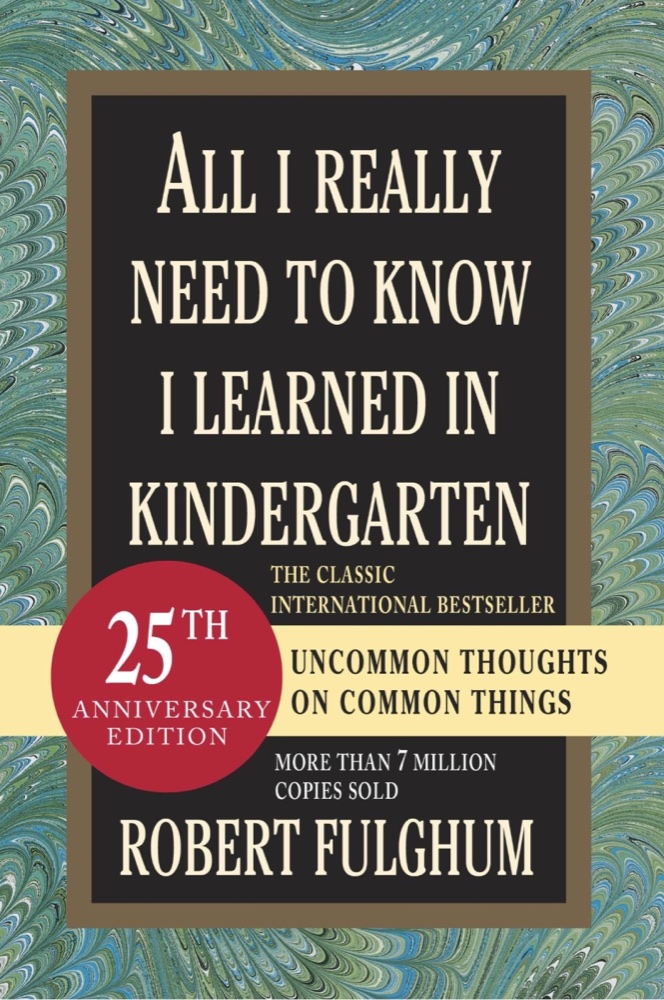 All I Really Need to Know I Learned in Kindergarten
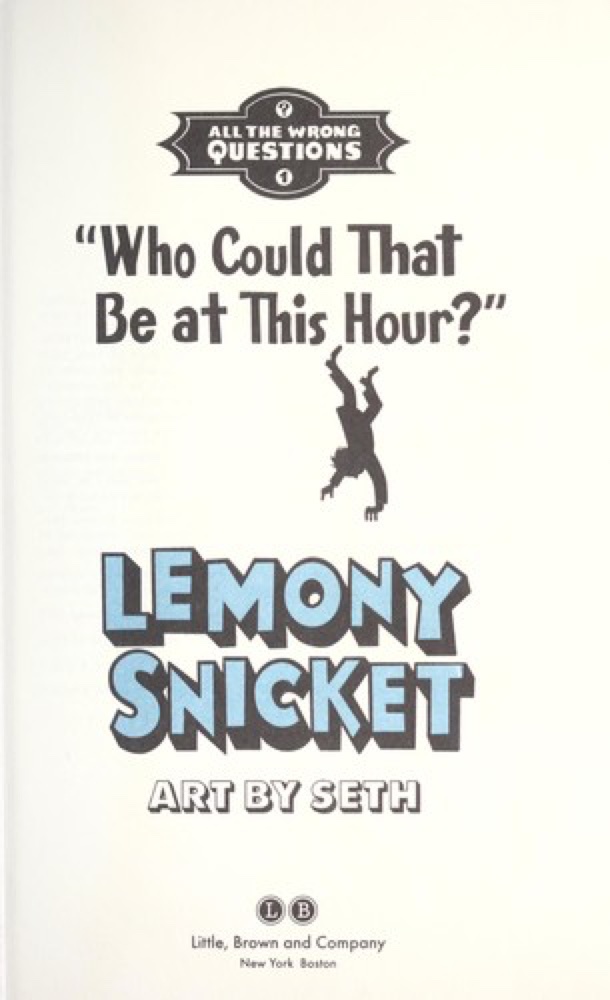 Who Could That Be at This Hour?
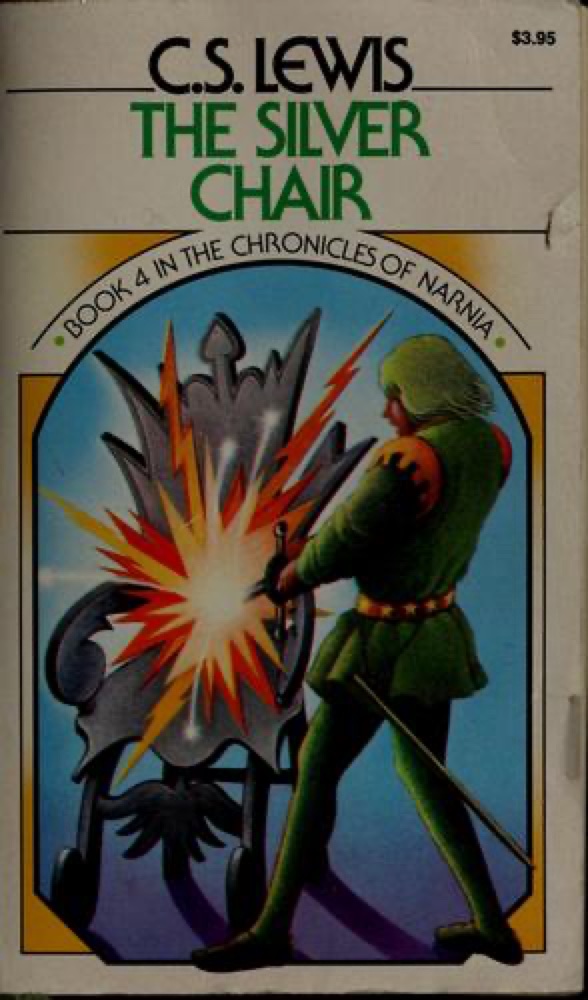 The Silver Chair
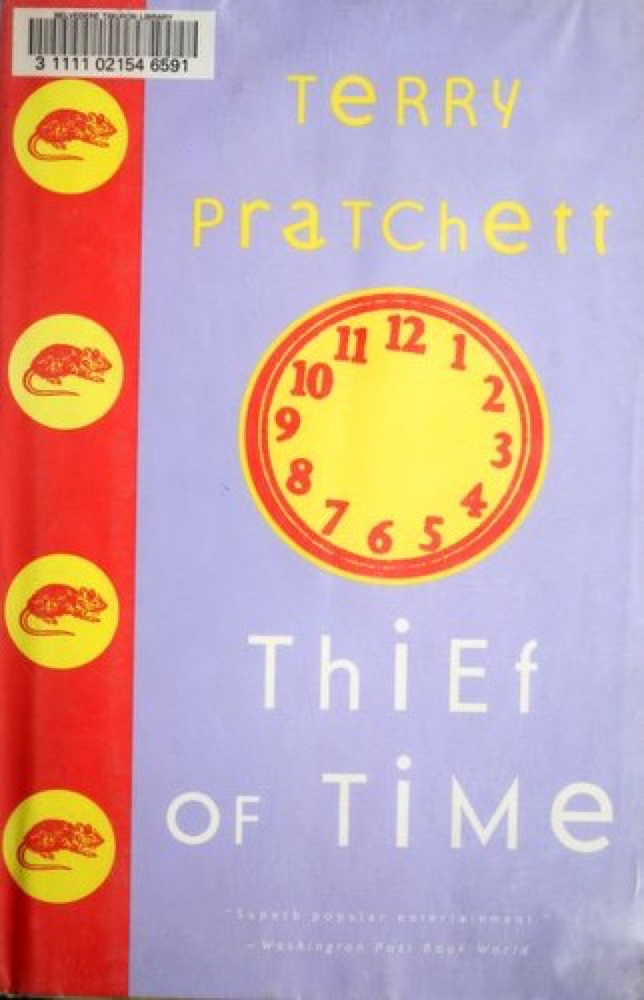 Thief of Time
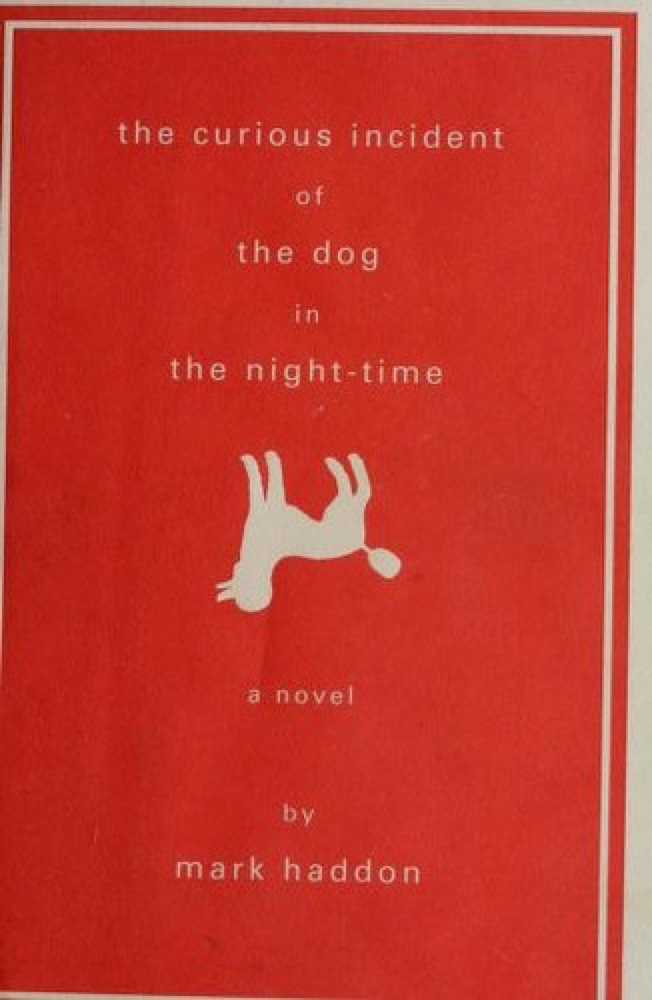 The Curious Incident of the Dog in the Night-Time
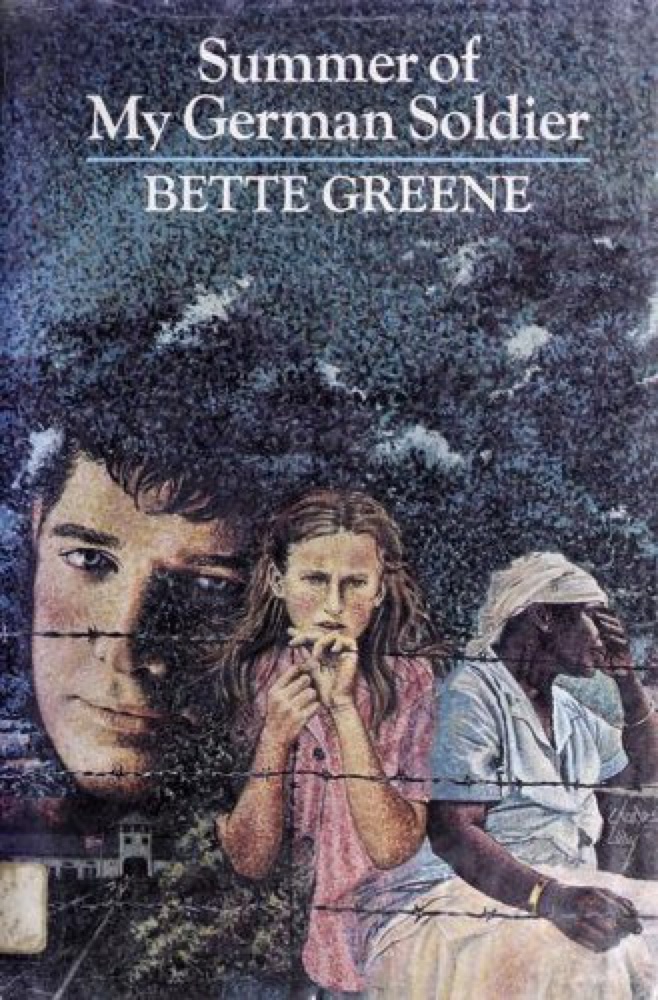 Summer of My German Soldier
 Alice in Wonderland
 Rabbit Redux
 Okay for Now
 House Rules
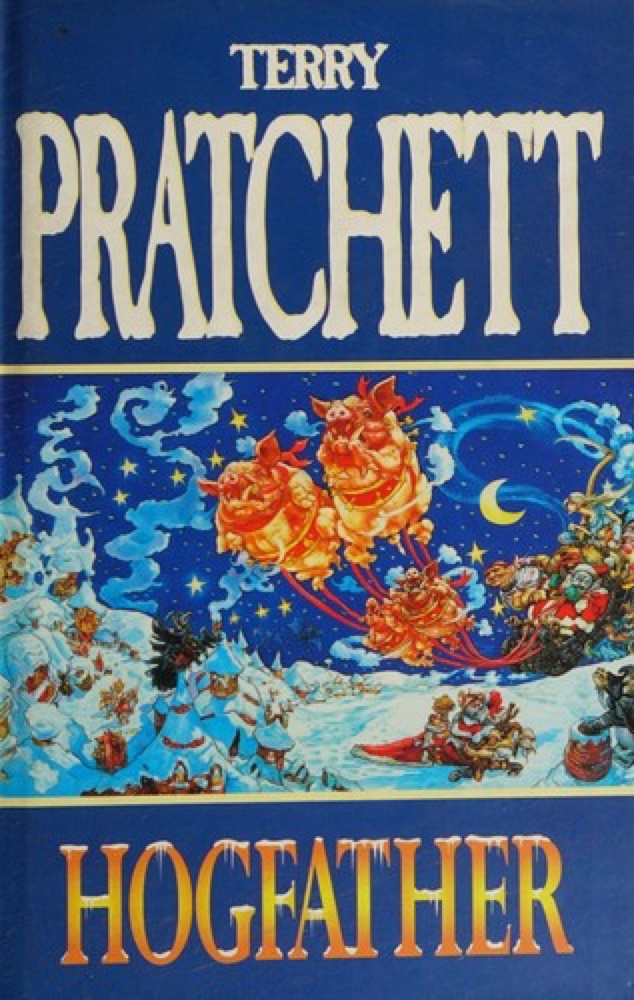 Hogfather
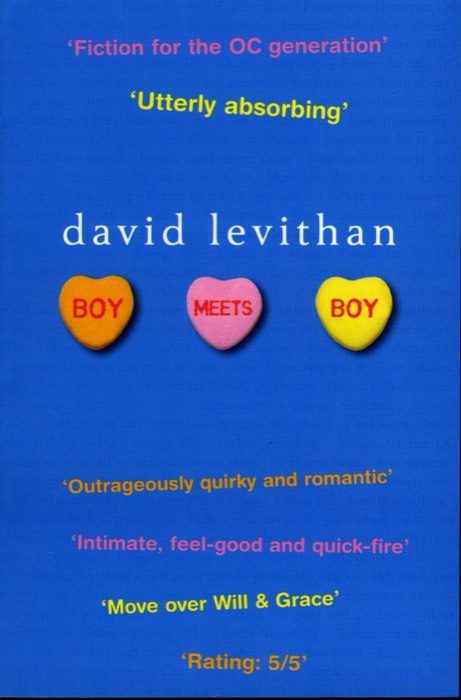 Boy Meets Boy
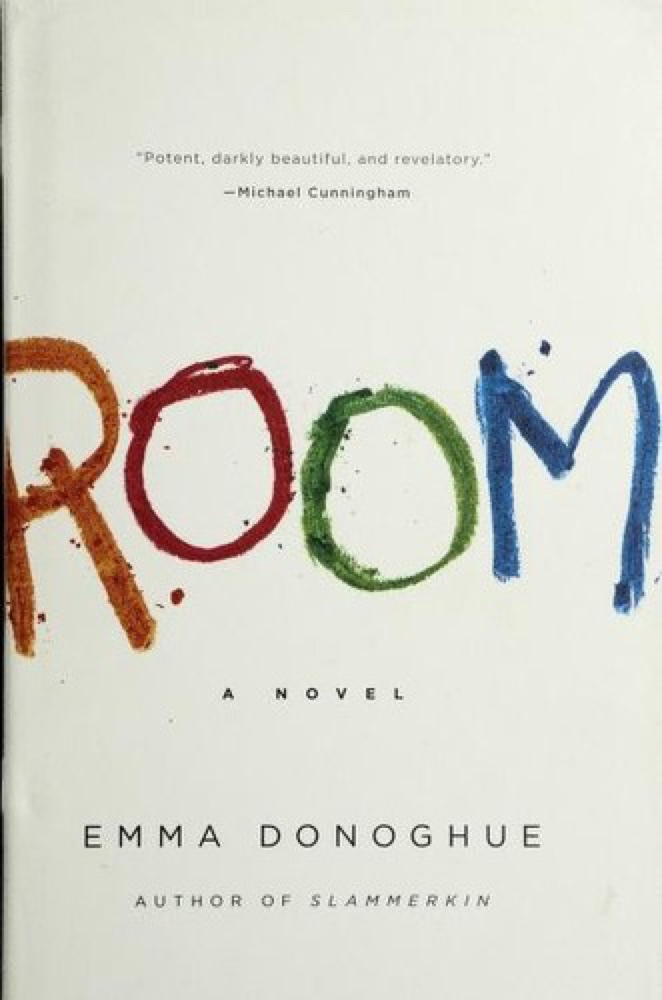 Room
Room
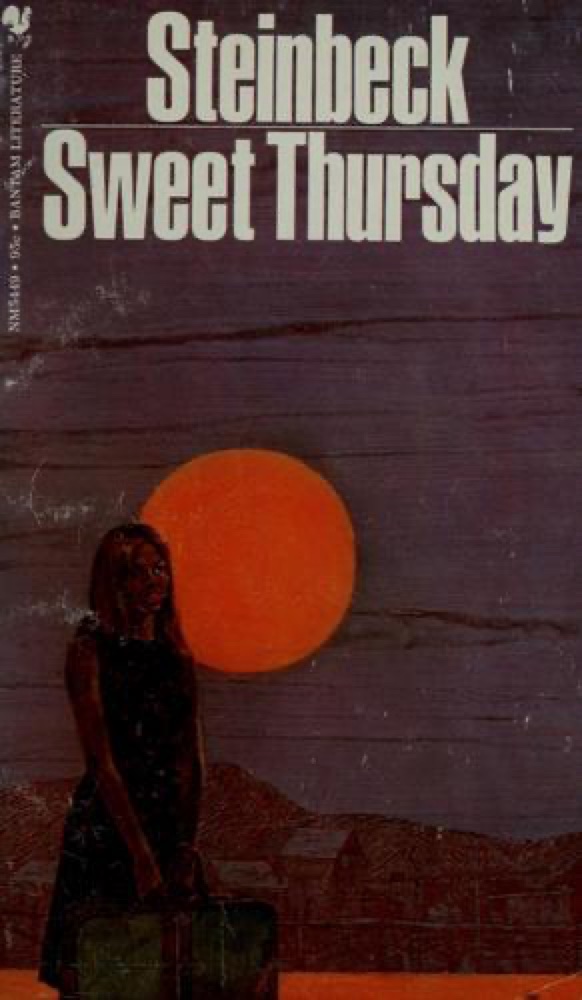 Sweet Thursday
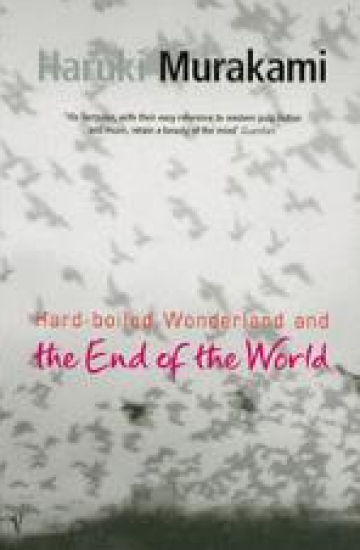 Hard-Boiled Wonderland and the End of the World
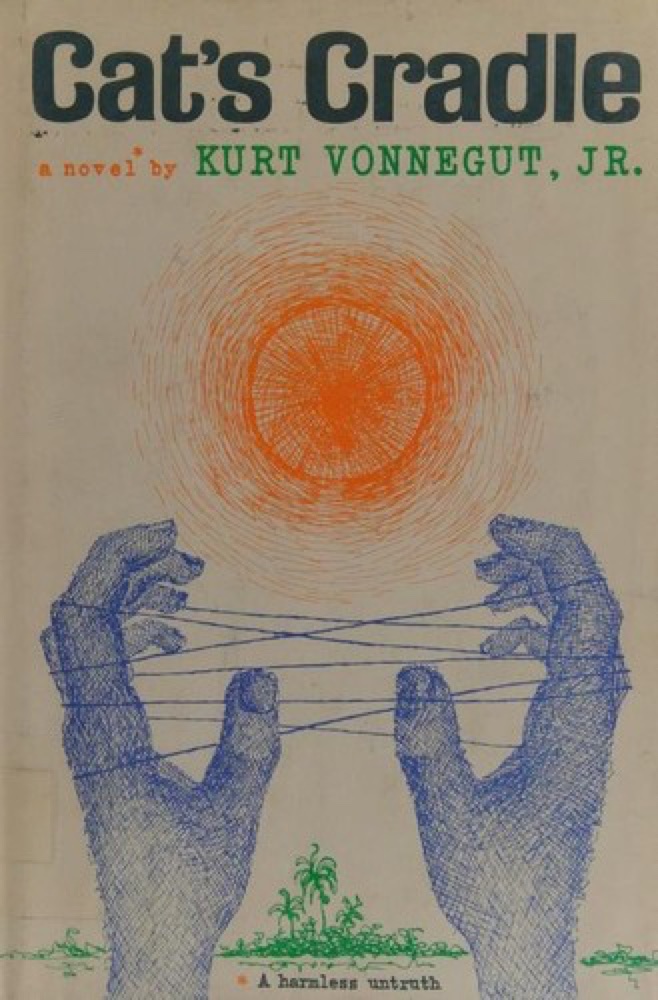 Cat's Cradle
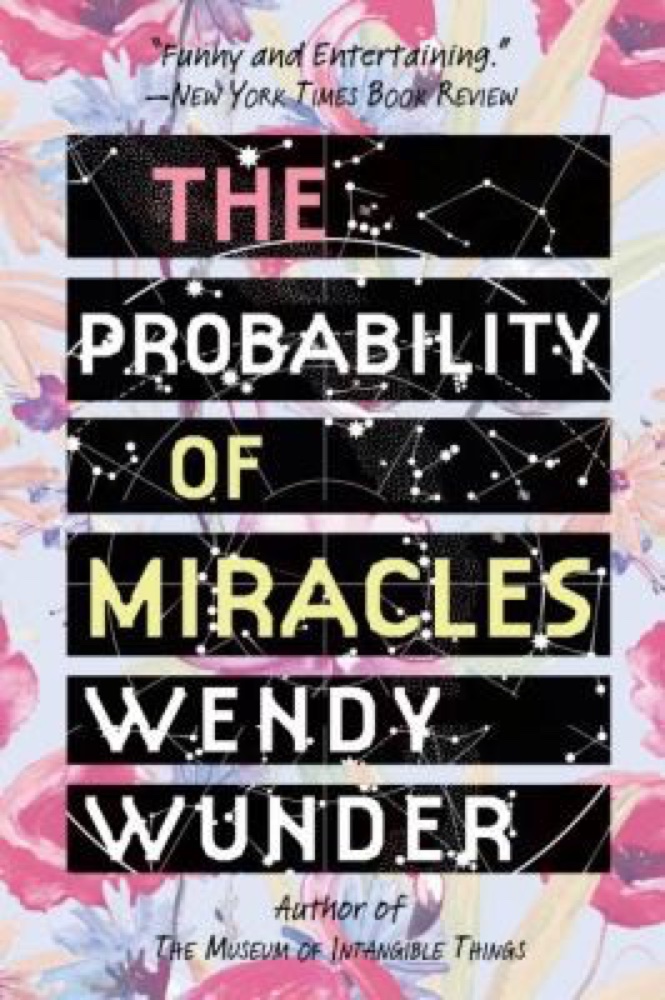 The Probability of Miracles
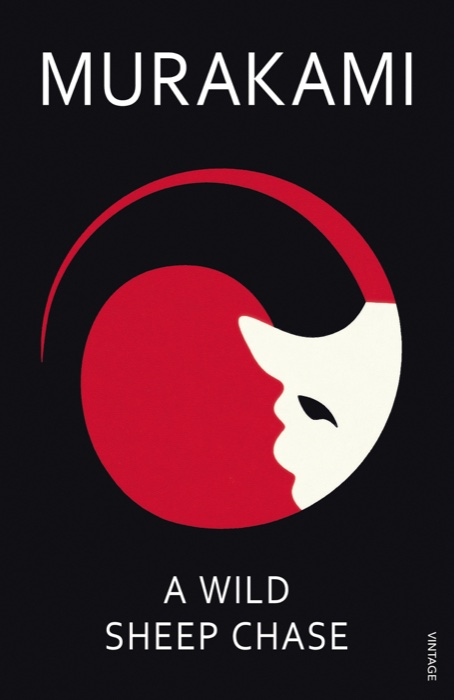 A Wild Sheep Chase
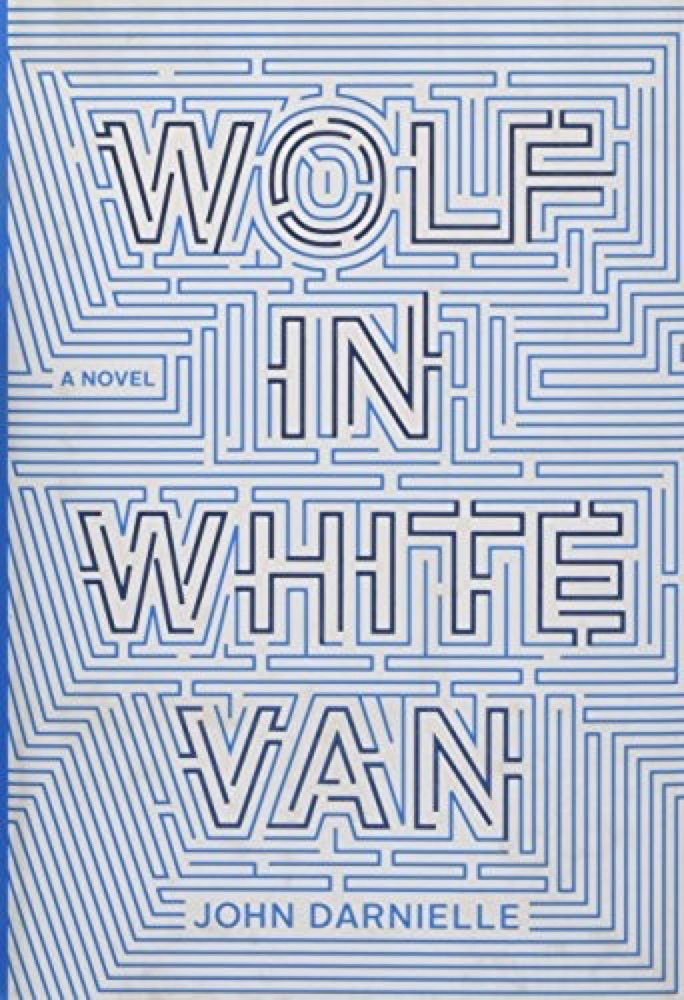 Wolf in White Van
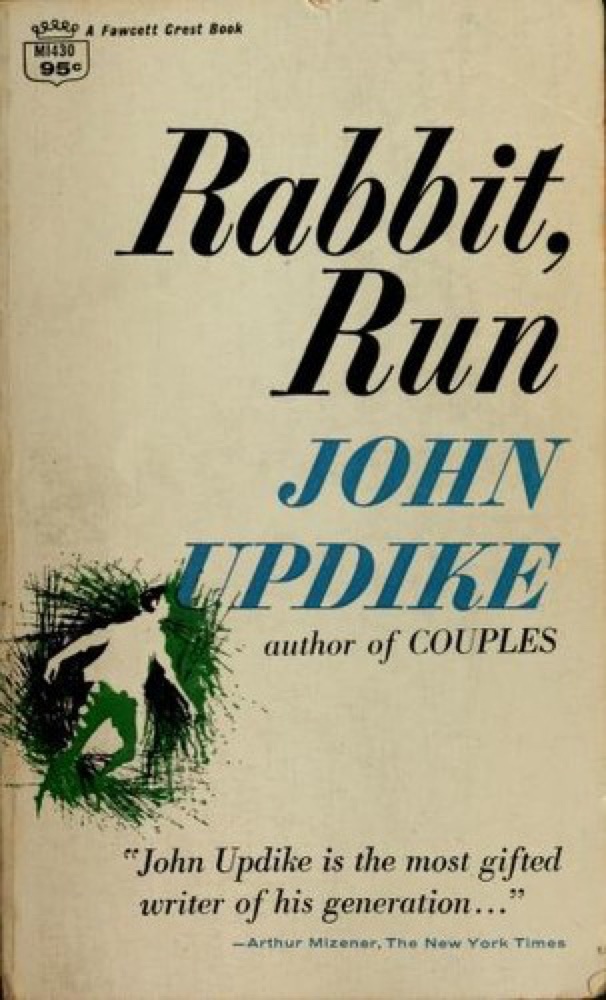 Rabbit, Run
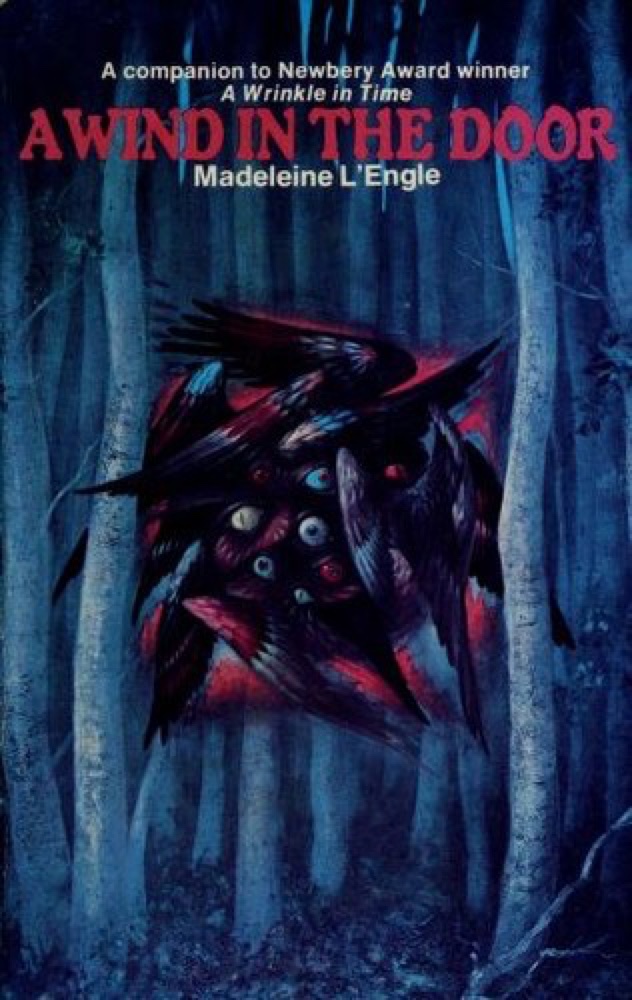 A Wind in the Door
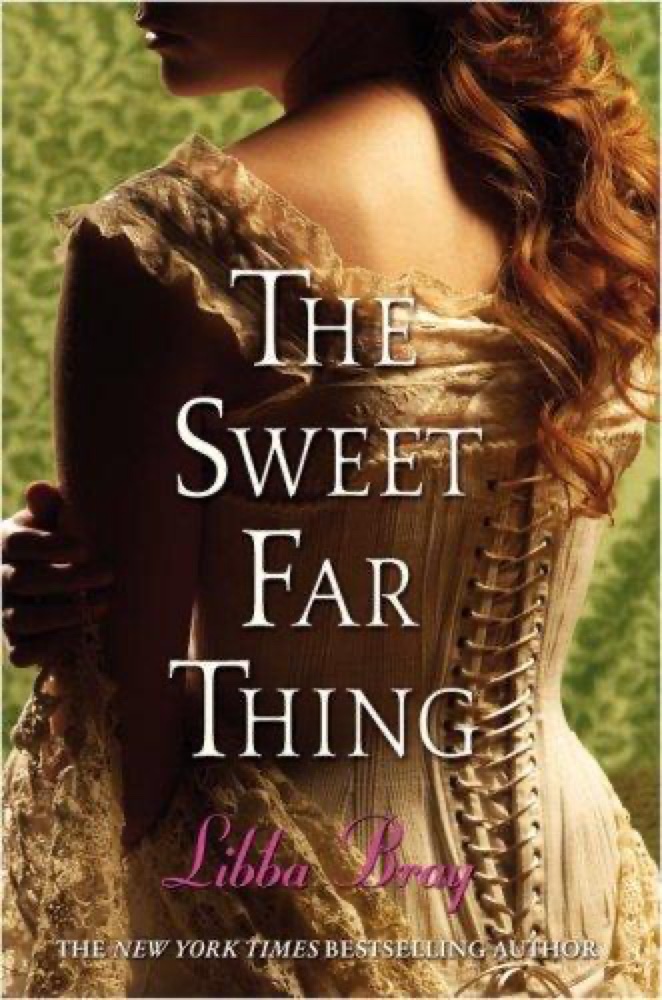 The Sweet Far Thing
 Turn Coat
 Rules
Rules
 The Strange Library
 A Single Man
 Shouldn't You Be in School?
 Out of Oz
 Counting by 7s
 When Did You See Her Last?
 White Night
 The Lightning Thief
 Eldest
 The Wednesday Wars
 Water for Elephants
 Need
Need
 Adventures of Huckleberry Finn
 The Name of the Wind
 Invisibility
 Charlotte's Web
 The Wonderful Wizard of Oz
 Little Bee
 White Horse
 Bone Gap
 Leven Thumps and the Gateway to Foo
 The Book of Three