
 Dear Mr. M
Quotes from the Book
You know, there is only one letter's difference between lonely and lovely," I told him once when he was down. "There is only one letter's difference between loner and loser," he retorted.
I've taken the liberty of giving us a full moon. I've arranged for all stoplights to stay green. I've made some phone calls to make sure you keep smiling. I've reserved the space underneath our feet. I've gone all out for you, so why don't you go with me?
I thought about how in movies, usually action movies, a cheap way of getting the audience to invest in the plot is to endanger the life of a dog. There can be fifty men graphically terminated by machine-gun fire or an entire building full of workers destroyed, but no one will stand for a cute little dog being killed. And almost always, the dog's life is spared to the relief of the audience.
It shouldn't make any difference, but Friday and Saturday nights are the worst. They're the worst because the loneliness is magnified. The best you can do is hope that there is someone else like you out there, but if there is, you will never meet this person because she doesn't get out either. So, you're left with your thoughts, and your thoughts are living people in your brain who call and hang up and lounge around like armed security guards who happen to be beautiful. In between these thoughts, you think about what's going on out there. The girl of your dreams is being ravaged by a man who doesn't have a care in the world. Just to hear her voice would make you happy for a week, but he gets to spend the day and night with her and thinks nothing of it. (…), there are boyfriends and girlfriends, people in love, wide awake. They hang out. They hang out. They hang out. They do nothing worthwhile except each other. Friends, friends, friends. Fiends. Inside jokes. There are so many stupid conversations going on right now. You could be having a meaningful conversation with a taxi driver. You could talk to him about how Travis Bickle's taxi was a metaphor for loneliness. (…) You have a gray tint on your contact lenses. But you have your work. They don't have that. They are cowards. Everyone seems so afraid to be alone. It takes strength to lie there alone and take it. They just want to copulate, and that's their biggest concern of the night. You want a tragedy. An assassination. A massacre. An earthquake. A city falling to the ground. Something to get the people on TV to be on the same page as you.
3
Mir fiel auf, dass die scheußlichsten Orte offenbar die hellste Beleuchtung haben, solche langen Leuchtstoffröhren. Seminarräume, Krankenhäuser, Arztpraxen, Büros, öffentliche Gebäude: Alle von mir gefürchteten Örtlichkeiten haben eine derartige Beleuchtung. Ihr Licht ist niemals schmeichelhaft, selbst dein kleinster Makel tritt hervor. Diese Leuchten kreischen: "Sieh her, das ist es! Das ist deine Wirklichkeit! Sieh sie dir an! Sie ist so häßlich!" So ein Licht wirft keine Schatten. Alles ist perfekt ausgeleuchtet und nicht zu übersehen.
Was ist trauriger: ältere Menschen wegen allem, was sie gesehen, gehabt und verloren? Oder Kinder ohne jeden blassen Schimmer von allem, was sie sehen, haben und verlieren werden? Das hier war noch trauriger: ein Kind mit der bedrückenden Weisheit eines alten Menschen.
Watch on YouTube
About Joey Goebel
We have collected 6 quotes from 1 book by Joey Goebel on BookQuoters.
More about the author →Book details
- First published
- 2004
- Author
- Joey Goebel
- Genre
- Literature
- Goodreads rating
- 4.15 (3k ratings)
Keep reading
Dear Mr. M
 After Midnight
 Notes of a Dirty Old Man
 Night Shift
 Moonlight
 The Friend
 Infinite Jest
 The Kindly Ones
 Unwind
 Because You'll Never Meet Me
 Danse Macabre
 Death on the Installment Plan
 The Sandman: Endless Nights
 The Gargoyle
 Concrete
 The Year of Secret Assignments
 Pigeon English
 A Woman in Berlin: Eight Weeks in the Conquered City: A Diary
 The Gum Thief
 The V Girl
 Atemschaukel
 Seven Types of Ambiguity
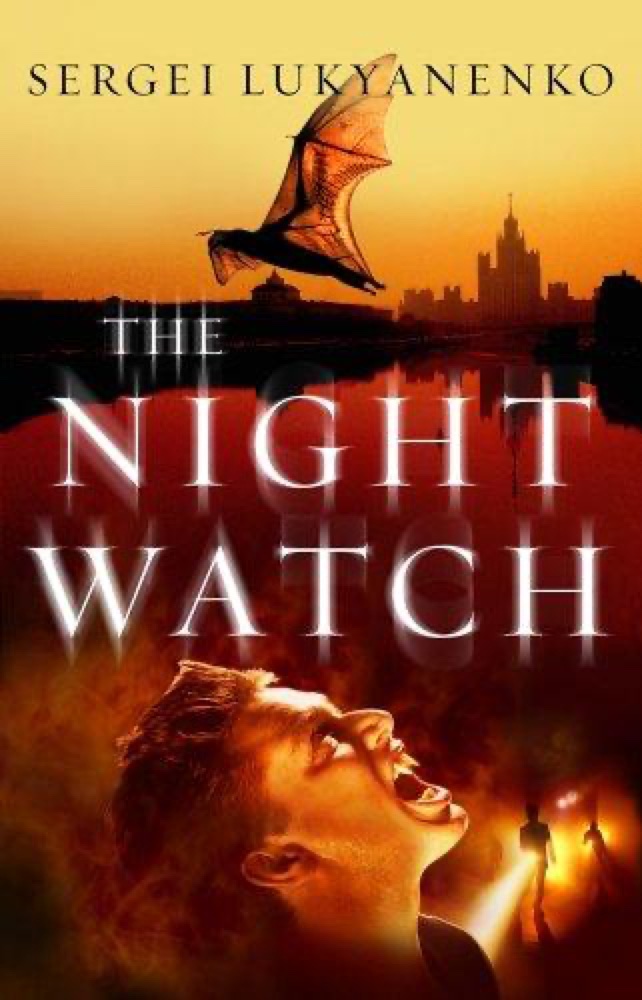 Night Watch
 Amrita
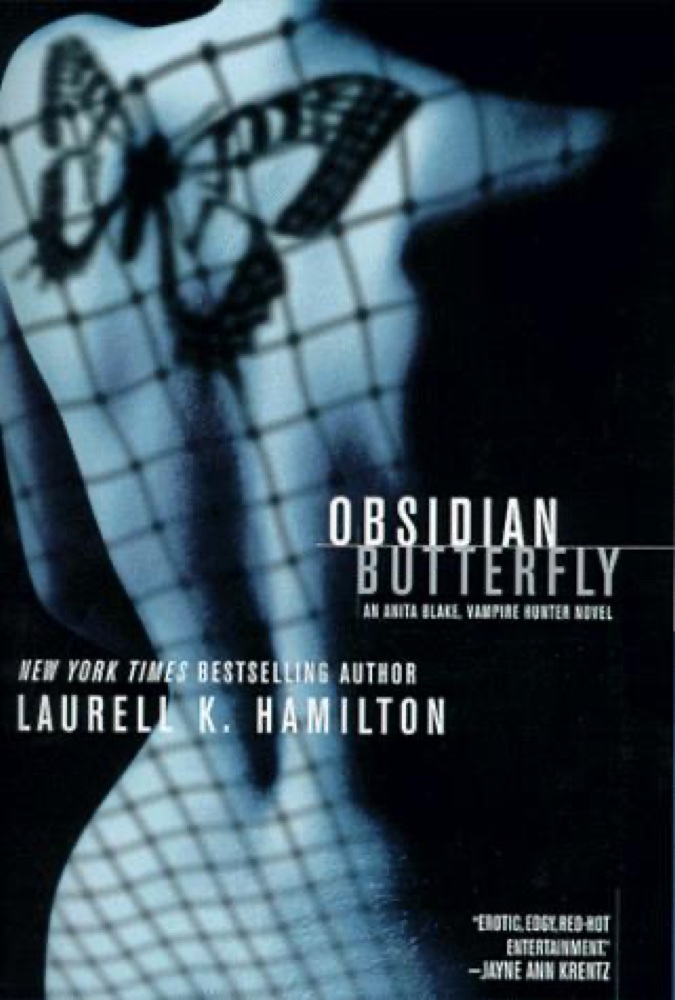 Obsidian Butterfly
 Dept. of Speculation
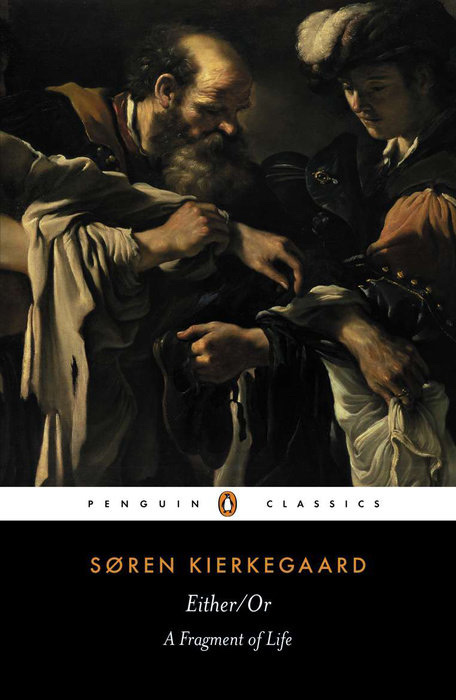 Either/Or: A Fragment of Life
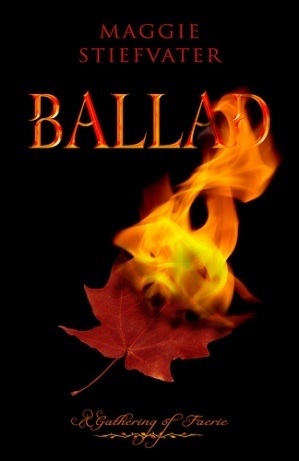 Ballad: A Gathering of Faerie
 Tropic of Cancer
 Incubus Dreams
 Bloodsucking Fiends
 Speak
Speak
 Charlotte Street
 The Nature of Jade
 Have You Seen Luis Velez?
 The Wednesday Wars
 Fifty Beasts to Break Your Heart: And Other Stories
 The Blue Hour
 Beautiful Creatures
 The Hostile Hospital
 Antigone
 Rooftops of Tehran
 The Female Man
 Letters to the Lost
 Disgrace
 Less Is Lost
 A Single Man
 A Fine and Private Place
 Infinite Days
 Different Seasons
 The Artificial Silk Girl
 The Fine Art of Truth or Dare
 Talking to Ourselves
 Identity
 The Eternal Ones
 The Gun Seller
 Need
Need
 Song of Solomon
 The Girl Who Soared Over Fairyland and Cut the Moon in Two