
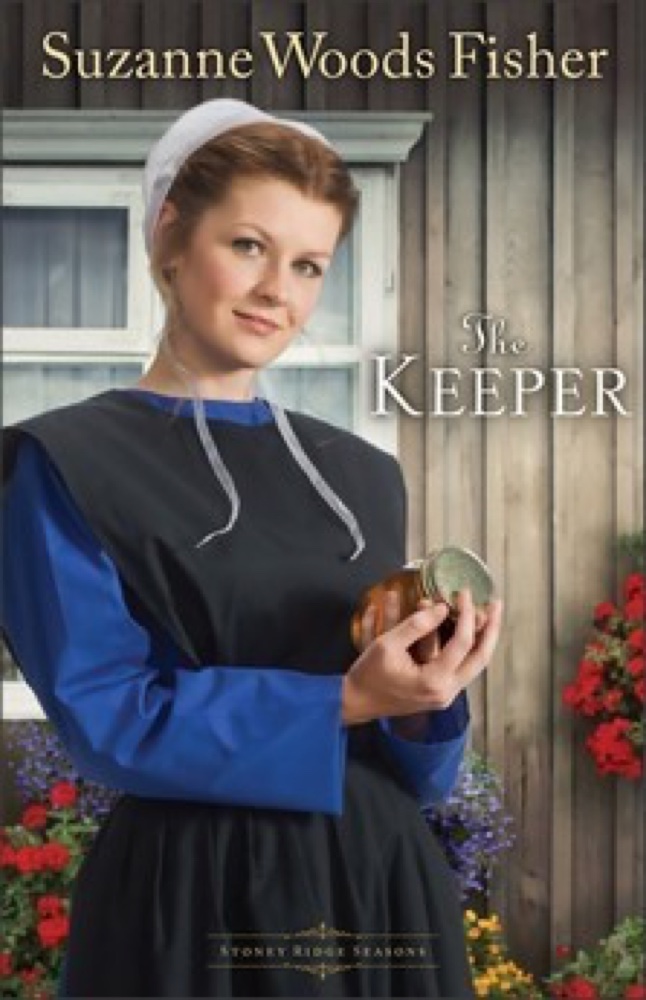
 The Keeper
Quotes from the Book
Poor communication doesn't disconnet souls. It's the disconnected souls who poorly communicate.
But love is so much more than words.
It can be hard to say important things to the person in our life who matters the most.
Better to stop one paddle short than one too far.
I love a man with dishpan hands!
but I believe that pain can be the most important tool in a person’s life. It forces a person to pay attention to something that needs to be changed.
I know I’m old school, but I believe that pain can be the most important tool in a person’s life. It forces a person to pay attention to something that needs to be changed. I worry that drugs like sleeping pills mask pain just enough that the real root of the problem gets buried, deeper and deeper. A problem—even something like grief—just doesn’t go away until it’s dealt with.
The days available to say a kind word to someone this year are rapidly drawing to a close. Lord God, teach us to be kind.
love—it isn’t going to come true. Not today, maybe not ever. Sometimes, we want more from people than they can give us. They simply don’t have it to give.
God never promised us a life without pain or suffering, Jaime. He’s promised to never leave us in the midst of that pain. He promised to bring purpose out of that pain. Emmanuel, God is with us. That was the name given to Jesus. Emmanuel.
About Suzanne Woods Fisher
We have collected 20 quotes from 2 books by Suzanne Woods Fisher on BookQuoters.
More about the author →More by Suzanne Woods Fisher
The Keeper
Book details
- Author
- Suzanne Woods Fisher
- Genre
- Fiction
Keep reading
 The World According to Mister Rogers: Important Things to Remember
 Here I Am
 Leonard and Hungry Paul
 Eat, Pray, Love
 A Well-Tempered Heart
 The Shack
 The First Phone Call from Heaven
 The Zahir
 Before Us
 The 5 Love Languages: The Secret to Love that Lasts
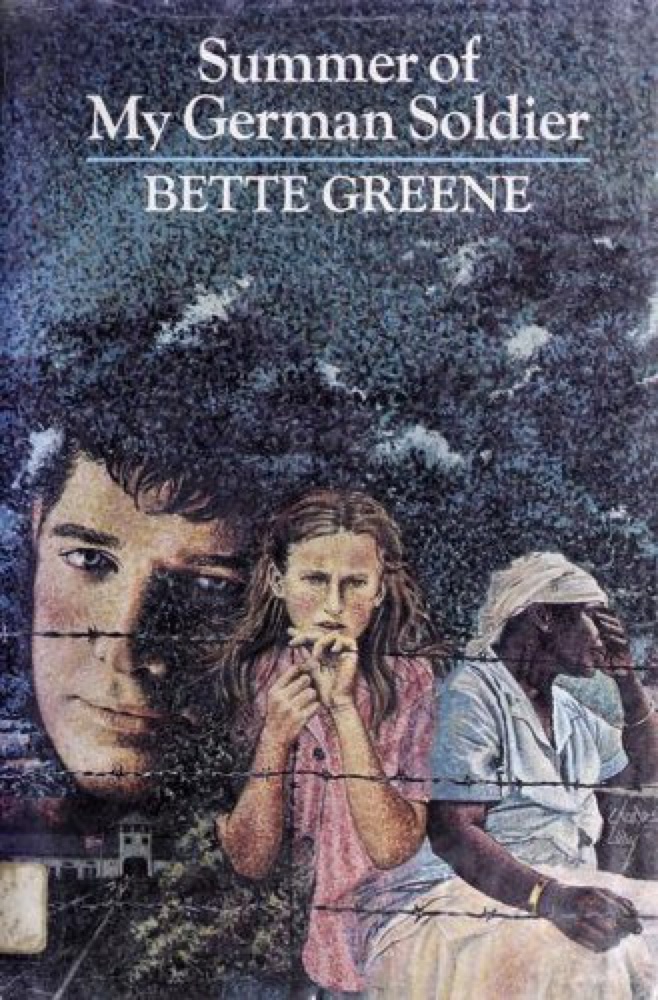 Summer of My German Soldier
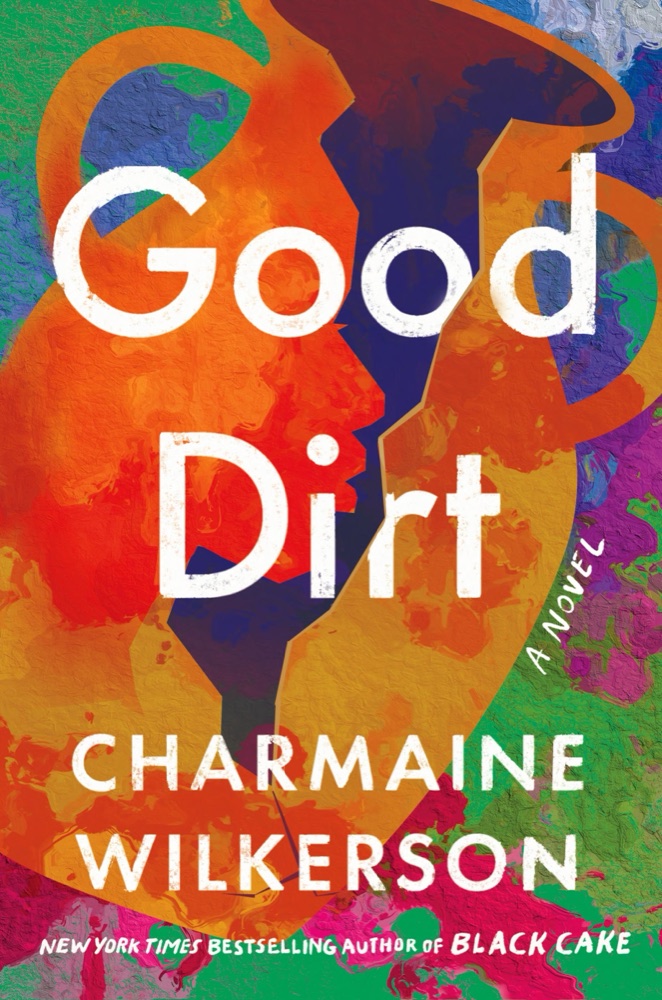 Good Dirt
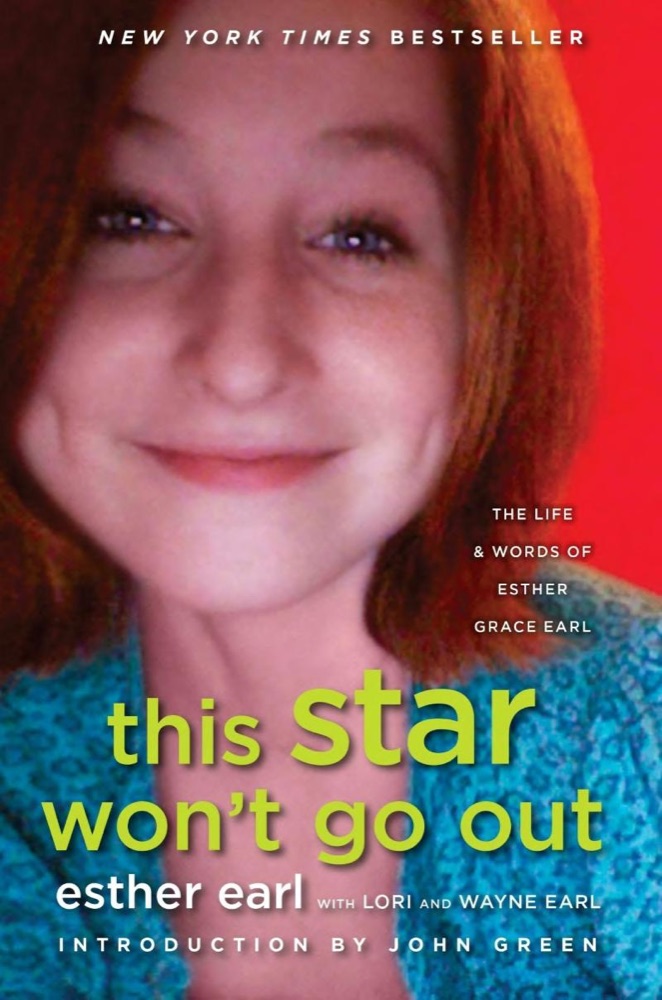 This Star Won't Go Out: The Life and Words of Esther Grace Earl
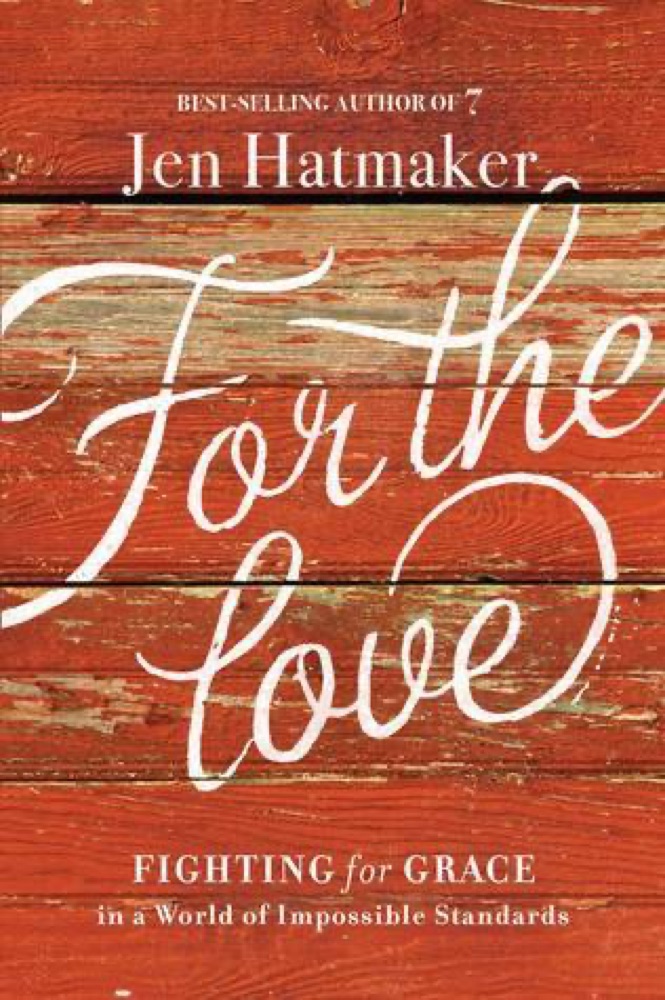 For the Love: Fighting for Grace in a World of Impossible Standards
 Sing You Home
 The Afterlife of Holly Chase
 Where the Heart Is
 Dearest Josephine
 A Stolen Life
 Three Weeks With My Brother
 Letter to My Daughter
 Stay
Stay
 All the Colors of the Dark
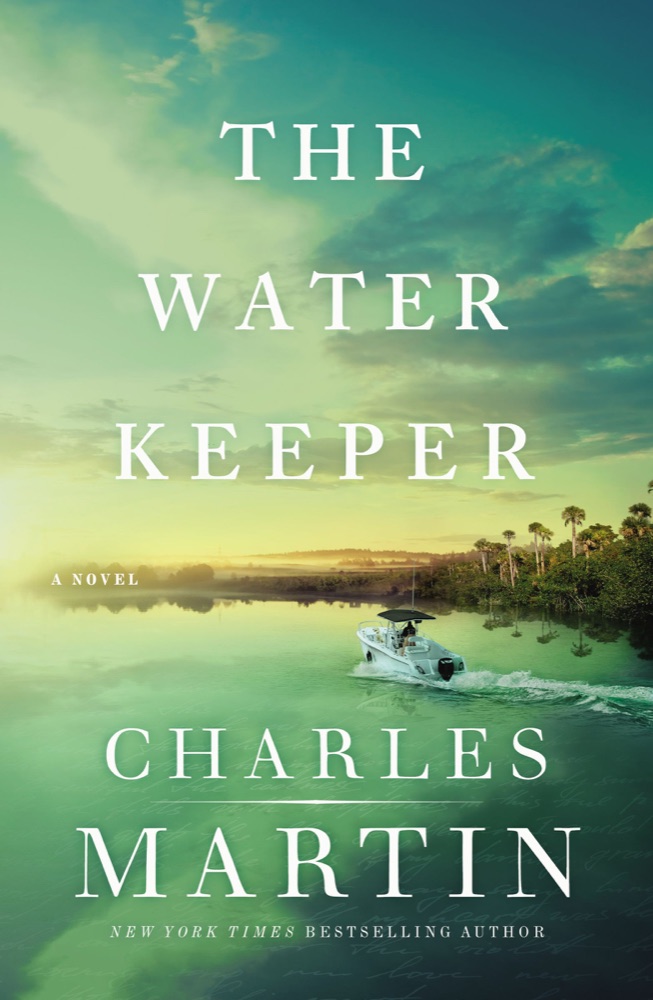 The Water Keeper
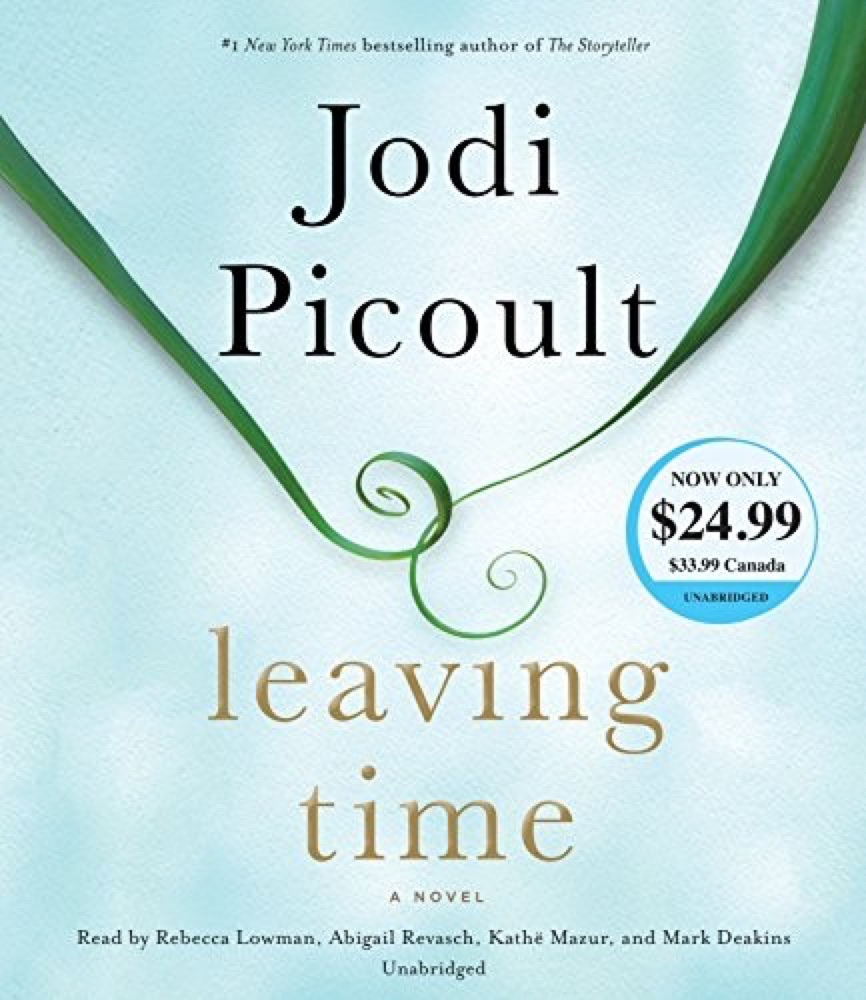 Leaving Time
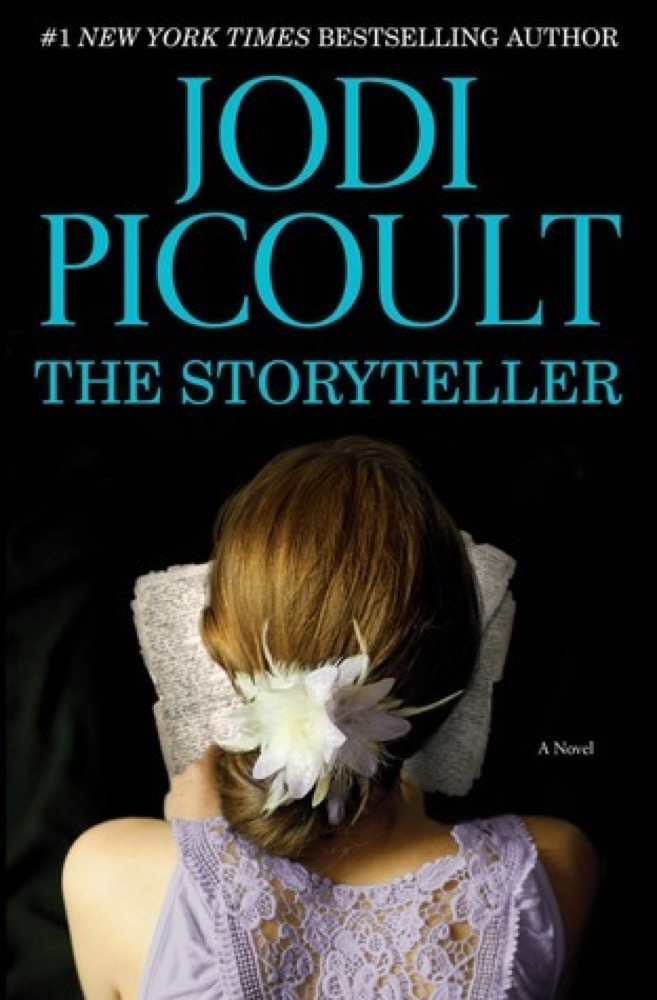 The Storyteller
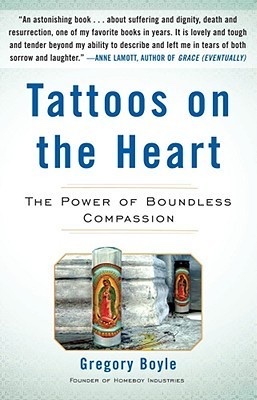 Tattoos on the Heart: The Power of Boundless Compassion
 An Invisible Thread
 Grayson's Vow
 Carry On, Warrior: Thoughts on Life Unarmed
 The Problem of Pain
 Making Faces
 Legendborn
 Like the Flowing River
 The Gift
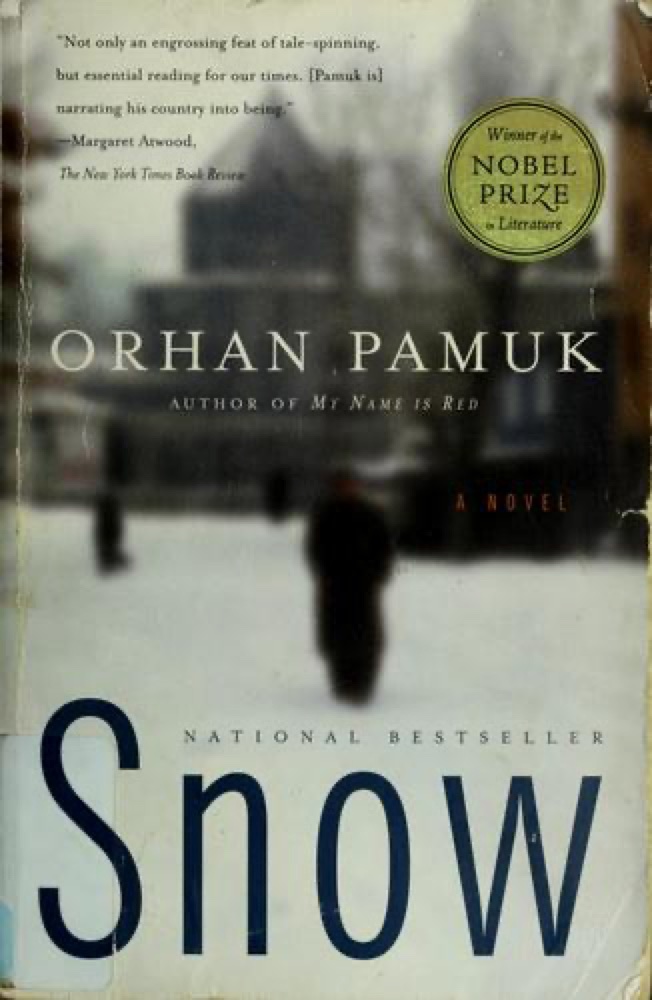 Snow
Snow
 Broken People
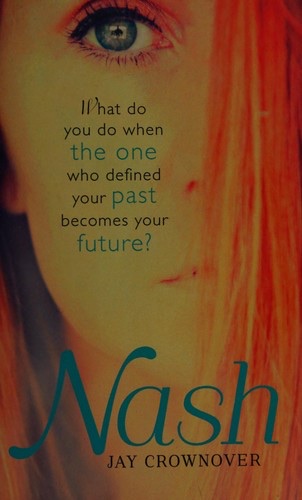 Nash
Nash
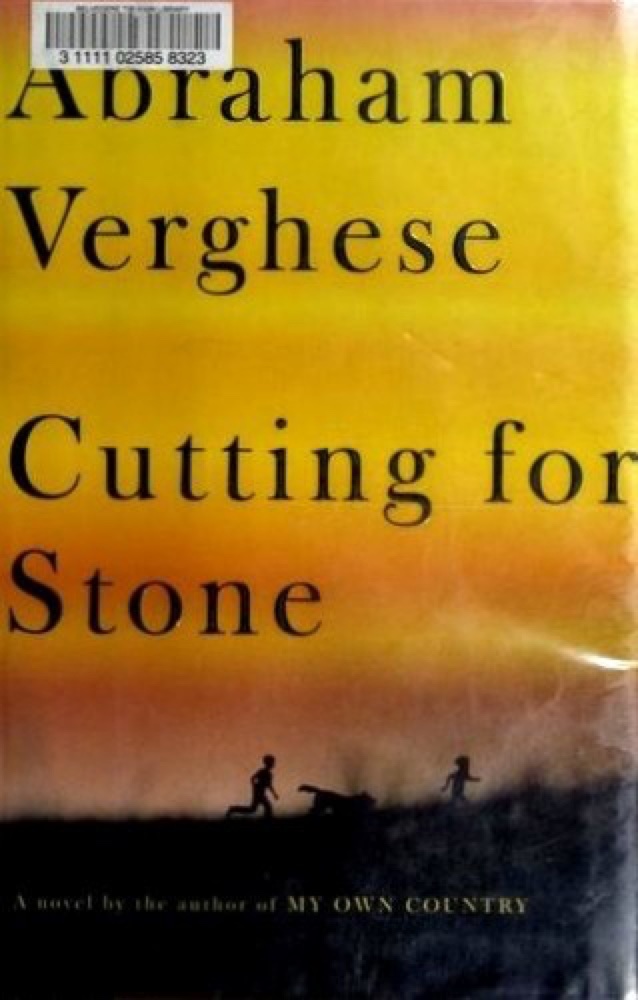 Cutting for Stone
 The Gift of Rain
 Have a Little Faith: a True Story
 The Walk
 Almost Everything: Notes on Hope
 Trust: Betrayed
 Day Watch
 The Rescue
 Adam Bede
 Beartown
 God Never Blinks: 50 Lessons for Life's Little Detours
 All My Knotted-Up Life: A Memoir
 Love Stories
 Tempted
 Tuesdays with Morrie
 Adultery
 I'll Be Seeing You
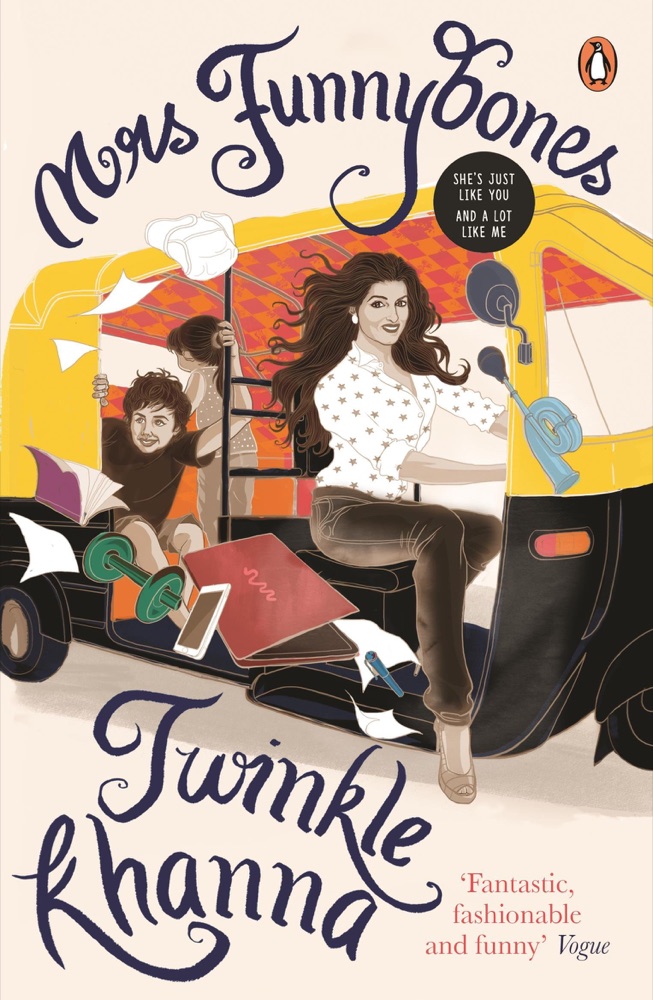 Mrs Funnybones
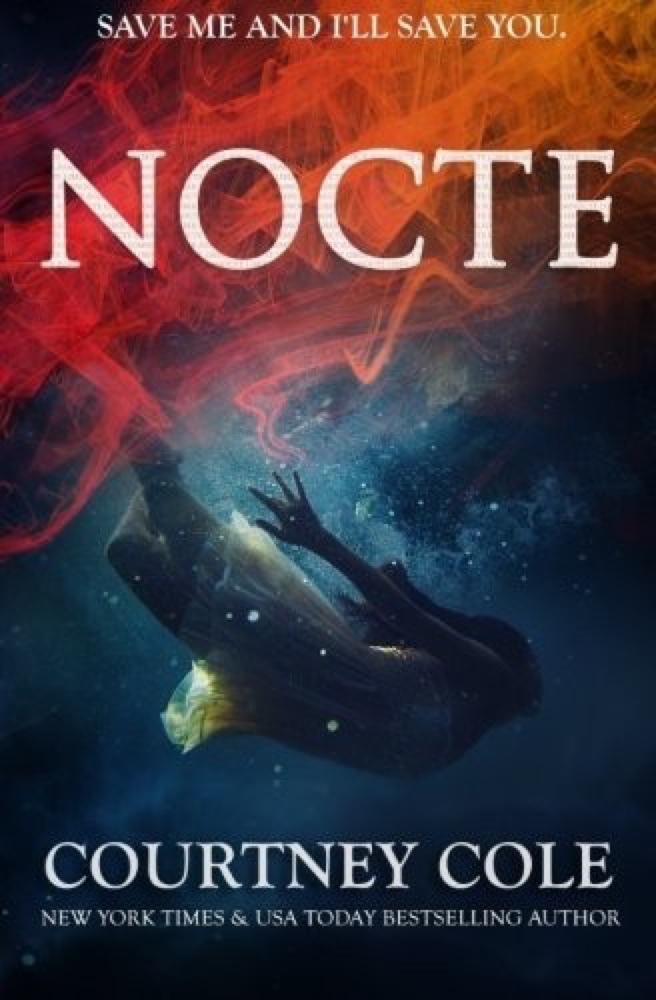 Nocte
Nocte
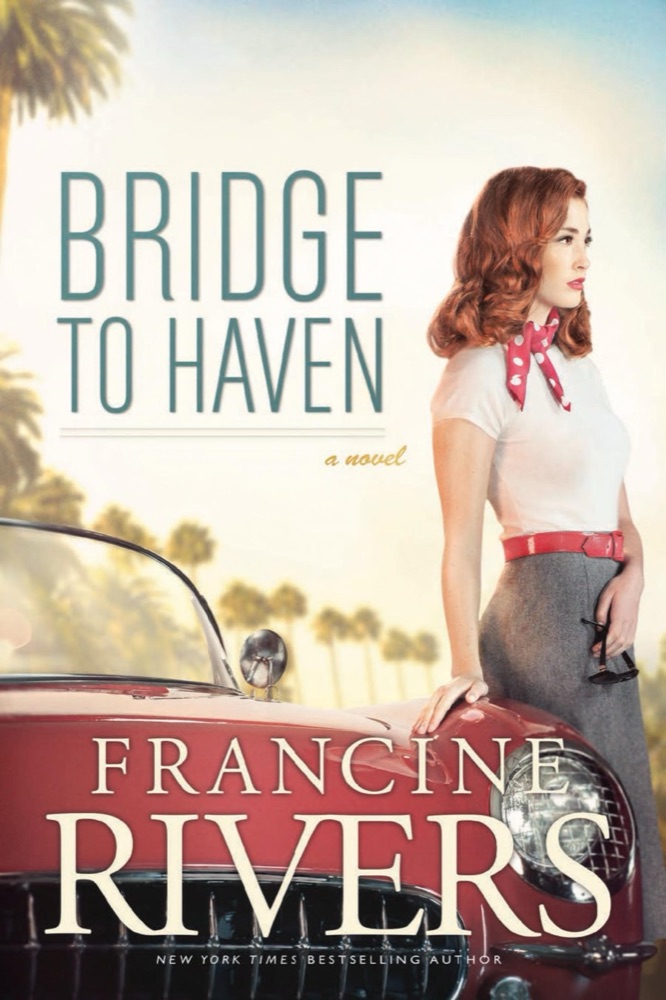 Bridge to Haven
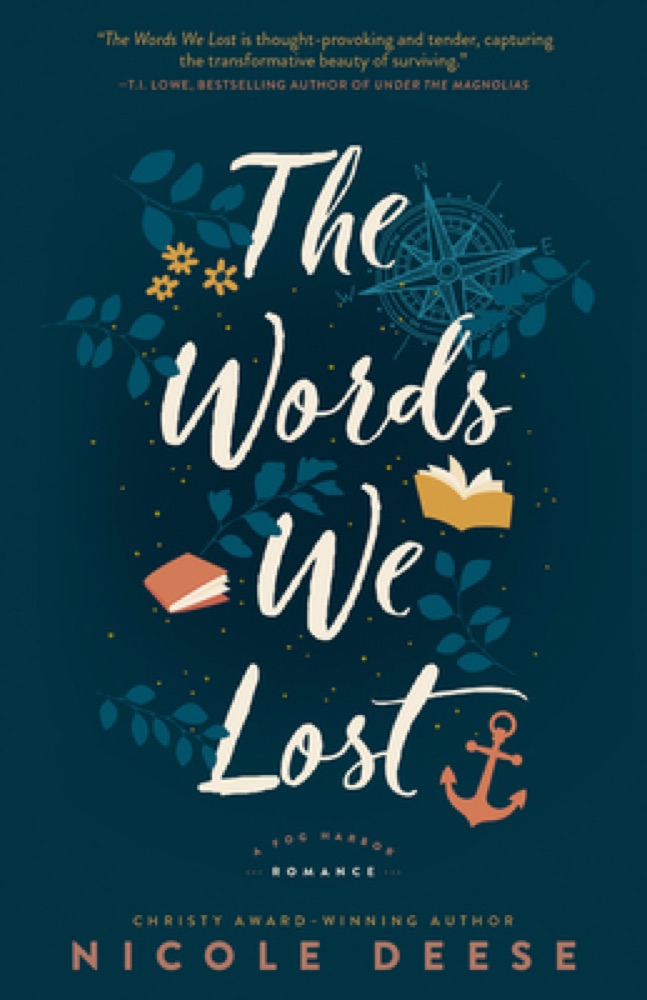 The Words We Lost