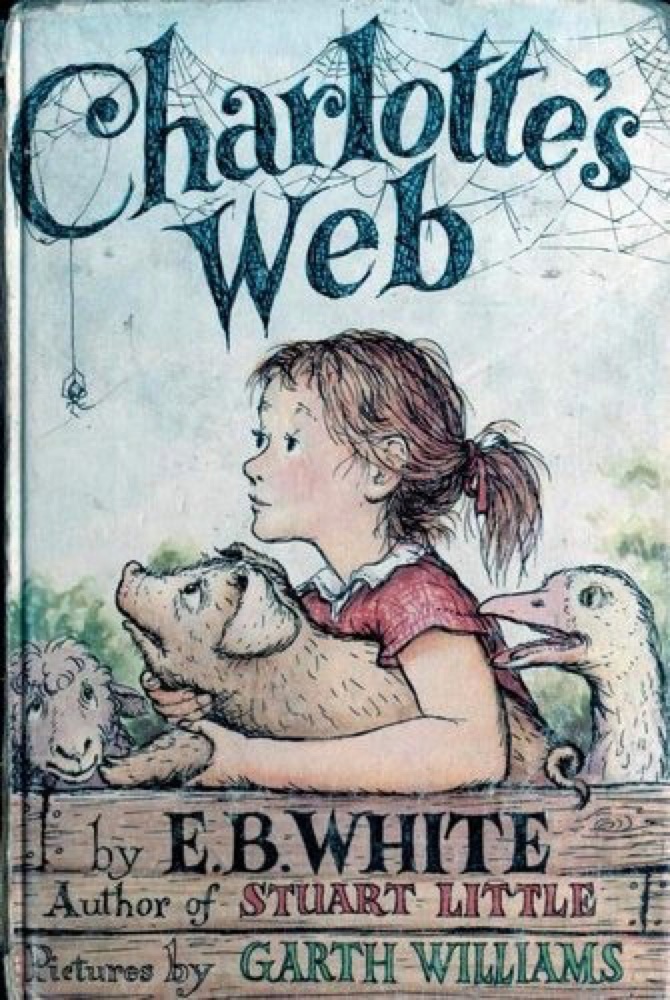
 Charlotte's Web
Quotes from the Book
Safety is all well and good: I prefer freedom.
The world is full of talkers, but it is rare to find anyone who listens. And I assure you that you can pick up more information when you are listening than when you are talking.
Every night, before he turned in, he would write in the book. He wrote about things he had done, things he had seen, and thoughts he had had. Sometimes he drew a picture. He always ended by asking himself a question so he would have something to think about while falling asleep.
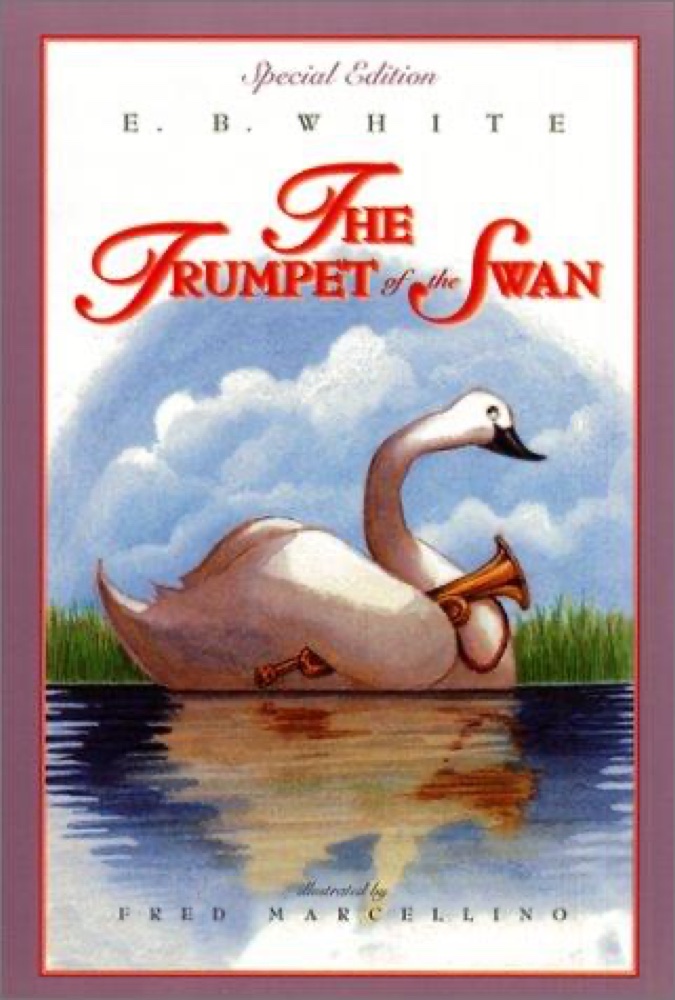
I shall begin a search for such a device, and if I have to go to the ends of the earth to find a trumpet for our young son, I shall find it at last and bring it home to Louis." "Well, if I may make a suggestion," said his wife, "don't go to the ends of the earth, go to Billings, Montana. It's nearer.
Besides, my life is a catastrophe. It's a catastrophe to be without a voice.
The sky," he wrote on his slate, "is my living room. The woods are my parlor. The lonely lake is my bath. I can't remain behind a fence all my life.
Tonight I heard Louis's horn. My father heard it, too. The wind was right, and I could hear the notes of taps, just as darkness fell. There is nothing in all the world I like better than the trumpet of the swan.
Watch on YouTube
About E.B. White
We have collected 89 quotes from 5 books by E.B. White on BookQuoters.
More about the author →More by E.B. White
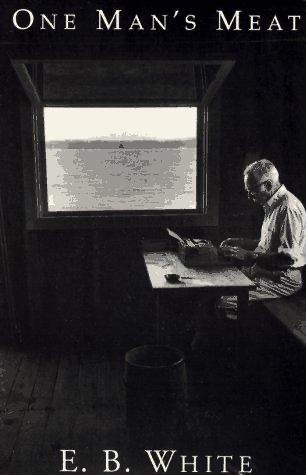
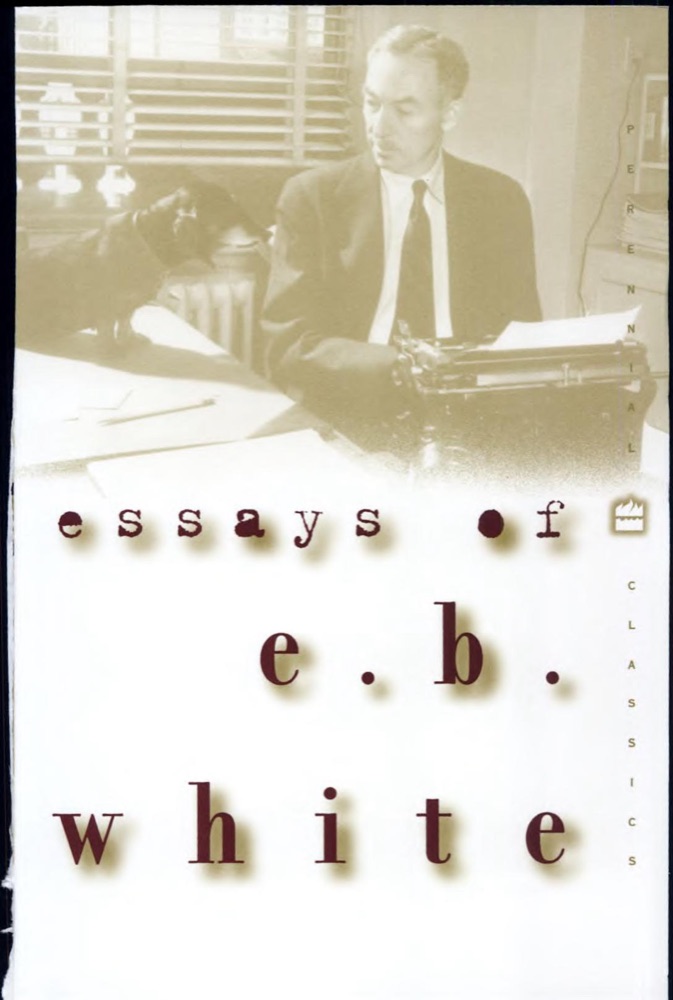
Book details
- Author
- E.B. White
- Genre
- Classics
- Goodreads rating
- 4.11 (84k ratings) →
Keep reading
 The Illustrated Man
 The Last Night of the Earth Poems
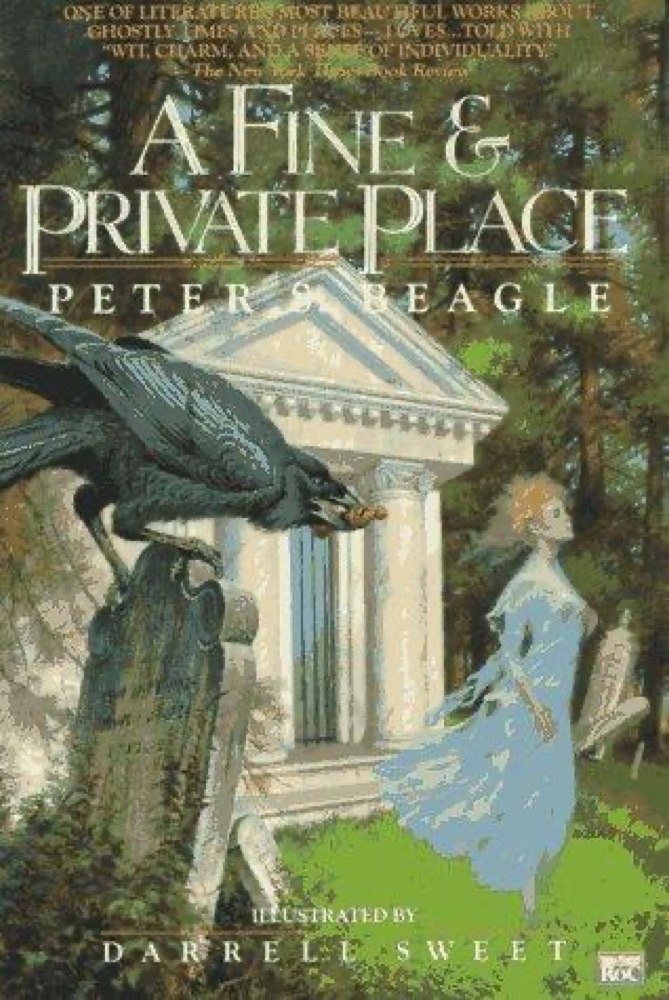 A Fine and Private Place
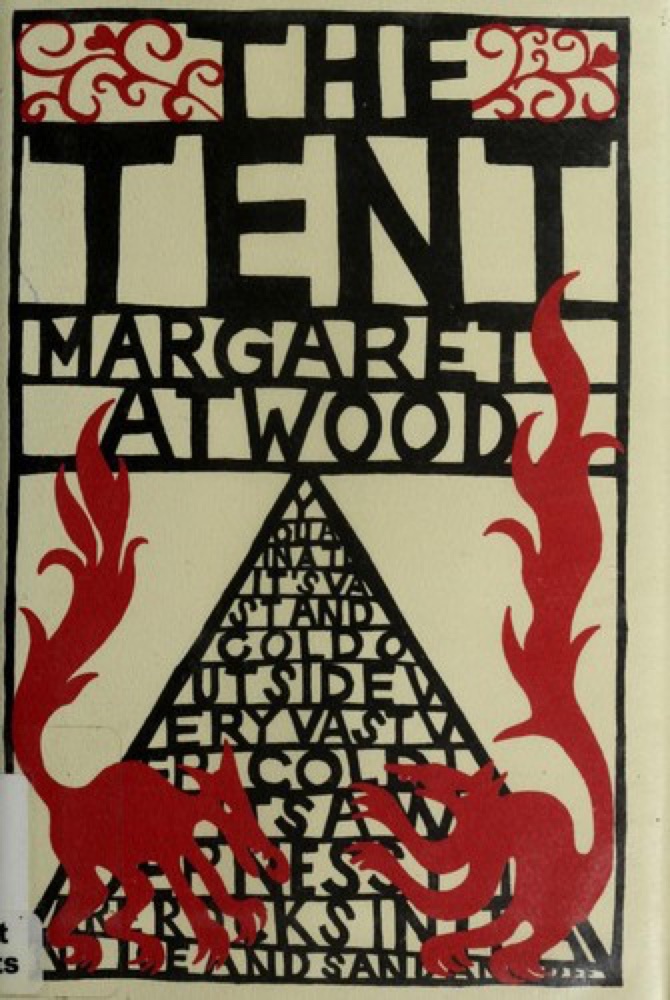 The Tent
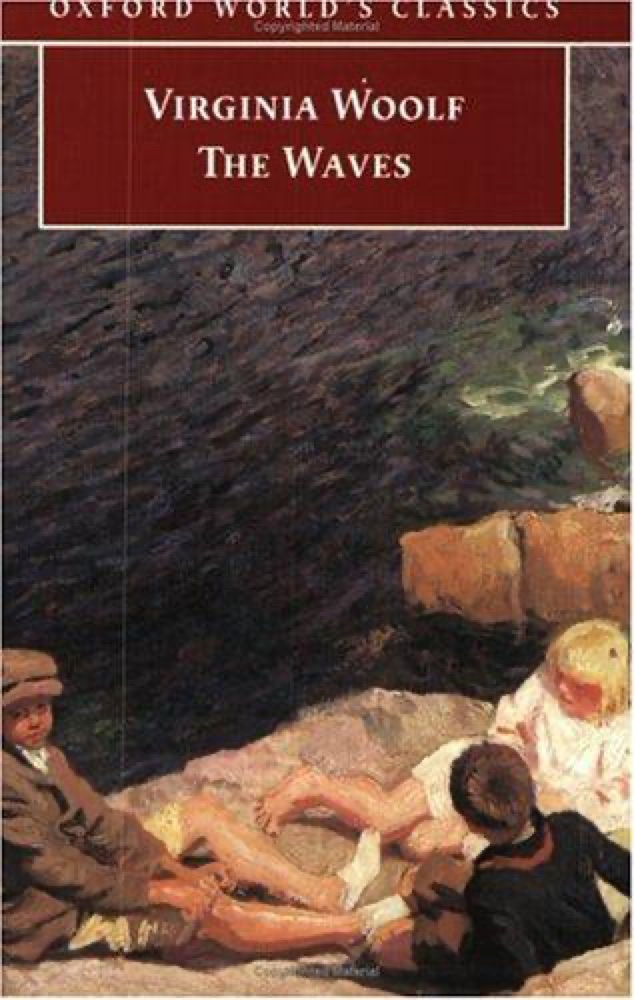 The Waves
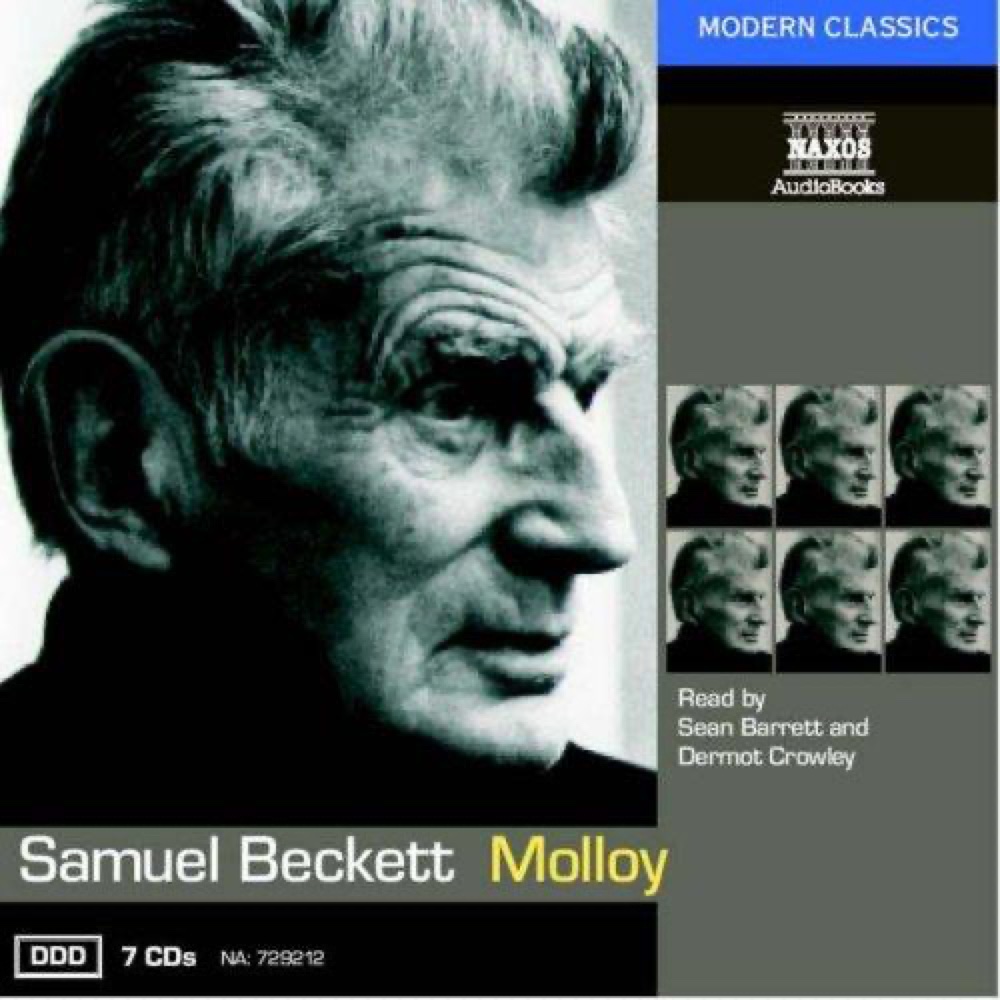 Molloy
 Moon Palace
 Different Seasons
 West with the Night
 The Wolf Gift
 My Friends
 The Collected Stories
 The Madness Vase
 Daddy-Long-Legs
 The Diving Bell and the Butterfly
 A Sound of Thunder and Other Stories
 Pale Fire
 The Serpent King
 Averno
 Chronicles, Volume One
 A Room with a View
 A Thousand Mornings: Poems
 The Brooklyn Follies
 A Portrait of the Artist as a Young Man
 Deaf Republic
 Birdsong
 The Bird and the Sword
 Edinburgh
 The Mime Order
 The Story of My Life
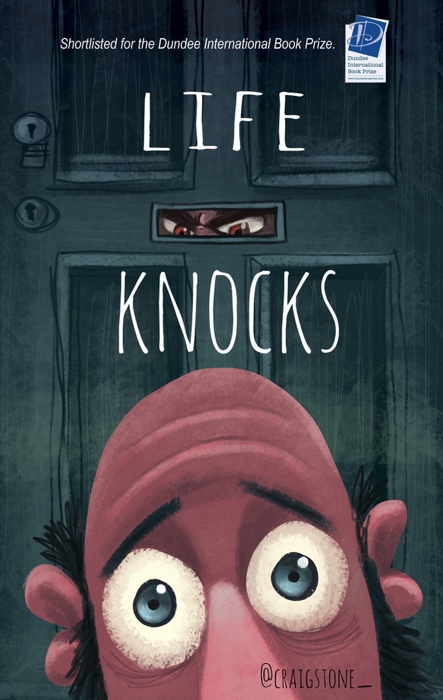 Life Knocks
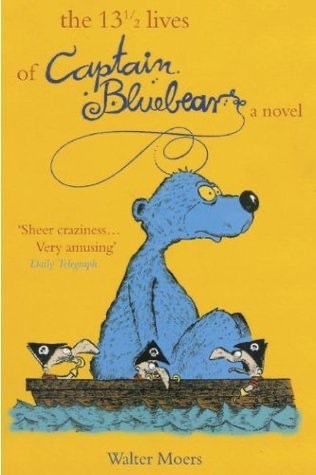 The 13½ Lives of Captain Bluebear
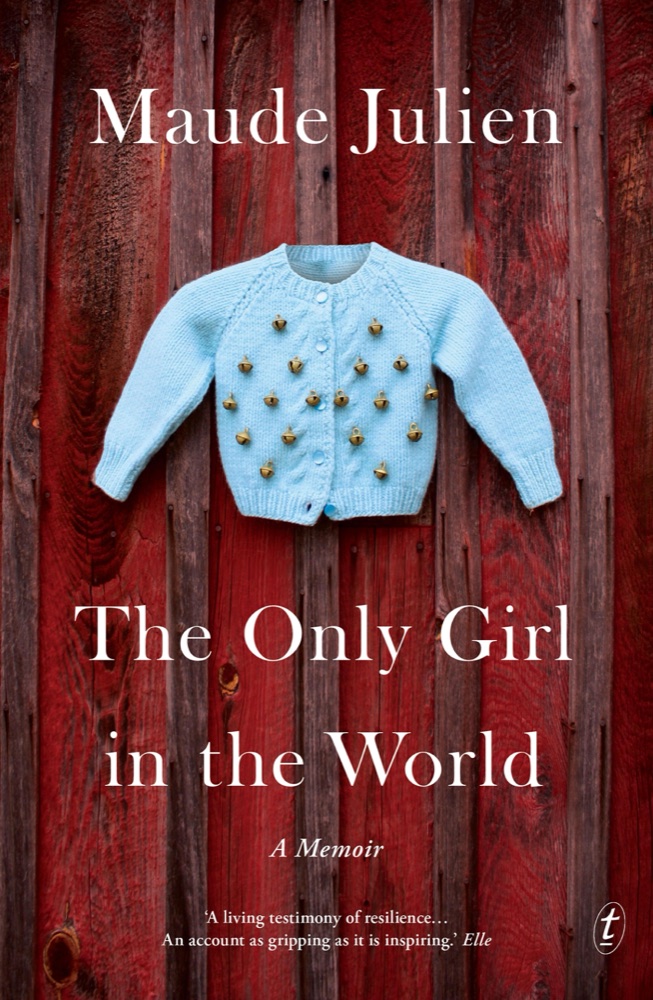 The Only Girl in the World
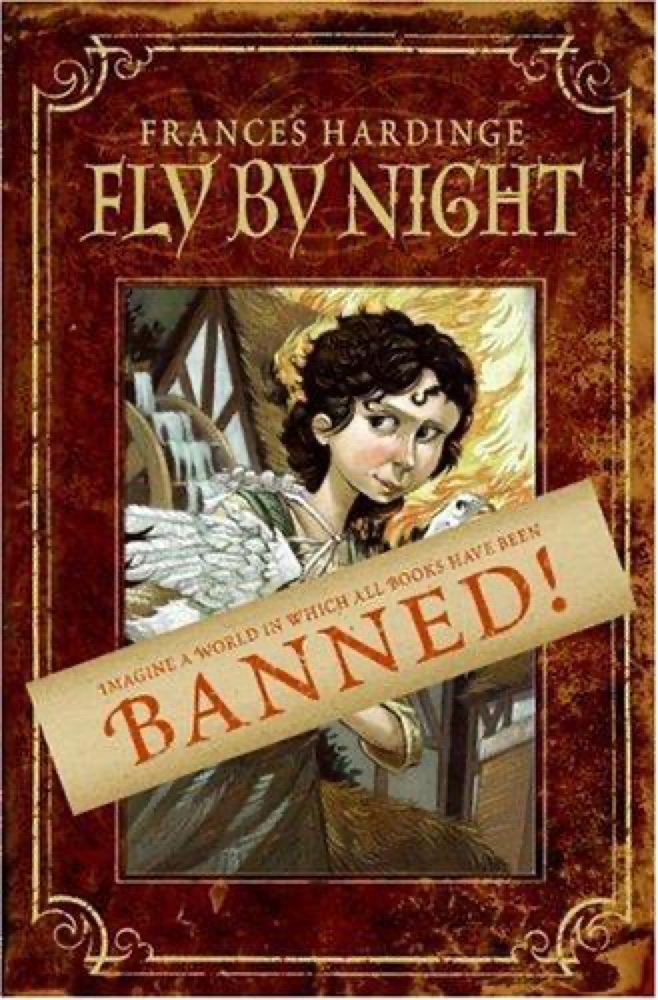 Fly by Night
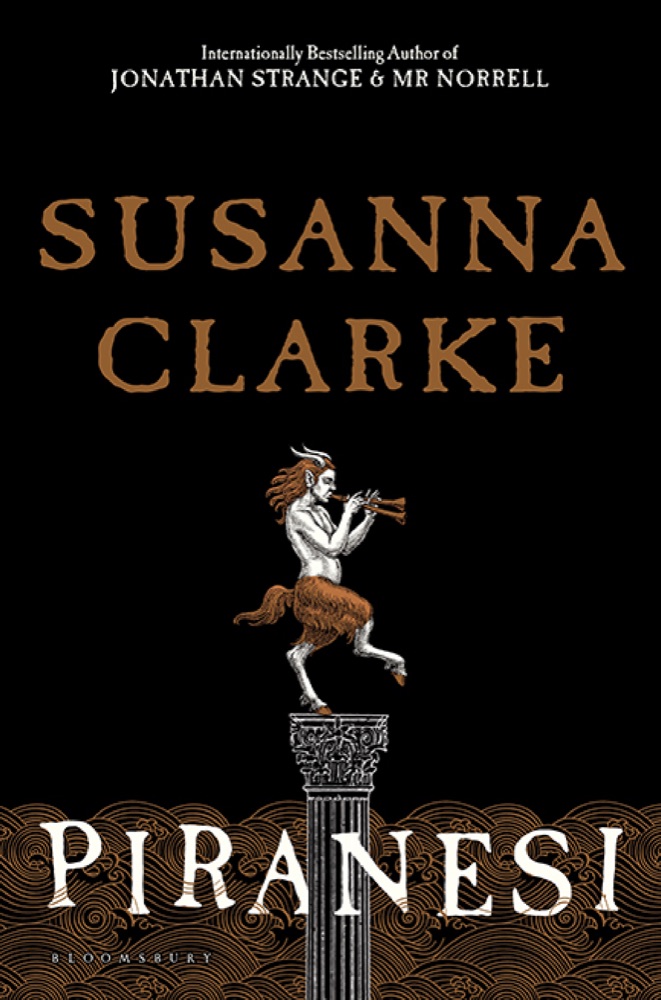 Piranesi
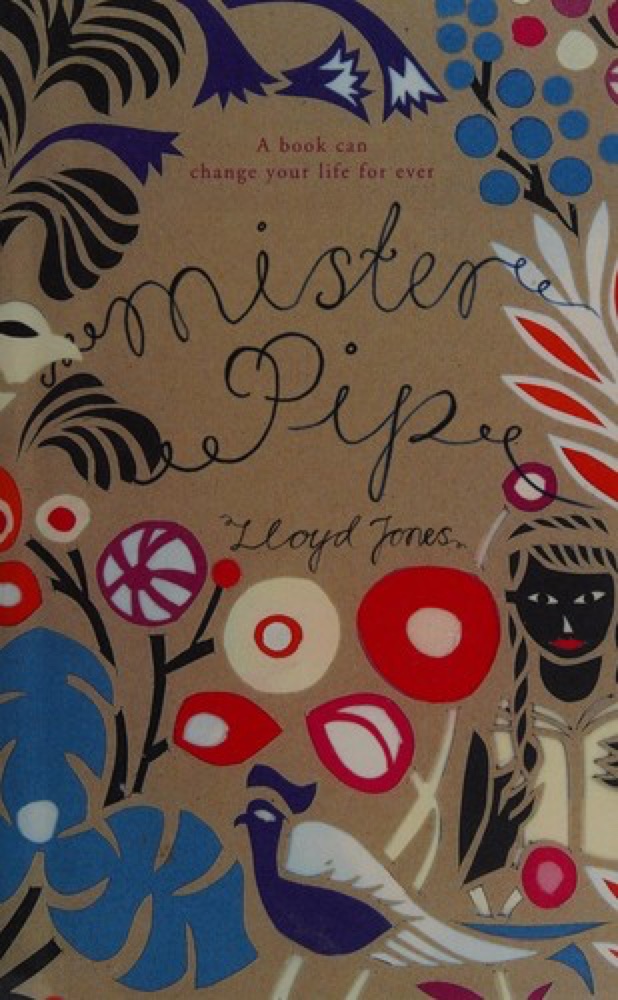 Mister Pip
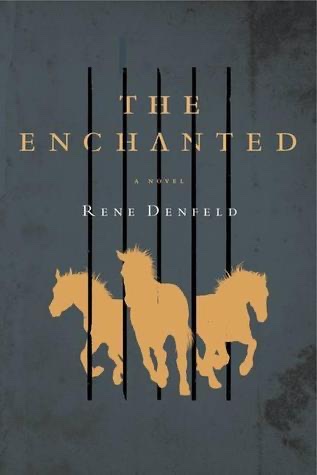 The Enchanted
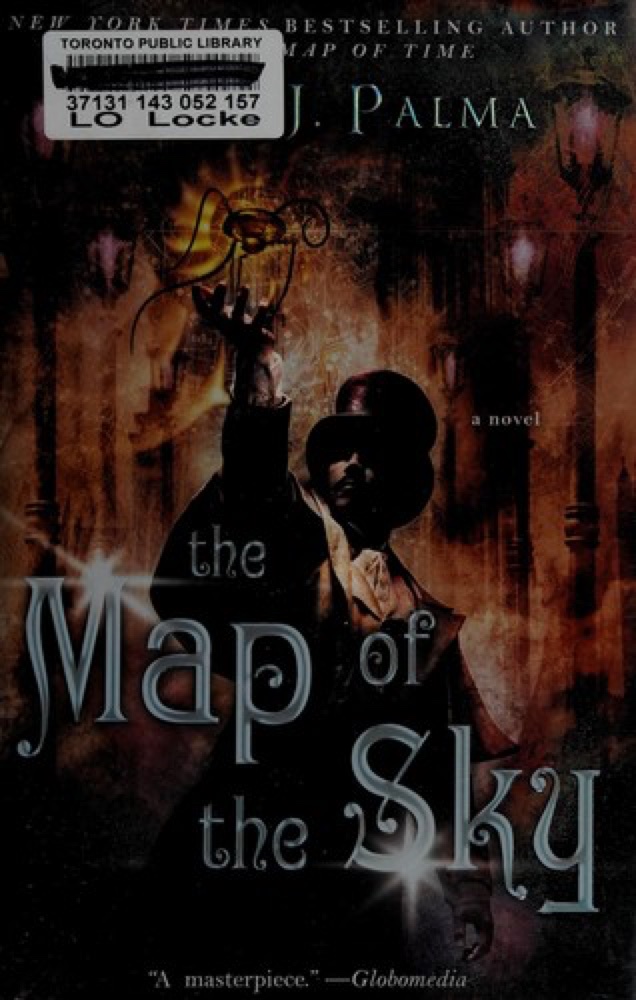 The Map of the Sky
 The Siren
 All of Us: The Collected Poems
 The Bone Season
 I Capture the Castle
 Hard-Boiled Wonderland and the End of the World
 Autobiography
 Lonesome Dove
 Hey Nostradamus!
 Red Bird
 A Sport and a Pastime
 The Hour I First Believed
 Libra
Libra
 The Professor's House
 Long Day's Journey Into Night
 The Tiny Book of Tiny Stories, Vol. 2
 The Dream of Perpetual Motion
 The Name of the Wind
 The Grass Harp, Including A Tree of Night and Other Stories
 A Writer's Diary
 And the Mountains Echoed
 Winter Hours: Prose, Prose Poems, and Poems
 Another Bullshit Night in Suck City