
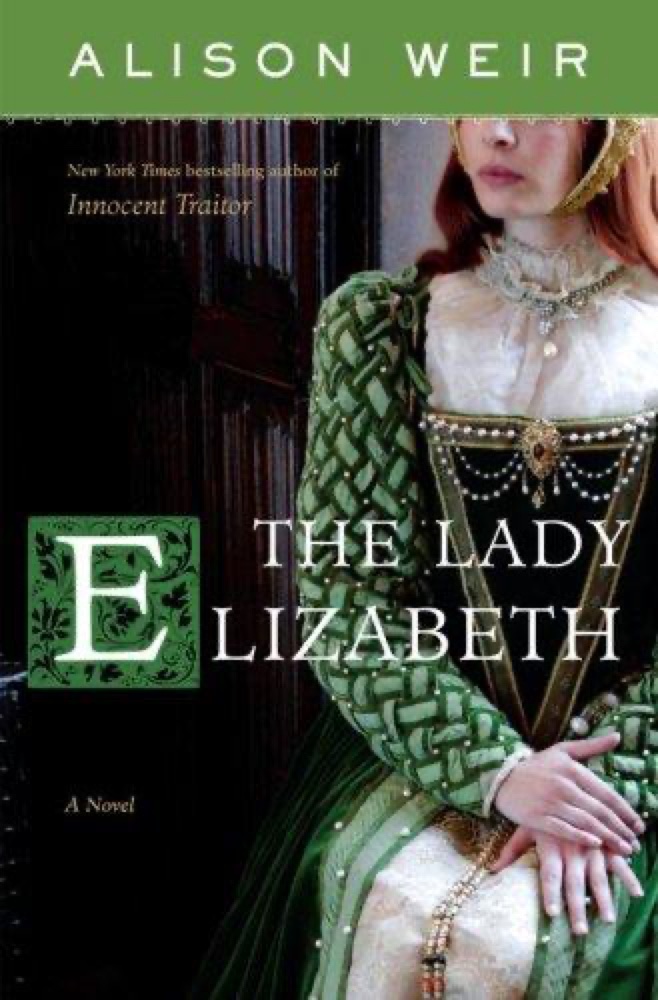
 The Lady Elizabeth
Quotes from the Book
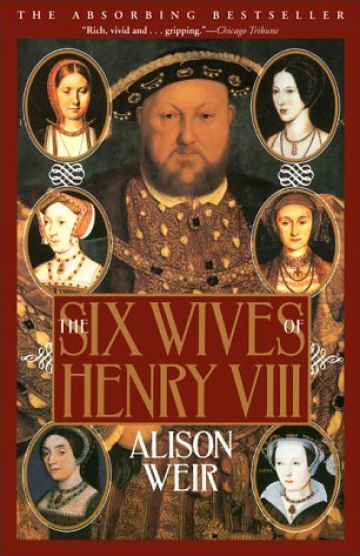
Katherine of Aragon was a staunch but misguided woman of principle; Anne Boleyn an ambitious adventuress with a penchant for vengeance; Jane Seymour a strong-minded matriarch in the making; Anne of Cleves a good-humoured woman who jumped at the chance of independence; Katherine Howard an empty-headed wanton; and Katherine Parr a godly matron who was nevertheless all too human when it came to a handsome rogue.
Since arriving in England, Katherine had come to know a freedom she had never dreamed of in Spain, where young women were kept in seclusion and forced to live almost like cloistered nuns. They wore clothes that camouflaged their bodies and veiled their faces in public. Etiquette at the Spanish court was rigid, and even smiling was frowned upon. But in England, unmarried women enjoyed much more freedom: their gowns were designed to attract, and when they were introduced to gentlemen they kissed them full upon the lips in greeting. They sang and danced when they pleased, went out in public as the fancy took them, and laughed when they felt merry.
Only during courtship might a woman briefly gain the upper hand, as both Anne Boleyn and Jane Seymour did, but woe betide her if she did not quickly learn to conform once the wedding-ring was on her finger. The
Men, however, were encouraged to sow their wild oats, but a woman who did so became a social outcast and ruined her chances of making a good marriage.
Who does not tremble when he considers how to deal with his wife?’ asked Henry VIII in his treatise A Defence of the Seven Sacraments; ‘for not only is he bound to love her, but so to live with her that he may return her to God pure and without stain, when God who gave shall demand His own again.’ Marriage
a royal bride could come to enjoy considerable power and influence, as did both Katherine of Aragon and Anne Boleyn. Yet such status and power emanated solely from her husband. She enjoyed no freedoms but those he permitted her. Without him, she was nothing. Queens
Watch on YouTube
About Alison Weir
We have collected 57 quotes from 6 books by Alison Weir on BookQuoters.
More about the author →More by Alison Weir
The Lady Elizabeth
 Innocent Traitor
 Eleanor of Aquitaine: A Life
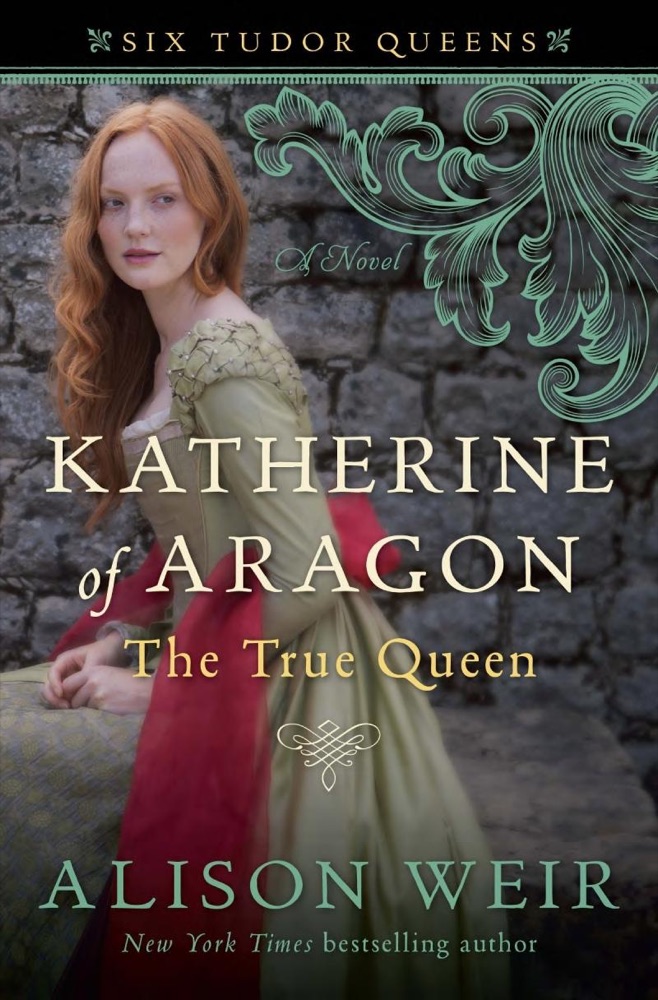 Katherine of Aragon: The True Queen
Book details
- Author
- Alison Weir
- Genre
- Historical
- Goodreads rating
- 4.12 (74k ratings) →
Keep reading
Katherine of Aragon: The True Queen
Eleanor of Aquitaine: A Life
 The Other Queen
 Queen Victoria: Daughter, Wife, Mother, Widow
 Catherine the Great: Portrait of a Woman
 Romantic Outlaws: The Extraordinary Lives of Mary Wollstonecraft and Her Daughter Mary Shelley
 Jane and Prudence
 Elizabeth and Mary: Cousins, Rivals, Queens
 The Wisteria Society of Lady Scoundrels
 At Your Pleasure
 The Other Boleyn Girl
 The Hollow of Fear
 Cousin Bette
 The Wars of the Roses: The Fall of the Plantagenets and the Rise of the Tudors
 The Sinister Mystery of the Mesmerizing Girl
 In This House of Brede
 The American Heiress
 America's Women: 400 Years of Dolls, Drudges, Helpmates, and Heroines
 The Boleyn Inheritance
 The Woman They Could Not Silence: One Woman, Her Incredible Fight for Freedom, and the Men Who Tried to Make Her Disappear
 Pride and Prejudice and Zombies
 Sorcerer to the Crown
 Femina: A New History of the Middle Ages, Through the Women Written Out of it
 Death Comes to Pemberley
 Dr. Thorne
 Why They Stay: Sex Scandals, Deals, and Hidden Agendas of Eight Political Wives
 Ravished
 Thomas Cromwell: The Untold Story of Henry VIII's Most Faithful Servant
 The Benevolent Society of Ill-Mannered Ladies
 Penelope
 Barchester Towers
 The Sunne in Splendour
 My Lady Jane
 Marie Antoinette: The Portrait of an Average Woman
 The Fraud
 Miss Marjoribanks
 Viscount Vagabond
 Roxana
 Fool Me Twice
 Nine Parts of Desire: The Hidden World of Islamic Women
 Can You Forgive Her?
 The Book of the City of Ladies
 Wicked Becomes You
 Venetia
 Bygone Badass Broads: 52 Forgotten Women Who Changed the World
 The Jane Austen Book Club
 Green Darkness
 Nine Rules to Break When Romancing a Rake
 How to Marry a Marquis
 Armadale
 How to Abduct a Highland Lord
 Pavilion of Women: A Novel of Life in the Women's Quarters
 More Than a Mistress
 The Art of Theft
 The Full Cupboard of Life
 Unveiled
 Tears of the Wolf
 The Female Eunuch
 A Most Agreeable Murder
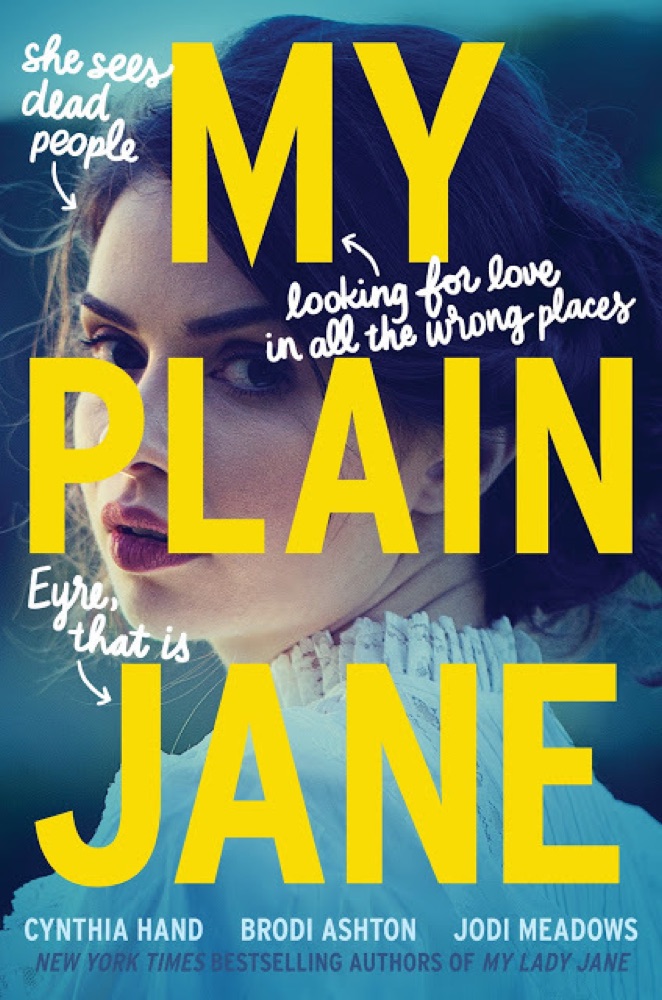 My Plain Jane