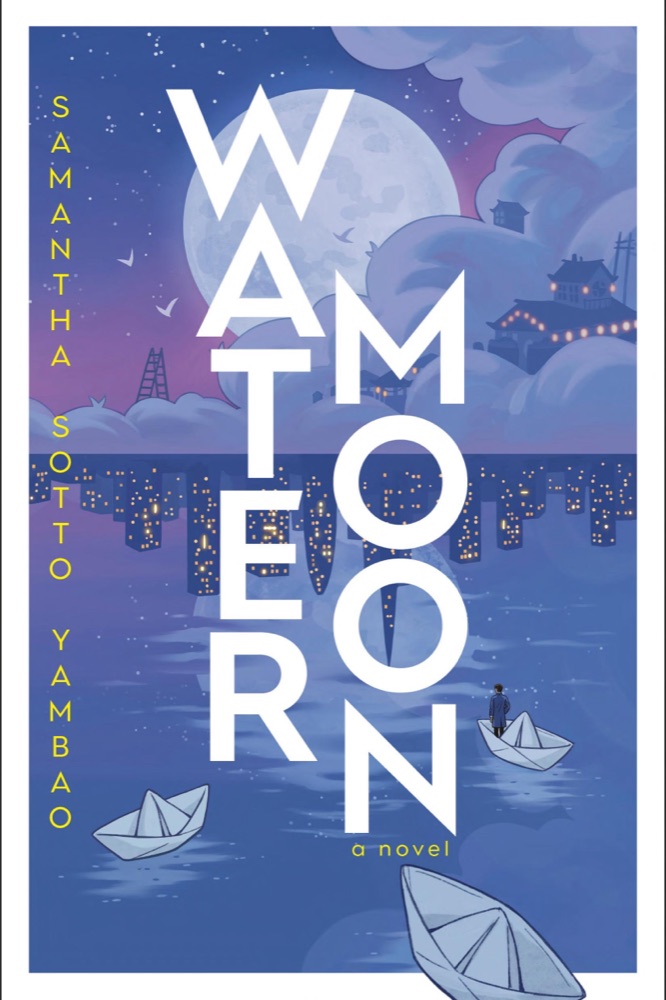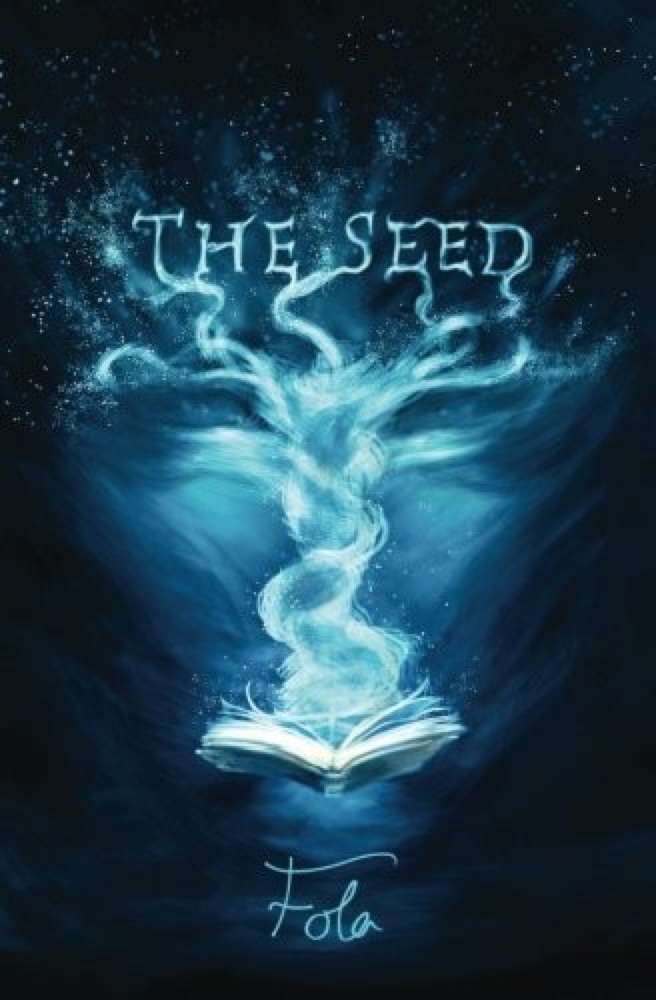

“Reality is just a dream dreamed by everyone”
― Fola, quote from The Seed
“People who live life in fear of taking risks die without living it.”
― Fola, quote from The Seed
“Yet 'Reality' is just whatever illusion we believe in”
― Fola, quote from The Seed
“What is far is very close, and what is close is very far”
― Fola, quote from The Seed
“You have to be lost to find the key”
― Fola, quote from The Seed
“Creativity leads others to where I lead you, to an unseen beauty, so ineffable its very beauty destroys itself...”
― Fola, quote from The Seed
“Whenever you think you can or think you can’t, either way you are right. (Henry Ford) ”
― Rhonda Byrne, quote from The Secret
“The Chinese poet George Wu ... recorded on his comlog: "Poets are the mad midwives to reality. They see not what is, nor what can be, but what must become." Later, on his last disk to his lover the week before he died, Wu said: "Words are the only bullets in truth's bandolier. And poets are the snipers.”
― Dan Simmons, quote from Hyperion
“So, there was this beautiful princess.
She was locked in a high tower, one whose smart walls had cleaver holes in them that could give her anything: food, a clique of fantastic friends, wonderful clothes. And, best of all, there was this mirror on the wall, so that the princess could look at her beautiful self all day long.
The only problem with the tower was that there way no way out. The builders had forgotten to put in an elevator, or even a set of stairs. She was stuck up there.
One day, the princess realized that she was bored. The view from the tower--gentle hills, fields of white flowers, and a deep, dark forest--fascinated her. She started spending more time looking out the window than at her own reflection, as is often the case with troublesome girls.
And it was pretty clear that no prince was showing up, or at least that he was really late.
So the only thing was to jump.
The hole in the wall gave her a lovely parasol to catch her when she fell, and a wonderful new dress to wear in the fields and forest, and a brass key to make sure she could get back into the tower if she needed to. But the princess, laughing pridefully, tossed the key into the fireplace, convinced she would never need to return to the tower. Without another glance in the mirror, she strolled out onto the balcony and stepped off into midair.
The thing was, it was a long way down, a lot farther than the princess had expected, and the parasol turned out to be total crap. As she fell, the princess realized she should have asked for a bungee jacket or a parachute or something better than a parasol, you know?
She struck the ground hard, and lay there in a crumpled heap, smarting and confused, wondering how things had worked out this way. There was no prince around to pick her up, her new dress was ruined, and thanks to her pride, she had no way back into the tower.
And the worst thing was, there were no mirrors out there in the wild, so the princess was left wondering whether she in fact was still beautiful . . . or if the fall had changed the story completely.”
― Scott Westerfeld, quote from Pretties
“The first language humans had was gestures. There was nothing primitive about this language that flowed from people’s hands, nothing we say now that could not be said in the endless array of movements possible with the fine bones of the fingers and wrists. The gestures were complex and subtle, involving a delicacy of motion that has since been lost completely.
During the Age of Silence, people communicated more, not less. Basic survival demanded that the hands were almost never still, and so it was only during sleep (and sometimes not even then) that people were not saying something or other. No distinction was made between the gestures of language and the gestures of life. The labor of building a house, say, or preparing a meal was no less an expression than making the sign for I love you or I feel serious. When a hand was used to shield one’s face when frightened by a loud noise something was being said, and when fingers were used to pick up what someone else had dropped something was being said; and even when the hands were at rest, that, too, was saying something. Naturally, there were misunderstandings. There were times when a finger might have been lifted to scratch a nose, and if casual eye contact was made with one’s lover just then, the lover might accidentally take it to be the gesture, not at all dissimilar, for Now I realize I was wrong to love you. These mistakes were heartbreaking. And yet, because people knew how easily they could happen, because they didn’t go round with the illusion that they understood perfectly the things other people said, they were used to interrupting each other to ask if they’d understood correctly. Sometimes these misunderstandings were even desirable, since they gave people a reason to say, Forgive me, I was only scratching my nose. Of course I know I’ve always been right to love you. Because of the frequency of these mistakes, over time the gesture for asking forgiveness evolved into the simplest form. Just to open your palm was to say: Forgive me."
"If at large gatherings or parties, or around people with whom you feel distant, your hands sometimes hang awkwardly at the ends of your arms – if you find yourself at a loss for what to do with them, overcome with sadness that comes when you recognize the foreignness of your own body – it’s because your hands remember a time when the division between mind and body, brain and heart, what’s inside and what’s outside, was so much less. It’s not that we’ve forgotten the language of gestures entirely. The habit of moving our hands while we speak is left over from it. Clapping, pointing, giving the thumbs-up, for example, is a way to remember how it feels to say nothing together. And at night, when it’s too dark to see, we find it necessary to gesture on each other’s bodies to make ourselves understood.”
― Nicole Krauss, quote from The History of Love
“Okay, Barrons, it's time."
"I am not helping you shave your legs." he said instantly.
"Oh please. As if I'd let you.”
― Karen Marie Moning, quote from Darkfever
BookQuoters is a community of passionate readers who enjoy sharing the most meaningful, memorable and interesting quotes from great books. As the world communicates more and more via texts, memes and sound bytes, short but profound quotes from books have become more relevant and important. For some of us a quote becomes a mantra, a goal or a philosophy by which we live. For all of us, quotes are a great way to remember a book and to carry with us the author’s best ideas.
We thoughtfully gather quotes from our favorite books, both classic and current, and choose the ones that are most thought-provoking. Each quote represents a book that is interesting, well written and has potential to enhance the reader’s life. We also accept submissions from our visitors and will select the quotes we feel are most appealing to the BookQuoters community.
Founded in 2023, BookQuoters has quickly become a large and vibrant community of people who share an affinity for books. Books are seen by some as a throwback to a previous world; conversely, gleaning the main ideas of a book via a quote or a quick summary is typical of the Information Age but is a habit disdained by some diehard readers. We feel that we have the best of both worlds at BookQuoters; we read books cover-to-cover but offer you some of the highlights. We hope you’ll join us.