
 Brideshead Revisited: The Sacred and Profane Memories of Captain Charles Ryder
Quotes from the Book
News is what a chap who doesn't care much about anything wants to read.
Up to a point, Lord Copper.
Feather-footed through the plashy fen passes the questing vole.'--William Boot
I read the newspapers with lively interest. It is seldom that they are absolutely, point-blank wrong. That is the popular belief, but those who are in the know can usually discern an embryo of truth, a little grit of fact, like the core of a pearl, round which have been deposited the delicate layers of ornament.
The Pension Dressler stood in a side street and had, at first glance, the air rather of a farm than of a hotel. Frau Dressler's pig, tethered by one hind trotter to the jamb of the front door, roamed the yard and disputed the kitchen scraps with the poultry. He was a prodigious beast. Frau Dressler's guests prodded him appreciatively on the way to the dining-room, speculating on how soon he would be ripe for killing. The milch-goat was allowed a narrower radius; those who kept strictly to the causeway were safe, but she never reconciled herself to this limitation and, day in, day out, essayed a series of meteoric onslaughts on the passers-by, ending, at the end of her rope, with a jerk which would have been death to an animal of any other species. One day the rope would break; she knew it, and so did Frau Dressler's guests.
They are all negros. And the Fascists won’t be called black because of their racial pride, so they are called White after the White Russians. And the Bolsheviks want to be called Black because of their racial pride. So when you say black you mean red, and when you mean red you say white and when the party who call themselves blacks say traitors they mean what we call blacks, but what we mean when we say traitors I really couldn’t tell you. But from your point of view it will be quite simple. Lord Copper only wants patriot victories and both sides call themselves patriots, and of course both sides will claim all the victories. But, of course, it’s really a war between Russia and Germany and Italy and Japan who are all against one another on the patriotic side. I hope I make myself plain?
He seems to be in a very bad temper.” “Not really. He’s always like that to waiters. You see he’s a communist. Most of the staff of The Twopence are—they’re University men, you see. Pappenhacker says that every time you are polite to a proletarian you are helping to bolster up the capitalist system. He’s very clever of course, but he gets rather unpopular.
Why, once Jakes went out to cover a revolution in one of the Balkan capitals. He overslept in his carriage, woke up at the wrong station, didn't know any different, got out, went straight to a hotel, and cabled off a thousand-word story about barricades in the streets, flaming churches, machine guns answering the rattle of his typewriter as he wrote. Well they were pretty surprised at his office, getting a story like that from the wrong country, but they trusted Jakes and splashed it in six national newspapers. That day every special in Europe got orders to rush to the new revolution. Everything seemed quiet enough, but it was as much their jobs were worth to say so, with Jakes filing a thousand words of blood and thunder a day. So they chimed in too. Government stocks dropped, financial panic, state of emergency declared, army mobilized, famine, mutiny — and in less than a week there was an honest to god revolution under way, just as jakes had said. There's the power of the press for you.
We think it a very promising little war. A microcosm, as you might say, of world drama.
As there was no form of government common to the peoples thus segregated, nor tie of language, history, habit or belief, they were called a Republic.
Why, once Jakes went out to cover a revolution in one of the Balkan capitals. He overslept in his carriage, woke up at the wrong station, didn’t know any different, got out, went straight to a hotel, and cabled off a thousand word story about barricades in the streets, flaming churches, machine guns answering the rattle of his typewriter as he wrote, a dead child, like a broken doll, spread-eagled in the deserted roadway below his window—you know. “Well they were pretty surprised at his office, getting a story like that from the wrong country, but they trusted Jakes and splashed it in six national newspapers. That day every special in Europe got orders to rush to the new revolution. They arrived in shoals. Everything seemed quiet enough but it was as much as their jobs were worth to say so, with Jakes filing a thousand words of blood and thunder a day. So they chimed in too. Government stocks dropped, financial panic, state of emergency declared, army mobilized, famine, mutiny and in less than a week there was an honest to God revolution under way, just as Jakes had said. There’s the power of the Press for you.
It was a morning of ethereal splendor—such a morning as Noah knew as he gazed from his pitchy bulwarks over limitless, sunlit waters while the dove circled and mounted and became lost in the shining heavens; such a morning as only the angels saw on the first day of that rash cosmic experiment that had resulted, at the moment, in landing Corker and Pigge here in the mud, stiff and unshaven and disconsolate.
The European powers independently decided that they did not want that profitless piece of territory; that the one thing less desirable than seeing a neighbor established there, was the trouble of taking it themselves. Accordingly, by general consent, it was ruled off the maps and its immunity guaranteed. As there was no form of government common to the peoples thus segregated, nor tie of language, history, habit or belief, they were called a Republic.
They had scraped up fresh river fish, and stewed them with white wine and aubergines; also a rare local bird which combined the tender flavour of partridge with the solid bulk of the turkey; they had roasted it and stuffed it with bananas, almonds, and red peppers; also a baby gazelle which they had seethed with truffles in its mother's milk; also a dish of feathery Arab pastry and a heap of unusual fruits. Mr Baldwin sighed wistfully. "Well," he said, "I suppose it will not hurt us to rough it for once.
Ah well, to the journalist every country is rich.
At a banquet given in his honour Sir Jocelyn Hitchcock once modestly attributed his success in life to the habit of "getting up earlier than the other fellow." But this was partly metaphorical, partly false and in case wholly relative for journalists are as a rule late risers.
As a rule there is one thing you can always count on in our job — popularity. There are plenty of disadvantages I grant you, but you are liked and respected. Ring people up any hour of the day or night, butt into their houses uninvited make them answer a string of damn fool questions when they want to do something else — they like it. Always a smile and the best of everything for the gentlemen of the Press.
Watch on YouTube
About Evelyn Waugh
We have collected 112 quotes from 7 books by Evelyn Waugh on BookQuoters.
More about the author →More by Evelyn Waugh
Brideshead Revisited: The Sacred and Profane Memories of Captain Charles Ryder
 The Loved One
 A Handful of Dust
 Vile Bodies
Book details
- Author
- Evelyn Waugh
- Genre
- Classics
- Goodreads rating
- 3.78 (23k ratings) →
Keep reading
 Fall of Giants
 Roughing It
 The Proud Tower: A Portrait of the World Before the War, 1890-1914
 Burr
Burr
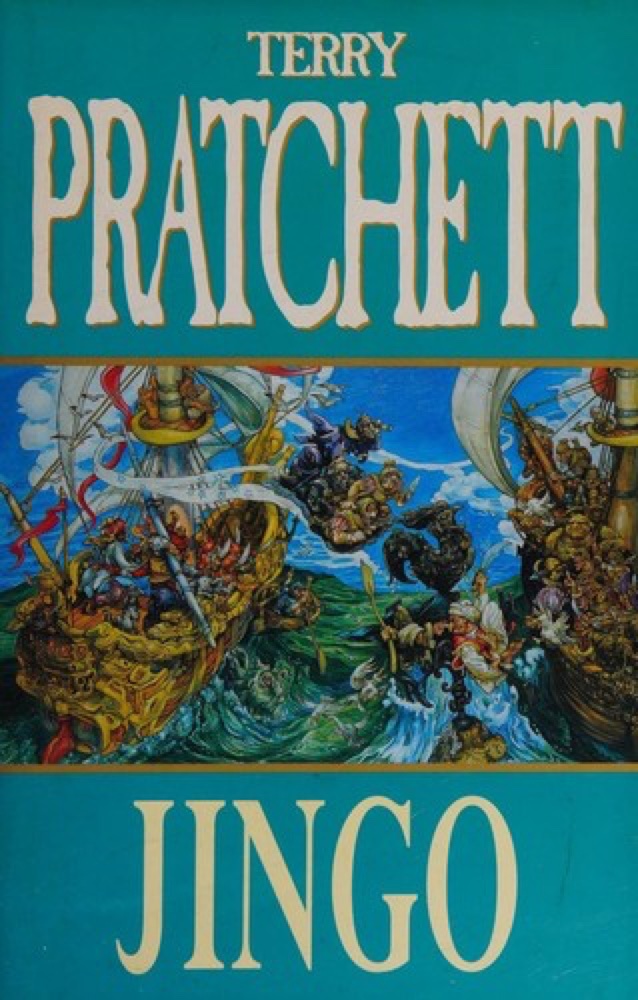 Jingo
Jingo
 The Big Over Easy
 Essays of E.B. White
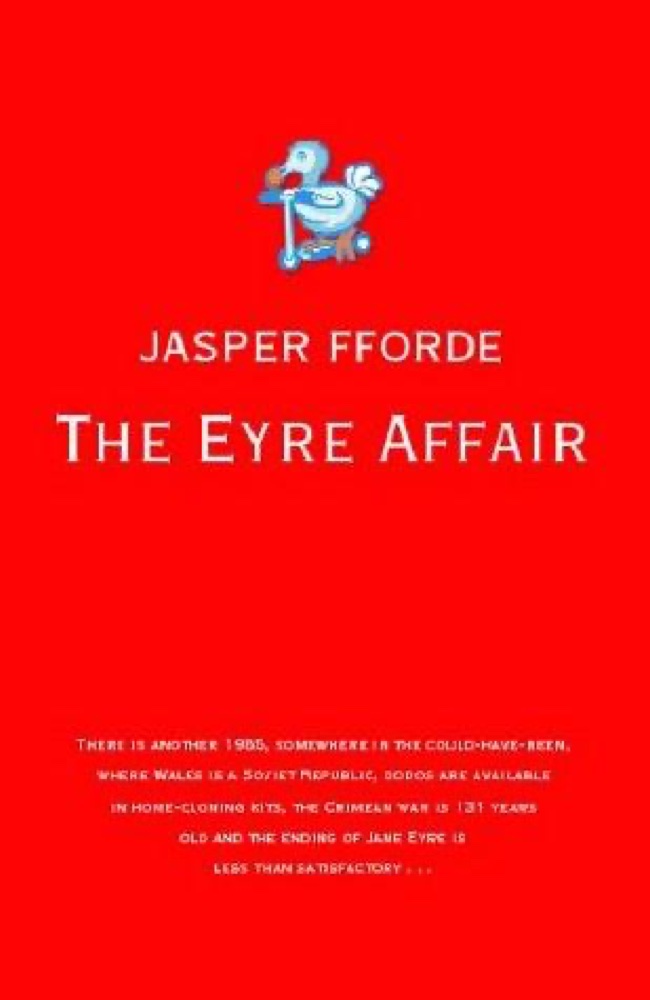 The Eyre Affair
 The Complete Works of Charles Dickens
 The Complete Saki
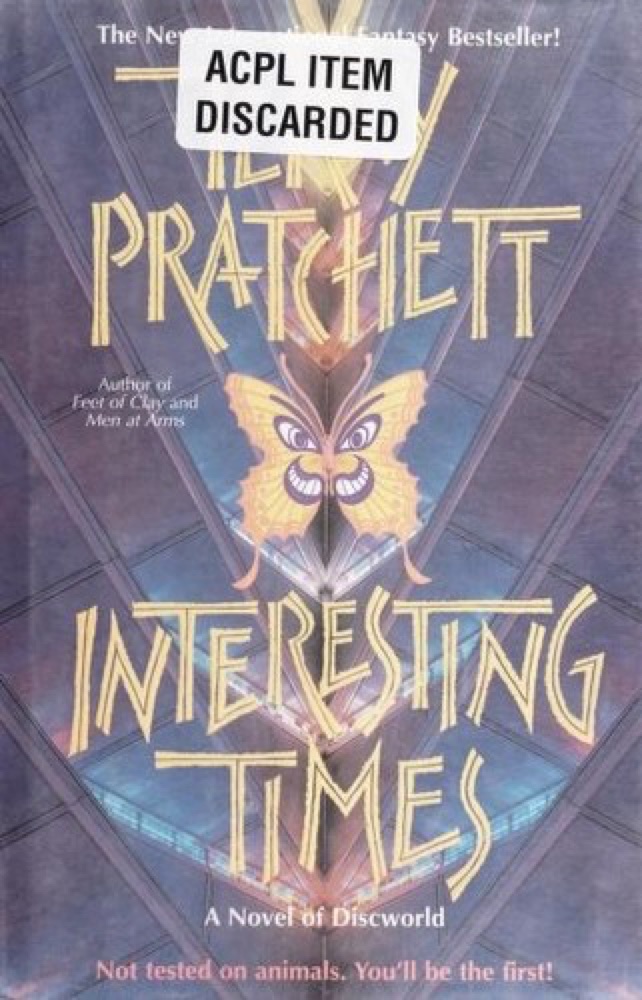 Interesting Times
 Table for Two
 Tigerman
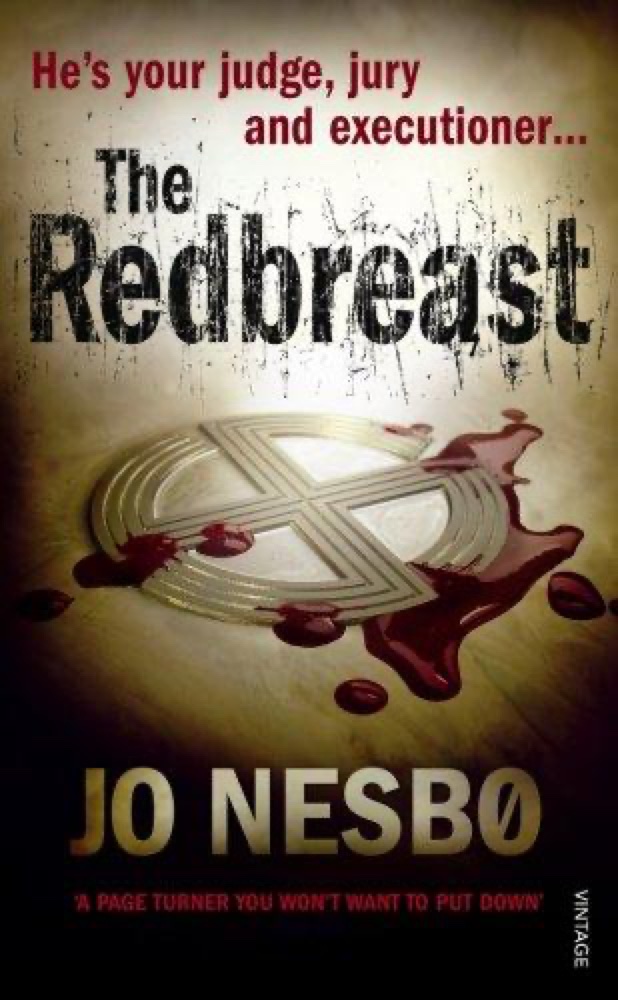 The Redbreast
 The Truth: Stage Adaptation
 London Rules
 Mason & Dixon
 River of Smoke
 Snuff
Snuff
 Hercule Poirot: The Complete Short Stories
 The Hanging Tree
 The Secret Agent
 Radio Free Albemuth
 It Can't Happen Here
 Executive Orders
 American Colossus: The Triumph of Capitalism, 1865-1900
 Bleak House
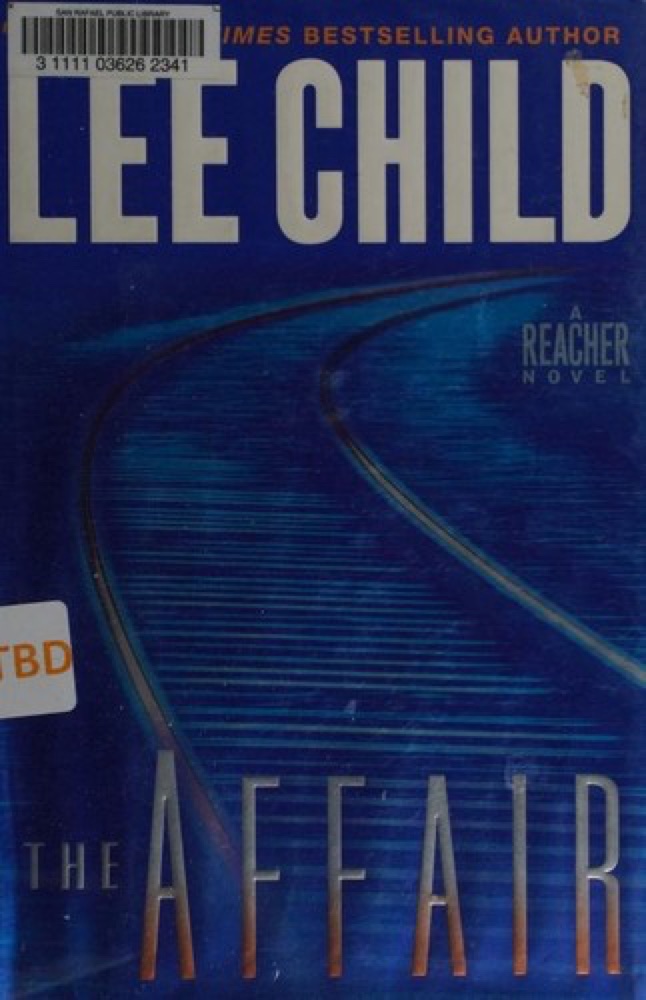 The Affair
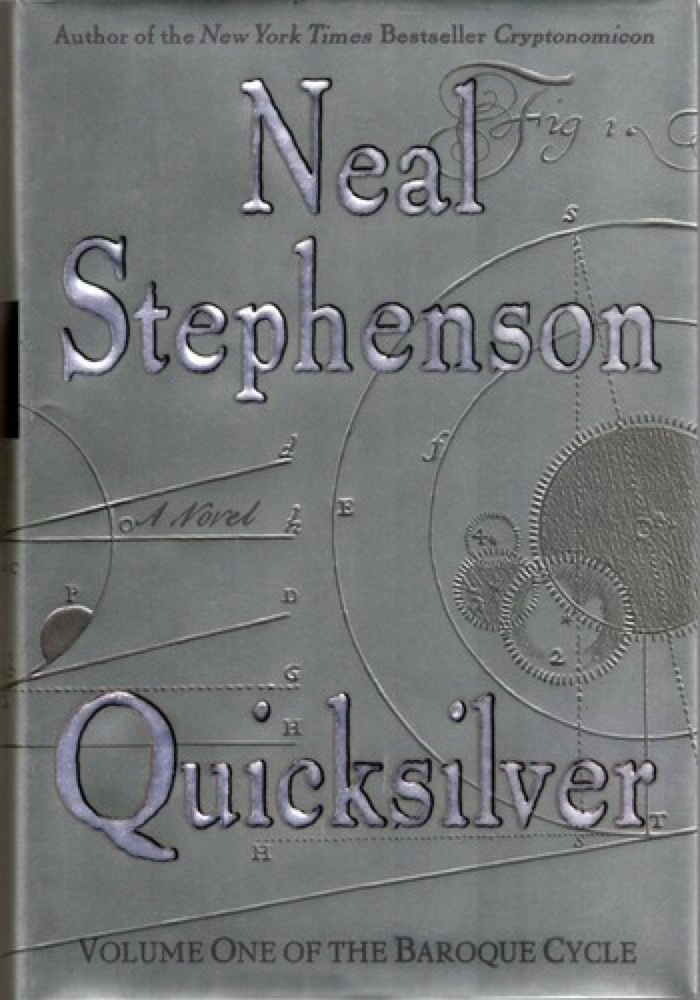 Quicksilver
 The Bonfire of the Vanities
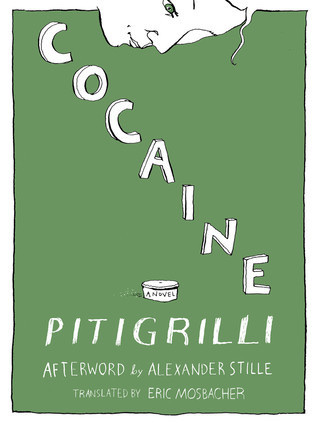 Cocaine
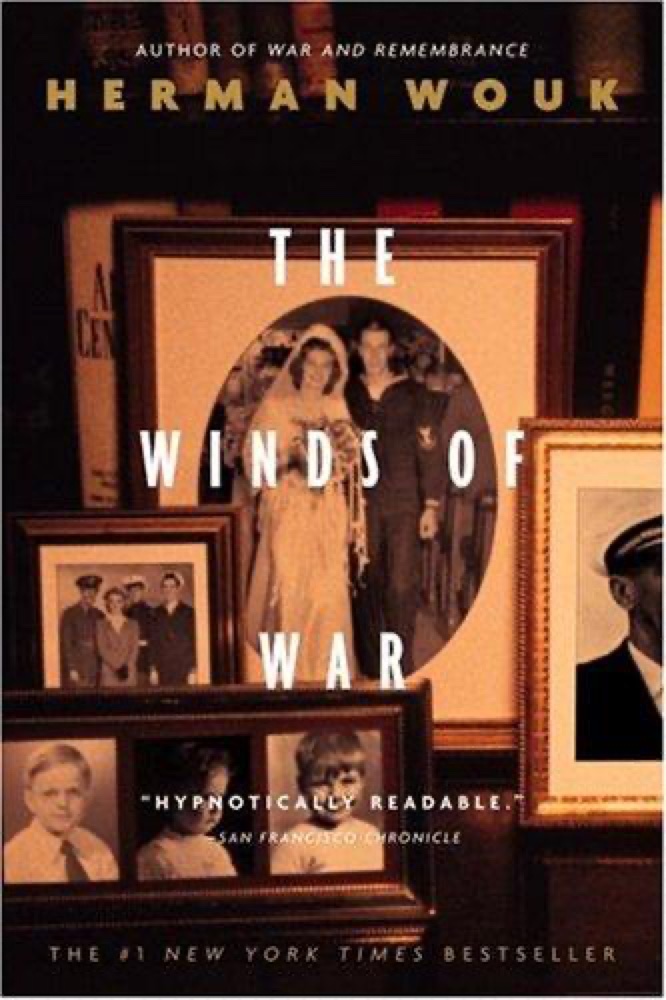 The Winds of War
 Winter of the World
 Reamde
 The Spy Who Came In from the Cold
 The Confusion
 New York
 The Volcano Lover: A Romance
 Slough House
 Hard Times
 Stone's Fall
 Sixty Stories
 That Hideous Strength
 One Man's Meat
 Kraken
 Everything's Eventual
 Rogues
 Ragtime
 Freddy and Fredericka
 Speaking from Among the Bones
 Alas, Babylon
 The Honourable Schoolboy
 Tinker Tailor Soldier Spy
 The Daughter of Time
 A Drop of Corruption
 The Naked and the Dead
 Be Careful What You Wish For
 The Accursed
 Shades of Grey
 A Connecticut Yankee in King Arthur's Court