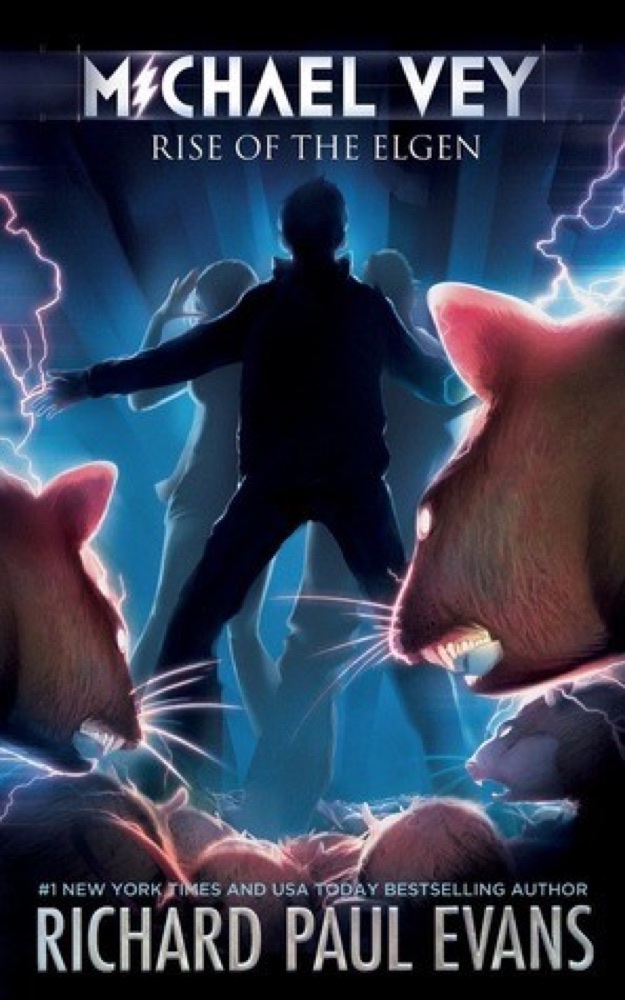

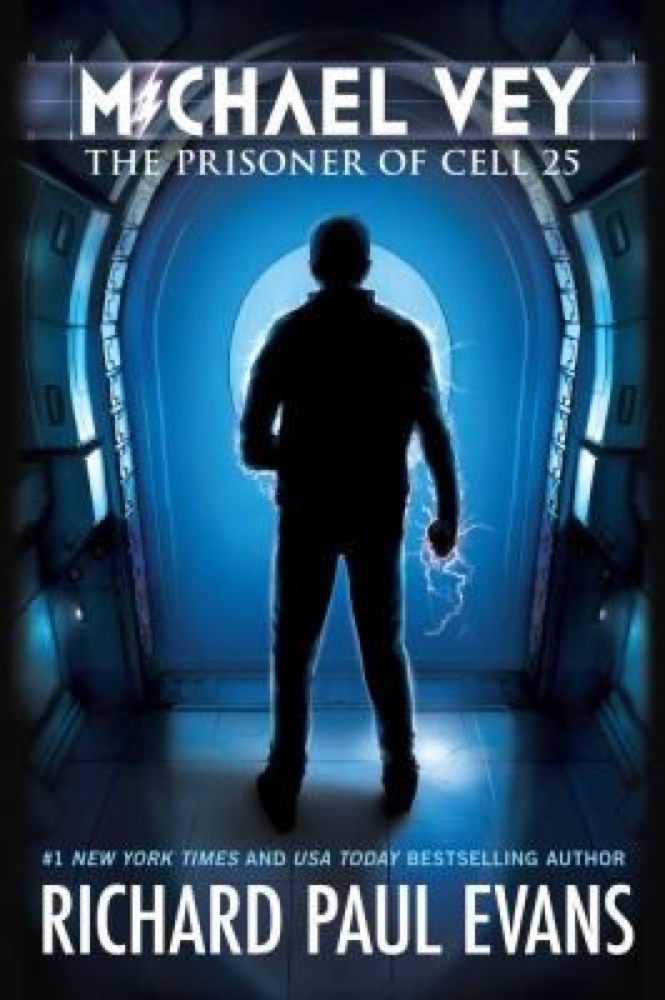
 The Walk
Quotes from the Book
Magnetism is not like in the superhero movies. I couldn’t pull a car toward myself, because a car weighs more than I do. I just ended up pulling myself to the car.
Geography is my strong subject,” Ostin said. “Everything is your strong subject,” Taylor said.
As long as you remember the whys, the hows will take care of themselves.
Did you know that rats can’t vomit?” “Okay, enough. No more rat trivia.
I’m glad I have you for my boyfriend.” “Me too,” I said. “Sometimes I have to pinch myself.” She pinched my arm and smiled. “You’re so cute.
The natives used to tie their enemies to the tree. The ants would eat them alive.
Where is the best place to hide a penny? It is in a jar of pennies.
My mother always said that if you do the right thing, the universe comes to your aid,
What the masses don’t realize is that they’re looking for a shepherd. Those who don’t think they can be influenced or call themselves ‘independent thinkers’ are usually the biggest conformists of all—and the easiest to turn. Why do you think cults prey on college students? Easy picking.
take it out on whoever is close. Even people we love. Taylor’s afraid for Michael and so she’s upset. And since he isn’t here, she took it out on you.
Watch on YouTube
About Richard Paul Evans
We have collected 145 quotes from 13 books by Richard Paul Evans on BookQuoters.
More about the author →More by Richard Paul Evans
All books by Richard Paul Evans →
Book details
- First published
- 2012
- Author
- Richard Paul Evans
- Genre
- Fiction
- Goodreads rating
- 4.29 (31k ratings) →
Keep reading
 Hope Was Here
 Hold Tight
 The Enchantress Returns
 The Nature of Jade
 White Night
 Hemlock & Silver
 The Glass Castle
 Plain Truth
 Rosemary and Rue
 Fool Me Once
 Side Jobs: Stories from the Dresden Files
 Narcissus in Chains
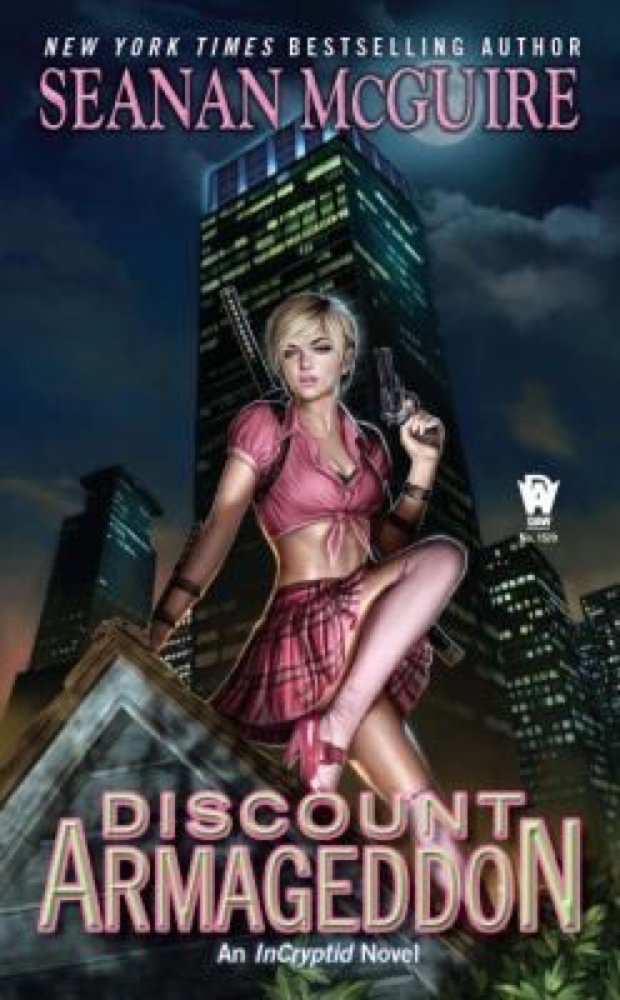 Discount Armageddon
 The Name of the Star
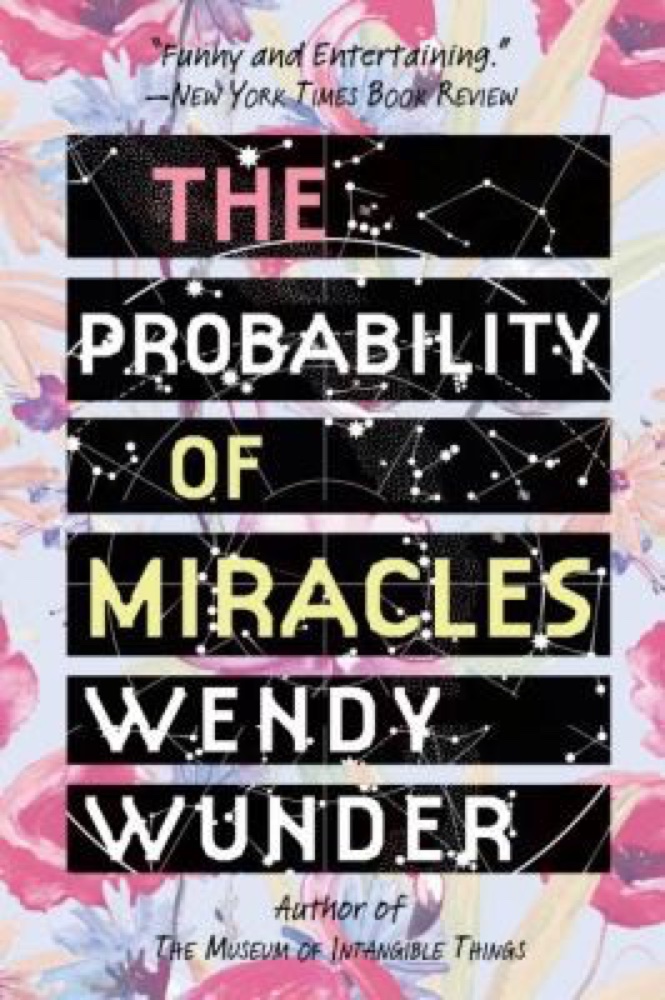 The Probability of Miracles
 Freddy and Fredericka
 Speaking from Among the Bones
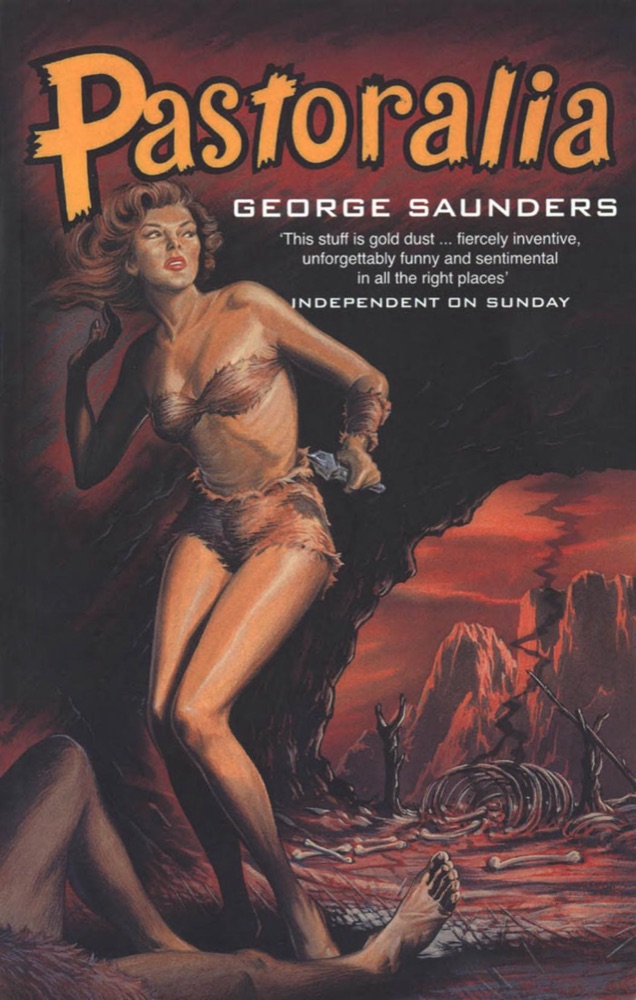 Pastoralia
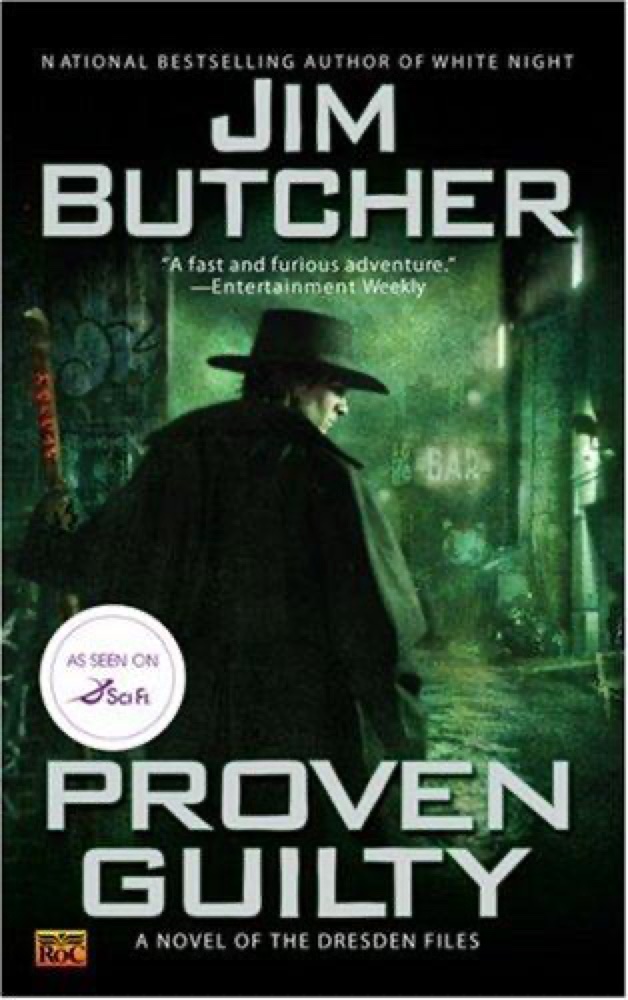 Proven Guilty
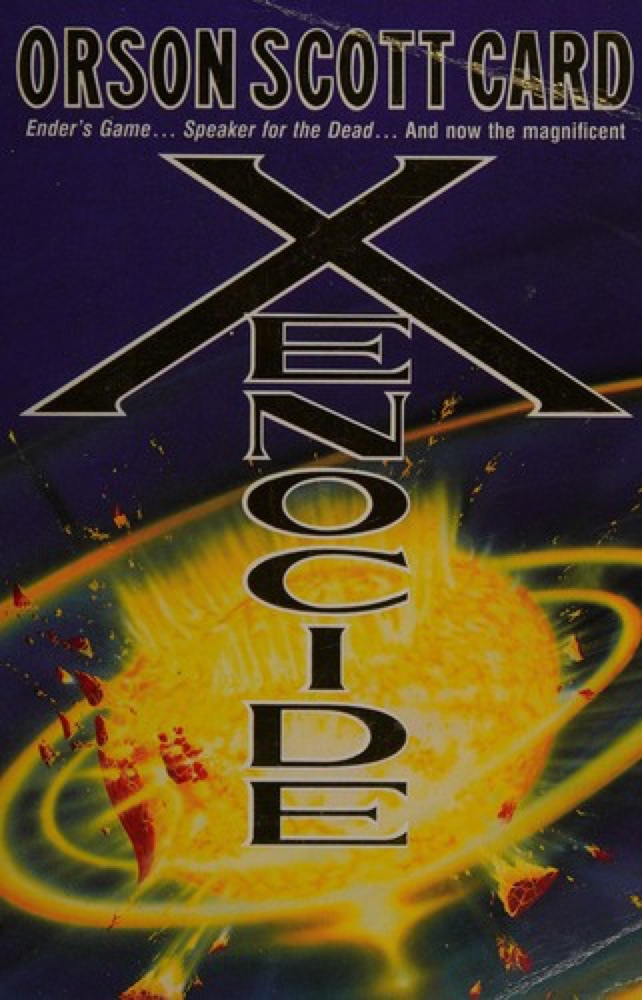 Xenocide
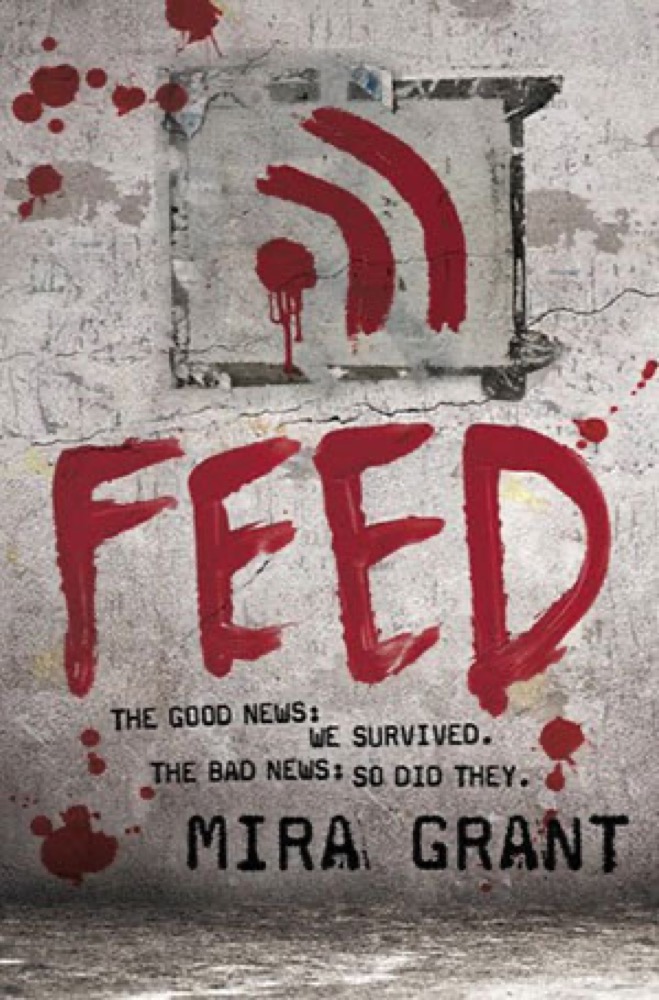 Feed
Feed
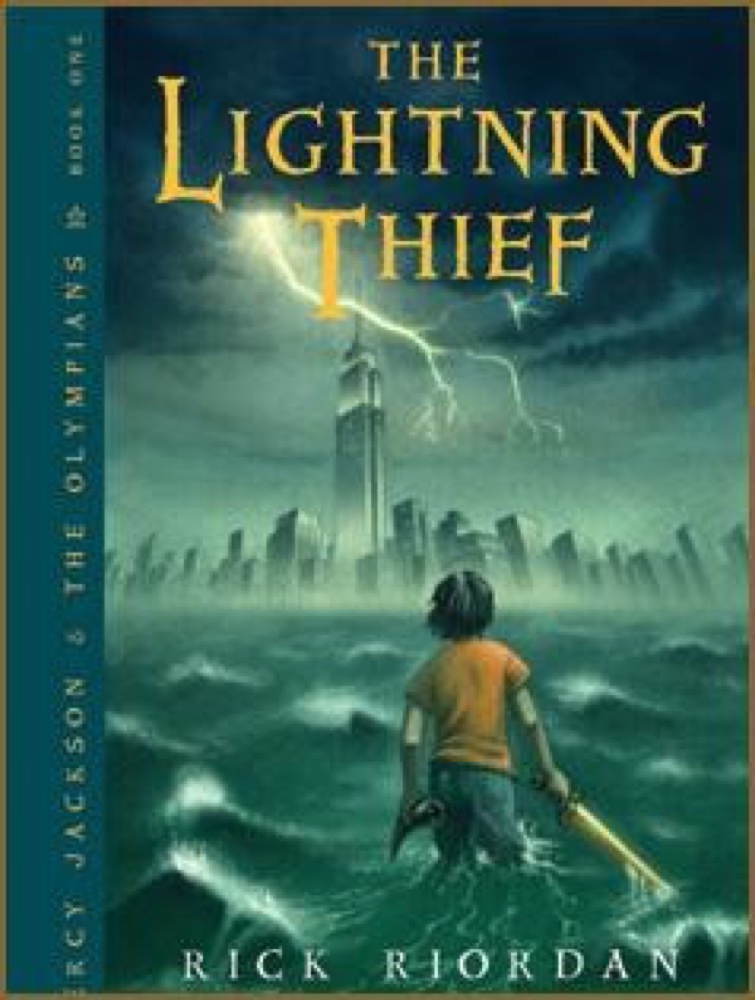 The Lightning Thief
 The Hour I First Believed
 Omens
Omens
 The Dark Prophecy
 Magic for Nothing
 Need
Need
 The Diviners
 Sweep in Peace
 From the Mixed-Up Files of Mrs. Basil E. Frankweiler
 A House with Good Bones
 It
It
 Firefight
 The Source
 Son of a Witch
 Keeping the Moon
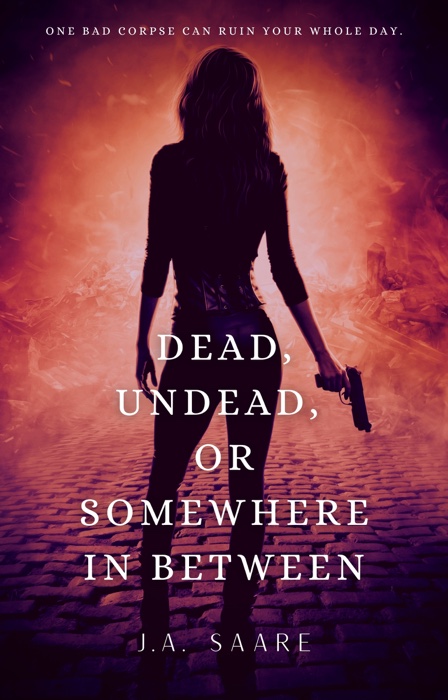 Dead, Undead, or Somewhere in Between
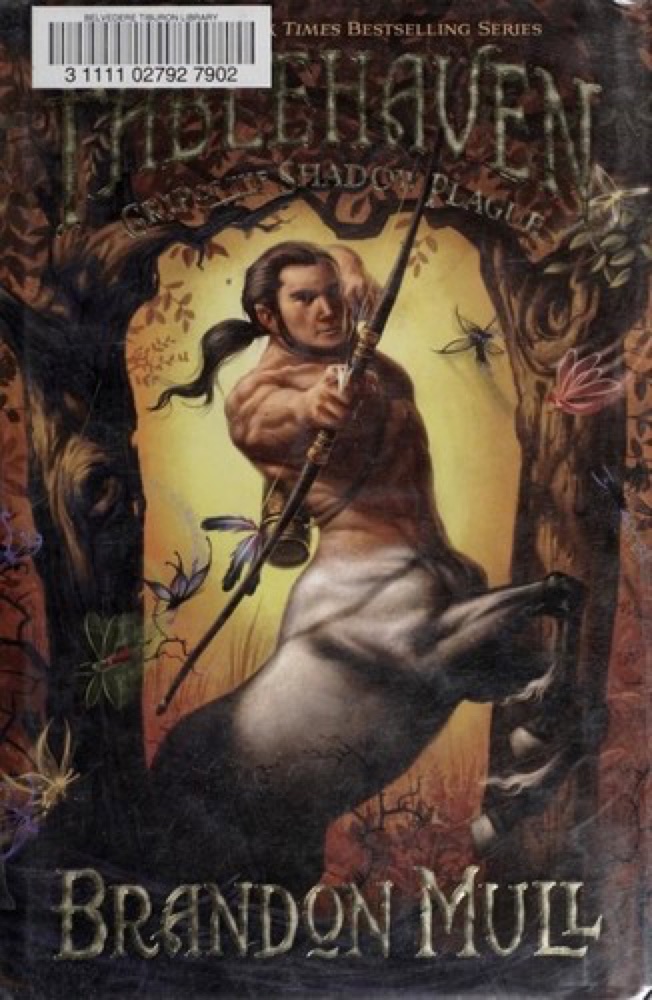 Grip of the Shadow Plague
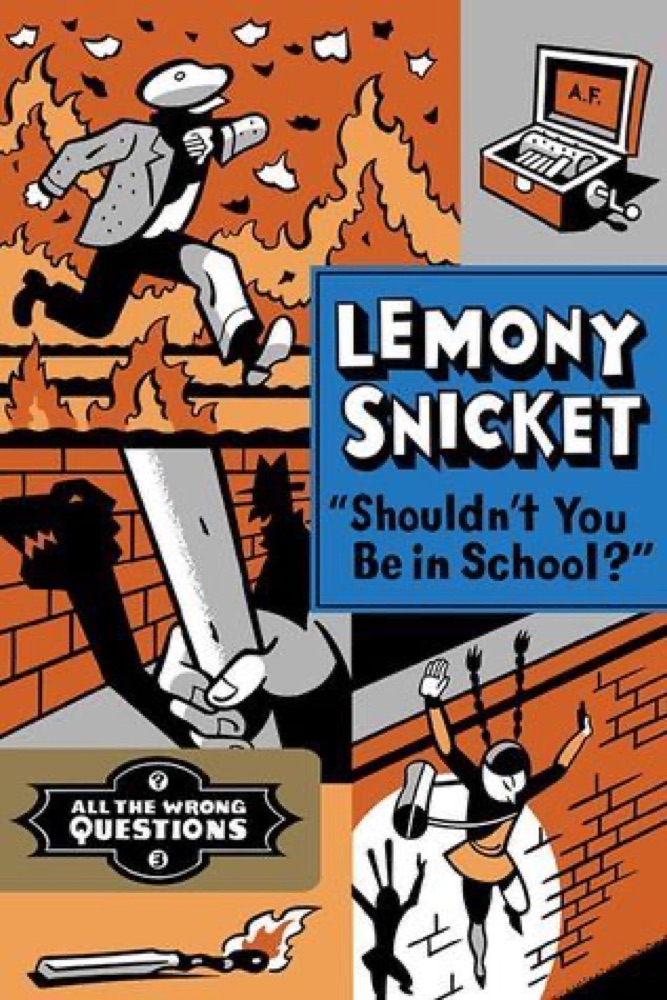 Shouldn't You Be in School?
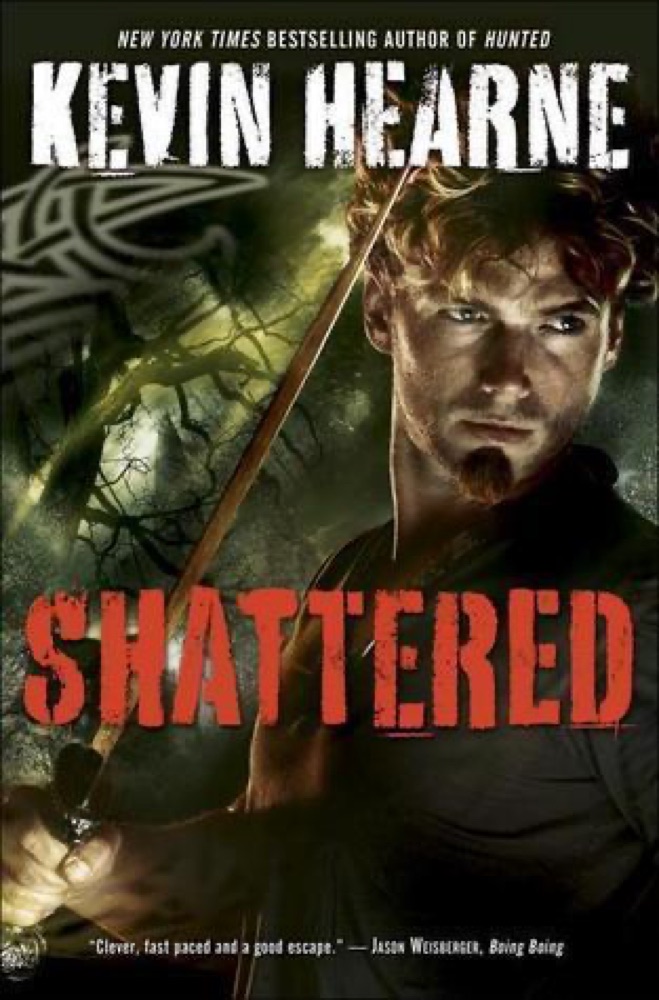 Shattered
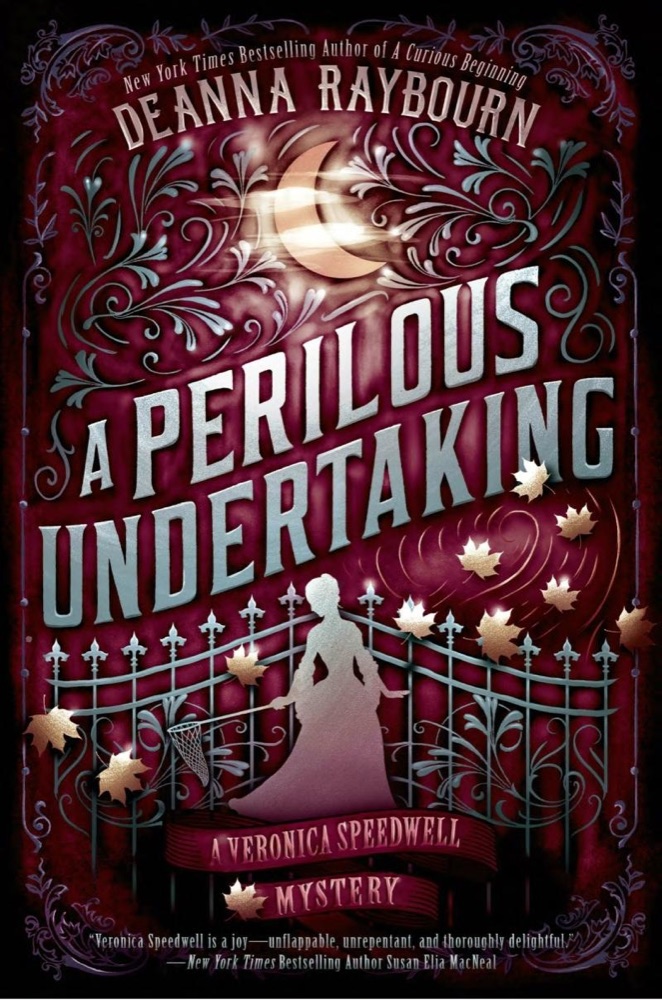 A Perilous Undertaking
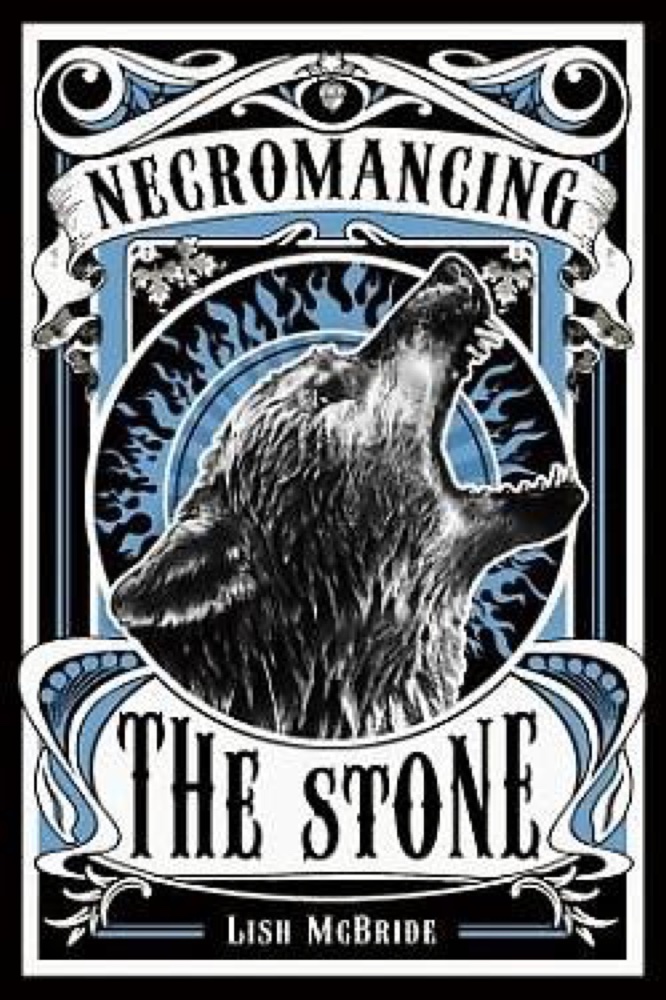 Necromancing the Stone
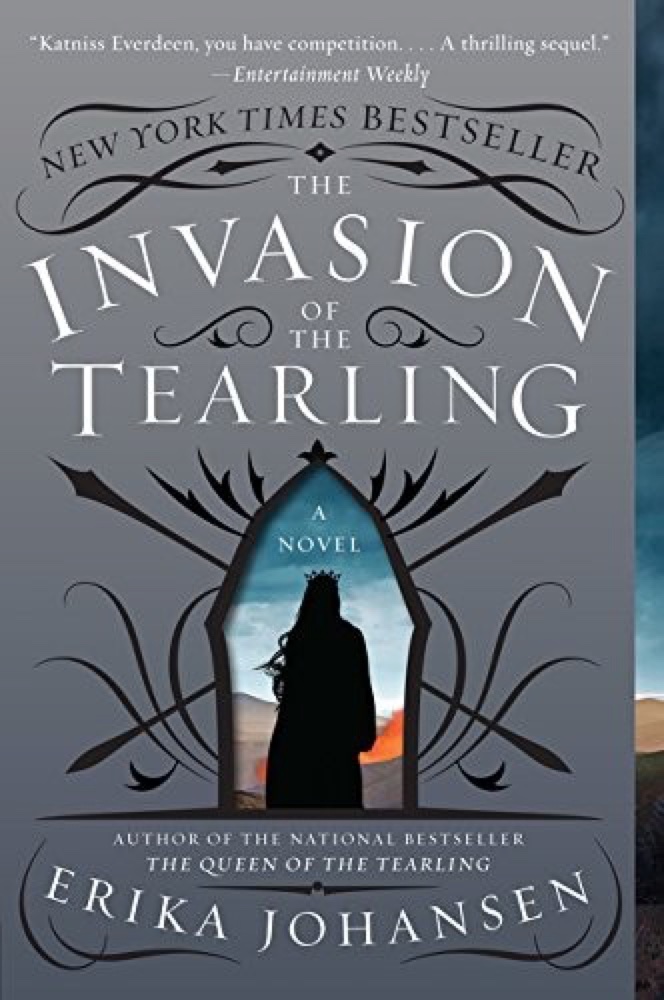 The Invasion of the Tearling
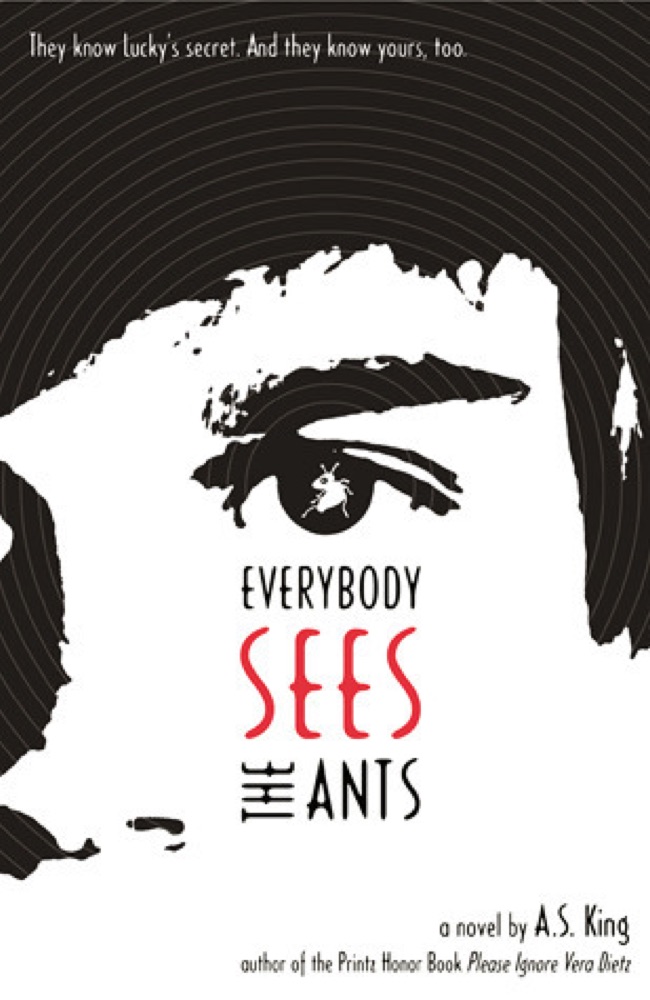 Everybody Sees the Ants
 Magic Bites
 A Piece of Cake
 Me Talk Pretty One Day
 The Shining Girls
 The Good Daughter
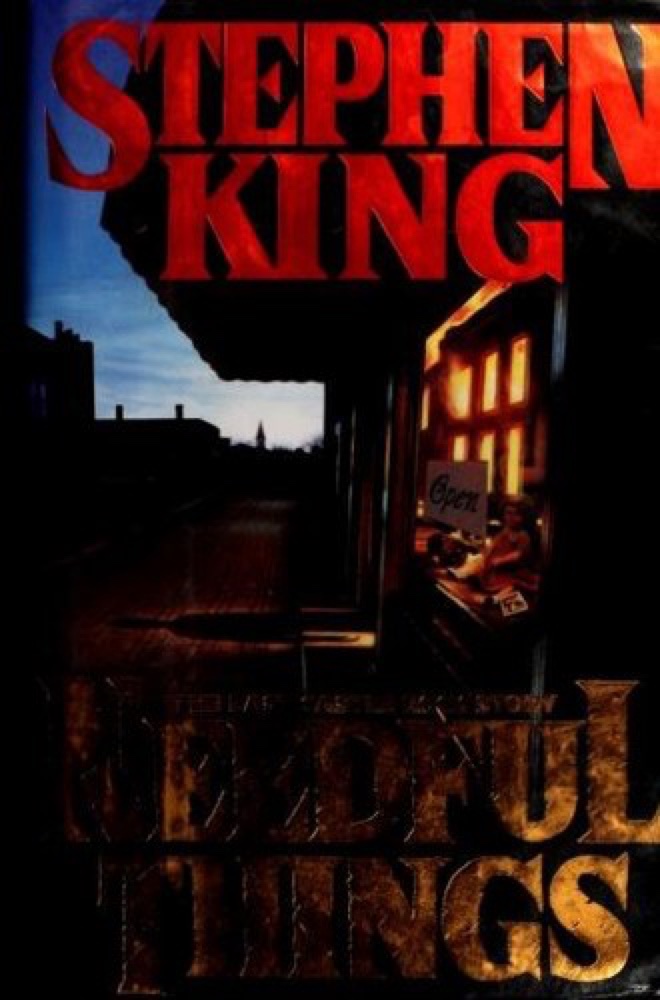 Needful Things
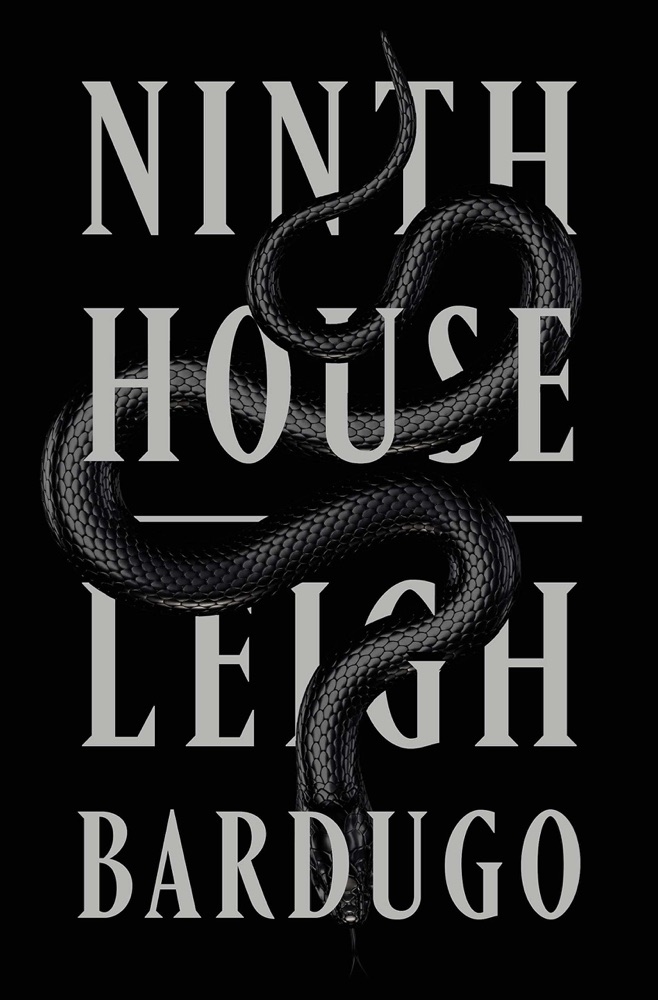 Ninth House
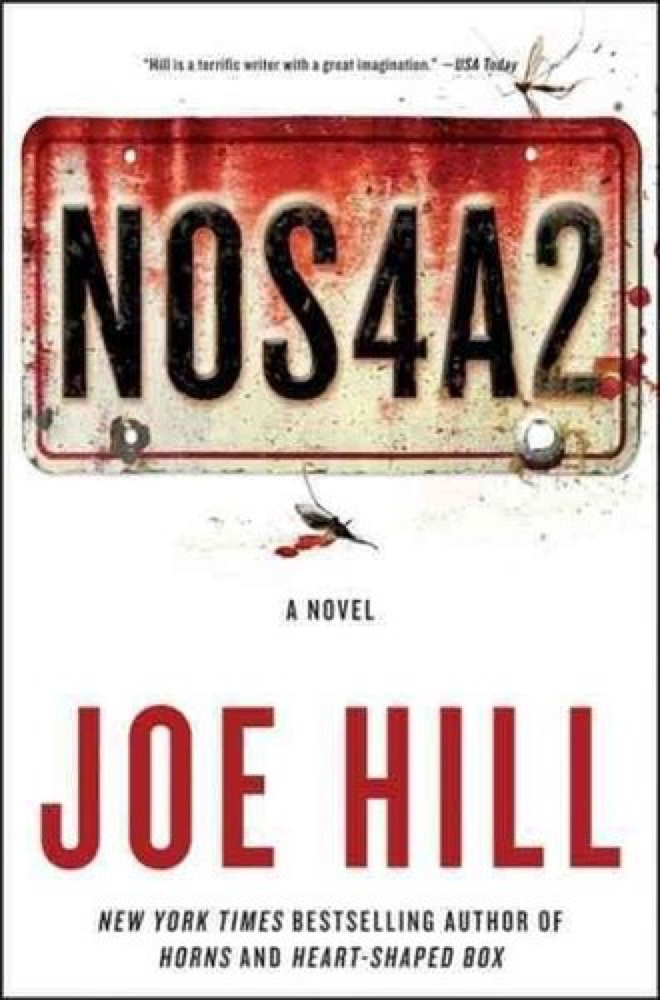 NOS4A2
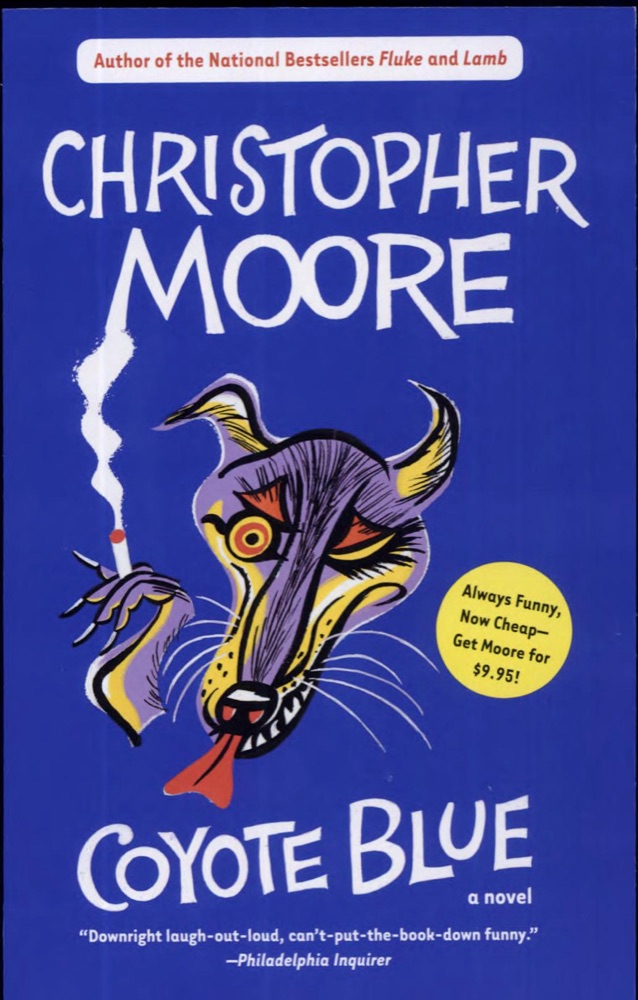 Coyote Blue
 The Bean Trees
 The Scorpion Rules
 Authority
 The Help
 Echoes in Death
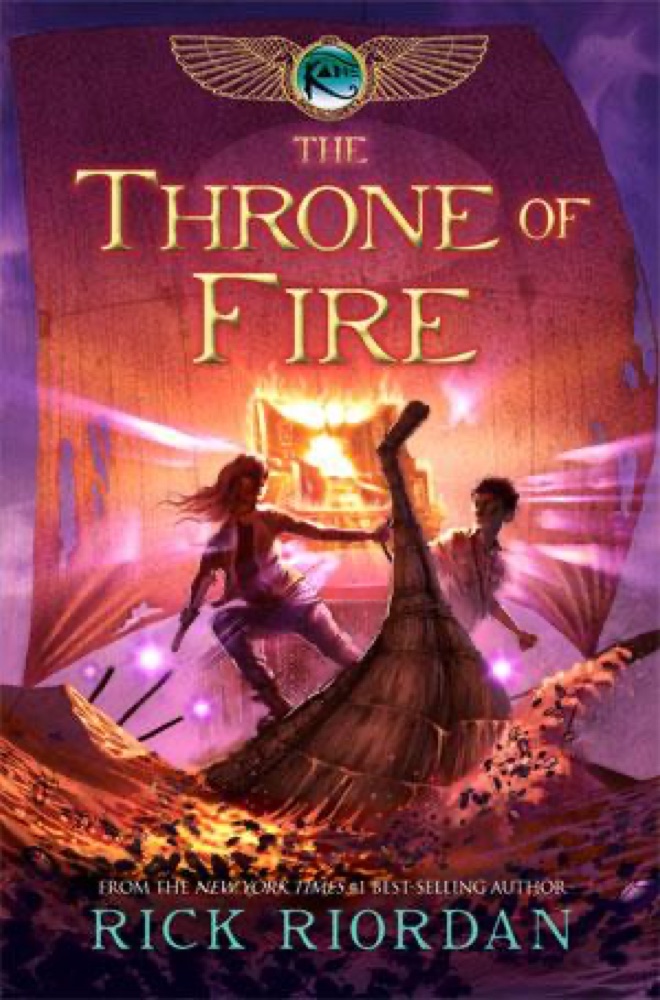 The Throne of Fire
 Perennials