
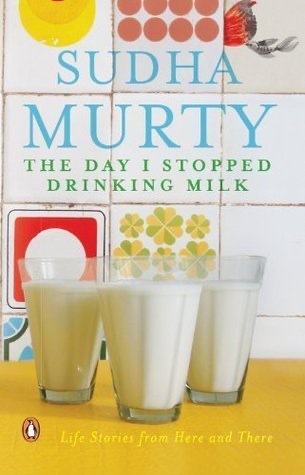
 The Day I Stopped Drinking Milk
Quotes from the Book
Many a times there is no perfect solution for a given problem. No solution is also a solution. Everything depends upon how you look at it. We make judgements on others depending upon what we think of them.
You should not be so sensitive. Sensitive people suffer a lot in life.
There is a difference between loneliness and solitude. Loneliness is boring, whereas in solitude you can inspect and examine your deeds and your thoughts.
I knew then that to come up in life you require talent, hard work, aggression and connections.
Men can do certain things well and women other things. Men and women are complementary to each other. One need not prove one’s strength.
it is not the institution, ultimately it is you and you alone who can change your life by hard work.’ Probably he was not aware that he was following the philosophy of the Bhagavad Gita: ‘Your best friend is yourself and your worst enemy is yourself.
Watch on YouTube
About Sudha Murty
We have collected 13 quotes from 2 books by Sudha Murty on BookQuoters.
More about the author →More by Sudha Murty
The Day I Stopped Drinking Milk
Book details
- Author
- Sudha Murty
- Genre
- Nonfiction
- Goodreads rating
- 4.17 (8k ratings) →
Keep reading
 You Learn by Living: Eleven Keys for a More Fulfilling Life
 The Things You Can See Only When You Slow Down: How to Be Calm in a Busy World
 Gifted Hands: The Ben Carson Story
 My Beloved World
 The 7 Habits Of Highly Effective Teens
 How Do You Live?
 The Courage to Be Disliked: How to Free Yourself, Change Your Life and Achieve Real Happiness
 The Measure of a Man: A Spiritual Autobiography
 The World According to Mister Rogers: Important Things to Remember
 Be Water, My Friend: The Teachings of Bruce Lee
 We Were Three
 My Life on the Road
 God Never Blinks: 50 Lessons for Life's Little Detours
 Born a Crime: Stories From a South African Childhood
 A Work in Progress
 How to Win Friends & Influence People
 Be a People Person
 The Game: Penetrating the Secret Society of Pickup Artists
 Be Useful: Seven Tools for Life
 The Power of One
 Principles: Life and Work
 The Art of Living: The Classical Manual on Virtue, Happiness and Effectiveness
 Will
Will
 Discourses and Selected Writings
 Oranges Are Not the Only Fruit
 I Like You Just Fine When You're Not Around
 Into the Magic Shop: A Neurosurgeon's Quest to Discover the Mysteries of the Brain and the Secrets of the Heart
 The Noticer: Sometimes, All a Person Needs Is a Little Perspective
 12 Rules for Life: An Antidote to Chaos
 101 Essays That Will Change The Way You Think
 The Last Lecture
 Excellent Advice for Living: Wisdom I Wish I'd Known Earlier
 How to Use Your Enemies
 I Can't Make This Up: Life Lessons
 Welcome to the Hyunam-Dong Bookshop
 Life Will Be the Death of Me: . . . and you too!
 Small Great Things
 The School of Life: An Emotional Education
 Becoming
 Even Cowgirls Get the Blues
 A Sudden Light
 The 7 Habits of Highly Effective People: Personal Workbook
 Rich Dad Poor Dad
 Tribe Of Mentors: Transformative Wisdom From Icons and Innovators to Help You Navigate Life's Challenges
 What the Dog Saw and Other Adventures
 This Is How: Proven Aid in Overcoming Shyness, Molestation, Fatness, Spinsterhood, Grief, Disease, Lushery, Decrepitude & More. For Young and Old Alike.
 The Chalk Man
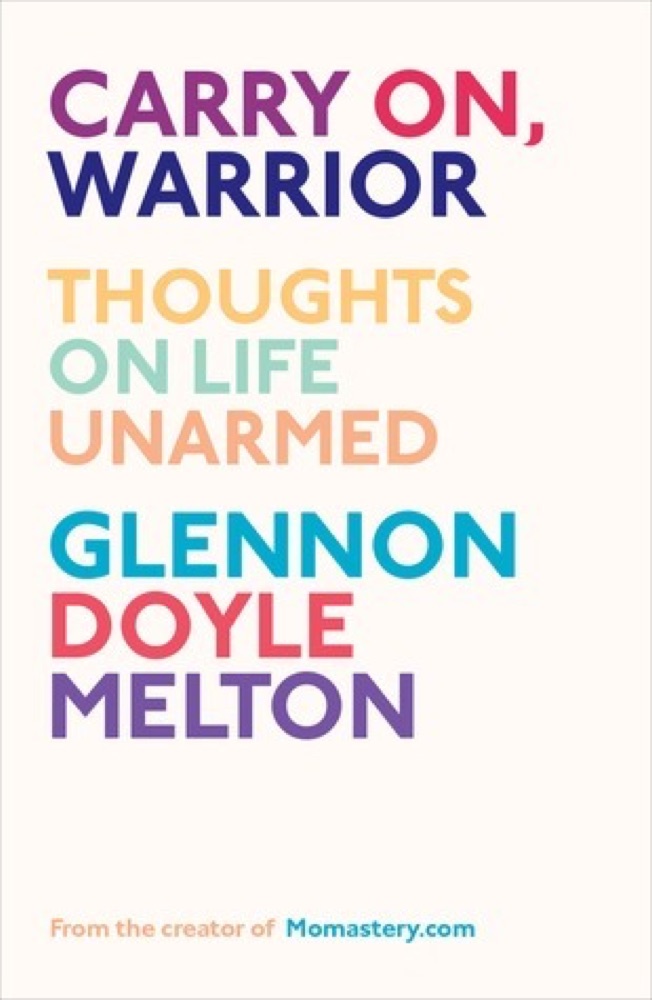 Carry On, Warrior: Thoughts on Life Unarmed
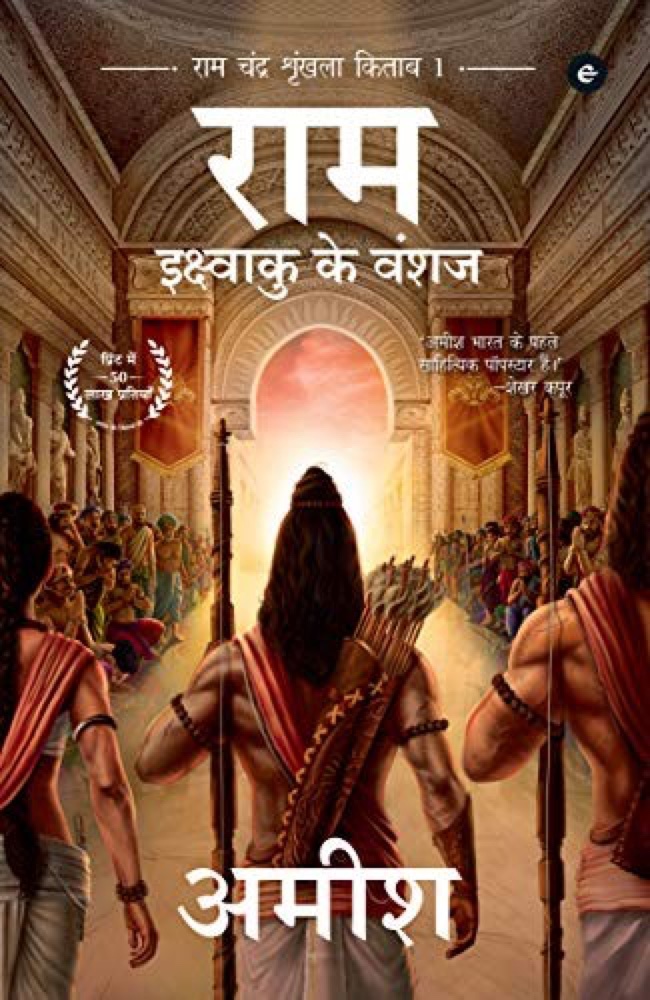 Scion of Ikshvaku
 The Autobiography of Eleanor Roosevelt
 Emile or On Education
 The Blue Sweater: Bridging the Gap Between Rich and Poor in an Interconnected World
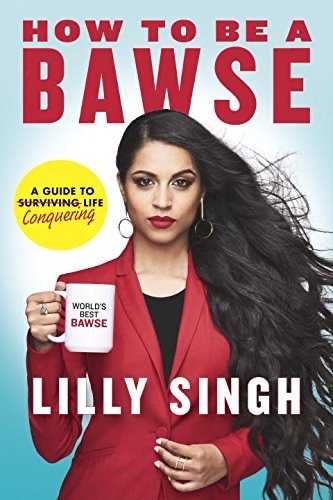 How to Be a Bawse: A Guide to Conquering Life
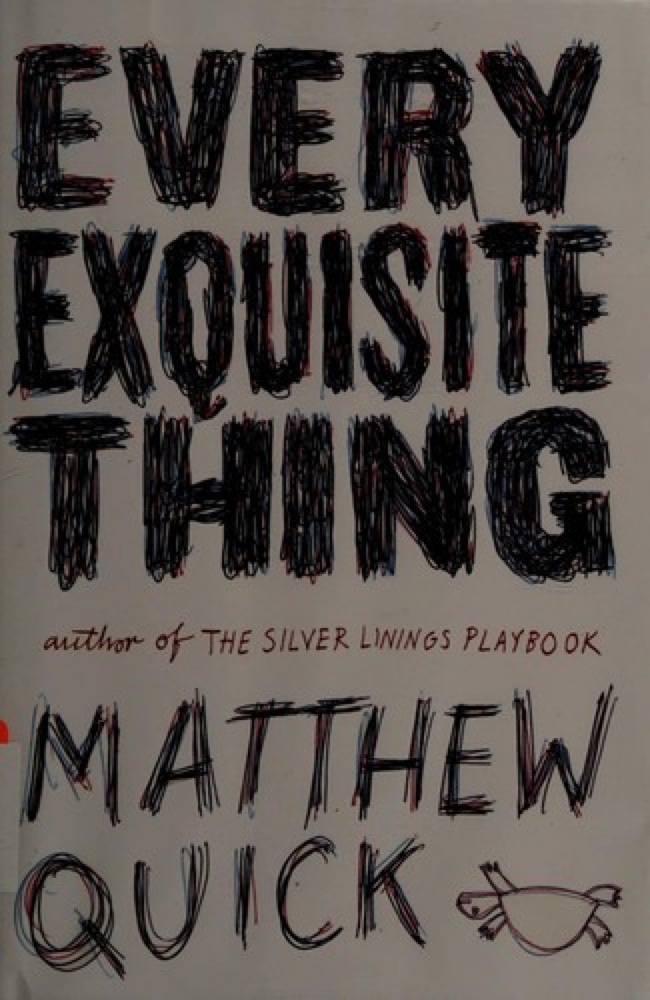 Every Exquisite Thing
 The Razor's Edge
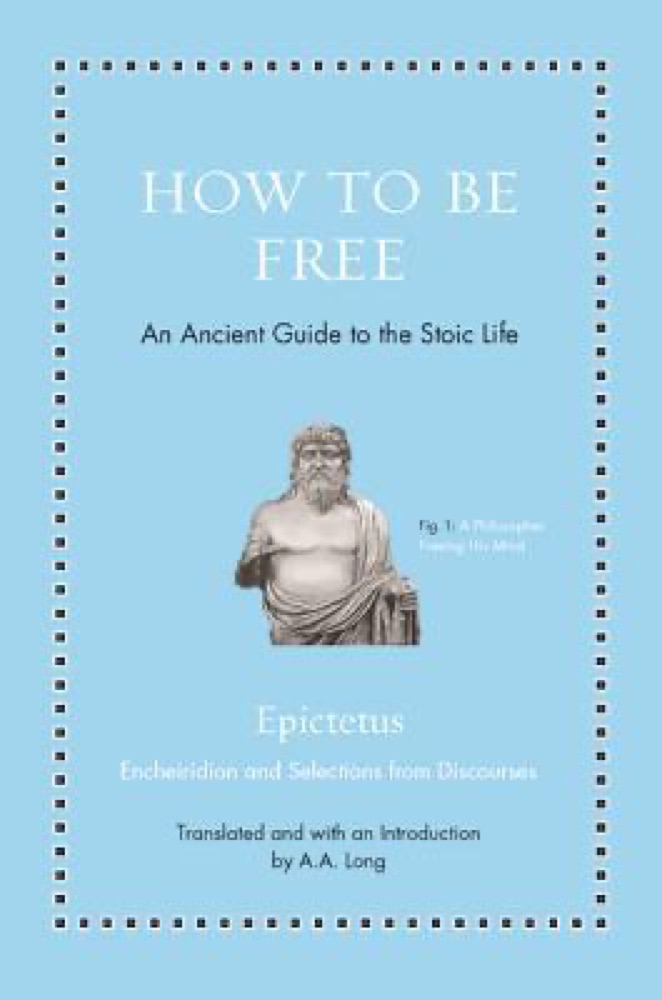 How to Be Free: An Ancient Guide to the Stoic Life
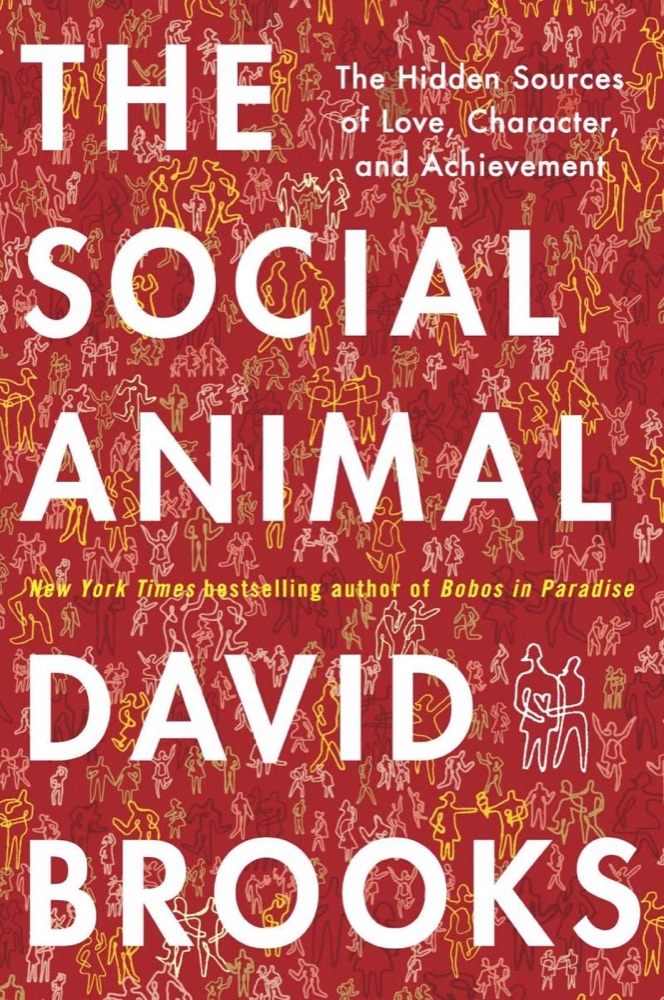 The Social Animal: The Hidden Sources of Love, Character, and Achievement
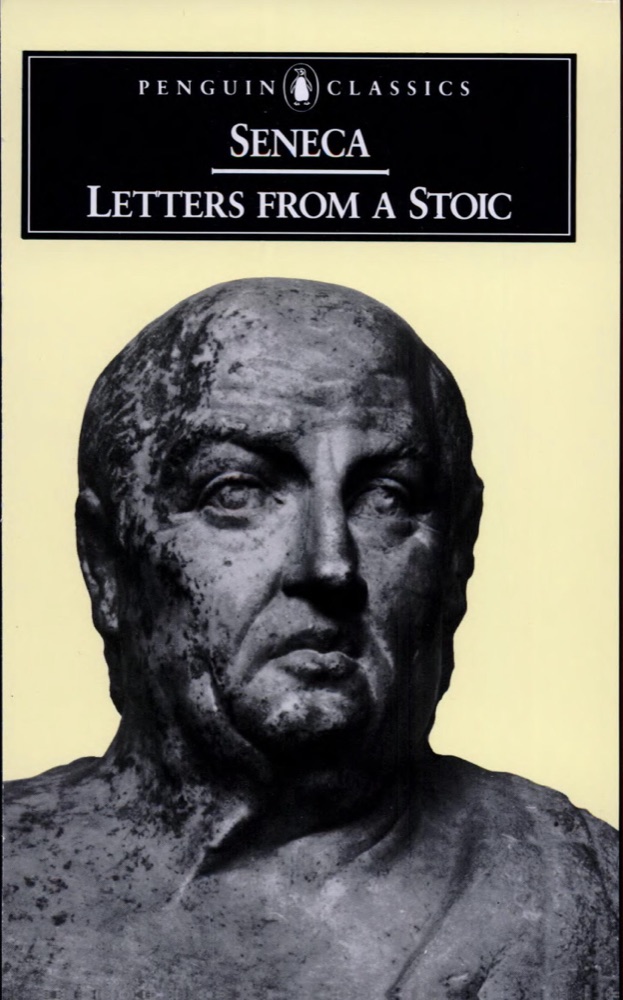 Letters from a Stoic
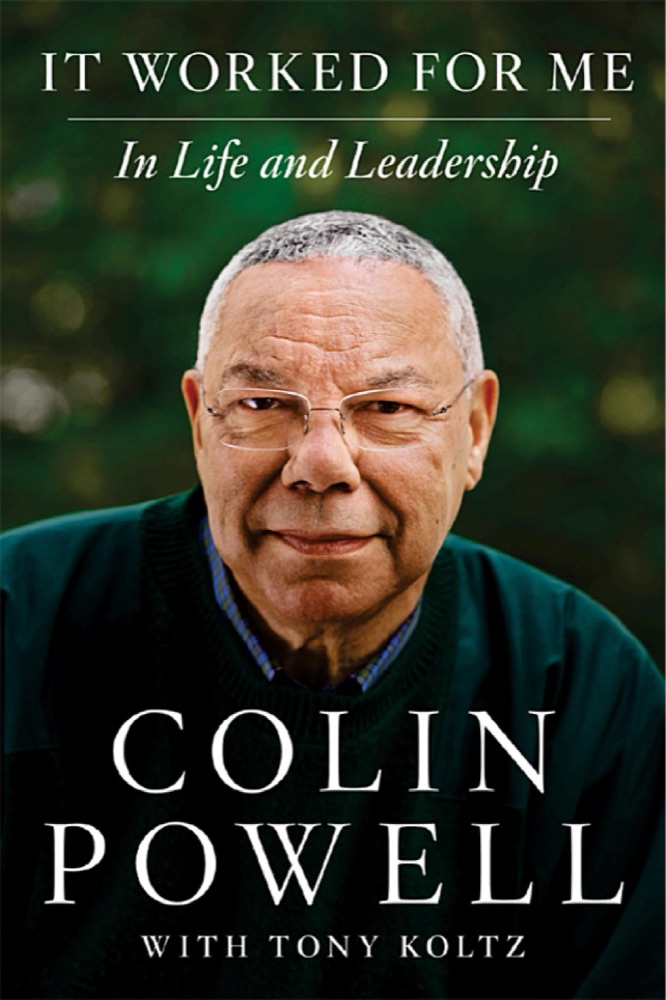 It Worked for Me: In Life and Leadership