
 Lapvona
Quotes from the Book
But for them to idolize him they must first believe he was saving them, and for them to be saved he had to first convince them of their evil; the need for forgiveness, for grace, was predicated on the belief in sin, and her father was a merchant like any other, but his trade was the worse for teaching people to despise themselves. He demanded, first and foremost, that you must hate yourself to be loved, he demanded a life of endless prostration for desire you had always had; you must always apologize at his altar, you must always be saved from whom he had made you.
2
And they liked to say they were very lucky and very blessed by God, but it was always clear they meant they were special. Set not just apart, but above.
He was speaking today on Daniel in the lion’s den, and he had come up with a phrase he liked, though he was aware of his own vanity in liking it, and he was repeating this phrase—“and did Daniel, in understanding his own sin, seek to be devoured”—
in the very same breath he forbade them from idolizing anything, he wanted to be idolized, when he cultivated their admiration as carefully as any shepherd, any farmer in the field. But for them to idolize him they must first believe he was saving them, and for them to be saved he had to first convince them of their evil; the need for forgiveness, for grace, was predicated on the belief in sin, and her father was a merchant like any other, but his trade was the worse for teaching people to despise themselves. He demanded, first and foremost, that you must hate yourself to be loved, he demanded a life of endless prostration for desire you had always had; you must always apologize at his altar, you must always be saved from whom he had made you.
The other gift of crisis was the permission it gave to do what one has wanted to do all along—the clarifying burn of crisis gave Lars Levi a reason to flee the cabin and to go out, again, into the wilderness; it gave Brita a day of lying in bed; it gave Willa an excuse to see Ivvár one more time. For the first hour of the trip out to his herd she was sure in her purpose, but when she stopped to rest after the second hour she felt the flimsiness of it: what was she going to say, anyway? She nearly turned around, but the thought of returning to the cabin was too unappealing, and the thought of seeing him was too appealing, and she allowed desire to silence fear.
When Henrik lingered too long at his window, watching her, she ignored it, for this was a gift of crisis, that the small problems were so clearly small, and Henrik was so clearly a small problem.
The weather,” he said, “probably the weather,” and he winked at her. When he winked at her she was forced to face, again, his handsomeness. It overwhelmed her, the wedge of his cheeks, the even line of his teeth. She wanted to kiss him. She wanted to bear his children. She wanted to make a mistake, a good and large mistake, she wanted him to be worth a tragedy. “The next trap is empty,” he said.
the sieidi protected anyone from knowing or seeing, because the sieidi knew there lies a boundary to all knowledge, even from what we know of ourselves, which is why afterward Ivvár could not have said, to anyone, much less to himself, what had happened, and he could not have described it, nor did he wish to, he wished only to preserve it and keep it for himself to remember at some unknown moment when the memory would overtake him, and he could return again, briefly, to its bounds. What he did retain, what did appear to him as real, even obvious, was a new fear about what had happened in town. He’d left town well after the others, hearing only briefly from a passerby that Frans had left in the middle of the sermon, but he hadn’t thought about it very much—he’d only wanted to do this—but now he was sure, more sure of than anything, that they weren’t safe. No one was safe, the herd was not safe. It was possible, even probable, he had gone, offered, asked, too late, and it was possible, even probable, that Frans would have his revenge, and the danger was nearly here. He’d been so insistent on doing it all alone, so insistent on no one knowing what he was doing that he’d lost time he’d had no idea was so precious; he’d even walked out to the sieidi instead of skiing, wanting the experience of getting to the sieidi to be more of a trial, but now he regretted this—the snow was not deep but it was still tiring to walk through. He was strong, of course, but his power was all in endurance, he wasn’t built for bursts of speed, so he ran slowly, steadily, his eyes constantly on the sky, on the trees, on the birds—what if they told him something? What if they said, you’re too late? But they told him nothing, or what they told him he couldn’t read, the world was closed to him, as if he had just been told too much. He went to the closest lávvu first, not caring whose it was. It happened to be Anna and Nilsa’s, but he didn’t think what time it was, he didn’t care. Inside Nilsa was gone, and it was just Anna and Risten sitting up, while Mikkol was sleeping. “We have to move the herd,” Ivvár said, “we have to go, now.
Where was her anger, her fury at being abandoned -- the hurt of seeing him walking away from her, knowing he had seen her, knowing he knew she had come here for him ...all of that, where was it? How could it leave so swiftly in his smile? She tried to recall the past ten days, when she had waited to be alone somewhere to cry, to relieve the rough saw of sadness--she thought of that and it bore no relationship to this moment, she wanted to be furious but she was relieved, to be bitter and distant, and reject him as he'd rejected her, but she could see she would go where he went; it wasn't about her pride or her sense of self-determination, because he was a part of her pride and her self-determination, and as she stood there and let him smile at her it was all very clear to her: when she was with him she was happy, and she wanted to be happy.
Watch on YouTube
About Hanna Pylväinen
We have collected 9 quotes from 1 book by Hanna Pylväinen on BookQuoters.
More about the author →About the book
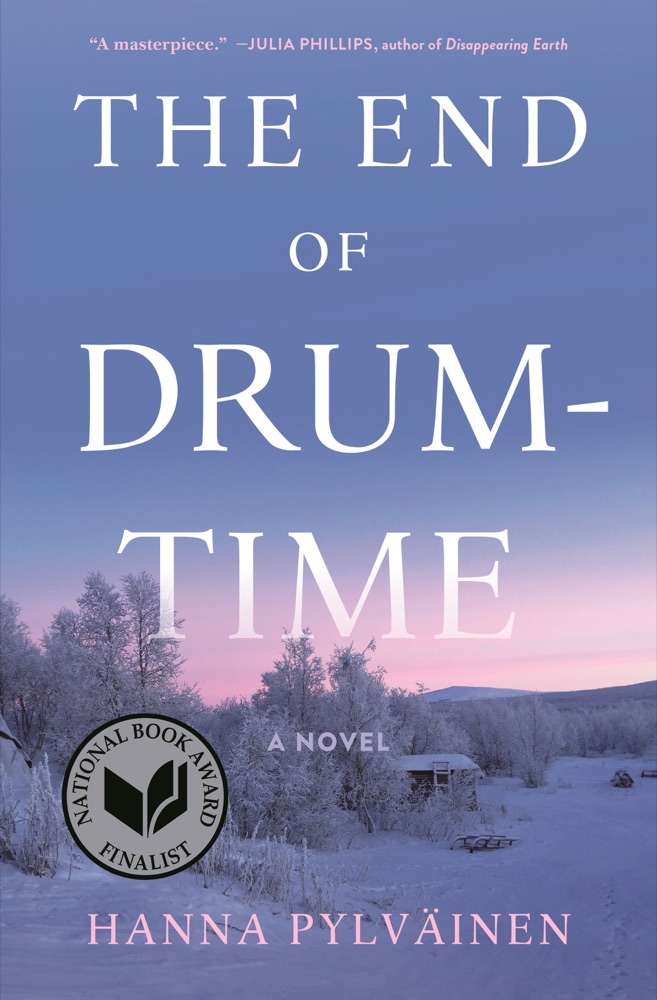
FINALIST FOR THE 2023 NATIONAL BOOK AWARD
An epic love story in the vein of Cold Mountain and The Great Circle, about a young reindeer herder and a minister’s daughter in the nineteenth century Arctic Circle
In 1851, at a remote village in the Scandinavian tundra, a Lutheran minister known as Mad Lasse tries in vain to convert the native Sámi reindeer herders to his faith. But when one of the most respected herders has a dramatic awakening and dedicates his life to the church, his impetuous son, Ivvár, is left to guard their diminishing herd alone. By chance, he meets Mad Lasse’s daughter Willa, and their blossoming infatuation grows into something that ultimately crosses borders—of cultures, of beliefs, and of political divides—as Willa follows the herders on their arduous annual migration north to the sea.
Gorgeously written and sweeping in scope, Hanna Pylväinen's The End of
Book details
- First published
- 2023
- Author
- Hanna Pylväinen
- Genre
- Historical
- Goodreads rating
- 3.91 (5k ratings)
The buzz
- The GuardianReview in The Guardianprofessional review (via Book Marks)
- Kirkus ReviewsReview in Kirkus Reviewsprofessional review (via Book Marks)
- Publishers WeeklyReview in Publishers Weeklyprofessional review (via Book Marks)
- Star TribuneReview in Star Tribuneprofessional review (via Book Marks)
- BookPageReview in BookPageprofessional review (via Book Marks)
- CsmonitorReview in Csmonitorprofessional review (via Book Marks)
Keep reading
Lapvona
 The Prophets
 At Your Pleasure
 The Dean's Watch
 Home Fire
 Go Tell It on the Mountain
 At the Back of the North Wind
 The Daughter of Doctor Moreau
 One of Ours
 Tears of the Wolf
 Wayfarer
 The Pillars of the Earth
 Dubliners
 The Bright Sword
 The Greenlanders
 Wicked Becomes You
 The Mermaid, the Witch, and the Sea
 The Orchardist
 The Hallowed Hunt
 The Last White Man
 A Desperate Fortune
 Fool Me Twice
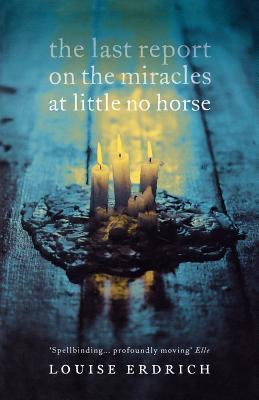 The Last Report on the Miracles at Little No Horse
 Armadale
 No Good Duke Goes Unpunished
 Omensetter's Luck
 The Sweetness of Water
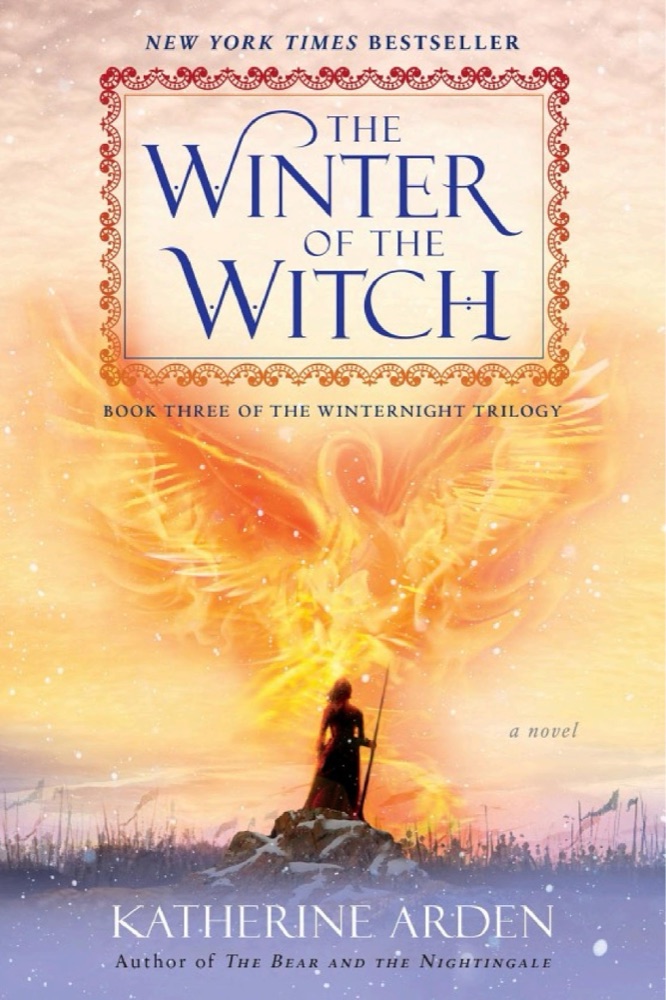 The Winter of the Witch
 Tempting the Bride
 Mythology
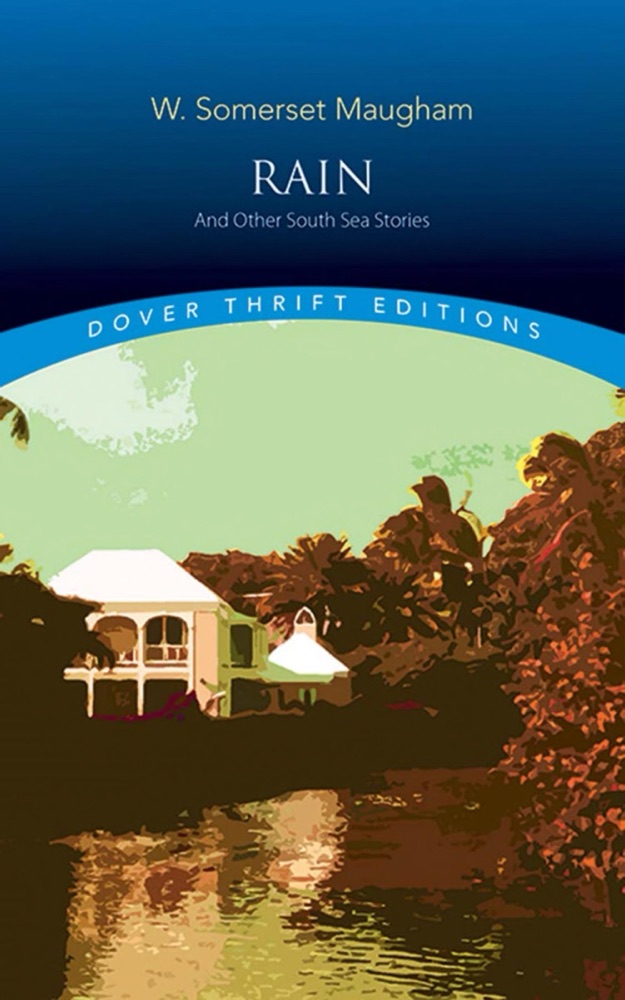 Rain and Other South Sea Stories
 Green Dolphin Street
 The Year of the Witching
 The Beast in the Jungle
 What I Did for a Duke
 The Proposal
 Death Watch
 Until the Dawn
 The Golden Yarn
 Lethal White
 Theft
Theft
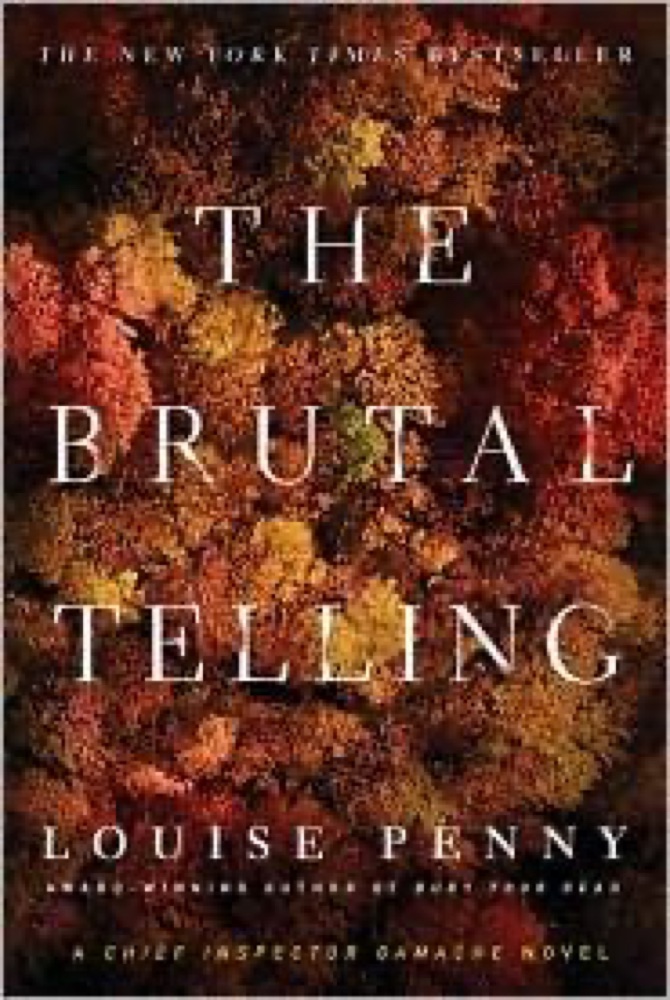 The Brutal Telling
 Everything That Rises Must Converge: Stories
 Lincoln in the Bardo
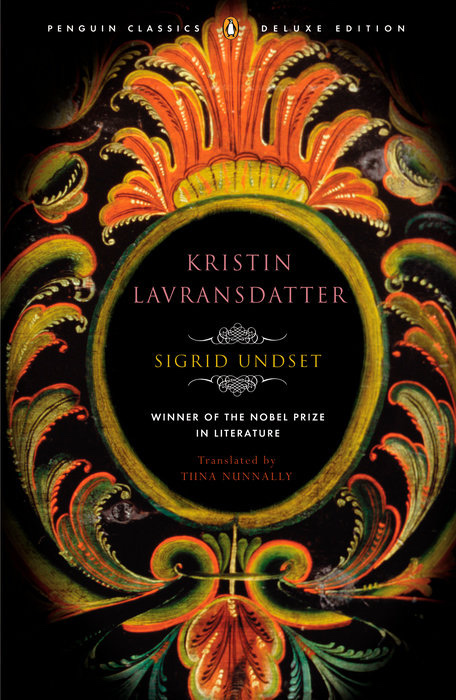 Kristin Lavransdatter
 The Devil and the Dark Water
 The Van Alen Legacy
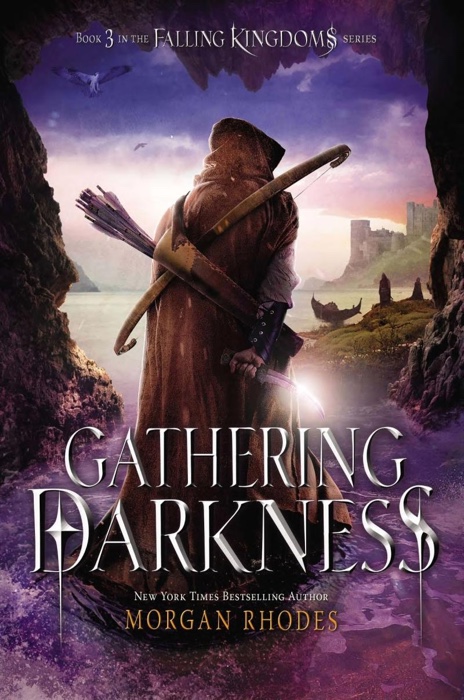 Gathering Darkness
 Cry Wolf
 Sons and Lovers
 Sir Gibbie
 Redemption in Indigo
 A Fire Endless
 The Foxglove King
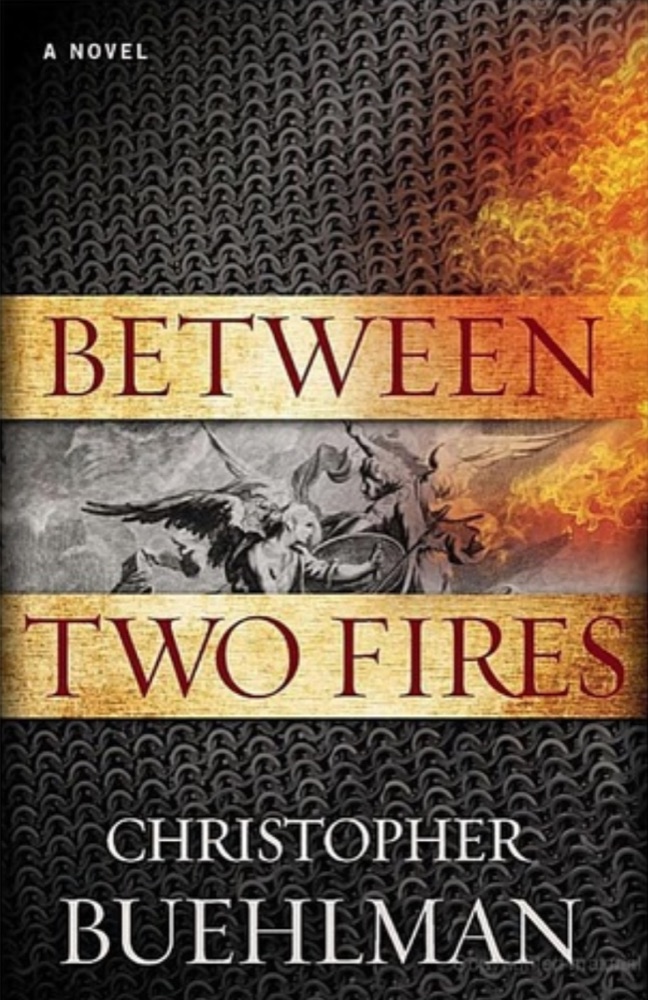 Between Two Fires
 Oscar and Lucinda
 Clear Light of Day
 The Heir and the Spare
 A Song to Drown Rivers
 The Complete Stories