
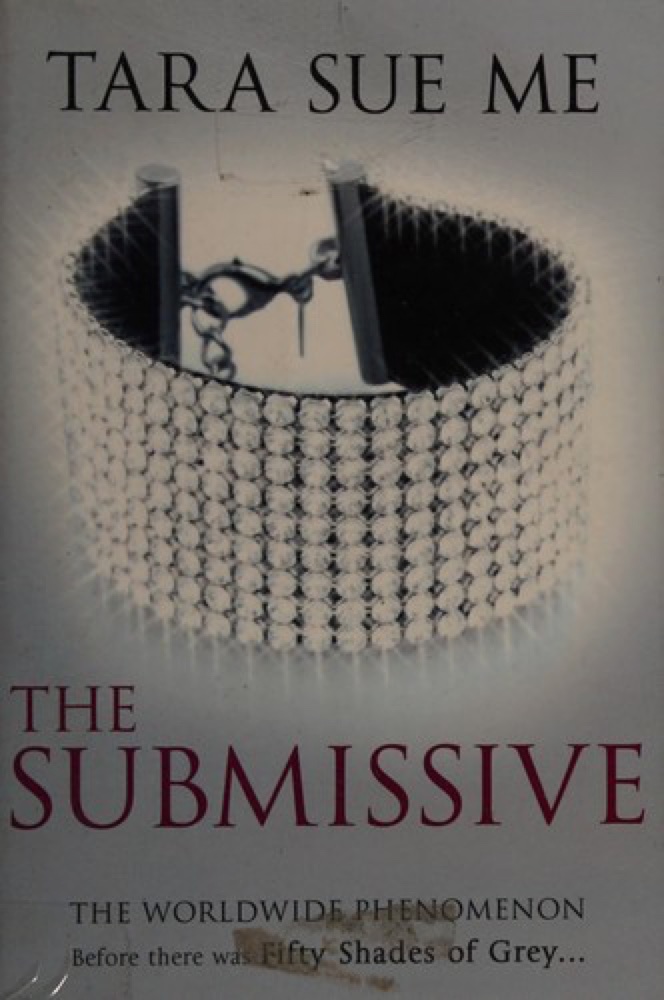
 The Submissive
Quotes from the Book
Gray was two people from different worlds coming together unexpectedly and creating something new. Gray took the best parts of us both and fit them together into something larger than we were apart.
She needed cans. Cans, because it was her who show me that I could be much more than the world thought. We could be much more than the world thought. - Nathaniel West
Yo podía disfrutar y quedarme con aquella parte de Abby sin preocuparme por el futuro: la sumisión y la confianza que me estaba entregando en ese instante.
Cuando me encontré con sus ojos ya no pude apartar la mirada. En sus profundidades encontré la respuesta a todas las preguntas que mi corazón no se atrevía a formular. En ellos vi reflejado mi propio deseo y mi soledad.
En absoluto. Antes sí era un hombre seguro de mí mismo, pero ya no lo soy. Cuando estoy contigo, ya no nunca estoy seguro de nada.
Watch on YouTube
About Tara Sue Me
We have collected 17 quotes from 2 books by Tara Sue Me on BookQuoters.
More about the author →More by Tara Sue Me
The Submissive
Book details
- Author
- Tara Sue Me
- Genre
- Romance
- Goodreads rating
- 3.94 (12k ratings) →
Keep reading
 Vanish
 I'll Be There
 Hopscotch
 Dancing Girls and Other Stories
 Socrates In Love
 Until Fountain Bridge
 As You Wish
 Bonds of Justice
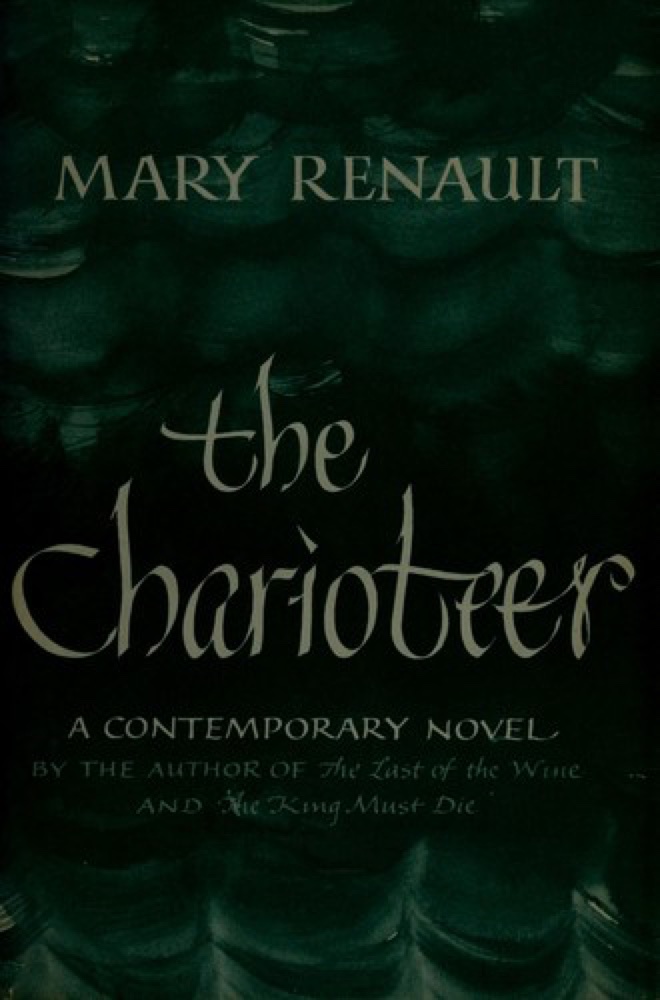 The Charioteer
 Forsaken
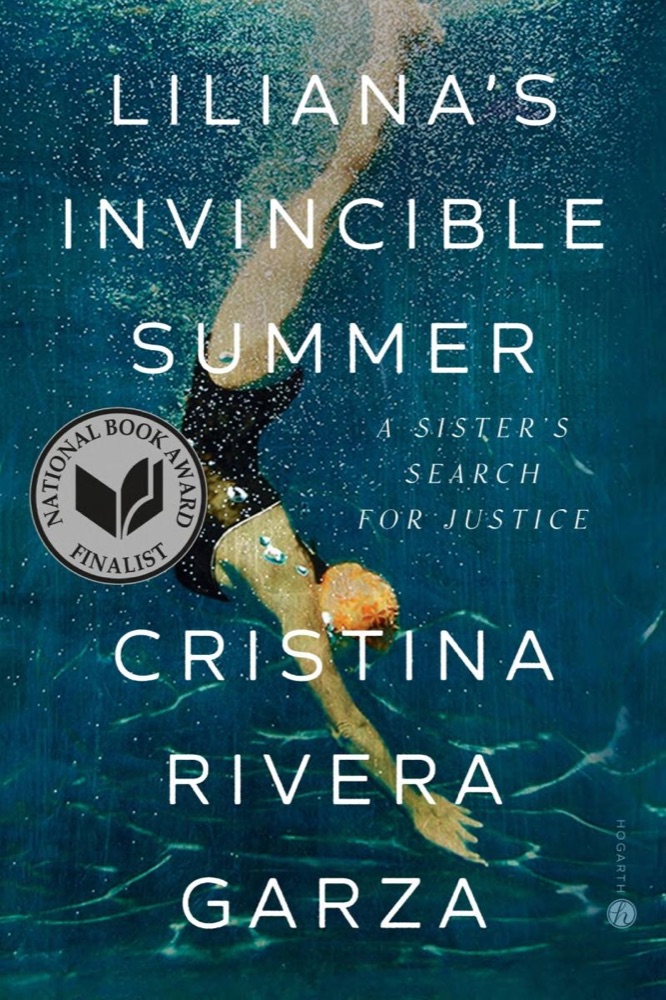 Liliana's Invincible Summer: A Sister's Search for Justice
 A Heart So White
 After We Collided
 Nadja
Nadja
 The Analyst
 Everything You and I Could Have Been If We Weren't You and I
 Ripper
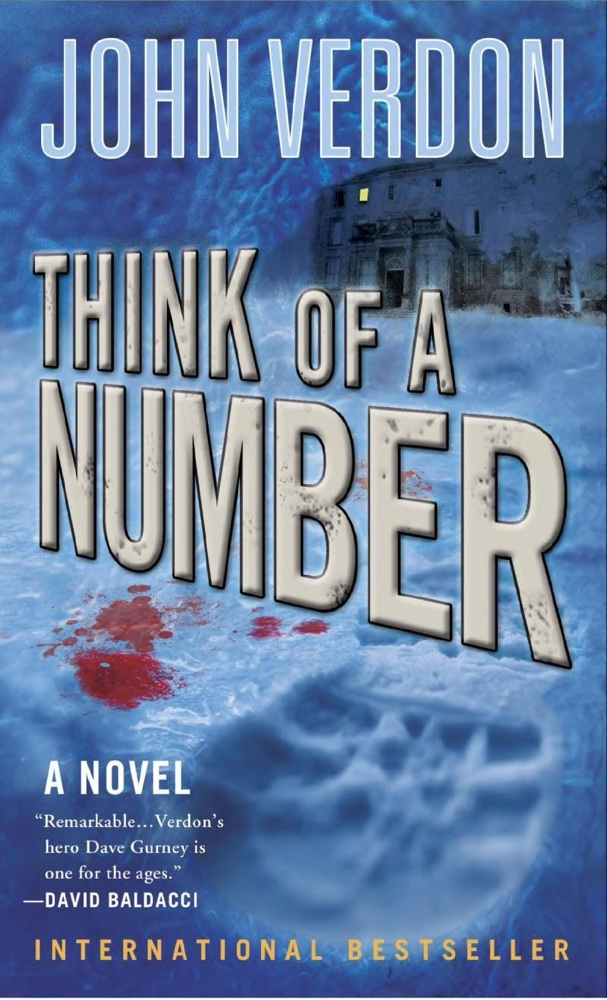 Think of a Number
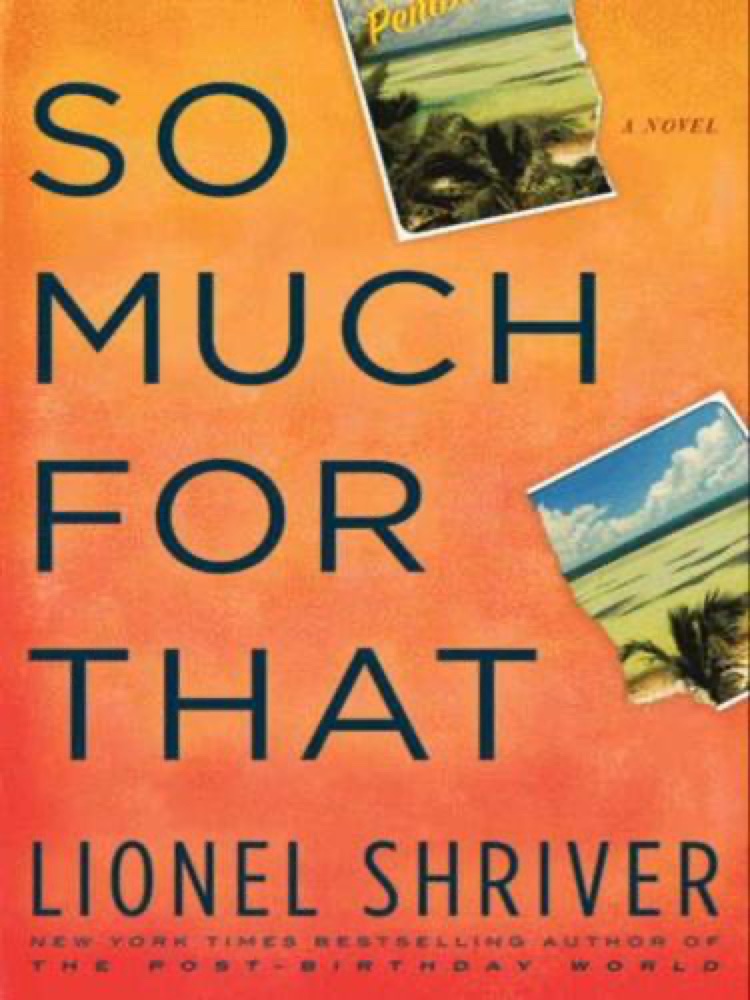 So Much for That
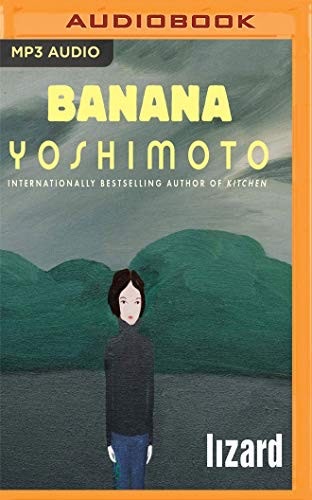 Lizard
 Play With Me
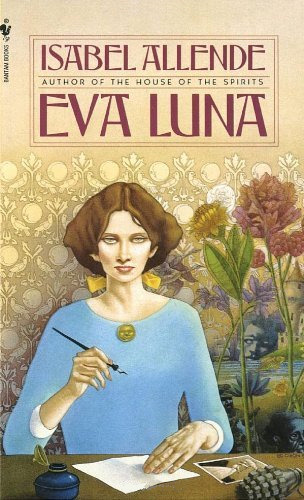 The Stories of Eva Luna
 Nada
Nada
 The Key
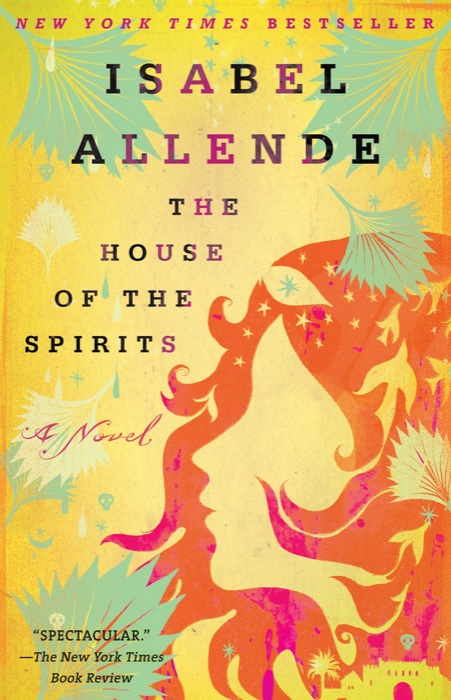 The House of the Spirits
 Beauty and Sadness
 Insanity
 Miss Kim Knows and Other Stories
 Ordesa
 The Ingredients of Love
 The Yellow World
 Emma in the Night
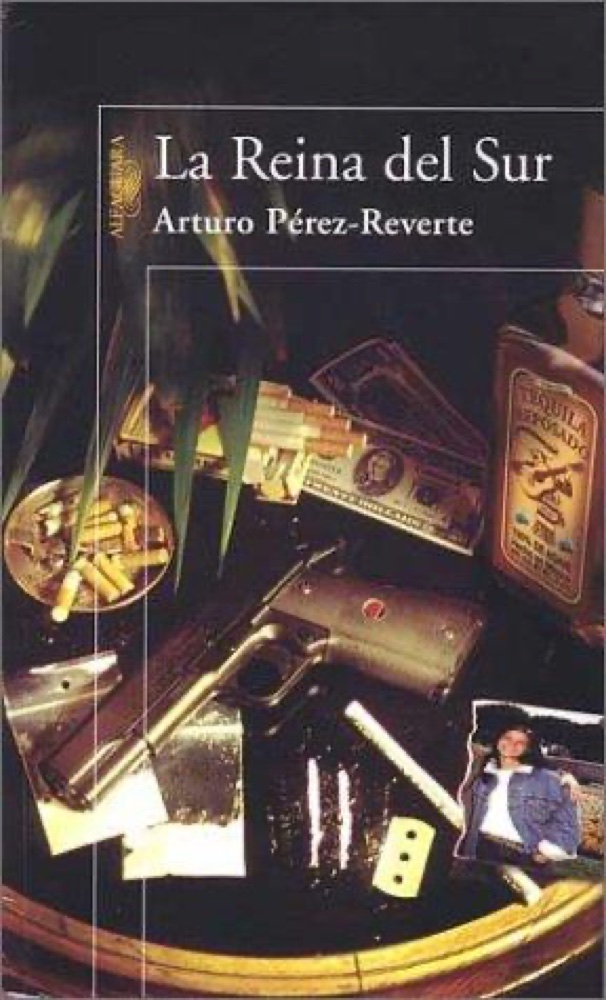 La reina del sur
 Don Quixote de La Mancha, Vol. 1
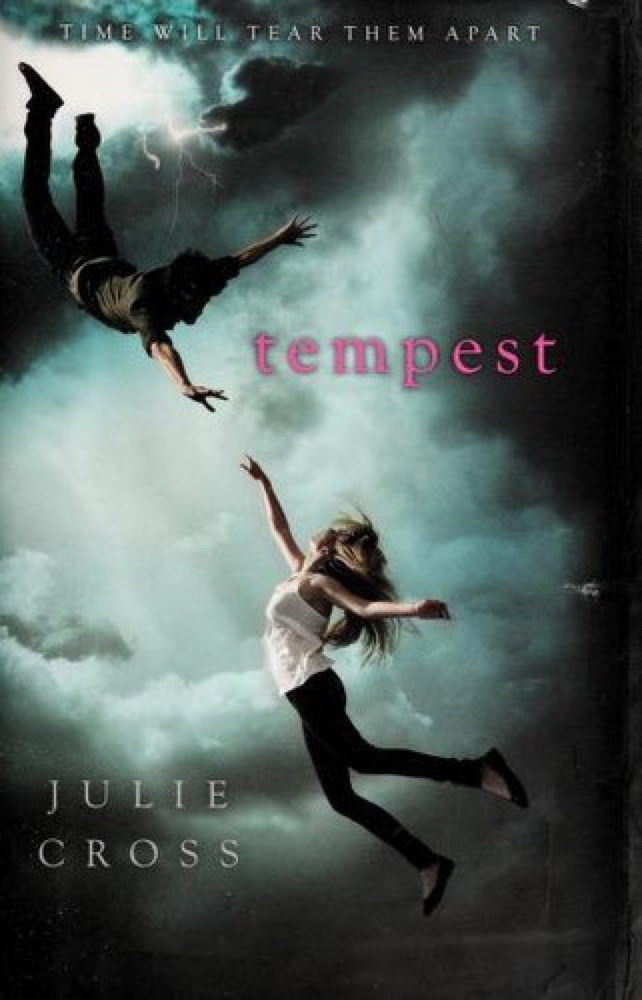 Tempest
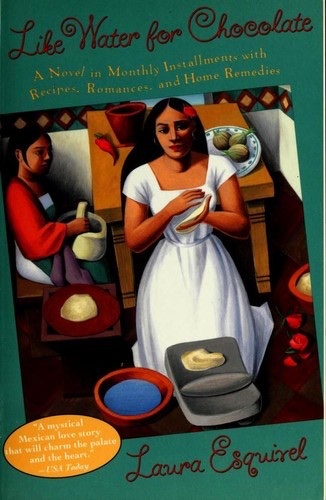 Like Water for Chocolate
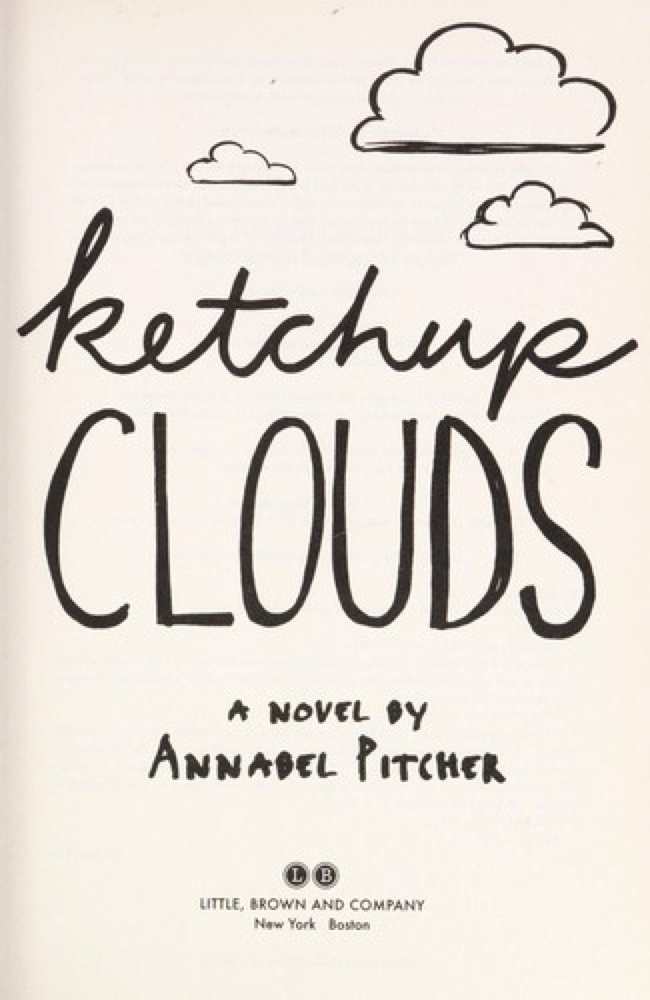 Ketchup Clouds
 Lost Illusions
 The Stranger I Married
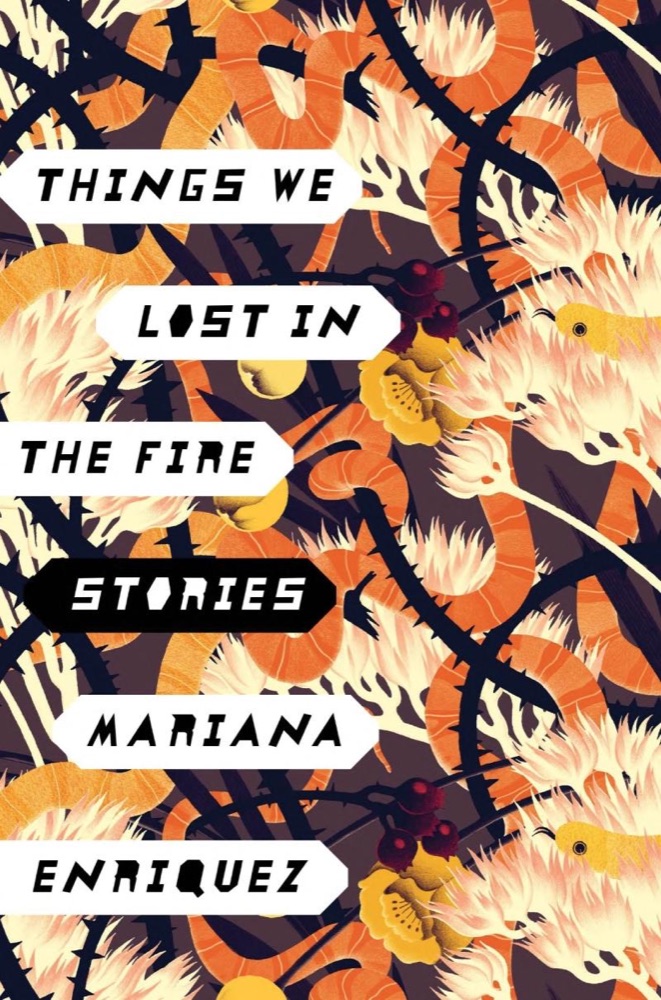 Things We Lost in the Fire
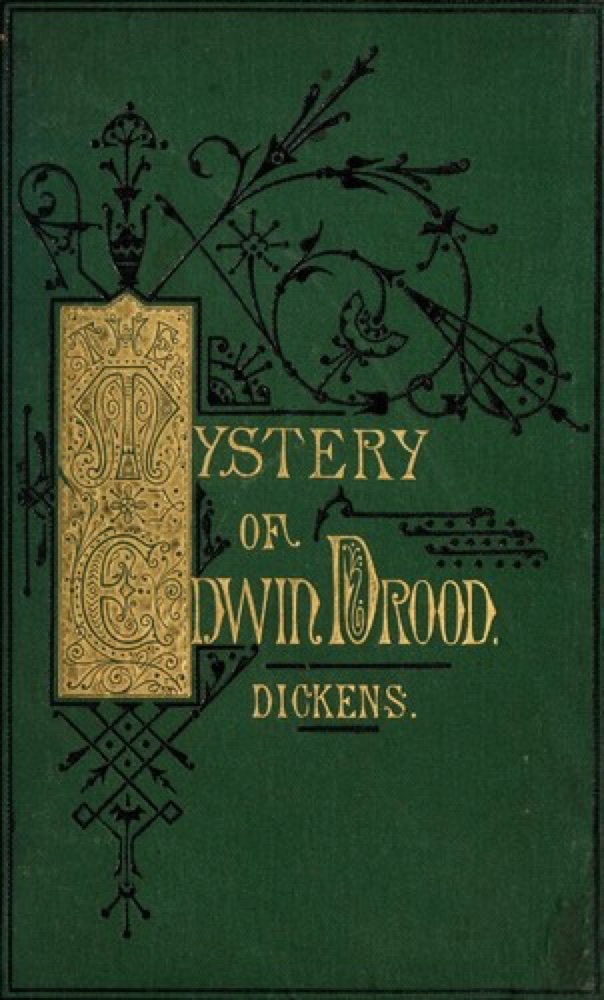 The Mystery of Edwin Drood
 Confessions of a Crap Artist
 Ficciones
 Lucinda's Secret
 Emerald Green
 Instrumental: A Memoir of Madness, Medication and Music
 Doctor Glas
 Ceaseless
 Still Born
 Crewel
 The Eternal Ones
 A Sunny Place for Shady People
 Simple Perfection
 On Heroes and Tombs
 Neighbor Dearest
 Soul Mountain
 The Valley of Horses
 The Narrow Road Between Desires
 Without Feathers
 Half Wild