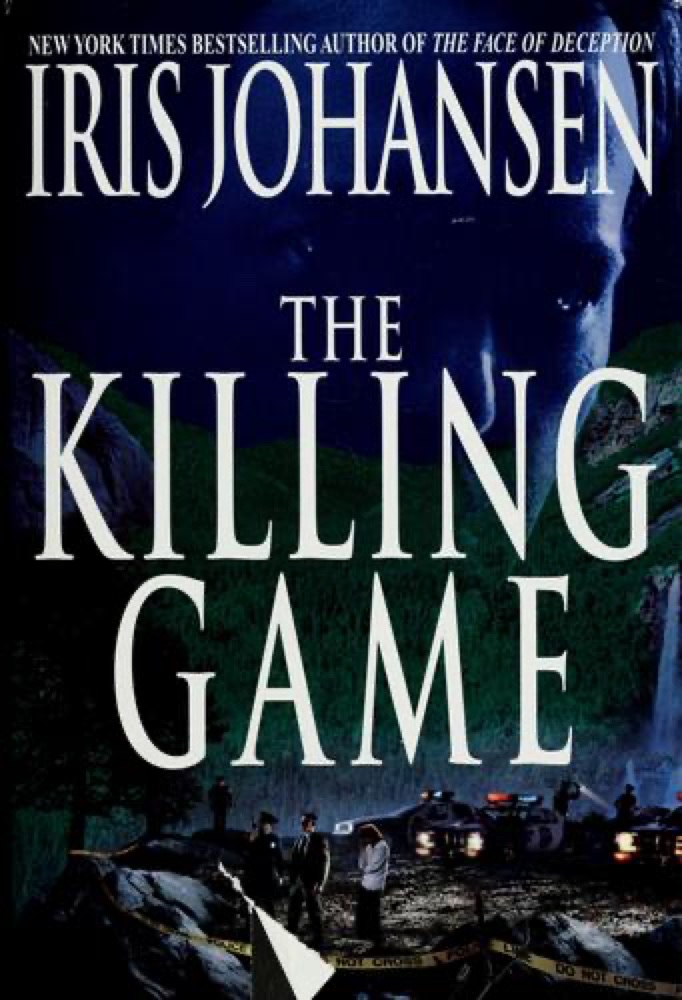

“didn't think of it.” She supposed she should have”
― Iris Johansen, quote from The Killing Game
“He stopped. “You're upset. I'll shut up and leave you”
― Iris Johansen, quote from The Killing Game
“Thus, there are times when a deep pragmatist should feel free to speak of rights—and not just legal rights but moral rights. These times, however, are rarer than we think. If we are truly interested in persuading our opponents with reason, then we should eschew the language of rights. This is, once again, because we have no non-question-begging (and non utilitarian) way of figuring out which rights really exist and which rights take precedence over others. But when it’s not worth arguing—either because the question has been settled or because our opponents can’t be reasoned with—then it’s time to stop arguing and rally the troops. It’s time to affirm our moral commitments, not with wonky estimates of probabilities but with words that stir our souls. But please do not take this as license to ignore everything else that I’ve said about “rights.” Most moral controversies are not simple cases of one tribe’s dominating another. In nearly all moral controversies, there are truly moral considerations on both sides.* There is something to be said for individualist systems that encourage people to take care of themselves. And there is something to be said for collective systems in which everyone gets the help they need. There is something to be said for not killing any human fetuses, and there is something to be said for letting people make their own tough bioethical choices. Here the solution is not for us to bludgeon one another with heartfelt assertions about rights, however tempting this may be. The solution is, once again, to put our automatic settings aside and shift into manual mode, seeking bargains brokered with the common currency.”
― Joshua D. Greene, quote from Moral Tribes: Emotion, Reason, and the Gap Between Us and Them
“A tired operator and an energized monitor create a problematic imbalance in the mind. As the monitor searches for forbidden content, it continuously brings to mind what it is searching for. Neuroscientists have shown that the brain is constantly processing the forbidden content just outside of conscious awareness. The result: You become primed to think, feel, or do whatever you are trying to avoid.”
― Kelly McGonigal, quote from The Willpower Instinct: How Self-Control Works, Why It Matters, and What You Can Do to Get More of It
“Some alters are what Dr Ross describes in Multiple Personality Disorder as 'fragments', which are 'relatively limited psychic states that express only one feeling, hold one memory or carry out a limited task in the person's life. A fragment might be a frightened child who holds the memory of one particular abuse incident.' In complex multiples, Dr Ross continues, the `personalities are relatively full-bodied, complete states capable of a rang of emotions and behaviours.' The alters will have `executive control some substantial amount of time over the person life'. He stresses, and I repeat his emphasis, 'Complex MPD with over 15 alter personalities and complicated amnesic barriers are associated with 100 percent frequency of childhood physical, sexual and emotional abuse.”
― quote from Today I'm Alice: Nine Personalities, One Tortured Mind
“What is certain is that the world has got beyond the stage at which one may affect modesty and maidenly shame, and I think that the world is too old a duffer to assume to be childish and maidenly without becoming ridiculous.
Since its marriage to civilization society has forfeited its right to be ingenuous and prudish. There is a blush which beseems the bride as she is being bedded, which would be out of place on the morrow; for the young wife mayhap remembers no more what it is to be a girl, or, if she does remember it, it is very indecent, and seriously compromises the reputation of the husband.”
― Théophile Gautier, quote from Mademoiselle de Maupin
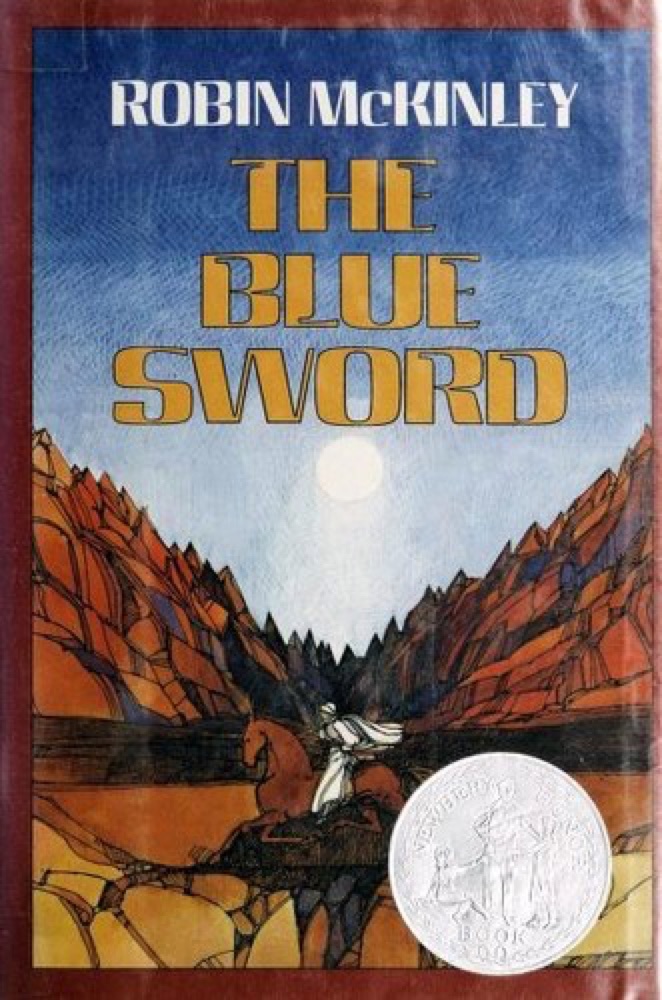
“What makes the desert beautiful,' said the little prince, 'is that somewhere it hides a well...”
― Antoine de Saint-Exupéry, quote from Der kleine Prinz
BookQuoters is a community of passionate readers who enjoy sharing the most meaningful, memorable and interesting quotes from great books. As the world communicates more and more via texts, memes and sound bytes, short but profound quotes from books have become more relevant and important. For some of us a quote becomes a mantra, a goal or a philosophy by which we live. For all of us, quotes are a great way to remember a book and to carry with us the author’s best ideas.
We thoughtfully gather quotes from our favorite books, both classic and current, and choose the ones that are most thought-provoking. Each quote represents a book that is interesting, well written and has potential to enhance the reader’s life. We also accept submissions from our visitors and will select the quotes we feel are most appealing to the BookQuoters community.
Founded in 2023, BookQuoters has quickly become a large and vibrant community of people who share an affinity for books. Books are seen by some as a throwback to a previous world; conversely, gleaning the main ideas of a book via a quote or a quick summary is typical of the Information Age but is a habit disdained by some diehard readers. We feel that we have the best of both worlds at BookQuoters; we read books cover-to-cover but offer you some of the highlights. We hope you’ll join us.