
 The House of the Dead
Quotes from the Book
Beauty was a curse to be borne, not a blessing.
9
I once laughed at the vanity of women of thirty or forty who whitened their ruddy old skin with lead, but now I know such salves are not disguises for old crones who wish to catch a young husband. Instead they are only a mask we wear so that we can, for a little while, still recognize ourselves.
4
Even if God forgives you, you do not forgive yourself. You live in your sorrow like a room of mirrors that reflects on and on to eternity.
3
Zsofía Forgách had died in the spring, and since then I had noticed a change in him, a subtle shift from merriment to contemplation, from engaging in the games the men played to an almost womanish need to stand back and watch with an appraising eye, as if his companions were people he had never seen before and did not know how to place
For man, when perfected, is the best of animals, but when separated from law and justice he is the worst of all; since armed injustice is the more dangerous, and he is equipped at birth with arms meant to be used by intelligence and virtue, which he may use for the worst ends.
Omul, atunci can e desavarsit, este cel mai bun dintre fiinte, dar atunci cand e lipsit de lege si dreptate, devine cel mai rau dintre toate, caci nedreptatea care dispune de arme este cea mai primejdioasa; iar omul este inzestrat la nastere cu arme menite a fi fosite cu inteligenta si virtute, dar pe care el le poate pune in slujba scopurilor celor mai rele.
[...] Devi imparare a controllare meglio le tue passioni, tesoro mio, e a custodire gli affanni nel segreto del tuo cuore.
Watch on YouTube
About Rebecca Johns
We have collected 7 quotes from 1 book by Rebecca Johns on BookQuoters.
More about the author →About the book
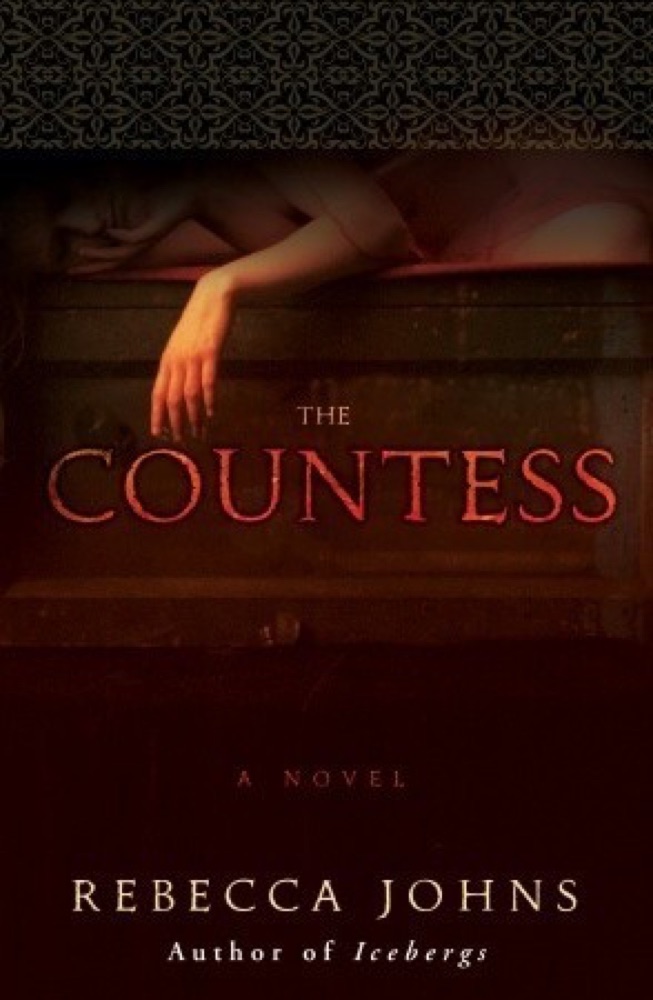
Was the “Blood Countess” history’s first and perhaps worst female serial killer? Or did her accusers create a violent fiction in order to remove this beautiful, intelligent, ambitious foe from the male-dominated world of Hungarian politics?
In 1611, Countess Erzsébet Báthory, a powerful Hungarian noblewoman, stood helpless as masons walled her inside her castle tower, dooming her to spend her final years in solitary confinement. Her crime—the gruesome murders of dozens of female servants, mostly young girls tortured to death for displeasing their ruthless mistress. Her opponents painted her as a bloodthirsty škrata —a witch—a portrayal that would expand to grotesque proportions through the centuries.
In this riveting dramatization of Erzsébet Báthory’s life, the countess tells her story in her own words, writing to her only son—a final reckoning from his mother in an attempt to reveal
Book details
- First published
- 2010
- Author
- Rebecca Johns
- Genre
- Historical
- Goodreads rating
- 3.55 (3k ratings)
Keep reading
The House of the Dead
 Paladin of Souls
 The Man in the Iron Mask
 The Fencing Master
 The Monk
 The Last Mortal Bond
 A Spy in the House of Love
 The Enchantress of Florence
 Now I Rise
 The Leopard
 Forge of Darkness
 Fall of Light
 The Memoirs of Cleopatra
 The Kreutzer Sonata
 Don Quixote
 Zeno's Conscience
 Ship of Fools
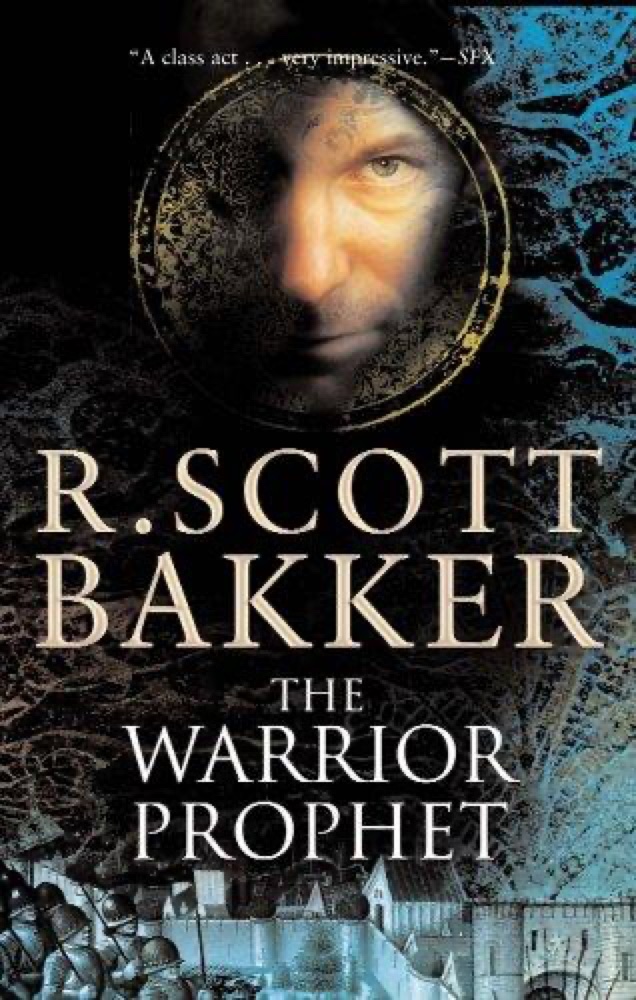 The Warrior Prophet
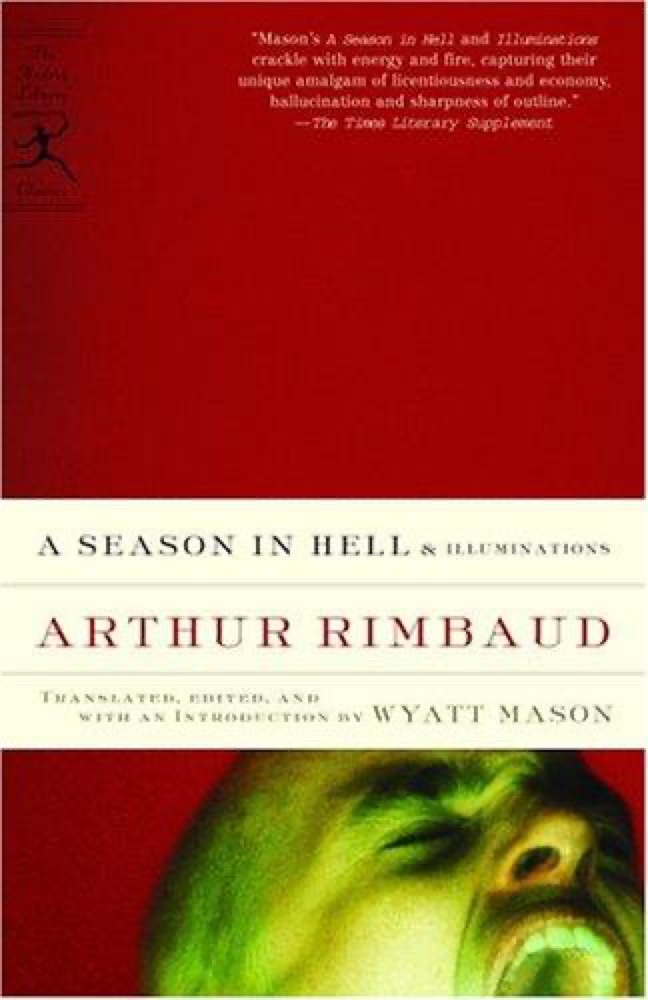 A Season in Hell
 The Man Who Loved Children
 Farewell Waltz
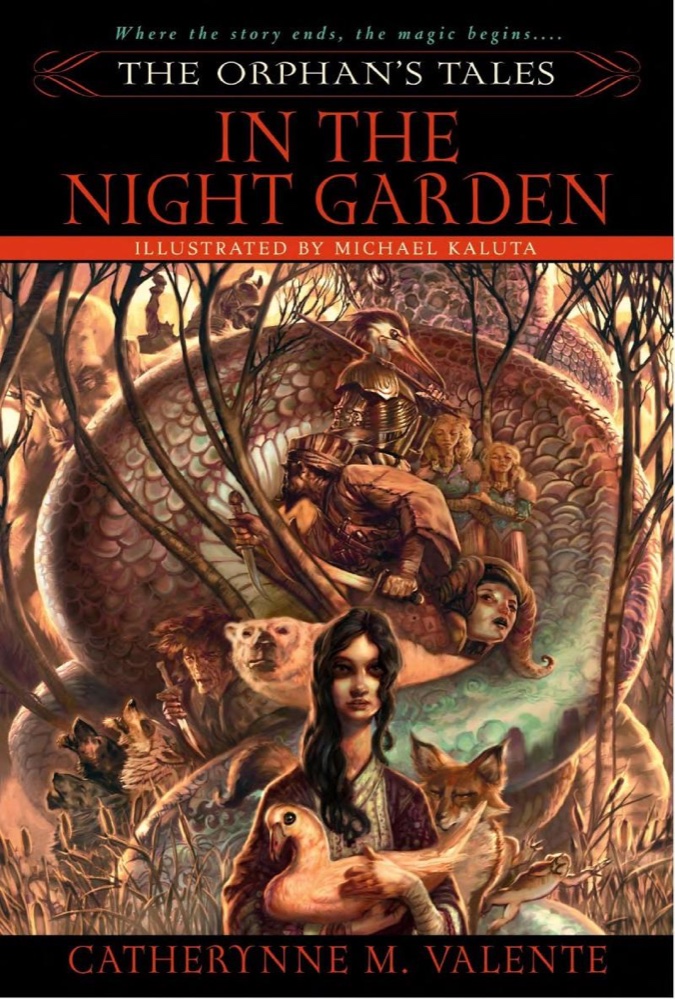 In the Night Garden
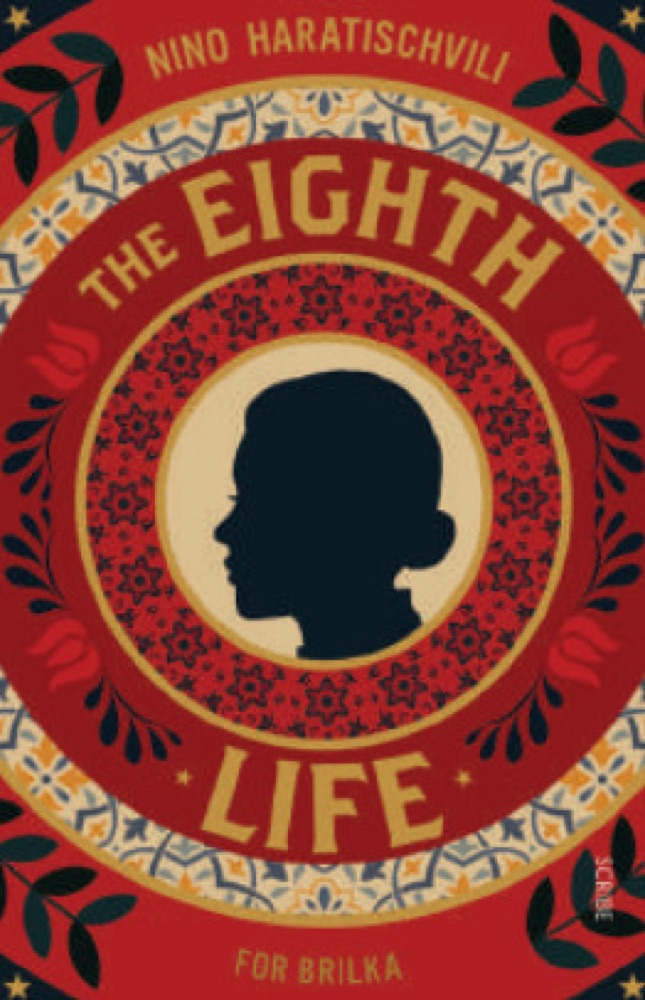 The Eighth Life
 The Left Hand of God
 The Midnight Palace
 The Queen of the Damned
 Legacy
 The Oresteia
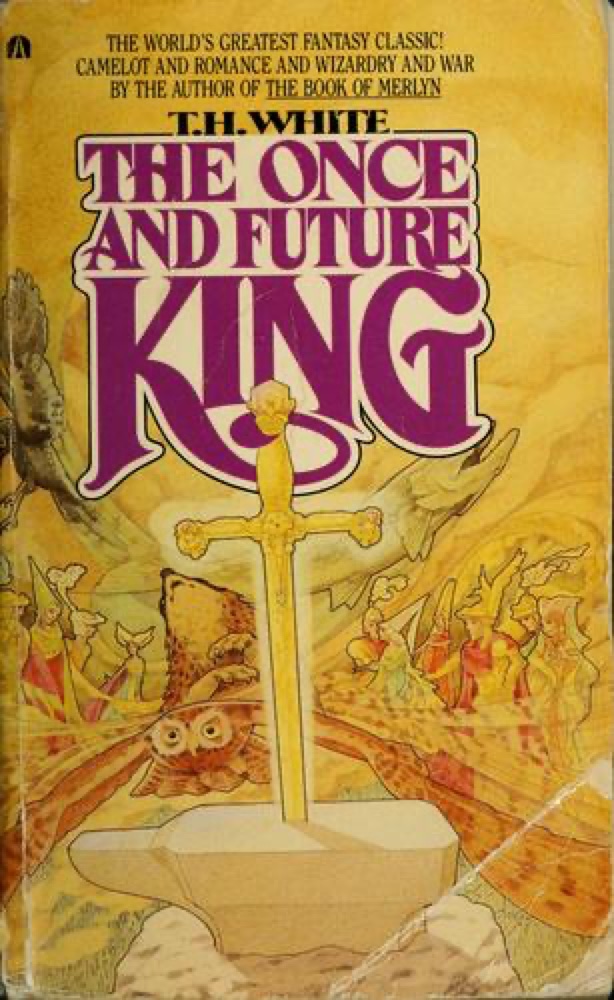 The Once and Future King
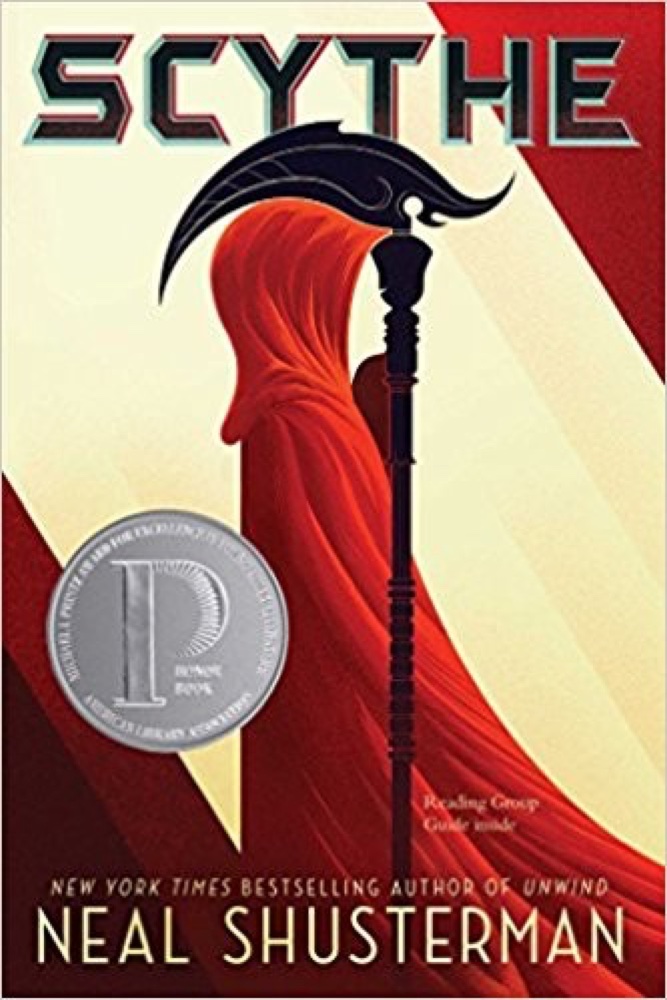 Scythe
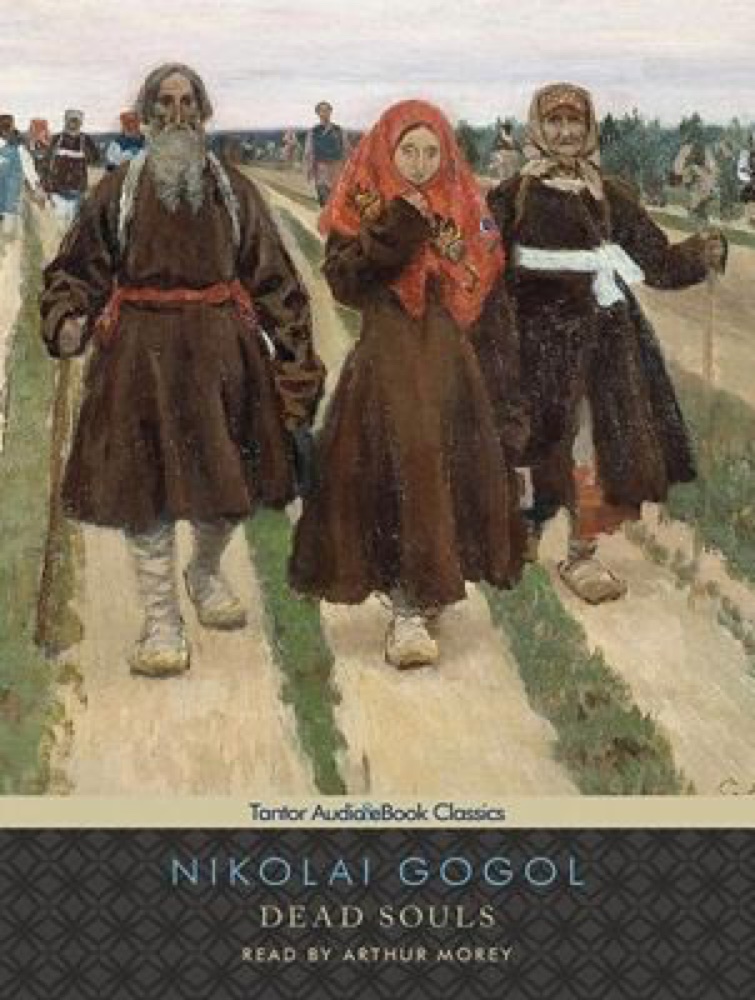 Dead Souls
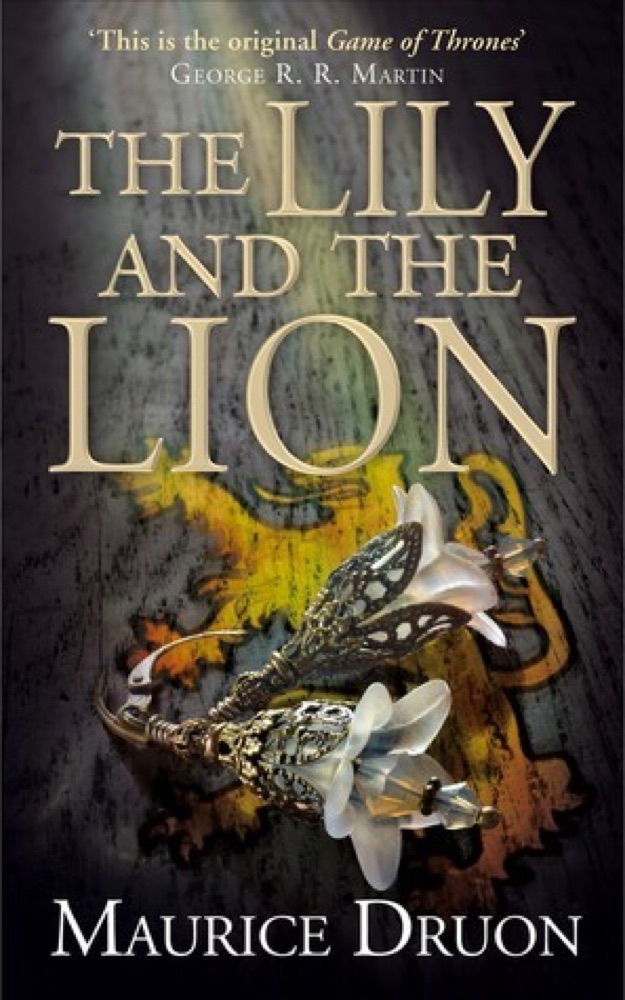 The Lily and The Lion
 Les Chants de Maldoror
 The Kindly Ones
 The Mad Women's Ball
 If This Is a Man / The Truce
 The Mirror & the Light
 The Devil in the Flesh
 The Duchess of Malfi
 Black Lamb and Grey Falcon
 Agamemnon
 The Devil and the Dark Water
 Shadow & Claw
 Disgrace
 Sophie's Choice
 The Black Prism
 Ninety-Three
 The Gadfly
 The Crimson Petal and the White
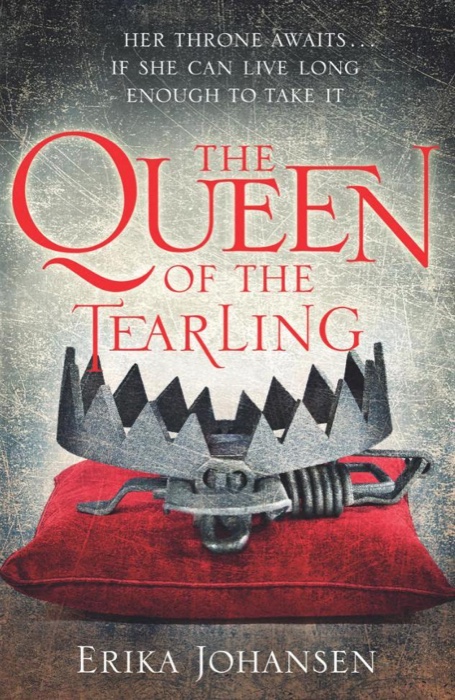 The Queen of the Tearling
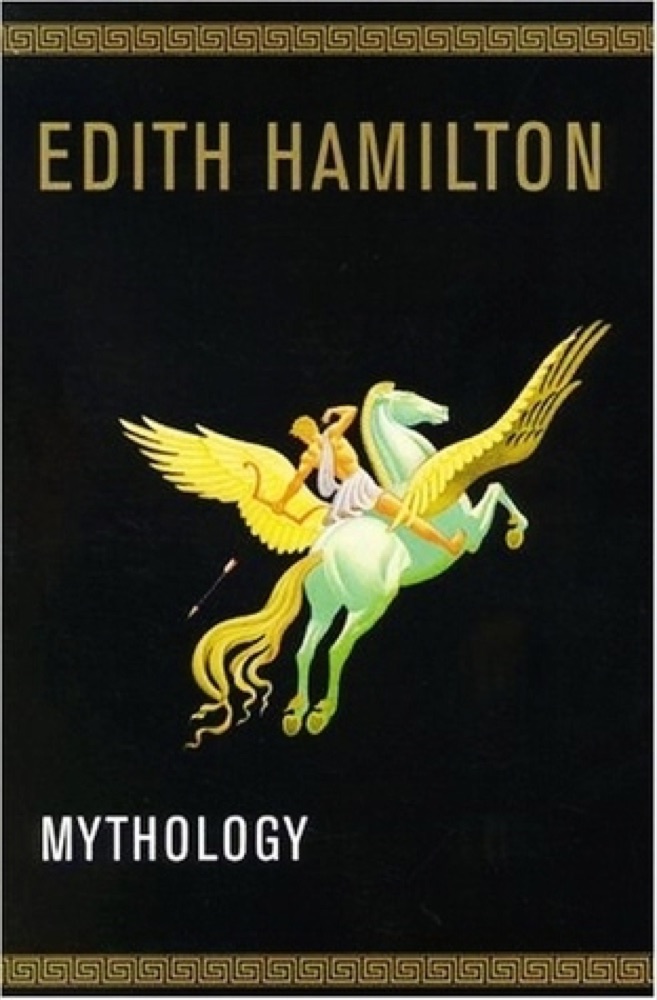 Mythology
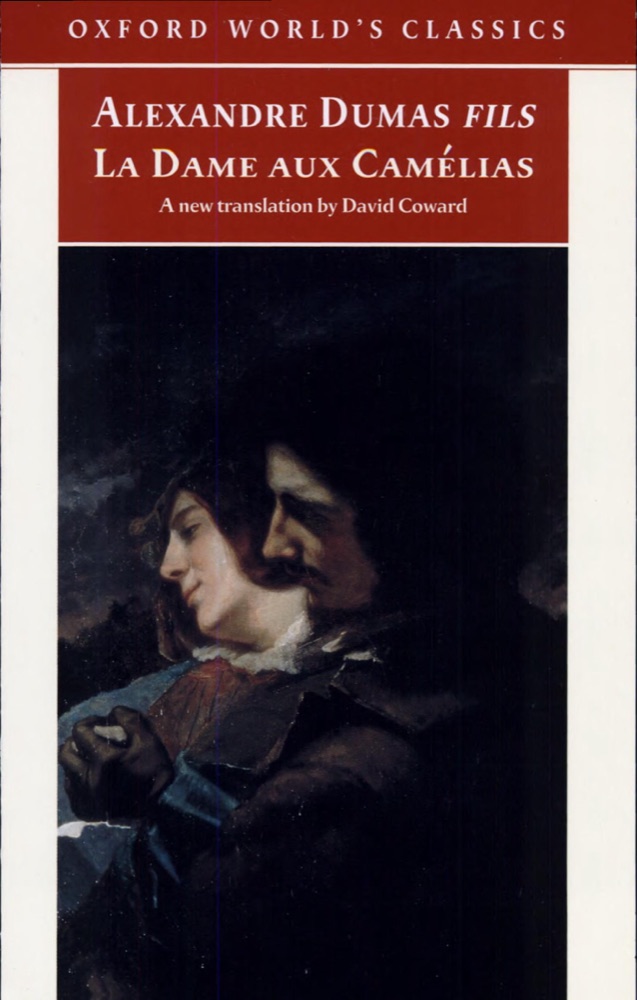 La dame aux camélias
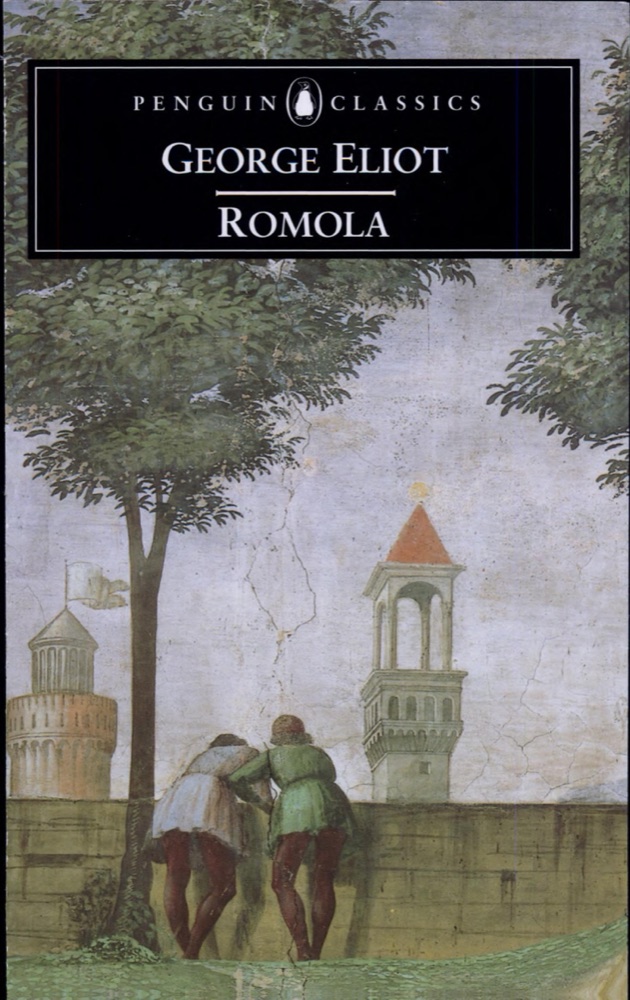 Romola
 A Winter's Promise
 The Scarlet Pimpernel
 Anno Dracula
 The Snowman
 The History of Tom Jones, a Foundling
 A Short History of Decay
 Zuleika Dobson