
 The Secret Keeper of Jaipur
Quotes from the Book
per hour. Handbrake knew that he could keep up with the best of them. Ambassadors might look old-fashioned and slow, but the latest models had Japanese engines. But he soon learned to keep it under seventy. Time and again, as his competitors raced up behind him and made their impatience known by the use of their horns and flashing high beams, he grudgingly gave way, pulling into the slow lane among the trucks, tractors and bullock carts. Soon, the lush mustard and sugarcane fields of Haryana gave way to the scrub and desert of Rajasthan. Four hours later, they reached the rocky hills surrounding the Pink City, passing in the shadow of the Amber Fort with its soaring ramparts and towering gatehouse. The road led past the Jal Mahal palace, beached on a sandy lake bed, into Jaipur’s ancient quarter. It was almost noon and the bazaars along the city’s crenellated walls were stirring into life. Beneath faded, dusty awnings, cobblers crouched, sewing sequins and gold thread onto leather slippers with curled-up toes. Spice merchants sat surrounded by heaps of lal mirch, haldi and ground jeera, their colours as clean and sharp as new watercolor paints. Sweets sellers lit the gas under blackened woks of oil and prepared sticky jalebis. Lassi vendors chipped away at great blocks of ice delivered by camel cart. In front of a few of the shops, small boys, who by law should have been at school, swept the pavements, sprinkling them with water to keep down the dust. One dragged a doormat into the road where the wheels of passing vehicles ran over it, doing the job of carpet beaters. Handbrake honked his way through the light traffic as they neared the Ajmeri Gate, watching the faces that passed by his window: skinny bicycle rickshaw drivers, straining against the weight of fat aunties; wild-eyed Rajasthani men with long handlebar moustaches and sun-baked faces almost as bright as their turbans; sinewy peasant women wearing gold nose rings and red glass bangles on their arms; a couple of pink-faced goras straining under their backpacks; a naked sadhu, his body half covered in ash like a caveman. Handbrake turned into the old British Civil Lines, where the roads were wide and straight and the houses and gardens were set well apart. Ajay Kasliwal’s residence was number
Handbrake found the drive to Jaipur that morning particularly frustrating. The new tarmac-surfaced toll road, which was part of India’s proliferating highway system, had four lanes running in both directions, and although it presented all manner of hazards, including the occasional herd of goats, a few overturned trucks and the odd gaping pothole, it held out an irresistible invitation to speed. Indeed, many of the other cars travelled as fast as 100 miles
agents shall be recruited from orphans. They shall be trained in the following techniques: interpretation of signs and marks, palmistry and similar techniques of interpreting body marks, magic and illusions, the duties of the ashramas, the stages of life, and the science of omens and augury. Alternatively, they can be trained in physiology and sociology, the art of men and society.
Guru-ji, I am the winner of the Super Sleuth World Federation of Detectives award for 1999. Also, I was on the cover of India Today magazine. It’s a distinction no other
Fortunately, getting hold of people’s garbage was a cinch. Indian detectives were much luckier than their counterparts in, say, America, who were forever rooting around in people’s dustbins down dark, seedy alleyways. In India, one could simply purchase an individual’s trash on the open market. All you had to do was befriend the right rag picker. Tens of thousands of untouchables of all ages still worked as unofficial dustmen and women across the country. Every morning, they came pushing their barrows, calling, “Kooray Wallah!” and took away all the household rubbish. In the colony’s open rubbish dump, surrounded by cows, goats, dogs and crows, they would sift through piles of stinking muck by hand, separating biodegradable waste from the plastic wrappers, aluminium foil, tin cans and glass bottles.
Watch on YouTube
About Tarquin Hall
We have collected 5 quotes from 1 book by Tarquin Hall on BookQuoters.
More about the author →Book details
- Author
- Tarquin Hall
- Genre
- Fiction
- Goodreads rating
- 3.74 (10k ratings) →
Keep reading
The Secret Keeper of Jaipur
 City of Djinns: A Year in Delhi
 The Perfumist of Paris
 The Blue Bar
 Behind the Beautiful Forevers: Life, Death, and Hope in a Mumbai Undercity
 River of Smoke
 The White Tiger
 Maximum City: Bombay Lost and Found
 Sorcerer's Apprentice
 Train to Pakistan
 What Young India Wants
 Heart Lamp: Selected Stories
 India After Gandhi: The History of the World's Largest Democracy
 Sea of Poppies
 Serious Men
 Milk Teeth
 Petals of Blood
 The Lives of Others
 A Suitable Boy
 The Windup Girl
 The Big Over Easy
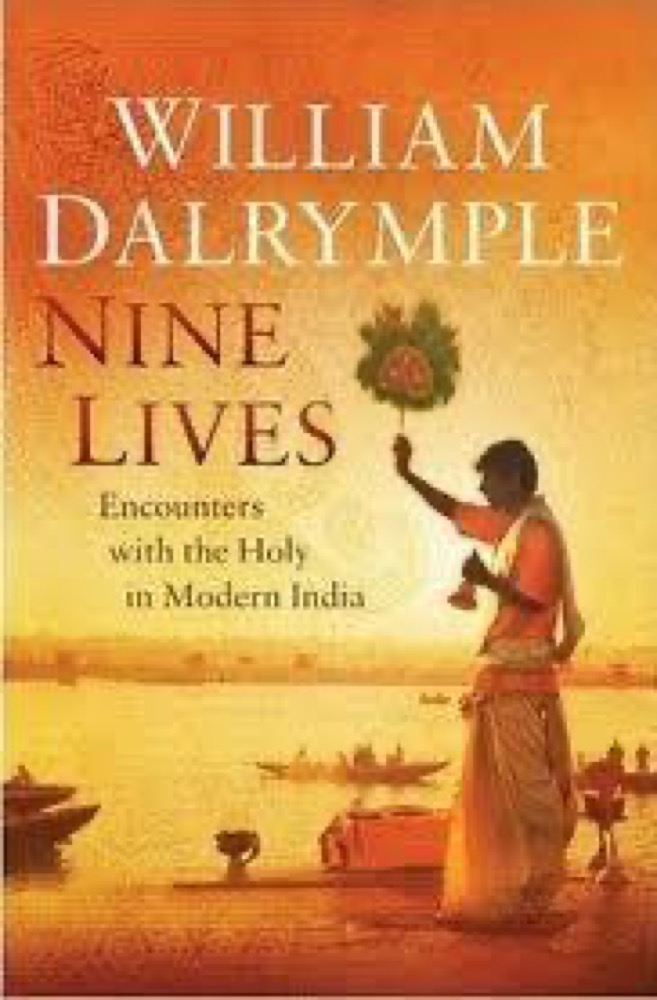 Nine Lives
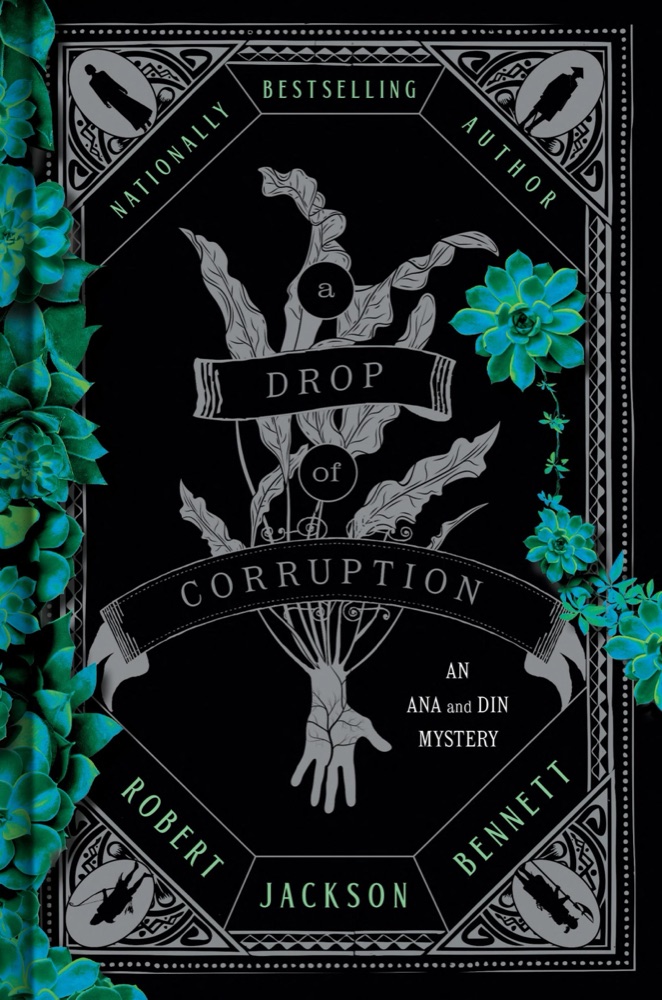 A Drop of Corruption
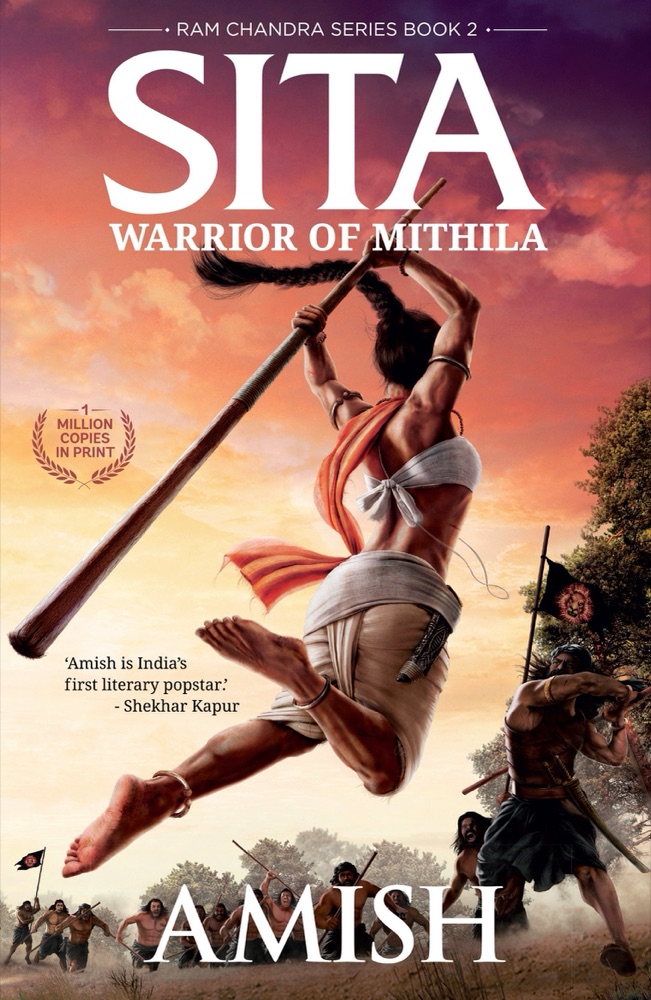 Sita: Warrior of Mithila
 Dongri To Dubai : Six Decades of The Mumbai Mafia
 Narcopolis
 India Unbound: The Social and Economic Revolution from Independence to the Global Information Age
 Bangkok Tattoo
 The Hangman's Replacement: Sprout of Disruption
 Hullabaloo in the Guava Orchard
 The No. 1 Ladies' Detective Agency
 Moth Smoke
 Tears of the Giraffe
 Crooked River
 The Ministry of Utmost Happiness
 The Day of the Scorpion
 The Limpopo Academy of Private Detection
 Capitalism: A Ghost Story
 The High Auction
 Bright Shiny Morning
 Foxglove Summer
 The Dreadful Lemon Sky
 The Great Railway Bazaar
 The Magician's Apprentice
 Boomerang: Travels in the New Third World
 Redemption in Indigo
 Sherlock Holmes
 The Hanging Tree
 Wizard of the Crow
 The Last Train to Zona Verde: My Ultimate African Safari
 The Adventures of China Iron
 Death's Acre: Inside the Legendary Forensic Lab the Body Farm Where the Dead Do Tell Tales
 Lies Sleeping
 In a Sunburned Country
 Life... Love... Kumbh...
 Hercule Poirot: The Complete Short Stories
 Kim
Kim
 The Night Tiger
 Gold Fame Citrus