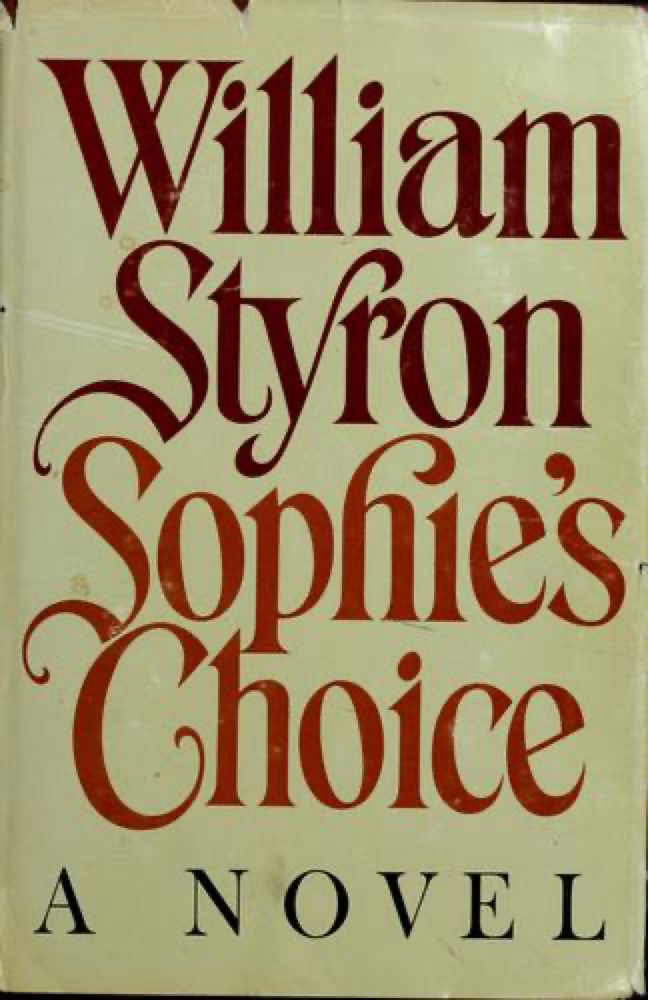
“إنّي أحبّك، وعندما أحسنُ إليك فإنّما أحسِن إلى نفسي.”
― Comtesse de Ségur, quote from Sophie's Misfortunes
“ثمن الاعتراف بالخطأ باهظٌ على الدّوام.”
― Comtesse de Ségur, quote from Sophie's Misfortunes
“إنّ اعترافك بأخطائك التماسٌ للعفو عنك.”
― Comtesse de Ségur, quote from Sophie's Misfortunes
“يستحيل أن نُقطّع أيَّ حيوان كان أو نقتُله دون أن يتألّم.”
― Comtesse de Ségur, quote from Sophie's Misfortunes
“إنّ من المحال أن نحصل على كلِّ ما نرغب فيه من الوهلة الأولى.”
― Comtesse de Ségur, quote from Sophie's Misfortunes
“In this mortal frame of mine which is made of a hundred bones and nine orifices there is something, and this something is called a wind-swept spirit for lack of a better name, for it is much like a thin drapery that is torn and swept away at the slightest stir of the wind. This something in me took to writing poetry years ago, merely to amuse itself at first, but finally making it its lifelong business. It must be admitted, however, that there were times when it sank into such dejection that it was almost ready to drop its pursuit, or again times when it was so puffed up with pride that it exulted in vain victories over the others. Indeed, ever since it began to write poetry, it has never found peace with itself, always wavering between doubts of one kind and another. At one time it wanted to gain security by entering the service of a court, and at another it wished to measure the depth of its ignorance by trying to be a scholar, but it was prevented from either because of its unquenchable love of poetry. The fact is, it knows no other art than the art of writing poetry, and therefore, it hangs on to it more or less blindly.”
― Matsuo Bashō, quote from Backroads to Far Towns: Basho's Travel Journal
“As for the myths, take anyone's life and deny that most of it is deliberate self-delusion - an aggrandizement - a mixture of lies and truth, of what was wanted and what was had, producing the necessary justification for having been granted life in the first place. I was struck like a match, Lily wrote. I had no option but to burn.
You can put a period after that. Lily did. It was the story of her life.”
― Timothy Findley, quote from The Piano Man's Daughter
“Личността, чието име току-що бе произнесено, професор Адам Круг, философът, седеше малко встрани, потънал в едно кресло, опрял косматите си ръце на подлакътниците. Беше едър тежък човек над четирийсетте, с чорлава, пепелява или леко прошарена коса и грубо изсечено лице, навеждащо на мисълта за недодялан шахматист или навъсен композитор, но по-интелигентно. Силното компактно и мрачно чело, притежаваше някак особено херметично изражение (банков сейф, зид на затвор?), присъщо за челото на всеки мислител. Мозък, съставен от вода, разни химически съединения и група високомодифицирани мазнини. Бледите стоманеносиви очи в почти правоъгълни орбити, полузакрити от гъсти вежди, които някога са ги защитавали от отровните извержения на вече изчезнали птици – хипотезата на Шнайдер. Ушите бяха големи, орбасли с косми отвътре. Носът му бе обрамчен от две дълбоки гънки, спускащи се по широките бузи. Тази сутрин не беше се бръснал. Носеше силно омачкан тъмен костюм и неизменната тъмнолилава папийонка на (някога бели, а сега неопределен цвят) точки, с разкъсана лява вътрешна фльонга. Не особено чистата яка беше от типа отворена, тоест с удобна триъгълна чупка за адамовата ябълка. Носеше характерните обувки с дебели подметки и старомодни черни гети. Какво още? Ах, да – разсеяното почукване с показалец по подлакътника на креслото.
Под тази видима повърхност копринена риза обгръщаше мощния му торс и уморените бедра. Тя бе дълбоко втъкната в наполеонки, които от своя страна бяха напъхани в чорапите: известно му бе за слуховете, че не носи чорапи (оттам и гетите), но това не беше истина; в действителност такива имаше на краката му – хубави, скъпи, бледолилави, копринени.
Под всичко това беше топлата бяла кожа. Мравешка пътека, тесен капилярен керван вървеше нагоре по средата на корема му, за да се прекъсне точно до пъпа. По-тъмна и по-гъста растителност бе разперила крила на гърдите му.
Под това имаше мъртва съпруга и спящо дете.”
― Vladimir Nabokov, quote from Bend Sinister
“didn't think of it.” She supposed she should have”
― Iris Johansen, quote from The Killing Game
“I need to learn to recognize and identify these danger signs when I see them, and not brush them off as "eccentricities," "lovable oddities," or "a sign that he s crying out for help and the comforting of a codependent nurturer that only I, Princess Enabler, can provide. Bad boyfriends don't disguise themselves; their girlfriends do it for them. ”
― Laurie Notaro, quote from Autobiography of a Fat Bride: True Tales of a Pretend Adulthood
BookQuoters is a community of passionate readers who enjoy sharing the most meaningful, memorable and interesting quotes from great books. As the world communicates more and more via texts, memes and sound bytes, short but profound quotes from books have become more relevant and important. For some of us a quote becomes a mantra, a goal or a philosophy by which we live. For all of us, quotes are a great way to remember a book and to carry with us the author’s best ideas.
We thoughtfully gather quotes from our favorite books, both classic and current, and choose the ones that are most thought-provoking. Each quote represents a book that is interesting, well written and has potential to enhance the reader’s life. We also accept submissions from our visitors and will select the quotes we feel are most appealing to the BookQuoters community.
Founded in 2023, BookQuoters has quickly become a large and vibrant community of people who share an affinity for books. Books are seen by some as a throwback to a previous world; conversely, gleaning the main ideas of a book via a quote or a quick summary is typical of the Information Age but is a habit disdained by some diehard readers. We feel that we have the best of both worlds at BookQuoters; we read books cover-to-cover but offer you some of the highlights. We hope you’ll join us.