
 The Disuniting of America: Reflections on a Multicultural Society
Quotes from the Book
What would have happened had he not been killed? He would certainly have had a rocky road to the nomination. The power of the Johnson administration and much of the party establishment was behind Humphrey. Still, the dynamism was behind Kennedy, and he might well have swept the convention. If nominated, he would most probably have beaten the Republican candidate, Richard M. Nixon. Individuals do make a difference to history. A Robert Kennedy presidency would have brought a quick end to American involvement in the Vietnam War. Those thousands of Americans—and many thousands more Vietnamese and Cambodians—who were killed from 1969 to 1973 would have been at home with their families. A Robert Kennedy presidency would have consolidated and extended the achievements of John Kennedy’s New Frontier and Lyndon Johnson’s Great Society. The liberal tide of the 1960s was still running strong enough in 1969 to affect Nixon’s domestic policies. The Environmental Protection Act, the Occupational Safety and Health Act, the Comprehensive Employment and Training Act with its CETA employment program were all enacted under Nixon. If that still fast-flowing tide so influenced a conservative administration, what signal opportunities it would have given a reform president! The confidence that both black and white working-class Americans had in Robert Kennedy would have created the possibility of progress toward racial reconciliation. His appeal to the young might have mitigated some of the under-thirty excesses of the time. And of course the election of Robert Kennedy would have delivered the republic from Watergate, with its attendant subversion of the Constitution and destruction of faith in government. RRK
For Robert the experience was another step in education. He was learning in particular that patriotic declarations did not make due process of law superfluous and that he owed a debt to his own inner standards.
Watch on YouTube
About Arthur M. Schlesinger Jr.
We have collected 29 quotes from 2 books by Arthur M. Schlesinger Jr. on BookQuoters.
More about the author →More by Arthur M. Schlesinger Jr.
The Disuniting of America: Reflections on a Multicultural Society
Book details
- Genre
- Literature
- Goodreads rating
- 4.28 (2k ratings) →
Keep reading
 The Best and the Brightest
 The Passage of Power
 A Full Life: Reflections at Ninety
 Profiles in Courage
 Promises to Keep: On Life and Politics
 Truman
 Nixonland: The Rise of a President and the Fracturing of America
 The Autobiography of Eleanor Roosevelt
 Before the Storm: Barry Goldwater and the Unmaking of the American Consensus
 Killing Kennedy: The End of Camelot
 What It Takes: The Way to the White House
 The Invisible Bridge: The Fall of Nixon and the Rise of Reagan
 Clear and Present Danger
 Destiny of the Republic: A Tale of Madness, Medicine and the Murder of a President
 Executive Orders
 The Rise of Theodore Roosevelt
 The Path to Power
 Team of Rivals: The Political Genius of Abraham Lincoln
 Hidden History: An Exposé of Modern Crimes, Conspiracies, and Cover-Ups in American Politics
 The Soul of America: The Battle for Our Better Angels
 Master of the Senate
 Decision Points
 The American Spirit: Who We Are and What We Stand For
 The Man Who Saved the Union: Ulysses Grant in War and Peace
 Bearing the Cross: Martin Luther King, JR., and the Southern Christian Leadership Conference
 Vietnam: An Epic Tragedy, 1945-1975
 The Short and Tragic Life of Robert Peace: A Brilliant Young Man Who Left Newark for the Ivy League
 The Untold History of The United States
 The Civil War, Vol. 3: Red River to Appomattox
 April 1865: The Month That Saved America
 American Lion: Andrew Jackson in the White House
 The Nine: Inside the Secret World of the Supreme Court
 Unthinkable: Trauma, Truth, and the Trials of American Democracy
 The World As It Is: Inside the Obama White House
 Faith of My Fathers: A Family Memoir
 The Small and the Mighty: Twelve Unsung Americans Who Changed the Course of History, from the Founding to the Civil Rights Movement
 American Prometheus: The Triumph and Tragedy of J. Robert Oppenheimer
 Becoming Madam Secretary
 These Truths: A History of the United States
 The Coldest Winter: America and the Korean War
 Radio Free Albemuth
 Founding Brothers: The Revolutionary Generation
 We Were Eight Years in Power: An American Tragedy
 The Greatest Generation
 Edge of Eternity
 Revolutionary Summer: The Birth of American Independence
 Mr. Lincoln's Army
 Shaman
 You Can't Be Neutral on a Moving Train: A Personal History of Our Times
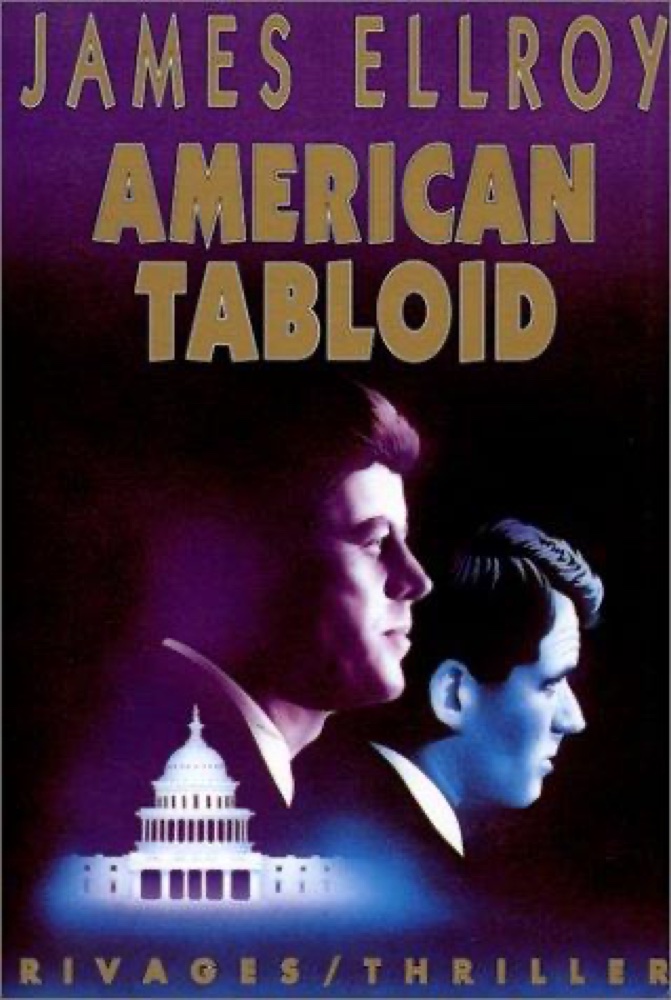 American Tabloid
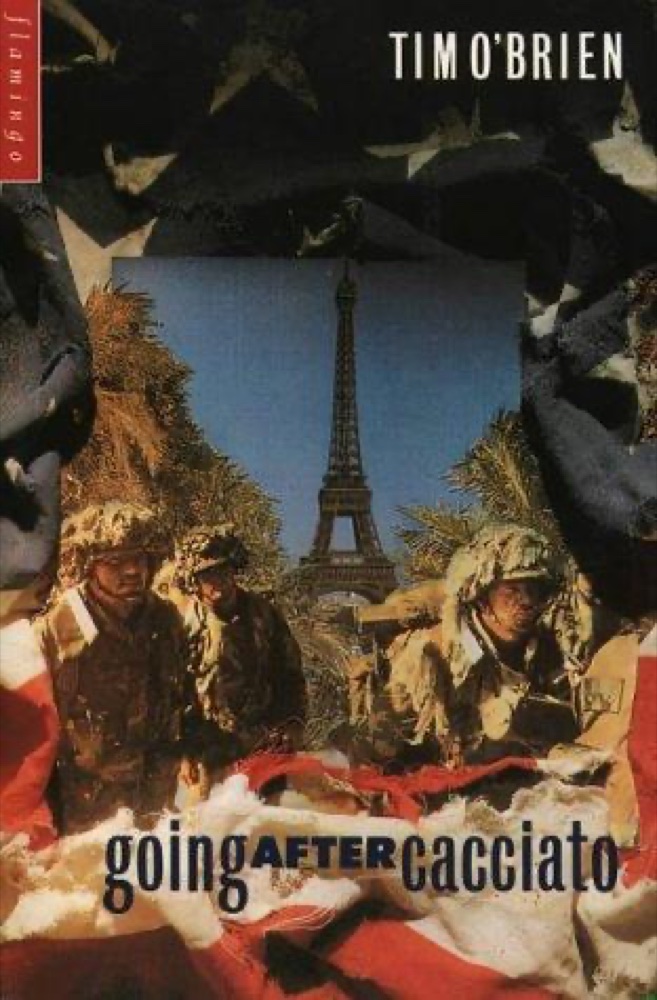 Going After Cacciato
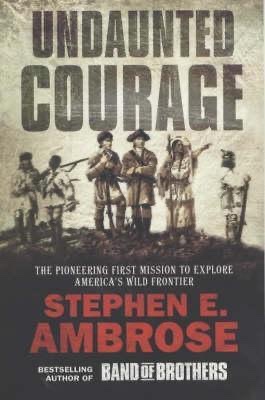 Undaunted Courage: The Pioneering First Mission to Explore America's Wild Frontier
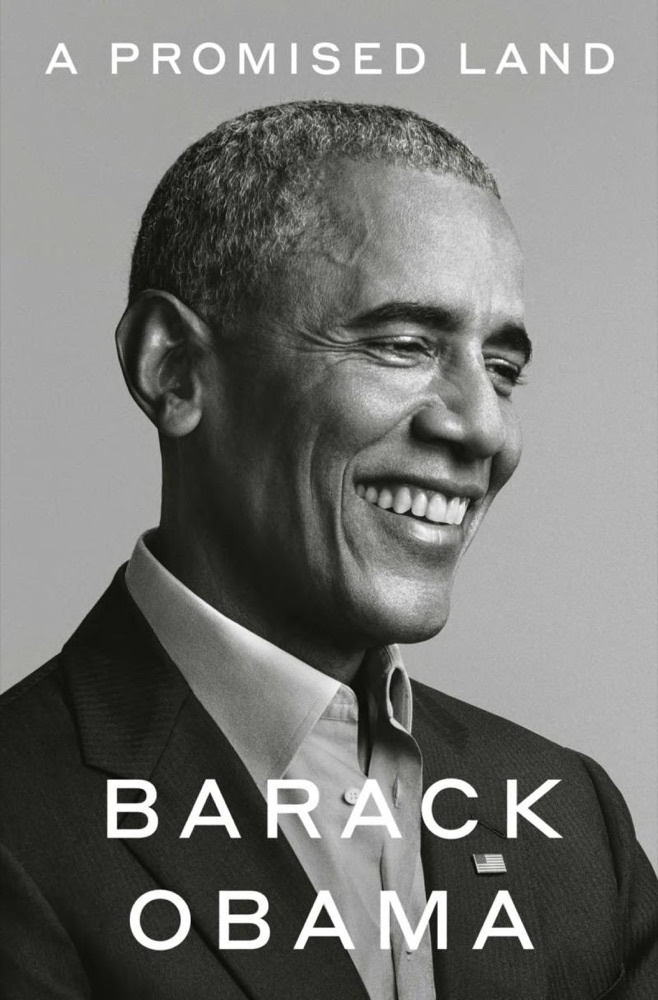 A Promised Land
 Burr
Burr
 Bag Man: The Wild Crimes, Audacious Cover-up, and Spectacular Downfall of a Brazen Crook in the White House
 Drift
Drift
 The Monuments Men: Allied Heroes, Nazi Thieves, and the Greatest Treasure Hunt in History
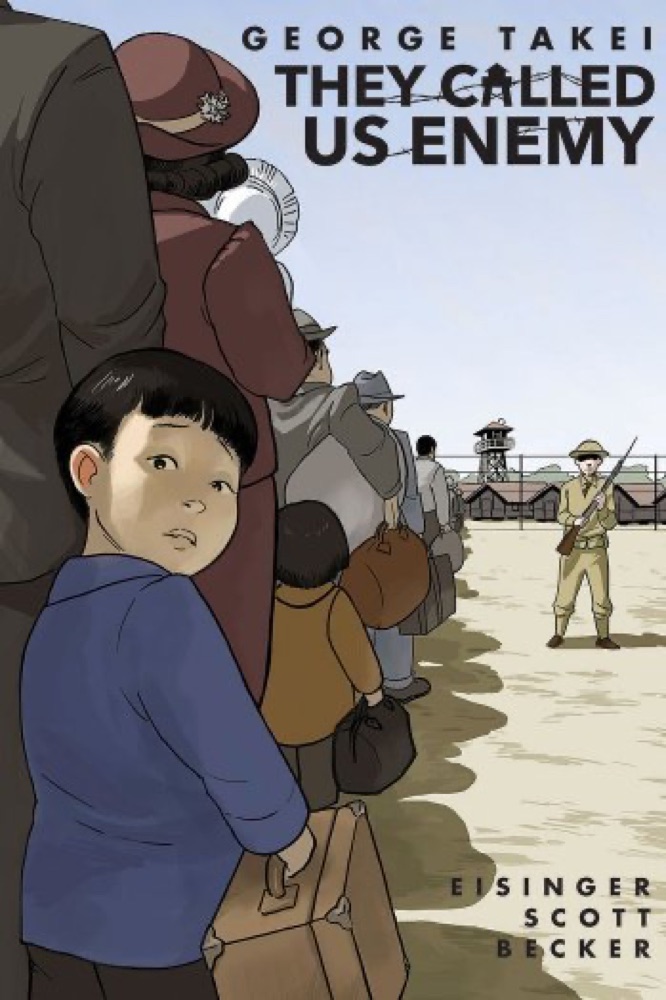 They Called Us Enemy
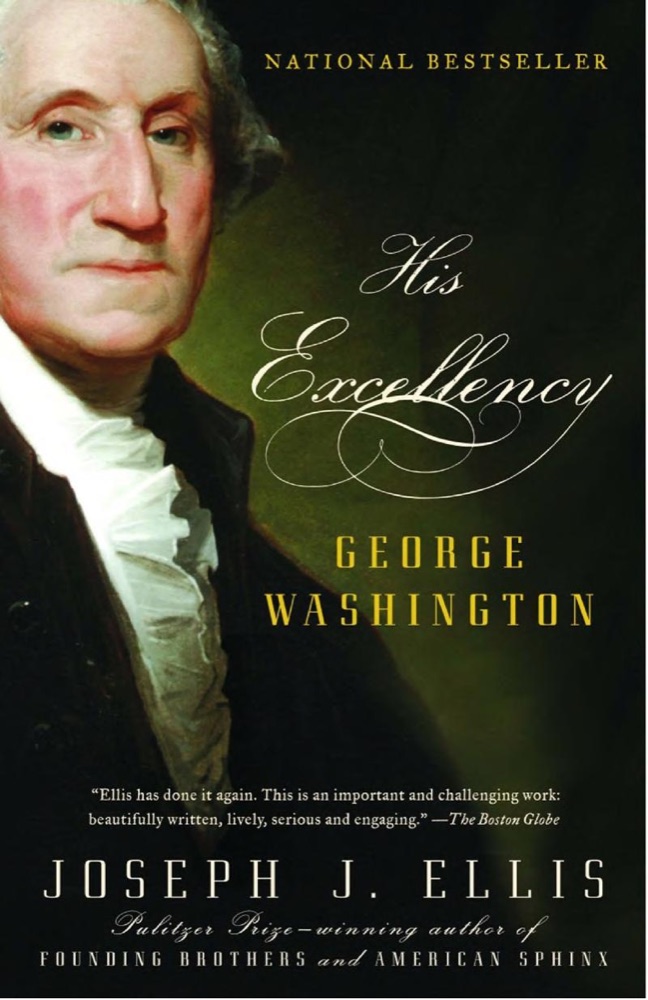 His Excellency: George Washington
 The Blood of Emmett Till