
 Pilgrim at Tinker Creek
Quotes from the Book
We live in all we seek.
There were no formerly heroic times, and there was no formerly pure generation. There is no one here but us chickens, and so it has always been: A people busy and powerful, knowledgeable, ambivalent, important, fearful, and self-aware; a people who scheme, promote, deceive, and conquer; who pray for their loved ones, and long to flee misery and skip death. It is a weakening and discoloring idea, that rustic people knew God personally once upon a time-- or even knew selflessness or courage or literature-- but that it is too late for us. In fact, the absolute is available to everyone in every age. There never was a more holy age than ours, and never a less.
if you stay still, earth buries you, ready or not.
There are 1,198,500,000 people alive now in China. To get a feel for what that means, simply take yourself - in all your singularity, importance, complexity, and love - and multiply by 1,198,500,000. See? Nothing to it.
There is no less holiness at this time- as you are reading this- than there was on the day the Red Sea parted, or that day in the 30th year, in the 4th month, on the 5th day of the month as Ezekiel was a captive by the river Cheban, when the heavens opened and he saw visions of god. There is no whit less enlightenment under the tree at the end of your street than there was under Buddha’s bo tree…. In any instant the sacred may wipe you with its finger. In any instant the bush may flare, your feet may rise, or you may see a bunch of souls in trees.
You cannot mend the chromosome, quell the earthquake, or stanch the flood. You cannot atone for the dead tyrants’ murders and you alone cannot stop living tyrants. As Martin Buber saw it, the world of ordinary days “affords” us that precise association with god that redeems both us and our speck of world. God entrusts and allots to everyone an area to redeem: this creased and feeble life, “the world in which you live, just as it is, and not otherwise.” “Insofar as he cultivates and enjoys them in holiness, he frees their souls…he who prays and sings in holiness, eats and speaks in holiness…through him the sparks which have fallen will be uplifted, and the worlds which have fallen will be delivered and renewed.
This hospital, like every other, is a hole in the universe through which holiness issues in blasts. It blows both ways, in and out of time.
Is it not late? A late time to be living? Are not our generations the crucial ones? For we have changed the world. Are not our heightened times the important ones? For we have nuclear bombs. Are we not especially significant because our century is? - our century and its unique Holocaust, its refugee populations, its serial totalitarian exterminations; our century and its antibiotics, silicon chips, men on the moon, and spliced genes? No, we are not and it is not. These times of ours are ordinary times, a slice of life like any other. Who can bear to hear this, or who will consider it?... Take away the bomb threat and what are we? Ordinary beads on a never-ending string. Our time is a routine twist of an improbable yarn...There must be something heroic about our time, something that lifts it above all those other times. Plague? Funny weather? Dire things are happening... Why are we watching the news, reading the news, keeping up with the news? Only to enforce our fancy - probably a necessary lie - that these are crucial times, and we are in on them. Newly revealed, and we are in the know: crazy people, bunches of them. New diseases, shifts in power, floods! Can the news from dynastic Egypt have been any different?
The thousands of wealth have fallen with wonders, said Rabbi Nathan of Nemirov. Do you find this unclear? It certainly sounds like the sort of thing thousands of wealth do. They fall. Does anyone know what the rabbi meant by wonders?
Seeing the open pits in the open air, among farms, is the wonder, and seeing the bodies twist free from the soil. The sight of a cleaned clay soldier upright in a museum case is unremarkable, and this is all that future generations will see. No one will display those men crushed beyond repair; no one will display their loose parts; no one will display them crawling from the walls. Future generations will miss the crucial sight of ourselves as rammed earth.
Watch on YouTube
About Annie Dillard
We have collected 150 quotes from 7 books by Annie Dillard on BookQuoters.
More about the author →More by Annie Dillard
Pilgrim at Tinker Creek
 The Living
 Teaching a Stone to Talk: Expeditions and Encounters
 Holy the Firm
Book details
- Author
- Annie Dillard
- Genre
- Philosophy
- Goodreads rating
- 4.14 (5k ratings) →
Keep reading
 Island
 A Canticle for Leibowitz
 The Fall of Hyperion
 The Everlasting Man
 Parable of the Sower
 The Years of Rice and Salt
 Small Wonder
 Eifelheim
 Seven Surrenders
 Father Joe: The Man Who Saved My Soul
 The Gone-Away World
 Villa Incognito
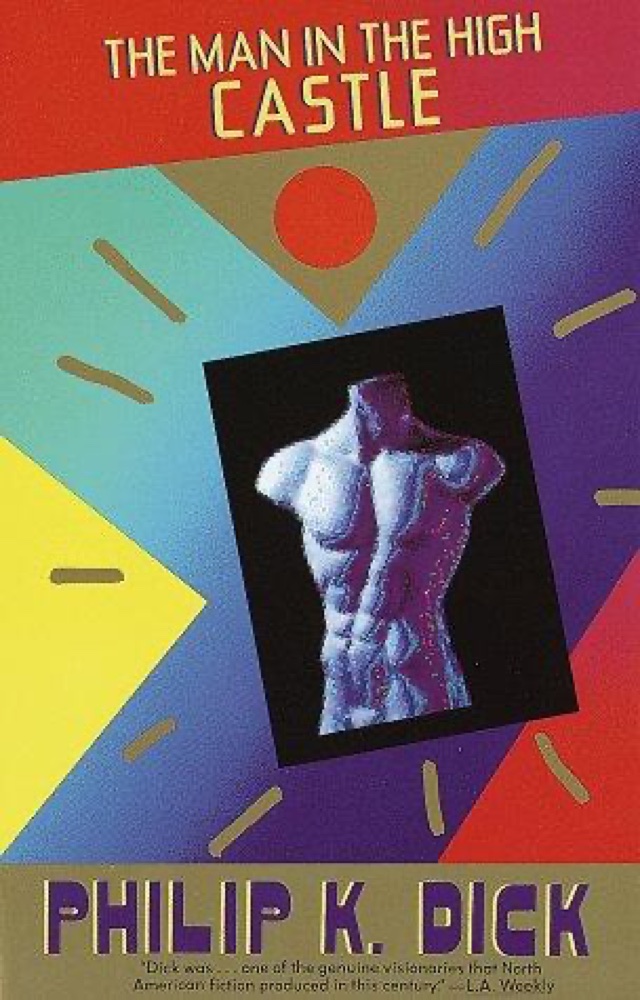 The Man in the High Castle
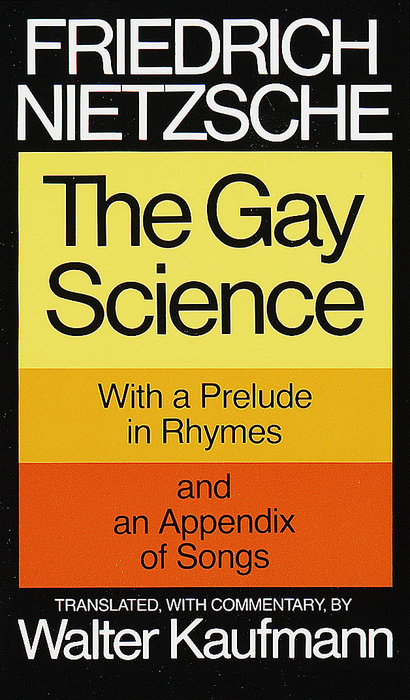 The Gay Science
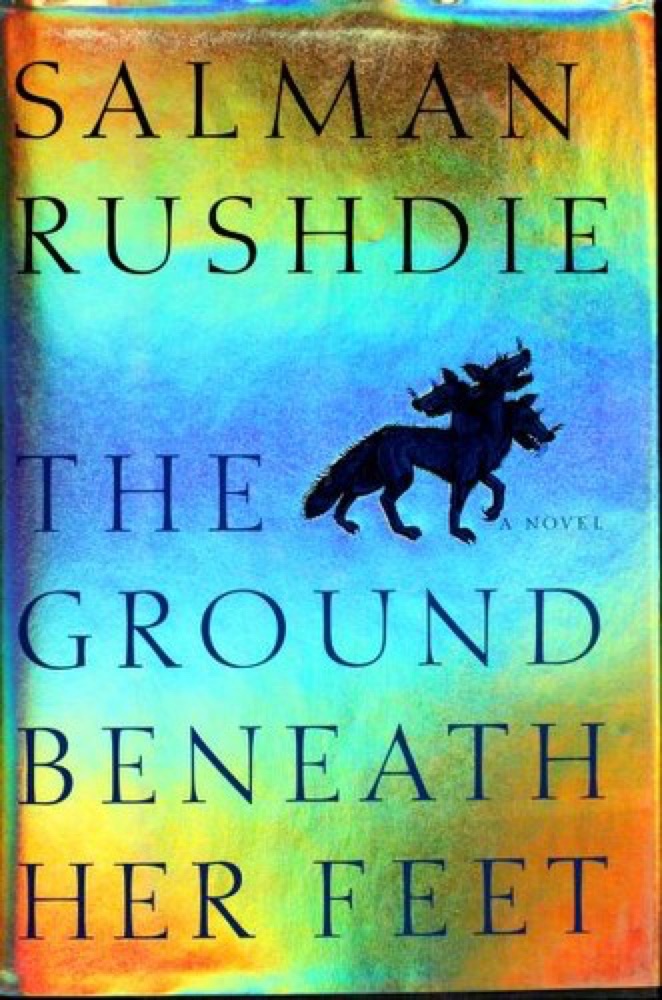 The Ground Beneath Her Feet
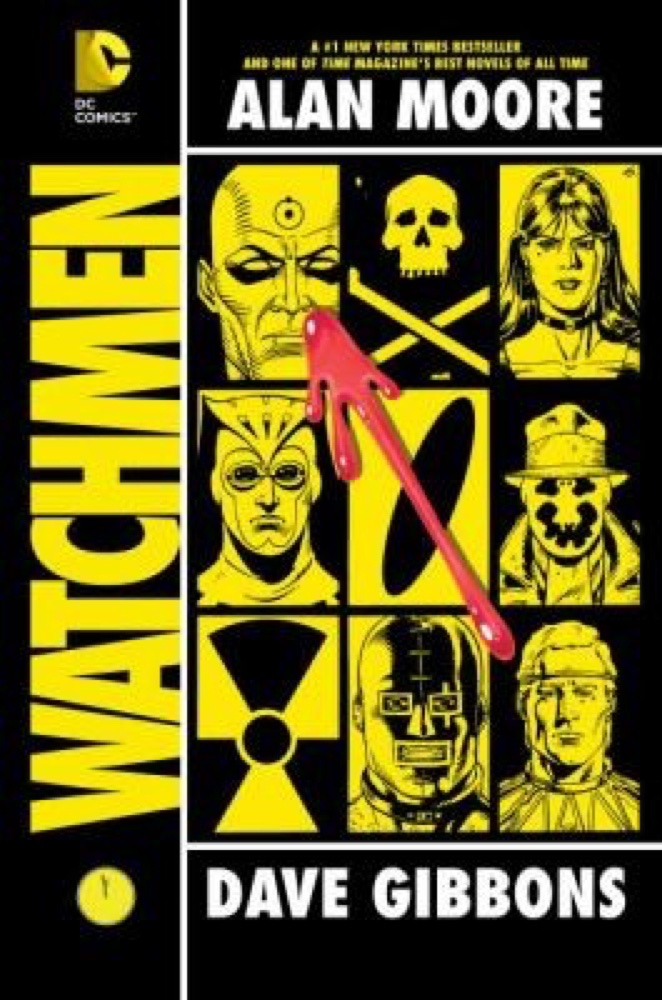 Watchmen
 Jayber Crow
 Laurus
 The Stone Gods
 Thirteen Moons
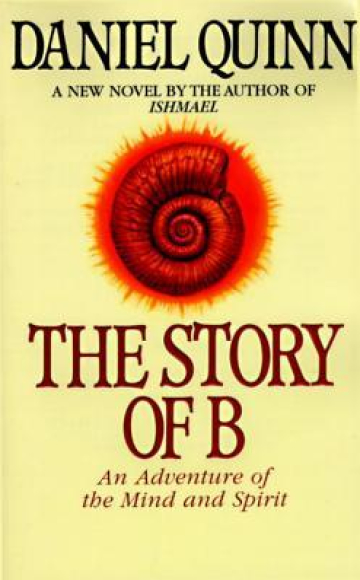 The Story of B: An Adventure of the Mind and Spirit
 Henderson the Rain King
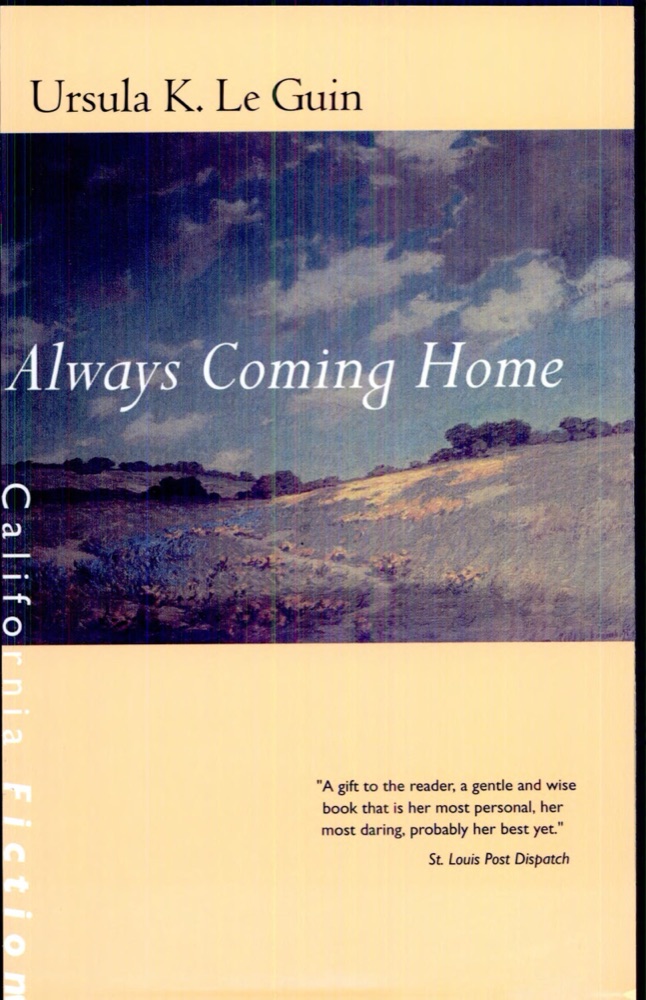 Always Coming Home
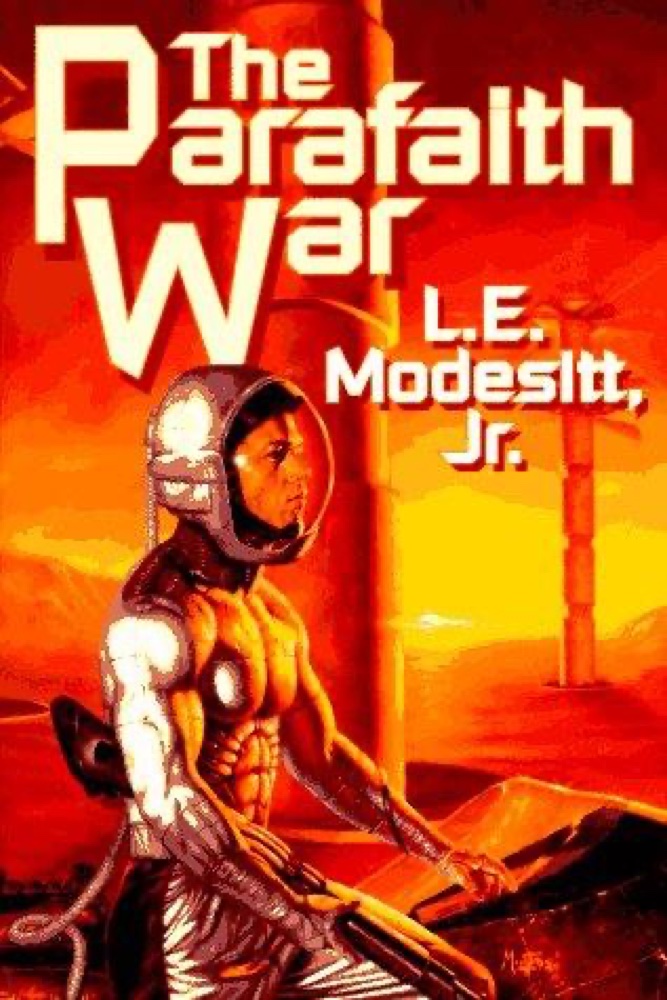 The Parafaith War
 The Future
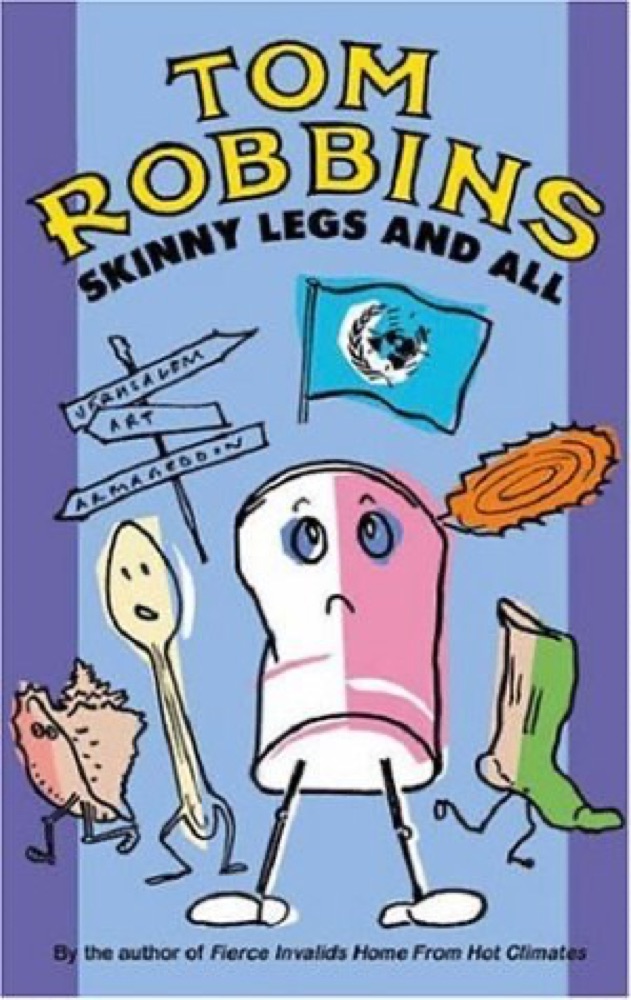 Skinny Legs and All
 The Etched City
 Shōgun
 Midnight Tides
 A Language Older Than Words
 Billions & Billions: Thoughts on Life and Death at the Brink of the Millennium
 Death's End
 The Stone Sky
 All the King's Men
 Robopocalypse
 Mysteries
 Stella Maris
 Letters and Papers from Prison
 Timequake
 The Three-Body Problem
 The Fifth Science
 The World's Last Night: And Other Essays
 To Be Taught, If Fortunate
 Saint Francis
 The Ministry for the Future
 Drive Your Plow Over the Bones of the Dead
 Heretics
 That Hideous Strength
 You Can't Go Home Again
 We Who Wrestle with God: Perceptions of the Divine
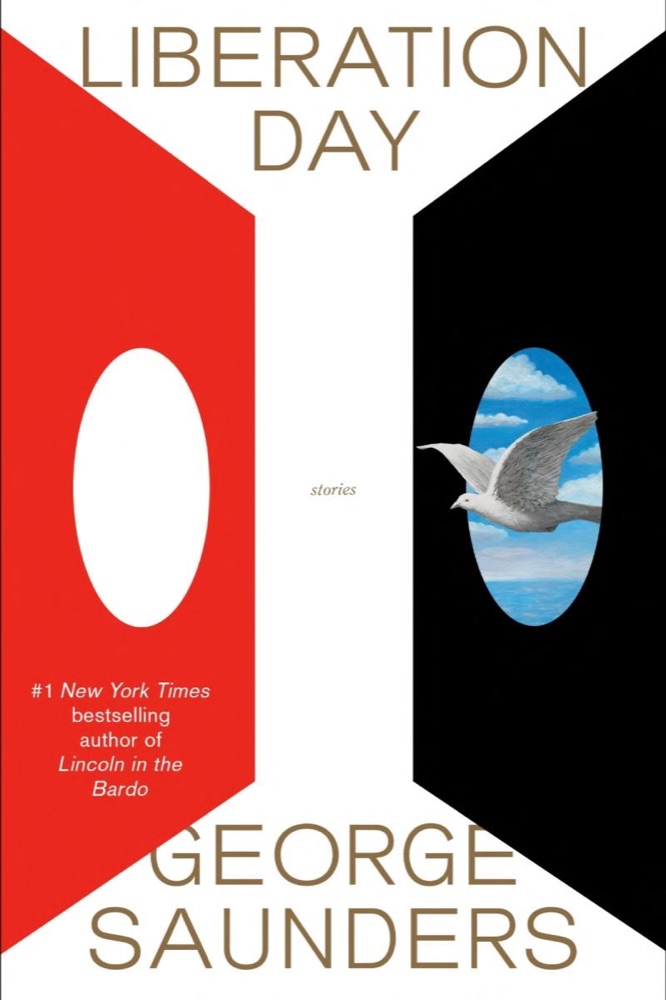 Liberation Day
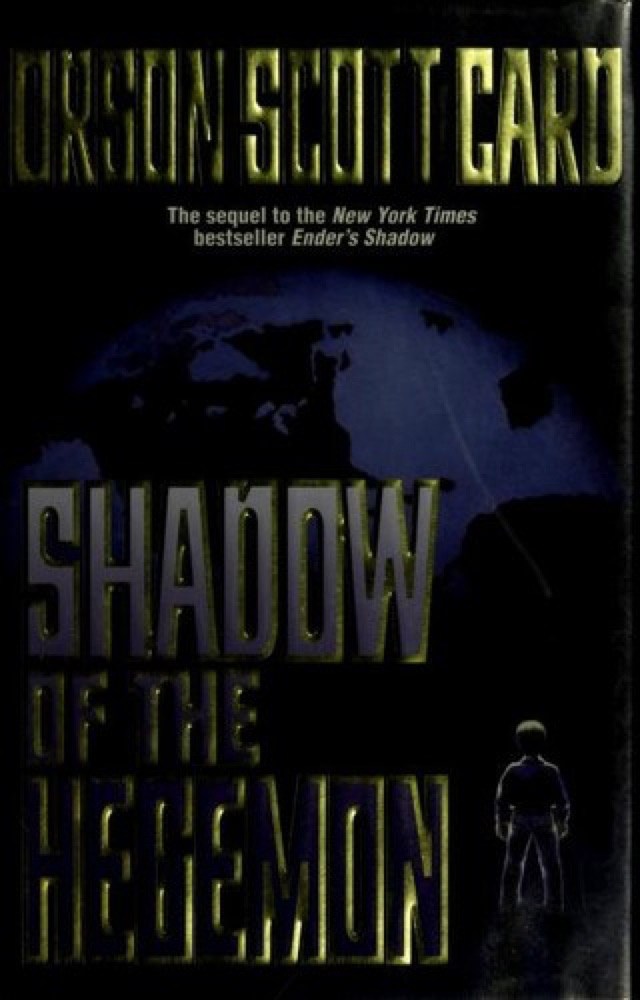 Shadow of the Hegemon
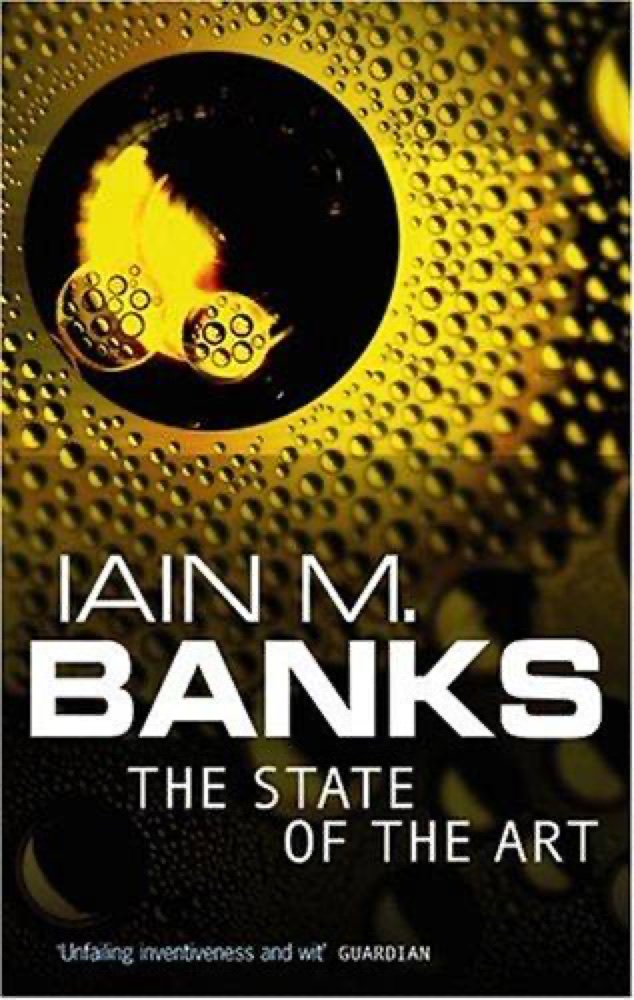 The State of the Art
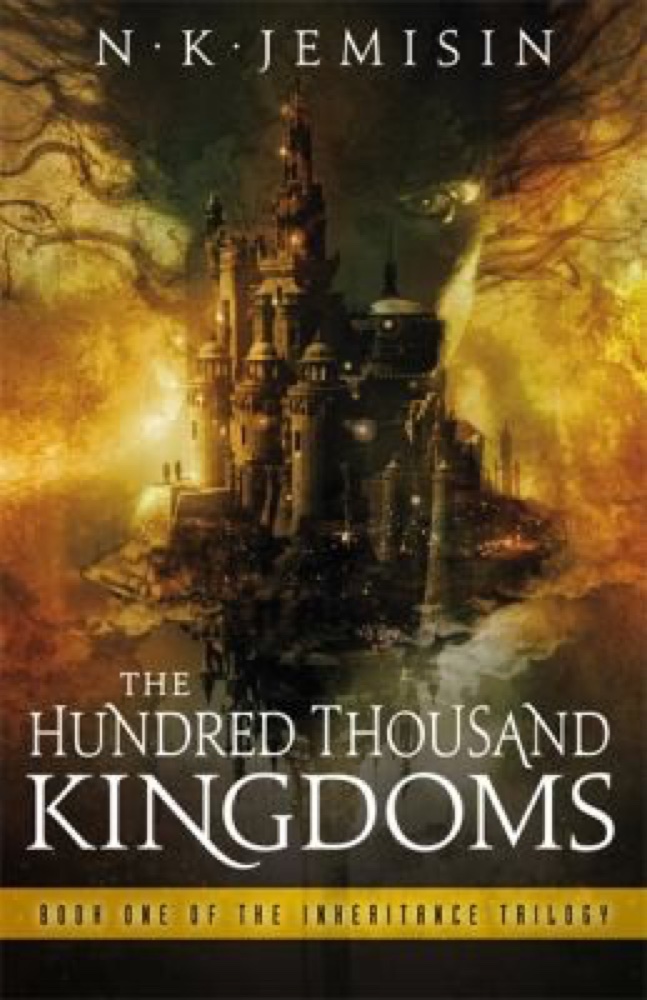 The Hundred Thousand Kingdoms
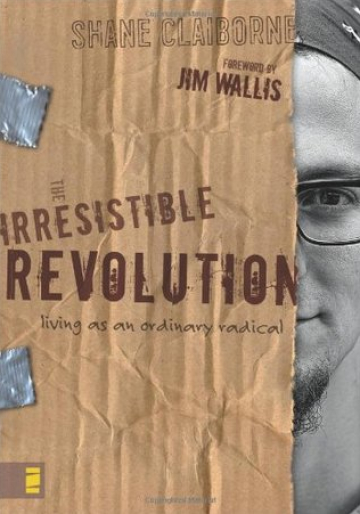 The Irresistible Revolution: Living as an Ordinary Radical
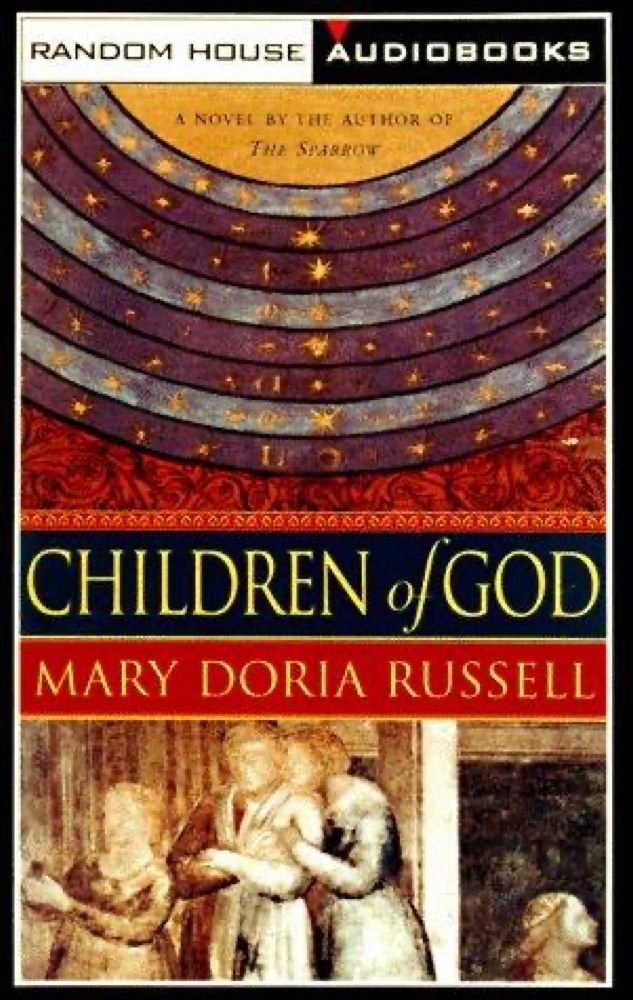 Children of God
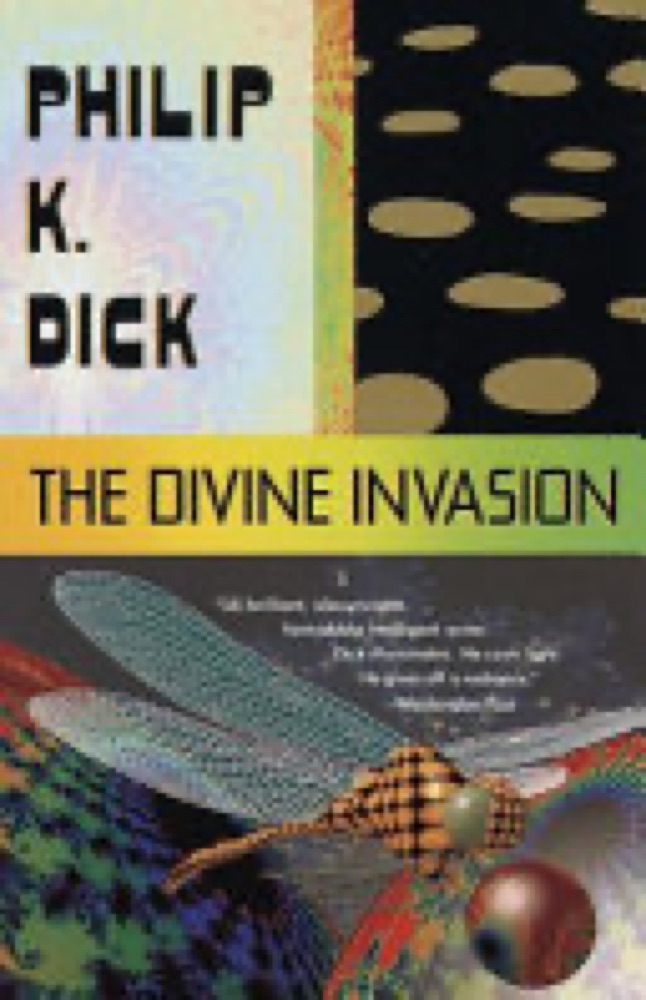 The Divine Invasion
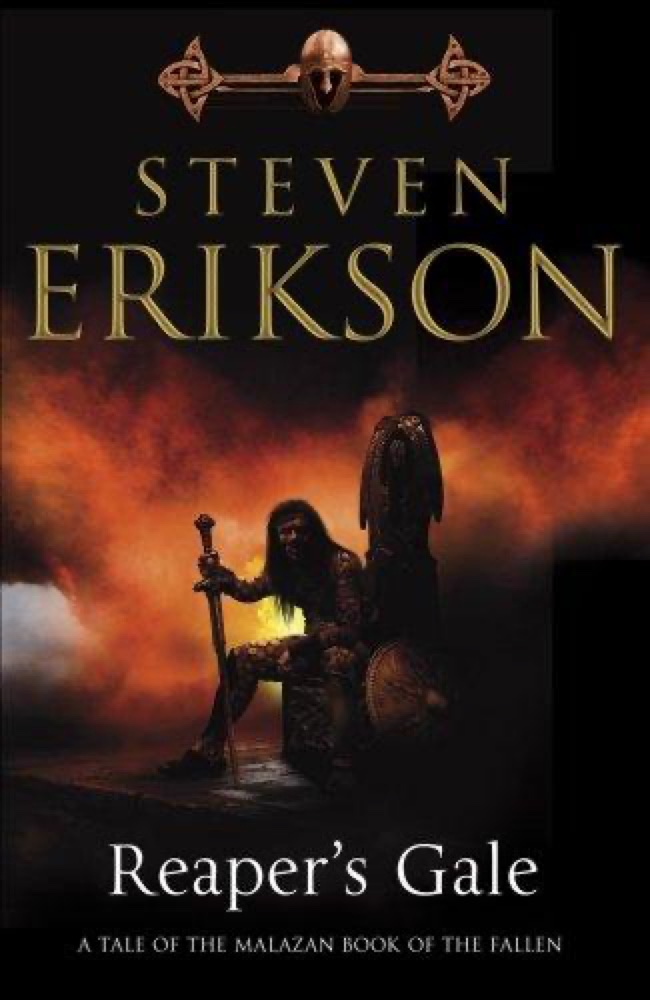 Reaper's Gale
 Cutting for Stone
 Cancer Ward