

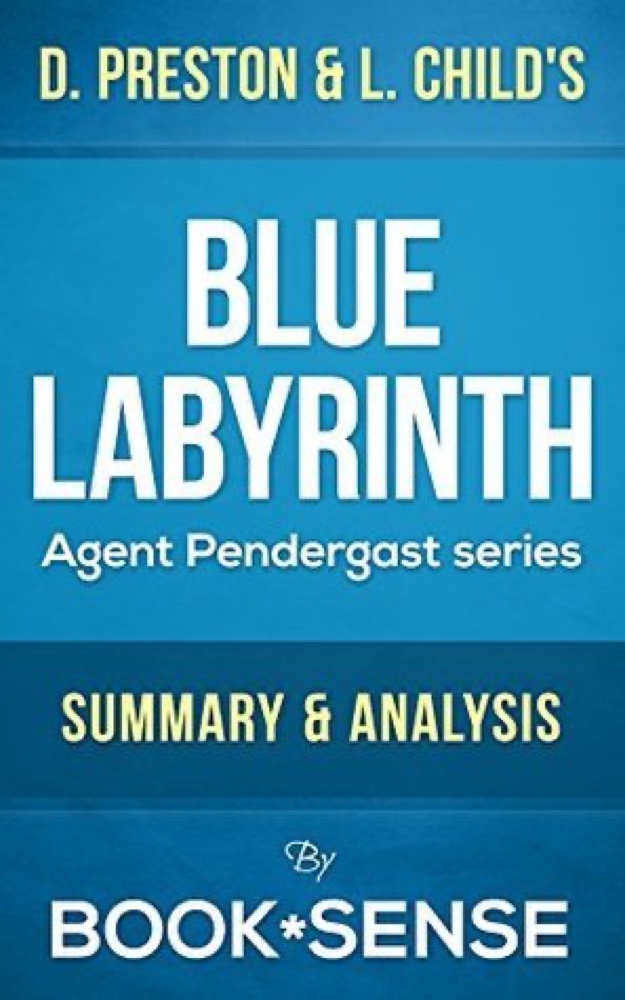
 Blue Labyrinth
Quotes from the Book
Where are you from, Mr. Pendergast? Can't quite place the accent.” “New Orleans.” “What a coincidence! I went there for Mardi Gras once." “How nice for you. I myself have never attended.” Ludwig paused, the smile frozen on his face, wondering how to steer the conversation onto a more pertinent topic.
I have found that liars in the end communicate more truth than do truth tellers.” “How’s that?” “Because truth is the safest lie.
quotation from Einstein: ‘The only thing more dangerous than ignorance is arrogance.’ I would suggest to Dr. Chauncy that in combination, the two qualities are even more alarming.
Chauncy made a huge effort to control himself. “I had lunch at Maisie’s Diner.” “And?” “And what? It was the most revolting lunch it has been my misfortune to consume.” “And after?” “Diarrhea, of course.
She picked up the book she was reading, Beyond the Ice Limit, found her dog-eared place at the beginning of chapter six, and began to read. The sea horizon lay against the sky, blue against perfect blue, and it seemed to beckon the ship southward, ever southward. She closed the book, put it down again. Not bad, but it lacked the punch of the original.
Watch on YouTube
About Douglas Preston
We have collected 136 quotes from 12 books by Douglas Preston on BookQuoters.
More about the author →More by Douglas Preston
All books by Douglas Preston →
Book details
- Author
- Douglas Preston
- Genre
- Fiction
- Goodreads rating
- 4.22 (43k ratings) →
Keep reading
 Cold Days
 City of Thieves
 Destination Unknown
 The Ship of the Dead
 Skinny Legs and All
 The Wednesday Wars
 The Rise and Fall of D.O.D.O.
 American by Day
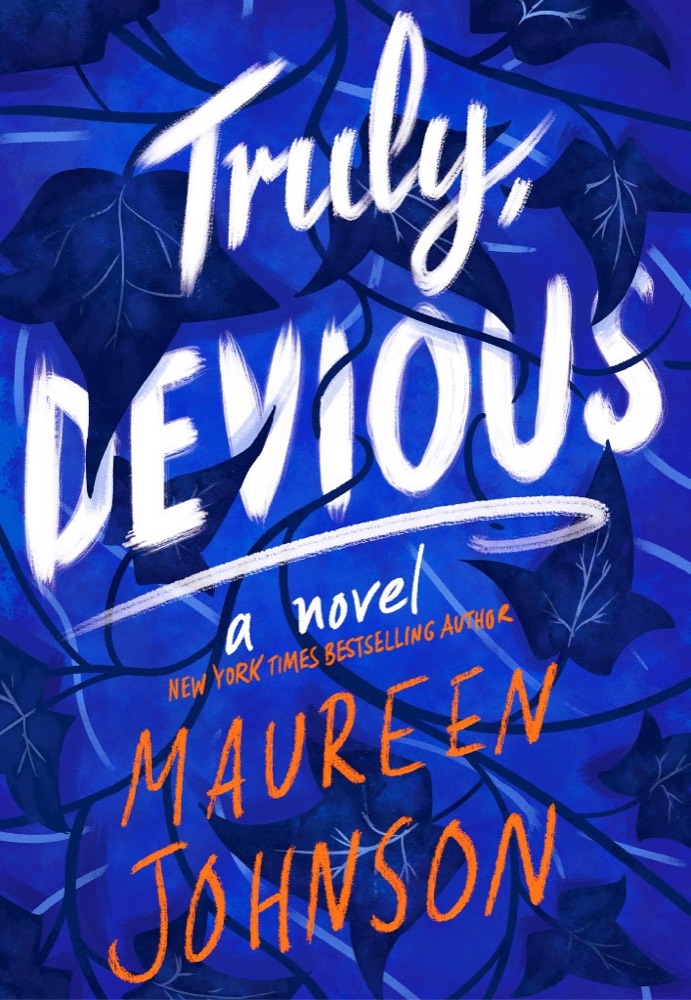 Truly, Devious
 Sweep in Peace
 Tell No One
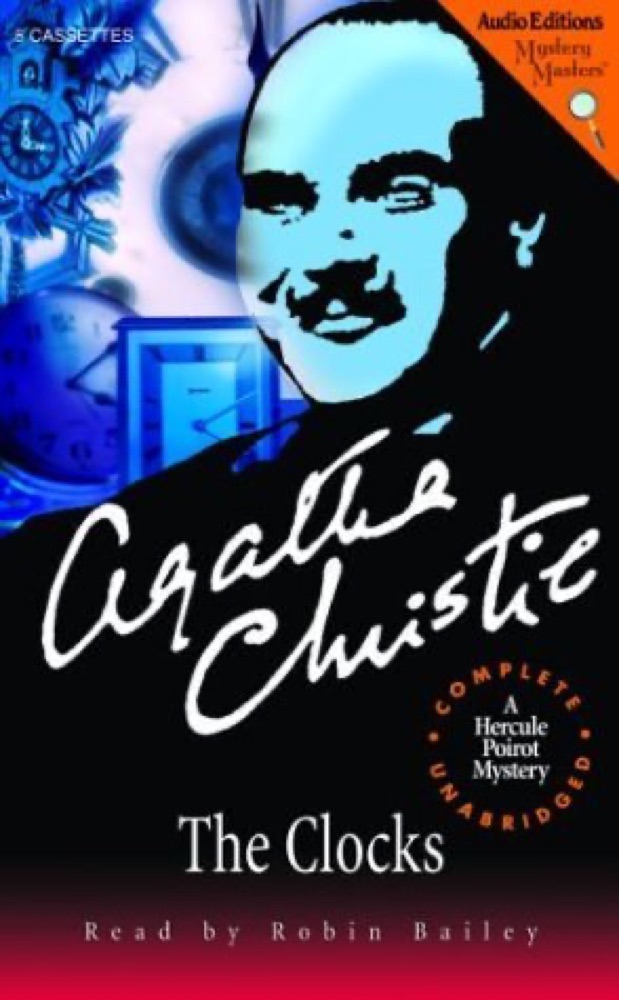 The Clocks
 Fly by Night
 The Diviners
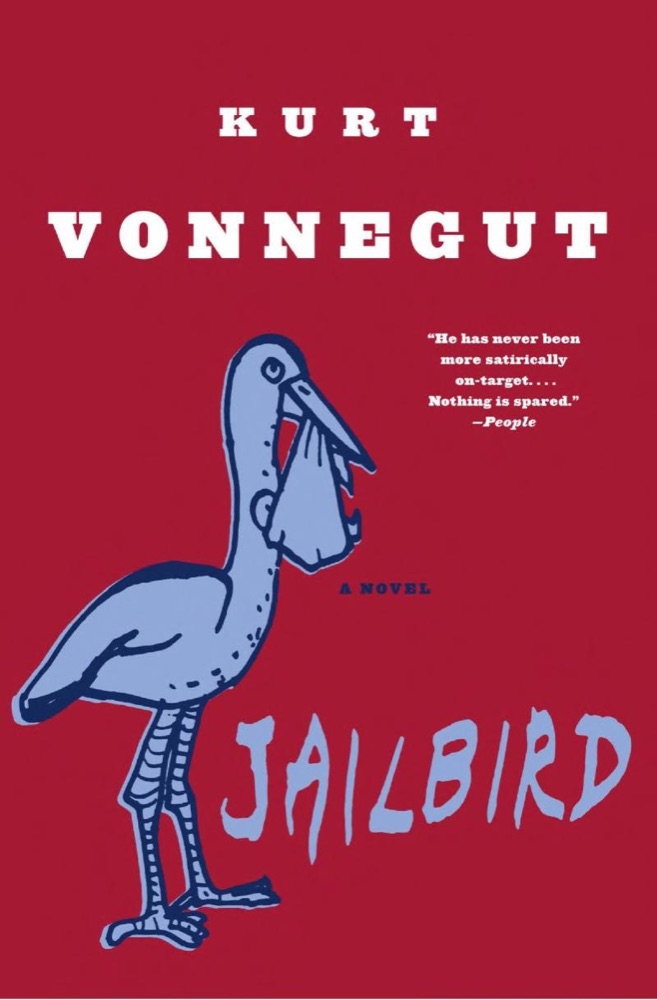 Jailbird
 Shades of Grey
 Ptolemy's Gate
 The Moonstone
 Time's Divide
 Sometimes a Great Notion
 The Enchantress
 The Dreadful Lemon Sky
 Pastoralia
 The Woman in the Library
 Unseen Academicals
 Angelmaker
 A Red Herring Without Mustard
 Plainwater: Essays and Poetry
 Dexter By Design
 The Lightning Thief
 The Throne of Fire
 Dept. of Speculation
 Theft by Finding: Diaries 1977-2002
 Side Jobs: Stories from the Dresden Files
 At Swim-Two-Birds
 The Hostile Hospital
 The Liar
 Unwind
 The Redbreast
 The A.B.C. Murders
 Bitterblue
 The Eyre Affair
 The Aeronaut's Windlass
 A Trick of the Light
 The Absolute Book
 Sea of Silver Light
 The Truth: Stage Adaptation
 Turning Angel
 The Daughter of Time
 The Madness of Crowds
 Bluebeard's Egg
 The Imperfectionists
 Neverwhere
 New York to Dallas
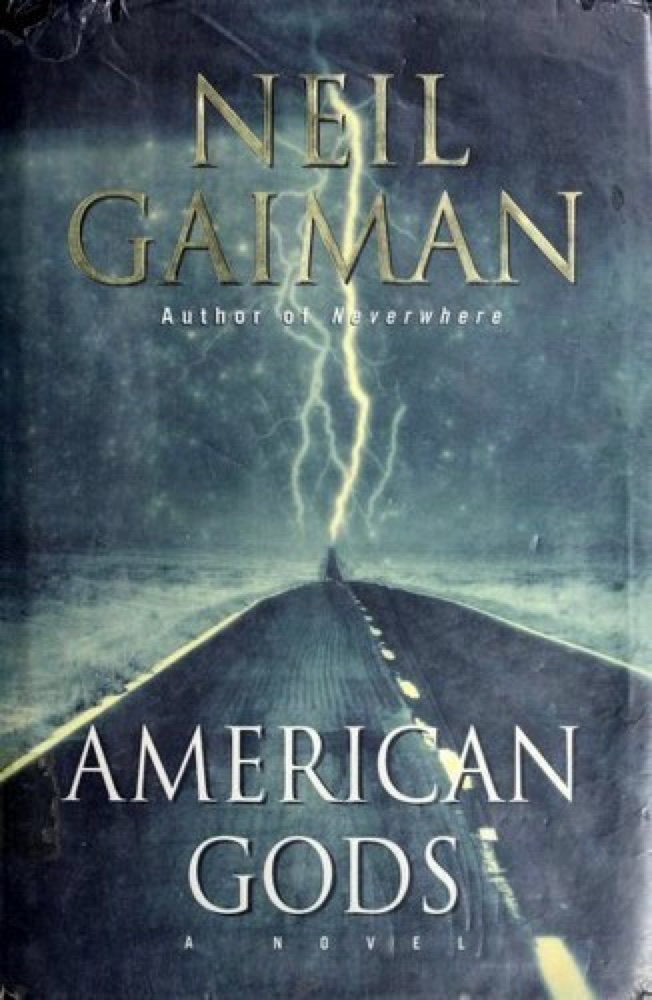 American Gods
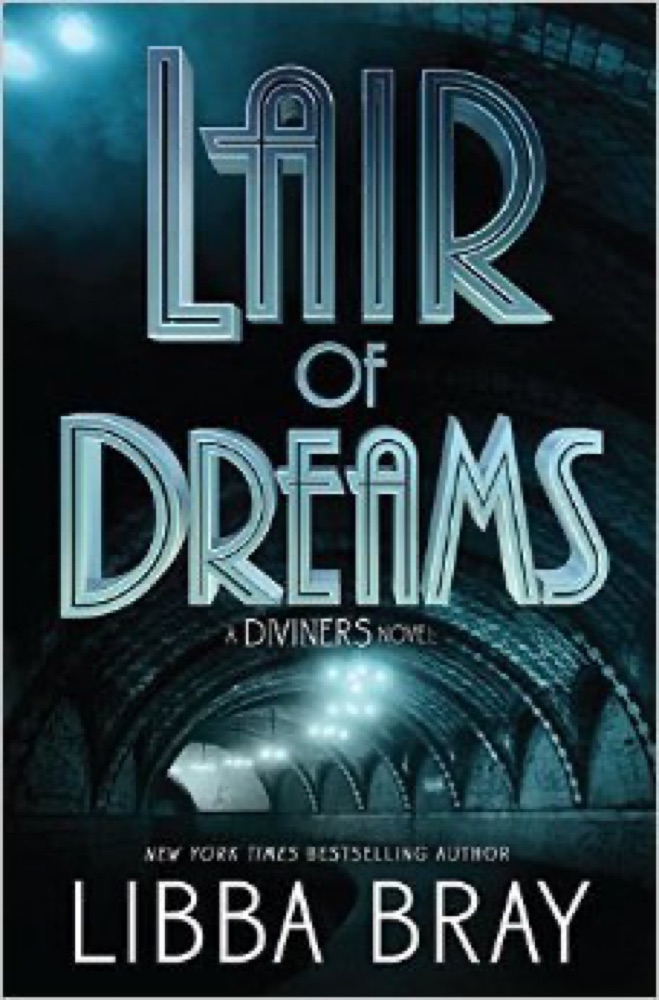 Lair of Dreams
 Caught
 Reaper's Gale