
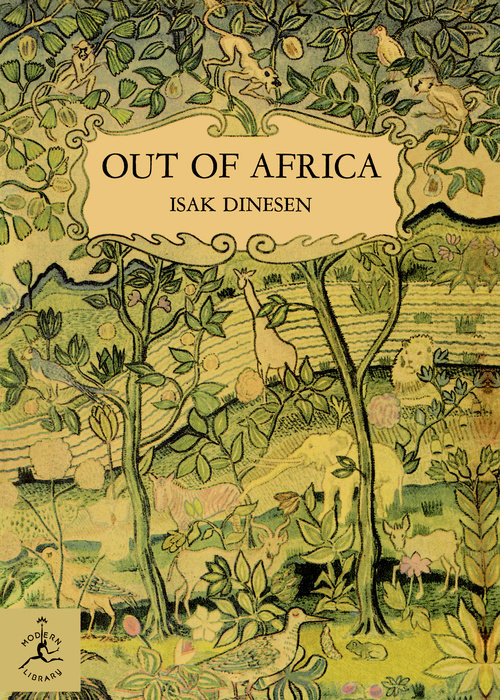
 Out of Africa
Quotes from the Book
Do you know a cure for me?" "Why yes," he said, "I know a cure for everything. Salt water." "Salt water?" I asked him. "Yes," he said, "in one way or the other. Sweat, or tears, or the salt sea.
The real difference between God and human beings, he thought, was that God cannot stand continuance. No sooner has he created a season of a year, or a time of the day, than he wishes for something quite different, and sweeps it all away. No sooner was one a young man, and happy at that, than the nature of things would rush one into marriage, martyrdom or old age. And human beings cleave to the existing state of things. All their lives they are striving to hold the moment fast....Their art itself is nothing but the attempt to catch by all means the one particular moment, one light, the momentary beauty of one woman or one flower, and make it everlasting.
For really, dreaming is the well-mannered people's way of committing suicide.
The cure for anything is salt water: sweat, tears or the sea
Where, My Lord, is music bred—upon the instrument or within the ear that listens? The loveliness of woman is created in the eye of man.
She had what the Councillor knew, in the technical language of the ballet, as "ballon", a lightness that is not only the negation of weight, but which actually seems to carry upwards and make for flight, and which is rarely found in thin dancers - as if the matter itself had here become lighter than air, so that the more there is of it the better it works.
Perhaps to them the first condition for anything having real charm was this: that it must not really exist.
Truth, like time, is an idea arising from, and dependent upon, human intercourse.
Watch on YouTube
About Isak Dinesen
We have collected 42 quotes from 3 books by Isak Dinesen on BookQuoters.
More about the author →More by Isak Dinesen
Out of Africa
 Out of Africa / Shadows on the Grass
Book details
- Author
- Isak Dinesen
- Genre
- Classics
- Goodreads rating
- 3.86 (4k ratings) →
Keep reading
 The Enchantress of Florence
 Complete Works of Oscar Wilde
 Monday or Tuesday
 The Magic Mountain
 Miss Lonelyhearts
 Independent People
 Sweet Thursday
 The Elementary Particles
 The Gay Science
 Another Roadside Attraction
 The Thousand Autumns of Jacob de Zoet
 Skinny Legs and All
 Cocaine
 The Complete Stories and Poems
 Speaking from Among the Bones
 The Schopenhauer Cure
 Orlando
 The Island of the Day Before
 The Blue Flower
 She
She
 Desperate Remedies
 Daniel Deronda
 The Moor's Last Sigh
 Human, All Too Human
 Lady Chatterley's Lover
 Winter's Tale
 Orthodoxy
 Selected Stories
 Sexing the Cherry
 Spring Snow
 The Picture of Dorian Gray
 Art and Lies
 Les Misérables
 Soul Music
 The Collected Poems
 The Pearl
 Plainwater: Essays and Poetry
 Manalive
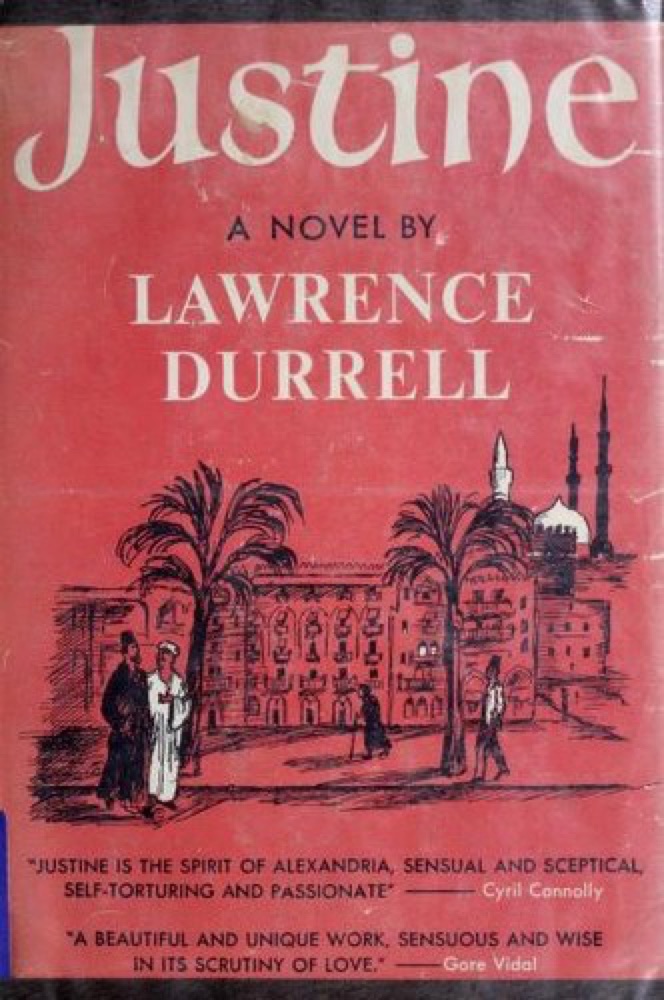 Justine
 Pierre: or, the Ambiguities
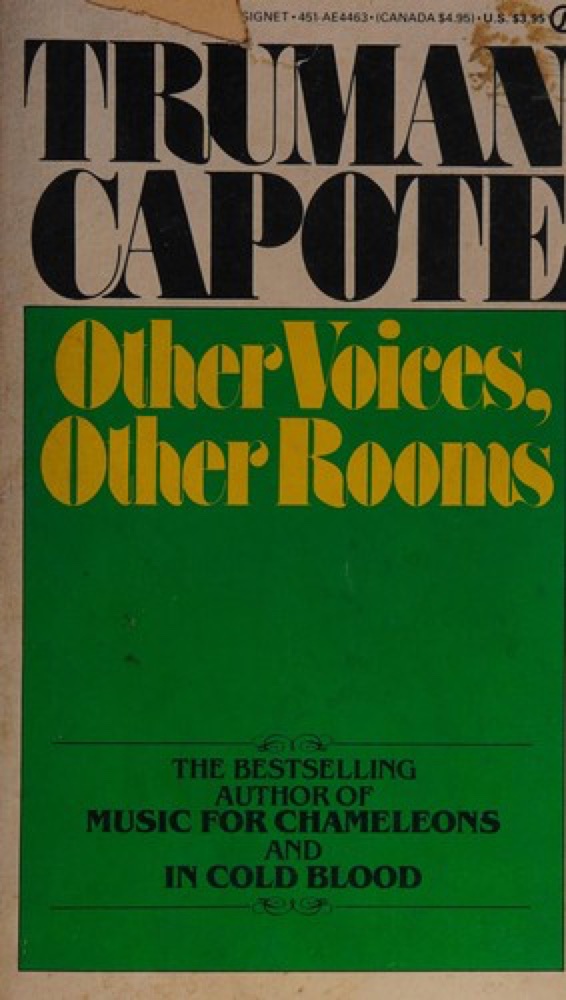 Other Voices, Other Rooms
 Ben-Hur: A Tale of the Christ
 The Beauty of the Husband: A Fictional Essay in 29 Tangos
 The Sea, the Sea
 The Rise of Endymion
 Enchanted
 Nicholas Nickleby
 The World as Will and Representation, Vol 1
 A Soldier of the Great War
 The Angel Esmeralda
 Remembrance of Things Past: Volume I - Swann's Way & Within a Budding Grove
 Humboldt's Gift
 The Essays of Ralph Waldo Emerson
 In Search of Lost Time
 The Complete Works
 Birds Without Wings
 The Wolf Gift
 Death in Venice and Other Tales
 The Well of Loneliness
 Flaubert's Parrot