
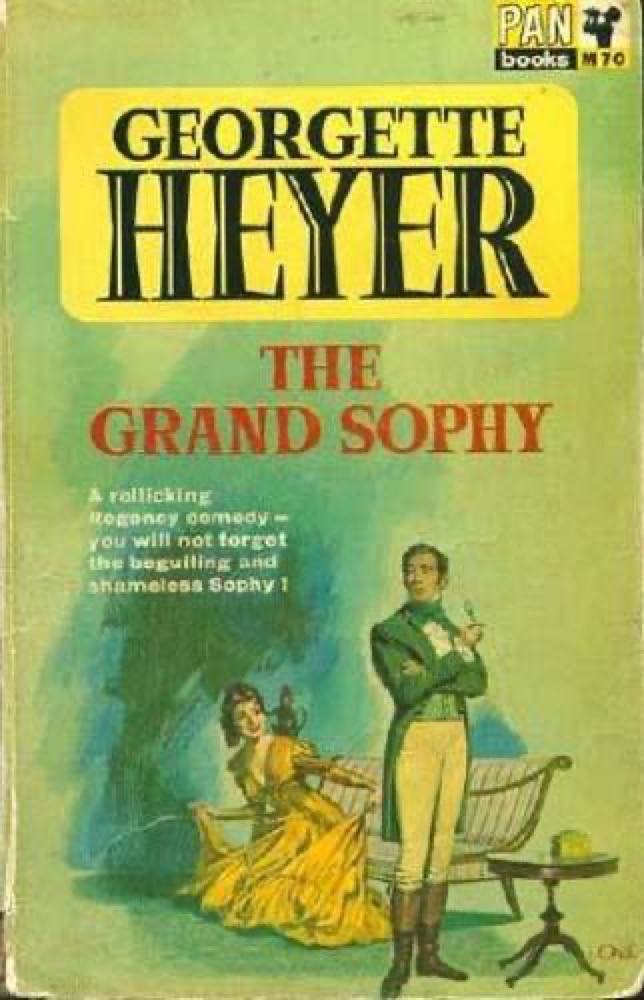
 The Grand Sophy
Quotes from the Book
I have seen what comes of being patient," Amanda said with a boding look. "And I have no opinion of it." "What does come of it?" Inquired Sir Gareth. "Nothing!
After eyeing her for a moment or two, he said: ‘If you let this chance of achieving a respectable alliance slip, you are a bigger fool than I take you for, Hester!’ Her eyes came round to his face, a smile quivered for an instant on her lips. ‘No, how could that be, Papa?
But perhaps I might feel strange, and unlike myself. It wouldn't be comfortable, not to be acquainted with myself.
I too have been badly deceived in myself," he said, shaking his head. "Would you believe it?—I had no notion that I was such a monster of inhumanity as I have proved myself to be
The sight which met her eyes held her frozen on the threshold, and the thought flashed across her mind that she knew now how it felt to die
When I think of all the pretty and lovely girls who have done their best to attach him, and he tells me that he has offered for an insipid female who has neither fortune nor any extraordinary degree of beauty, besides being stupidly shy and dowdy, I – oh, I could go into strong hysterics!
Watch on YouTube
About Georgette Heyer
We have collected 419 quotes from 23 books by Georgette Heyer on BookQuoters.
More about the author →More by Georgette Heyer
All books by Georgette Heyer →
Book details
- Author
- Georgette Heyer
- Genre
- Fiction
- Goodreads rating
- 3.92 (9k ratings) →
Keep reading
 After Leaving Mr. Mackenzie
 Venetia
 No Name
 A Severed Head
 The Tied Man
 North and South
 Rumors
 Lies Beneath
 Her Fearful Symmetry
 The Raven Prince
 Outpost
 Revenge
 Apprentice to the Villain
 Excellent Women
 Fingersmith
 The Heir and the Spare
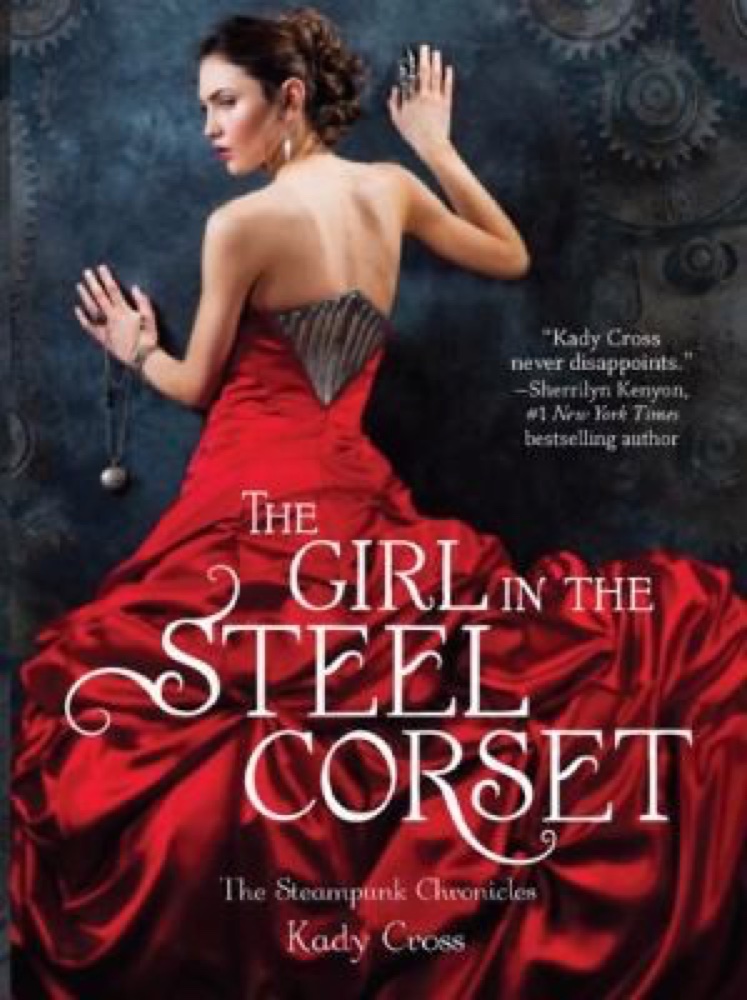 The Girl in the Steel Corset
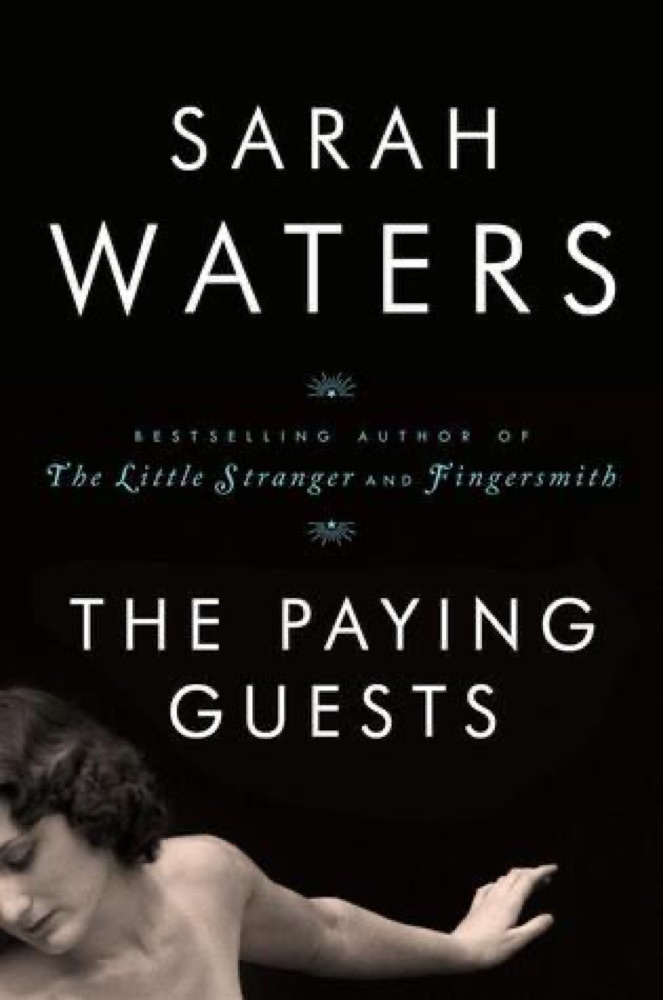 The Paying Guests
 The Nonesuch
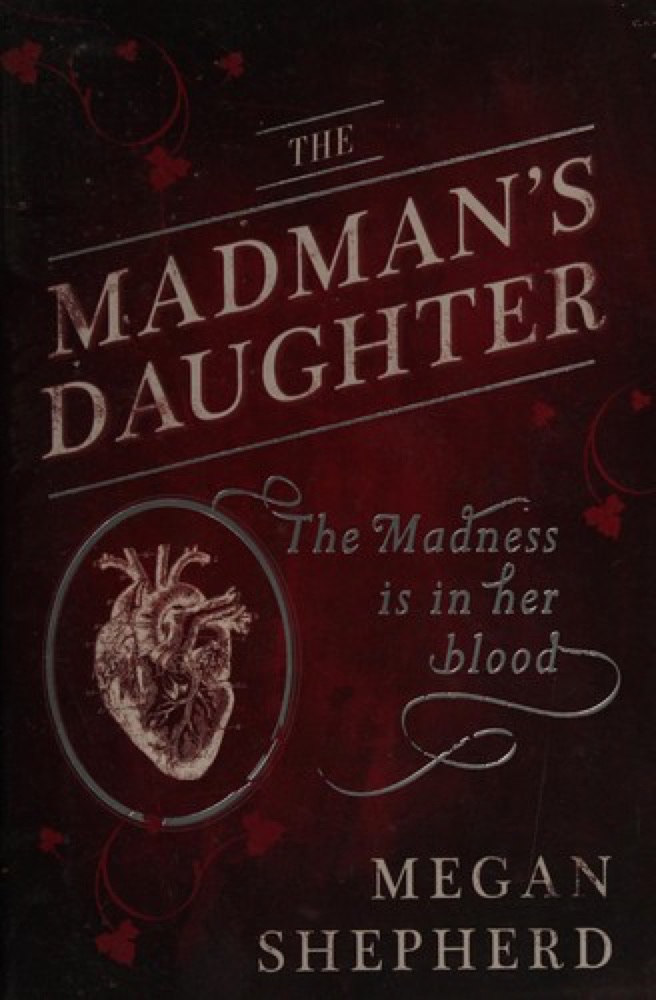 The Madman's Daughter
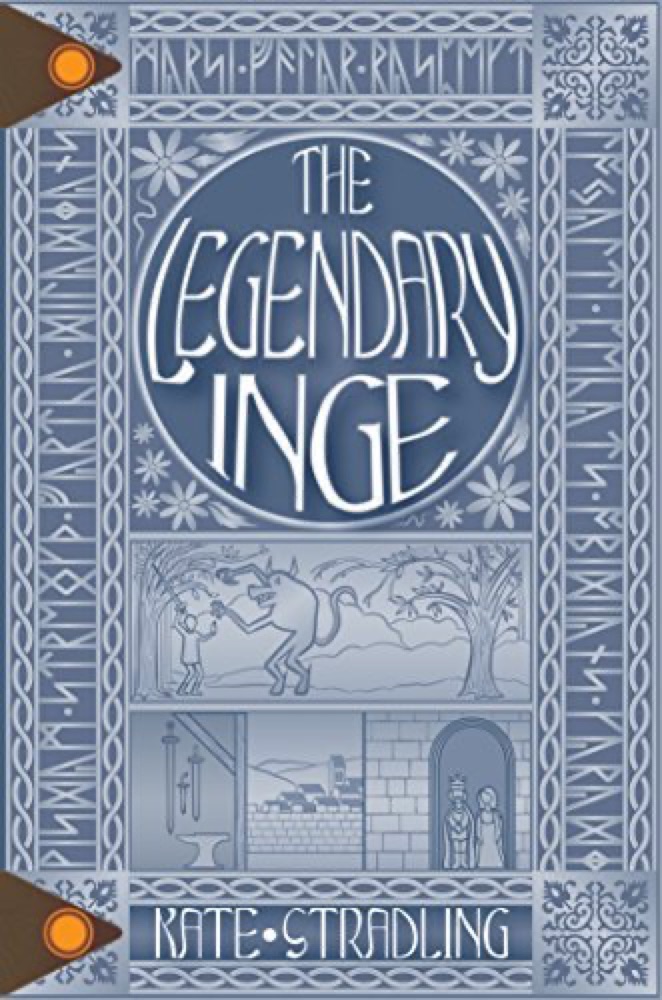 The Legendary Inge
 The Reluctant Widow
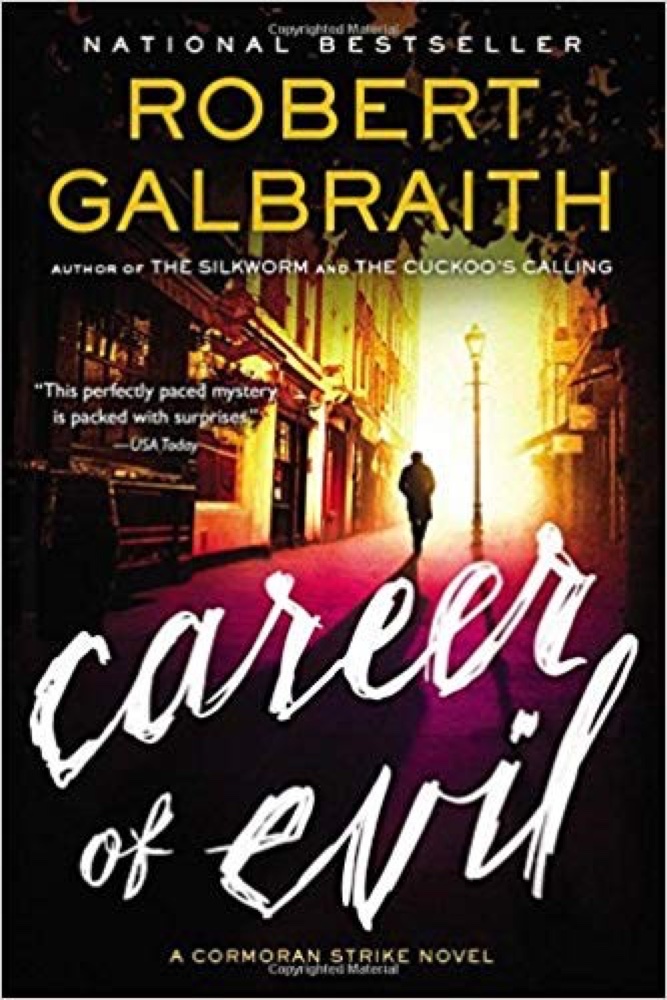 Career of Evil
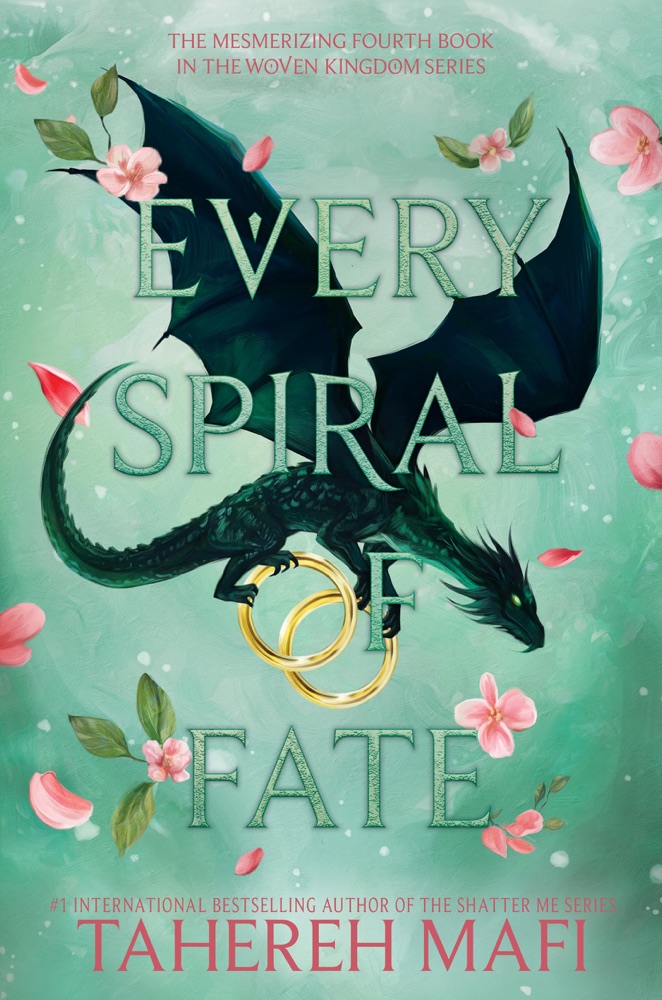 Every Spiral of Fate
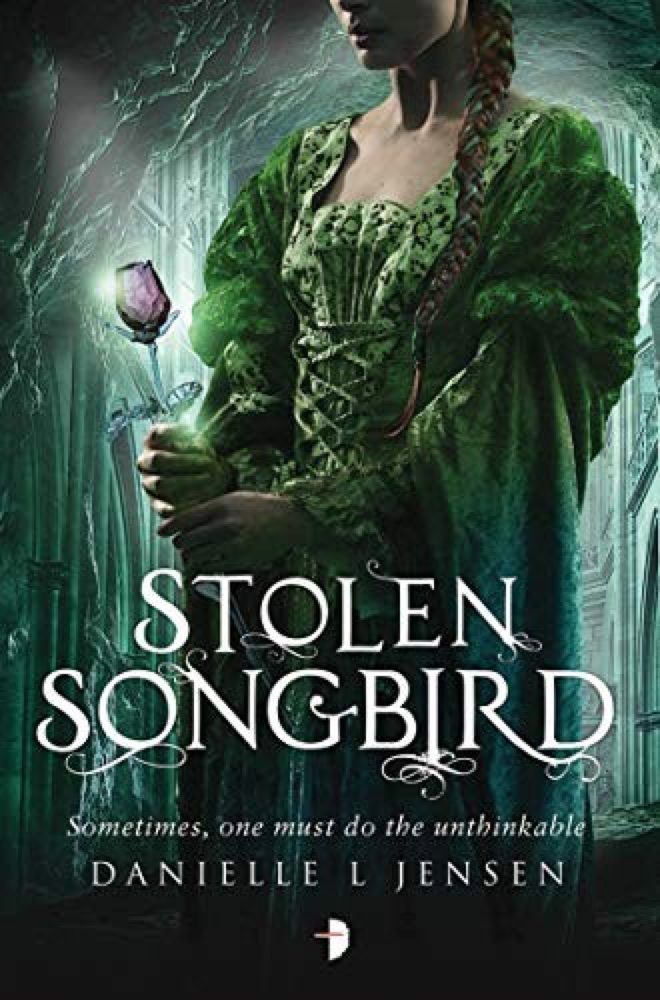 Stolen Songbird
 Fool Me Twice
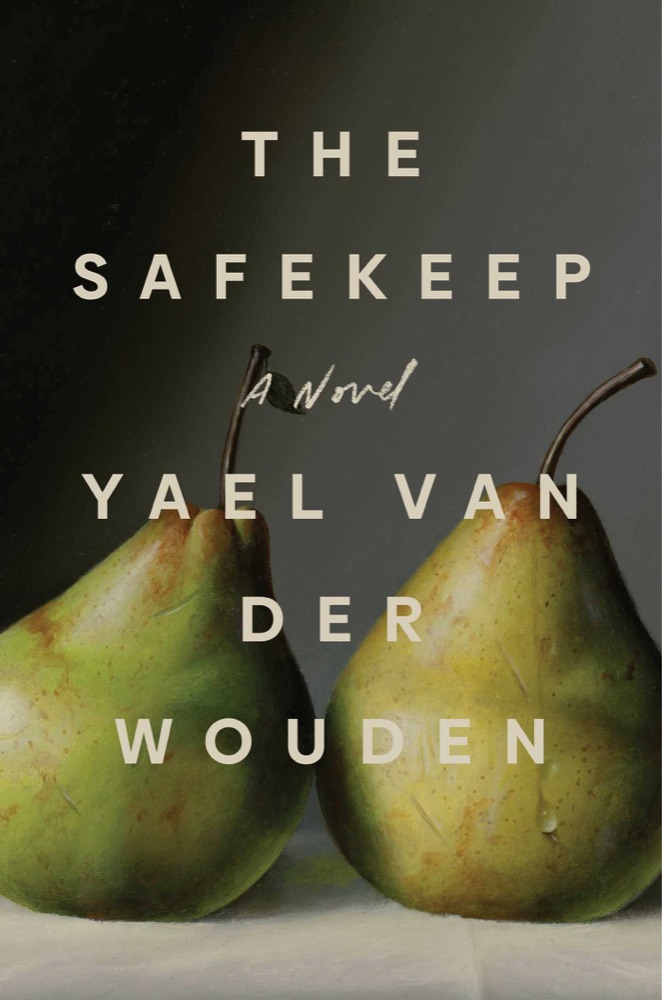 The Safekeep
 The Stranger
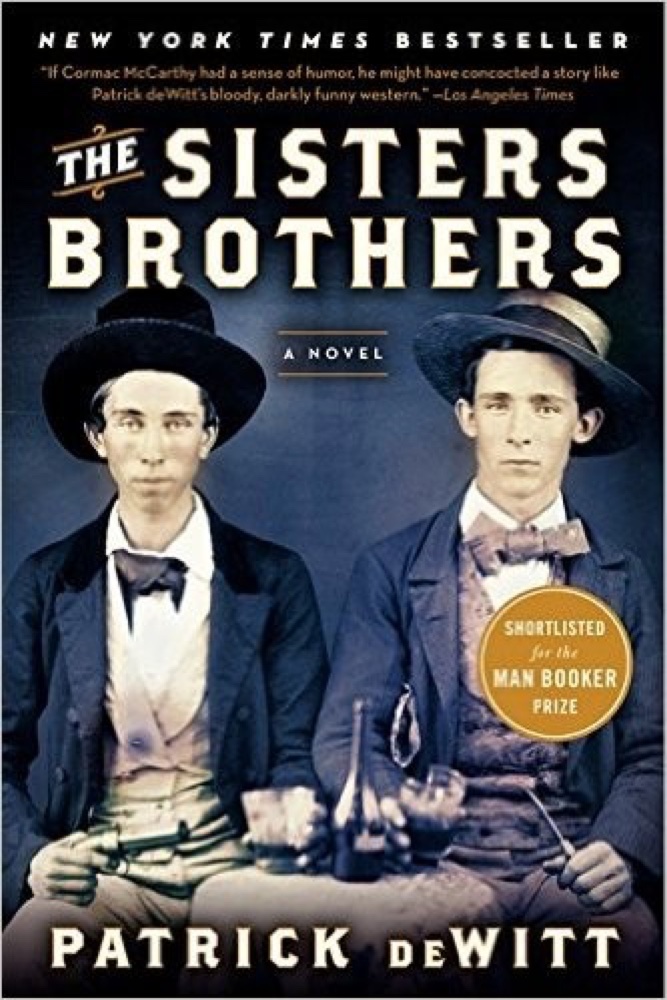 The Sisters Brothers
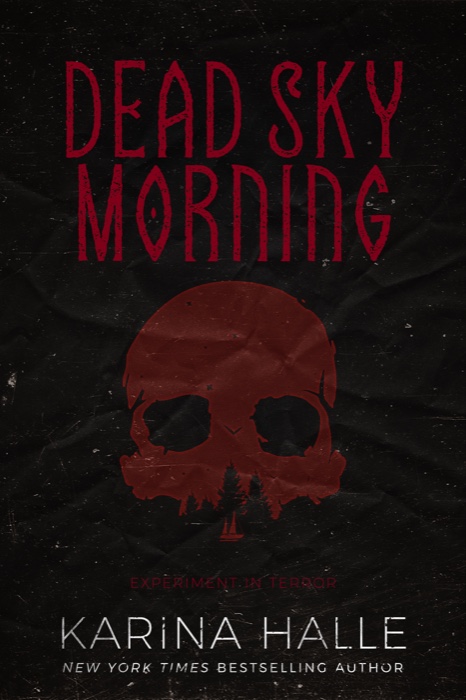 Dead Sky Morning
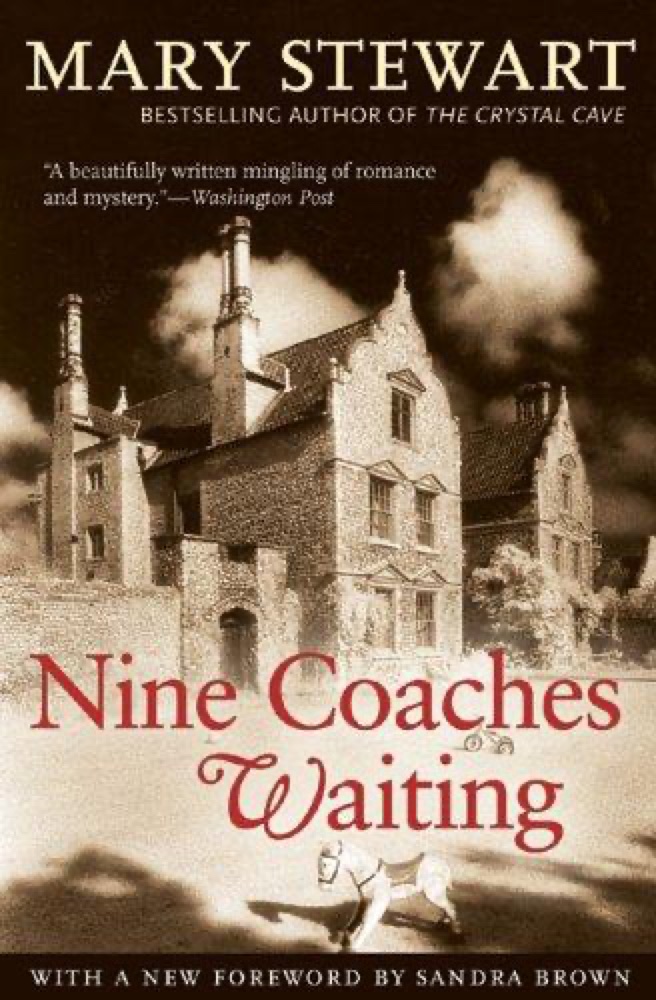 Nine Coaches Waiting
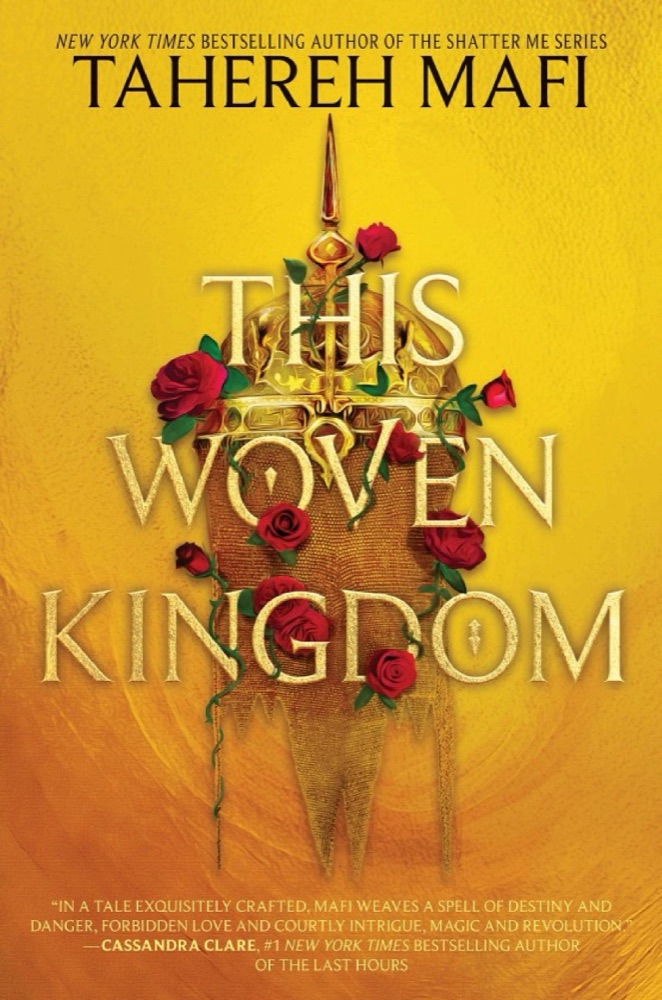 This Woven Kingdom
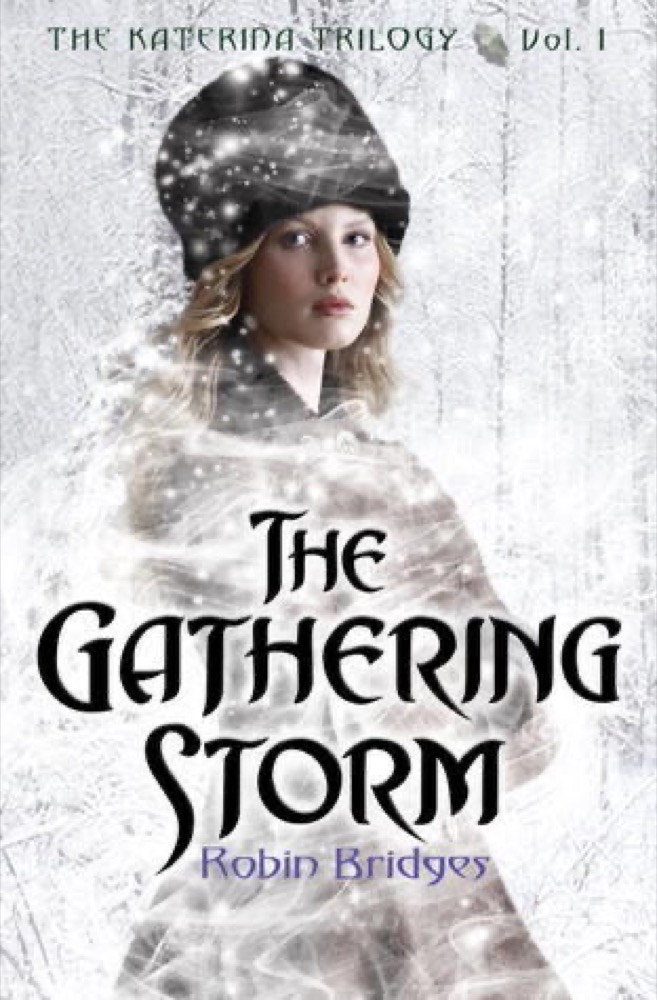 The Gathering Storm
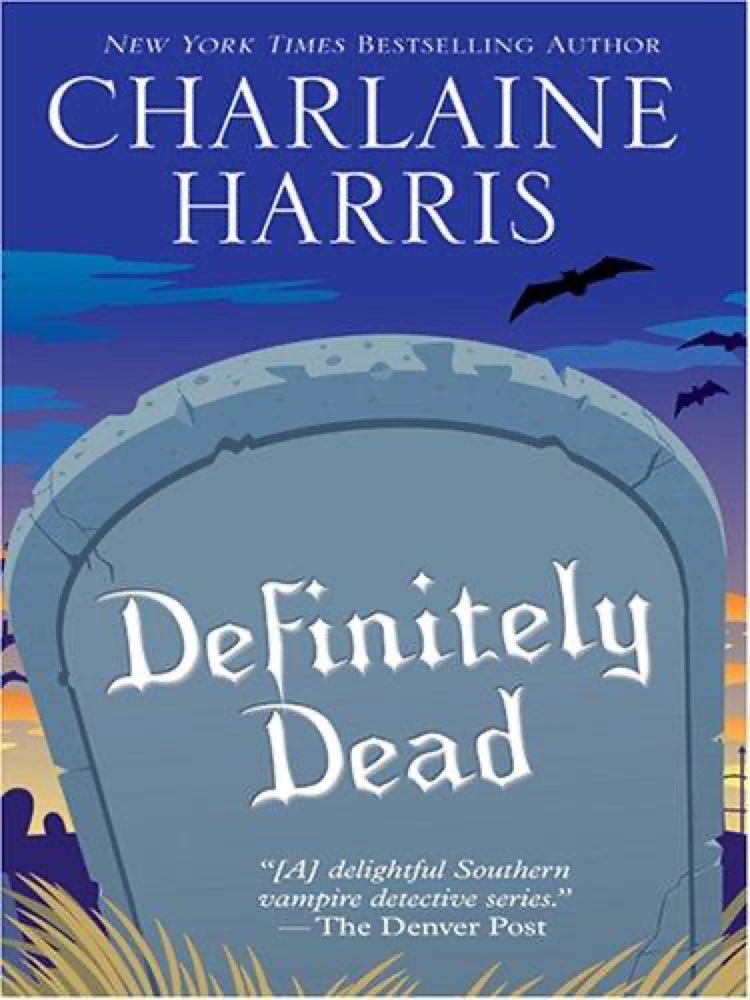 Definitely Dead
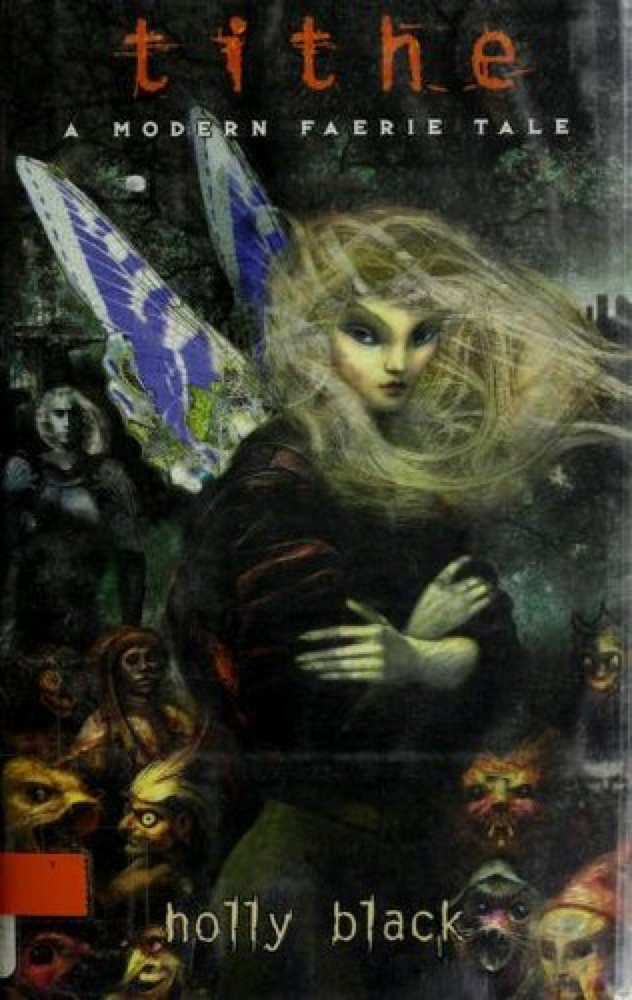 Tithe
Tithe
 Ten Things I Love About You
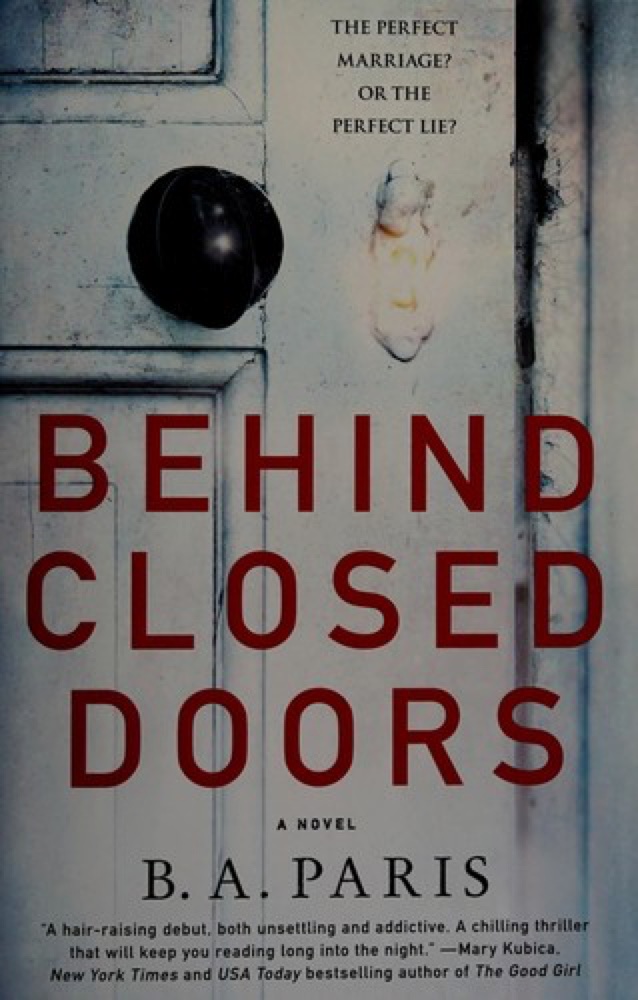 Behind Closed Doors
 Lethal White
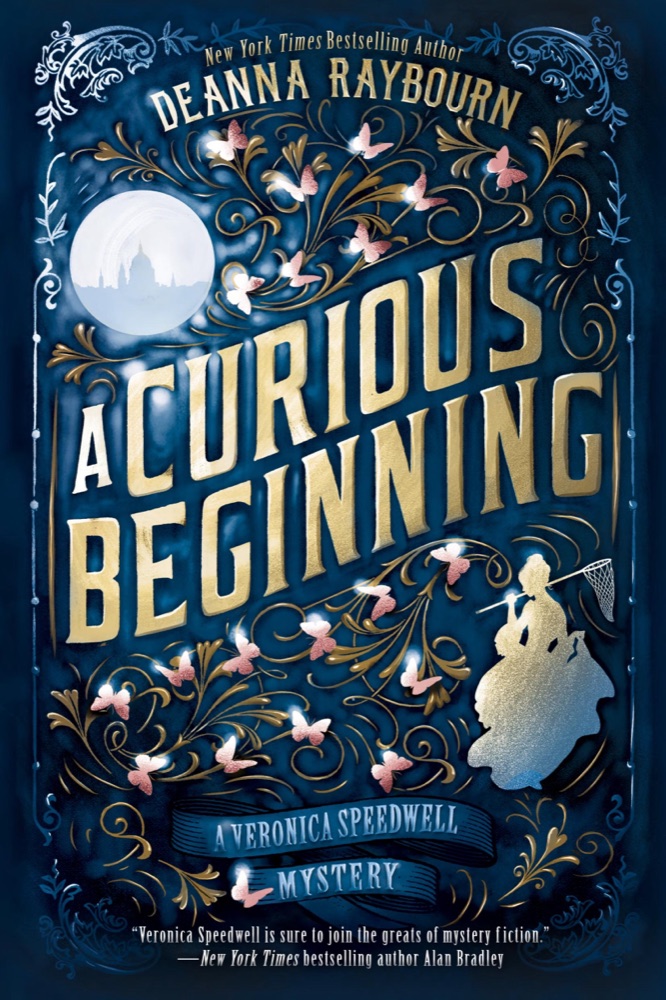 A Curious Beginning
 Summer Lightning
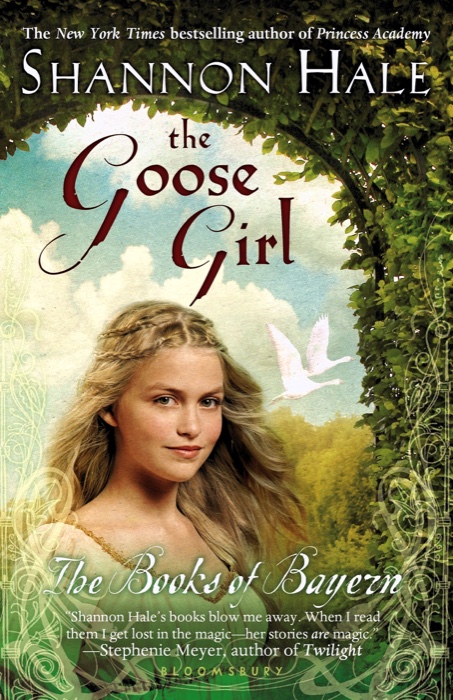 The Goose Girl
 The Scarlet Pimpernel
 The Cuckoo's Calling
 Captured
 The Girl In Between
 Inferno
 The Cruel Prince
 Beauty and the Billionaire
 Austenland
 At the Water's Edge
 Twenty-Eight and a Half Wishes
 Voyager
 My Soul to Take
 The Mirror of Her Dreams
 Every Which Way But Dead
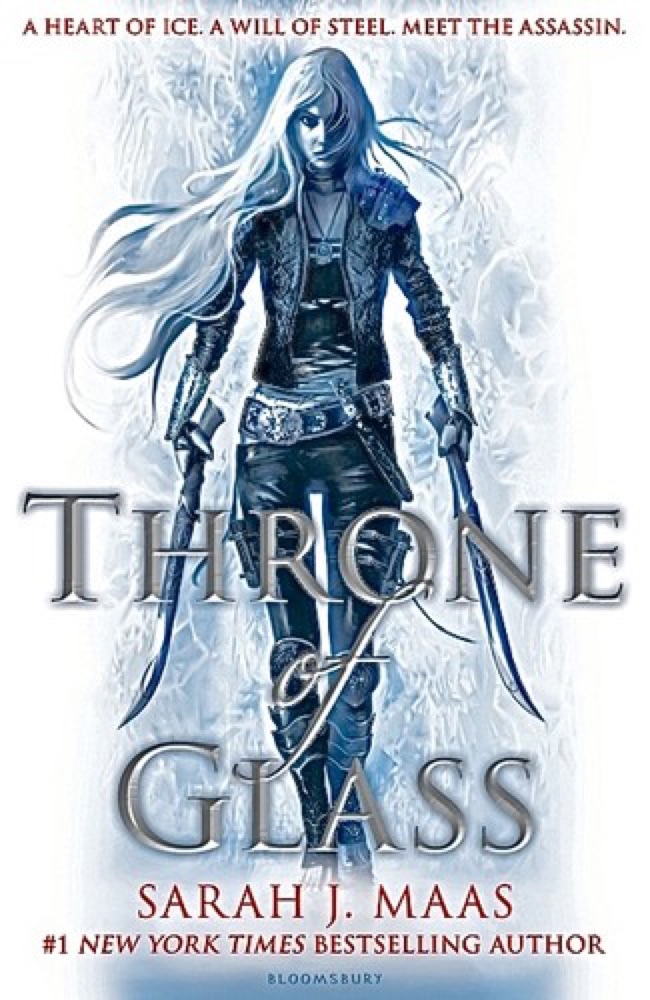 Throne of Glass
 Clockwork Boys
 Zikora
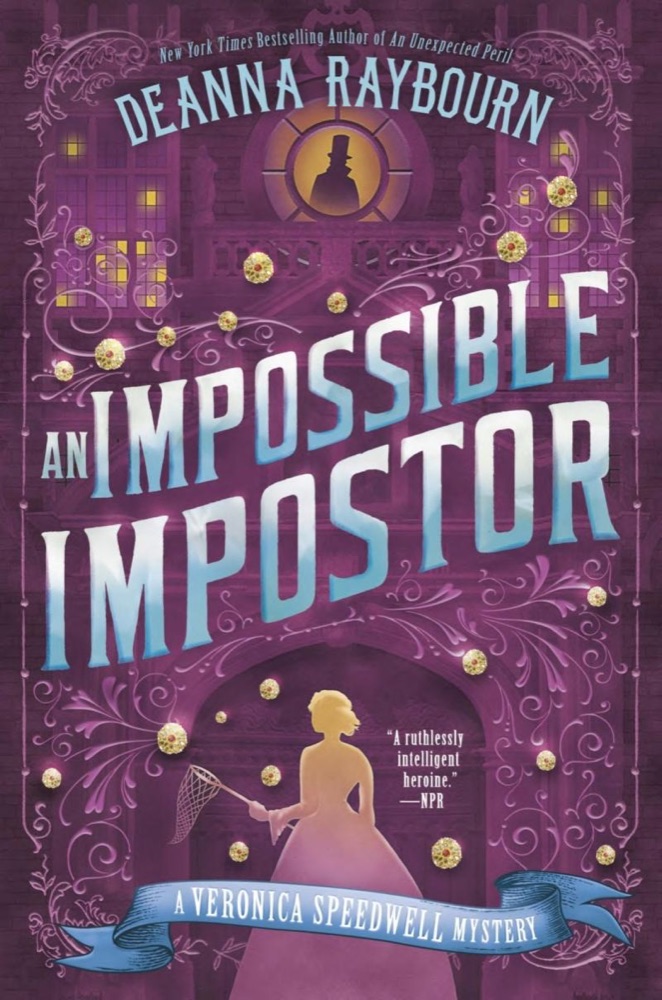 An Impossible Impostor
 Wives and Daughters