
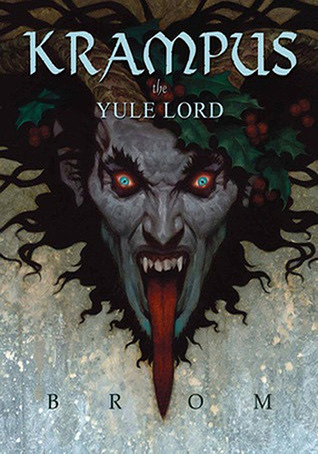
 Krampus: The Yule Lord
Quotes from the Book
You are not made out of needs, you are made out of your dreams and desires.
61
A hard grimace set on Abitha's face. "If it is a witch they want," she hissed, "then a witch they shall have.
43
As at least cruelty was a thing that could be pointed out, confronted. But this belief, this absolute conviction that this evil they were doing was good, was God’s work—how, she wondered, how could such a dark conviction ever be overcome?
31
Life is nothing but riddles … we spend our whole lives puzzling them out. Sadly, as soon as we find the answer, the riddle changes. Does it not?
27
I am not Abitha. Abitha was murdered. I am the witch, and the witch cares not for your tears.
22
That is not what you want, that is what you need. You are not made out of needs, you are made out of your dreams and desires.
20
Abitha could see that these people believed, truly believed, that they were doing God’s work here this day. And there was something about these people that horrified Abitha even worse than those whose faces were lined with cruelty. As at least cruelty was a thing that could be pointed out, confronted. But this belief, this absolute conviction that this evil they were doing was good, was God’s work—how, she wondered, how could such a dark conviction ever be overcome?
19
And what if it is not that simple?” Samson asked. “Can a god be both slayer and shepherd? Reward and vex? Does your god only do good?
13
If it is a witch they want,” she hissed, “then a witch they shall have.
13
You will think me foolish. But I wanted to be a fairy queen, to run barefoot through the woods, to sing like a bird and fly through the trees." She smiled. "To be able to talk to the animals.
12
All the eyes, all the gods, they are all part of the same. Mother Earth, Christ, all the religious sects across the globe, the sun, the earth, the moon, the planets, the stars, man and beast, gods and devils, all of existence. All of it, one thing!
9
Mind your own houses!” Abitha cried. “You are all naught but a gaggle of clucking cunts!
9
It is time to be magnificent.
9
Abitha laughed. “You think me worried about my soul?” She laughed again, loud and fierce, locking blazing eyes on Samson. “I’ve no soul left,” she growled. “They’ve crucified my fucking soul!” Her voice cracked and hot angry tears began to flow.
9
I am the shepherd and I am the slayer. I am life and I am death.
8
Angels must often do dark deeds in the name of the Lord.
8
Lord, I am doing the best that I can. If this is all but some trial, some great test of my faith, then shame on you for tormenting me so.
8
The serpent closed in, closer and closer, its lethal promise igniting something deep within Abitha’s breast: the primordial need of every creature that has ever been hurt by another—the need to bite back.
7
I have no choice,” she whispered, almost pleading. “You understand? My soul will never be at peace, not so long as such evil as these men walk the earth.
7
She called to them: the cicadas , the moths, the beetles, and fireflies, the little gnats and mosquitos, the thousands and thousands of little mosquitos. And they responded, their tiny voices swelling, coming together like a song, filling the woods with their melody as they flew to her, swarming and swirling together like a growing storm cloud.
7
I am blind, walking a path I cannot see. But walk it I must.
5
Abitha managed to be astounded by the impossible: a Puritan minister and the Devil praying together, praying to Jesus and Mother Earth and who knew what else, all in an effort to save her.
5
The towering trees grew ever denser as she went, leaning in on her from either side, blocking out the sun—a twisted tunnel of branches and leaves and gnarled roots that felt ready to swallow her at any moment.
5
I want to do what is right, but sometimes it is hard to know what is right.
4
Two eyes for an eye. If I can kill him twice, three times, four times, I’ll do it, and each time I will dance a jig of joy upon his bloody corpse.
4
There were a Scotsman named McFee Who got stung on his nuggets by a bee He made tons of money By producing lots of honey Every time he went for a pee.
4
What does your god say?” “He says many good things. But it can all become a bit confusing. Such as how is it that God allows the Devil to harry people so.” “You speak often of gods and devils. What is the difference?” “That’s easy,” Abitha said. “Gods are benevolent, looking over their flock in return for their devotion. Devils vex and torment.” “And what if it is not that simple?” Samson asked. “Can a god be both slayer and shepherd? Reward and vex? Does your god only do good?
4
God, please forgive me,” he whispered, but he knew God wouldn’t, that God had forsaken him.
4
Few have ever borne so much suffering as did she. It was only for her daughter that she gave in. It was love, not pain, that broke her.
4
Did you know?
- The novel is set in colonial Connecticut in the year 1666.
- Brom both wrote the book and created its illustrations, including more than two dozen full-color paintings.
- It is a folk-horror reimagining that pits Puritan settlers against an ancient pagan forest spirit.
- The book was published under the Nightfire imprint of Tor.
- Brom is known for other illustrated dark-fantasy novels including The Child Thief, Krampus: The Yule Lord, and Lost Gods.
About Brom
Brom is an American author and artist who began as a commercial and fantasy illustrator, notably for TSR's role-playing games, before writing his own illustrated dark-fantasy novels. He is the recipient of honors including the Spectrum Fantastic Art Grand Master and Chesley Lifetime Achievement awards, and is known for books such as The Child Thief and Krampus: The Yule Lord.
More about the author →More by Brom
About the book
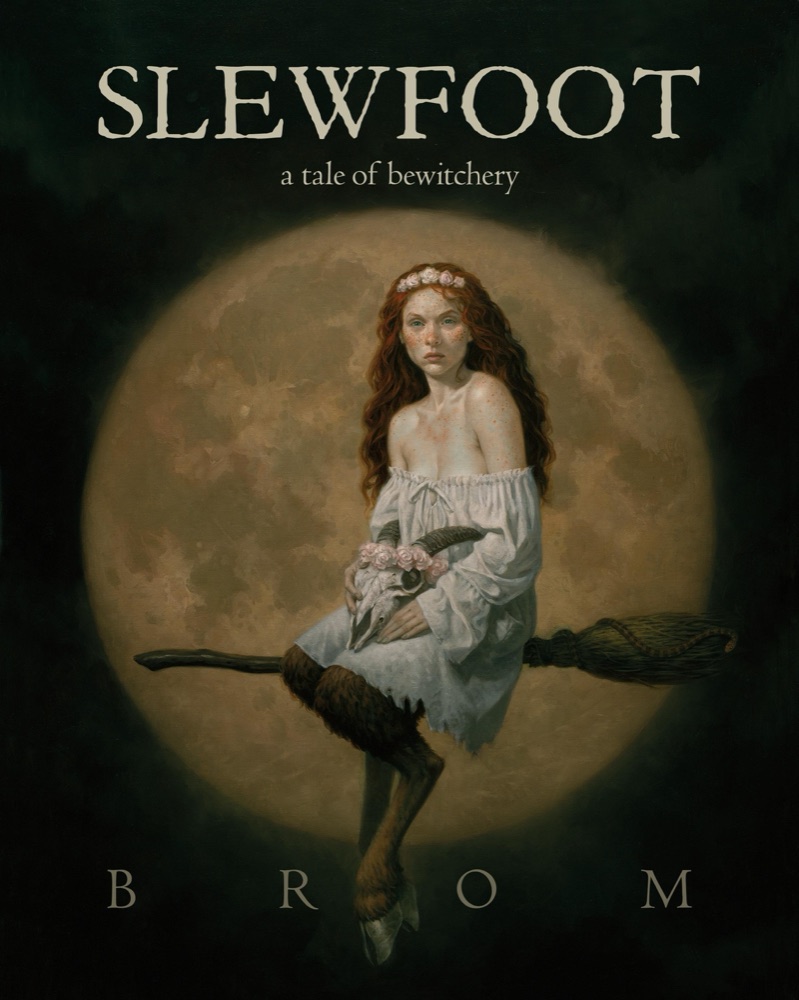
Set in colonial Connecticut in 1666, Slewfoot follows Abitha, a young Englishwoman recently widowed and left alone in a harsh Puritan farming community where she is an outsider. As she struggles to keep her late husband's farm and fend off the men who would take it from her, an ancient, horned spirit of the wild wood awakens nearby. Called Father, slayer, and protector by the wildfolk, and Slewfoot, demon, and devil by the colonists, this being becomes Abitha's unlikely ally as a confrontation builds between the old pagan world and the rigid Puritan one.
At its heart the novel is a folk-horror story about power, fear, and otherness. It pits paganism against Puritanism, examining how a frightened, repressive society turns on those it cannot control, particularly independent women, and how accusations of witchcraft become a weapon. Themes of grief, self-reliance, vengeance, and the embrace of one's own nature run through Abitha's transformation, while the wild spirit's search for its own identity mirrors her struggle for autonomy.
As both a writer and illustrator, Brom integrates more than two dozen of his own full-color paintings into the book, making it as much an illustrated art object as a novel. Slewfoot was a national bestseller and was widely praised in horror and fantasy circles for its atmosphere, its feminist reworking of the witch narrative, and Brom's distinctive visual style, cementing his reputation for gorgeously illustrated dark fantasy.
Key characters
- AbithaA young, recently widowed Englishwoman and outsider in her Puritan village
- SlewfootAn ancient horned forest spirit awakened in the wood, also called Father by the wildfolk
- WallaceAbitha's brother-in-law who seeks to take her late husband's farm
Critical reception
- Became a national bestseller.
- Praised by horror and fantasy reviewers for its atmosphere and folk-horror tone.
- Noted for its feminist reframing of the witch narrative and for Brom's integrated original paintings.
If you liked this, read…
- 1Krampus: The Yule LordAnother illustrated folk-horror novel by Brom blending myth and dark fantasy
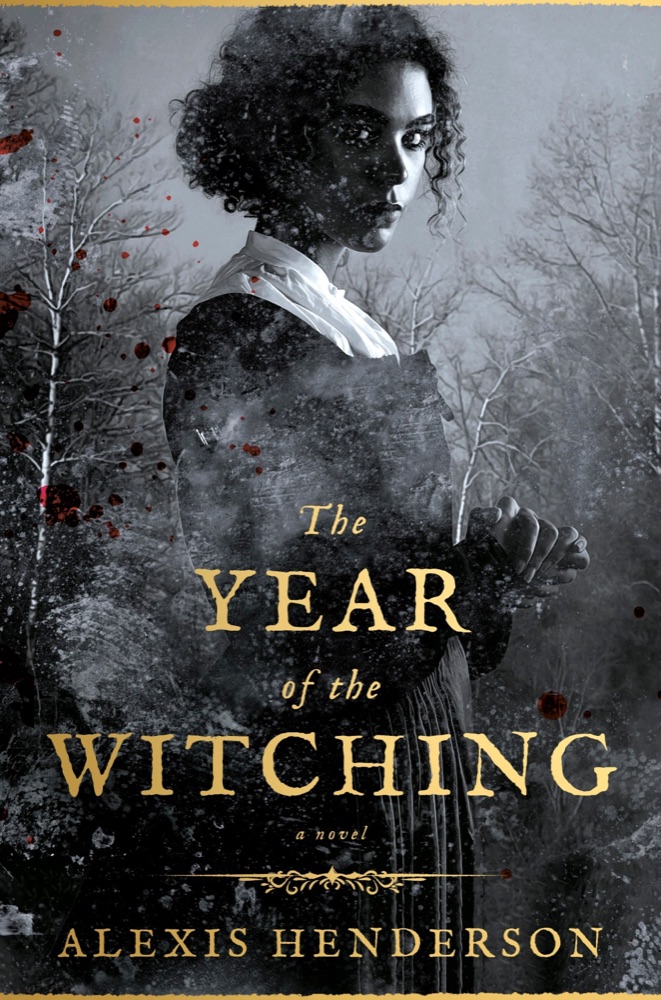
- 2The Year of the WitchingA folk-horror story of a young woman, witchcraft, and a repressive religious community
Keep reading
 The Year of the Witching
 The Witching Hour
 In the Night Garden
 Sunbringer
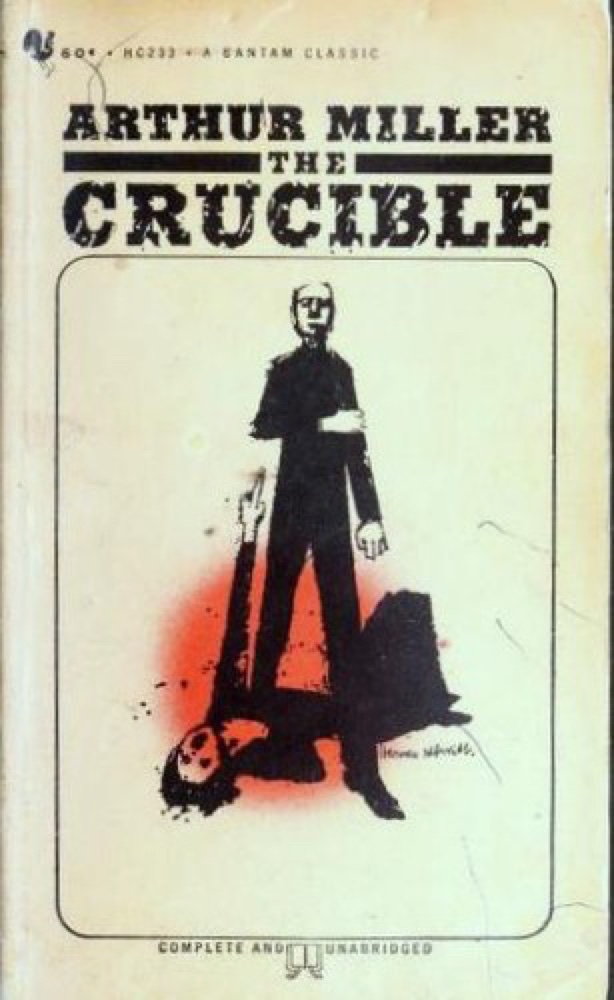 The Crucible
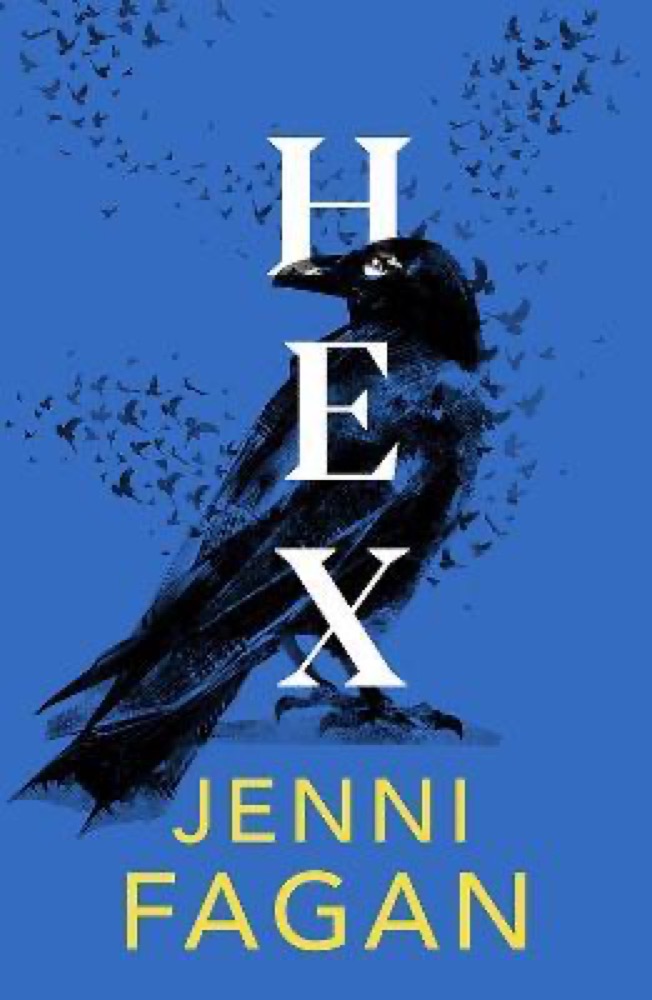 Hex
Hex
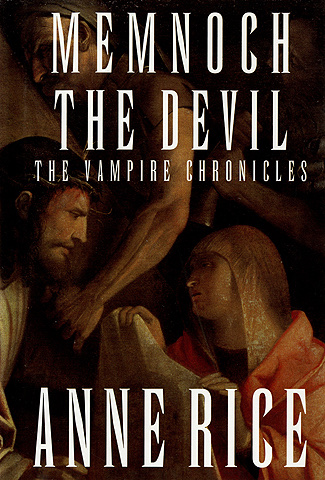 Memnoch the Devil
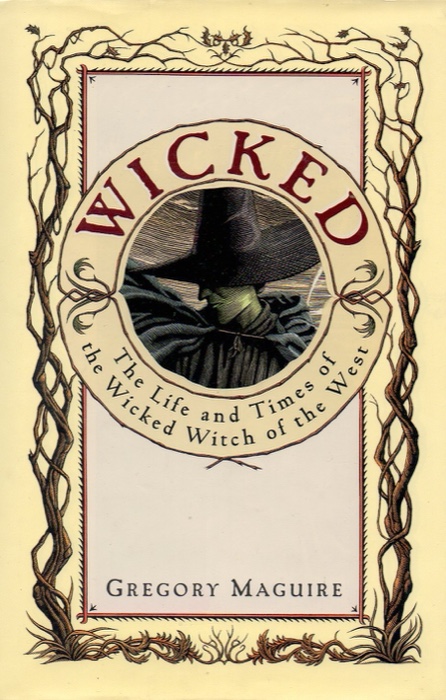 Wicked: The Life and Times of the Wicked Witch of the West
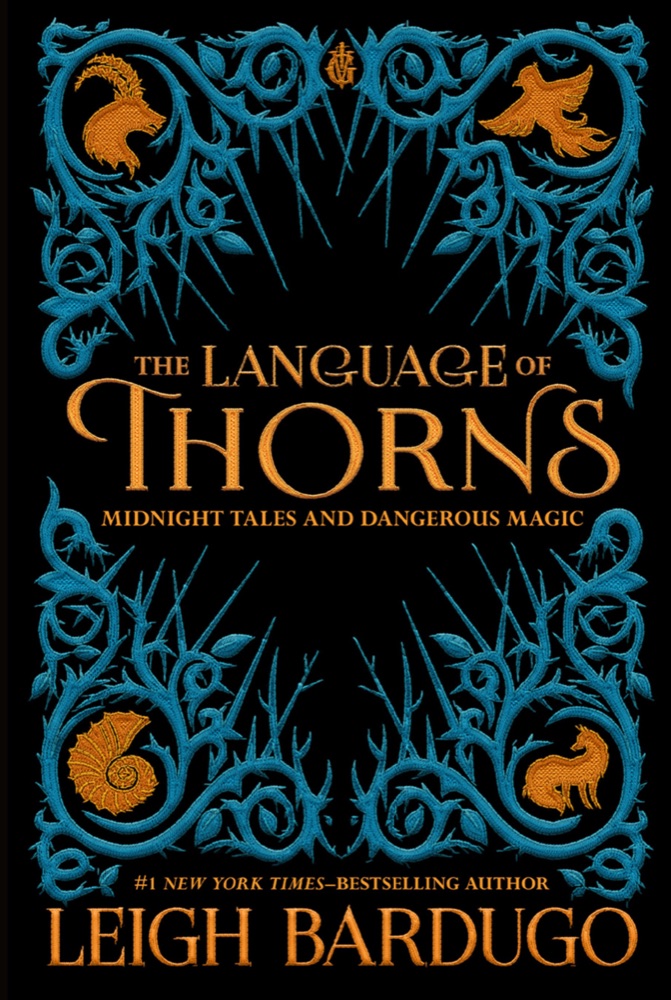 The Language of Thorns: Midnight Tales and Dangerous Magic
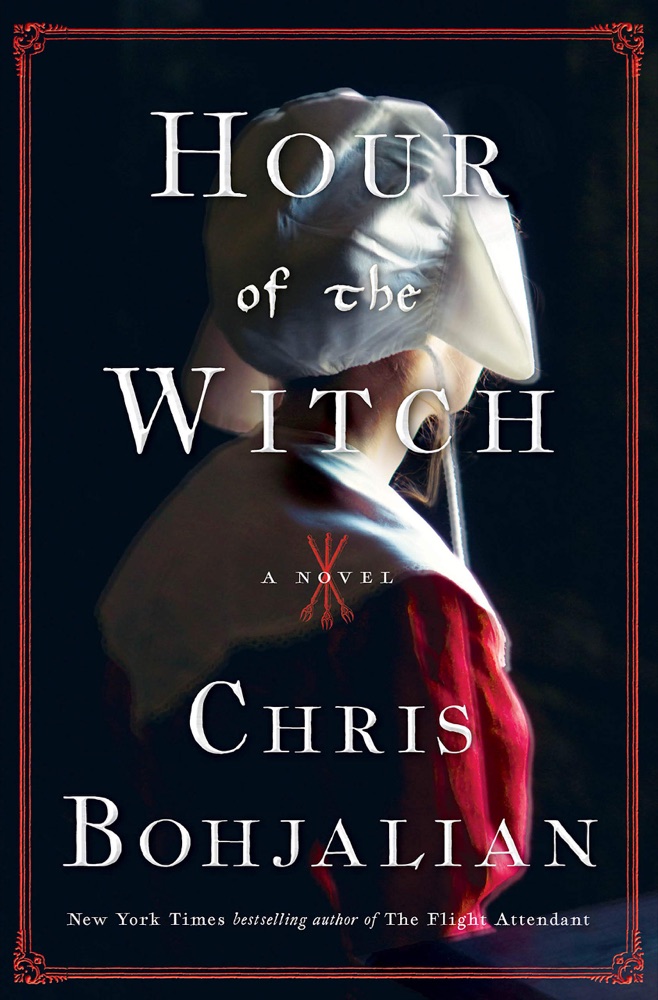 Hour of the Witch
 The Heretic's Daughter
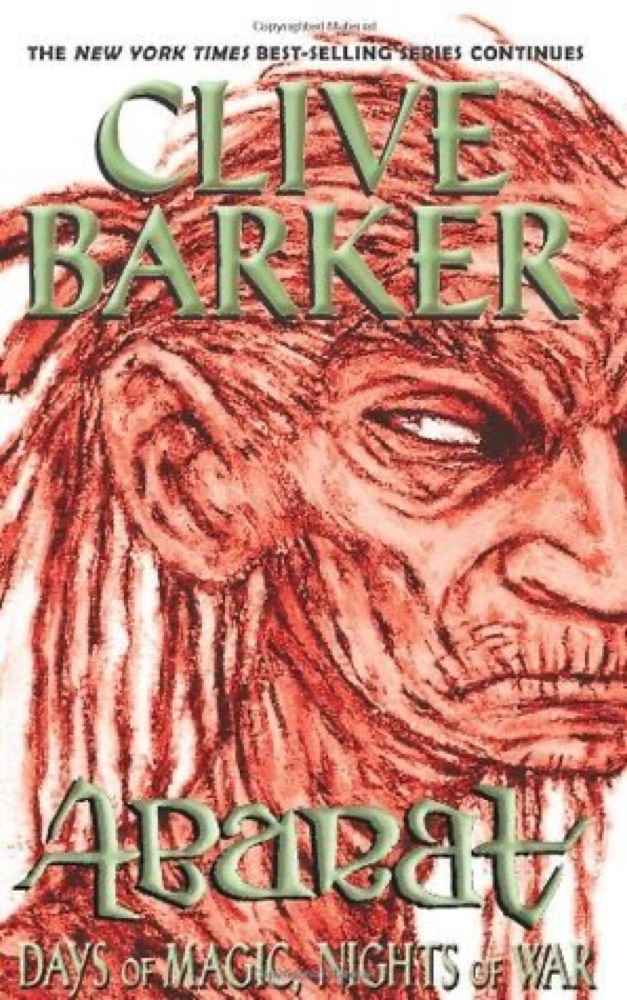 Abarat
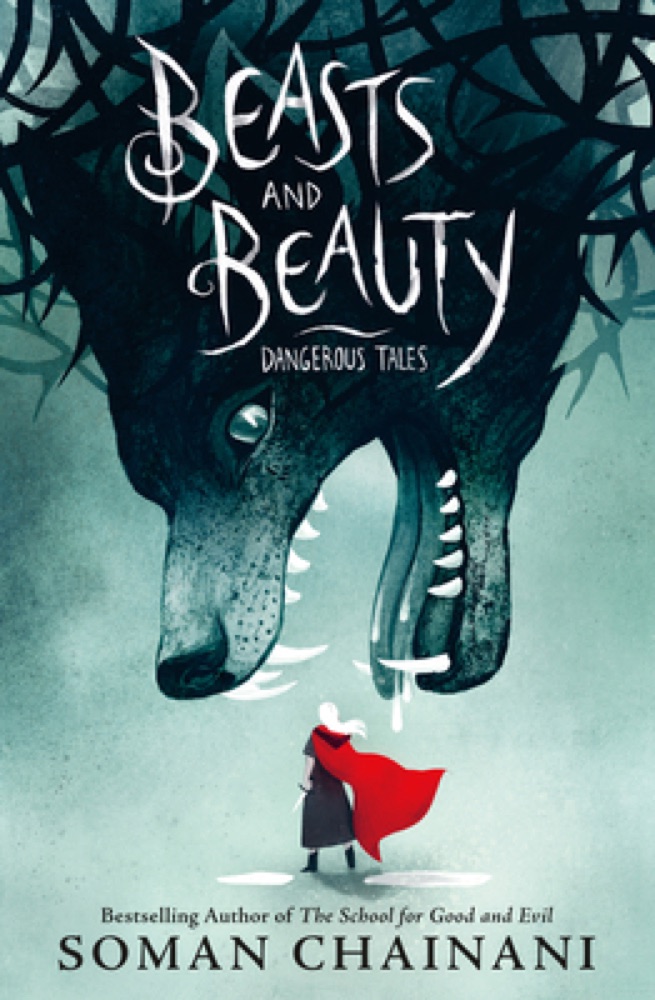 Beasts and Beauty: Dangerous Tales
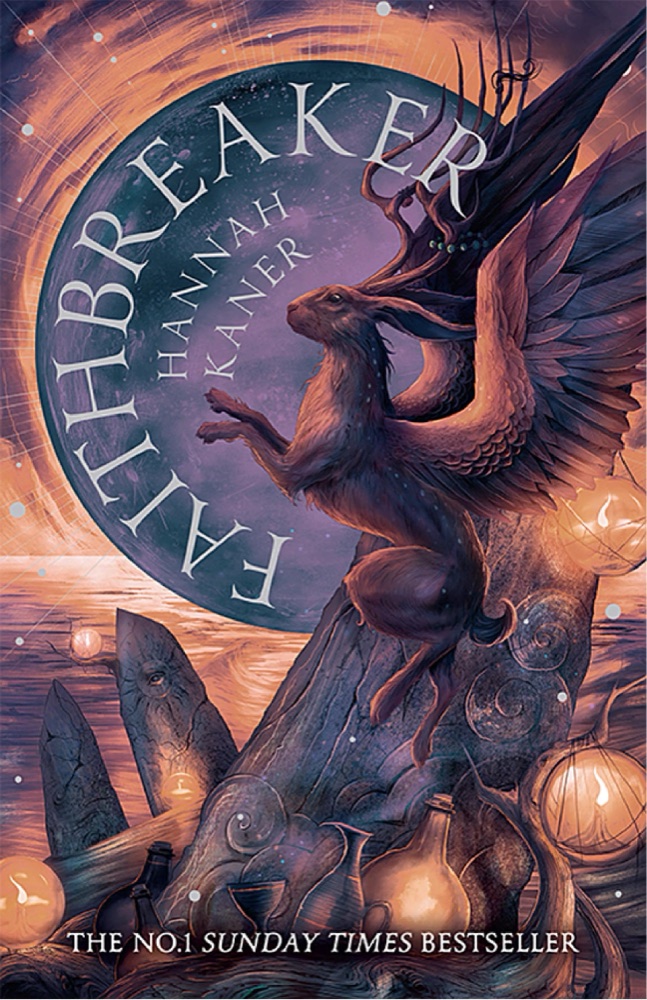 Faithbreaker
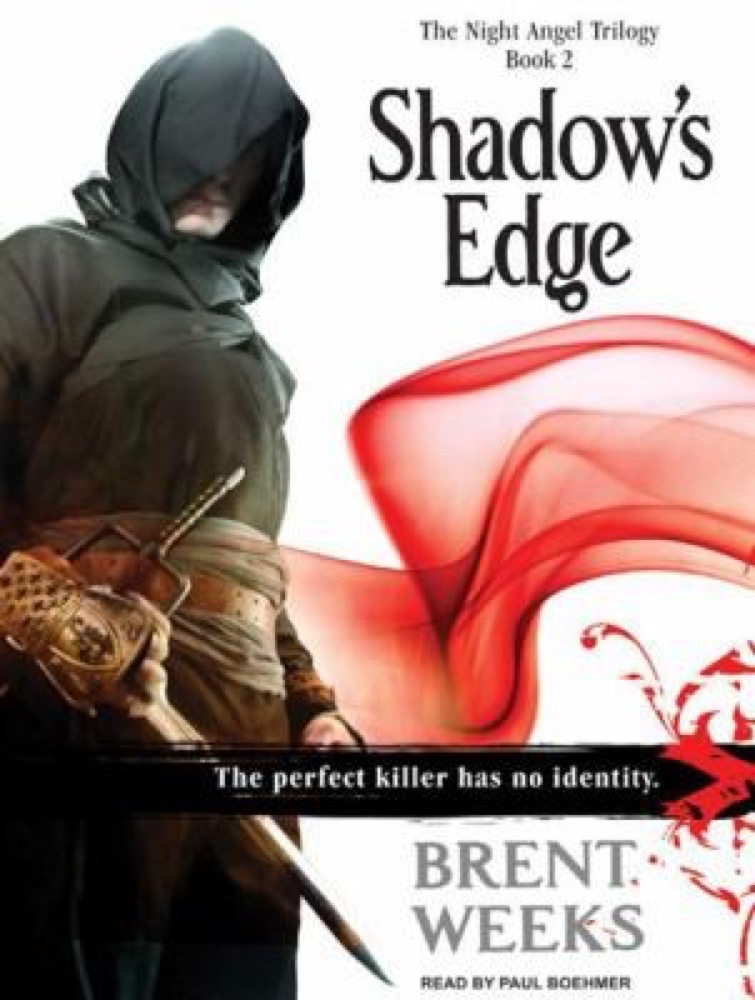 Shadow's Edge
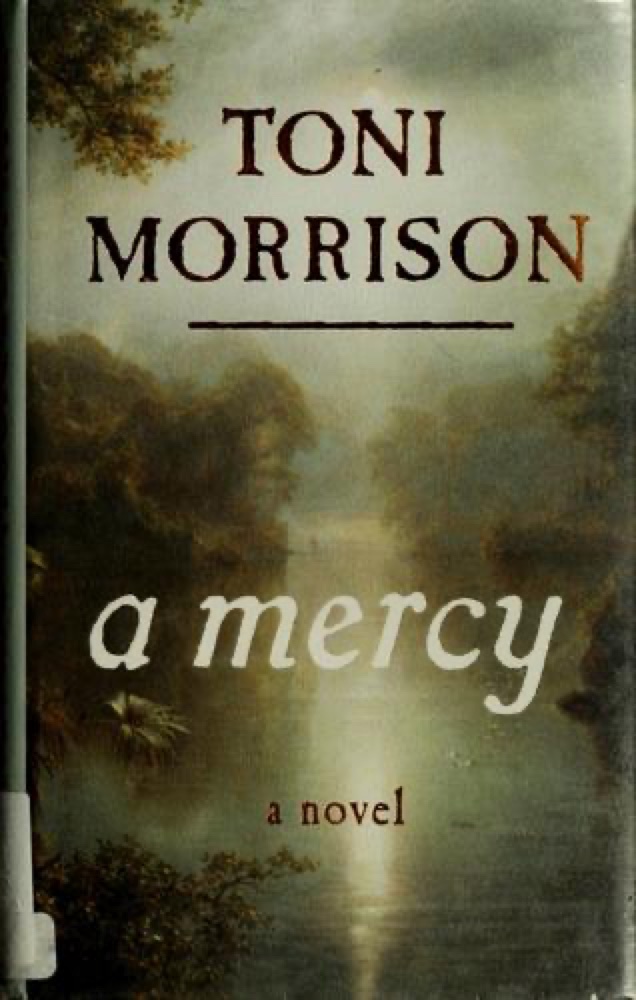 A Mercy
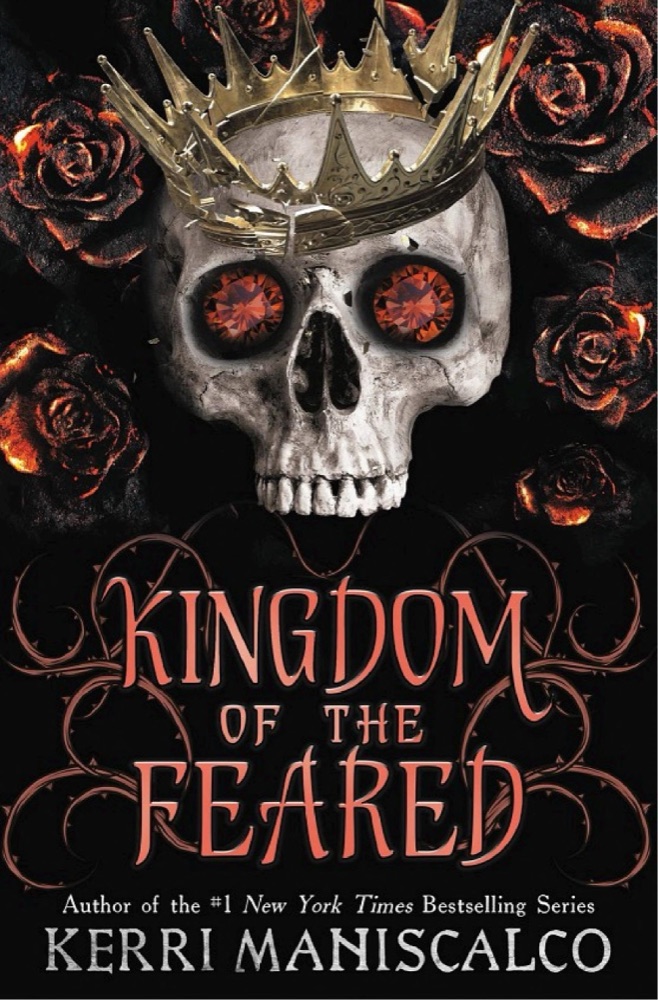 Kingdom of the Feared
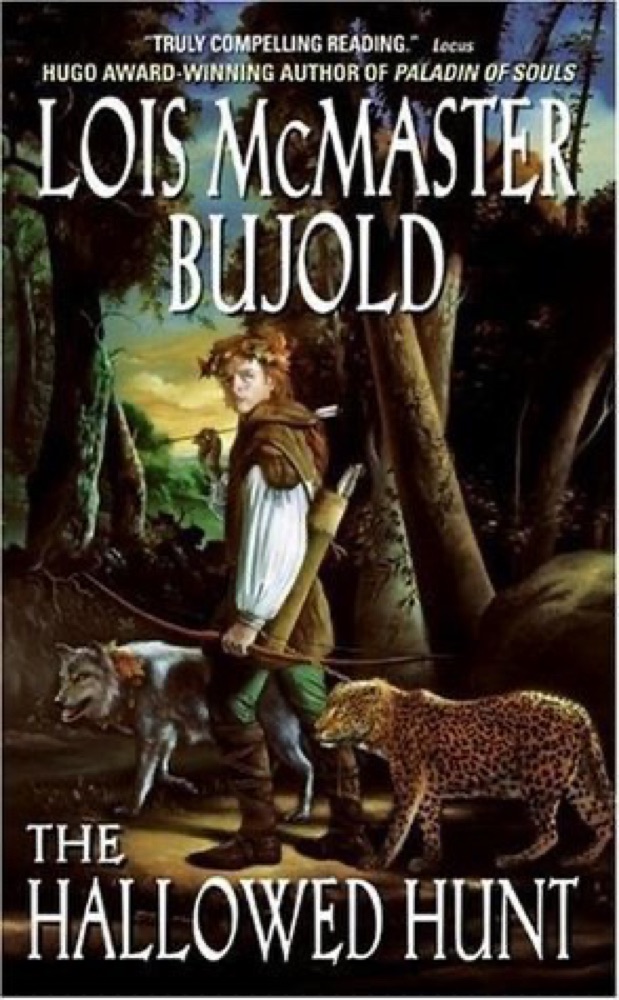 The Hallowed Hunt
 The Dark Divine
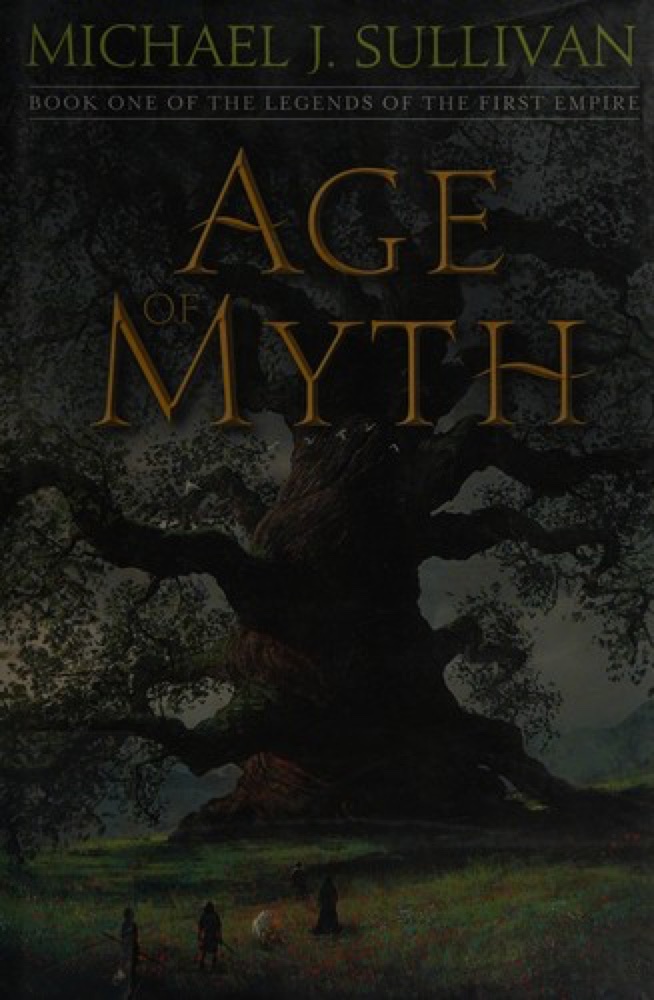 Age of Myth
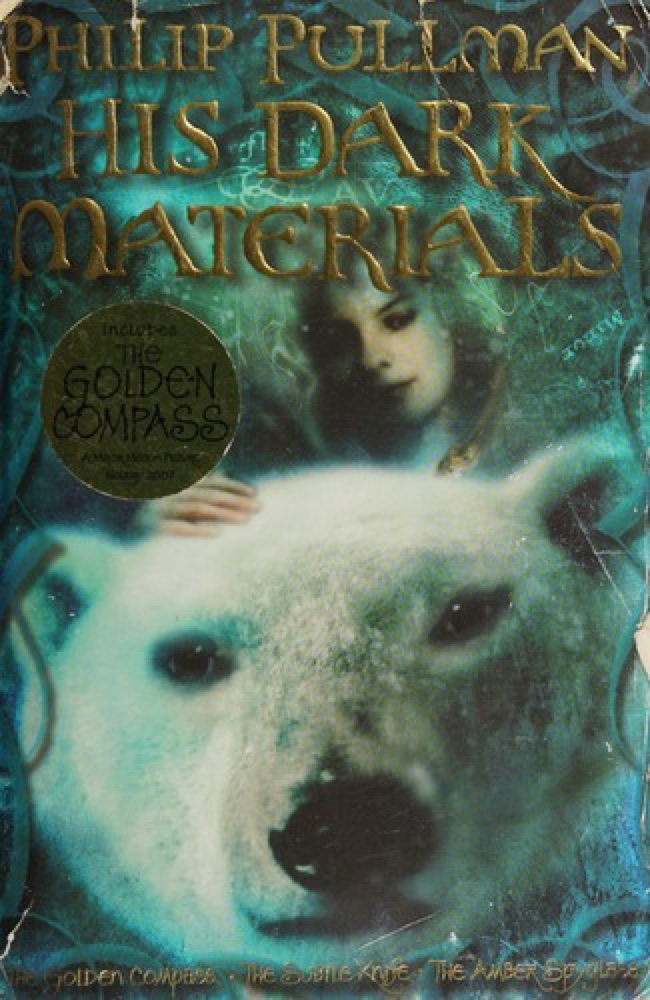 His Dark Materials
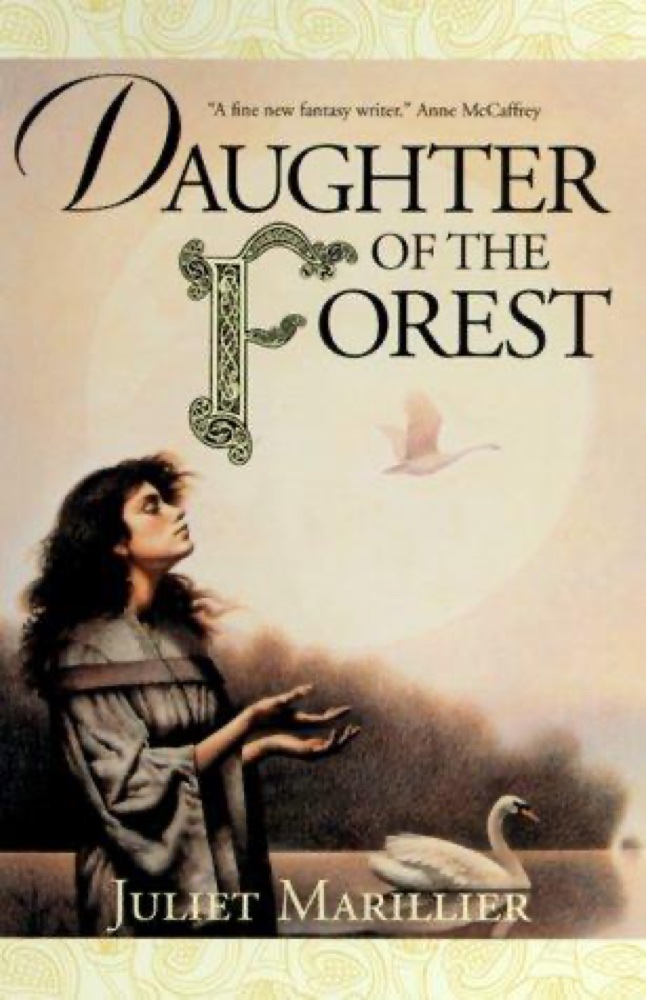 Daughter of the Forest
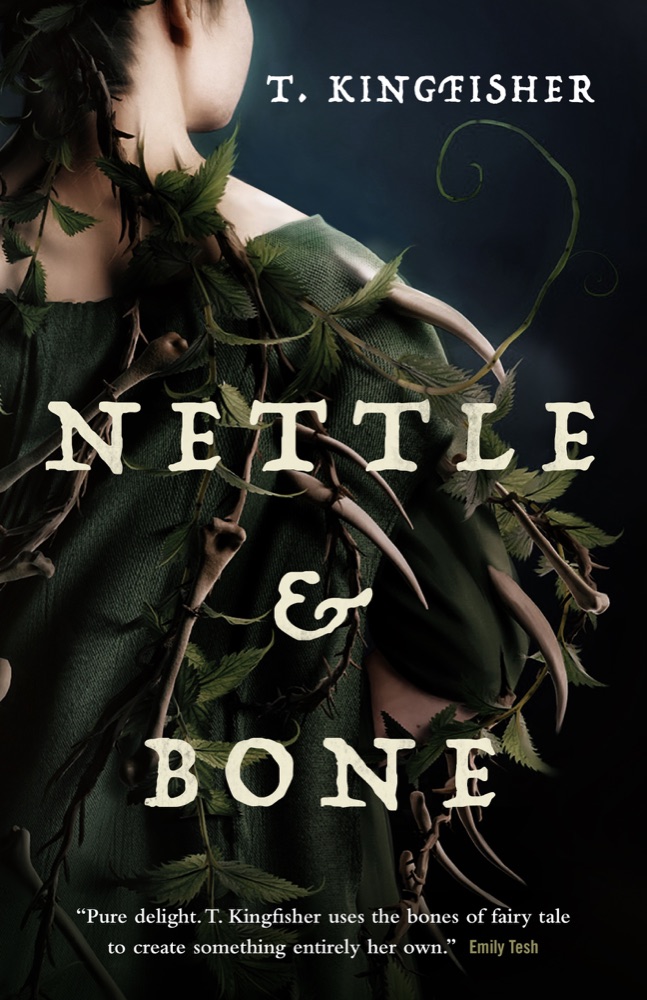 Nettle & Bone
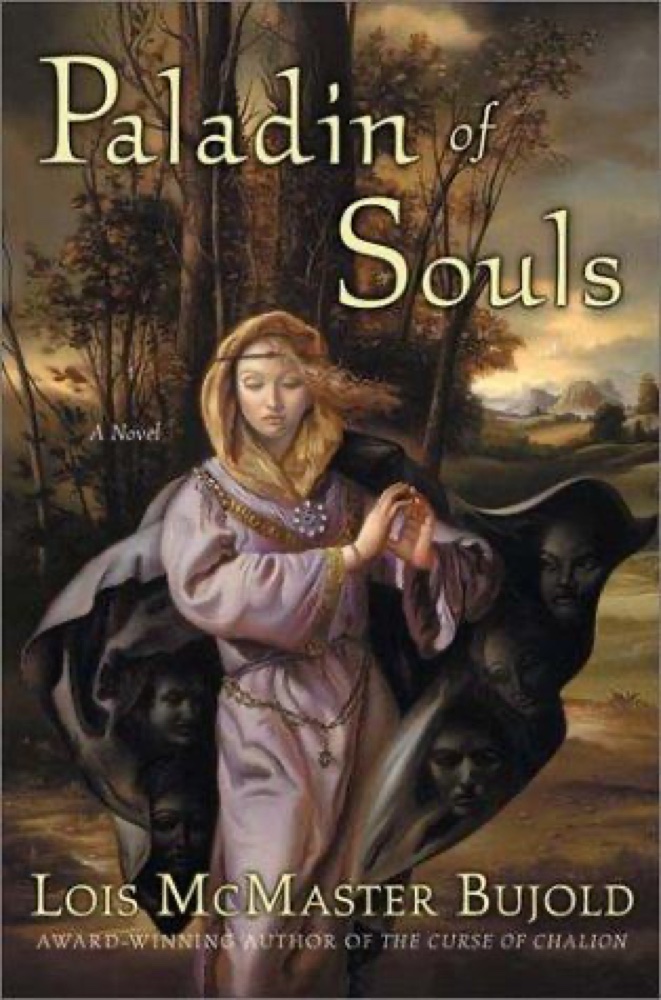 Paladin of Souls
 The Hummingbird's Daughter
 Dangerous Creatures
 The Winter of the Witch
 A Day of Fallen Night
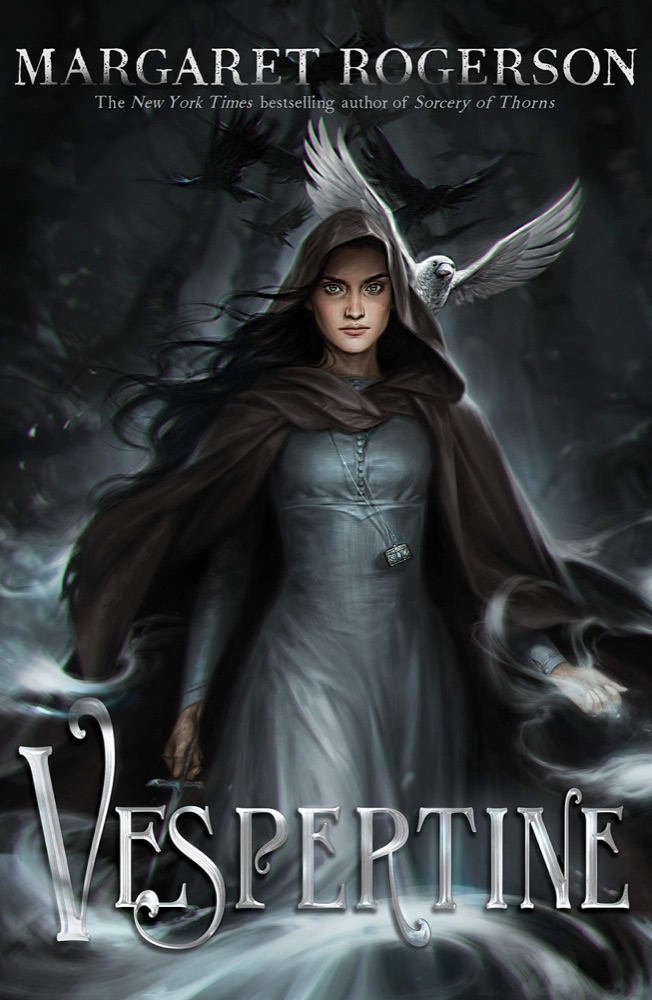 Vespertine
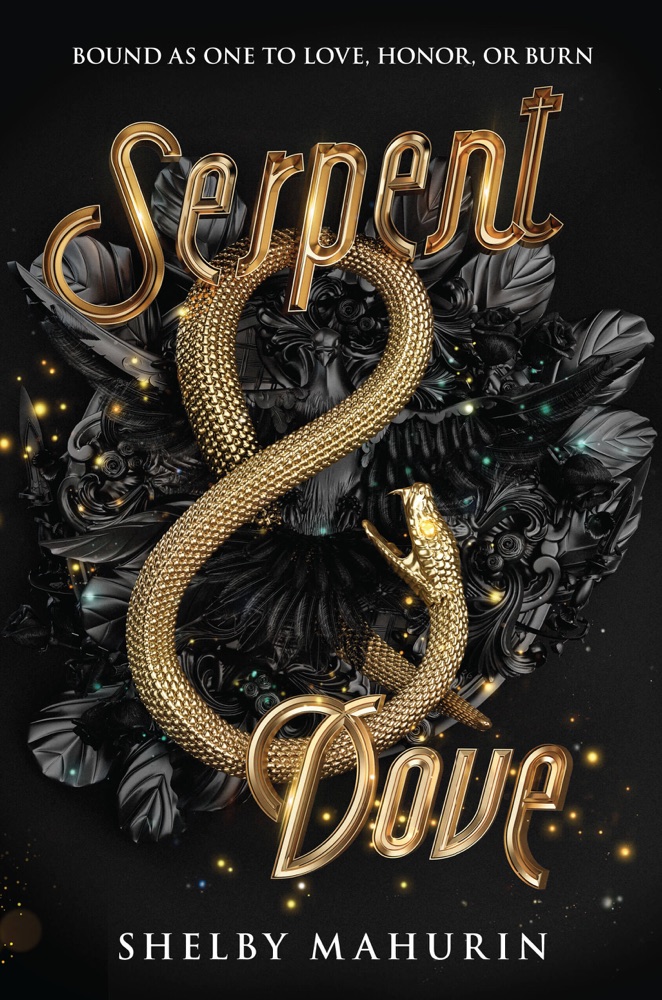 Serpent & Dove
 The Left Hand of God
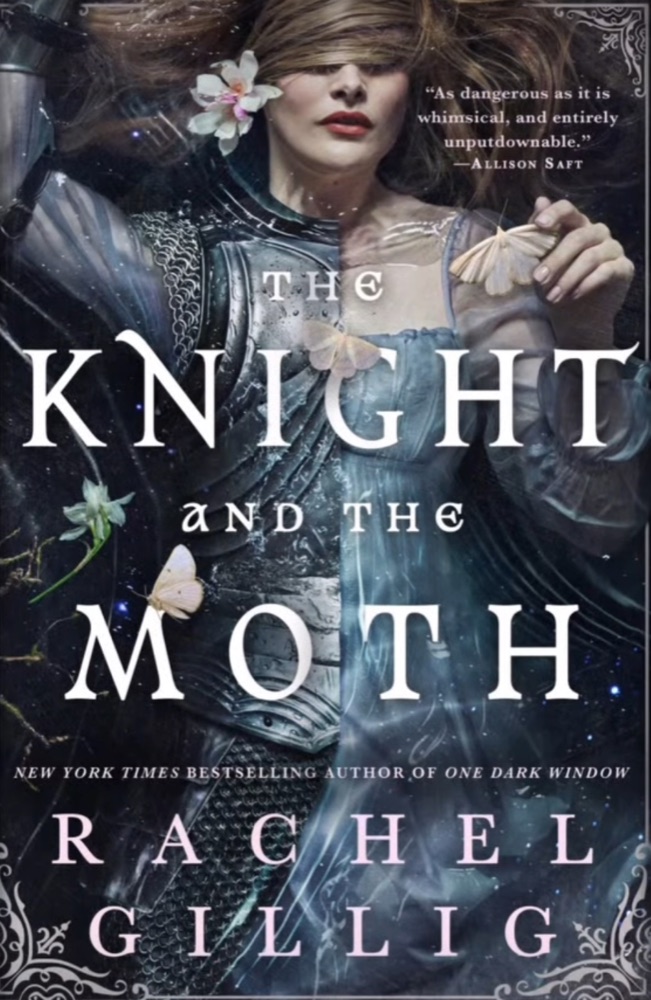 The Knight and the Moth
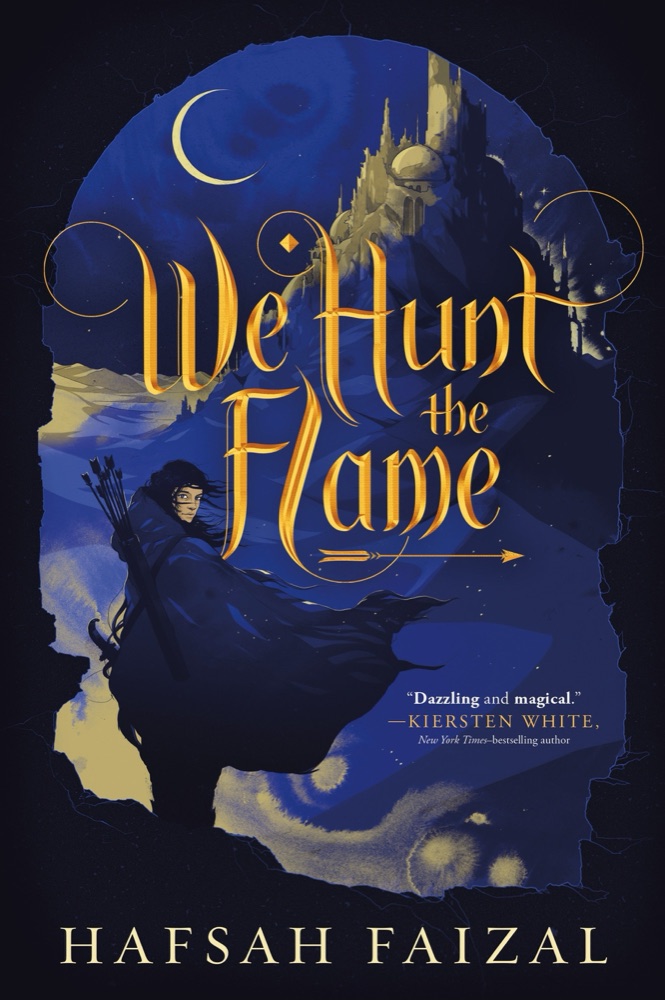 We Hunt the Flame
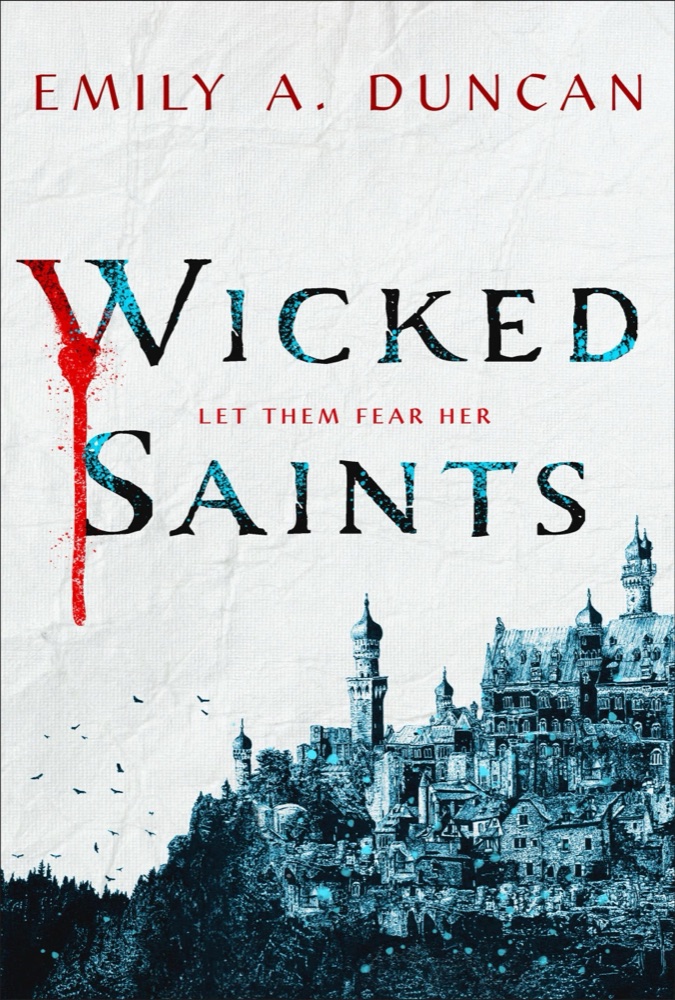 Wicked Saints
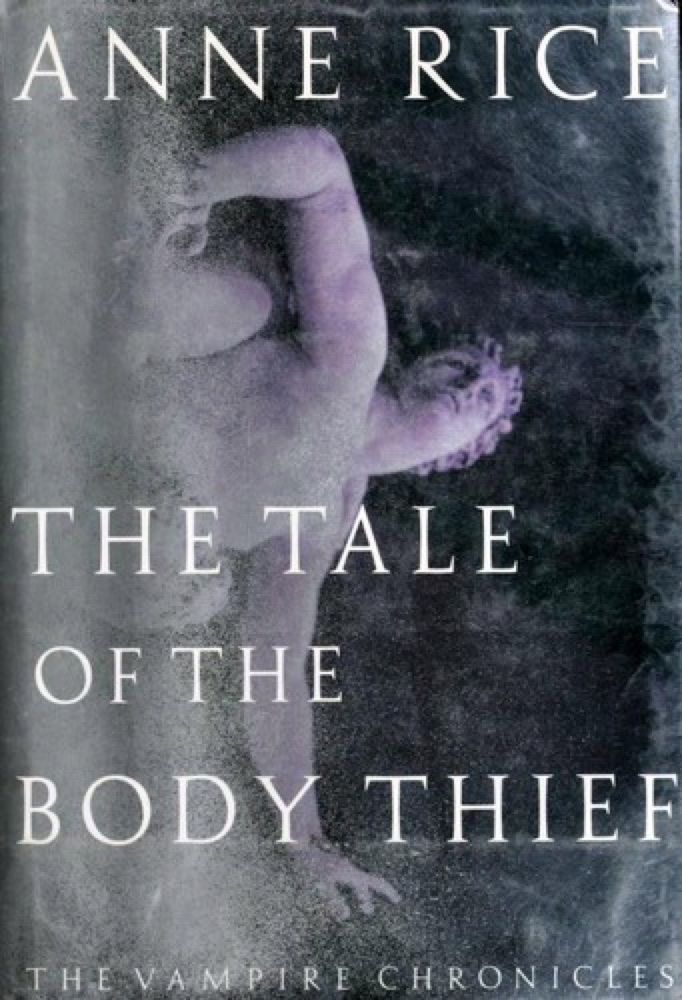 The Tale of the Body Thief
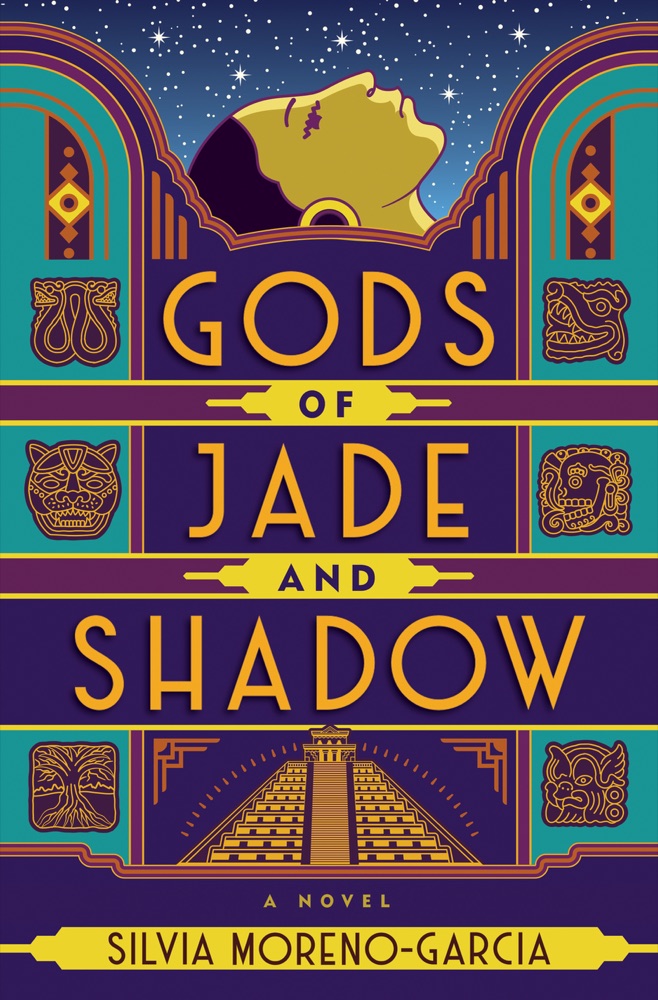 Gods of Jade and Shadow
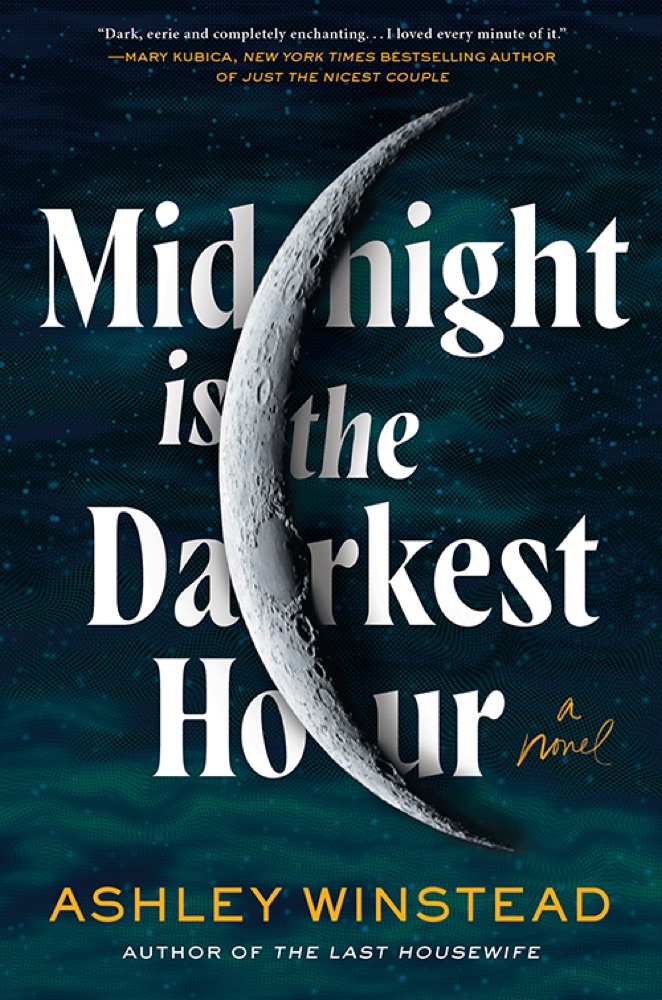 Midnight Is the Darkest Hour
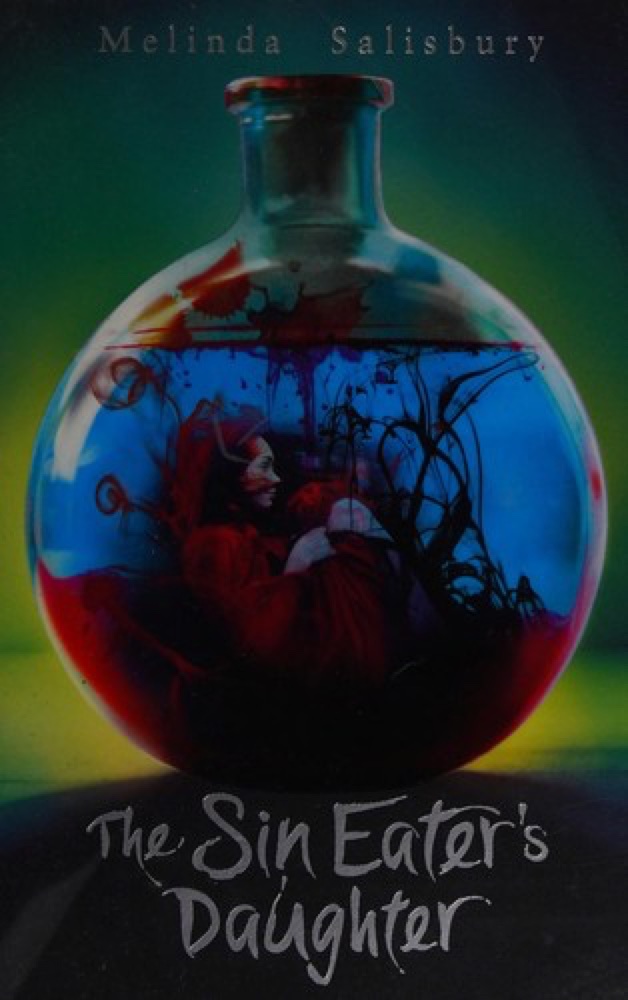 The Sin Eater’s Daughter
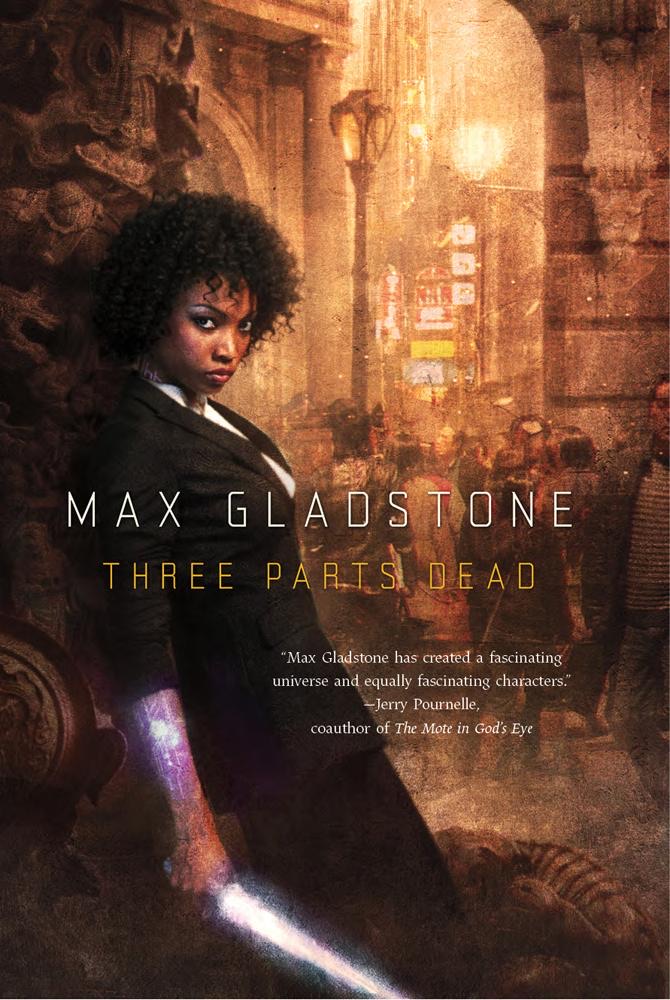 Three Parts Dead
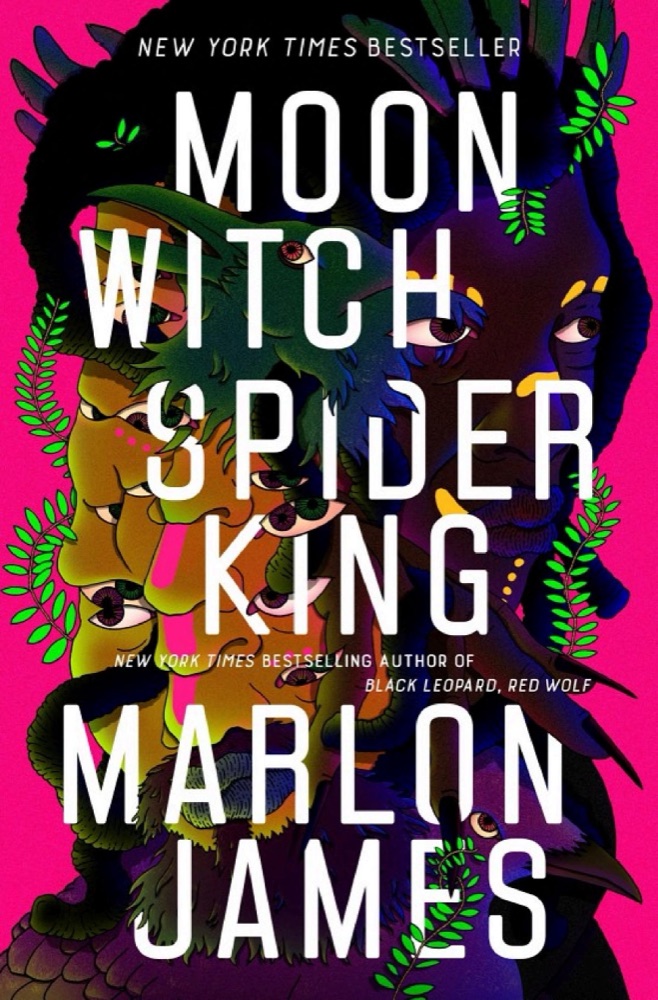 Moon Witch, Spider King
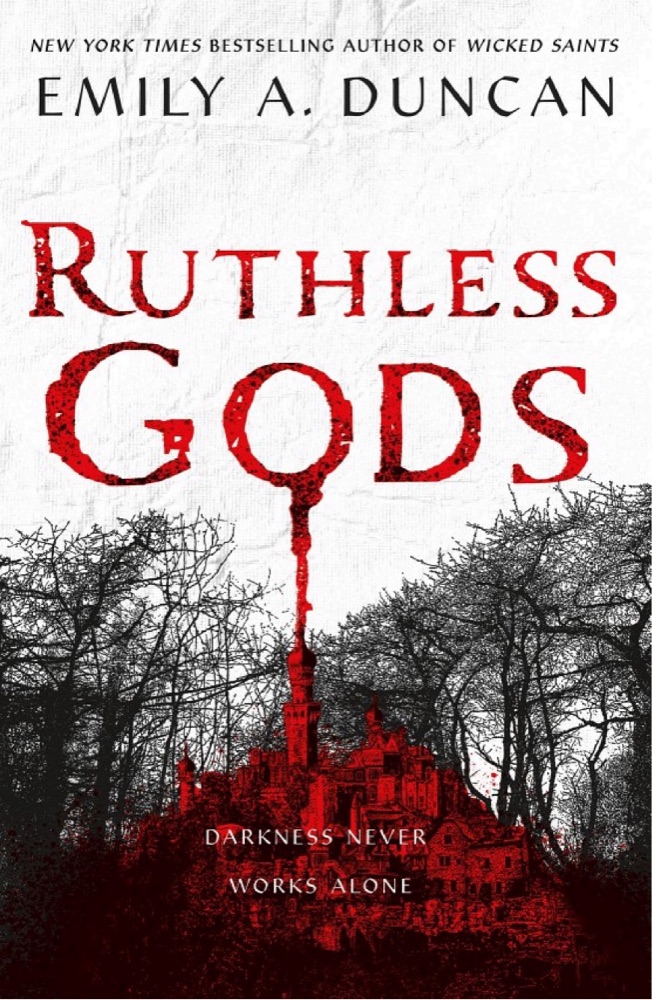 Ruthless Gods
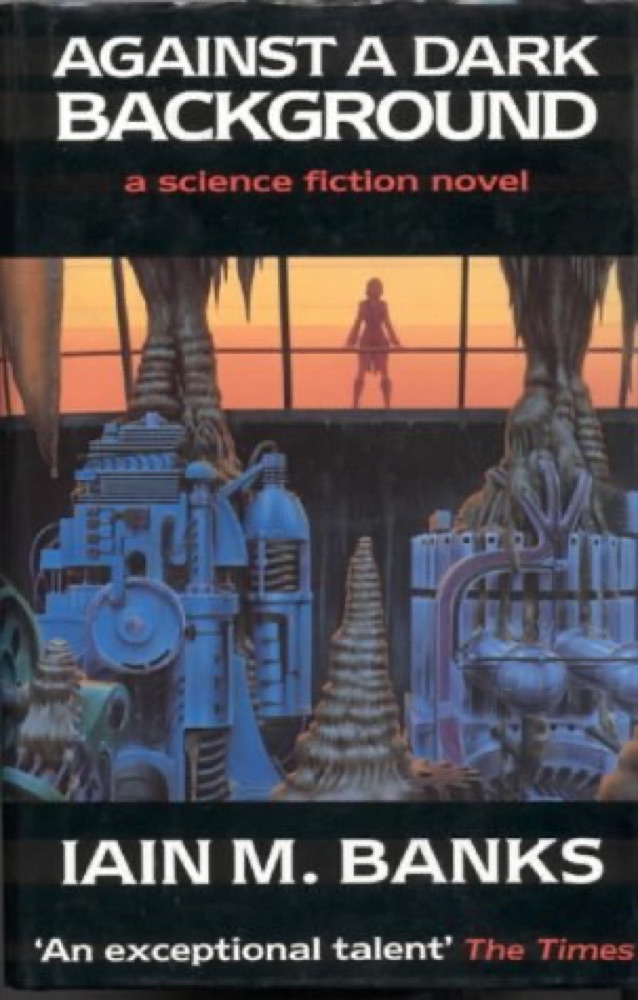 Against a Dark Background
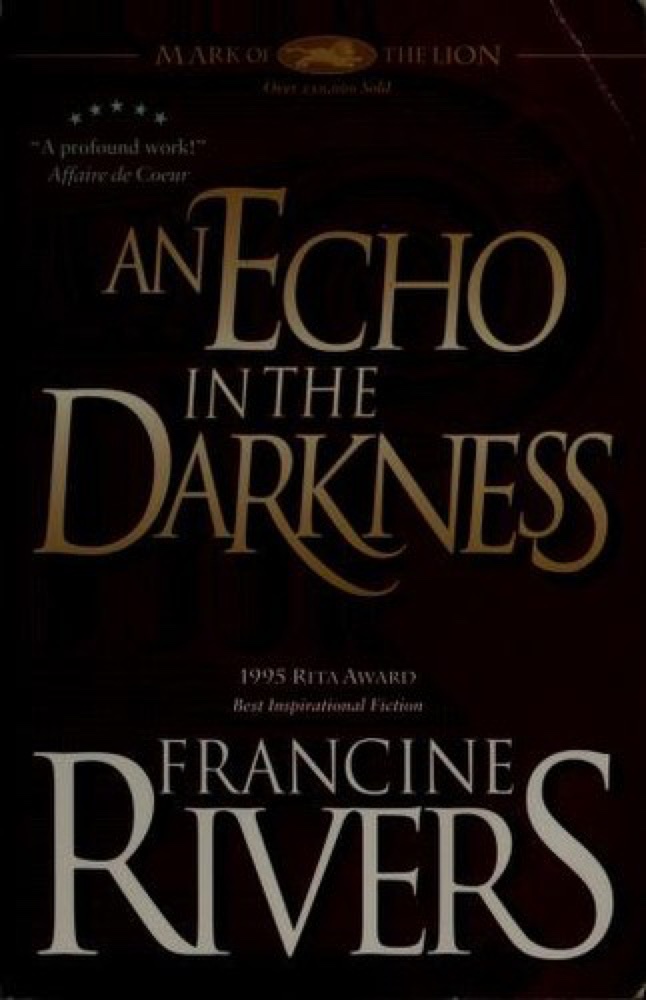 An Echo in the Darkness
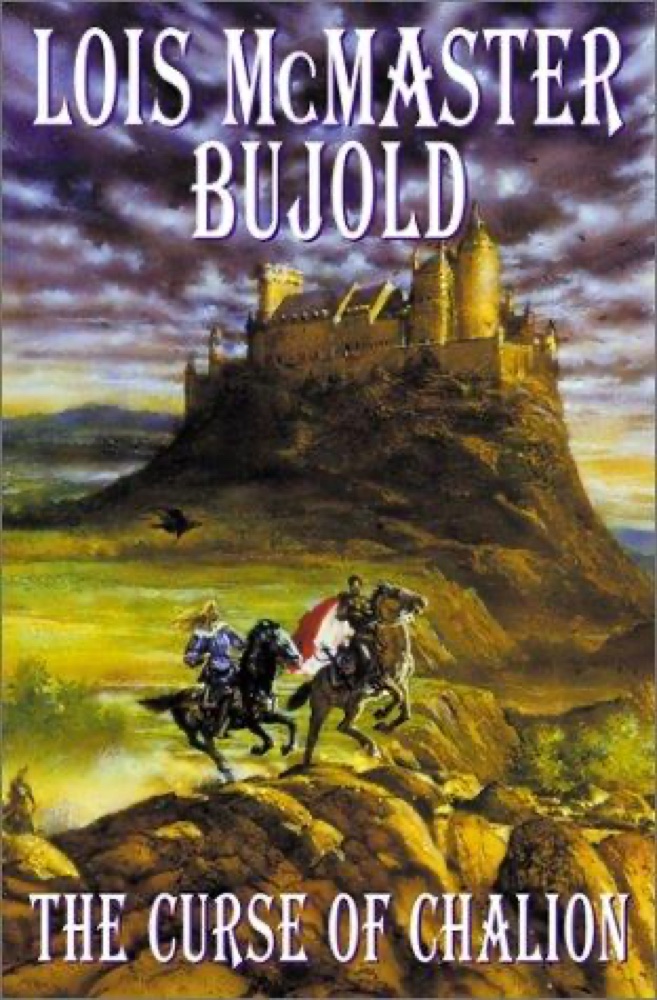 The Curse of Chalion
 Black Leopard, Red Wolf
 Spiderlight
 A Voice in the Wind
 The Bonehunters
 Hell Bent
 The Naming
 The Hundred Thousand Kingdoms
 House of Chains
 The Oresteia
 The Girl of Fire and Thorns
 A Conjuring of Light
 Lapvona
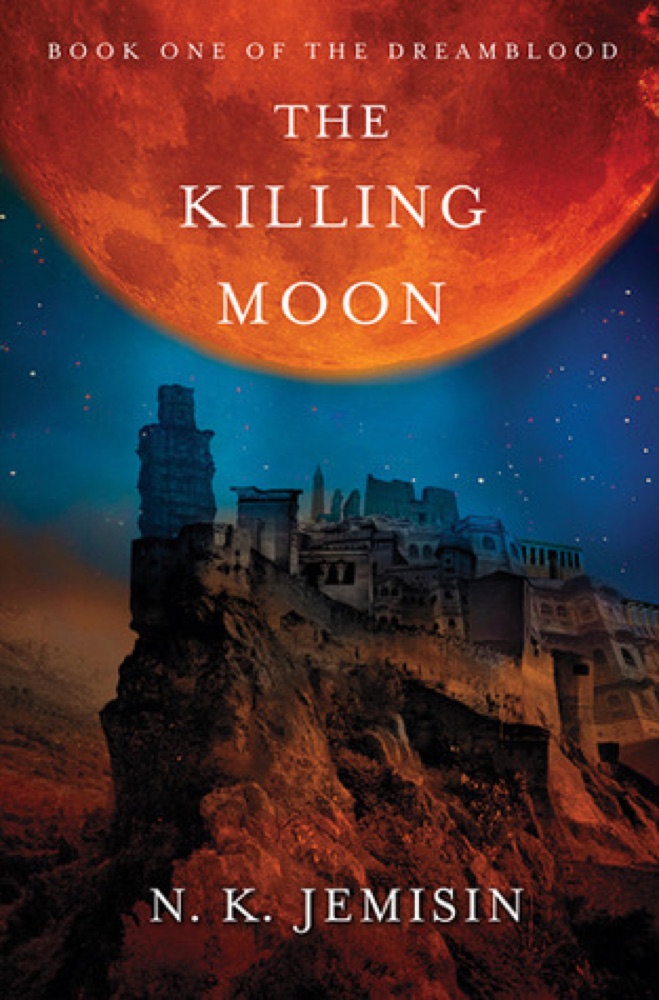 The Killing Moon
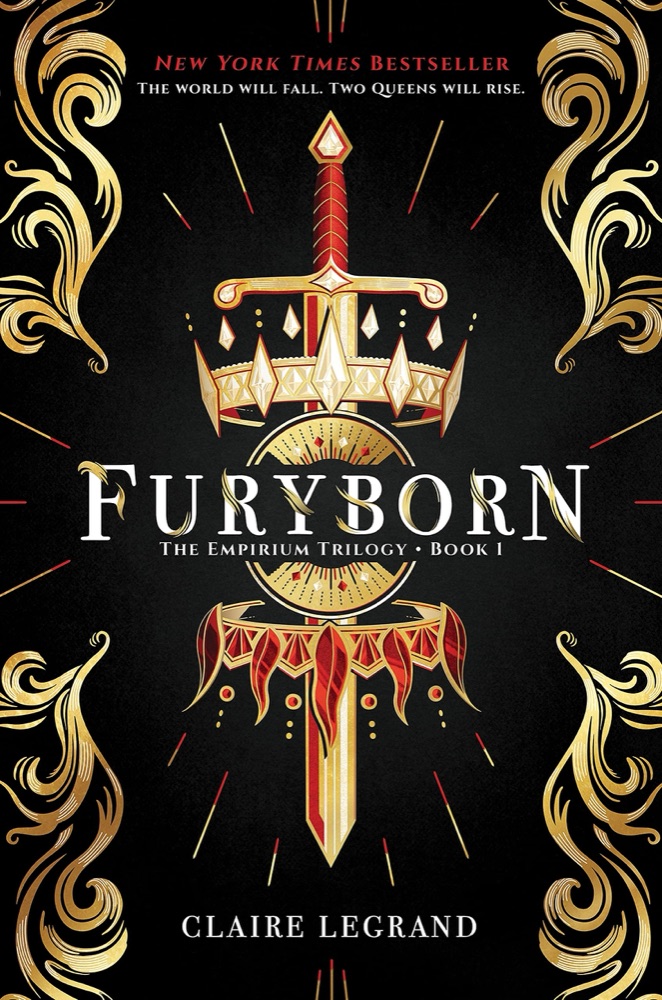 Furyborn
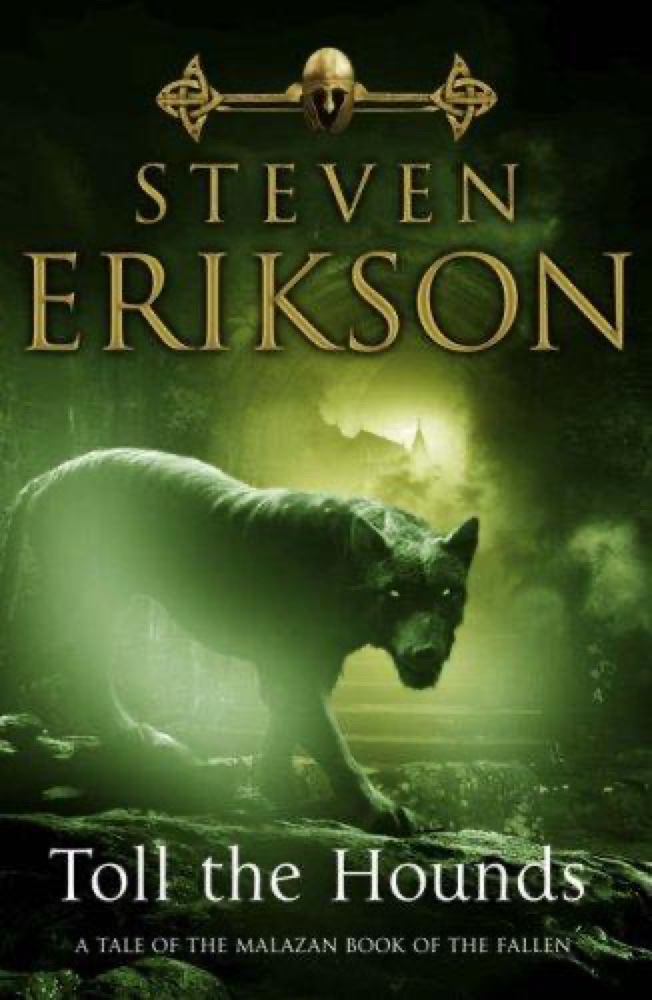 Toll the Hounds
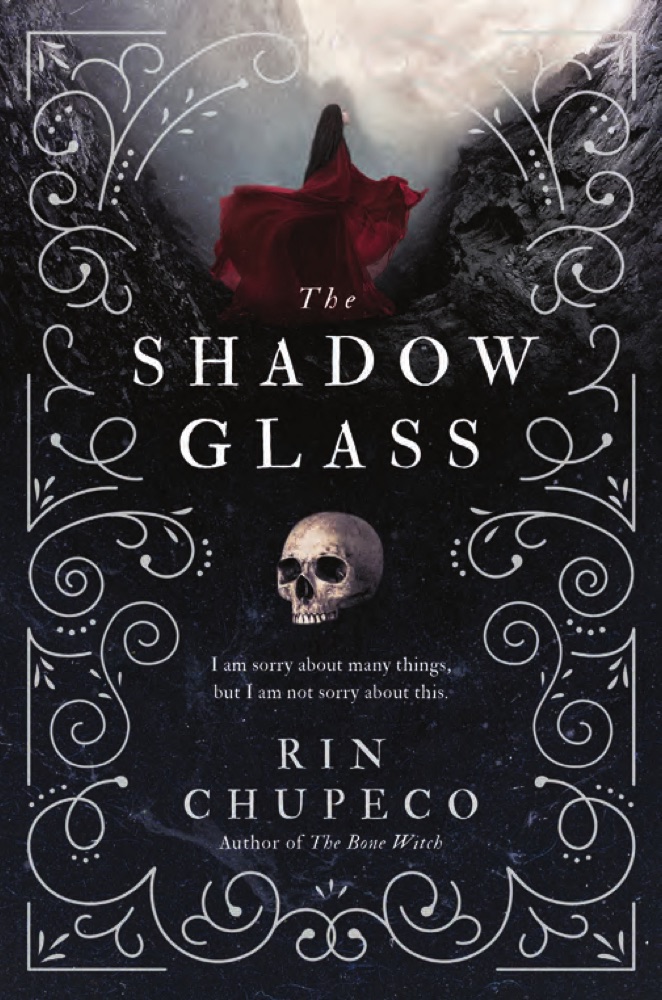 The Shadowglass