
 The Drunkard's Walk: How Randomness Rules Our Lives
Quotes from the Book
A paradox is simply an error out of control; i.e. one that has trapped so many unwary minds that it has gone public, become institutionalized in our literature, and taught as truth.
if fallacious reasoning always led to absurd conclusions, it would be found out at once and corrected. But once an easy, shortcut mode of reasoning has led to a few correct results, almost everybody accepts it; those who try to warn against it are not listened to.
something which is absurd or logically contradictory, but which appears at first glance to be the result of sound reasoning.
Not only in probability theory, but in all mathematics, it is the careless use of infinite sets, and of infinite and infinitesimal quantities, that generates most paradoxes.
passage to a limit should always be the last operation, not the first.
Watch on YouTube
About E.T. Jaynes
We have collected 5 quotes from 1 book by E.T. Jaynes on BookQuoters.
More about the author →Book details
- Author
- E.T. Jaynes
- Genre
- Philosophy
- Goodreads rating
- 4.41 (668 ratings) →
Keep reading
The Drunkard's Walk: How Randomness Rules Our Lives
 Rationality: From AI to Zombies
 Fooled by Randomness: The Hidden Role of Chance in Life and in the Markets
 Chaos: Making a New Science
 Algorithms to Live By: The Computer Science of Human Decisions
 Logicomix: An Epic Search for Truth
 Alchemy: The Surprising Power of Ideas That Don't Make Sense
 Gödel, Escher, Bach: An Eternal Golden Braid
 Metaphysics
 Foucault's Pendulum
 The Undoing Project: A Friendship That Changed Our Minds
 The Art of Thinking Clearly
 The Black Swan: The Impact of the Highly Improbable
 Tractatus Logico-Philosophicus
 Fermat's Enigma: The Epic Quest to Solve the World's Greatest Mathematical Problem
 The Signal and the Noise: Why So Many Predictions Fail—But Some Don't
 Thinking, Fast and Slow
 Math with Bad Drawings
 Superforecasting: The Art and Science of Prediction
 Science and Sanity: An Introduction to Non-Aristotelian Systems and General Semantics
 God's Debris: A Thought Experiment
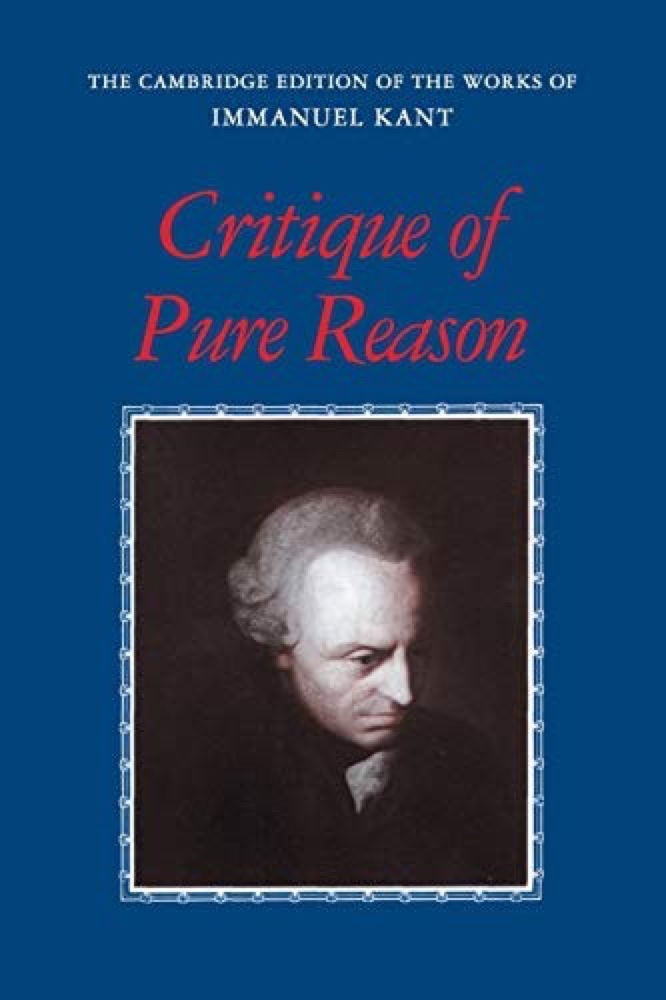 Critique of Pure Reason
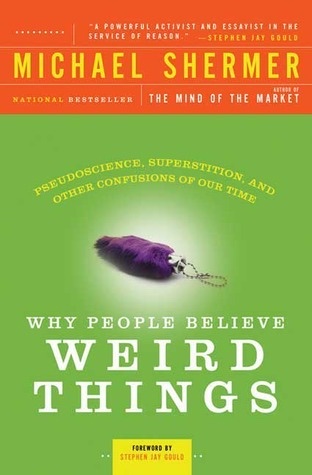 Why People Believe Weird Things: Pseudoscience, Superstition, and Other Confusions of Our Time
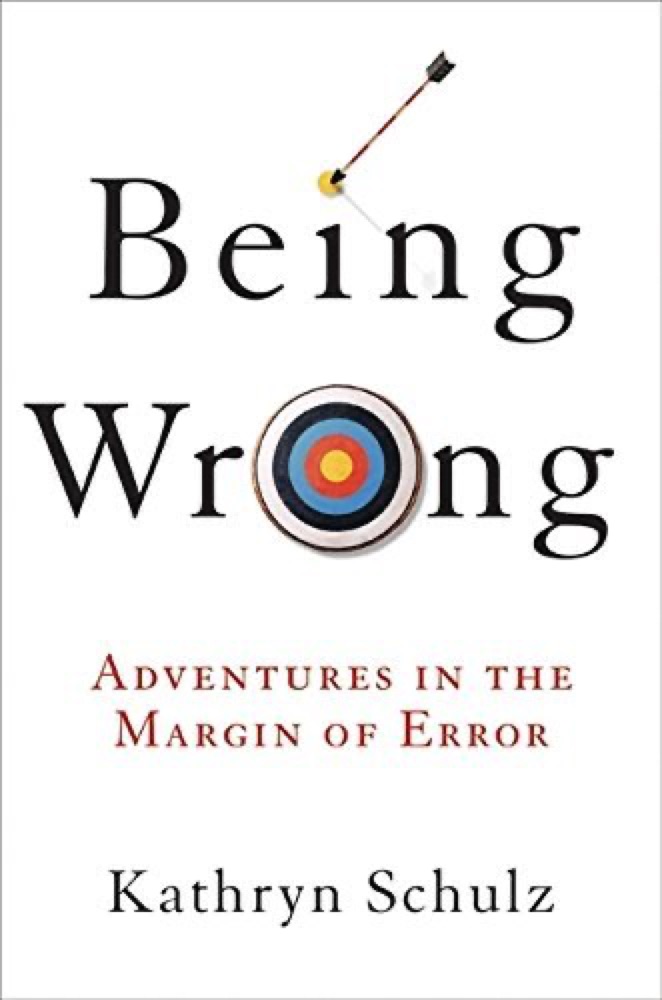 Being Wrong: Adventures in the Margin of Error
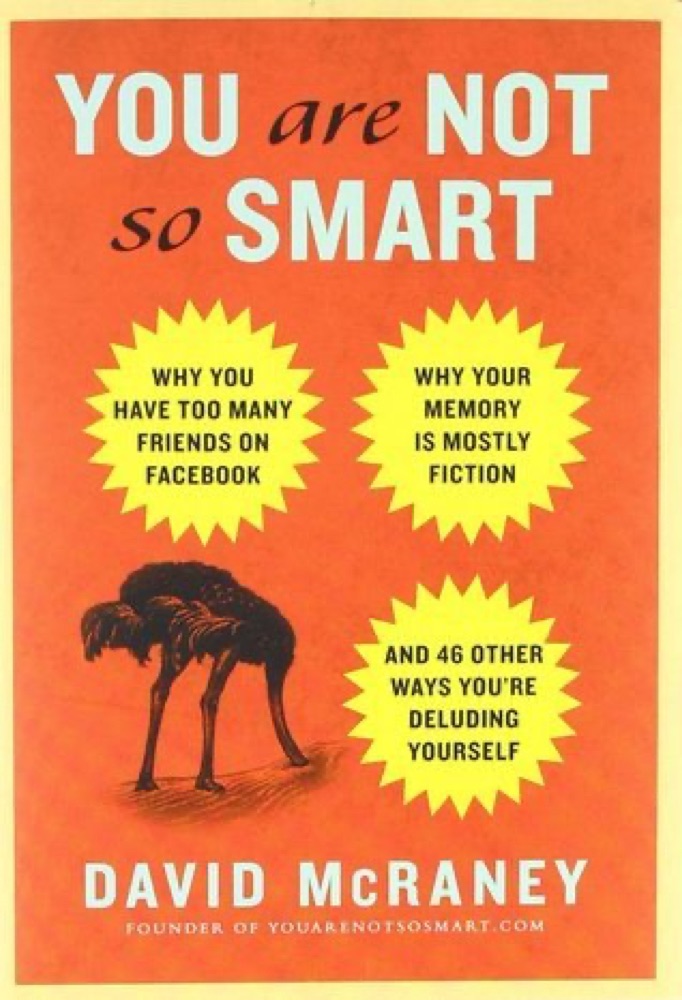 You Are Not So Smart
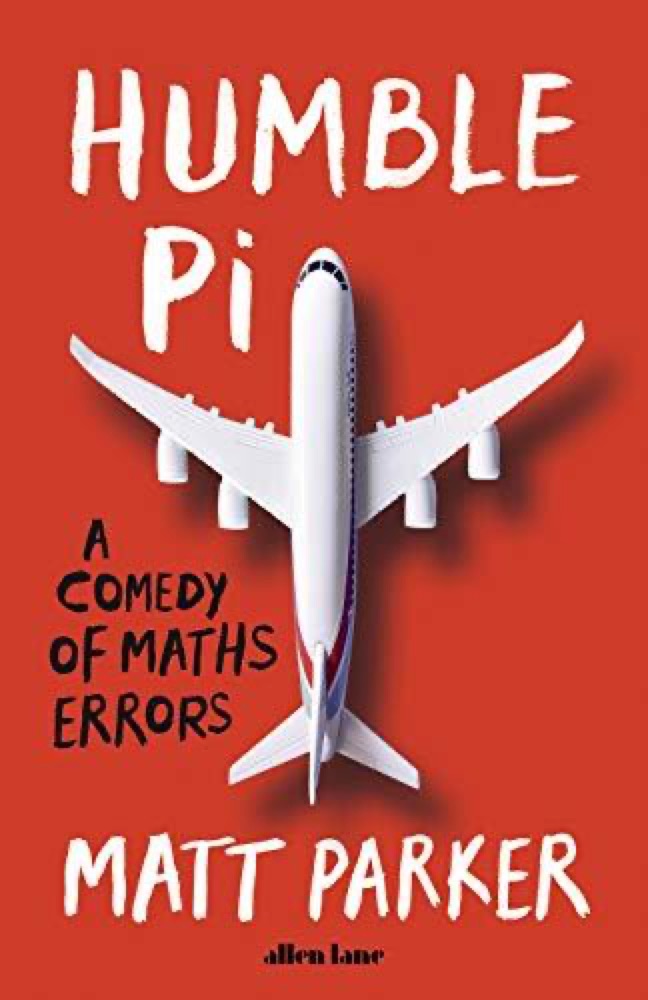 Humble Pi: A Comedy of Maths Errors
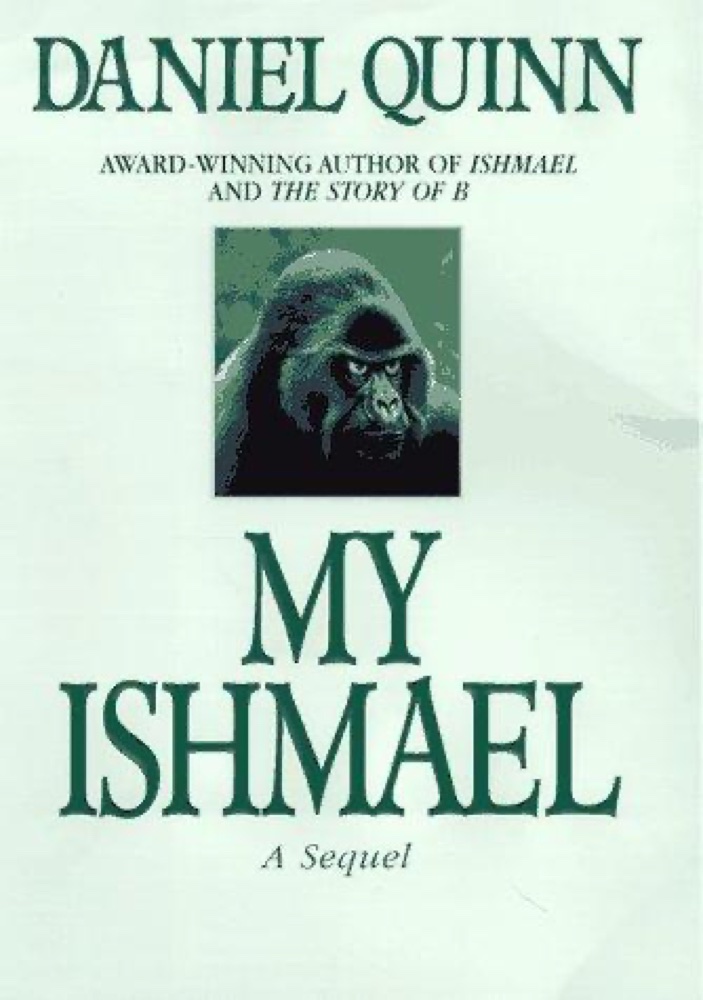 My Ishmael
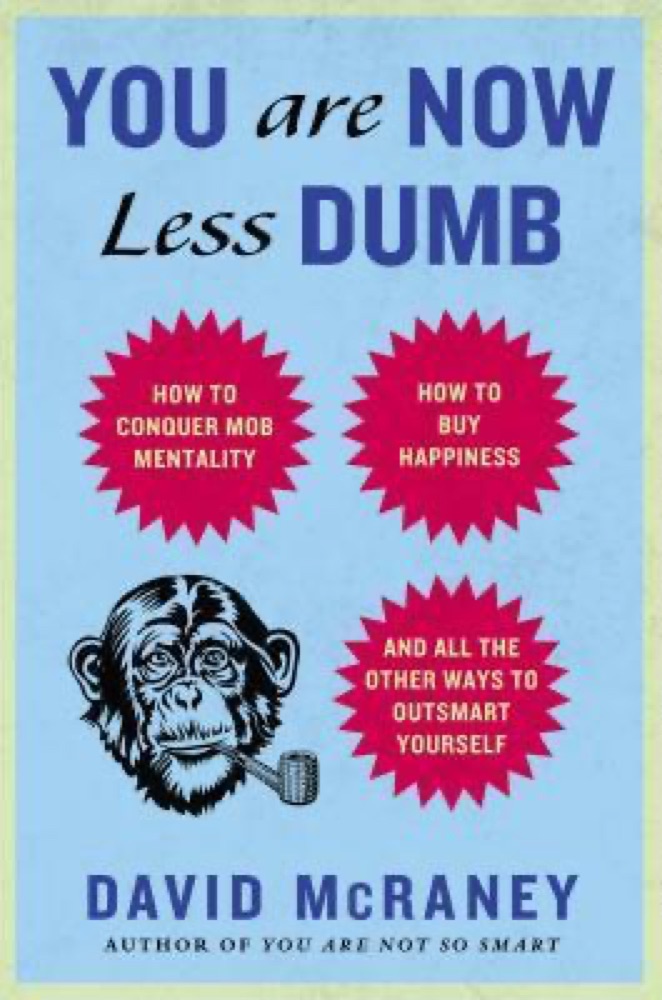 You Are Now Less Dumb: How to Conquer Mob Mentality, How to Buy Happiness, and All the Other Ways to Outsmart Yourself
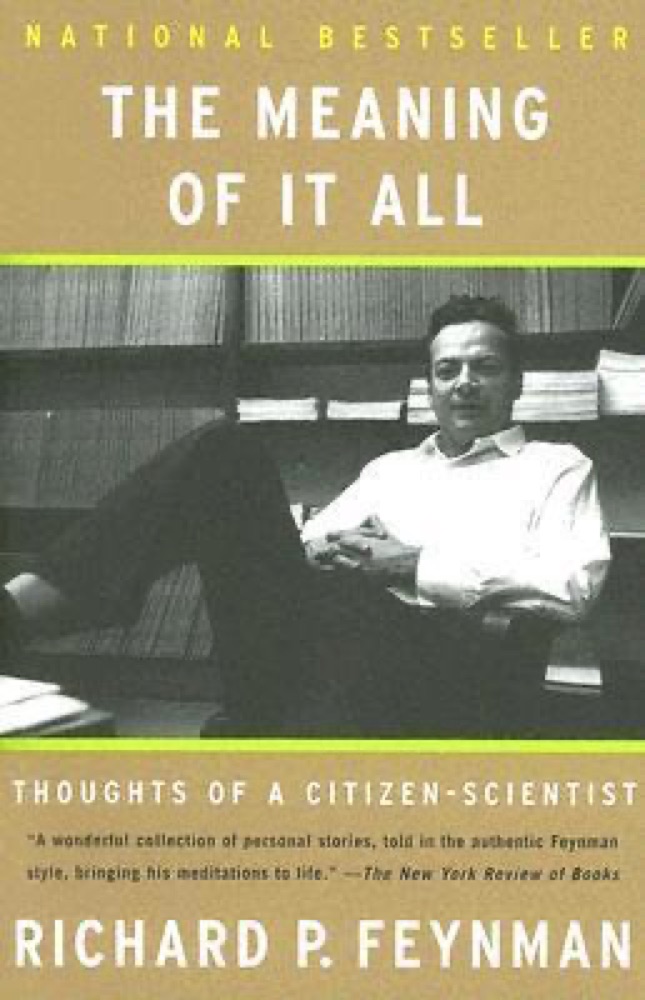 The Meaning of It All: Thoughts of a Citizen-Scientist
 The Structure of Scientific Revolutions
 An Enquiry Concerning Human Understanding
 Mistakes Were Made (But Not by Me): Why We Justify Foolish Beliefs, Bad Decisions, and Hurtful Acts
 How to Lie with Statistics
 Black Box Thinking: Why Some People Never Learn from Their Mistakes - But Some Do
 The Grand Design
 From Eternity to Here: The Quest for the Ultimate Theory of Time
 Antifragile: Things That Gain from Disorder
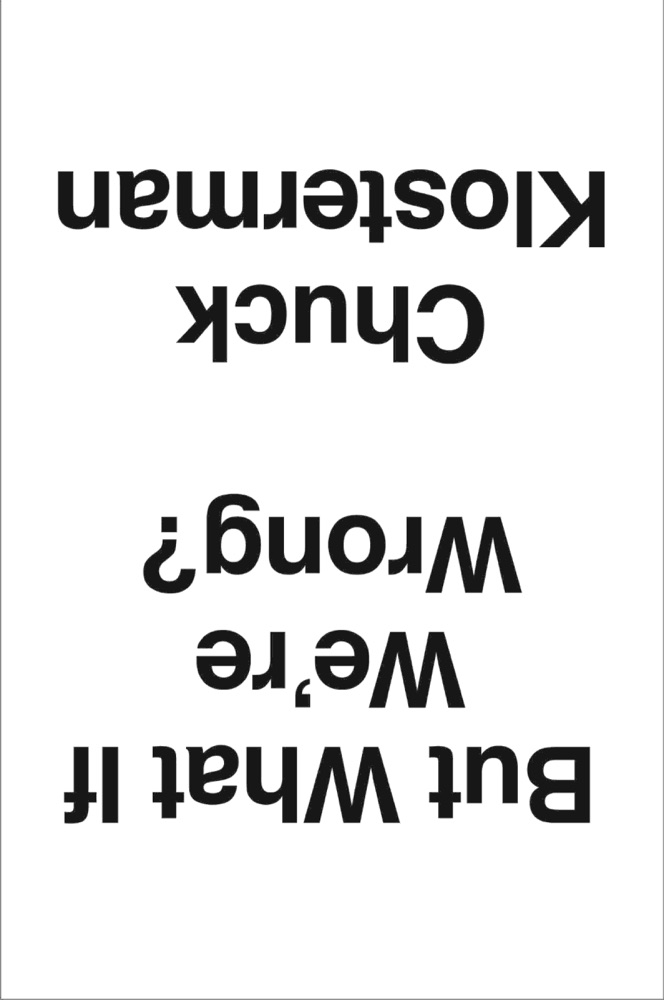 But What If We're Wrong? Thinking About the Present As If It Were the Past
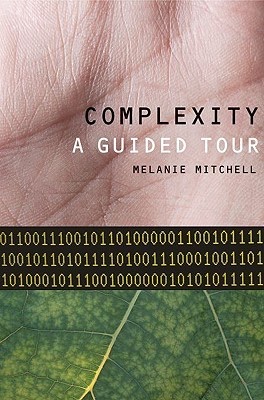 Complexity: A Guided Tour
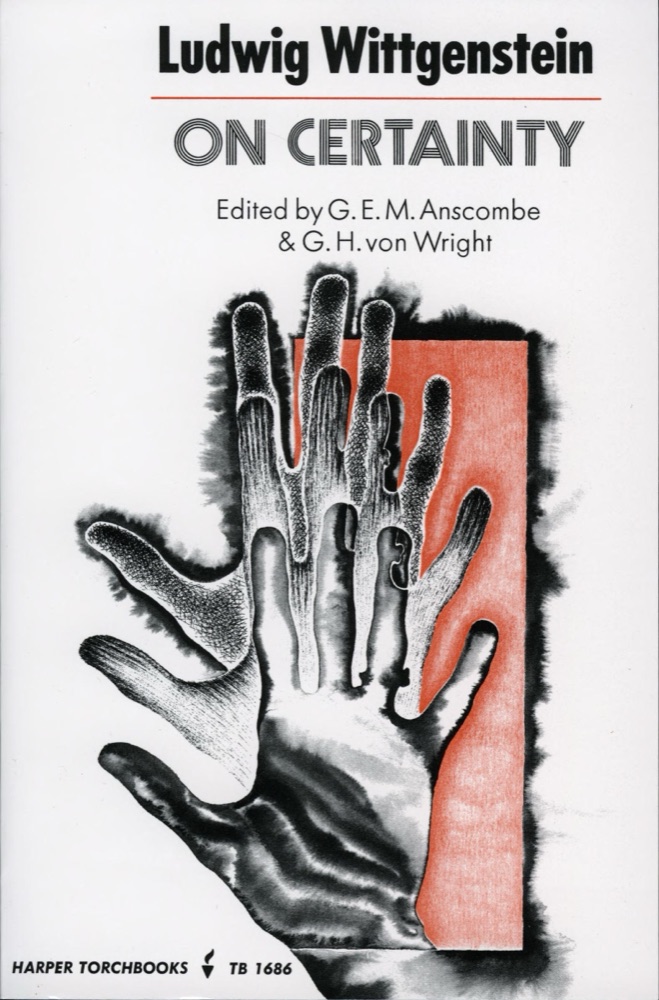 On Certainty
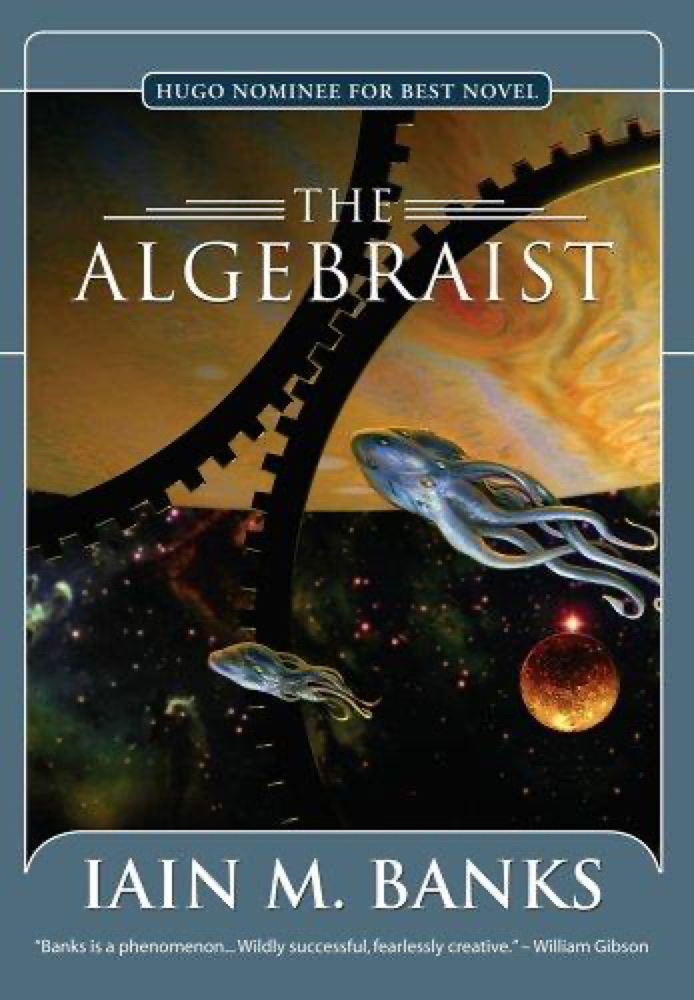 The Algebraist
 Eating the Dinosaur
 Freakonomics: A Rogue Economist Explores the Hidden Side of Everything
 Think Like a Rocket Scientist: Simple Strategies You Can Use to Make Giant Leaps in Work and Life
 The Big Picture: On the Origins of Life, Meaning, and the Universe Itself
 Quicksilver
 The Da Vinci Code
 Think: A Compelling Introduction to Philosophy
 Influence: The Psychology of Persuasion
 VALIS
VALIS
 The Fabric of the Cosmos: Space, Time, and the Texture of Reality
 Small Gods
 Echopraxia
 The Mismeasure of Man
 Philosophical Dictionary
 Shape: The Hidden Geometry of Information, Biology, Strategy, Democracy, and EverythingElse
 Mostly Harmless
 Parasite