

 Lois & Clark: A Superman Novel
Quotes from the Book
One tribe moves out and one tribe stays. History broadens, and philosophy shifts, develops a rift, splits one population from the other . . . and a schism happens, minor or major. It’s the way humankind has always proliferated. We go over the next hill, live a few hundred years, change our languages to accommodate things we never saw before—and before we know it, our cousins think we have an accent. Or we think they have a strange attitude. And we don’t really understand our cousins any longer.
What the visual media could not carry into living rooms, the general public could not long remain exercised about. Statistically, a majority of the electorate could not or did not read complicated issues; no pictures, no news; no news, no event; no great sympathy on the part of the public nor sustained interest from the media: safe politics for the Company.
A bizarre hysteria, perhaps, that point which many reached here, when anger was all that mattered. It led to self-destruction.
Their minds were geared to the old problems and to their own problems and their own politics.
It was a scientific success, bringing back data enough to keep the analysts busy for years… but there was no glib, slick way to explain the full meaning of its observations in layman’s terms. In public relations the mission was a failure; the public, seeking to understand on their own terms, looked for material benefit, treasure, riches, dramatic findings.
Watch on YouTube
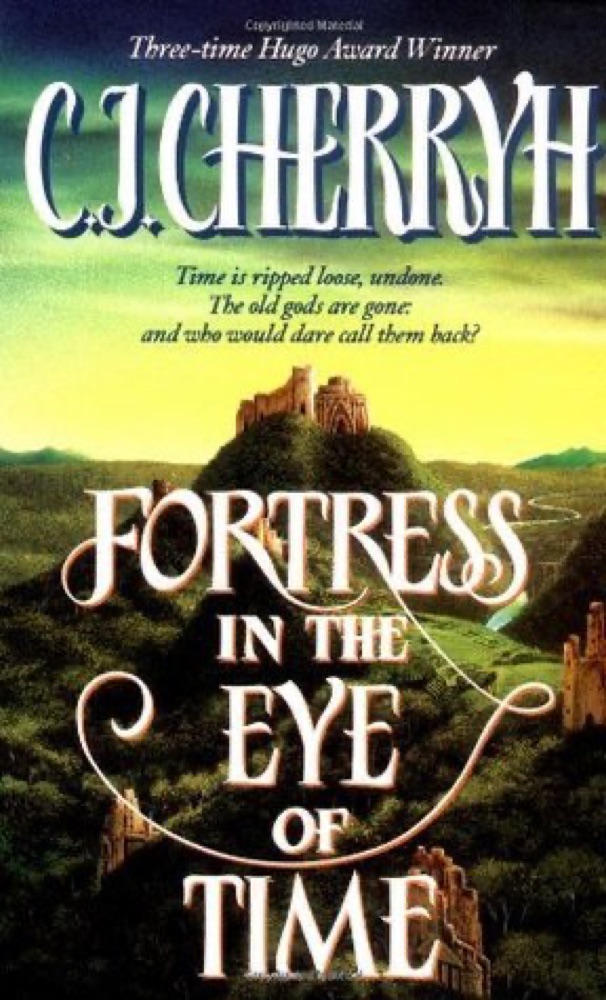
About C.J. Cherryh
We have collected 28 quotes from 5 books by C.J. Cherryh on BookQuoters.
More about the author →More by C.J. Cherryh


Book details
- Author
- C.J. Cherryh
- Genre
- Fiction
- Goodreads rating
- 3.90 (17k ratings) →
Keep reading
 Fall; or, Dodge in Hell
 Red Mars
 Consider Phlebas
 Green Mars
 What's Left?
 The Kraken Wakes
 Babylon's Ashes
 The State of the Art
 The Fall of Babel
 The Shockwave Rider
 Galápagos
 The Audacity of Hope: Thoughts on Reclaiming the American Dream
 The Strange Death of Europe: Immigration, Identity, Islam
 Prelude to Foundation
 Reamde
 Ill Fares the Land
 Blue Mars
 The Noise of Time
 Pandora's Star
 Walden Two
 Songs of Distant Earth
 Redemption Ark
 No One Is Talking About This
 Collapse: How Societies Choose to Fail or Succeed
 State of Fear
 The Alienist
 That Hideous Strength
 The Invisible Bridge: The Fall of Nixon and the Rise of Reagan
 Devolution: A Firsthand Account of the Rainier Sasquatch Massacre
 The Day of the Scorpion
 The Mandibles: A Family, 2029–2047
 The Book That Broke the World
 Solar
Solar
 The Jewel in the Crown
 The Diamond Age
 Genesis
 The Long Way to a Small, Angry Planet
 Independent Study
 Underground: The Tokyo Gas Attack and the Japanese Psyche
 So Far Gone
 Hocus Pocus
 Birnam Wood
 The Peripheral
 V.
V.
 Against the Day
 The Dosadi Experiment
 What's Our Problem?: A Self-Help Book for Societies
 The Story of the Lost Child
 White Noise
 The Lives of Others
 Creation Lake
 Influx
 Radio Free Albemuth
 Tiamat's Wrath
 Maelstrom
 The Sympathizer
 The Madness of Crowds
 Dust
Dust
 Little Monsters
 Second Foundation