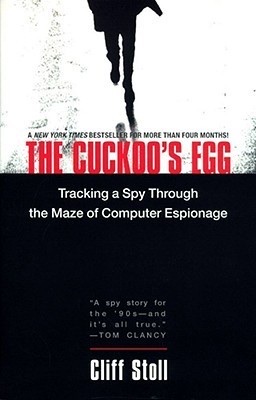

 Holy Bible: ESV Bible
Quotes from the Book
Of course. NSA is rumored to tape record every transatlantic telephone conversation. Maybe they’d recorded this session.
VI was predecessor to hundreds of word processing systems. By now, Unix folks see it as a bit stodgy—it hasn’t the versatility of Gnu-Emacs, nor the friendliness of more modern editors. Despite that, VI shows up on every Unix system.
Cliff, I’d like to take over, but our charter prevents it. NSA can’t engage in domestic monitoring, even if we’re asked. That’s prison term stuff.
Over the past decade Stallman created a powerful editing program called Gnu-Emacs. But Gnu’s much more than just a text editor. It’s easy to customize to your personal preferences. It’s a foundation upon which other programs can be built. It even has its own mail facility built in. Naturally, our physicists demanded Gnu; with an eye to selling more computing cycles, we installed it happily.
So what? Somebody’s always had control over information, and others have always tried to steal it. Read Machiavelli. As technology changes, sneakiness finds new expressions.” Martha
Ich langte in meine Tasche nach einem Milky Way - was sonst für einen Astronomen - und machte es mir bequem, um den Hacker auf meinem grünen Monitor zu beobachten.
Watch on YouTube
About Unknown
We have collected 3744 quotes from 245 books by Unknown on BookQuoters.
More about the author →More by Unknown
Holy Bible: ESV Bible
 Holy Bible, NKJV
 The New Oxford Annotated Bible: New Revised Standard Version
 Hagakure: The Book of the Samurai
Book details
- Author
- Unknown
- Genre
- History
- Goodreads rating
- 4.28 (16k ratings) →
Keep reading
 In the Beginning...Was the Command Line
 The Snowden Files: The Inside Story of the World's Most Wanted Man
 Permanent Record
 This Alien Shore
 The Code Book: The Science of Secrecy from Ancient Egypt to Quantum Cryptography
 Hackers: Heroes of the Computer Revolution
 The Rise and Fall of D.O.D.O.
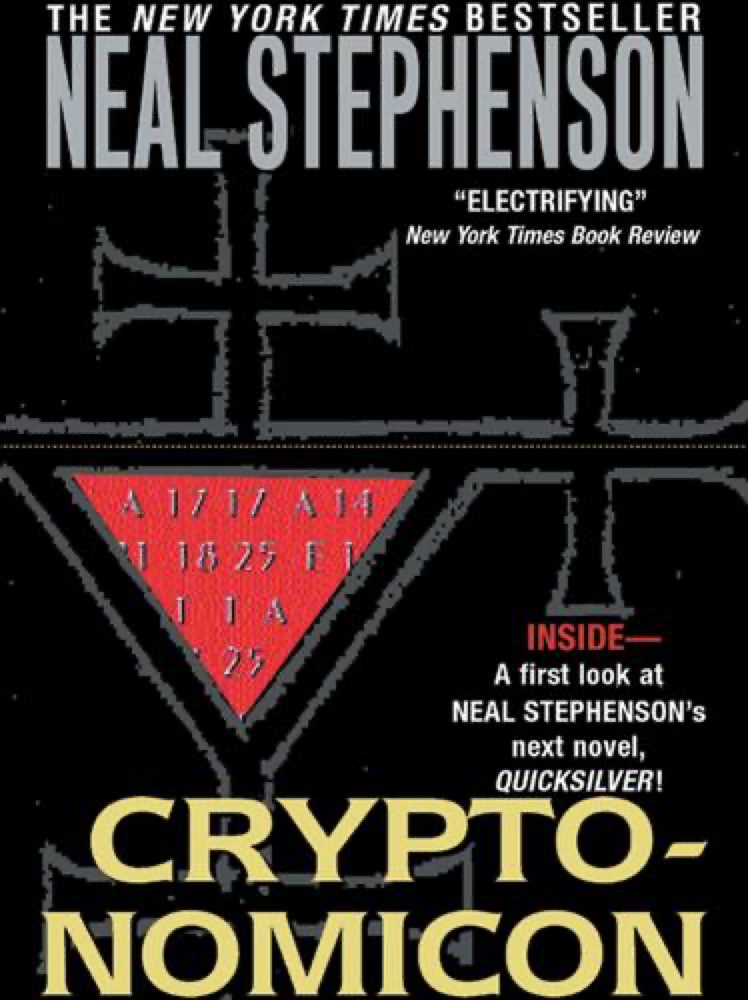 Cryptonomicon
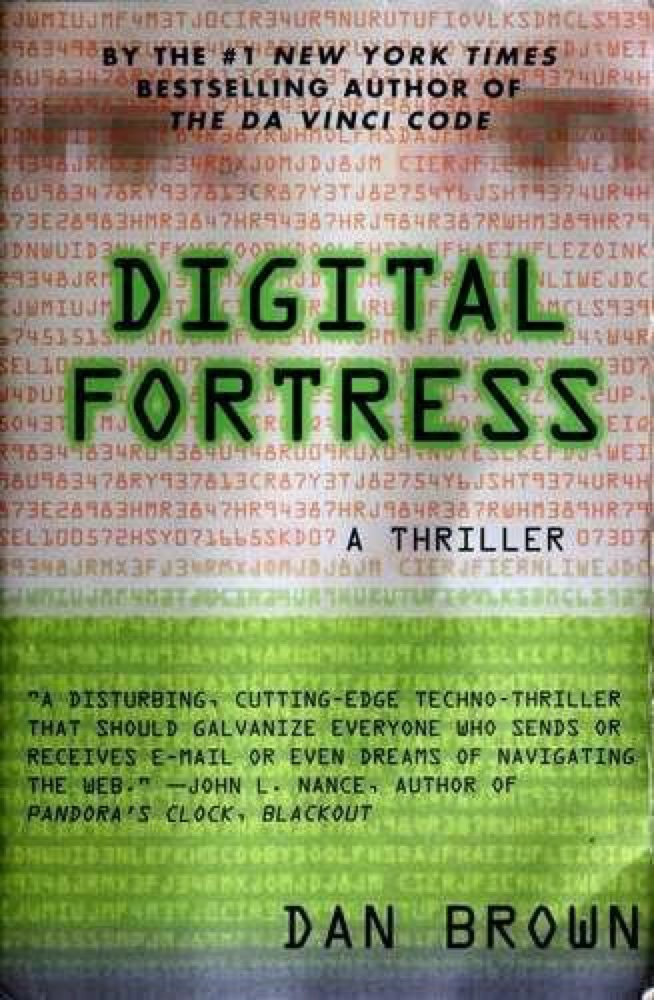 Digital Fortress
 Distrust That Particular Flavor
 Little Brother
 Next
Next
 Ripple
 CryoBurn
 The Rhesus Chart
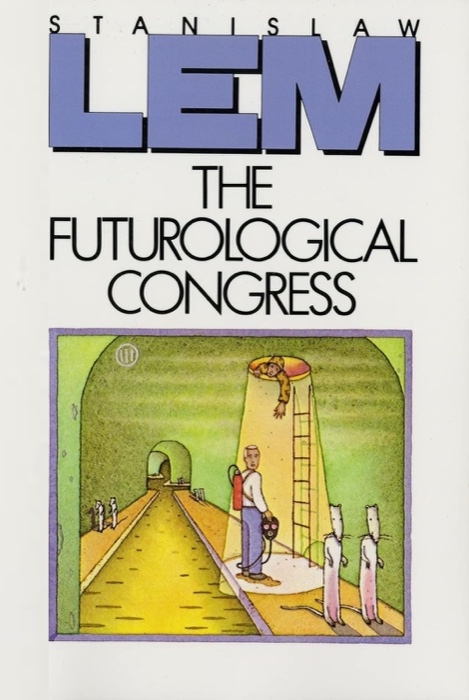 The Futurological Congress: From the Memoirs of Ijon Tichy
 Hackers & Painters: Big Ideas from the Computer Age
 The Pentagon's Brain
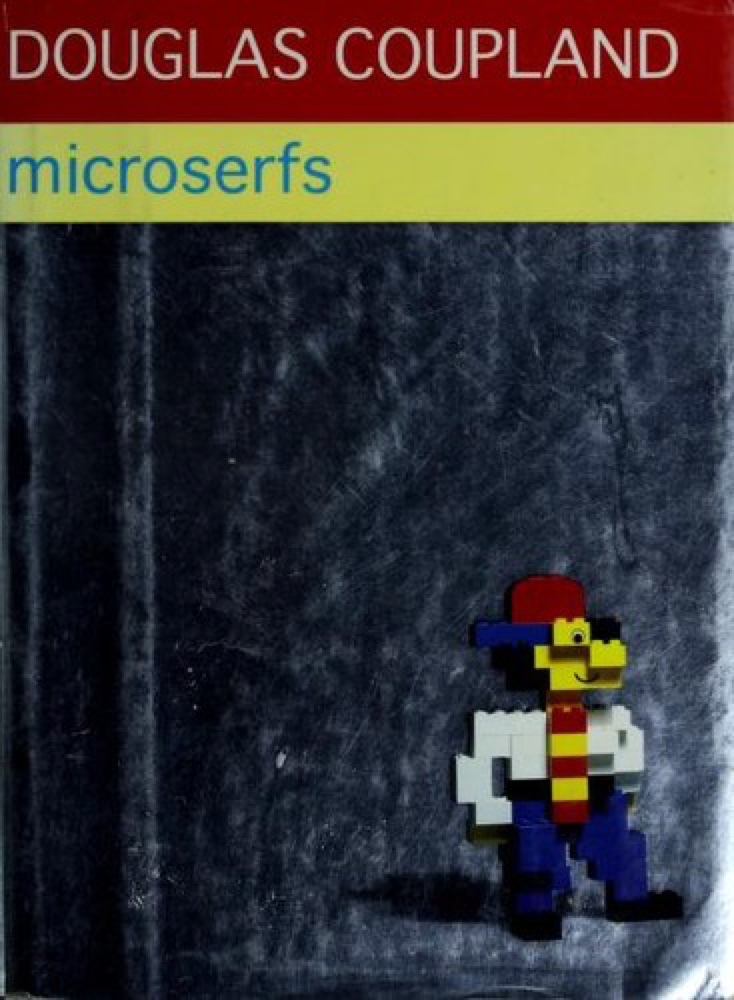 Microserfs
 Year Zero
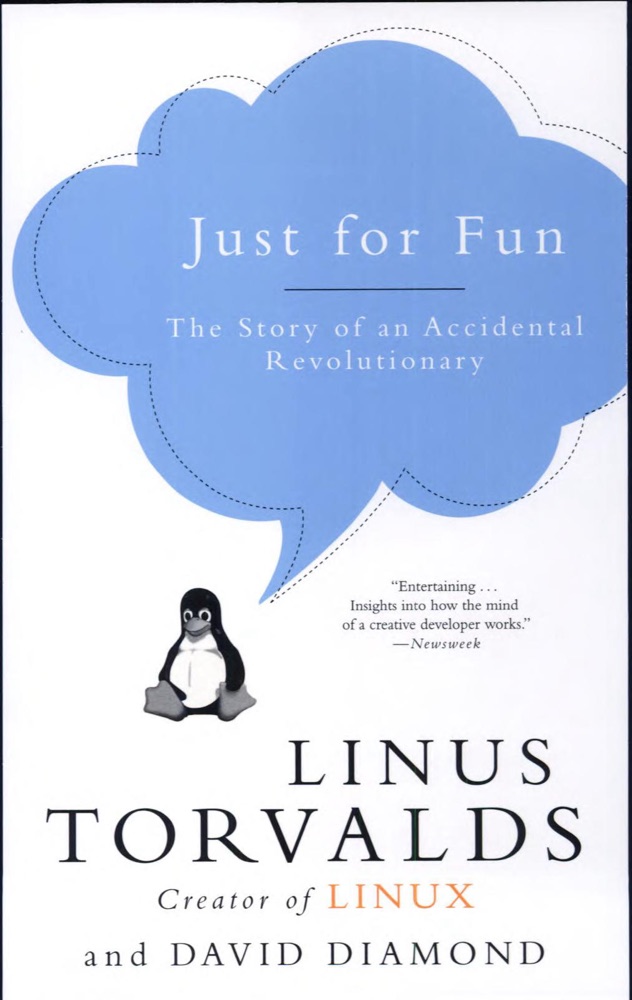 Just for Fun: The Story of an Accidental Revolutionary
 Radio Free Albemuth
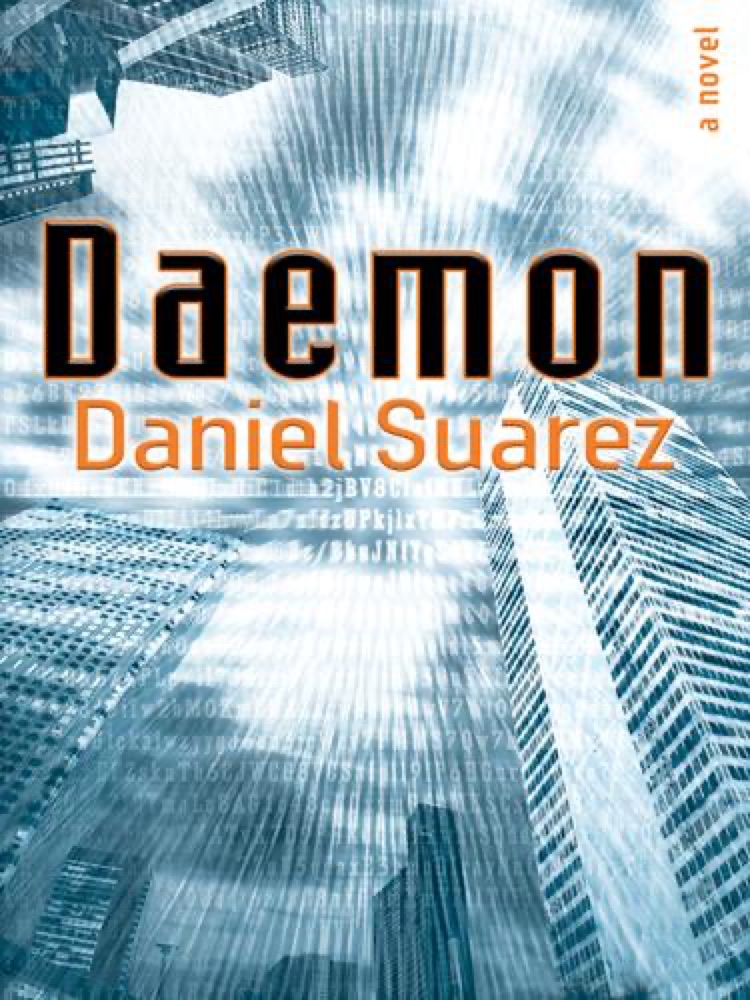 Daemon
 Homeland
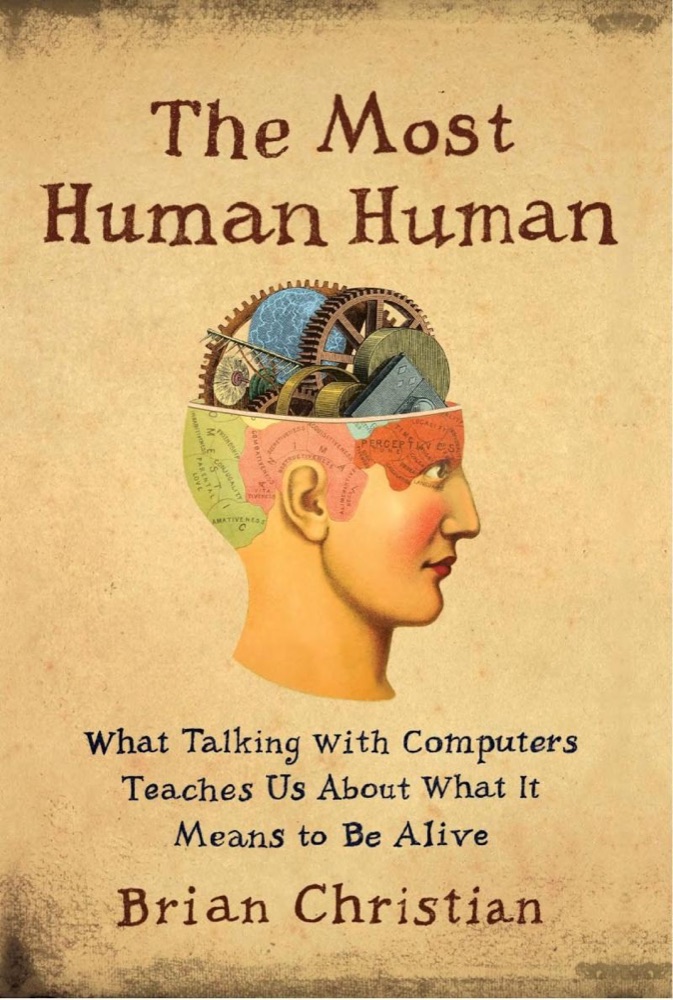 The Most Human Human: What Talking with Computers Teaches Us About What It Means to Be Alive
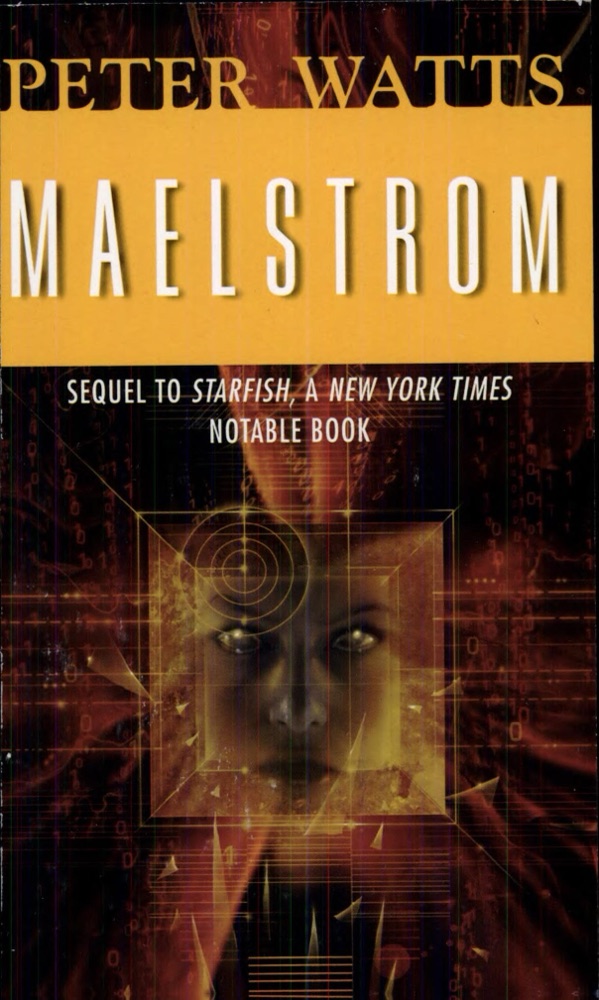 Maelstrom
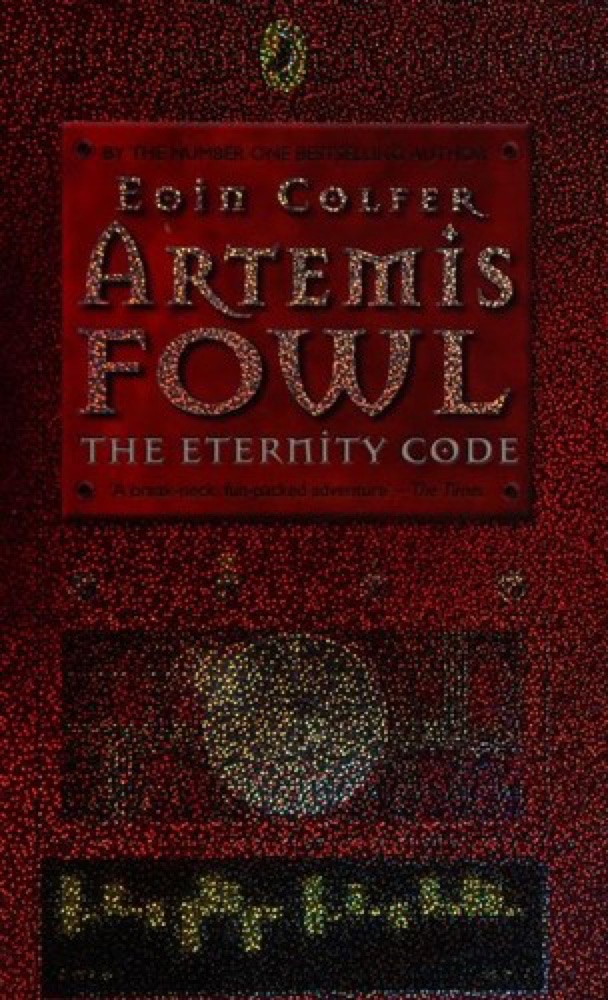 The Eternity Code
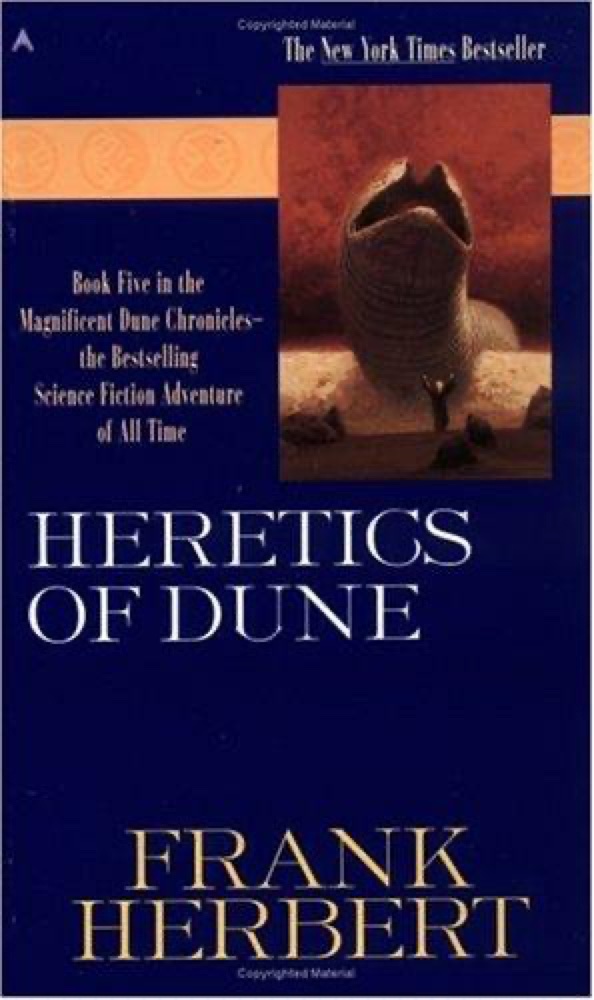 Heretics of Dune
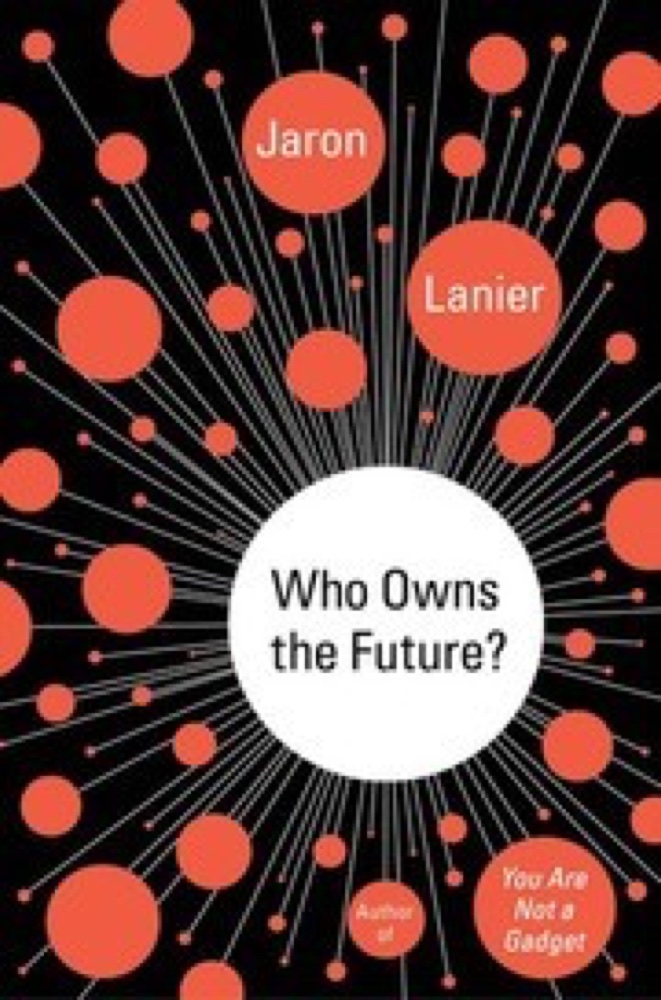 Who Owns the Future?
 The Number of the Beast
 The Girl in the Spider's Web
 Lexicon
 You Are Not a Gadget
 Libra
Libra
 The Filter Bubble: What the Internet is Hiding From You
 Humble Pi: A Comedy of Maths Errors
 Gnomon
 Makers
 The Mote in God's Eye
 Bleeding Edge
 The Woman Who Smashed Codes: A True Story of Love, Spies, and the Unlikely Heroine who Outwitted America's Enemies
 Red Russia
 The Second Ship
 The Ghost
 There Is No Antimemetics Division
 The Circle
 Dataclysm: Who We Are
 Friday
 Genome
 The Salmon of Doubt
 The Year of Secret Assignments
 Service Model
 Judas Unchained
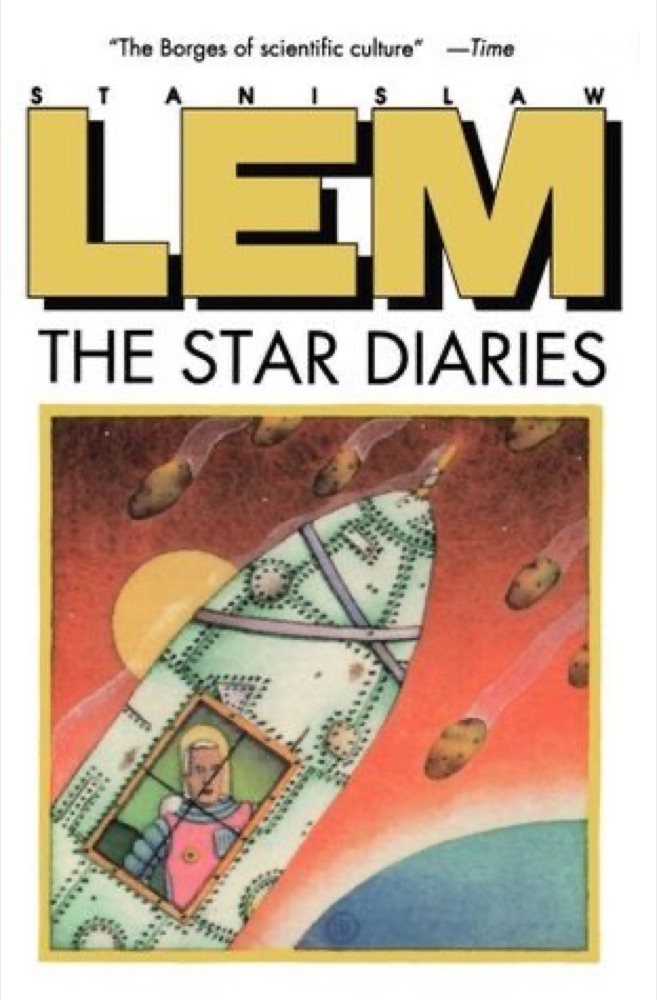 The Star Diaries
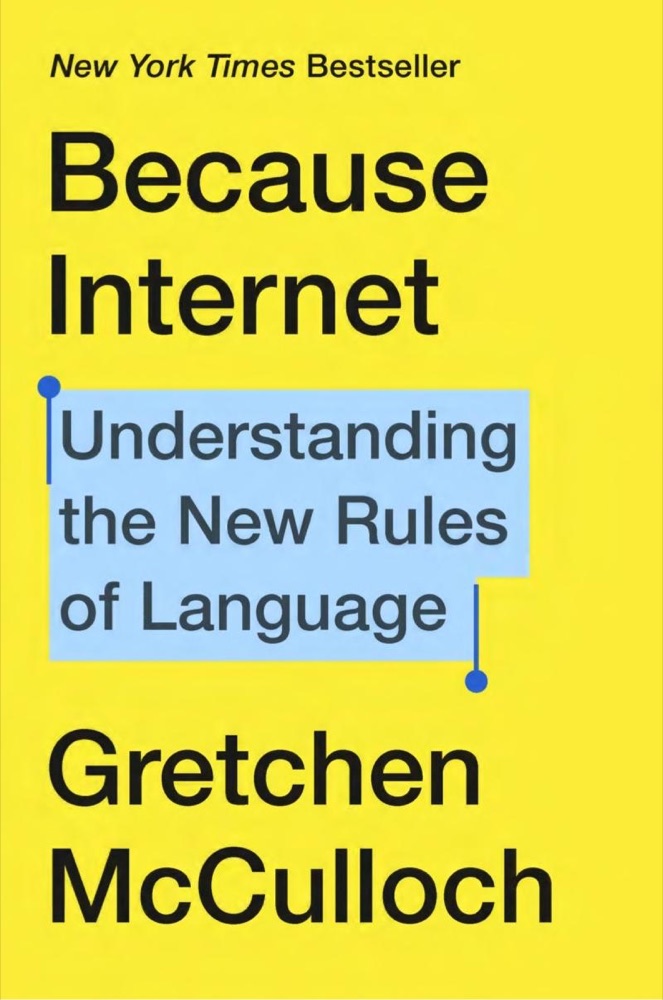 Because Internet: Understanding the New Rules of Language
 Ancestral Night
 The Know-It-All
 NGLND XPX
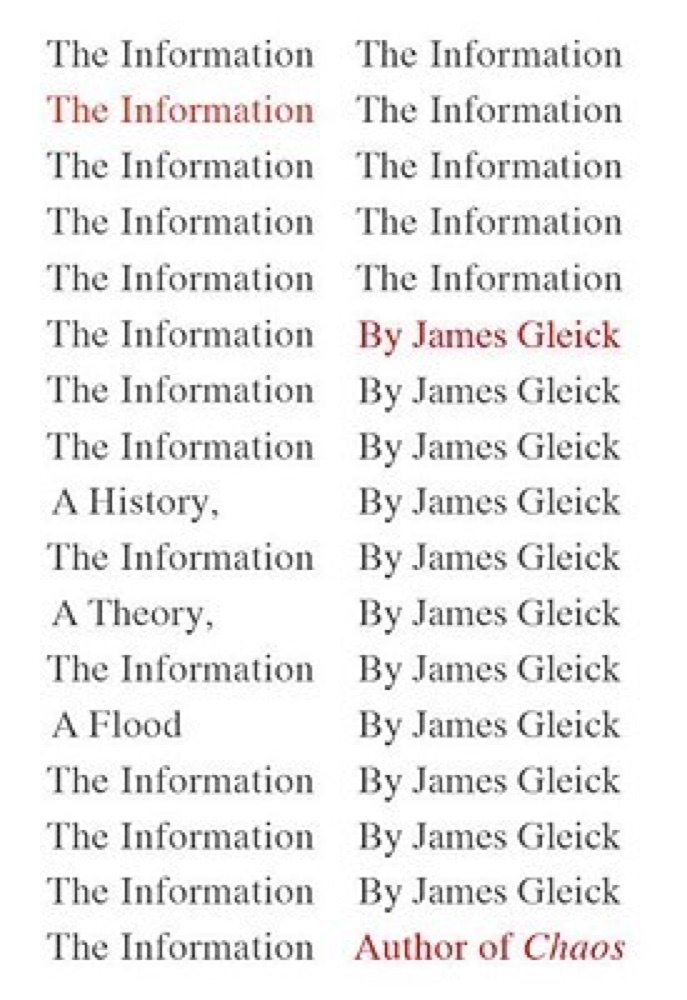 The Information: A History, a Theory, a Flood
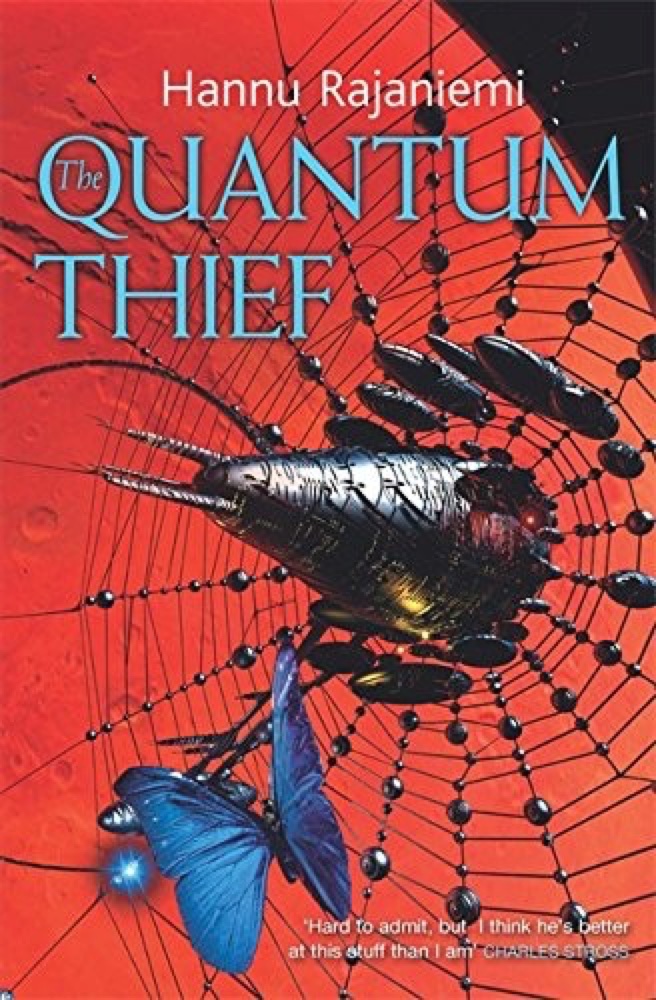 The Quantum Thief