
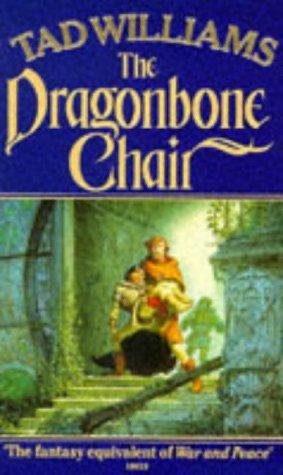
 The Dragonbone Chair
Quotes from the Book
A man who will not listen carefully to advice honestly given is a fool. Of course, a man who blindly takes any advice he receives is a bigger fool.
Even the king's Erkynguard might have wished to be elsewhere, rather than here on this killing ground where duty brought them and loyalty prisoned them. Only the mercenaries were here by choice. To Simon, the minds of men who would come to this of their own will were suddenly as incomprehensible as the thoughts of spiders or lizards—less so, even, for the small creatures of the earth almost always fled from danger. These were madmen, Simon realized, and that was the direst problem of the world: that madmen should be strong and unafraid, so that they could force their will on the weak and peace-loving. If God allowed such madness to be, Simon could not help thinking, then He was an old god who had lost His grip.
Fight and live, fight and die, God waits for all.
Good stories will tell you that facing the lie is the worst terror of all. And there is no talisman or magic sword that is half so potent a weapon as truth
To fight a war, you must believe it can accomplish something. We fight this one to save John’s kingdom, or perhaps even to save all of mankind... but isn’t that what we always think? That all wars are useless—except the one we’re fighting now?
Thank you for your news, Princess. It is none of it happy, but only a fool desires cheerful ignorance and I try not to be a fool. That is my heaviest burden.
He shouldn't have had to die." "Nobody should have to die," Miriamele said slowly. "Especially while they're still alive.
Welcome, Simon, to the world of those who are every day condemned to thinking and wondering and never ever knowing with certainness.
Of all the songs we Zida'ya sing," she (Aditu) murmured, "the closest to our hearts are those which tell of things lost." "Perhaps that is because none of us can show something's value until it is gone," said Josua.
But a mouse can be brave. Small as they are, though, they learn it is wiser not to challenge the cat.
And you, a king’s daughter, who willingly gave herself to me—who brought me to her bed? Are you so high and pure?” She
These were madmen, Simon realized, and that was the direst problem of the world: that madmen should be strong and unafraid, so that they, could force their will on the weak and peace-loving.
That is what I hate about ruling and royalty, Simon. It is living, breathing people with whom a prince plays the games of statecraft.
Why is it that men think they are brave and women are weak? Women see more blood and pain than men ever do, unless men are fighting - and that is foolish blood.
Watch on YouTube
About Tad Williams
We have collected 168 quotes from 13 books by Tad Williams on BookQuoters.
More about the author →More by Tad Williams
All books by Tad Williams →


Book details
- Author
- Tad Williams
- Genre
- Fiction
- Goodreads rating
- 4.22 (58k ratings) →
Keep reading
 The Once and Future King
 Queen of Fire
 Dark Age
 The Broken Eye
 Prince of Thorns
 Before They Are Hanged
 The Fires of Heaven
 Half a King
 The Crippled God
 The Curse of Chalion
 The Invasion of the Tearling
 The Bonehunters
 Toll the Hounds
 The Burning White
 Prince of Fools
 The Trouble with Peace
 The Wise Man's Fear
 The Mirror & the Light
 Sunbringer
 Sword & Citadel
 Shōgun
 The Great Hunt
 Crooked Kingdom
 The High King
 The Last Hour of Gann
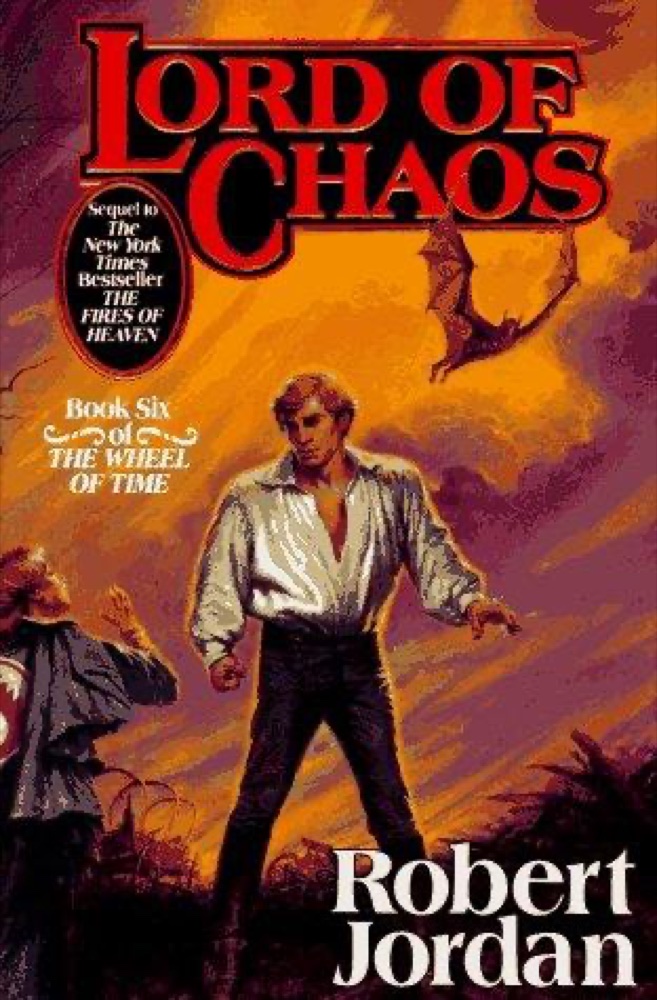 Lord of Chaos
 King of Thorns
 Black Leopard, Red Wolf
 Empire of the Vampire
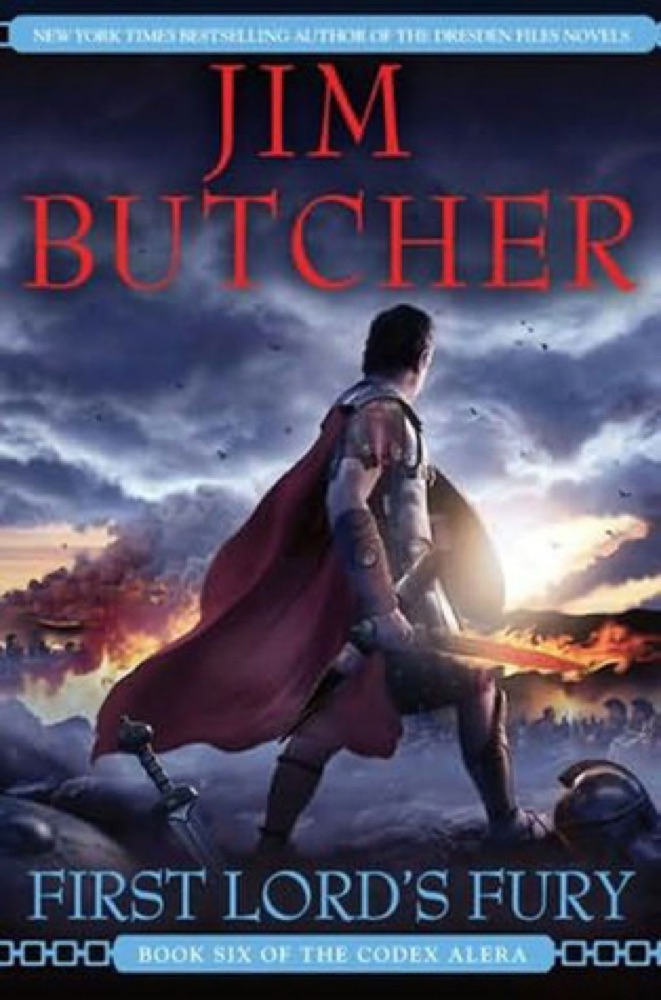 First Lord's Fury
 Fell
Fell
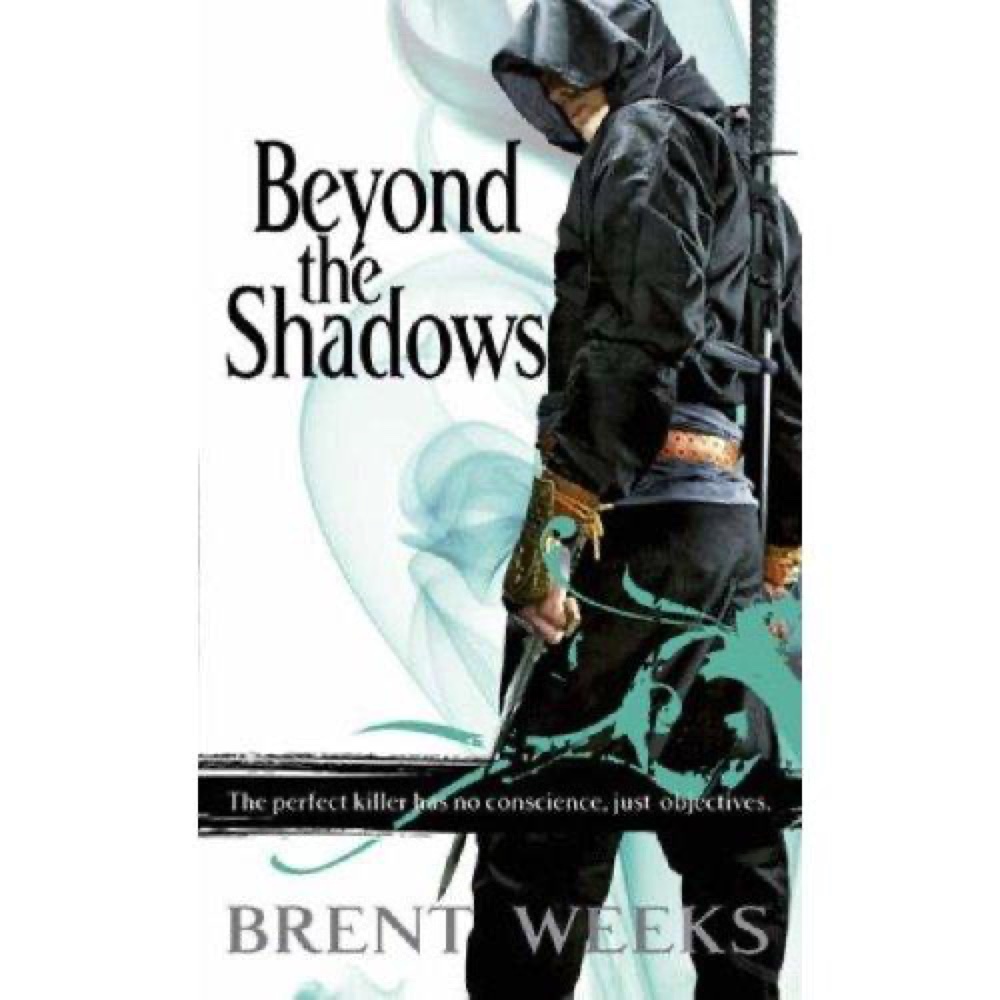 Beyond the Shadows
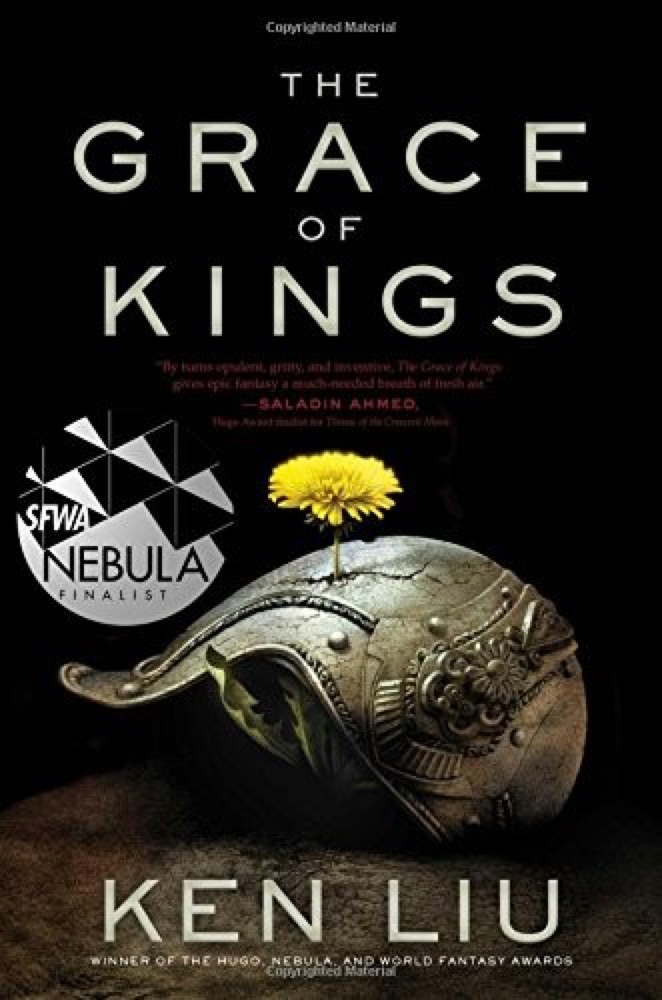 The Grace of Kings
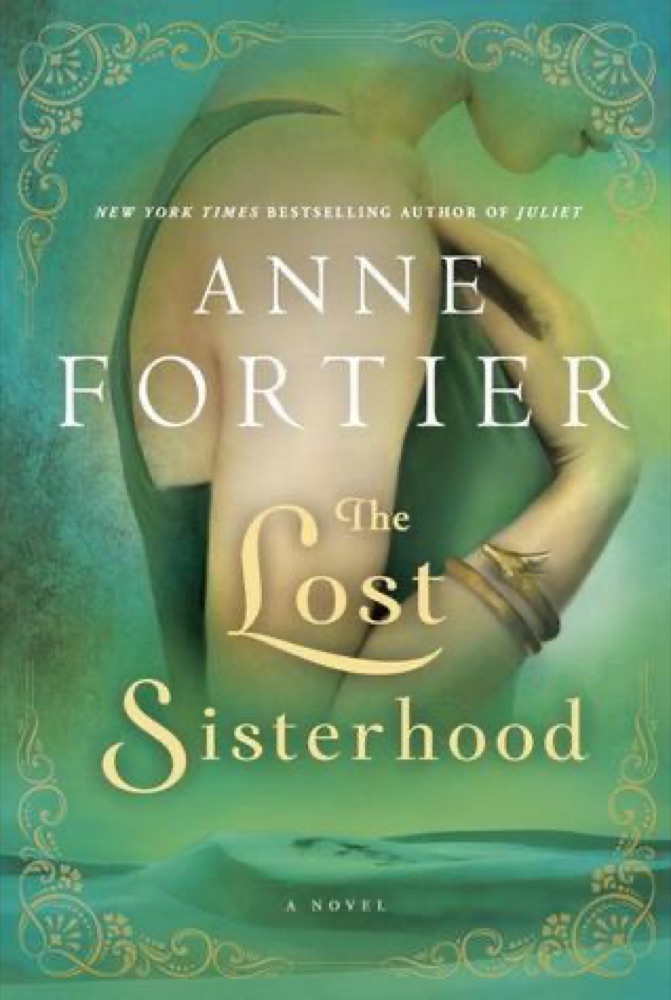 The Lost Sisterhood
 Dracula
 The White Queen
 The Constant Princess
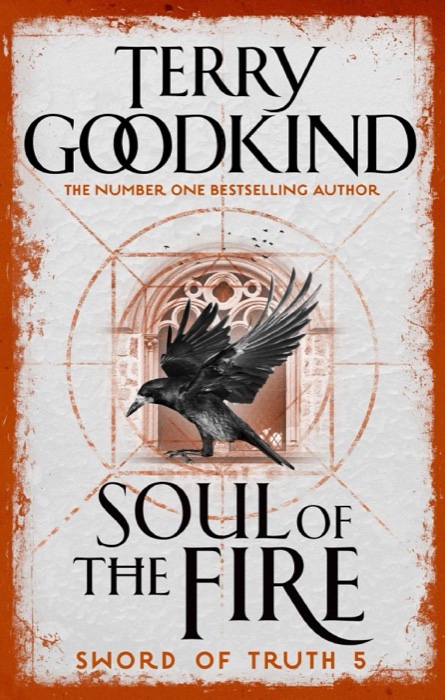 Soul of the Fire
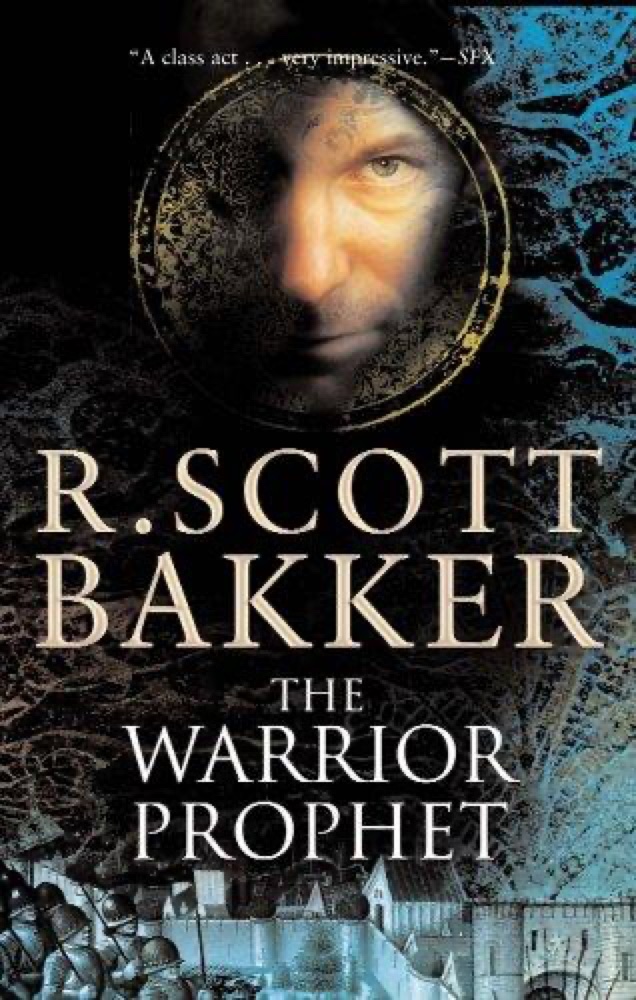 The Warrior Prophet
 The Warded Man
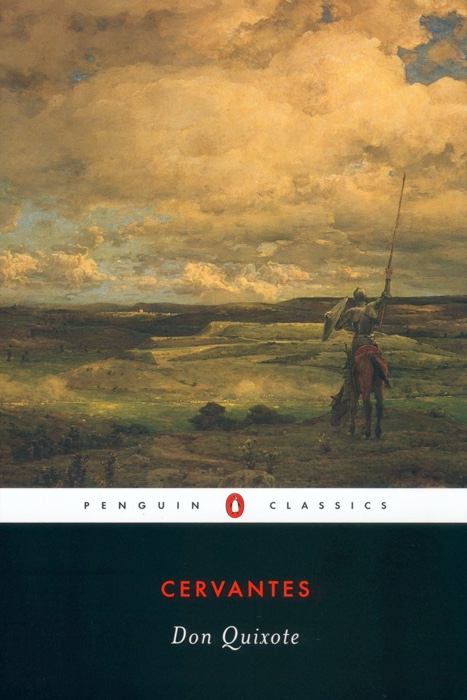 Don Quixote
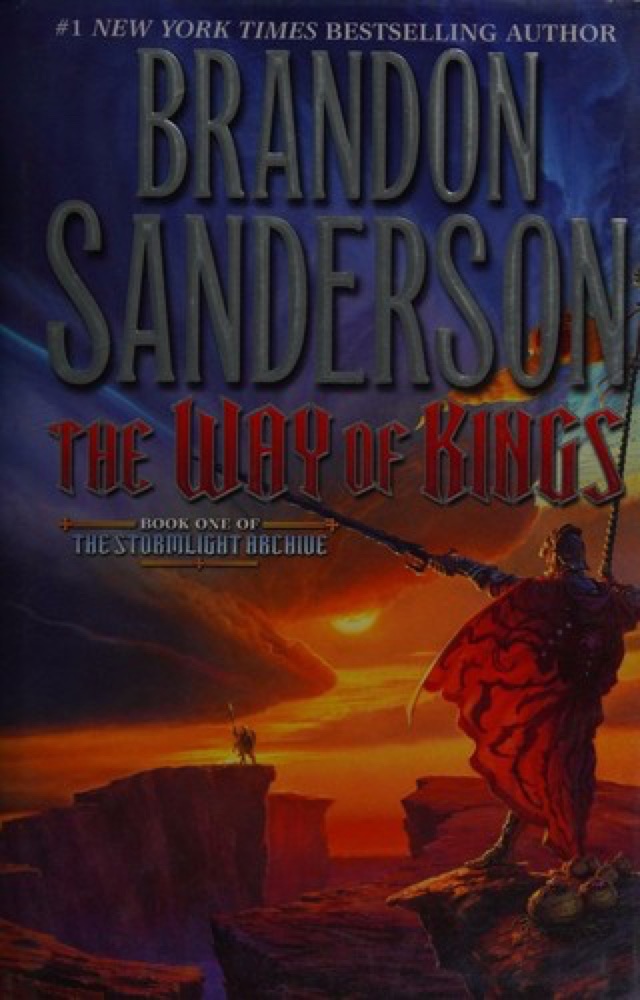 The Way of Kings
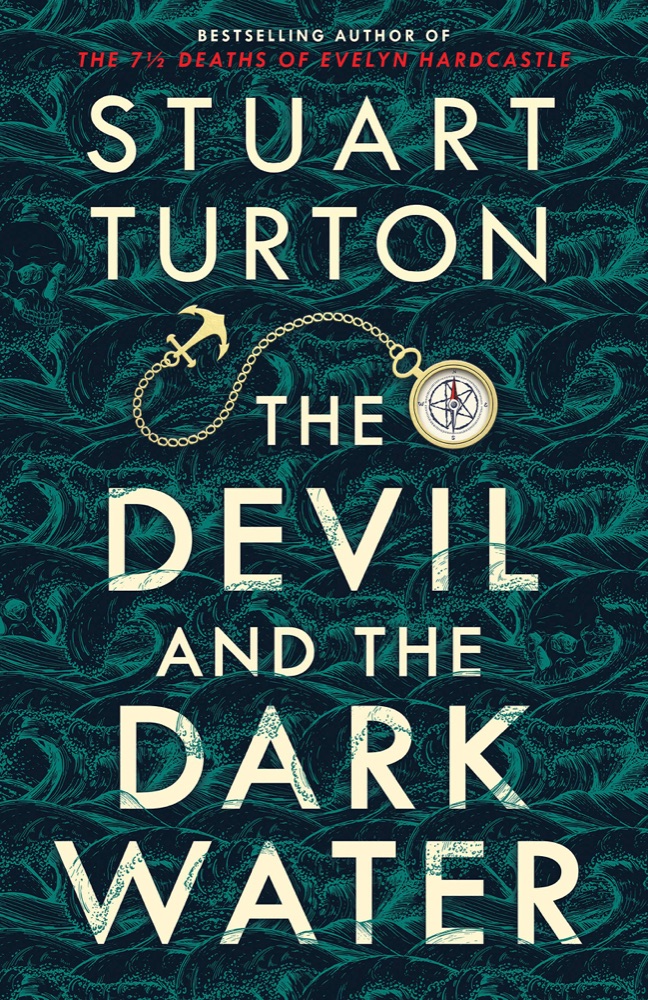 The Devil and the Dark Water
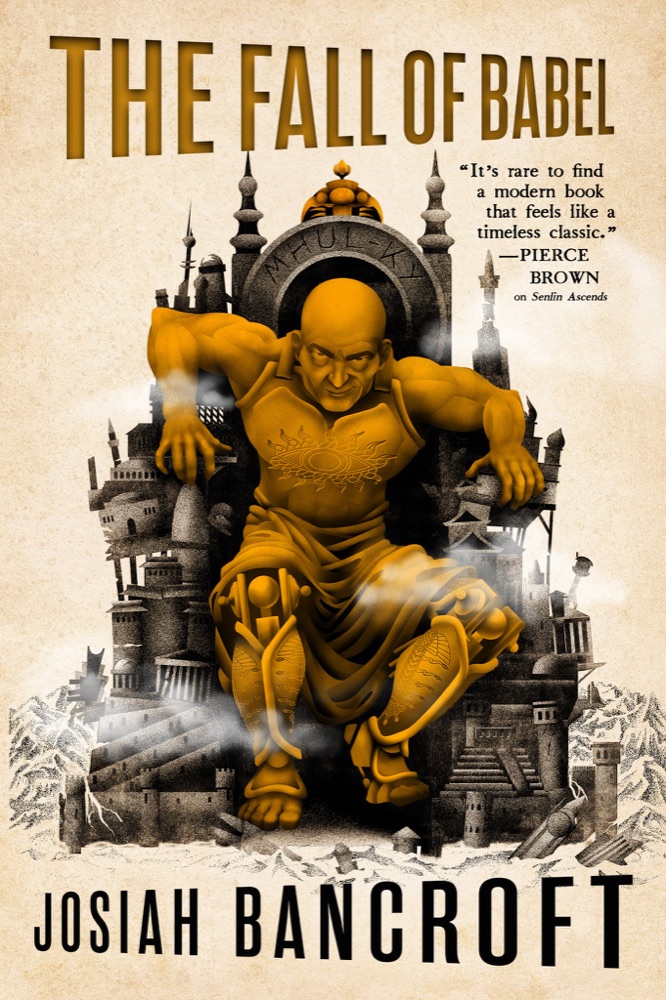 The Fall of Babel
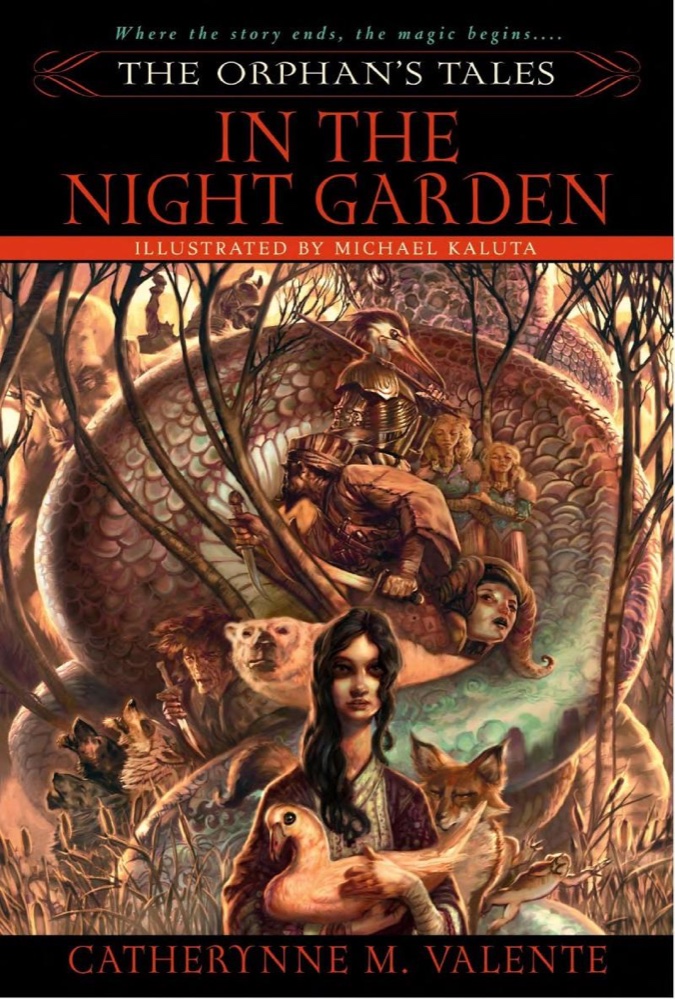 In the Night Garden
 His Dark Materials
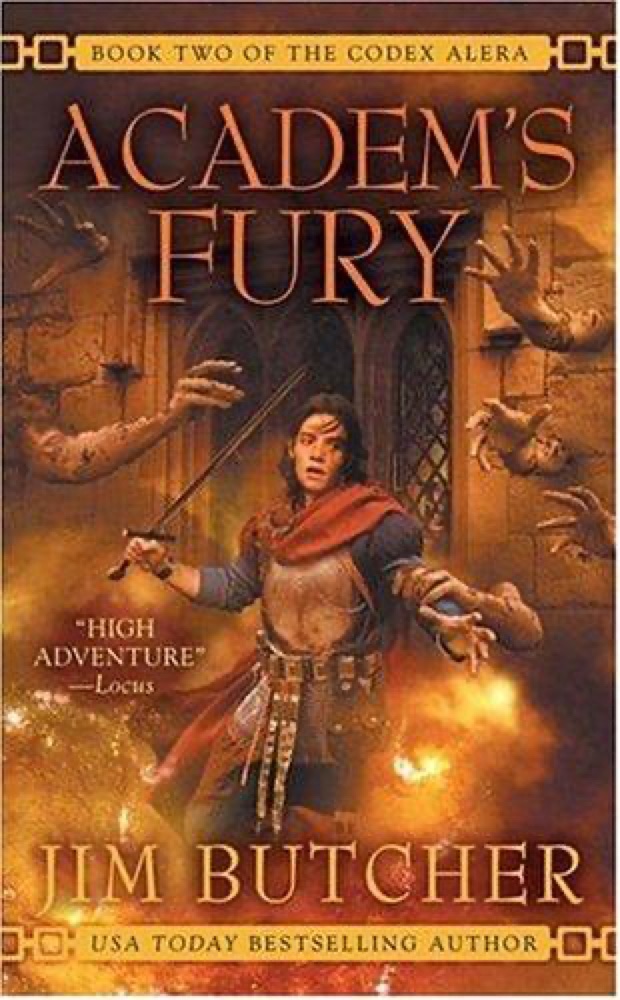 Academ's Fury
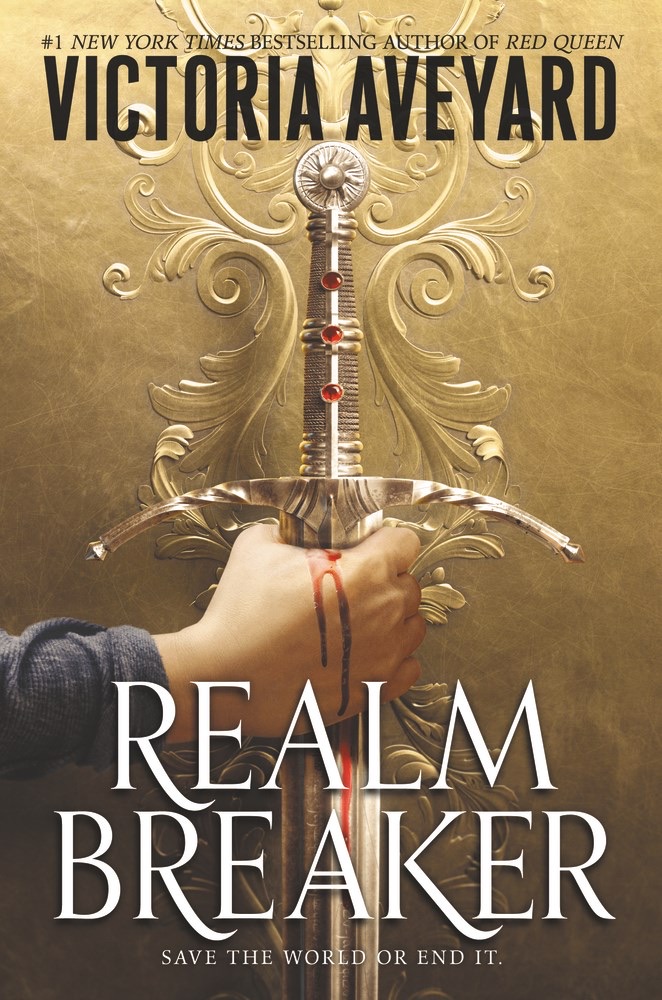 Realm Breaker
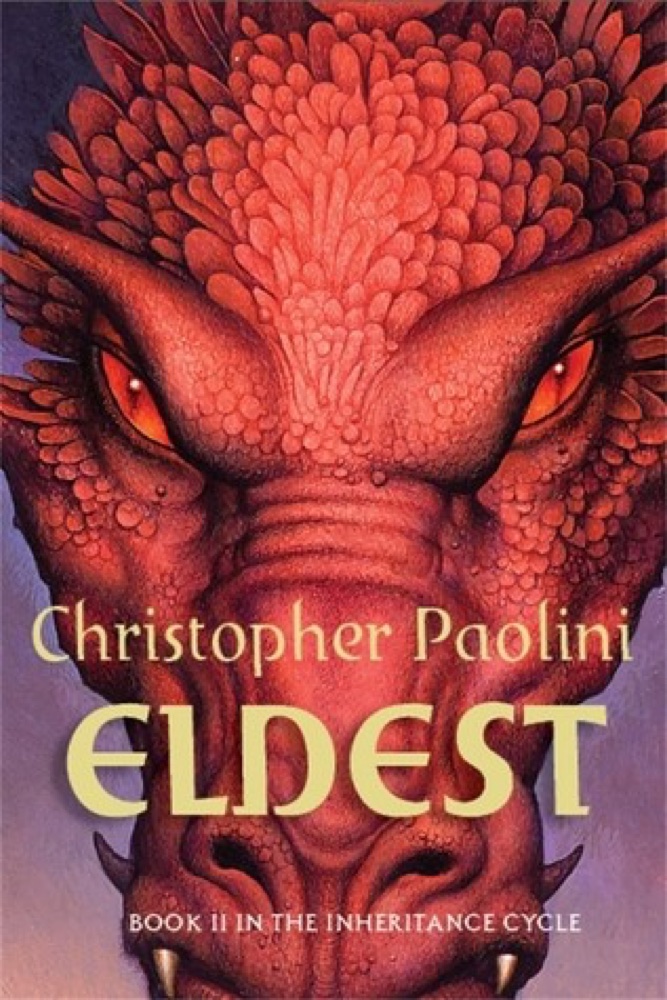 Eldest
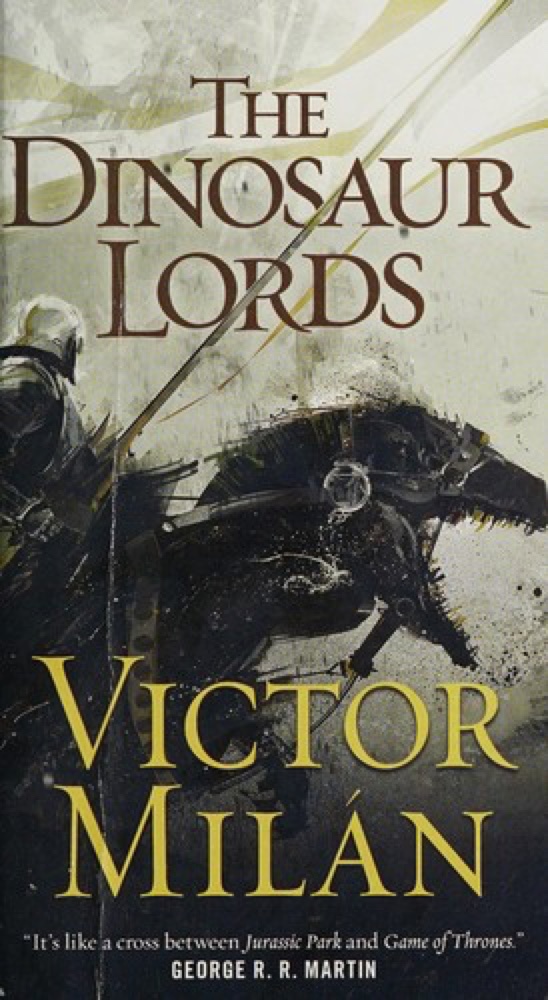 The Dinosaur Lords
 Spiderlight
 That Hideous Strength
 Assassin's Quest
 Eifelheim
 Paladin of Souls
 Bring Up the Bodies
 The Last Watch
 The Instructions
 The Claw of the Conciliator
 The Pale Horseman