
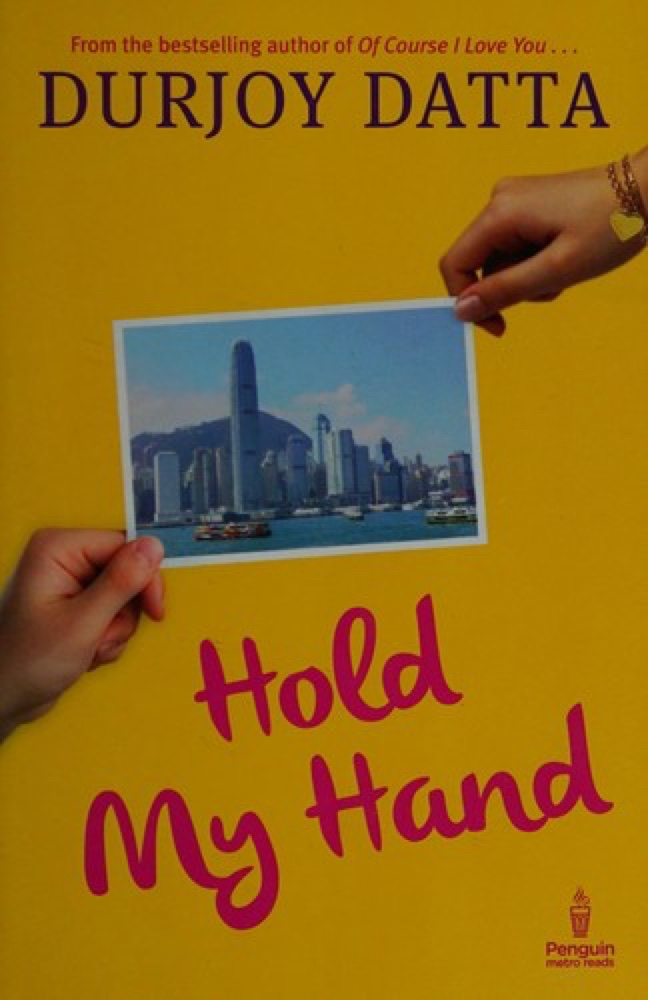
 Hold My Hand
Quotes from the Book
Avantika : I know you love me. Yes, you try to get me naked half of the time, but i love you for that too. you are my boyfriend and it's always great to have a boyfriend who gets turned on by a mere touch. Makes life a lot easier.
Caring about what others think is the biggest jail one can put oneself in.
Being loved and wanted is the most amazing feeling in the world... it's like a whole new experience.
When you're in love, it's meant for life, isn't it?
Avantika: 'Do I look happy when I am asleep?' Deb: 'Yes, you do.' Avantika: 'Then I'm sure I'm dreaming about you'... These little things are what make my life worth living.
Watch on YouTube
About Durjoy Datta
We have collected 21 quotes from 4 books by Durjoy Datta on BookQuoters.
More about the author →More by Durjoy Datta

Book details
- Author
- Durjoy Datta
- Genre
- Fiction
- Goodreads rating
- 3.65 (11k ratings) →
Keep reading
 The Love That Split the World
 Love Stories
 Love Walked in
 Juliet Immortal
 P.S. I Still Love You
 Mr. Maybe
 Attachments
 So Much More
 The Edge of Never
 Love Warps the Mind a Little
 Love the One You're With
 Sweet Thing
 How to Fall in Love
 Dear Dolly
 This Time It's Real
 Unteachable
 Instructions for Dancing
 Love, in English
 Second Chance Boyfriend
 Happy Place
 P.S. I Love You
 First Comes Love
 Every Day
 I Hope You Stay
 Ugly Love
 People We Meet on Vacation
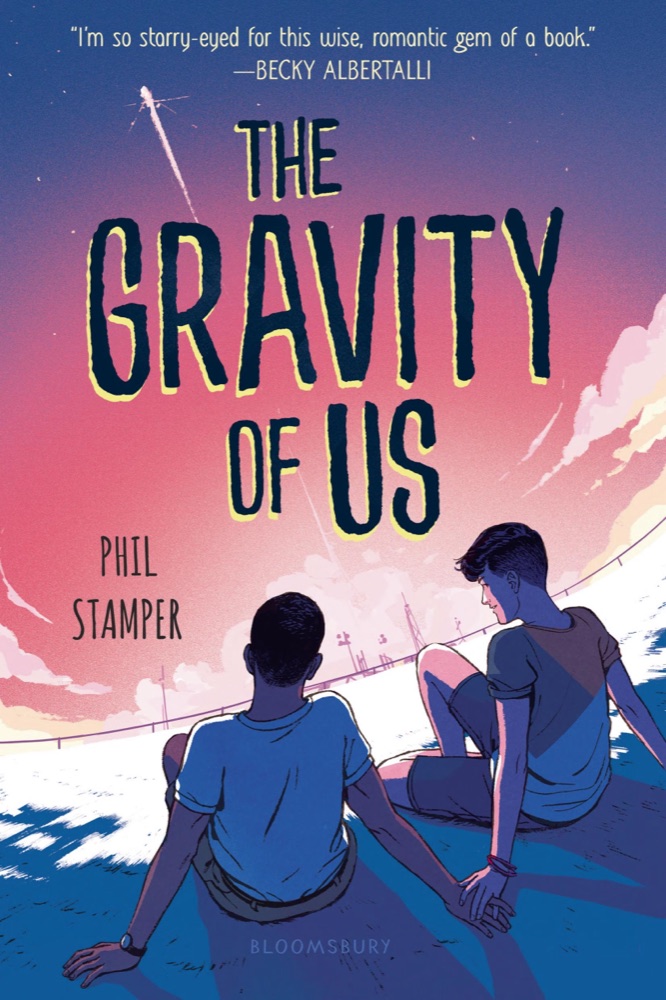 The Gravity of Us
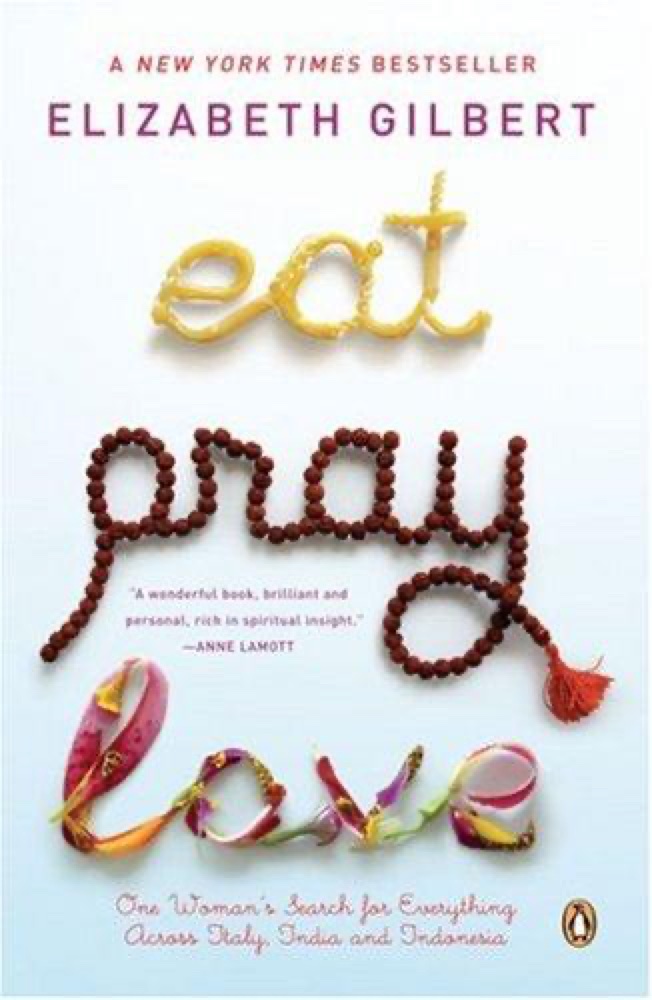 Eat, Pray, Love
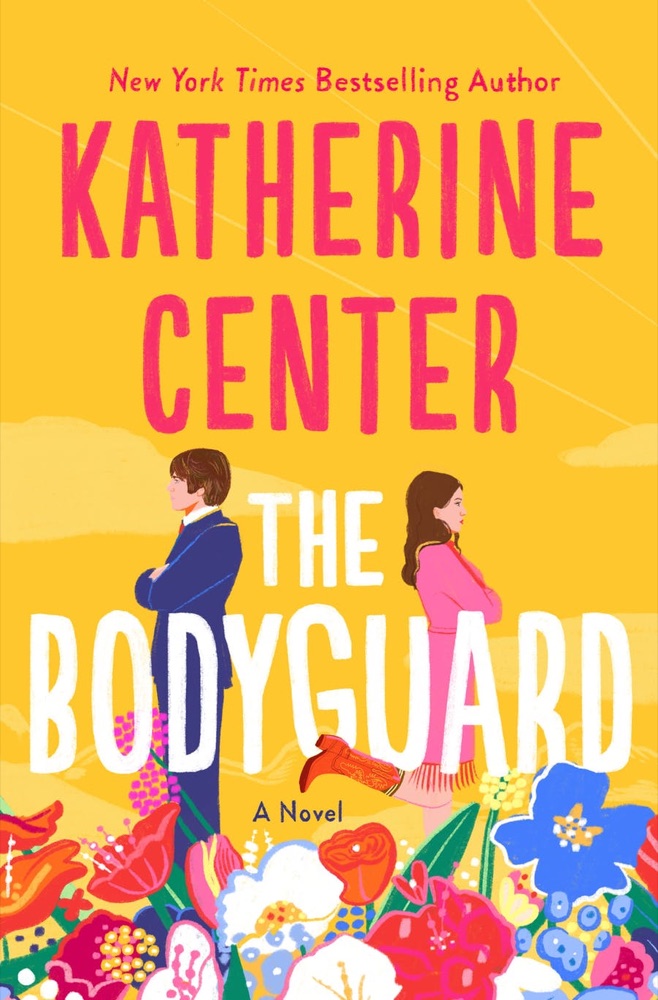 The Bodyguard
 The Rivals
 Vain
Vain
 Perfect Chemistry
 Innocents
 Tonight the Streets Are Ours
 The Woman He Loved Before
 Summer and the City
 Bring Me Home
 Grayson's Vow
 Conversations on Love
 A Kiss in Time
 Sweet Heat
 The Pact
 Grounded
 Before Us
 Landline
 Only for You
 Magnolia Parks: Into the Dark
 This Lullaby
 Dying to Know You
 Undeniably Chosen
 How to Fall Out of Love Madly
 The Falling in Love Montage
 The Crown
 Dear John
 Loving Mr. Daniels
 The Forever of Ella and Micha
 The Perfect Game
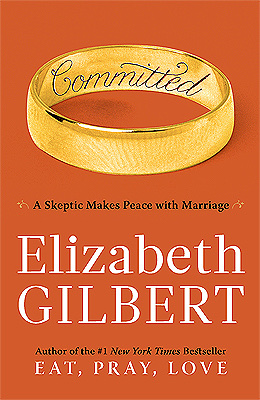 Committed: A Skeptic Makes Peace with Marriage
 Funny You Should Ask
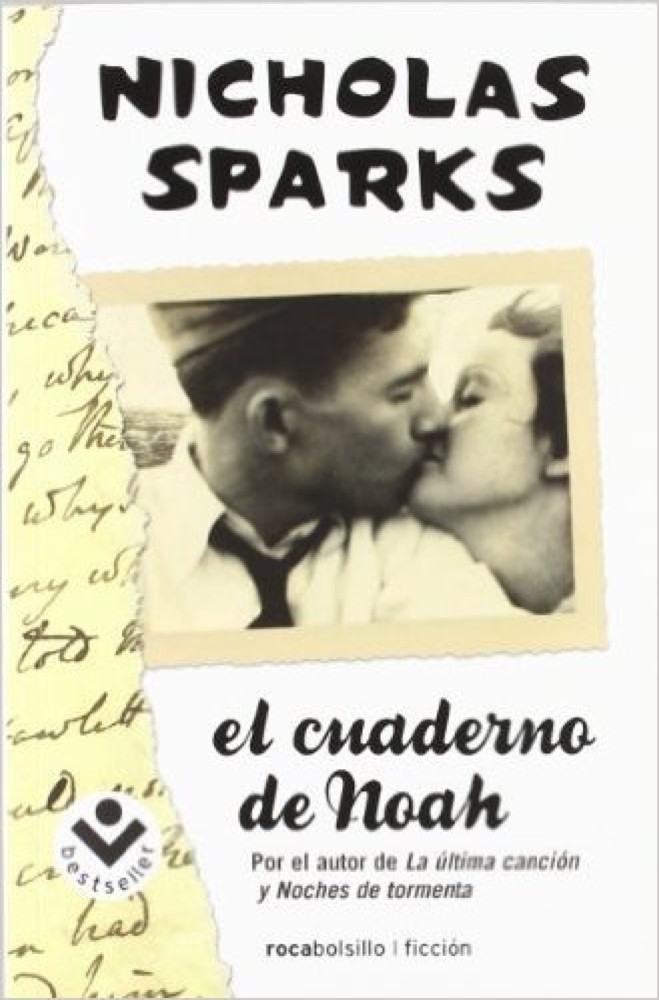 The Notebook