
 Good Harbor
Quotes from the Book
If you want to understand any woman you must first ask about her mother and then listen carefully. Stories about food show a strong connection. Wistful silences demonstrate unfinished business. The more a daughter knows about the details of her mother's life - without flinching or whining - the stronger the daughter.
The painful things seemed like knots on a beautiful necklace, necessary for keeping the beads in place.
The more a daughter knows the details of her mother's life [...] the stronger the daughter.
I wanted to cry, but I realized that I was too old for that. I would be a woman soon and I would have to learn how to live with a divided heart.
Of all life's pleasures, only love owes no debt to death.
I could not get my fill of looking. There should be a song for women to sing at this moment or a prayer to recite. But perhaps there is none because there are no words strong enough to name that moment.
The great mother whom we call Innana gave a gift to woman that is not known among men, and this is the secret of blood. The flow at the dark of the moon, the healing blood of the moon’s birth - to men, this is flux and distemper, bother and pain. They imagine we suffer and consider themselves lucky. We do not disabuse them. In the red tent, the truth is known. In the red tent, where days pass like a gentle stream, as the gift of Innana courses through us, cleansing the body of last month’s death, preparing the body to receive the new month’s life, women give thanks — for repose and restoration, for the knowledge that life comes from between our legs, and that life costs blood.
Egypt loved the lotus becuase it never dies. It is the same for people who are loved. Thus can something as insignificant as a name-two syllables, one high, one sweet- summon up the innumerable smiles, tears, sighs and dreams of a human life.
Why did I not know that birth is the pinnacle where women discover the courage to become mothers?
If you want to understand any woman, you must first ask about her mother and then listen carefully.
The other reason women wanted daughters was to keep their memories alive.
He was golden and beautiful as a sunset.
My heart is a ladle of sweet water brimming over.
They sang the words in unison, yet somehow created a web of sounds with their voices. It was like hearing a piece of fabric woven with all the colors of a rainbow. I did not know that such beauty could be formed by the human mouth. I had never heard harmony before.
It is terrible how much has been forgotten, which is why, I suppose, remembering seems a holy thing.
Just as there is no warning for childbirth, there is no preparation for the sight of a first child... There should be a song for women to sing at this moment, or a prayer to recite. But perhaps there is none because there are no words strong enough to name the moment.
on the day that the intlligence and talents of women are fully honored and employed, the human community and the planet itself will benefit in ways we can only begin to imagine.
I moved my arms through the water, feeling them float on the surface, watching the waves and wake that followed my gesture. Here was magic, I thought. Here was something holy.
Wherever you walk, I go with you. Selah.
One of my great secrets was knowing I had the power to make her smile.
The story it told was unremarkable: a tale of love found and lost- the oldest story in the world. The only story.
We have been lost to each other for so long. My name means nothing to you. My memory is dust. This is not your fault, or mine. The chain connecting mother to daughter was broken and the word passed to the keeping of men, who had no way of knowing.
One of his tears fell in my mouth, where it became a blue sapphire, source of strength, source of strength and eternal hope.
In Egypt, I loved the perfume of the lotus. A flower would bloom in the pool at dawn, filling the entire garden with a blue musk so powerful it seemed that even the fish and ducks would swoon. By night, the flower might wither but the perfume lasted. Fainter and fainter, but never quite gone. Even many days later, the lotus remained in the garden. Months would pass and a bee would alight near the spot where the lotus had blossomed, and its essence was released again, momentary but undeniable.
It's a wonder that any mother ever called a daughter Dinah again. But some did. Maybe you guessed that there was more to me than the voiceless cipher in the text. Maybe you heard it in the music of my name: the first vowel high and clear, as when a mother calls to her child at dusk; the second sound soft, for whispering secrets on pillows. Dee-nah.
The more a daughter knows about the details of her mother's life - without flinching or whining - the stronger the daughter.
Why did I not know that (child) birth is the pinnacle where women discover the courage to become mothers?...Until you are the woman on the bricks, you have no idea how death stands in the corner, ready to play his part. Until you are the woman on the bricks, you do not know the power that rises from other women.
The hills in the distance held my life in a bowl filled with everything I could possibly want.
Egypt loved the lotus because it never dies. It is the same for people who are loved.
Did you know?
- The novel retells the story of Dinah, who in the Book of Genesis speaks no words of her own.
- The title refers to the tent where the women of Jacob's tribe gathered during menstruation and childbirth.
- Diamant researched ancient Near Eastern women's daily life using Harvard-affiliated library collections.
- The book became a bestseller largely through word of mouth and support from independent bookstores.
- It was adapted into a Lifetime miniseries in 2014.
- The novel has been published in many countries around the world.
About Anita Diamant
Anita Diamant is a New York Times bestselling American author and journalist. Before her fiction, she was known for practical guides to contemporary Jewish life, and she researched ancient Near Eastern women's daily life through Harvard-affiliated libraries while writing The Red Tent.
More about the author →More by Anita Diamant
Good Harbor
 The Last Days of Dogtown
About the book
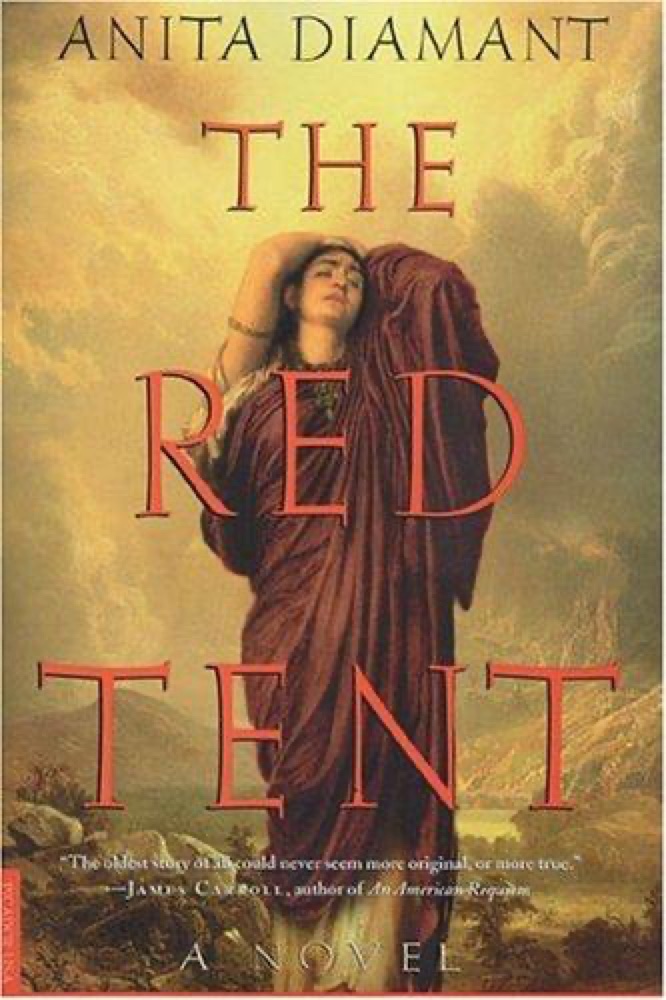
The Red Tent is a historical novel by Anita Diamant, published in 1997, that reimagines the life of Dinah, a minor figure in the Book of Genesis. Told in Dinah's own first-person voice, the book expands a brief and violent biblical episode (Genesis 34) into a full life story, following her from birth through her years in Mesopotamia, Canaan, and Egypt. The title refers to the tent to which the women of Jacob's tribe retreat during menstruation and childbirth, a space where they find mutual support and pass on their traditions.
The novel centers on the female relationships largely absent from the original scripture, giving voice to Dinah's mother Leah and her aunts Rachel, Zilpah, and Bilhah. Where Genesis frames Dinah's story around the men who act upon her, Diamant recasts her as a woman with desires, work, grief, and community. Themes of the female life cycle, midwifery, ancient women's religious and daily customs, and the transmission of memory between generations run throughout.
The Red Tent became a word-of-mouth and book-club phenomenon, growing into a New York Times bestseller and being published in many countries around the world. It is often credited with helping popularize a wave of fiction that retells biblical and mythological stories from women's perspectives. In 2014 it was adapted into a two-part Lifetime television miniseries.
Key characters
- DinahNarrator and protagonist, daughter of Jacob and Leah
- LeahDinah's mother, a strong and capable wife of Jacob
- JacobThe patriarch, Dinah's father
- RachelDinah's aunt, a beloved and gifted midwife
- ZilpahOne of Jacob's wives and a mother-figure to Dinah
- BilhahOne of Jacob's wives and a mother-figure to Dinah
- JosephDinah's brother, later vizier of Egypt
Book details
- First published
- 1997
- Length
- 321 pages
- Reading time
- 20 hours
- Author
- Anita Diamant
- Genre
- Literature
- Goodreads rating
- 4.21 (639k ratings) →
- First line
- “We have been lost to each other for so long.”
Movie & TV adaptations
- IMDb
If you liked this, read…
- 1The DovekeepersAlice Hoffman's novel also gives voice to women in an ancient Near Eastern setting.
- 2CirceMadeline Miller similarly retells an ancient story from a marginalized woman's perspective.
- 3The Secret ChordGeraldine Brooks reimagines a biblical narrative with rich historical detail.
Keep reading
 The Jewel of Seven Stars
 Year of Wonders
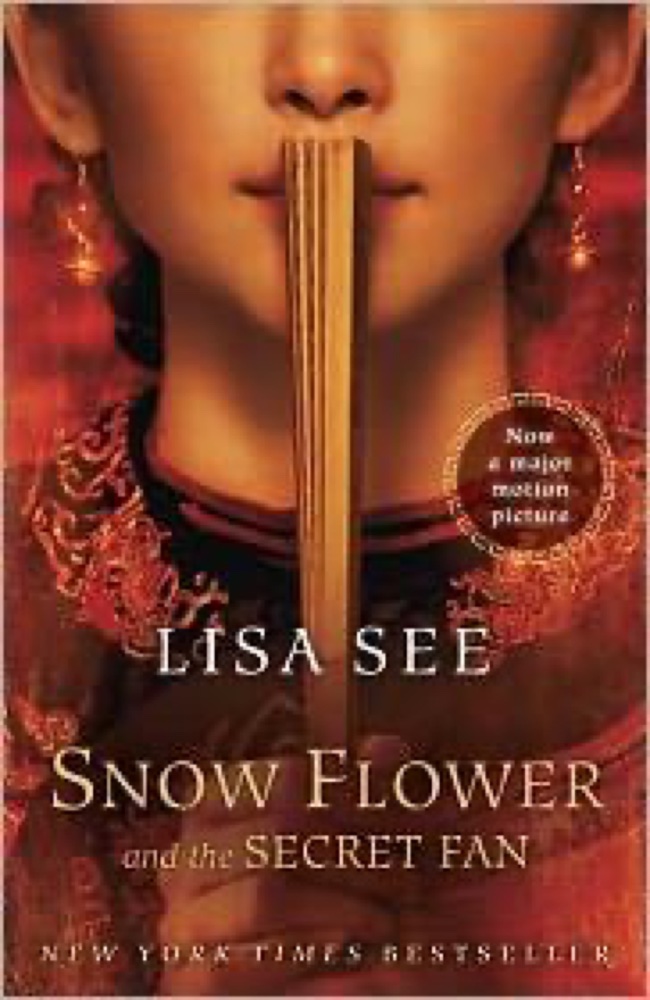 Snow Flower and the Secret Fan
 Divine Secrets of the Ya-Ya Sisterhood
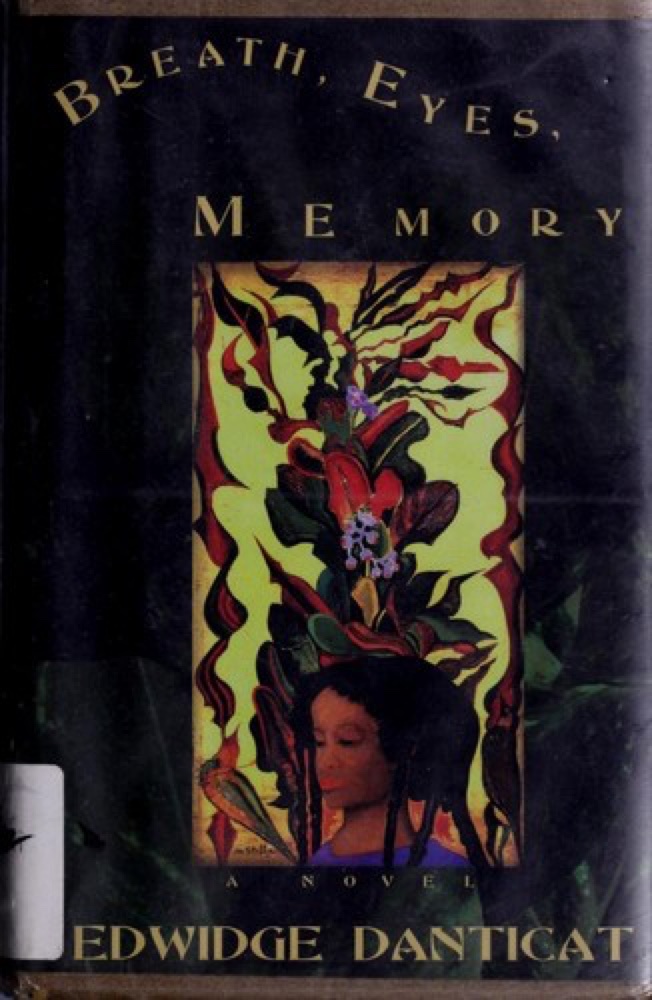 Breath, Eyes, Memory
 A Tree Grows in Brooklyn
 Stay with Me
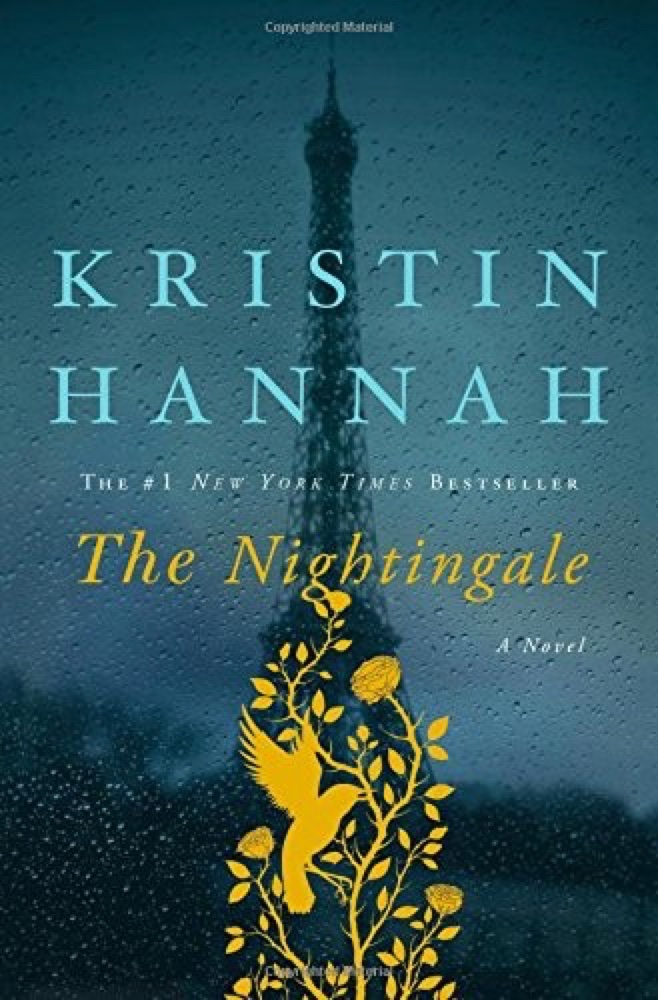 The Nightingale
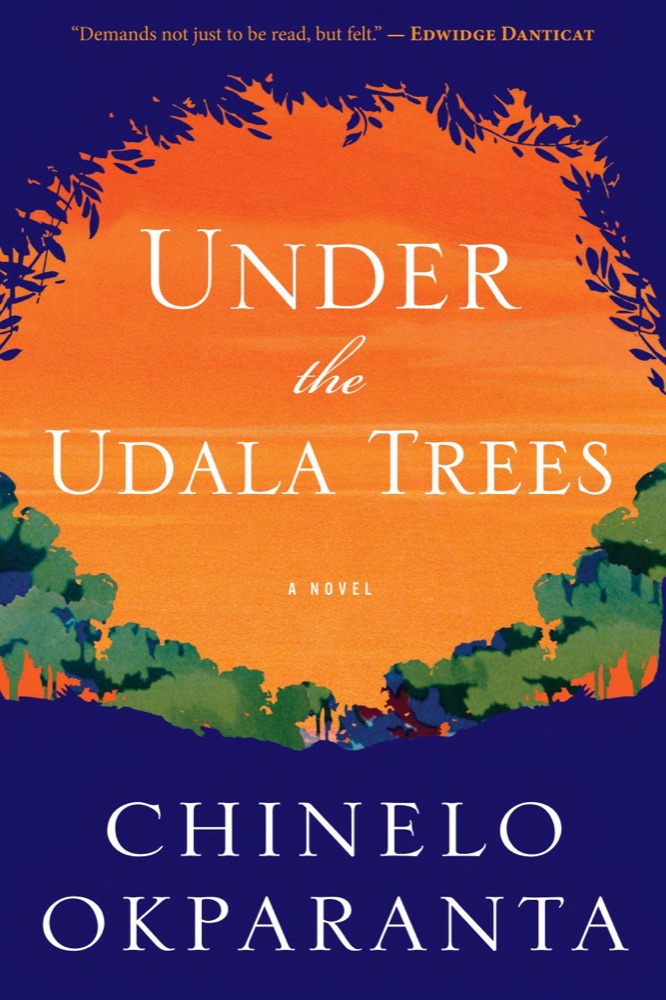 Under the Udala Trees
 The Blood of Flowers
 The Lost Wife
 The Frozen River
 Now Is the Time to Open Your Heart
 Beach Music
 The Lion Women of Tehran
 All the Ever Afters: The Untold Story of Cinderella’s Stepmother
 The Scent of Water
 Loving Frank
 Call the Midwife
 Daughter of the Moon Goddess
 The Ministry of Utmost Happiness
 The Beekeeper of Aleppo
 The Shell Seekers
 A Lantern in Her Hand
 The Girl Who Drank the Moon
 Teardrop
 Summer Island
 The Sweet Far Thing
 The Lovely Bones
 The Siren
 The Queen of the Night
 The Inexplicable Logic of My Life
 The Memoirs of Cleopatra
 Dreams of Joy
 Petals on the Wind
 Banyan Moon
 The Heretic's Daughter
 Singin' and Swingin' and Gettin' Merry Like Christmas
 Incantation
 The Bonesetter's Daughter
 A Thousand Splendid Suns
 Rebecca
 The Passion of Artemisia
 The Mermaid Chair
 How Green Was My Valley
 The Invention of Wings
 The Witching Hour
 The Clockmaker's Daughter
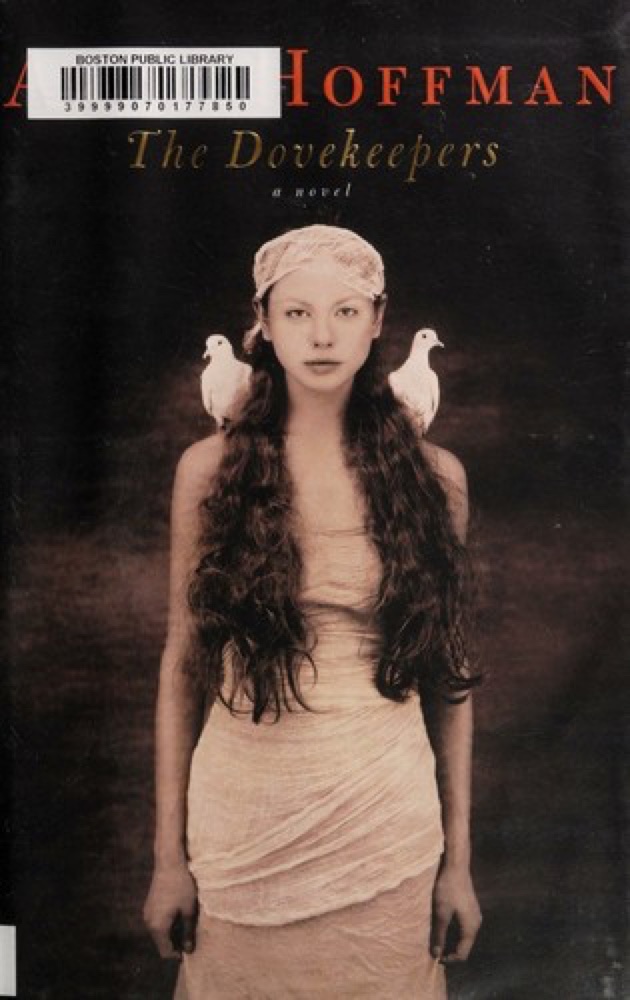 The Dovekeepers
 The Mill on the Floss
 A Day of Fallen Night
 When the World Tips Over
 On Beauty
 Palimpsest
 The Color Master: Stories
 Weyward
 The Map of Salt and Stars
 Belong to Me
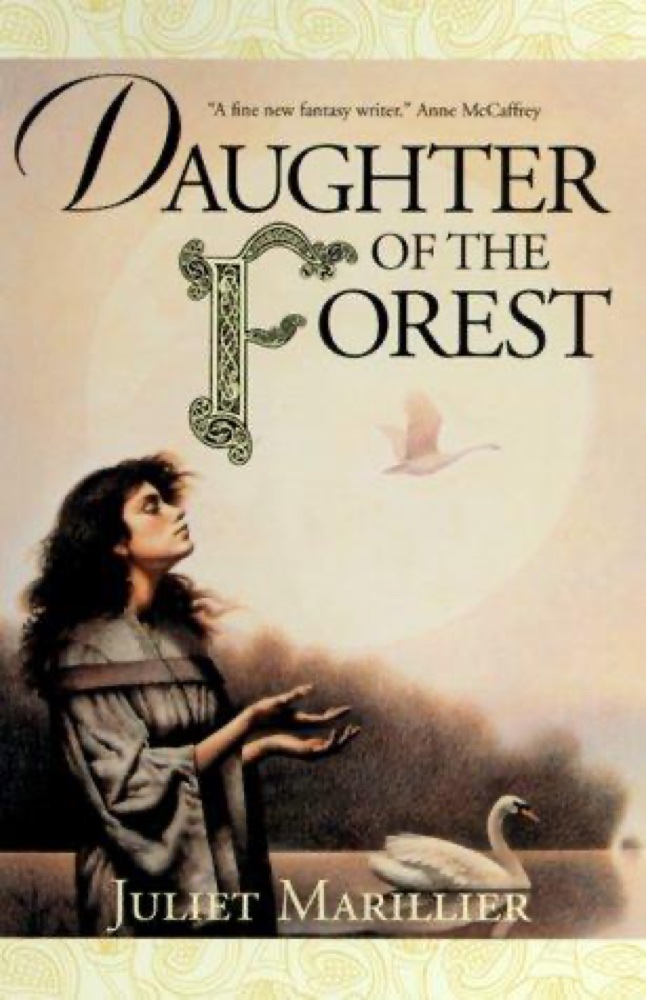 Daughter of the Forest
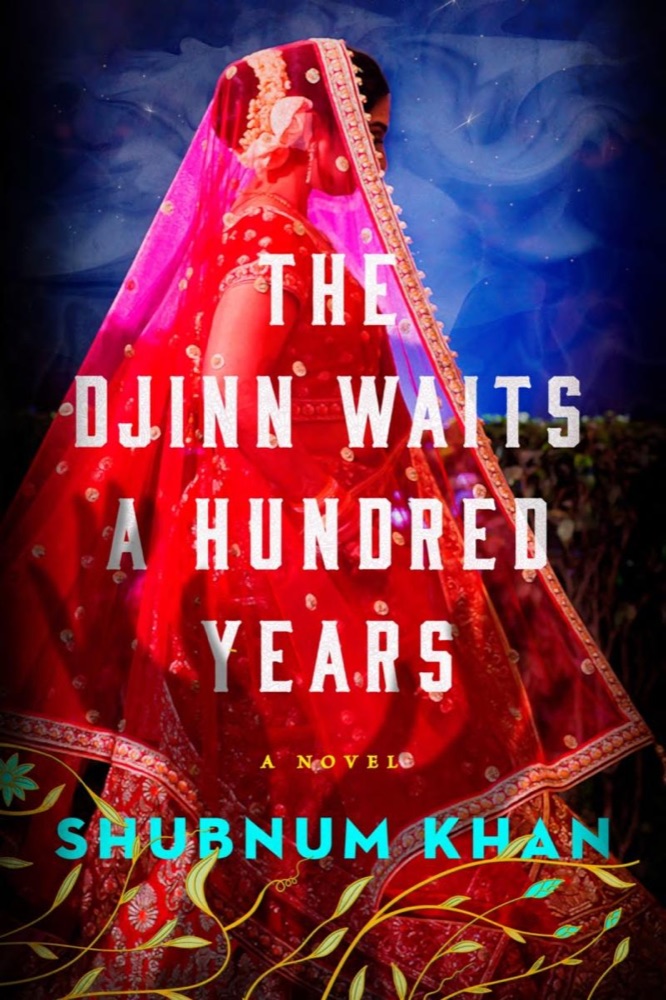 The Djinn Waits a Hundred Years