
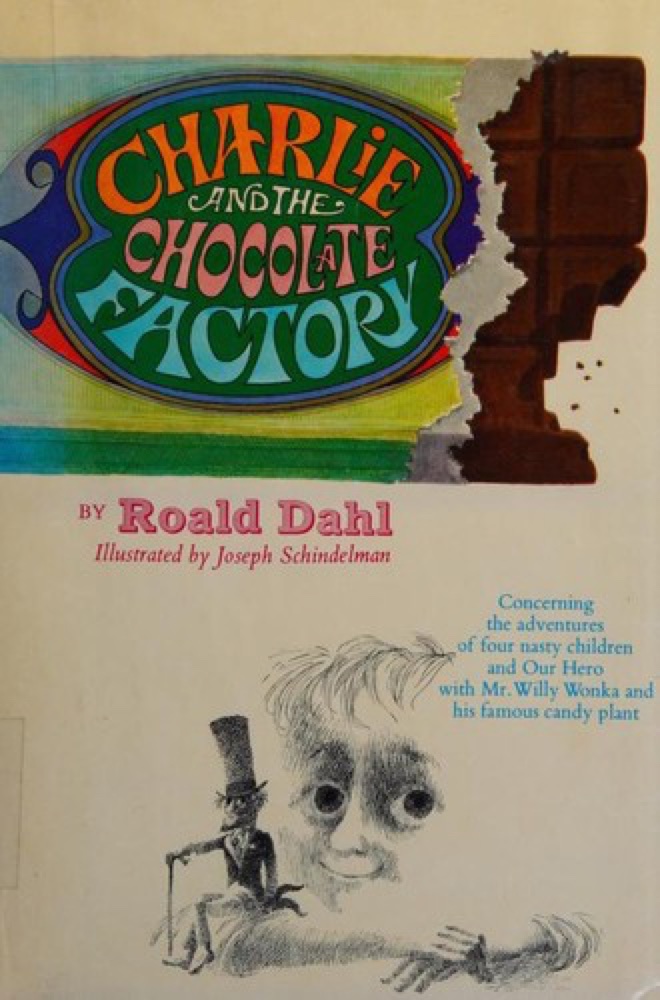
 Charlie and the Chocolate Factory
Quotes from the Book
George didn't say a word. He felt quite trembly. He knew something tremendous had taken place that morning. For a few brief moments he had touched with the very tips of his fingers the edge of a magic world.
As George removed the cork and began very slowly to pour the thick brown stuff into the spoon,
Watch on YouTube
About Roald Dahl
We have collected 201 quotes from 14 books by Roald Dahl on BookQuoters.
More about the author →More by Roald Dahl
All books by Roald Dahl →
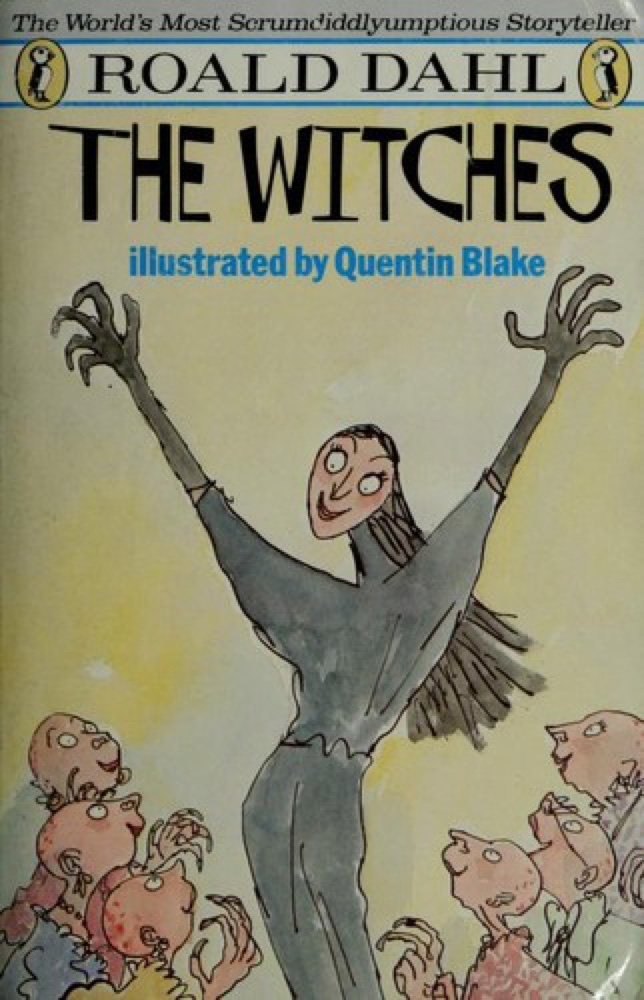
Book details
- Author
- Roald Dahl
- Genre
- Classics
- Goodreads rating
- 4.02 (102k ratings) →
Keep reading
 Gormenghast
 The Stranger's Child
 The Invisible Man
 The Metamorphosis
 The Particular Sadness of Lemon Cake
 The Turn of the Screw
 Out of the Silent Planet
 Medicine Walk
 Jonathan Strange & Mr Norrell
 The Amulet of Samarkand
 The Last Report on the Miracles at Little No Horse
 Blackberry Wine
 Lord John And The Hand Of Devils
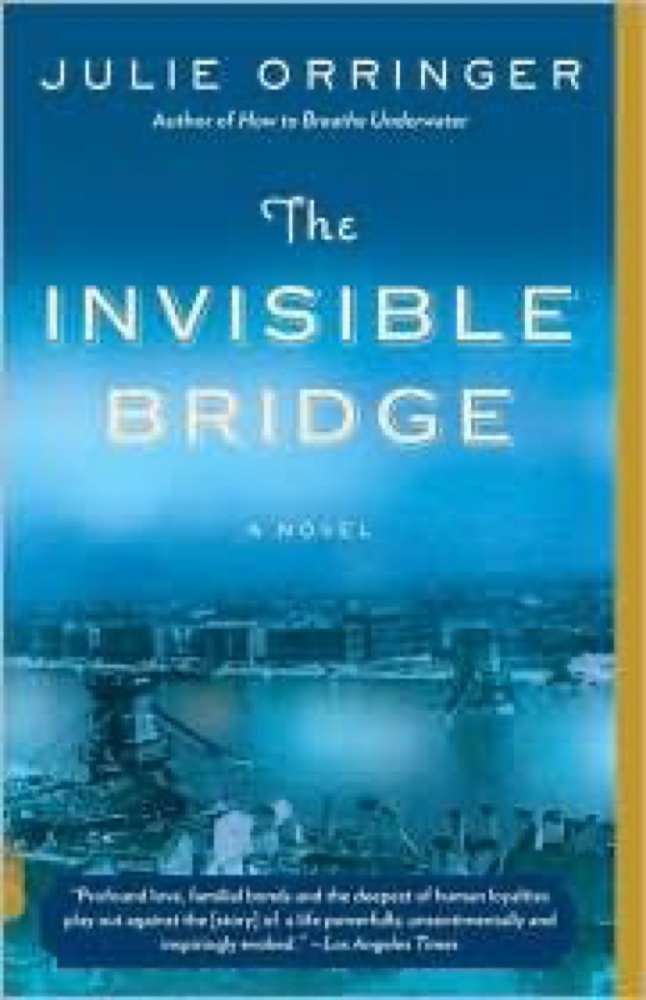 The Invisible Bridge
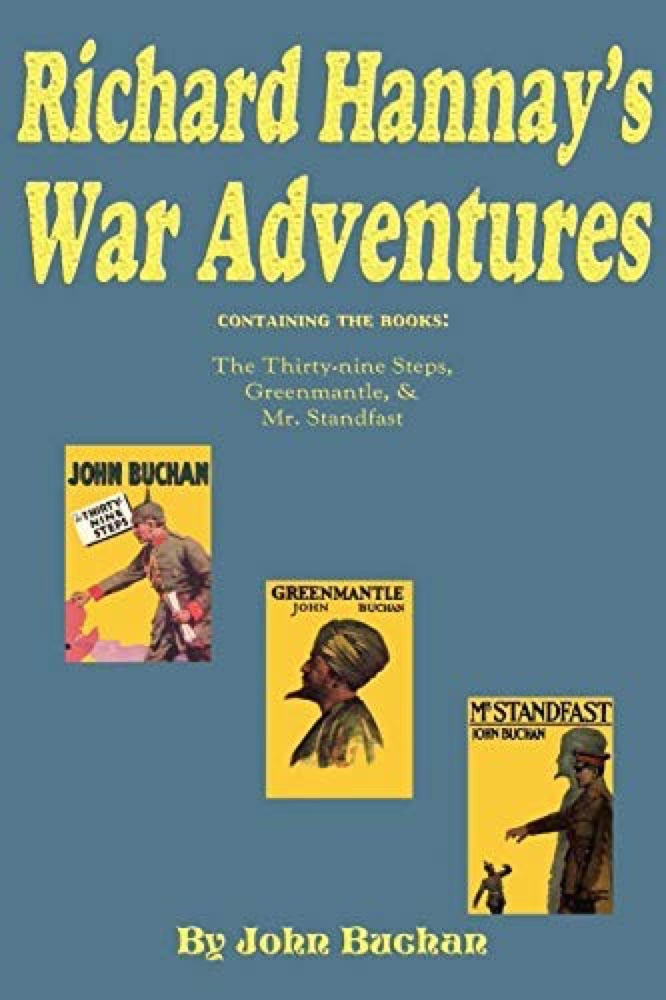 The 39 Steps
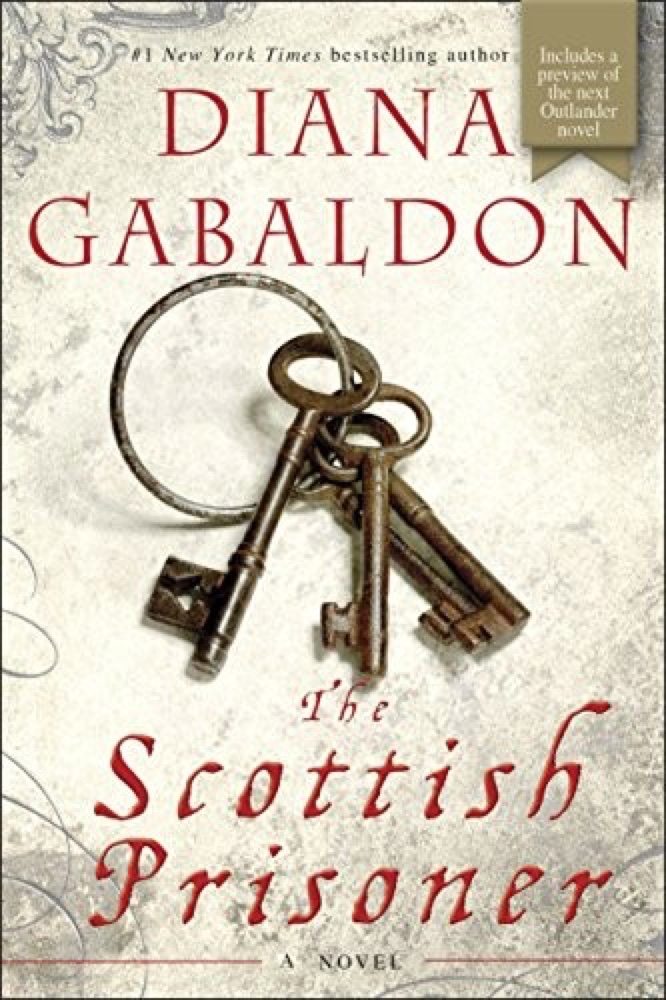 The Scottish Prisoner
 The Golden Bowl
 The Sunne in Splendour
 Lion of Babylon
 The Subtle Knife
 The Collected Stories
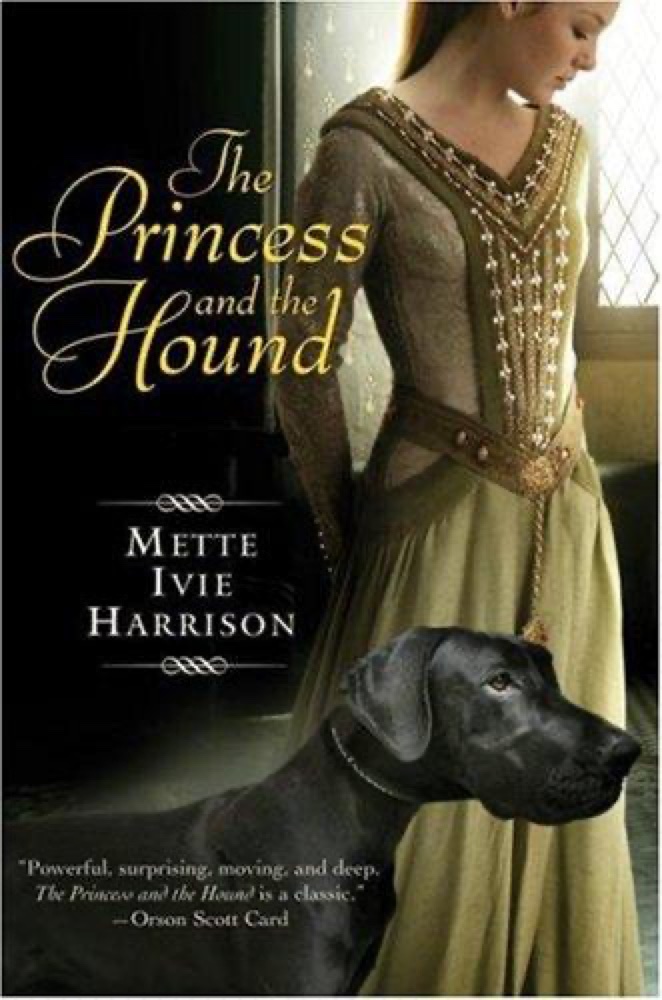 The Princess and the Hound
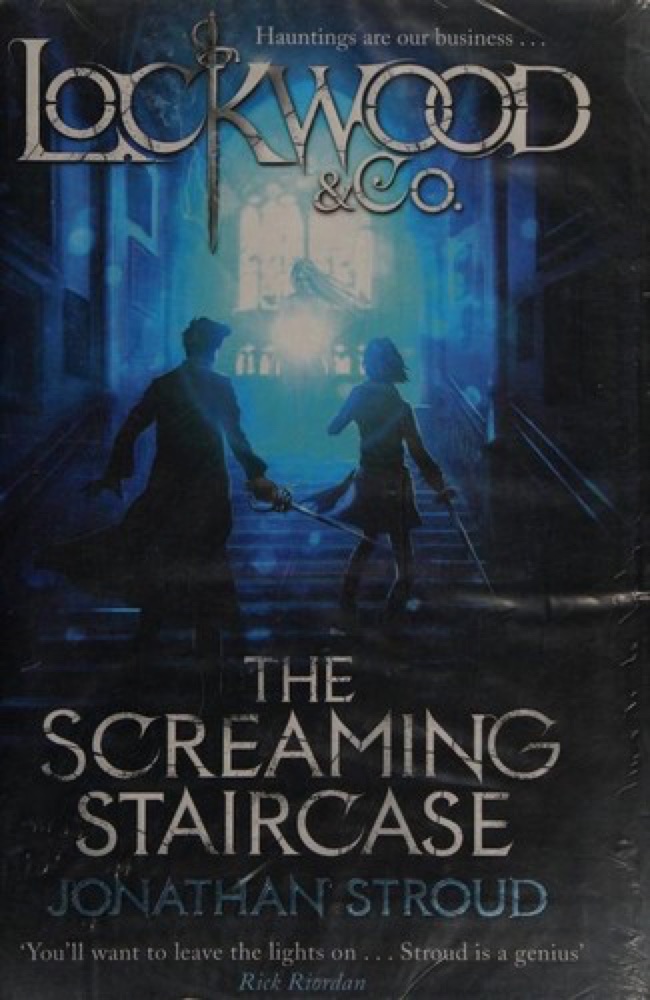 The Screaming Staircase
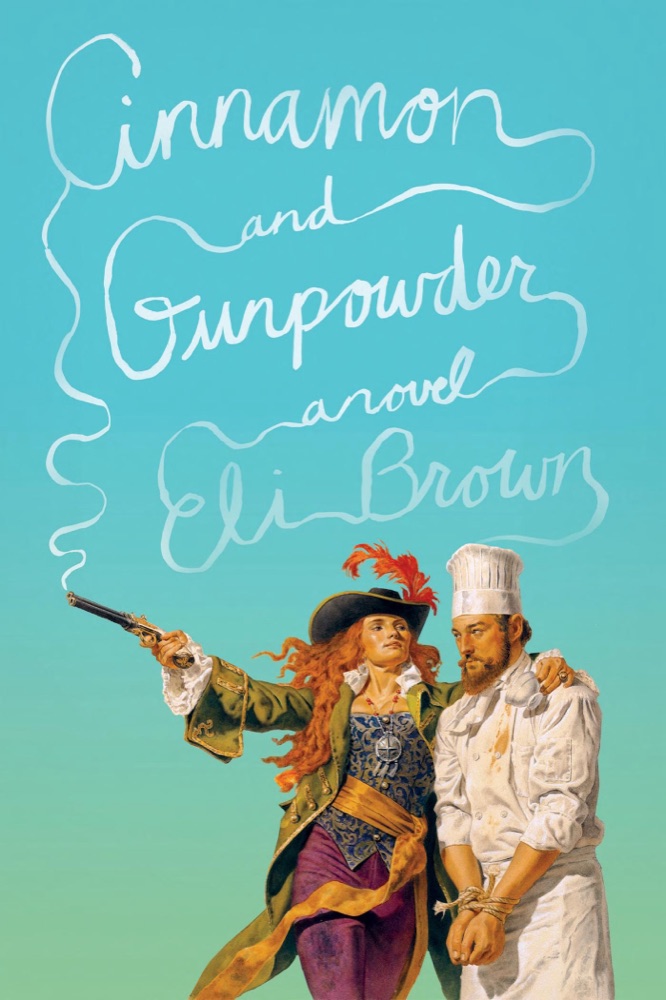 Cinnamon and Gunpowder
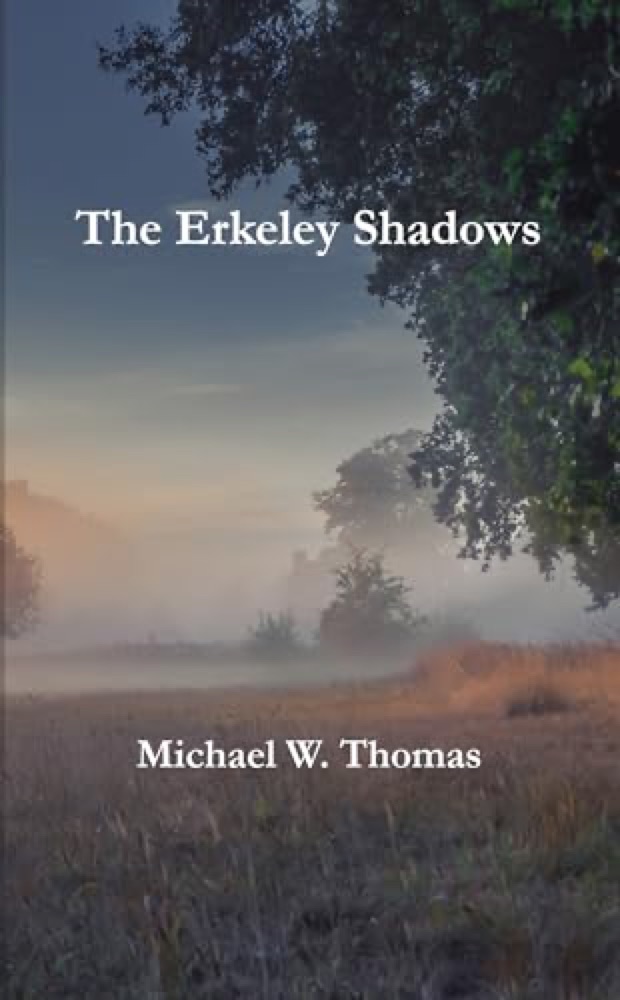 The Erkeley Shadows
 The Dark Is Rising
 Dirk Gently's Holistic Detective Agency
 Victory
 The Secret Wisdom of the Earth
 Young Mungo
 The Wonderful Story of Henry Sugar and Six More
 The Sweetness at the Bottom of the Pie
 The Sweetness of Water
 The Kingdoms
 Ethan Frome
 Murphy
 A Spot of Bother
 The Whispering Skull
 The Silence of Bonaventure Arrow
 Around the World in Eighty Days
 The Extraordinary Education of Nicholas Benedict
 The Master
 Rear Window
 Call for the Dead
 Popisho
 The Memory of Old Jack: A Novel
 So Long, and Thanks for All the Fish
 The Wind in the Willows
 Martin Chuzzlewit
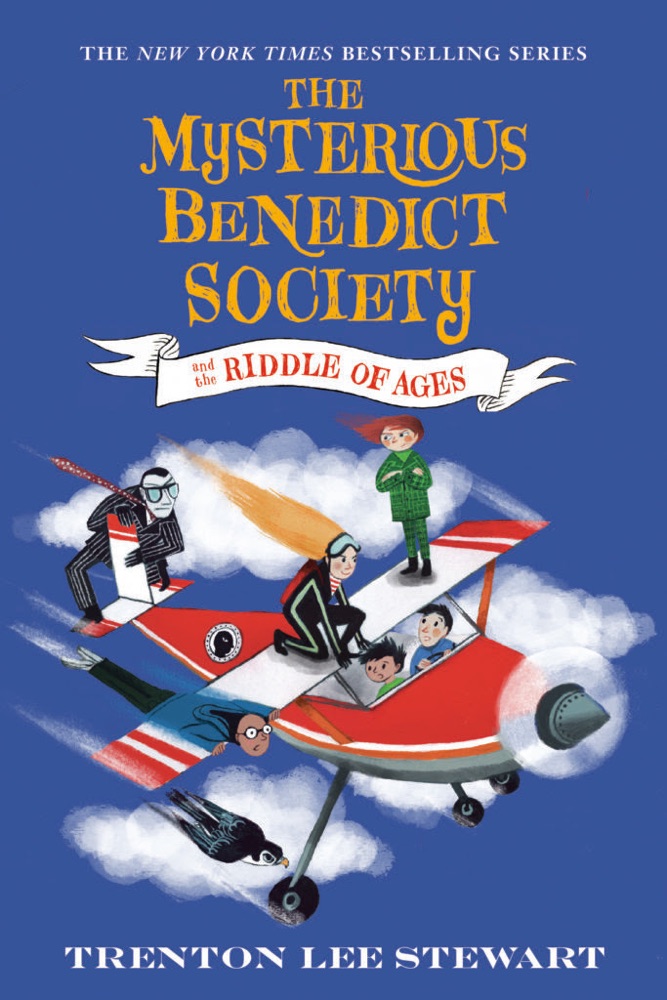 The Mysterious Benedict Society and the Riddle of Ages
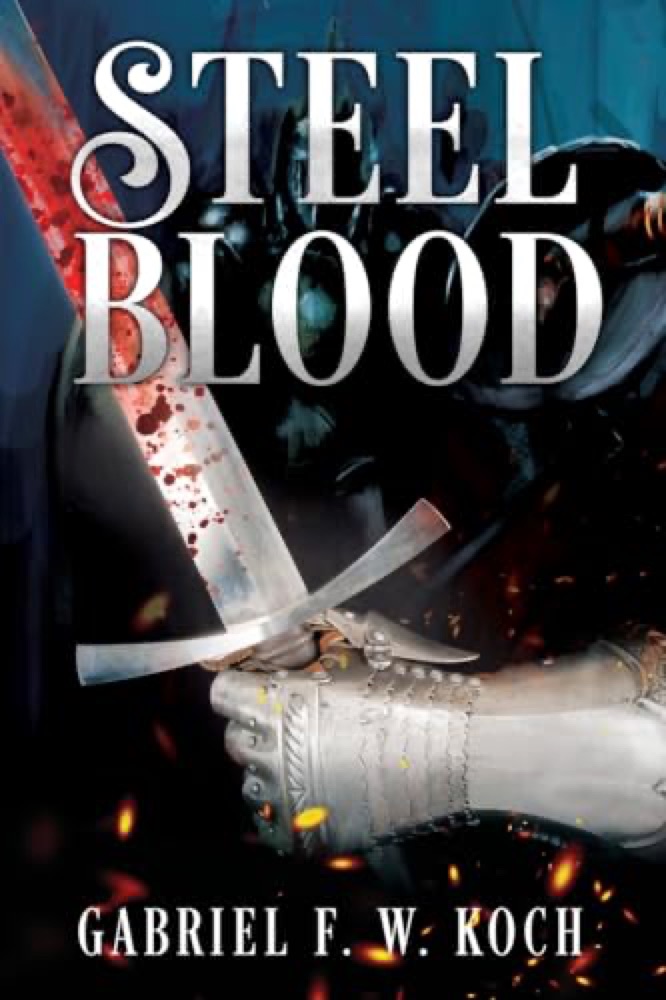 Steel Blood
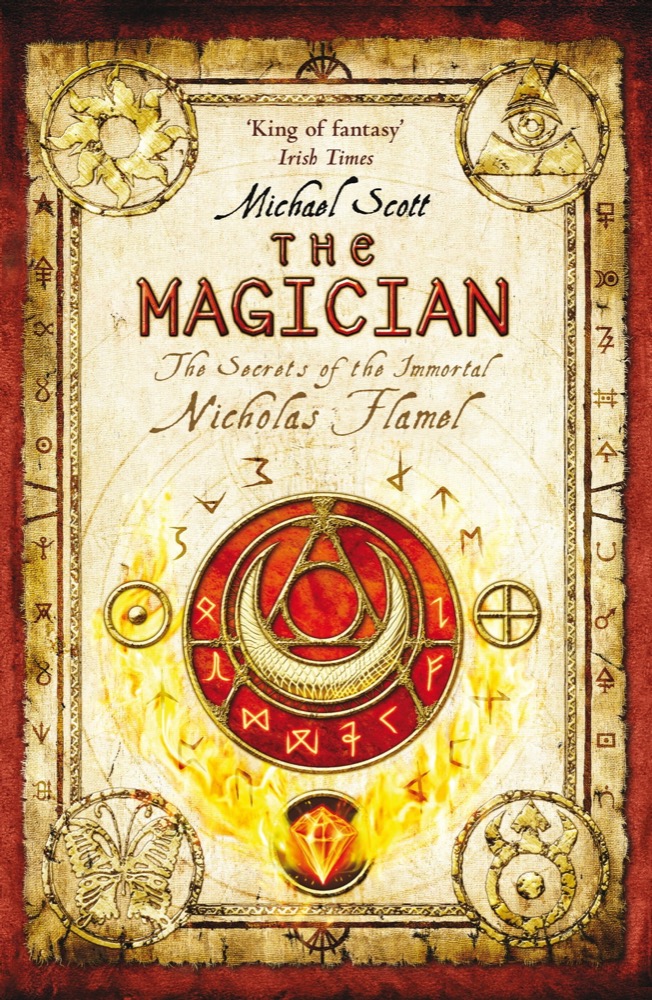 The Magician
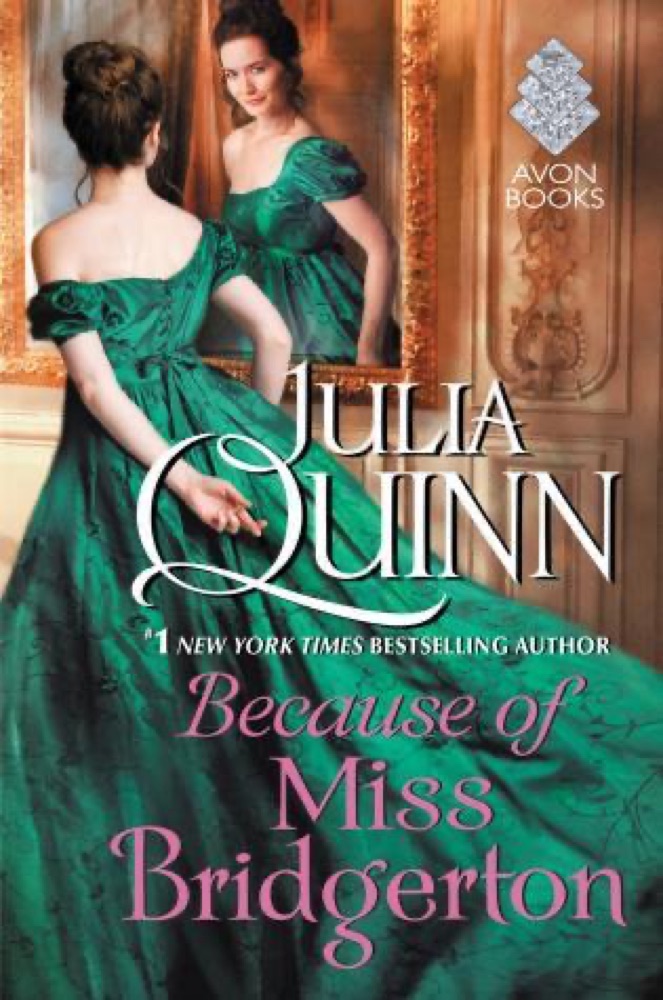 Because of Miss Bridgerton
 Little Dorrit
 The Great God Pan
 The Siege of Macindaw
 The Melancholy of Resistance
 Ross Poldark
 The Whitechapel Fiend
 Hard Times