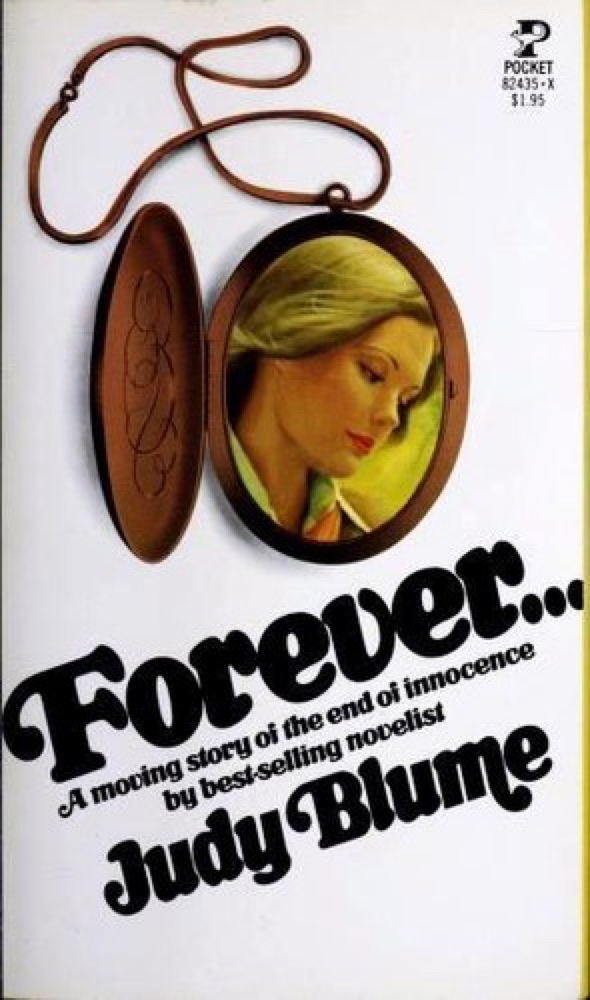

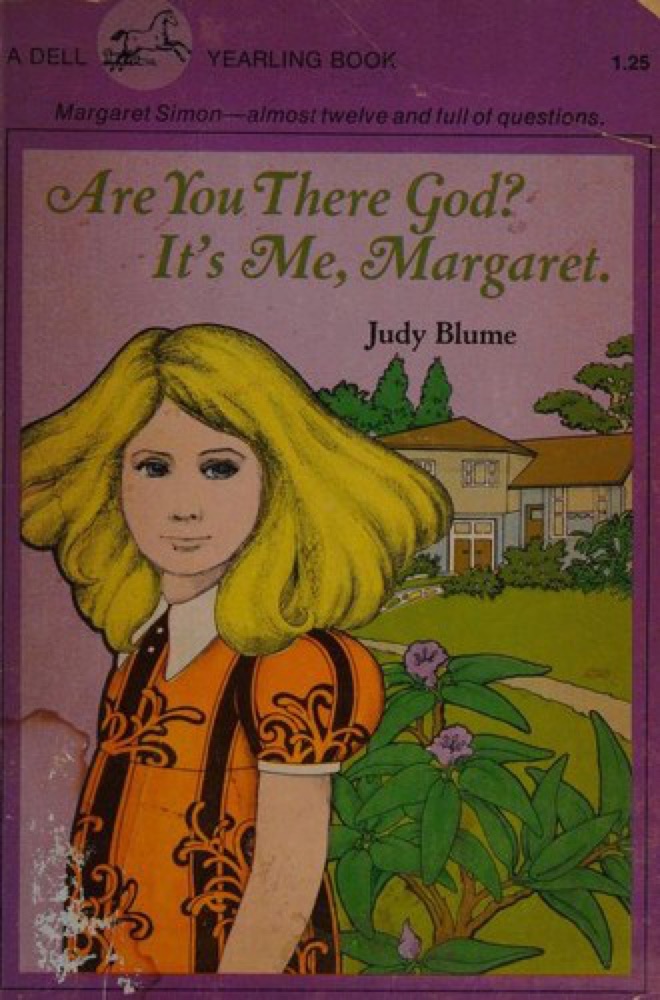
 Are You There God? It's Me, Margaret
Quotes from the Book
That's not a bad word...hate and war are bad words, but fuck isn't.
Like my mother said, you can't go back to holding hands
I love you, Michael Wagner.” “Forever?” he asked. “Forever,” I said.
Suddenly question number four popped into my mind. Have you thought about how this relationship will end?
I made promises to you that I'm not sure I can keep. None of it has anything to do with you. It's just that I don't know what to do now. You must be thinking what a rotten person I am. Well, believe me, I'm thinking the same thing. I don't know how this happened or why. Maybe I can get over it. Do you think you can wait—because I don't want you to stop loving me. I keep remembering us and how it was. I don't want to hurt you … not ever …
I wanted to tell him that I will never be sorry for loving him. That in a way I still do - that maybe I always will. I'll never regret one single thing we did together because what we had was very special. Maybe if we were ten years older it would have worked out differently. Maybe. I think it's just that I'm not ready for forever.
It's strange, but when it comes right down to it I never do fall apart--even when I'm sure I will.
I want you to know it was no big deal...those movies showing women screaming in labor are plain bullshit....there's nothing to it...you just push and push and finally the baby pops out...to tell you the truth I don't even rember that much about it except there was a very nice guy standing over me and every time a strong contraction started he gave me a whiff of gas...
Do you think you can wait - because I don't want you to stop loving me. I keep remembering us and how it was. I don't want to hurt you...not ever...
I still get angry when older people assume that everyone in my generation, screws around. They're probably the same ones who think all kids use dope. It's true that we are more open than our parents but that just means we accept sex and talk about it. It doesn't mean we are all jumping into bed together.
It's true that we are more open than our parents but that just means we accept sex and talk about it. It doesn't mean we are all jumping in bed together.
Sex is a commitment...Once you're there you can't go back to holding hands...and when you give yourself both mentally and physically...well, you're completely vulnerable.
You better get used to it. You're going to be on the ground a lot today, but cheer up... tomorrow you'll be an expert.
Nights are the worst. You just don't know what it's like for me, trying not to think of [him]...knowing that we're going to be apart for so long. It's pure torture.
You've got to enjoy whatever you can and forget about the rest.
I made promises to you that I'm not sure I can keep.
It's funny how you can grow away from your friends, when just a few years ago they were the most important people in your life.
...Sometimes spending a lot of time together can end a romance faster than anything else.
I love to watch to him while he sleeps. Besides everything else he is really my best friend now. It's a different kind of friendship...It makes me wish I could share every day with him.
...I used to think if you read enough books you'd automatically know how to do everything the right way. But reading and doing are not the same at all.
You’re going to love it.” I nodded and tried to smile back. “We’re getting off at the beginners’ slope so you don’t have to worry.” “I’m not worried.” “You look scared to death.” “Don’t be silly…I can’t wait to learn to ski.” But I was thinking, we’re going up so high…how will I ever get down? My father was right…I am going to break a leg…I am going to fall off this chairlift and break a leg…maybe even two…probably two legs and an arm…possibly more than that even.
But you have to be sure you can handle the situation before you jump into it...sex is a commitment...once you're there you can't go back to holding hands.
But you have to be sure you can handle the situation before you jump into it.
Watch on YouTube
About Judy Blume
We have collected 87 quotes from 8 books by Judy Blume on BookQuoters.
More about the author →More by Judy Blume
All books by Judy Blume →
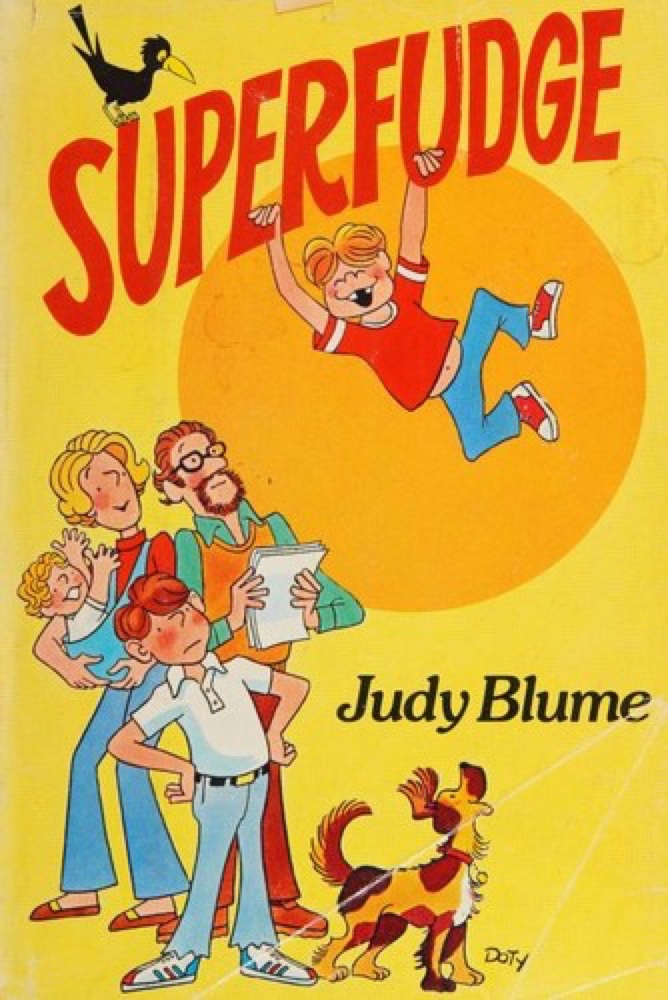
Book details
- Author
- Judy Blume
- Genre
- Fiction
- Goodreads rating
- 3.62 (69k ratings) →
Keep reading
 The Perfect Game
 Trouble
 Second Chance Boyfriend
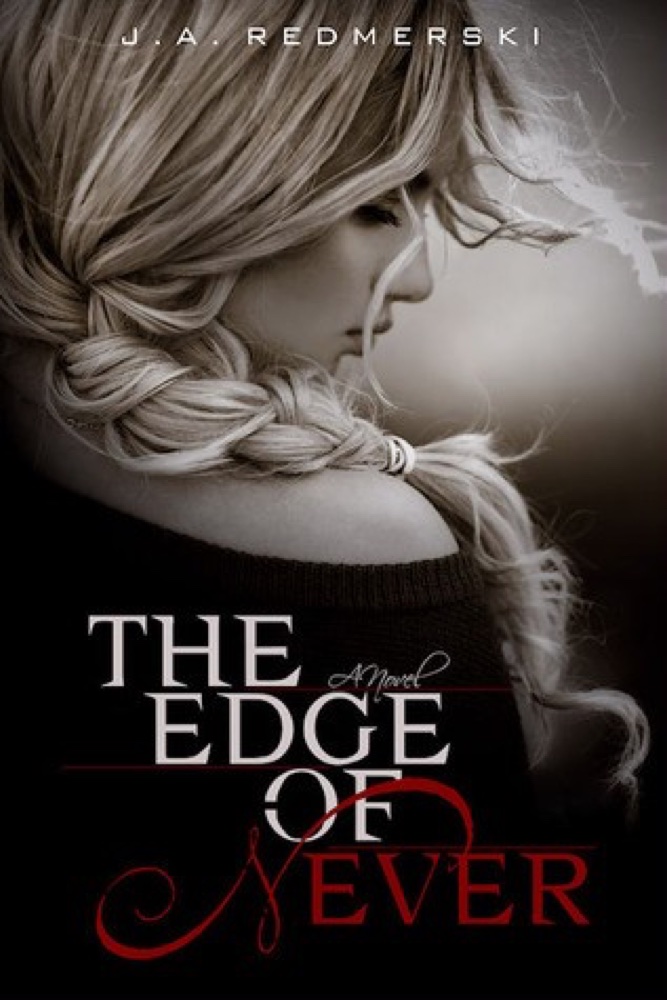 The Edge of Never
 P.S. I Still Love You
 More Than Forever
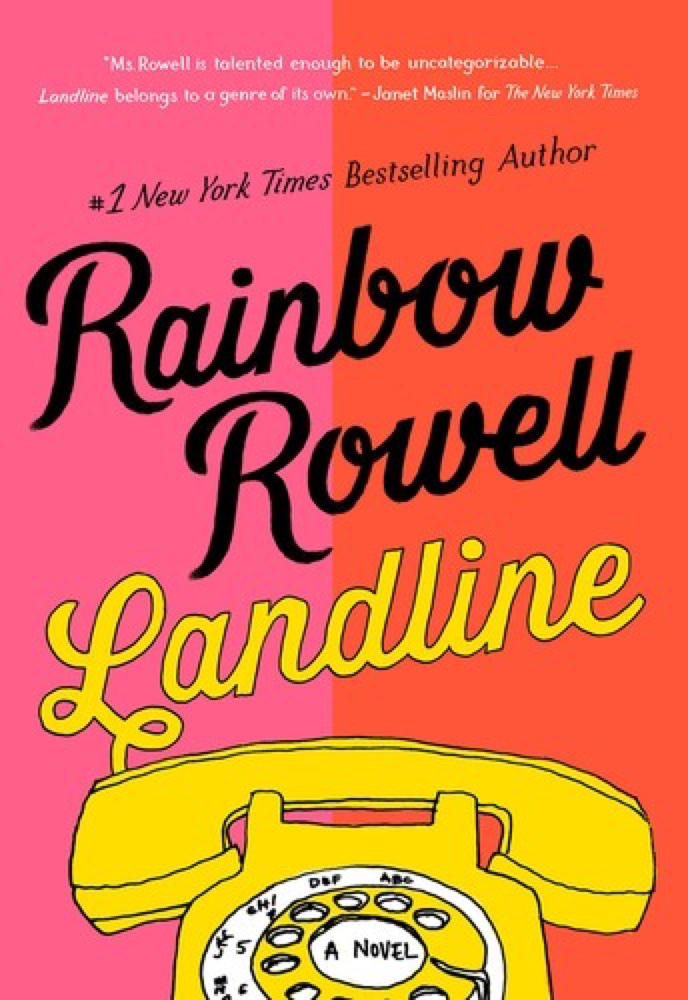 Landline
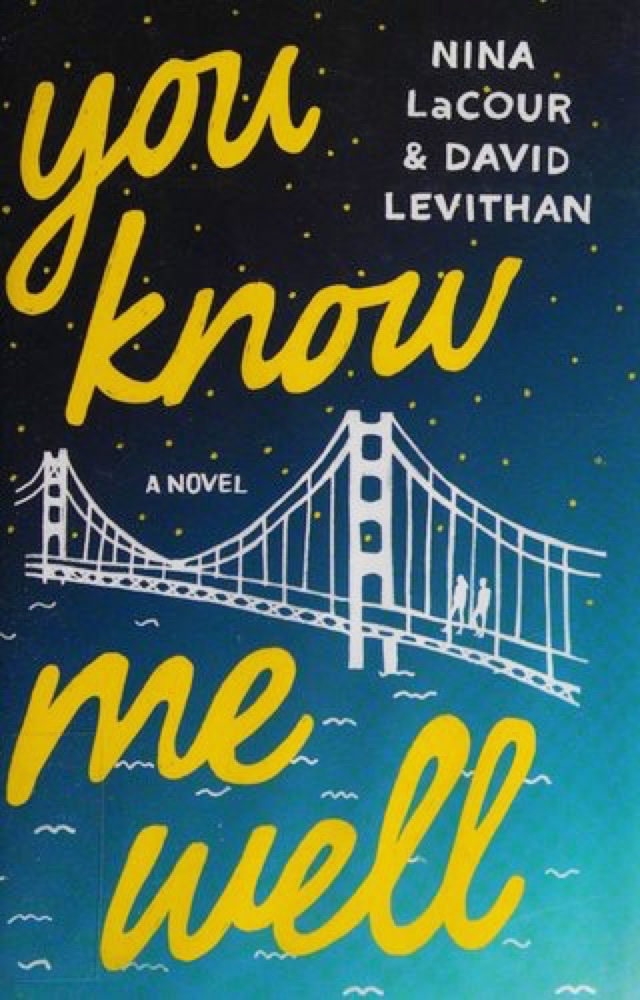 You Know Me Well
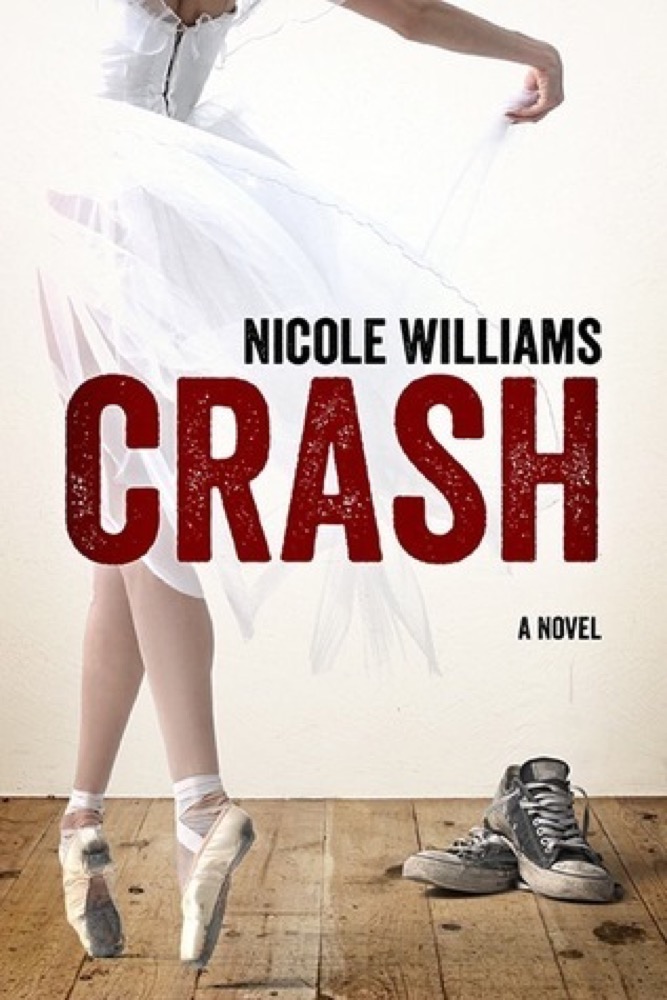 Crash
Crash
 If I Stay
 To All the Boys I've Loved Before
 Attachments
 Forever
 Unteachable
 Blue Moon
 This Lullaby
 The Goddess Test
 The Truth About Forever
 Forbidden
 Hopeless
 Norwegian Wood
 Perfect Chemistry
 The Coincidence of Callie & Kayden
 Take Me On
 Holiday Romance
 Non Friction
 Return to Paradise
 No One Belongs Here More Than You
 Smooth Talking Stranger
 Getting Over Garrett Delaney
 One
One
 Wedding Night
 Finding It
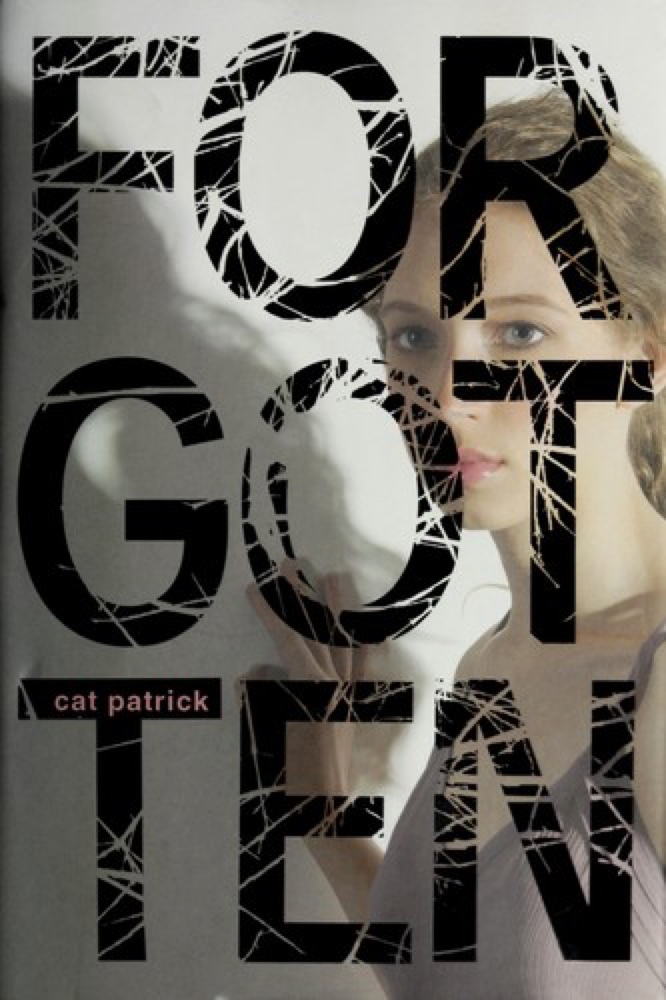 Forgotten
 Only for You
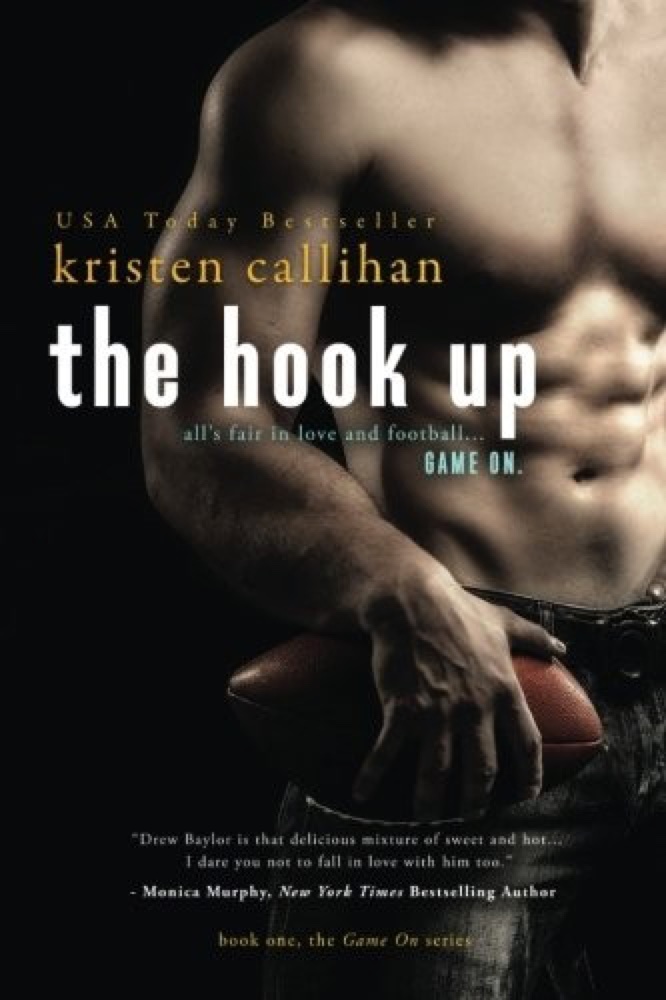 The Hook Up
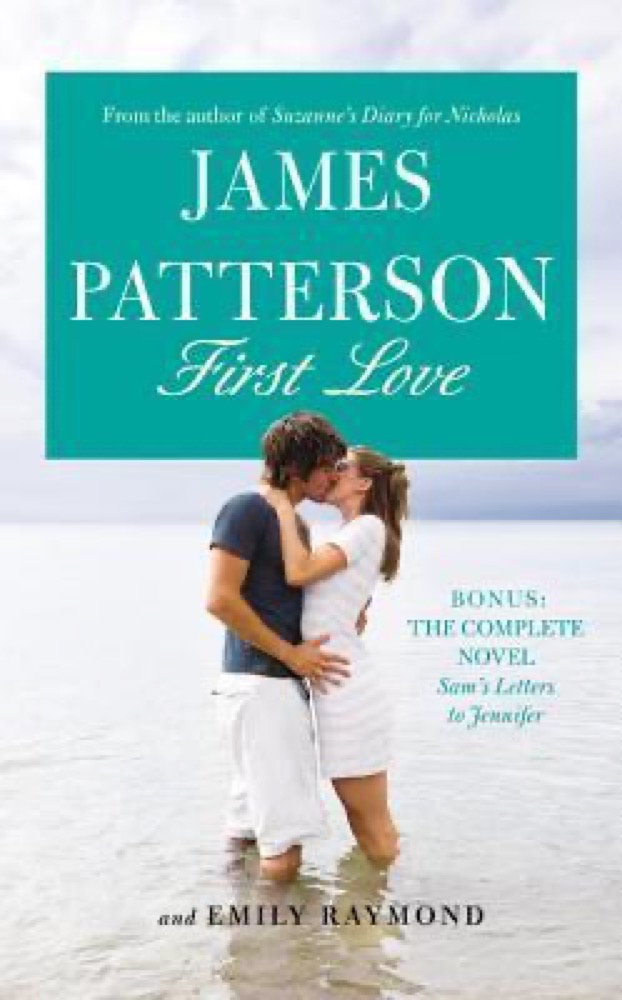 First Love
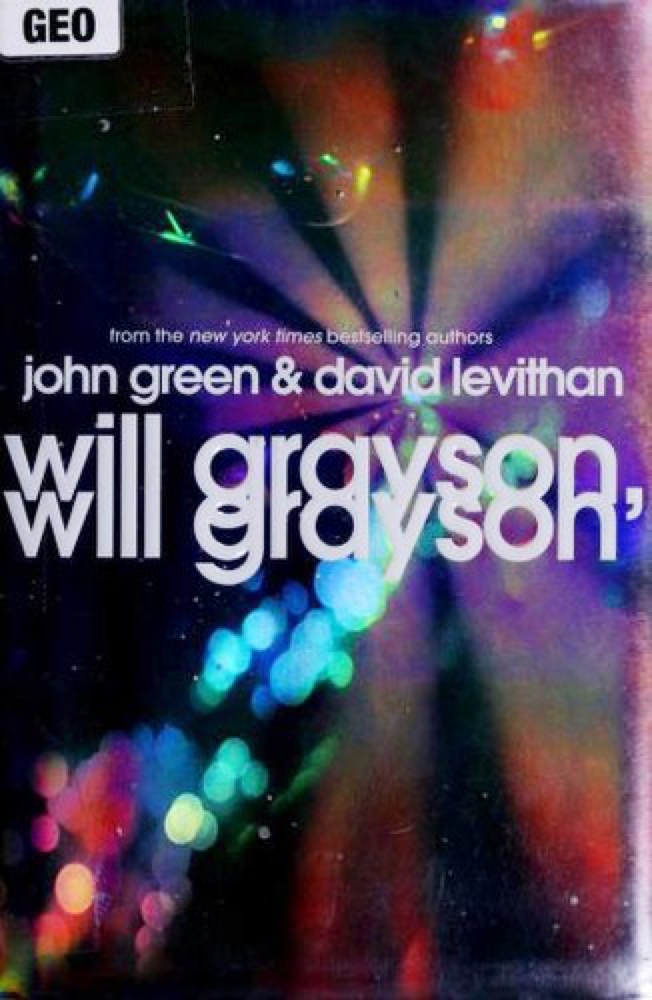 Will Grayson, Will Grayson
 Something Borrowed
 Cross My Heart
 Almost Like Being in Love
 Never Fade
 November 9
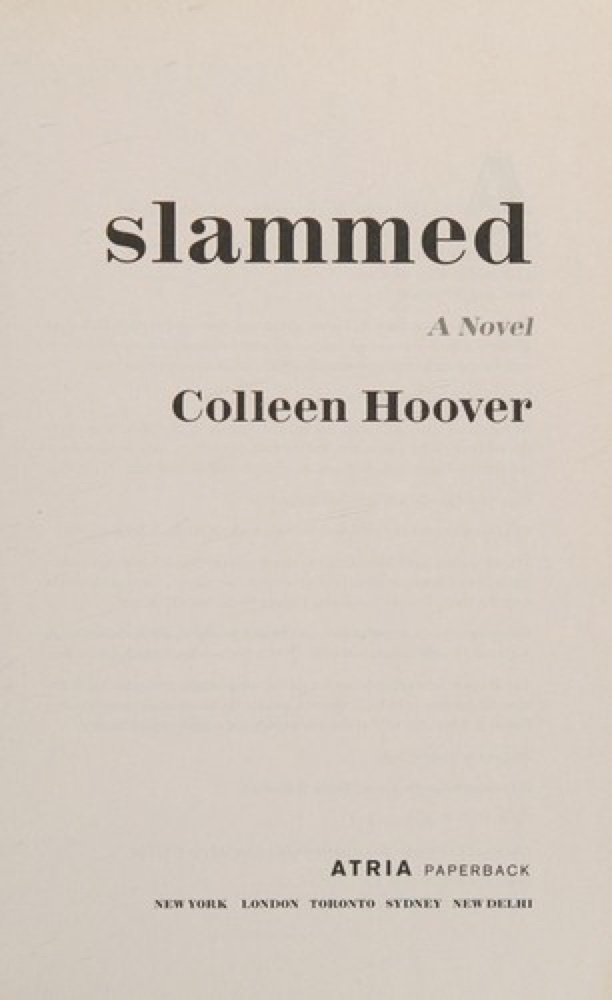 Slammed
 Lovely Trigger
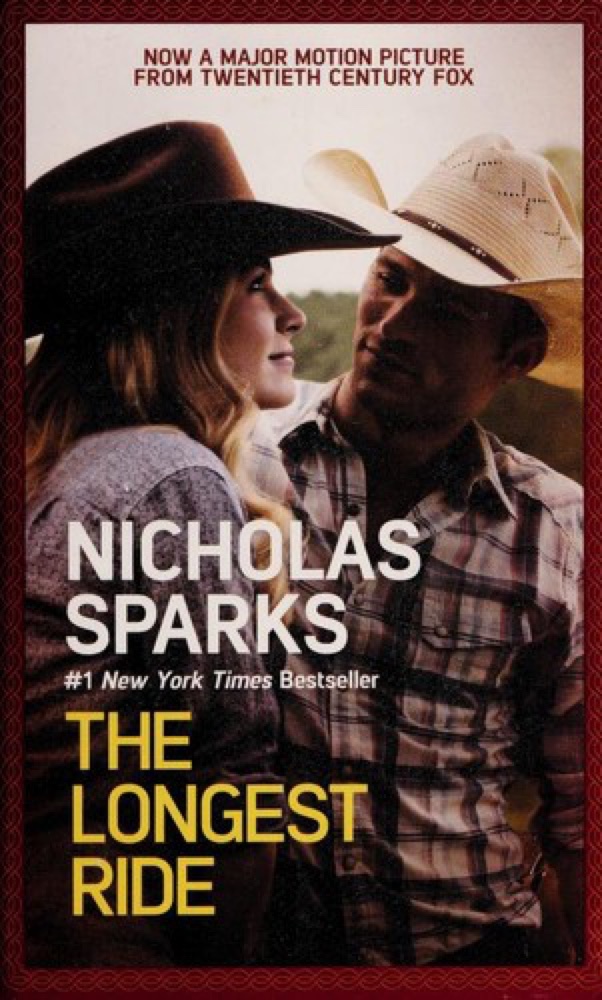 The Longest Ride
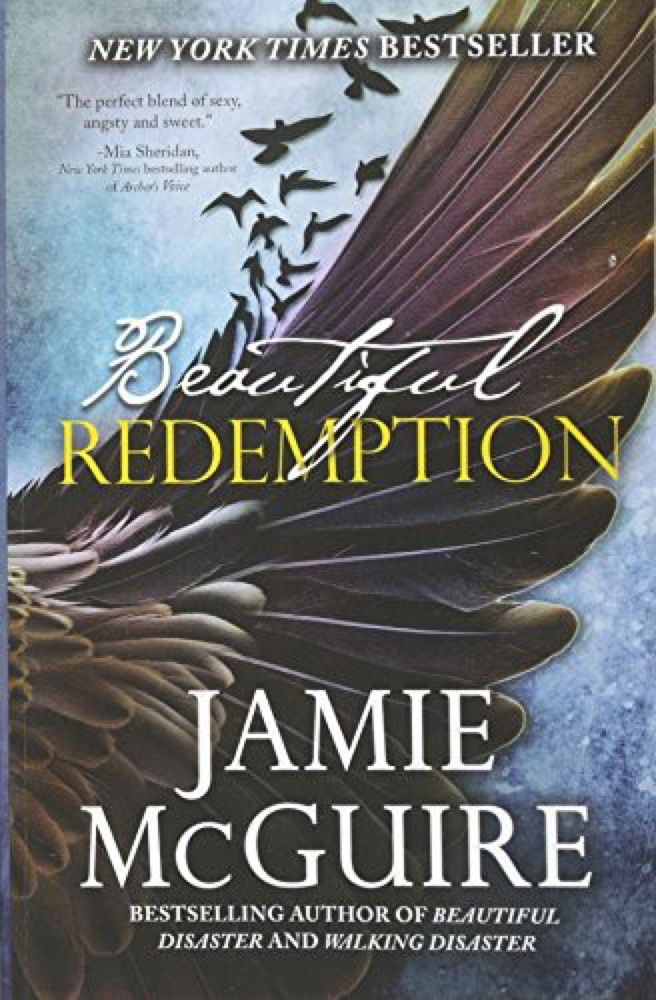 Beautiful Redemption
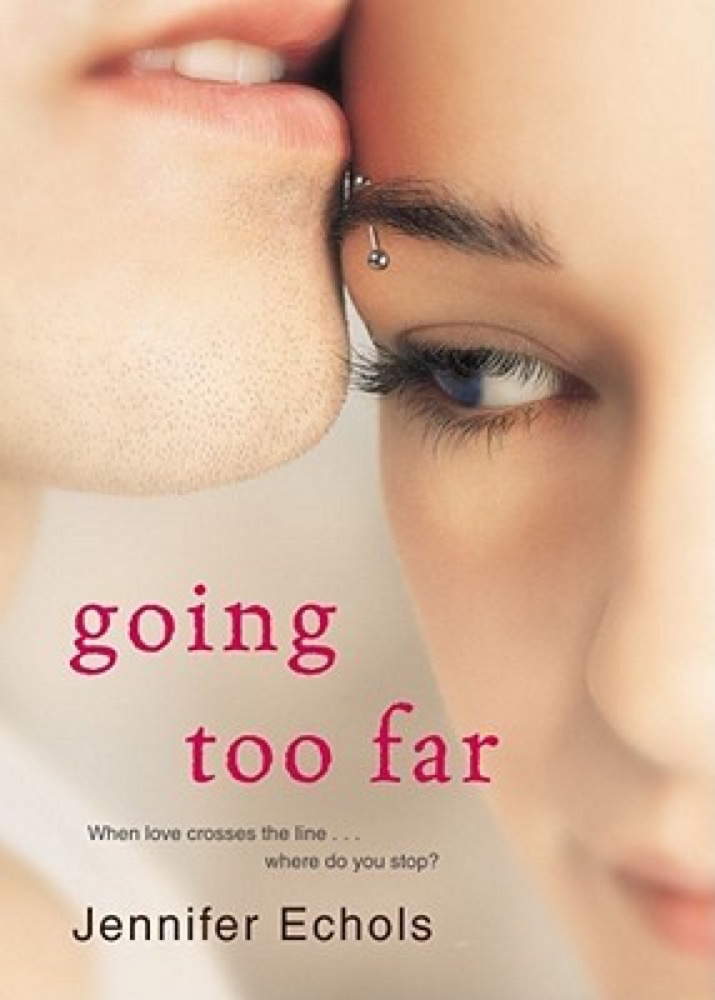 Going Too Far
 When It Happens
 What Happened to Goodbye
 The Secret of Ella and Micha
 New Moon
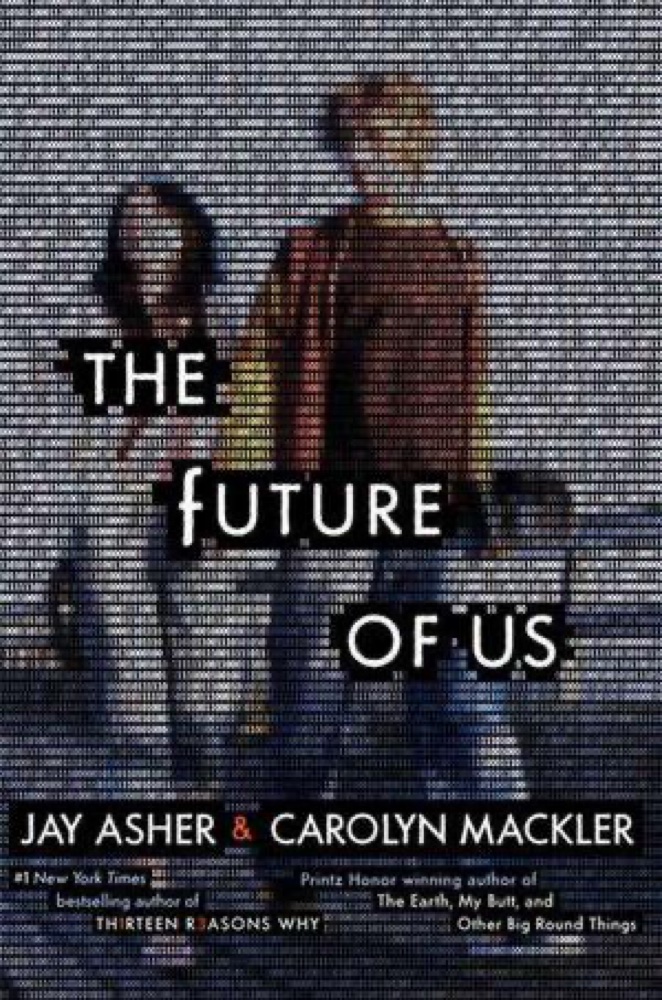 The Future of Us
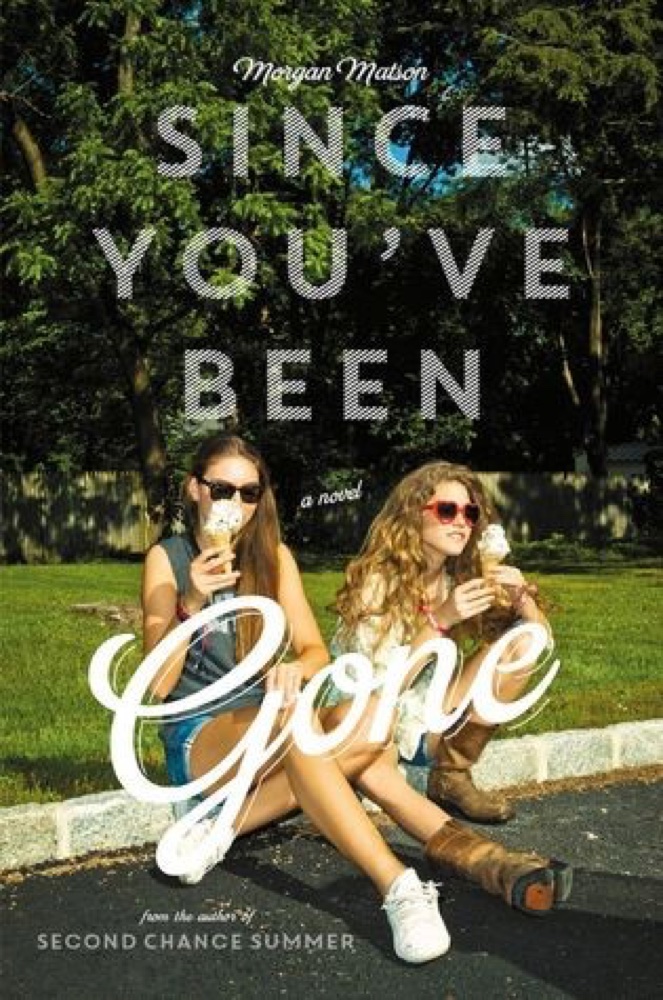 Since You've Been Gone
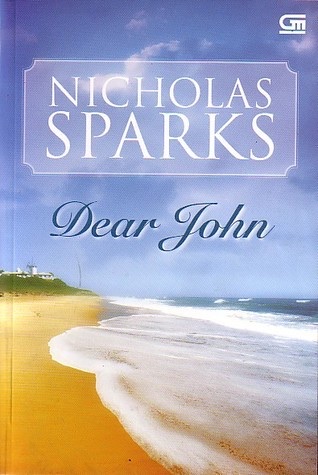 Dear John
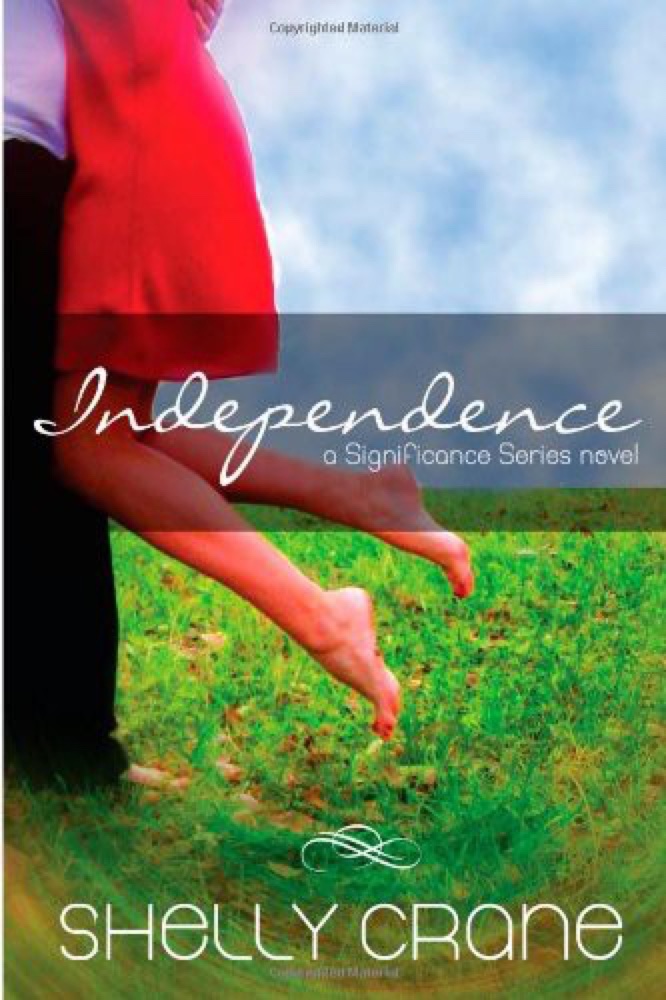 Independence
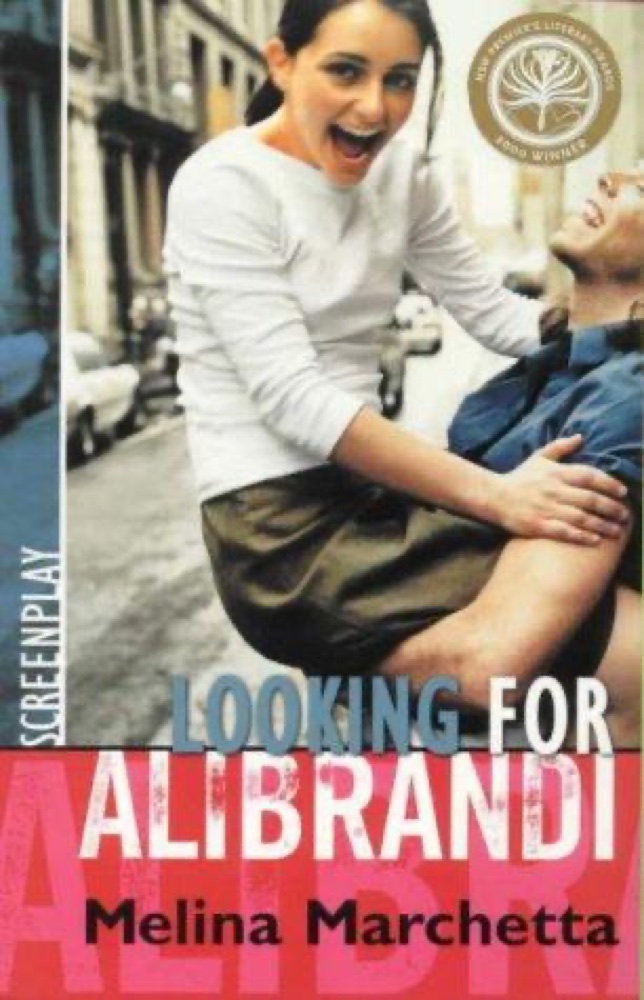 Looking for Alibrandi
 Dirty
Dirty
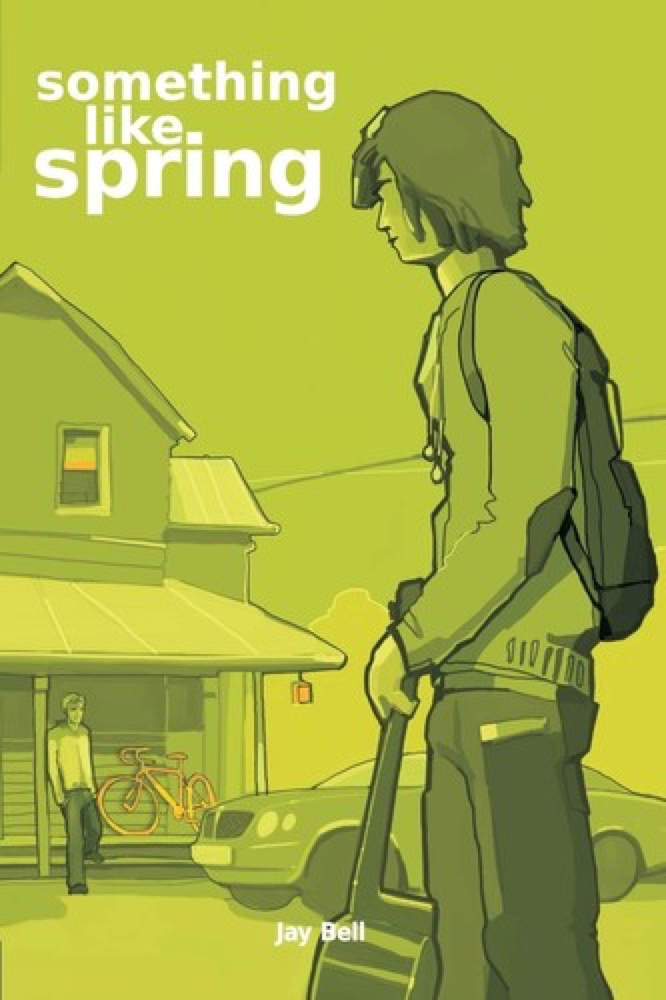 Something Like Spring