
 Twenty Fragments of a Ravenous Youth
Quotes from the Book
A person cannot grow up through happiness. Happiness makes a person shallow. It is only through suffering that we grow up, transform, and come to a better understanding of life.
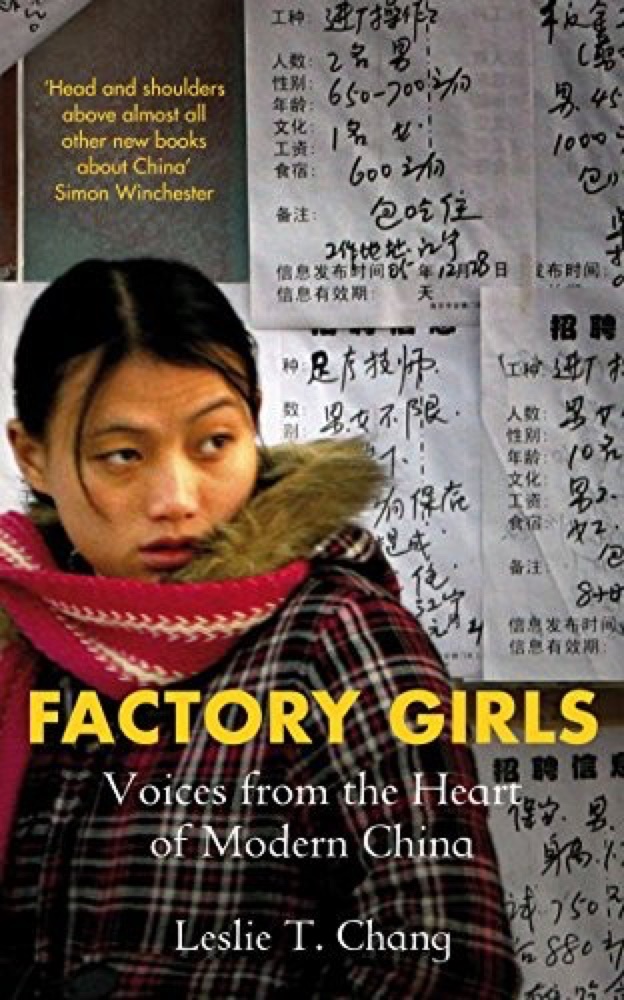
The binders hinted at the reasons past relationships had gone sour. SEEKING A 28- TO 34-YEAR-OLD WITH AN OPEN PERSONALITY WHO DOESN'T GAMBLE. SEEKING A CULTIVATED PERSON NOT ADDICTED TO WINE AND WOMEN. An occasional brave soul would throw caution to the winds: SEEKING A 35- TO 45-YEAR-OLD. THE REST IS UP TO DESTINY.
In China, people from such humble backgrounds rarely spoke in public. But here they were, each person unapologetic and full of faith that her personal story was interesting.
If I only go to school, come out and do migrant work for a few years, then go home, marry and have children," Min said, "I might as well not have lived this whole life.
No one wanted to date a man who was only five feet three inches tall.
It isn’t very interesting,” my father said. “He just writes things like, ‘Today the Japanese army is closing in around the city.’ Stuff like that.
My grandfather came back, and his death bought the house at no. 6; half a century later it was turned into yet another journey to America. And that was fitting, because the history of a family begins when a person leaves home.
Watch on YouTube
About Leslie T. Chang
We have collected 7 quotes from 1 book by Leslie T. Chang on BookQuoters.
More about the author →Book details
- Author
- Leslie T. Chang
- Genre
- History
- Goodreads rating
- 3.93 (10k ratings) →
Keep reading
Twenty Fragments of a Ravenous Youth
 Homeseeking
 We Were Dreamers: An Immigrant Superhero Origin Story
 NW
NW
 The Loneliness of Sonia and Sunny
 The Girl with Seven Names: A North Korean Defector’s Story
 Joan Is Okay
 Wild Swans: Three Daughters of China
 One Fifth Avenue
 The Woman Warrior
 Canada
 Dream Count
 Disoriental
 Tales from the Cafe
 Where the Wind Leads: A Refugee Family's Miraculous Story of Loss, Rescue, and Redemption
 Orient
 Are We There Yet?
 Red Dust: A Path Through China
 Another Country
 A Bend in the River
 The Refugees
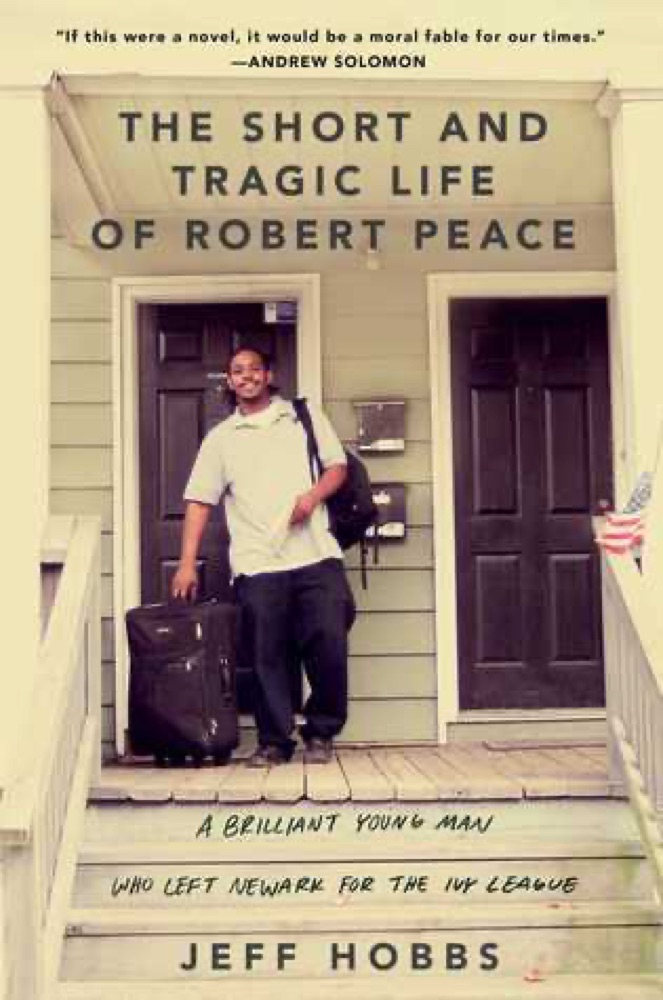 The Short and Tragic Life of Robert Peace: A Brilliant Young Man Who Left Newark for the Ivy League
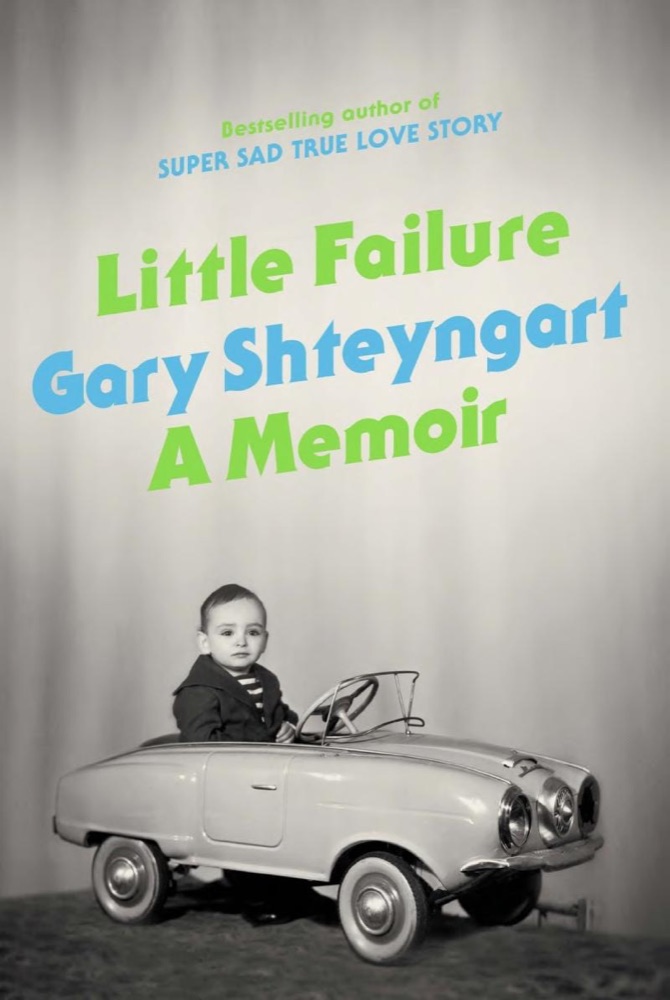 Little Failure: A Memoir
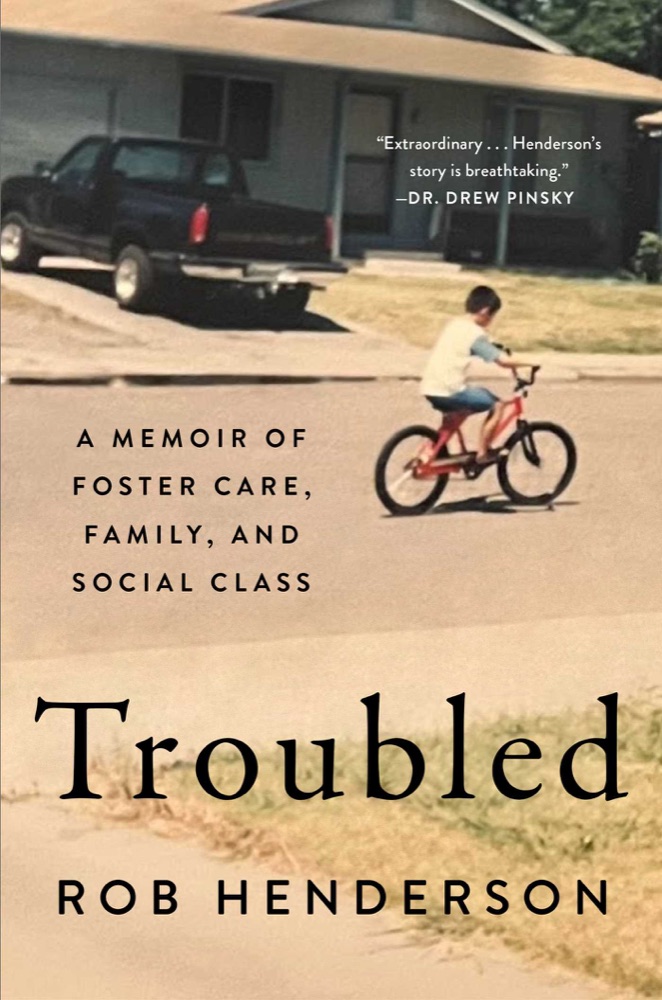 Troubled: A Memoir of Foster Care, Family, and Social Class
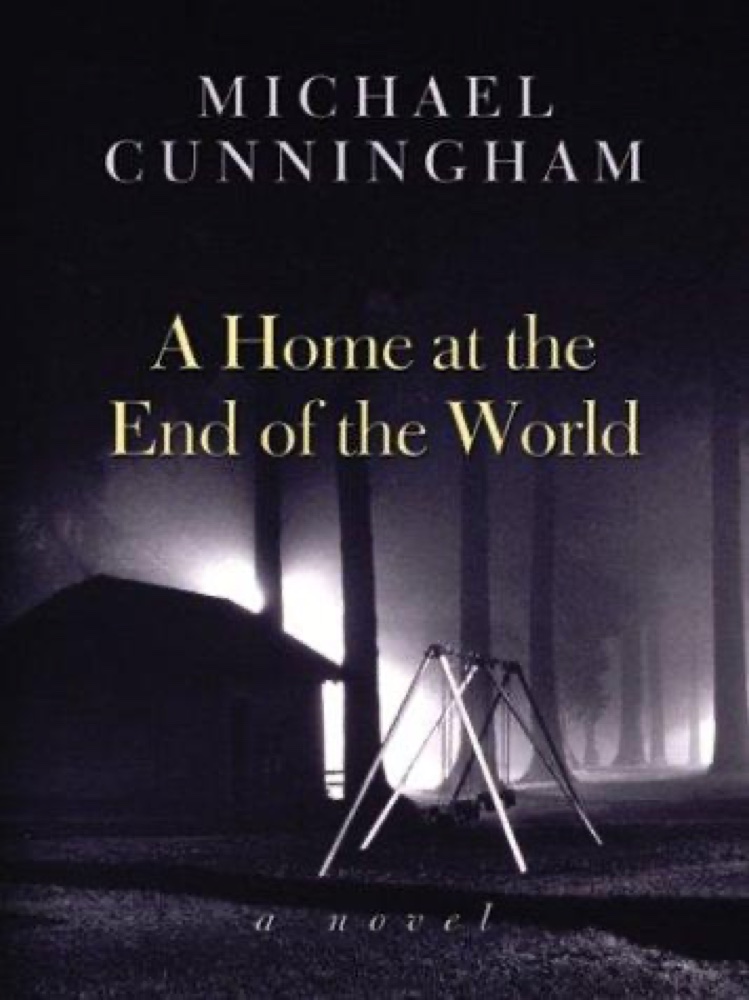 A Home at the End of the World
 They Call Her Dirty Sally
 Go
Go
 America Is Not the Heart
 The Full Cupboard of Life
 Mislaid
 All This Could Be Different
 O Pioneers!
 Homegoing
 Severance
 We Are Not Ourselves
 The Post-Birthday World
 Past Imperfect
 Persepolis 2: The Story of a Return
 Revolutionary Road
 Shanghai Girls
 Summer Darlings
 The Last Children of Tokyo
 The Immigrants
 Dreams from My Father: A Story of Race and Inheritance
 The Latehomecomer: A Hmong Family Memoir
 What Strange Paradise
 The Rise & Fall of Great Powers
 Distant Shores
 An Experiment in Love
 Pachinko
 Audition
 Live by Night
 Valley of the Dolls
 House of Trelawney
 Mayflies
 Purity
 Leonard and Hungry Paul
 Finding My Way: A Memoir
 The Children Act
 Life and Death in Shanghai