

 Holy Bible: ESV Bible
Quotes from the Book
Lucas heard a strange sound, something he hadn’t heard in months. At first it didn’t seem real, it was something distant from the past. It was the first time in nearly a year he had heard himself laugh, and it momentarily stunned him
His faith was like the radar of a bat, it took him through the darkness that surrounded him. It would guide him through everything that evil would throw at him. When his body gave up, God’s powers lifted him up and kept his heart thumping.
Was there no one to help? He instinctively bowed his head and prayed. A warm feeling engulfed his battered body. “I’m not alone, I will never be alone. God is with me
Maybe I should drown myself before I freeze to death?
About Unknown
We have collected 3744 quotes from 245 books by Unknown on BookQuoters.
More about the author →More by Unknown
Holy Bible: ESV Bible
 Holy Bible, NKJV
 The New Oxford Annotated Bible: New Revised Standard Version
 Hagakure: The Book of the Samurai
Book details
- Author
- Unknown
- Genre
- Fiction
- Goodreads rating
- 4.40 (227 ratings) →
Keep reading
 Desperation
 The Soulkeepers
 The Fallen Star
 A Wolf at the Table
 An Echo in the Bone
 Fracture
 Let the Right One In
 Incarnate
 Swan Song
 The Invisible Bridge
 The Bone Season
 Jesus' Son
 The Second Coming
 A Break of Day
 The Metamorphosis
 I Am Legend and Other Stories
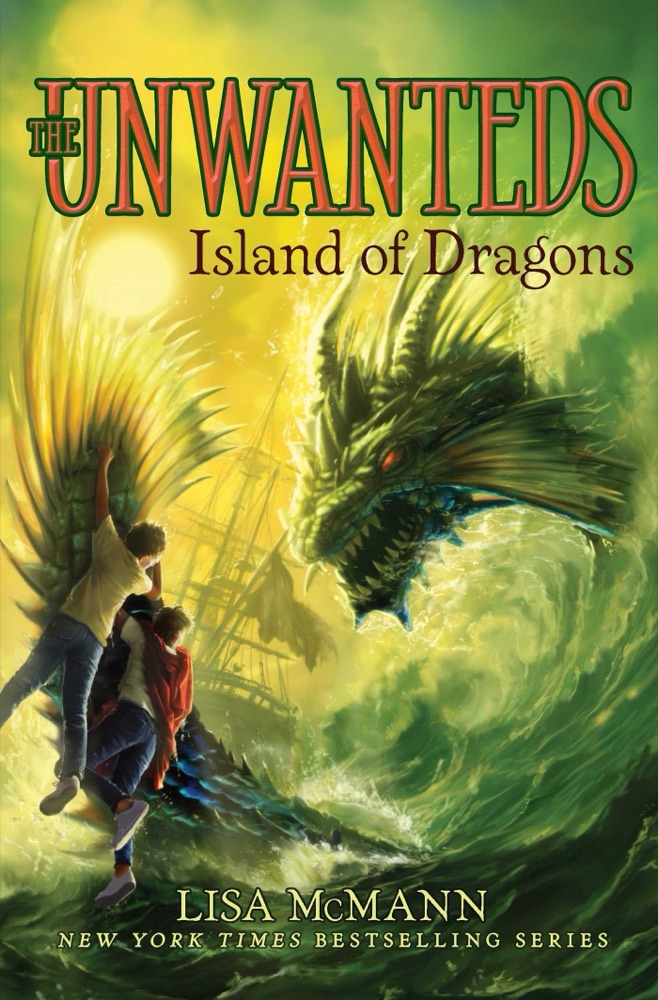 Island of Dragons
 The Stranger in the Lifeboat
 Fat City
 The Dark Descent of Elizabeth Frankenstein
 Unbroken: An Extraordinary True Story of Courage and Survival
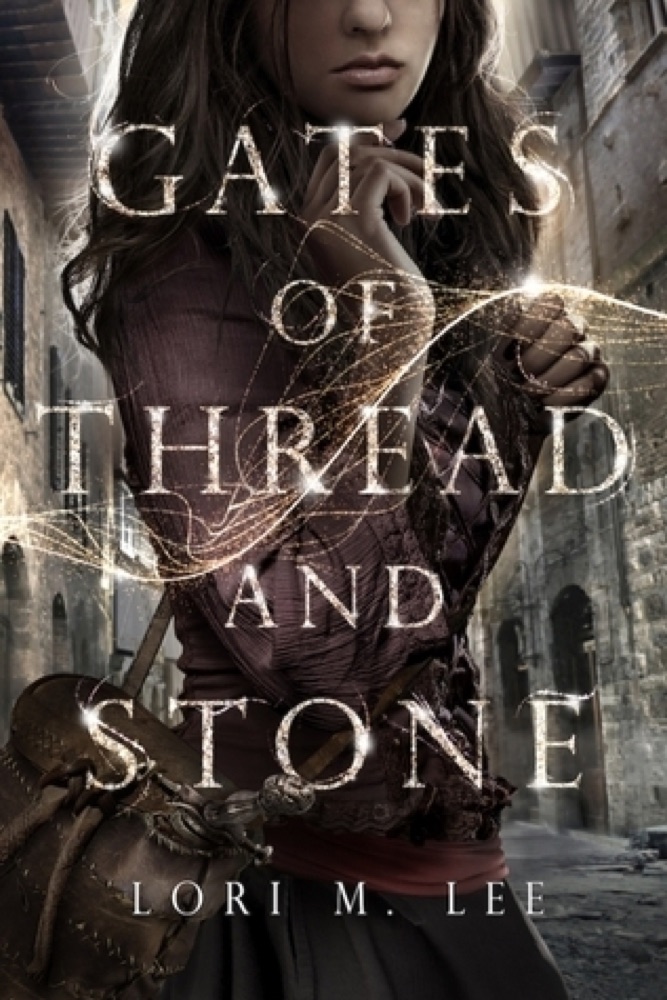 Gates of Thread and Stone
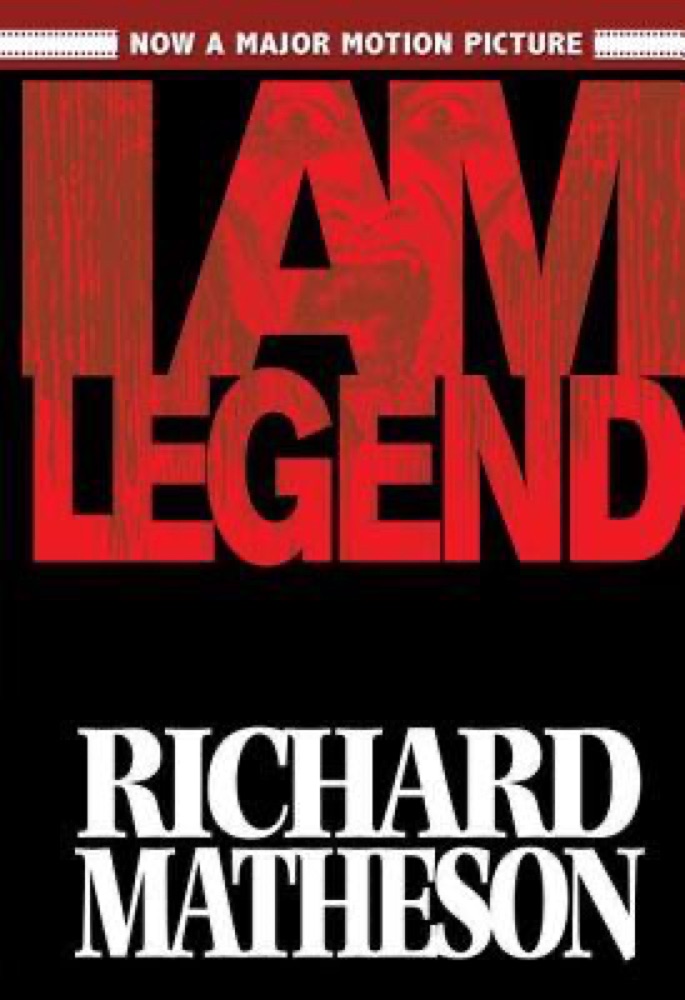 I Am Legend
 Article 5
 Monstrilio
 The Heart Is a Lonely Hunter
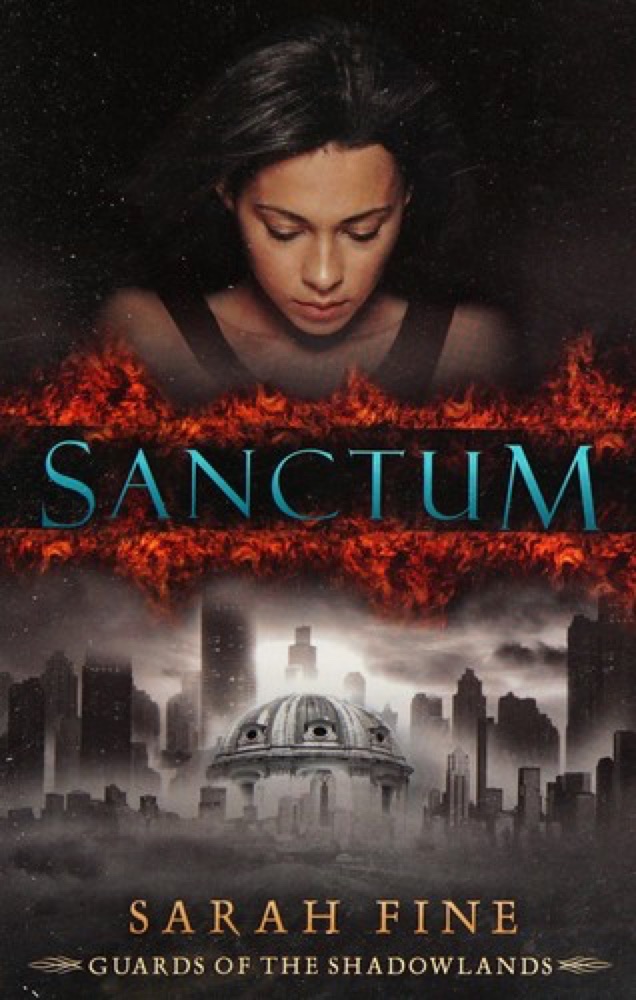 Sanctum
 The Stranger
 Under the Volcano
 Outpost
 Night
Night
 Little Heaven
 Leviathan
 Into This River I Drown
 90 Minutes in Heaven: A True Story of Death and Life
 Hunger
 Strangers on a Train
 Thunder and Rain
 The Bedlam Stacks
 Evenfall
 Big Fish
 This Dark Endeavor
 My Story
 The Hour I First Believed
 Clockwork Boys
 Full Tilt
 Watchers
 Harvesting the Heart
 Hatchet
 A Long Way Gone
 Dead Beat
 The Death of Vivek Oji
 The River
 The Spear Cuts Through Water
 Alas, Babylon
 The Diving Pool: Three Novellas
 Dead and Gone
 More Than Human
 The Madness Underneath