
 The Tattooist of Auschwitz
Quotes from the Book
Everyone affected by war, captivity or aggression reacts differently, and away from it people might try to guess how they would act, or react, in the circumstances, but they do not really know.
14
Did I tell you about Cilka?" "No, Lale, you didn't. Who was Cilka?" "She was the bravest person I ever met. Not the bravest girl, the bravest person.
14
His eyes seem to see nothing. He is a man whose soul has died and whose body is waiting to catch up with it.
14
It is this fire, then, that keeps her going. But it is also a curse. It makes her stand out, be singled out. She must contain it, control it, direct it. To survive.
9
Anger is what we feel when we're helpless.
6
It's time to live now, Cilka," he says. "Without fear, and with the miracle of love." "Is that a poem?" she asks him, smiling through her tears. "It is the beginning of one.
5
But she -- she will live. She doesn't know why she has always been sure of that, why she feels she can persist -- keep picking up this needle even though it's as heavy as a brick, keep sewing, keep doing what she has to do -- but she can.
5
The last word must go to Alexander Solzhenitsyn. “I dedicate this to all those who did not live to tell it,” he wrote in the foreword to his classic study, The Gulag Archipelago. “And may they please forgive me for not having seen it all, nor remembered it all, for not having divined all of it.
3
Such a small space of time has passed, but the words have been so large.
3
She wonders if her feelings for men are to be only fear and pity?
3
18 million people passed through the Gulag system from 1929 until Stalin’s death in 1953,
2
It is time to live now, Cilka,” he says. “Without fear, and with the miracle of love.
2
She has never had any choices. Everything has simply happened to her. No matter how much she wants it, she can never hold on to people. She is alone. Completely alone in the world.
2
She hopes she will be able to explain to Josie later that he can have her body and that is all; he cannot have her mind, her heart, her soul.
2
Stories like Cilka’s deserve to be told, and I’m humbled and honored to bring it to you. She was just a girl, who became a woman, who was the bravest person Lale Sokolov ever met.
2
Everyone affected by war, captivity, or oppression reacts differently—and away from it, people might try to guess how they would act, or react, in the circumstances. But they do not really know.
2
She is just surviving, Cilka has often thought. There is no one way to do it.
2
I'd thought you'd given up on me.
2
What you are doing, Cilka, is the only form of resistance you have – staying alive.
1
She has to go back because the women Cilka shares a hut with have become her family. Yes, they don’t always agree. There have been many fights, some of them physical, but that is what large, complex families endure. She remembers the arguments and pushing and shoving that went on between her and her sister while they were growing up. But the cooperation, and the sharing, outweighed the conflict. Women had come and gone, but the central unity of the hut remained, with the gruff Antonina Karpovna an integral part.
1
She was just a girl, who became a woman, who was the bravest person Lale Sokolov ever met.
1
To have lost everything. To have had to endure what she has endured, and be punished for it. Suddenly the needle feels as heavy as a brick. How can she go on? How can she work for a new enemy?
1
Whatever it is, don’t argue, don’t fight with them; try to be invisible and do as you are told.
1
Deeply and instinctively, Cilka still often reaches for prayers. Her religion is tied to her childhood, her family, traditions and comfort. To another time. It is part of who she is.
1
I would pretend I wasn’t a nurse if someone came to me in labor—that’s scary, two people to worry about.
Did you know?
- The novel is the second book in Heather Morris's Tattooist of Auschwitz series.
- It was inspired by the real Cecilia (Cilka) Klein, mentioned in The Tattooist of Auschwitz.
- Much of the story is set in the Vorkuta Gulag, a Soviet forced-labor camp.
- The Auschwitz Memorial Research Center publicly challenged key historical claims in the book.
- The real Cilka's stepson, George Kovach, contested the novel's portrayal of his stepmother.
- Morris defended the book as fiction that weaves together facts with the experiences of multiple survivors.
About Heather Morris
Heather Morris is a New Zealand-born author based in Australia, best known for her debut novel The Tattooist of Auschwitz (2018). She originally trained the story from interviews with Holocaust survivor Lale Sokolov before adapting it into fiction.
More about the author →More by Heather Morris
The Tattooist of Auschwitz
About the book
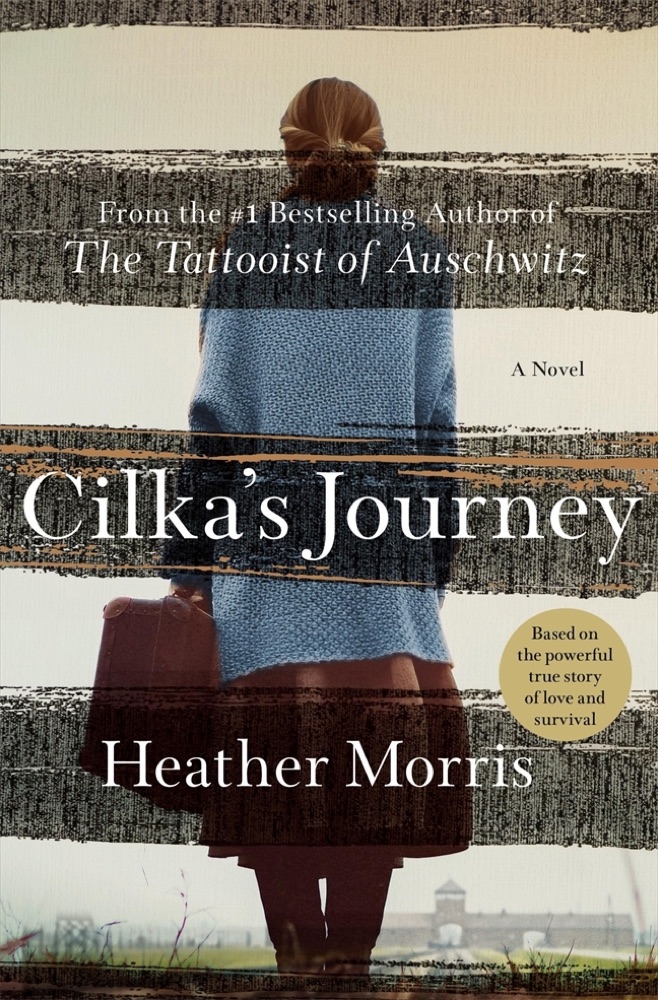
Cilka's Journey is a work of historical fiction by Heather Morris, published in 2019 as a follow-up to her bestselling debut The Tattooist of Auschwitz. It follows Cilka Klein, who at sixteen survived three years in Auschwitz-Birkenau, only to be accused by Soviet authorities of collaborating with the Nazis after liberation and sentenced to fifteen years of hard labor in the Vorkuta Gulag. There, amid brutal coal-mining labor and freezing conditions, she trains as a nurse in the camp hospital and slowly finds fragments of hope and human connection.
The novel dwells on themes of survival, guilt, and resilience, asking what it means to endure when the cost of staying alive is judged by others. It portrays the violence and sexual exploitation suffered by women in both the concentration camp and the gulag, and the moral weight carried by those forced into impossible choices to survive. Through Cilka's friendships and her work caring for the sick, the book also explores compassion and the slow possibility of recovery after catastrophe.
Cilka's Journey was a commercial success and an international bestseller, but it drew significant criticism. Kirkus Reviews called it gripping yet judged that it did not do justice to the history from which it was drawn. The Auschwitz Memorial Research Center challenged central claims in the depiction of the real woman, and her stepson publicly disputed the portrayal; Morris responded that the book is a novel blending fact and fiction, with some characters inspired by real people and others imagined.
Key characters
- Cilka KleinYoung Auschwitz survivor sentenced to the Vorkuta Gulag
- AlexandrFellow prisoner with whom Cilka forms a bond
- Yelena GeorgiyevnaDoctor who mentors Cilka as a nurse in the camp hospital
Book details
- First published
- 2019
- Length
- 352 pages
- Series
- The Tattooist of Auschwitz #2
- Reading time
- 6 hours
- Author
- Heather Morris
- Genre
- Historical
- Goodreads rating
- 4.40 (223k ratings)
Critical reception
- Kirkus Reviews judged the novel gripping but said it does not do justice to the history from which it is drawn.
- The Auschwitz Memorial Research Center challenged the depiction of a central relationship as historically unsupported.
- The real Cilka's stepson, George Kovach, publicly disputed the portrayal and threatened legal action.
- Despite the criticism, the book became an international bestseller.
Series & reading order
- 1 The Tattooist of Auschwitz
- 2 Cilka's Journey
Keep reading
 The Prison Healer
 The Girl You Left Behind
 The Fates Divide
 10 Minutes 38 Seconds in This Strange World
 A Thousand Splendid Suns
 Fever
Fever
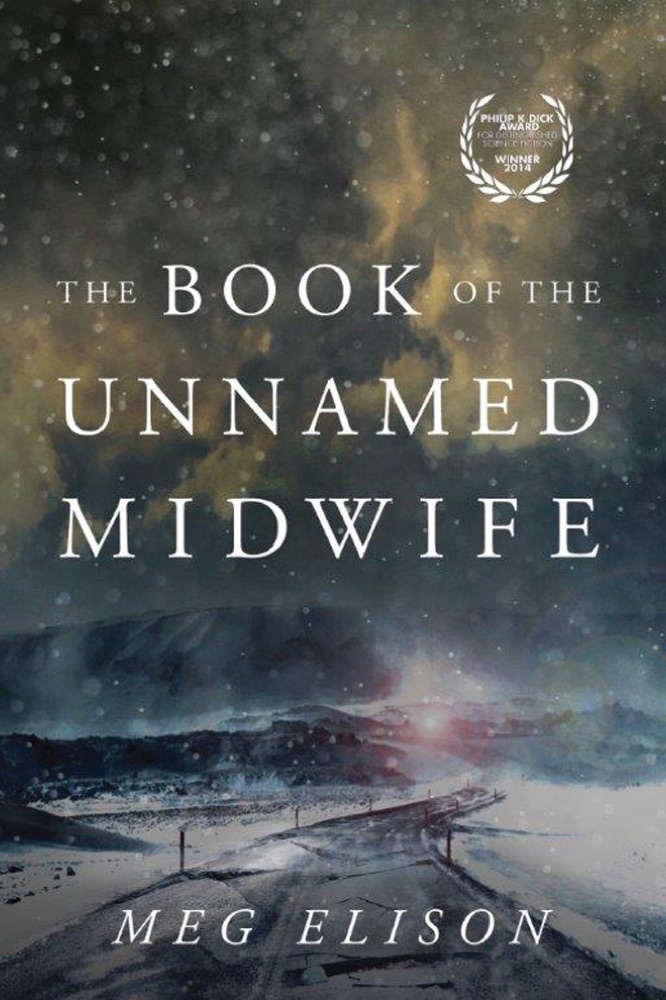 The Book of the Unnamed Midwife
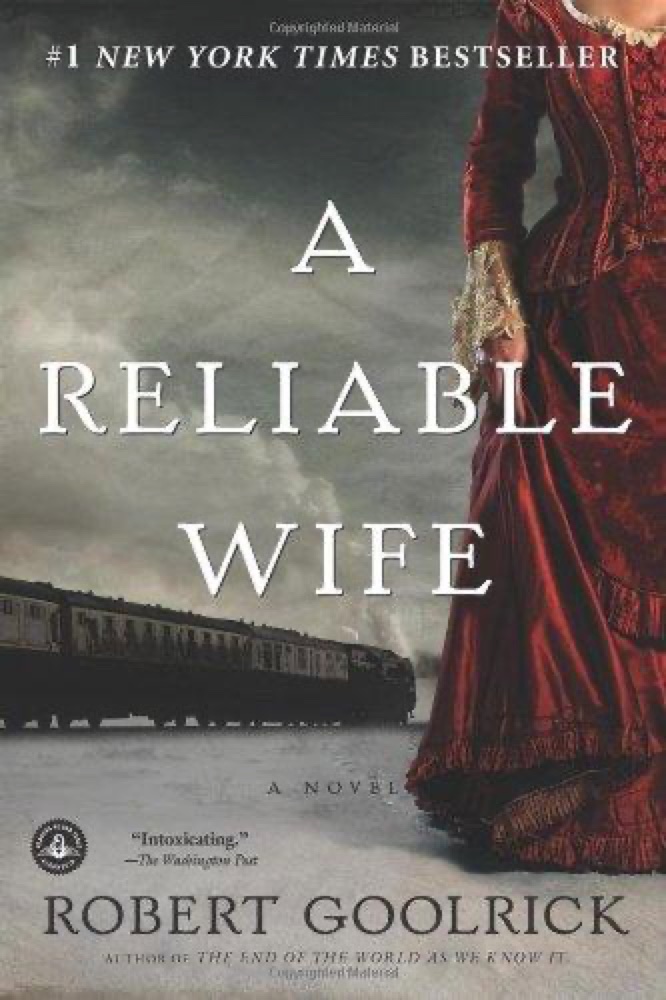 A Reliable Wife
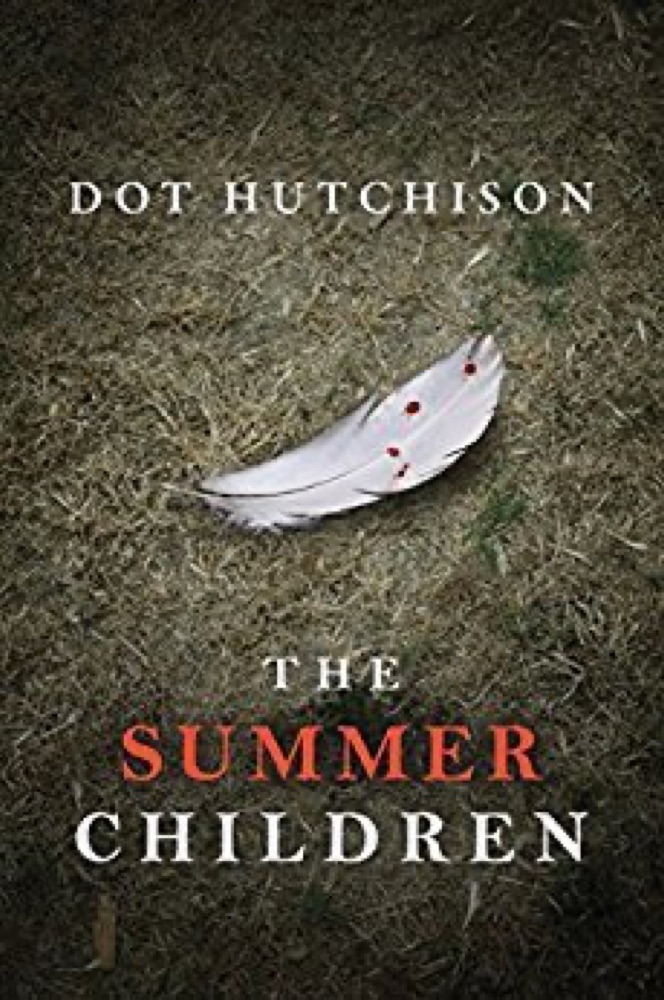 The Summer Children
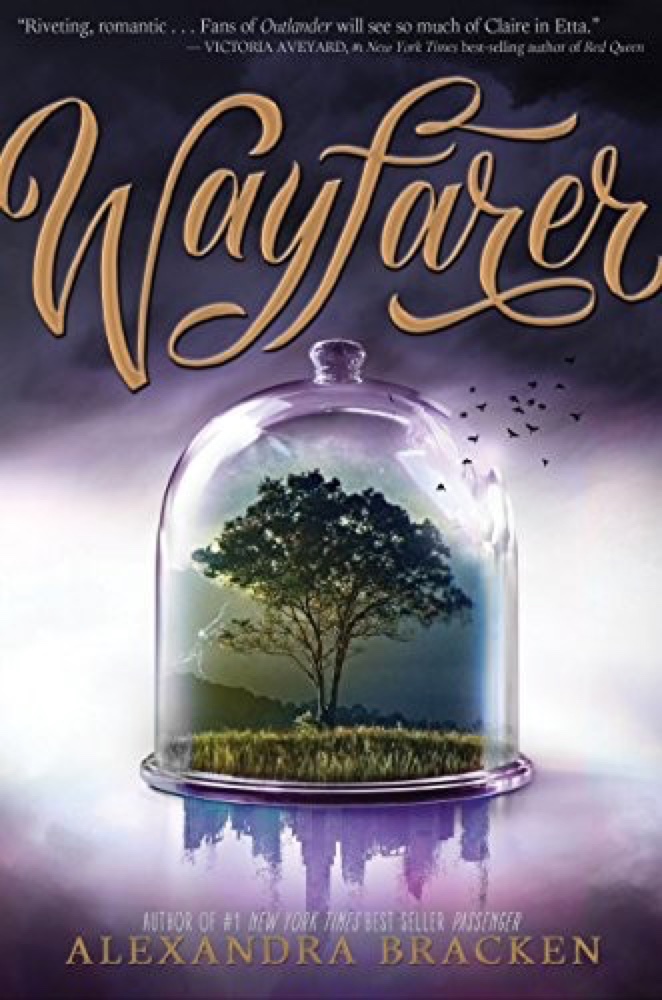 Wayfarer
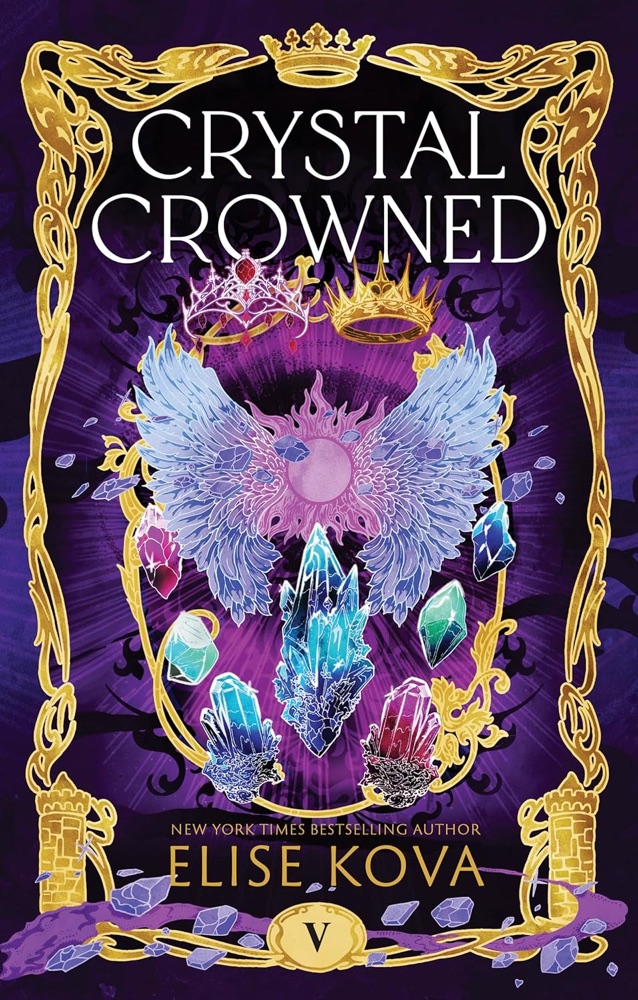 Crystal Crowned
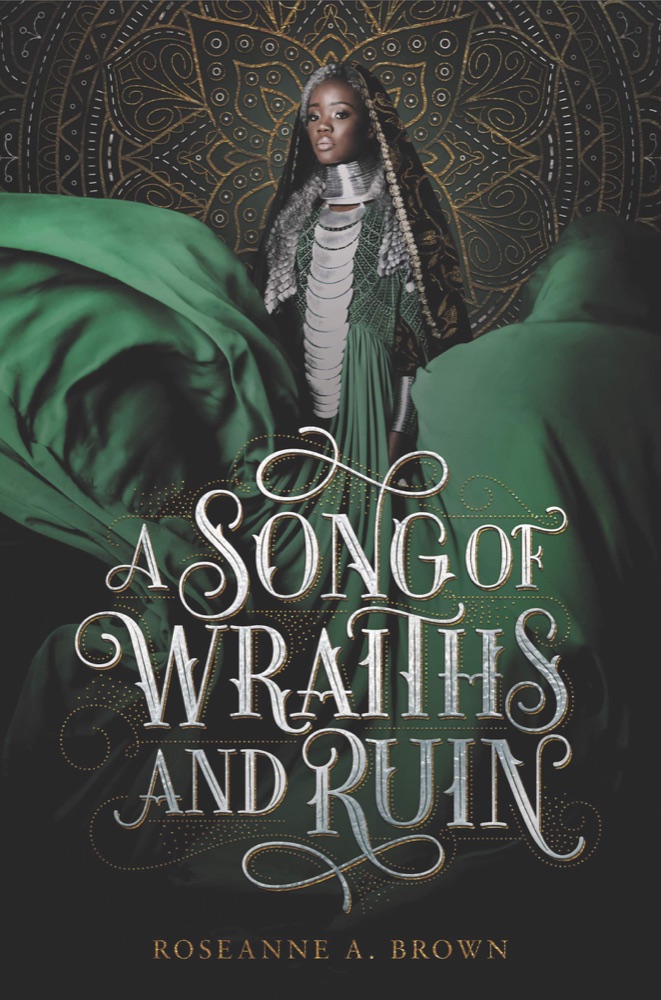 A Song of Wraiths and Ruin
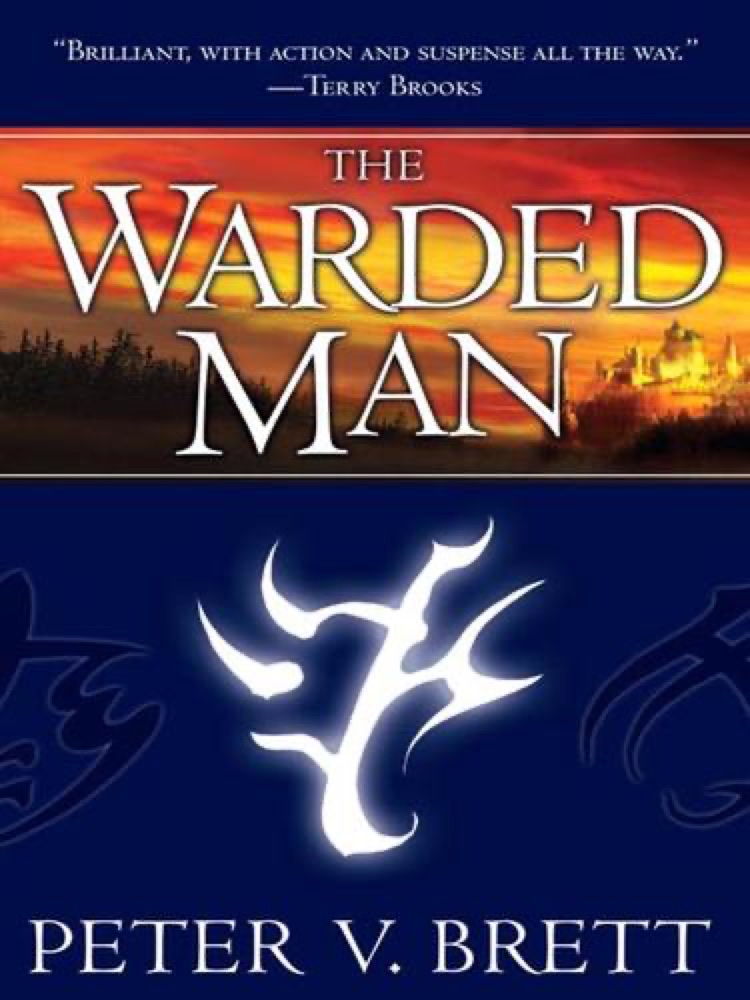 The Warded Man
 Ink Exchange
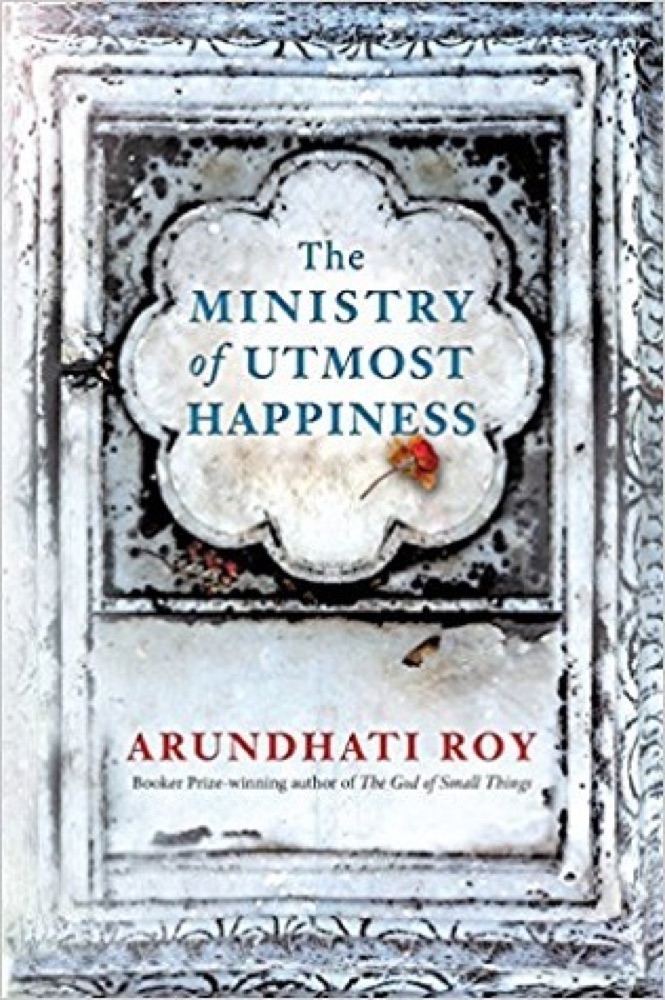 The Ministry of Utmost Happiness
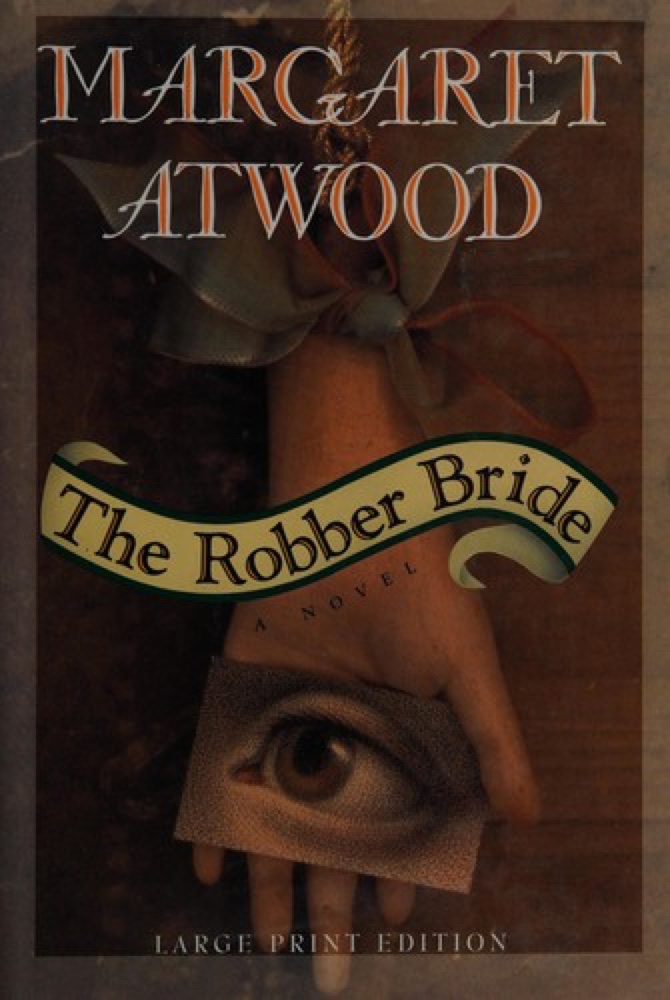 The Robber Bride
 Of Women and Salt
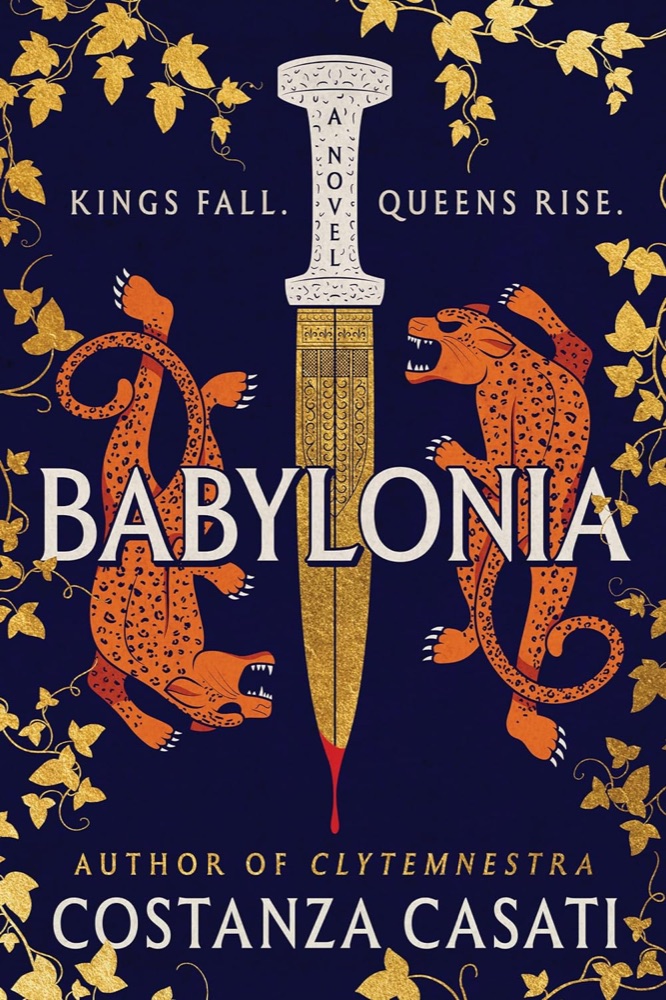 Babylonia
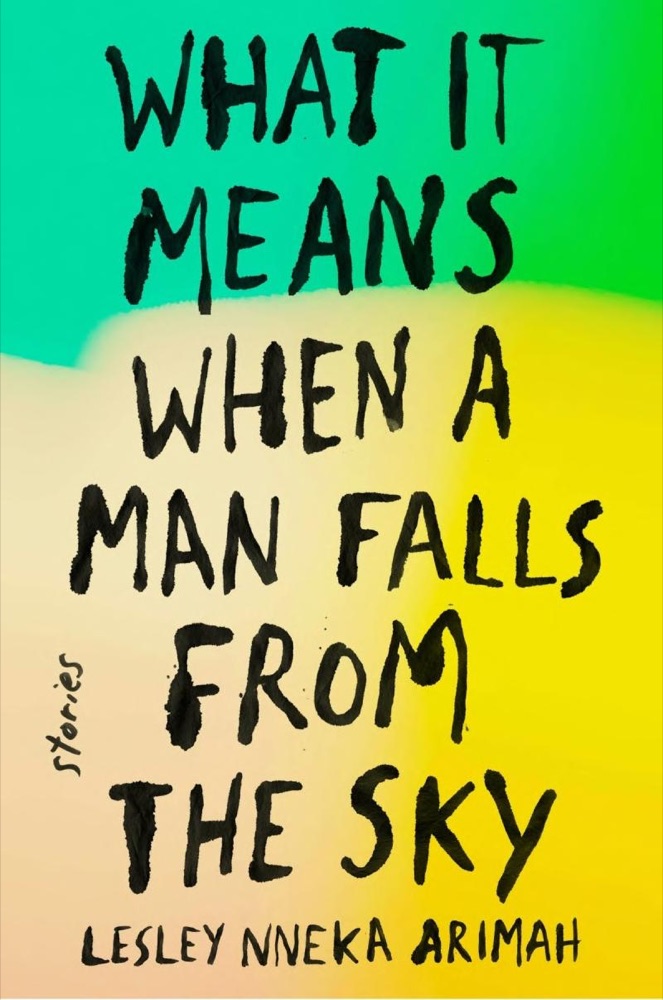 What It Means When a Man Falls from the Sky
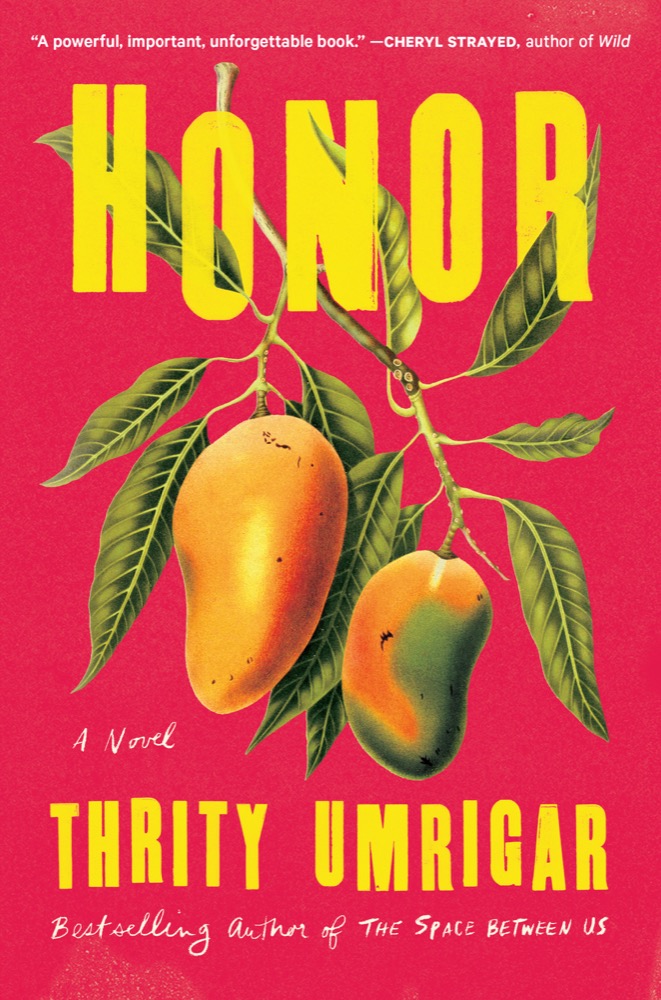 Honor
Honor
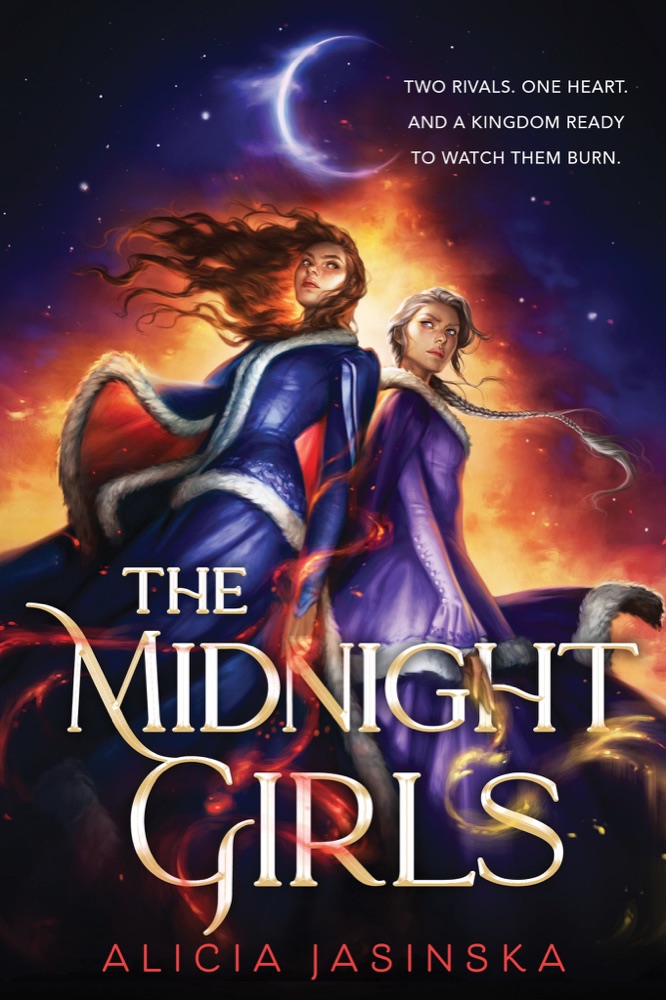 The Midnight Girls
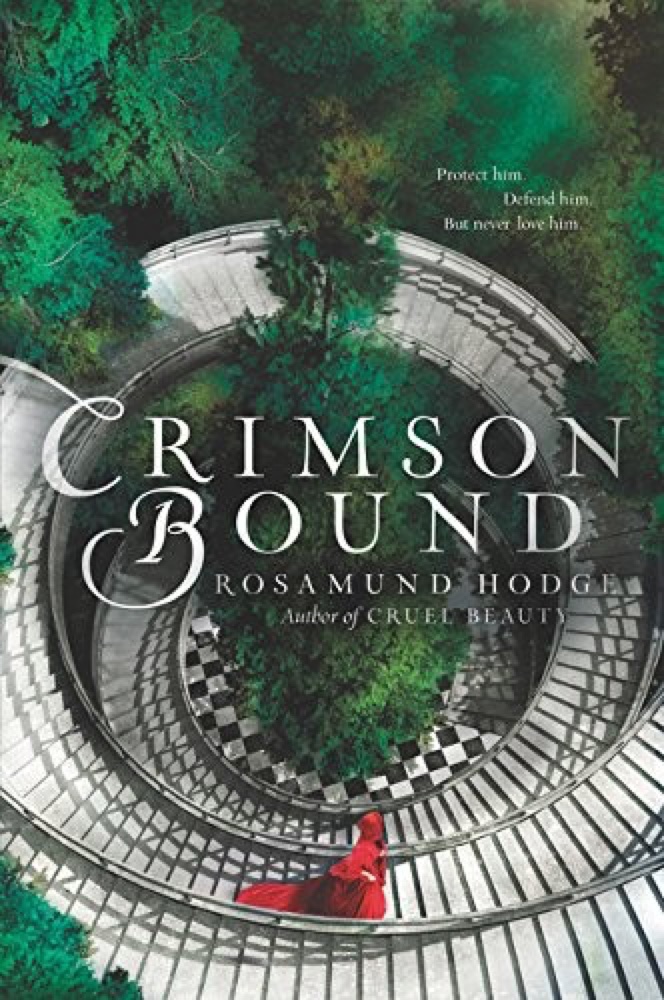 Crimson Bound
 Winter Garden
 We Free the Stars
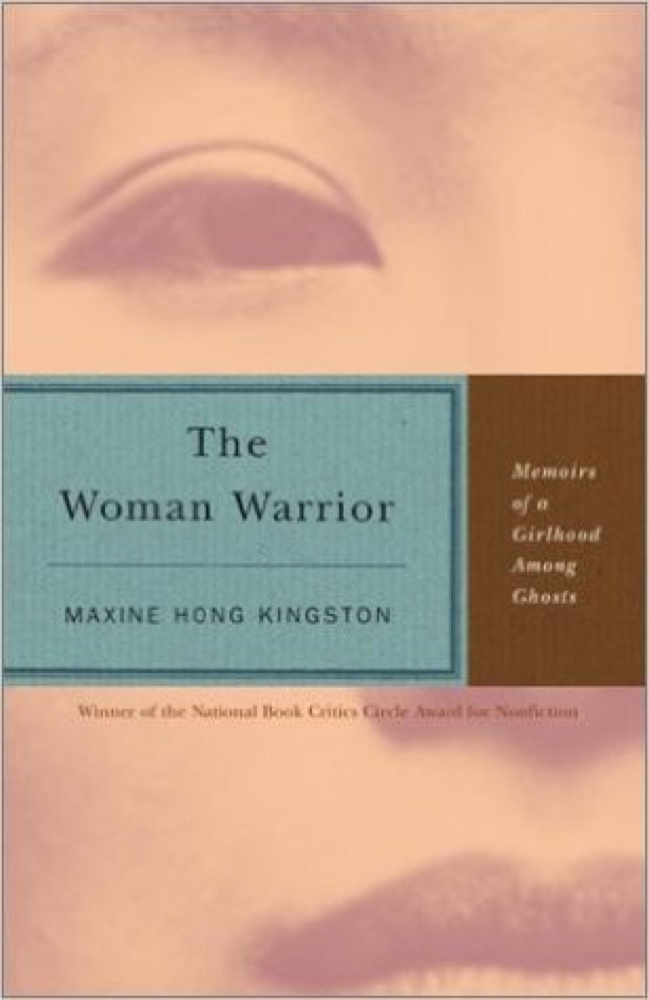 The Woman Warrior
 Passenger
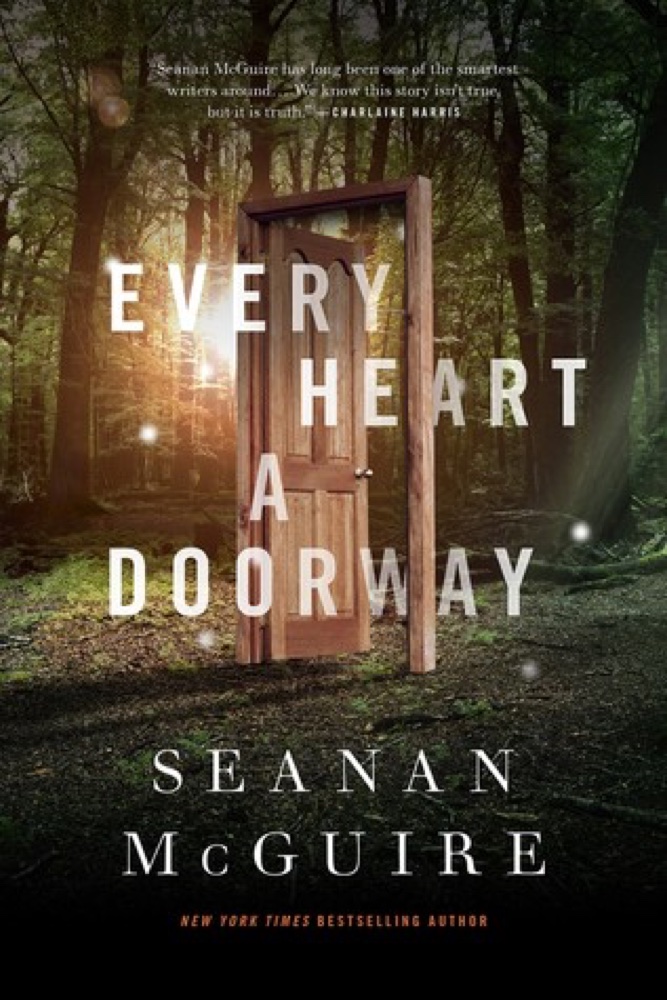 Every Heart a Doorway
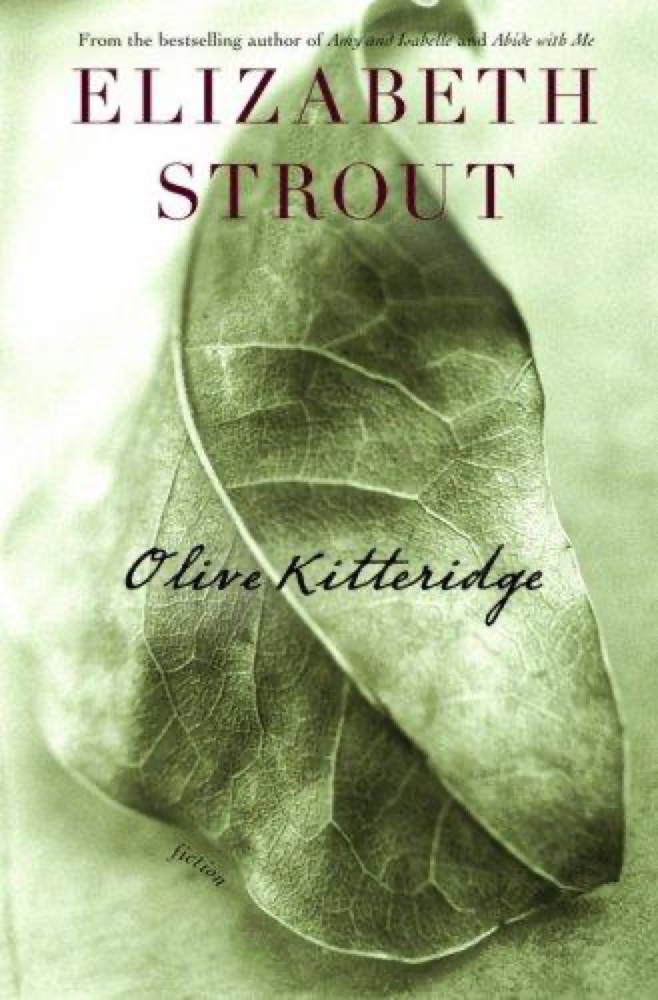 Olive Kitteridge
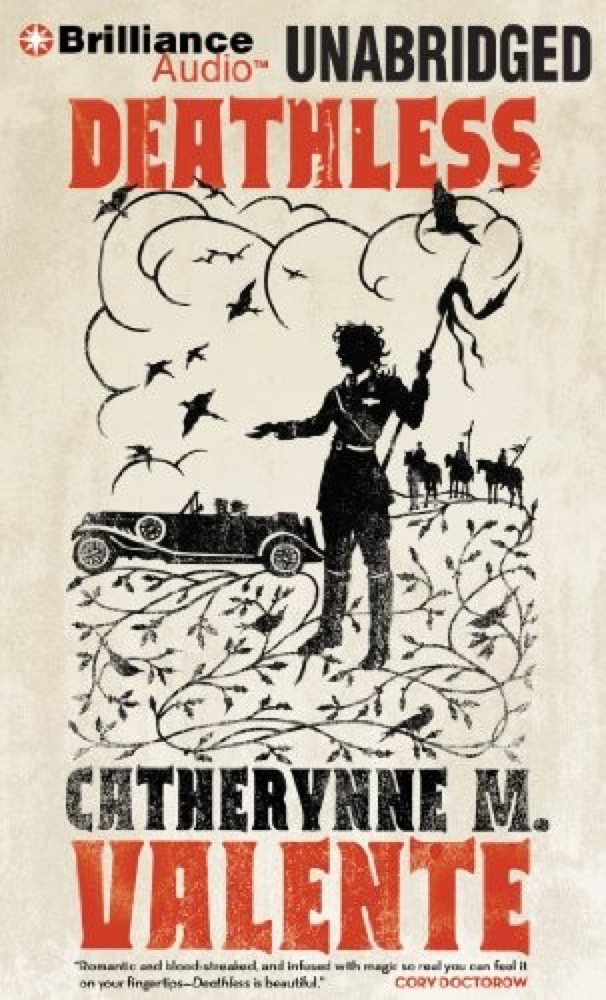 Deathless
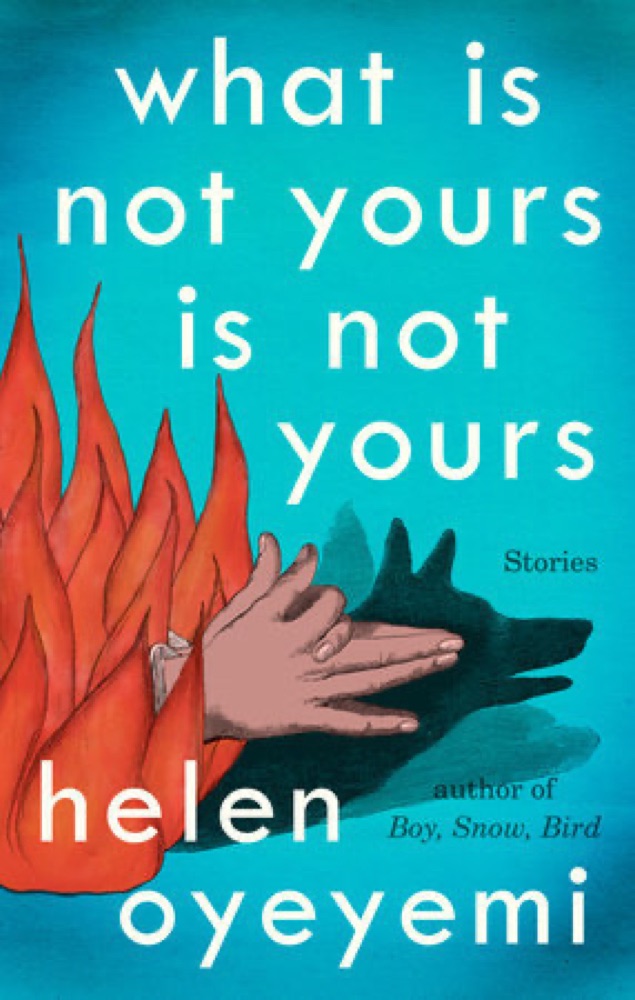 What Is Not Yours Is Not Yours
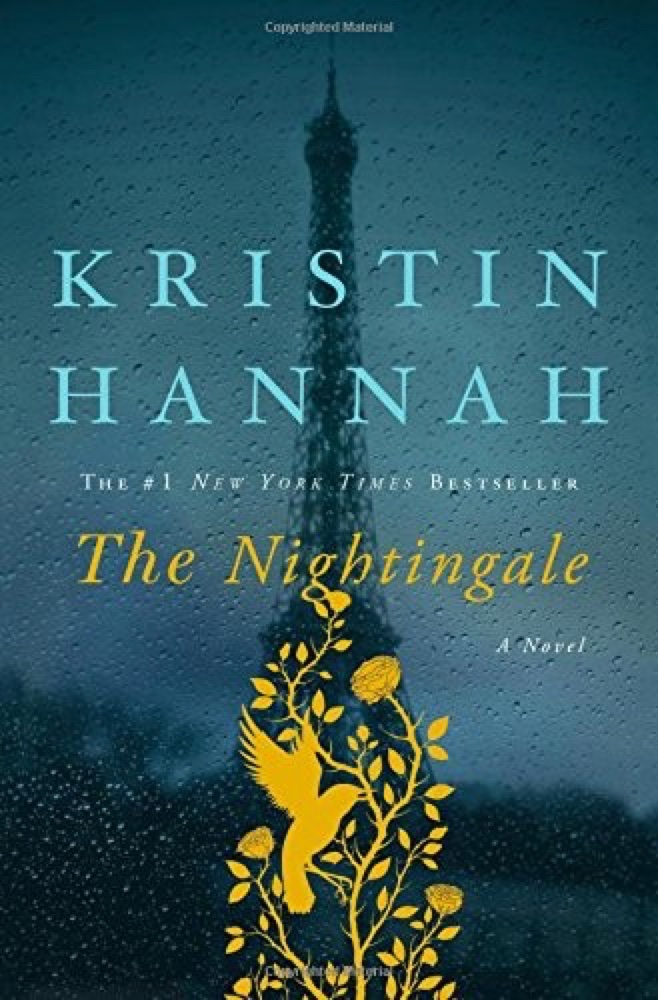 The Nightingale
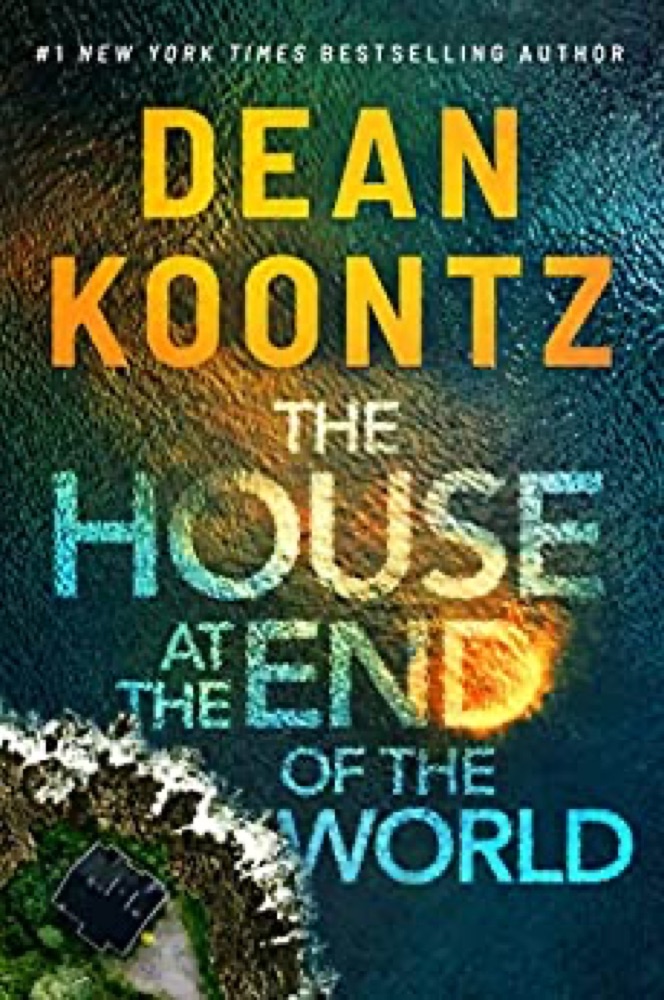 The House at the End of the World
 City of Stairs
 Ammonite
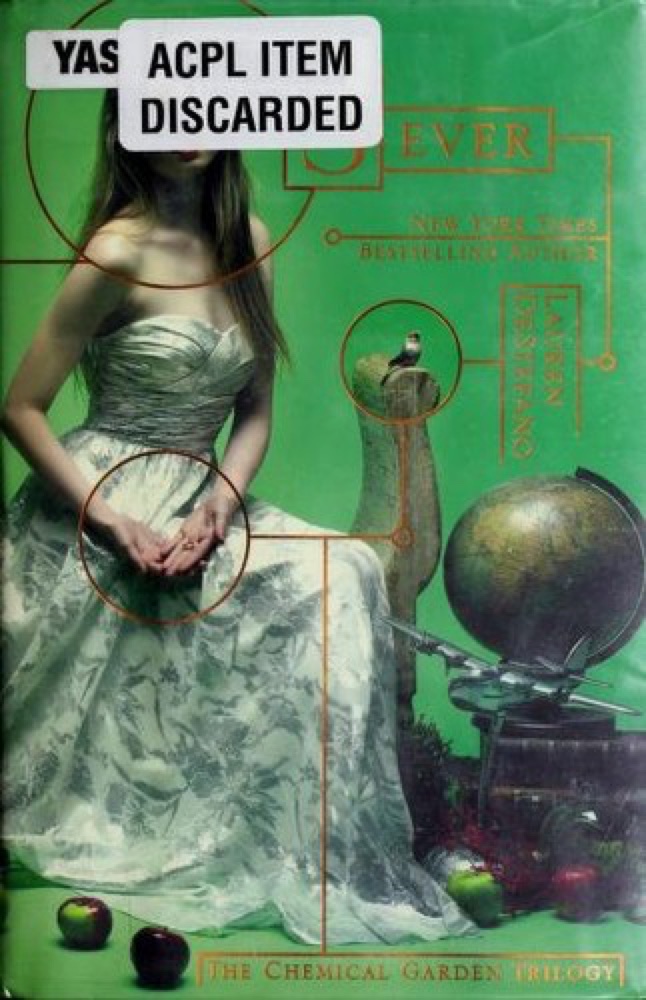 Sever
Sever
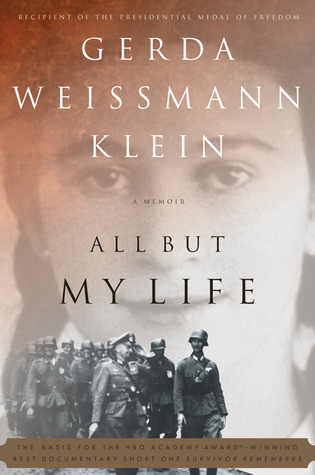 All But My Life: A Memoir
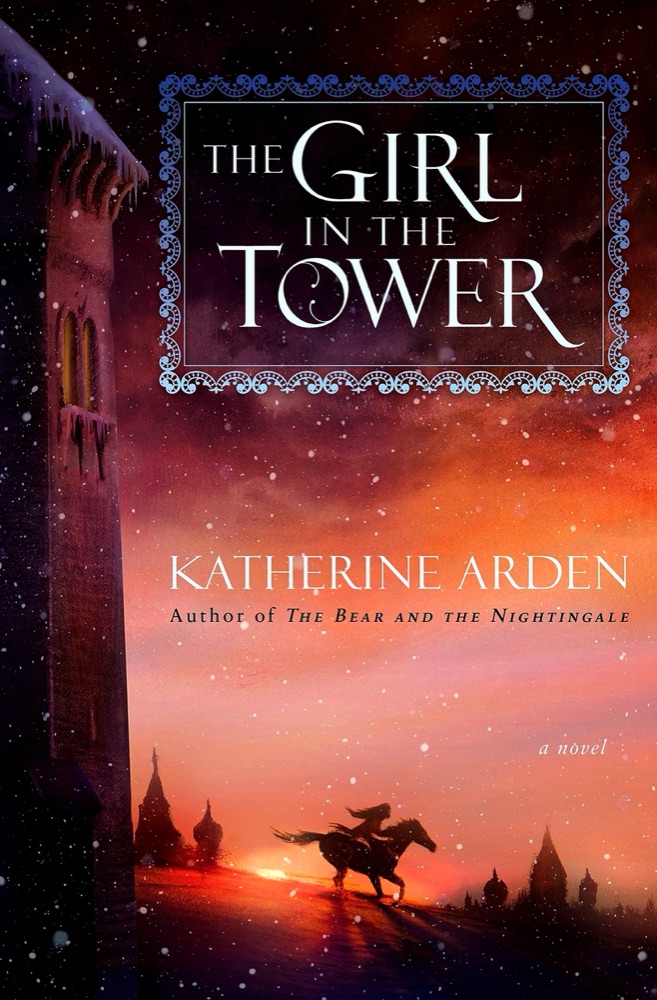 The Girl in the Tower
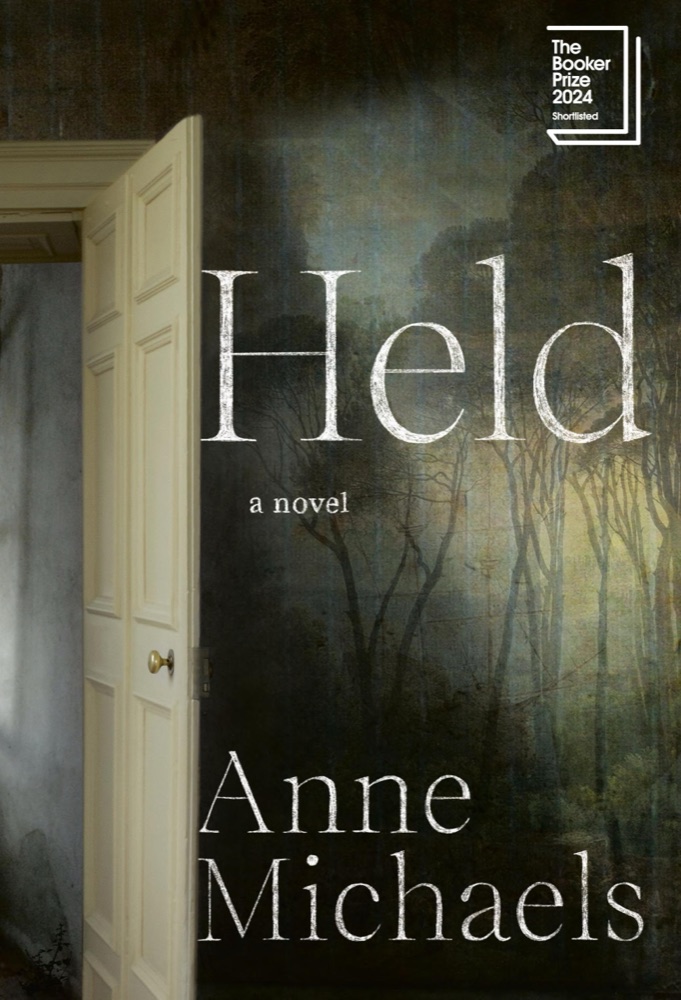 Held
Held
 The Paris Secret
 The Great Alone
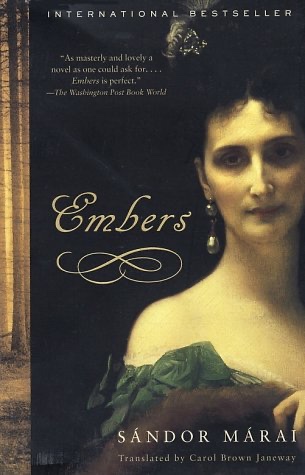 Embers
 The Small Backs of Children
 Rose Madder
 Deerskin
 Idaho
Idaho
 Muse of Nightmares
 A Theory of Dreaming
 Sisterhood Everlasting
 My Brilliant Friend
 The Heart Is a Lonely Hunter
 Hotel Silence
 The Bone Maker
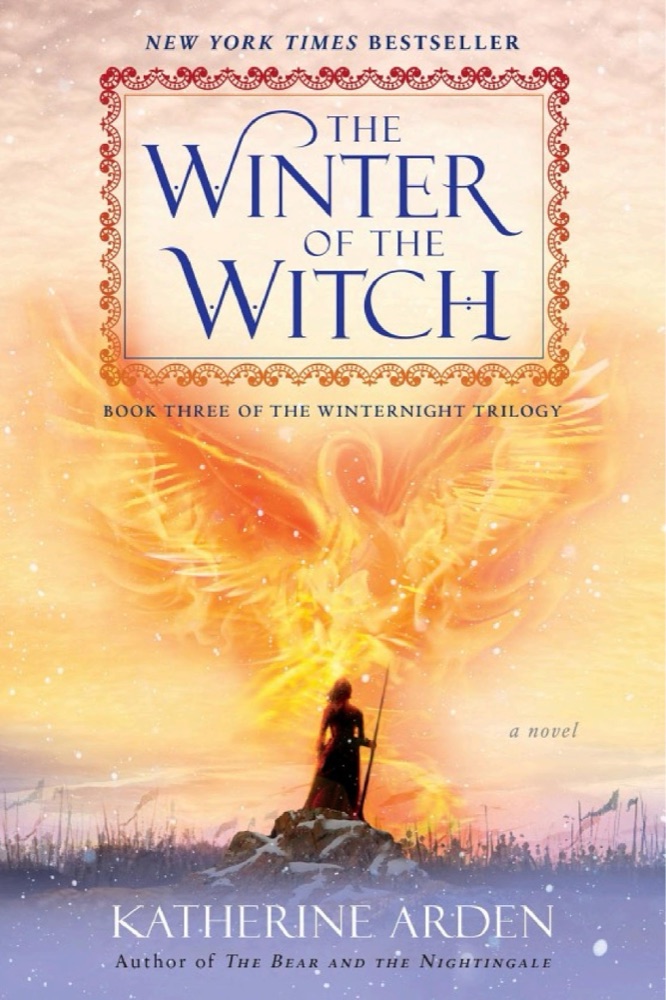 The Winter of the Witch
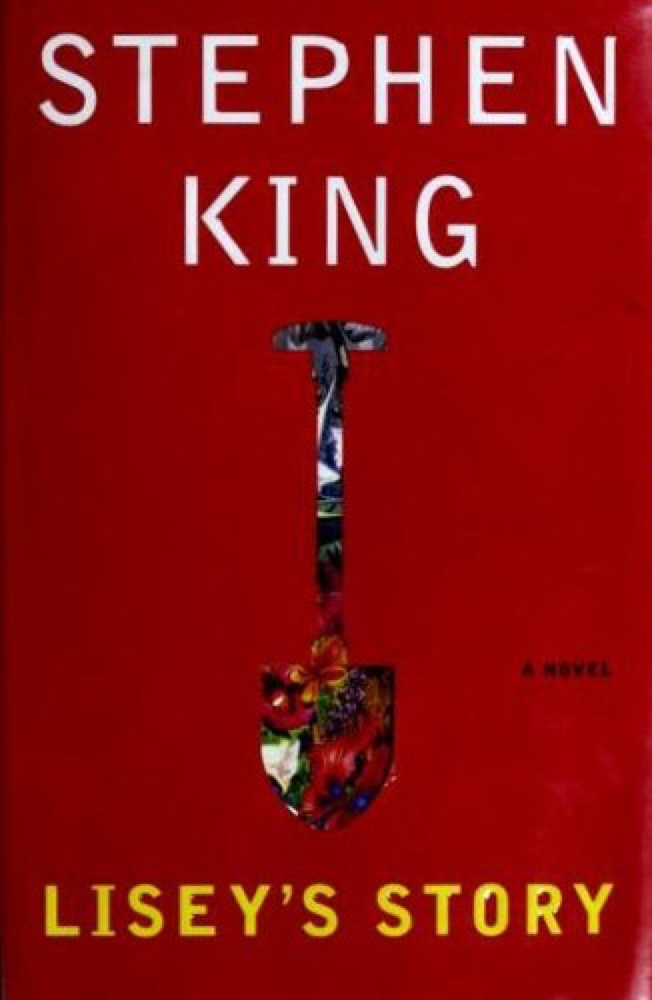 Lisey's Story
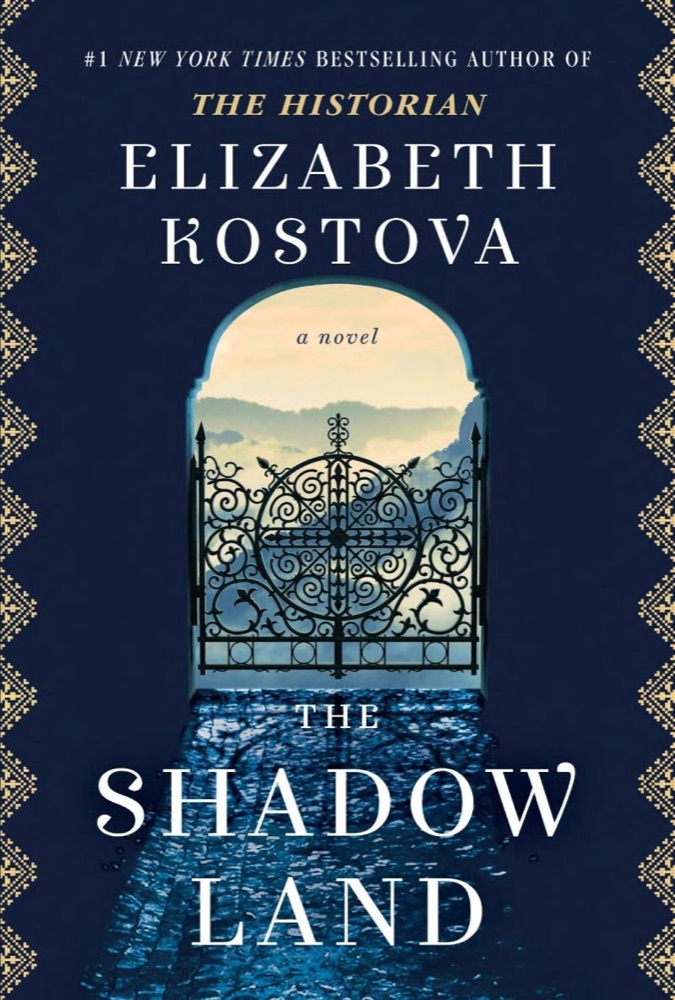 The Shadow Land
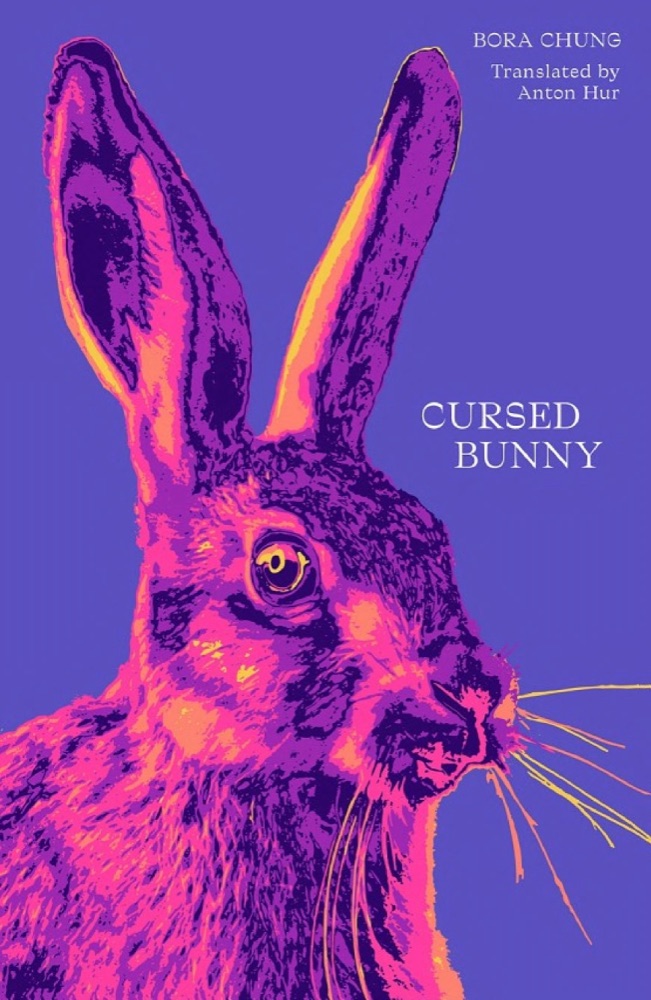 Cursed Bunny
 Home Fire
 A Tempest of Tea
 A Crane Among Wolves
 Flame in the Mist